Overview
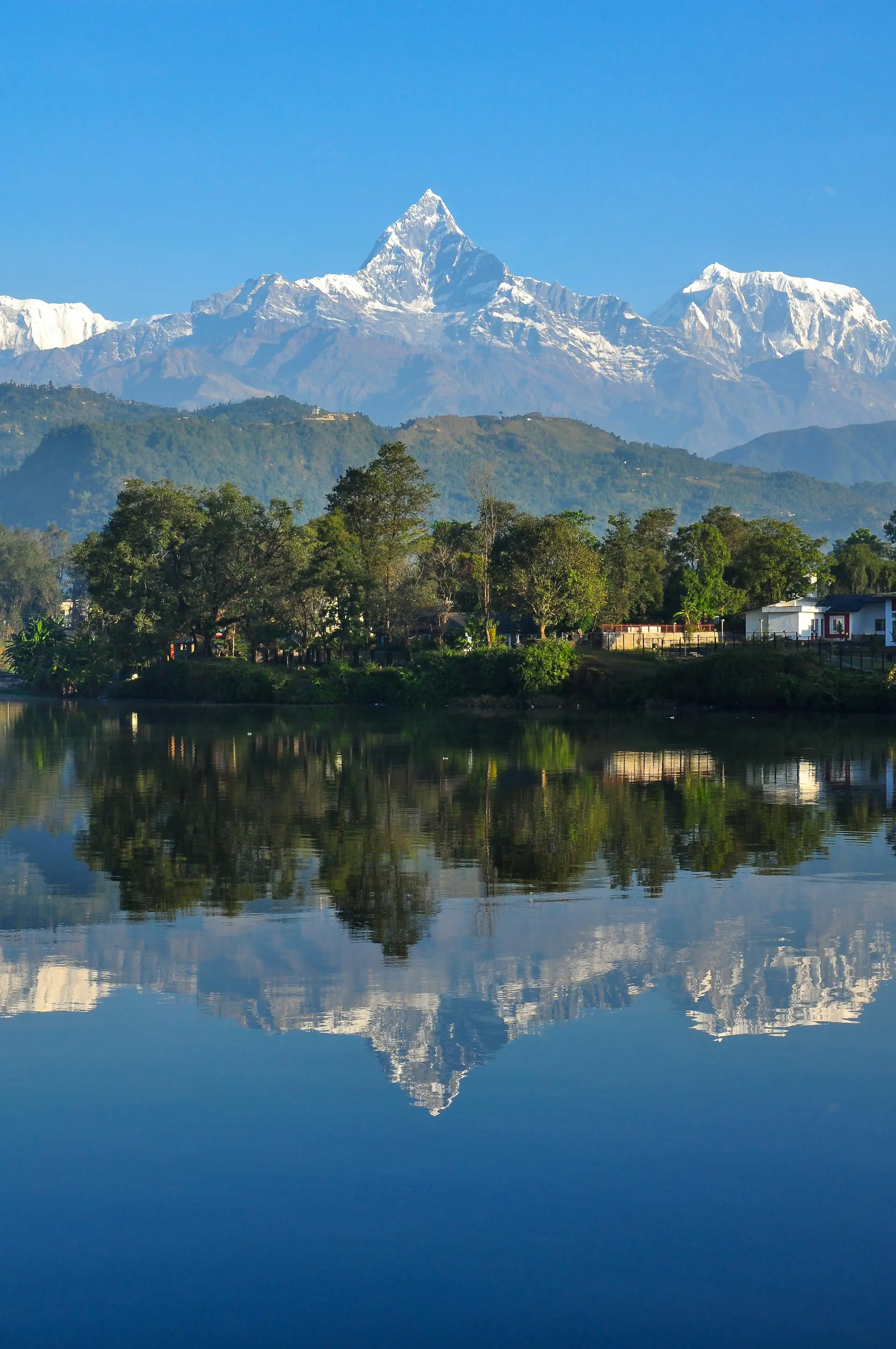
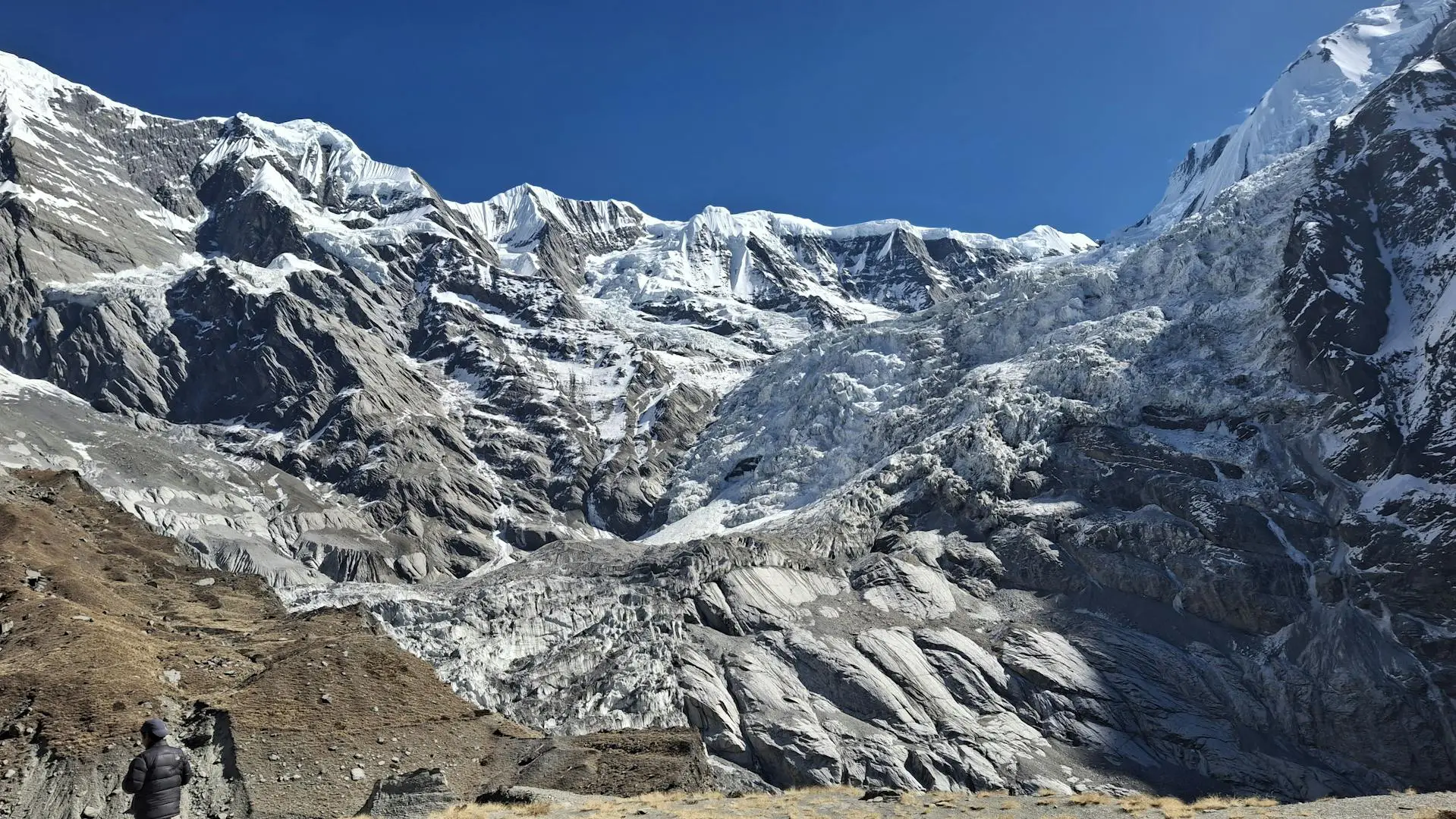
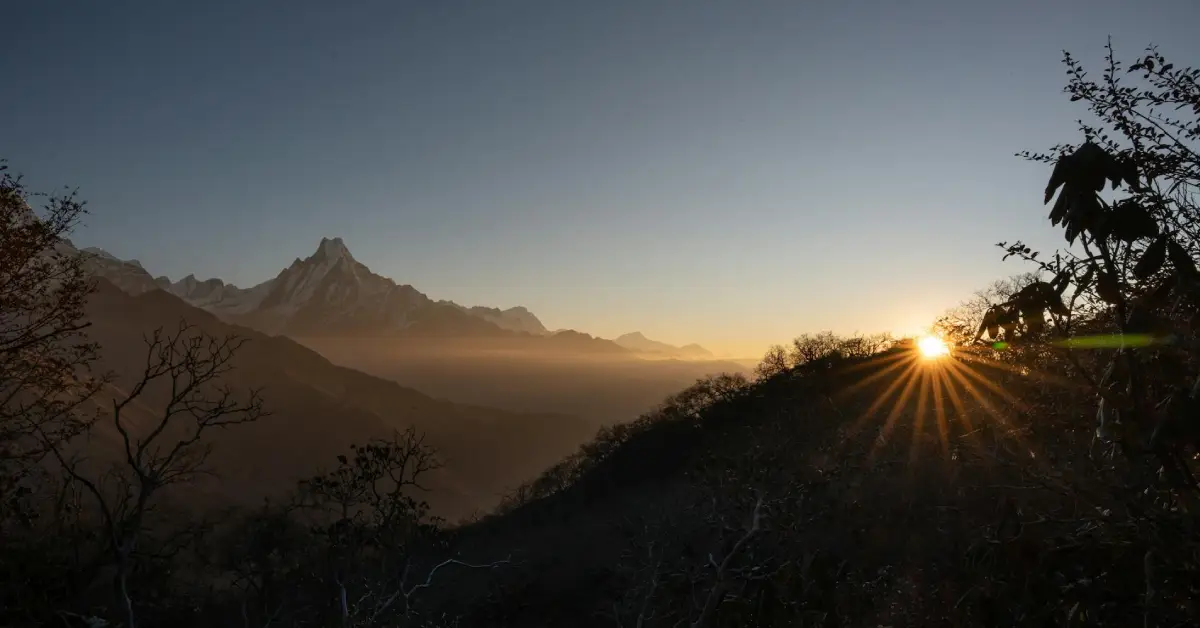
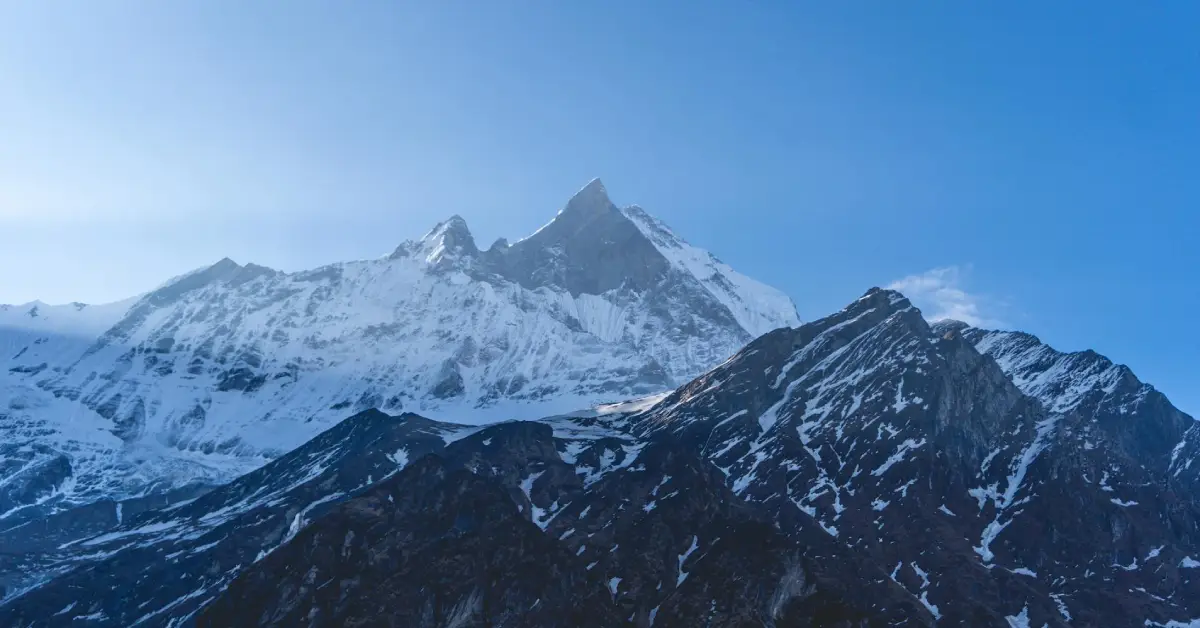
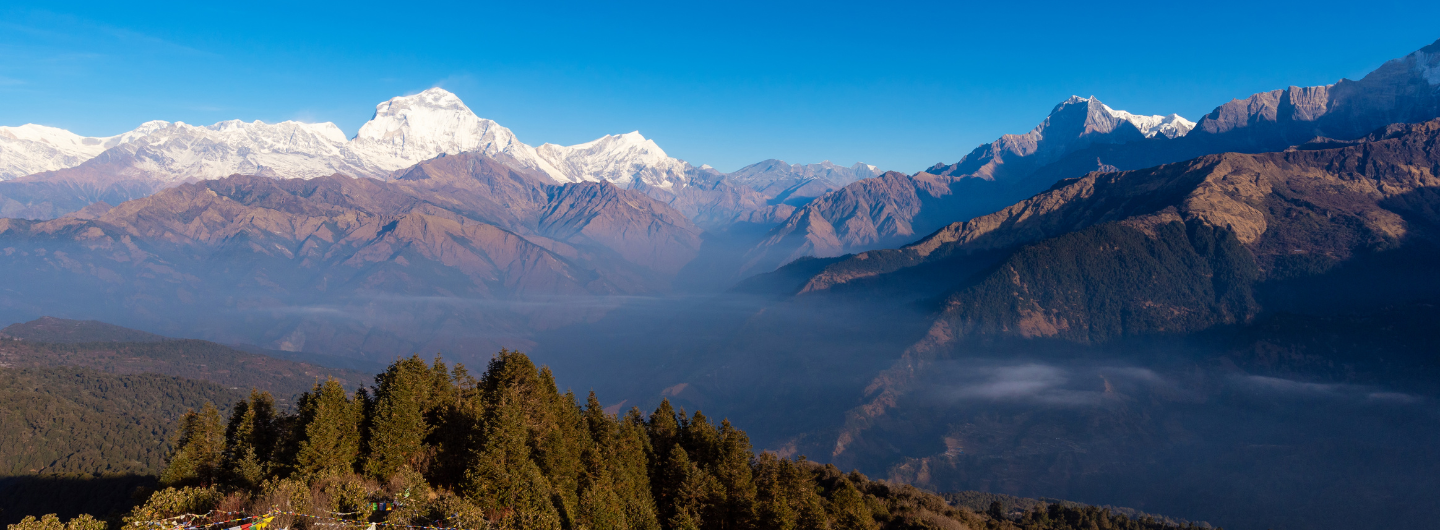
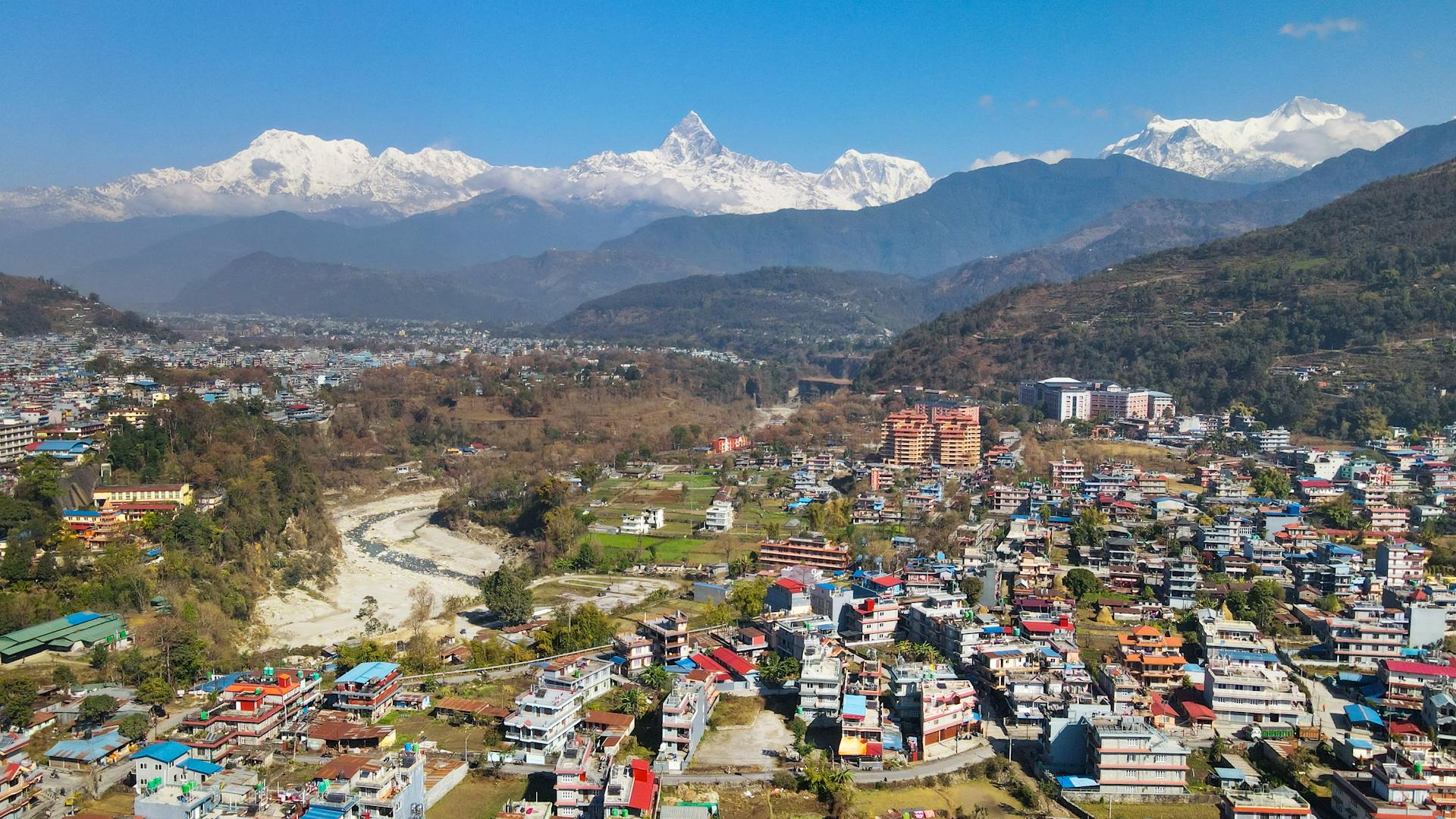
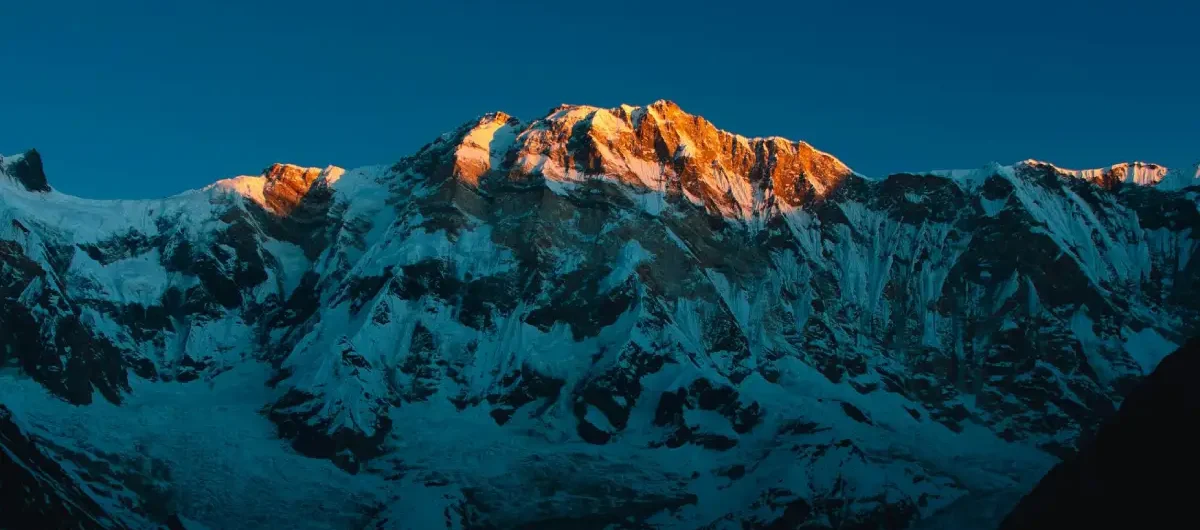
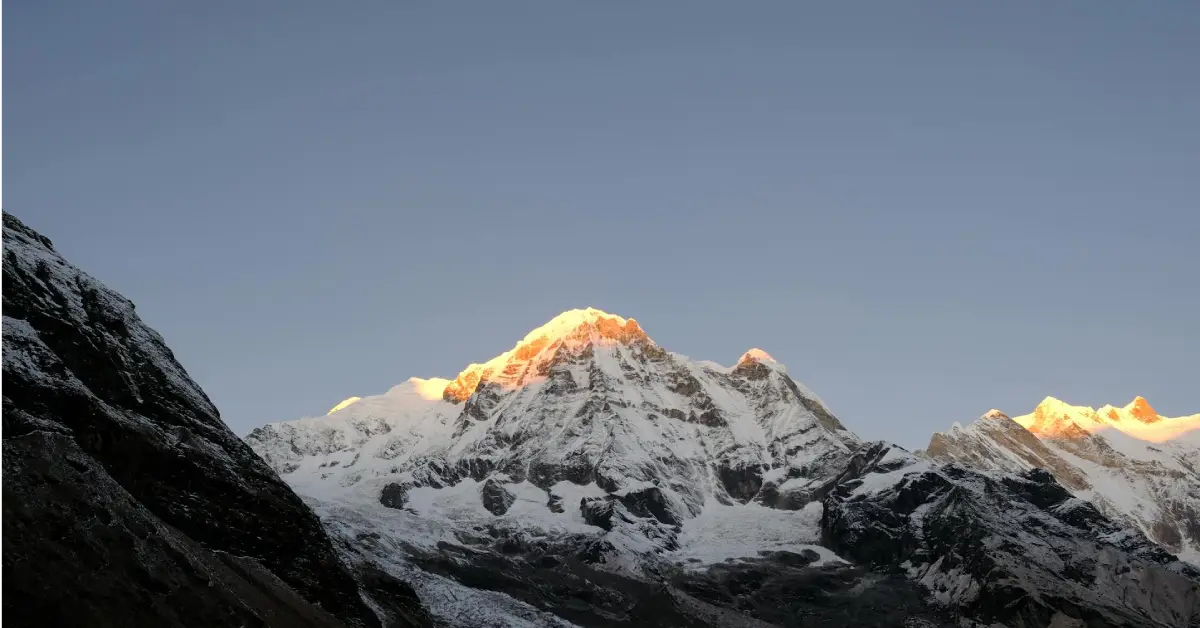
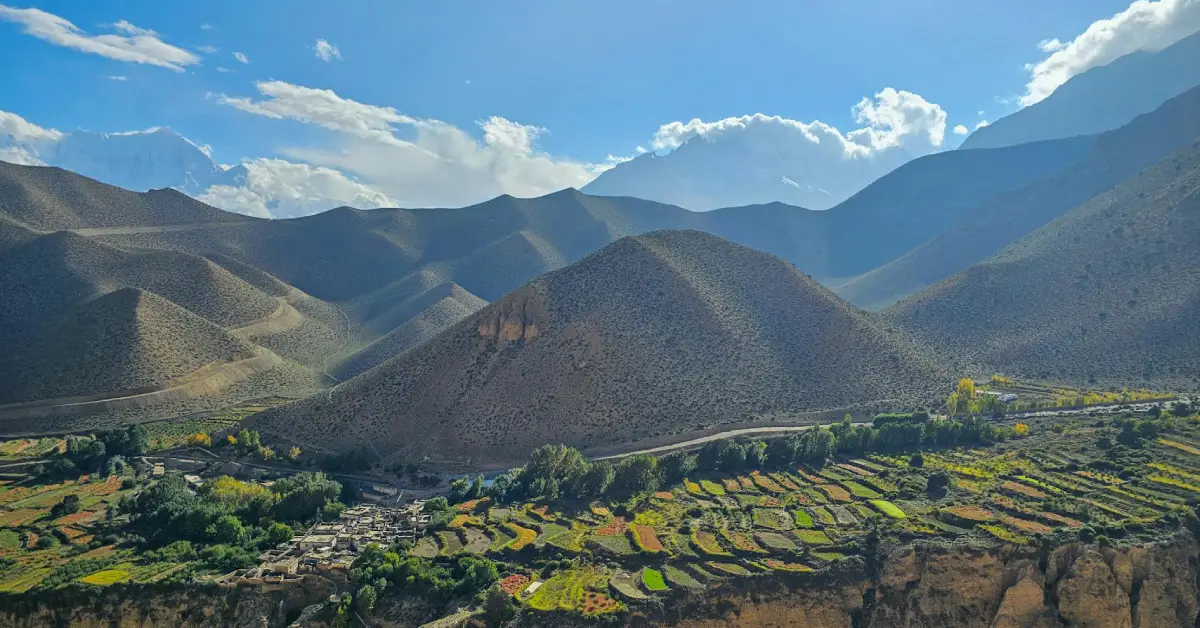
The Upper Mustang Trek Nepal is a 20-day restricted-area journey through the ancient Kingdom of Lo, reaching a maximum altitude of 4,230 meters. It covers some of the most striking trans-Himalayan terrain in the world, offering trekkers a rare blend of Tibetan Buddhist culture, wind-carved desert canyons, and medieval walled cities. Operated by Trexmount Ventures, this trek is available year-round, including during Nepal’s monsoon season, because the region lies in a rain shadow.
What Is the Upper Mustang Trek Nepal?
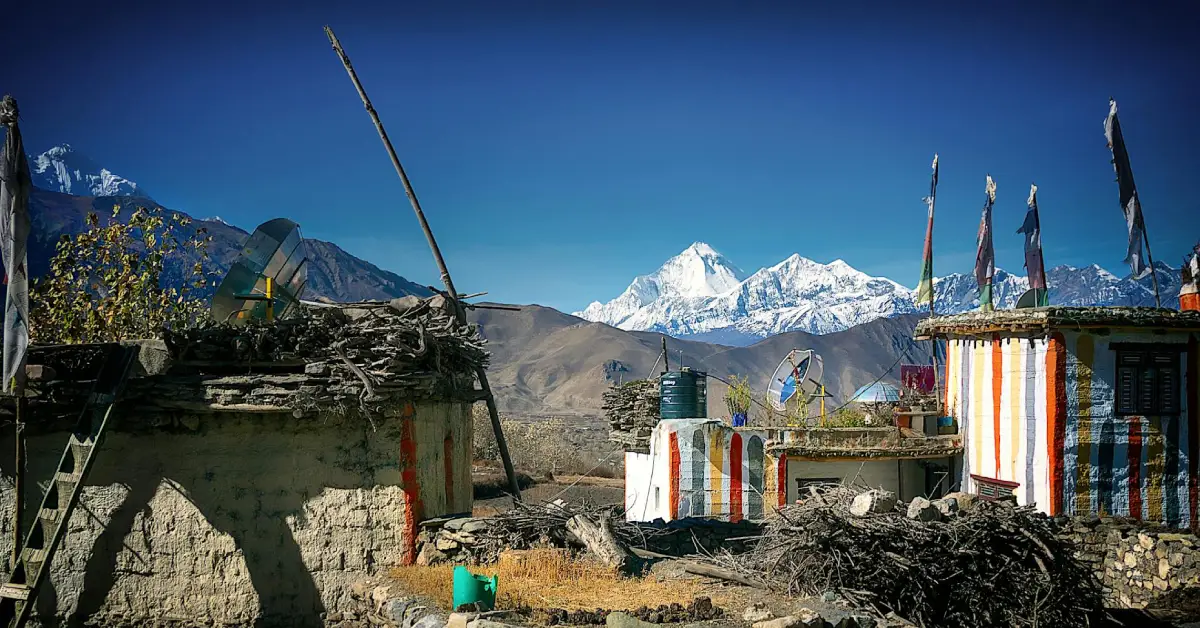
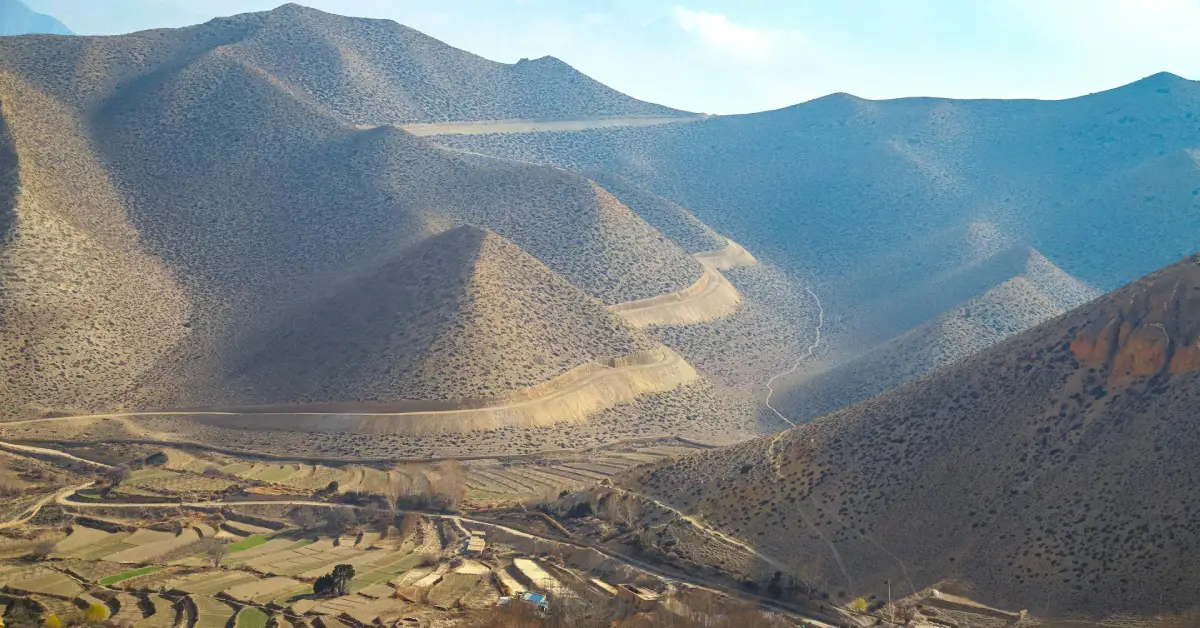
The Upper Mustang Trek Nepal takes you into one of the last preserved Tibetan-influenced kingdoms on earth. Known widely as the “Last Forbidden Kingdom,” this region was closed to foreign visitors until 1992. Even today, it requires a special restricted-area permit, which keeps crowds minimal and the culture intact.
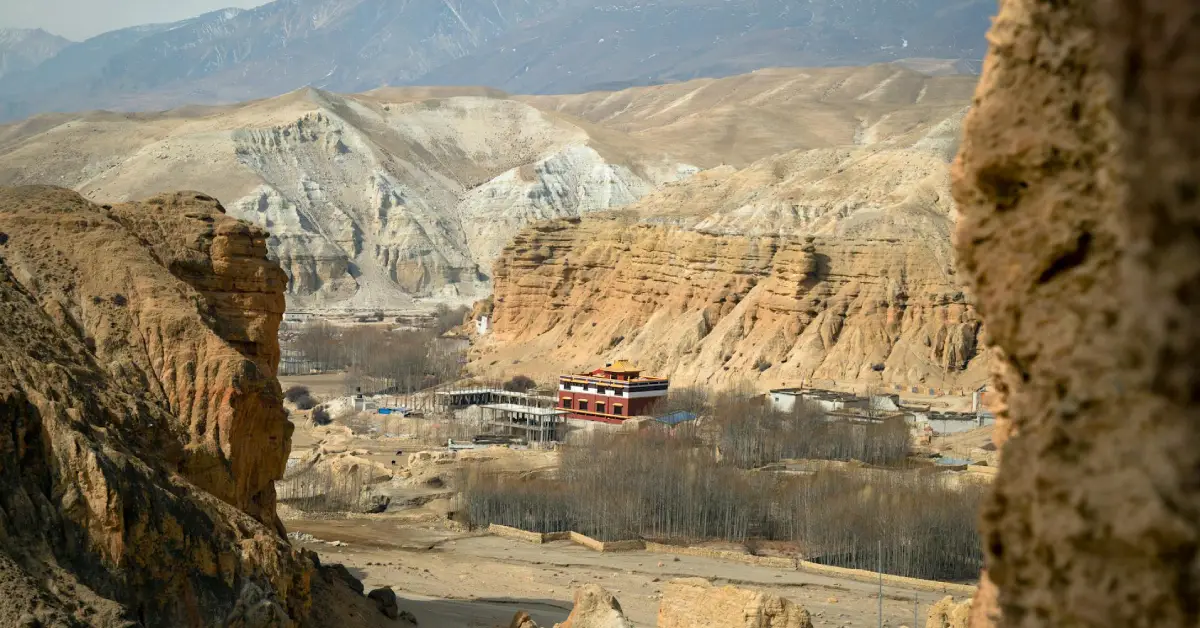
The trek winds through the Kali Gandaki Valley, past salt-trade villages, sky-high plateaus, and ancient monasteries. The final destination, Lo-Manthang, is a walled medieval city that still functions as a living community. Upper Mustang Nepal trekking is unique because it offers both a cultural and geological experience that no other Himalayan route can fully replicate.
| Feature | Details |
|---|---|
| Trek Duration | 20 Days |
| Start / End Point | Kathmandu |
| Trek Grade | Adventurous / Moderate |
| Maximum Altitude | 4,230 m (Nyi La Pass area) |
| Region | Mustang, Gandaki Province, Nepal |
| Trek Type | Restricted Area Trek |
| Best Seasons | Spring, Monsoon, Autumn |
| Total Price | USD 2,440 (Trexmount Ventures) |
Upper Mustang Trekking Map
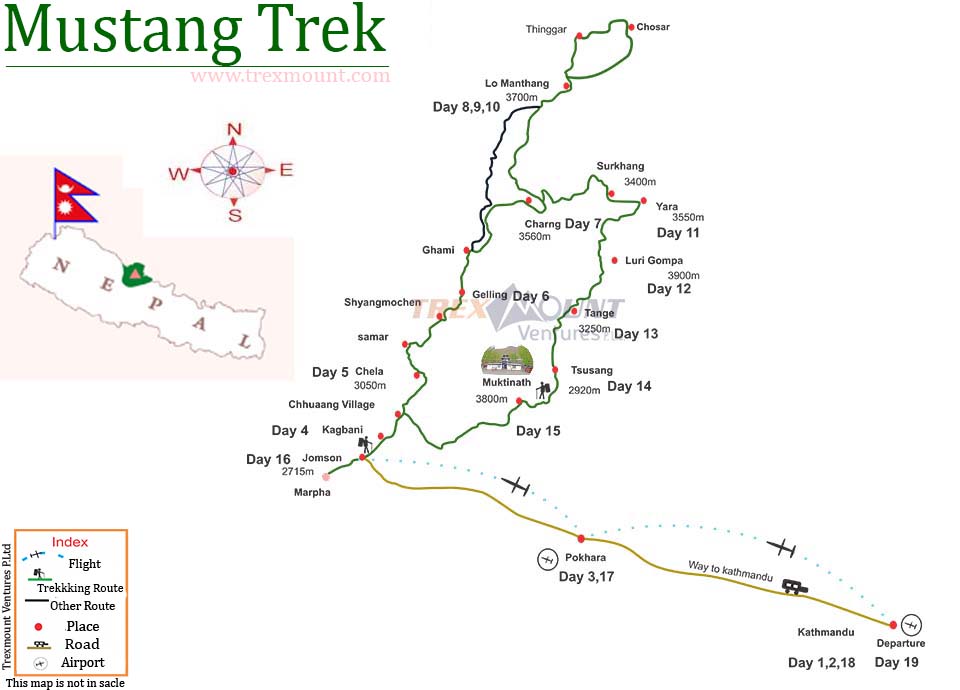
The Upper Mustang trekking map follows a roughly north-south axis through the Kali Gandaki corridor before branching onto an eastern return route. The full circuit covers approximately 180 to 200 kilometers on foot, excluding road and air transfers.
| Segment | Route |
|---|---|
| Air Transfer | Pokhara to Jomsom (20 min flight) |
| Main Ascent Route | Jomsom – Kagbeni – Chele – Geling – Tsarang – Lo-Manthang |
| Return Route | Lo-Manthang – Yara – Luri Gompa – Tange – Chusang – Muktinath – Jomsom |
| Air Transfer Back | Jomsom to Pokhara (20 min flight) |
The trail runs along and across the Kali Gandaki River multiple times. The return loop through Yara and Luri Gompa is often called the eastern circuit and gives trekkers access to remote cave monasteries not visible on the outbound route. Upper Mustang trekking in Nepal is one of the few Himalayan routes where the return path differs significantly from the approach, making the full circuit richer and more varied.
Upper Mustang Trekking Permit
Because Upper Mustang is a restricted area, standard trekking permits are not enough. The Upper Mustang trekking permit system is strictly regulated by the Government of Nepal, and trekkers must hold valid documentation before crossing the checkpoint at Kagbeni.
| Permit Type | Estimated Cost (Per Person) | Validity |
|---|---|---|
| Restricted Area Permit (RAP) | USD 500 for 10 days + USD 50 per extra day | Duration of Trek |
| Annapurna Conservation Area Permit (ACAP) | NPR 3,000 (~USD 22) | Single Entry |
| TIMS Card | NPR 3,000 (~USD 22) | Single Use |
Two important points about the Upper Mustang trekking permit:
- Permits are checked at multiple checkpoints along the route, including at Kagbeni, Tsarang, and Lo-Manthang.
- Trexmount Ventures handles all permit applications on behalf of trekkers, ensuring zero delays or errors at border checkpoints.
How High Is the Upper Mustang Trek?
The Upper Mustang Trek Nepal operates at elevations between 2,713 meters at Jomsom and approximately 4,230 meters at higher ridges and passes along the trail. Unlike the EBC or Annapurna Circuit, this trek does not cross extremely high altitudes, which makes it accessible to a broader range of trekkers.
| Location | Altitude |
|---|---|
| Jomsom (Start of Trek) | 2,713 m / 8,901 ft |
| Kagbeni | 2,810 m / 9,219 ft |
| Tshele (Chele) | 3,050 m / 10,006 ft |
| Geling | 3,540 m / 11,614 ft |
| Tsarang | 3,560 m / 11,680 ft |
| Lo-Manthang | 3,700 m / 12,139 ft |
| Luri Gompa | 3,900 m / 12,795 ft |
| Muktinath | 3,800 m / 12,467 ft |
| Nyi La Pass | ~3,950 m / 12,959 ft |
The altitude gain on the Upper Mustang trekking route is gradual throughout. This is a major reason the trek suits beginners with reasonable fitness levels. Altitude sickness risk exists above 3,000 meters, so proper hydration, rest, and slow pacing remain essential.
How Difficult Is the Upper Mustang Trek?
The Upper Mustang Trek is rated moderate to adventurous. There is no technical climbing, no glacier crossing, and no extreme altitude. However, the physical demands come from different factors compared to standard hill treks.
| Factor | Difficulty Level |
|---|---|
| Terrain | Dry, dusty, rocky trails |
| Daily Walking Time | 5 to 8 hours |
| Altitude | Moderate (max ~4,230 m) |
| Technical Climbing | None required |
| Weather Challenge | Strong afternoon winds |
| Route Finding | Straightforward with a guide |
| Fitness Requirement | Basic to moderate |
The main challenges of the Upper Mustang trek are:
- Long walking days, with Day 14 covering roughly 8 hours through remote terrain
- Persistent afternoon winds in the Kali Gandaki Valley, which can reach high speeds
- Dust and dry air, which affect breathing and hydration
- Remote setting with limited medical facilities beyond Jomsom
Even so, motivated first-time trekkers regularly complete this journey with proper preparation. Trexmount Ventures designs each itinerary with buffer days and acclimatization rest stops built in.
What Is the Hardest Trek in Nepal?
The hardest treks in Nepal are generally considered to be the Dhaulagiri Circuit Trek, the Kanchenjunga Circuit, and the Upper Dolpo Trek. These routes involve higher altitudes, more technical terrain, longer distances, and far fewer infrastructure and rescue options.
| Trek | Max Altitude | Duration | Difficulty |
|---|---|---|---|
| Dhaulagiri Circuit | 5,360 m | 18-21 Days | Strenuous |
| Kanchenjunga Circuit | 5,143 m | 20-24 Days | Strenuous |
| Upper Dolpo | 5,190 m | 21-28 Days | Very Strenuous |
| Manaslu Circuit | 5,106 m | 14-16 Days | Challenging |
| Upper Mustang Trek Nepal | ~4,230 m | 20 Days | Moderate |
The mustang trek sits comfortably in the moderate category. Its challenge is not altitude or technical difficulty but rather its psychological and physical remoteness. Trekkers are far from hospitals, rescue points, and urban comfort for extended periods. That said, compared to the treks listed above, Upper Mustang trekking in Nepal is considerably more accessible to regular trekkers.
Best Time for Upper Mustang Trekking
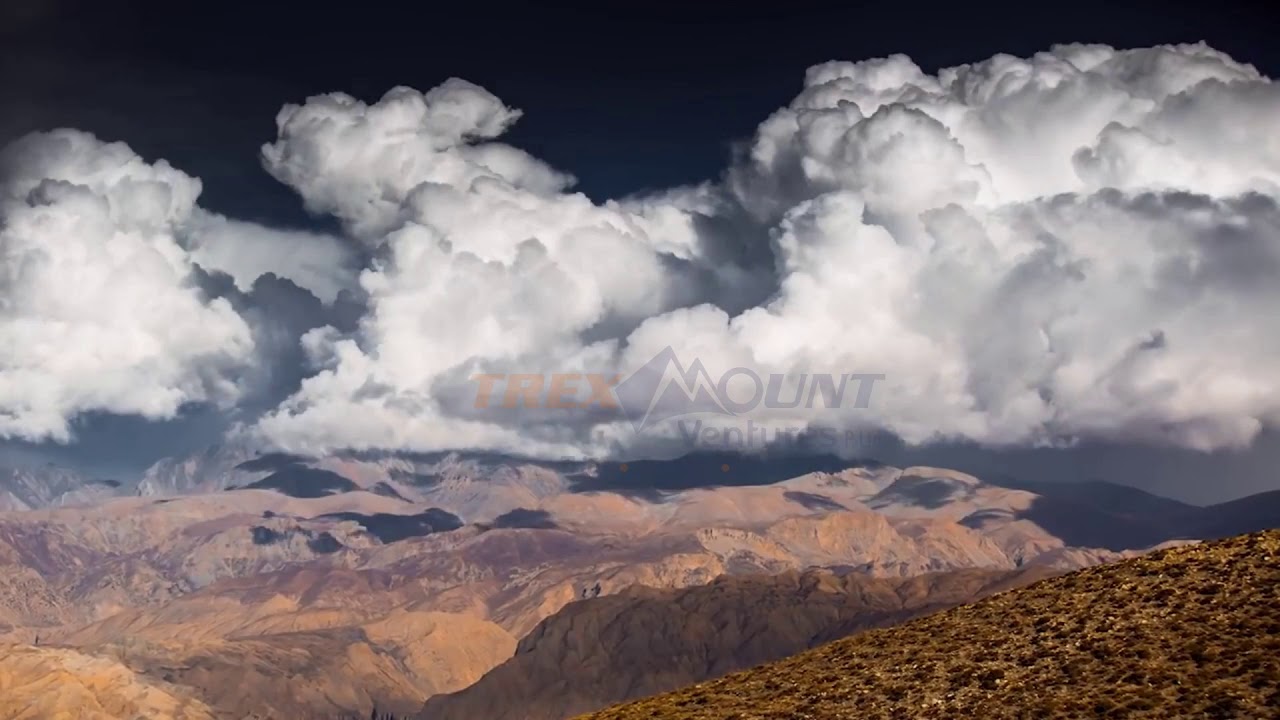
Upper Mustang Nepal trekking is unique among Himalayan treks because it remains viable even during the June to August monsoon months. The region sits north of the Annapurna and Dhaulagiri massifs, which block moisture-laden clouds coming from the south.
| Season | Months | Conditions |
|---|---|---|
| Spring | March – May | Clear skies, mild temperatures, blooming landscapes |
| Monsoon | June – August | Minimal rainfall, fewer trekkers, dramatic dry landscapes |
| Autumn | September – November | Stable weather, excellent mountain visibility |
| Winter | December – February | Very cold, some trails icy, least recommended |
Spring and autumn are considered the peak seasons for the mustang trek. However, the monsoon season is increasingly popular among Asian trekking in Upper Mustang, as crowds are lower and the arid landscape is particularly striking under dramatic skies.
Upper Mustang Trek Cost
The Upper Mustang Trek Nepal costs USD 2,440 per person when booked through Trexmount Ventures as a private trip. This price covers a comprehensive package and reflects the mandatory restricted-area permit costs, domestic flights, professional guiding, and accommodation.
| Cost Component | Estimated Cost (USD) |
|---|---|
| Restricted Area Permit (10 days) | 500 |
| ACAP Permit | ~22 |
| TIMS Card | ~22 |
| Domestic Flights (both ways) | ~250 to 300 |
| Accommodation (Teahouses) | Included in package |
| Meals (Breakfast, Lunch, Dinner) | Included in package |
| Licensed Guide | Included in package |
| Porter Support | Included in package |
| Full Package Price (Trexmount) | USD 2,440 |
What Affects the Total Cost of Upper Mustang Trekking?
- Group size: Solo travelers pay more per person than groups.
- Extra days: The restricted area permit charges USD 50 per additional day beyond 10 days.
- Seasonal variation: Flights from Pokhara to Jomsom may cost more during peak seasons due to demand.
- Customization: Side trips, extra nights, or special cultural visits may add to the base cost.
Upper Mustang trekking is one of the more expensive routes in Nepal, purely because of the restricted permit fee. However, compared to other restricted treks globally, the experience offered is exceptional value. Many trekkers who compare Upper Mustang trekking in Nepal with Bhutan or Tibet tours consider it significantly more affordable for the depth of cultural access it provides.
Is It Easy for Non-Nepalese to Enter the Upper Mustang?
Non-Nepalese visitors can enter Upper Mustang, but the process is more structured compared to open trekking areas. The Nepalese government requires all foreign nationals to obtain a Restricted Area Permit before crossing the checkpoint at Kagbeni.
| Requirement | Details |
|---|---|
| Restricted Area Permit | Mandatory for all foreign nationals |
| Licensed Nepali Guide | Mandatory, solo trekking not allowed |
| Minimum Group Size | 2 persons (solo with special arrangement via agency) |
| Permit Application | Through a registered trekking agency only |
| Processing Time | Usually 2 to 3 working days |
Three things foreign trekkers should know:
- Permits cannot be obtained at the checkpoint. They must be arranged in advance through a registered agency like Trexmount Ventures in Kathmandu.
- Indian nationals require a valid passport and the same permit structure as other foreign nationals for the restricted section beyond Kagbeni.
- Nepalese citizens do not need the Restricted Area Permit but are still required to follow standard ACAP and TIMS regulations.
The Upper Mustang trekking guide assigned by Trexmount Ventures handles all checkpoint procedures, making the process seamless for international trekkers.
Upper Mustang Alternative Trekking
For trekkers who are interested in the Mustang region but want different experiences, Upper Mustang alternative trekking options are worth considering. These routes either connect to the Upper Mustang trekking map or share cultural similarities.
| Alternative Trek | Duration | Highlights |
|---|---|---|
| Mustang Tiji Festival Trek | 12-14 Days | Tiji Festival in Lo-Manthang, cultural focus |
| Nar Phu Valley Trek | 14-18 Days | Remote Tibetan villages, restricted area |
| Annapurna Circuit via Mustang | 18-22 Days | Combines Thorong La with lower Mustang |
| Upper Dolpo Trek | 21-28 Days | Remote, Buddhist culture, Phoksundo Lake |
| Manaslu Circuit Trek | 14-16 Days | Restricted area, Himalayan views |
The Mustang Tiji Festival Trek is particularly recommended as an alternative for trekkers focused more on culture than distance. It centers on the three-day Tiji Festival held annually in Lo-Manthang, usually in May. Asian trekking in Upper Mustang during the Tiji Festival is considered one of the most vivid cultural experiences in the entire Himalayan region.
For those seeking similar trans-Himalayan desert landscapes without the Upper Mustang restricted permit, the Nar Phu Valley Trek is the closest comparable experience. It shares many of the same cultural characteristics, including Tibetan-influenced villages, ancient monasteries, and high-altitude dry terrain.
Why Trek with Trexmount Ventures?
Trexmount Ventures is a government-registered trekking company based in Thamel, Kathmandu. As an Upper Mustang trekking guide specialist, the company brings years of experience managing restricted-area permits, logistics, and personalized itineraries for international clients.
- All Upper Mustang trekking permits are arranged directly, with no third-party delays
- Licensed and experienced local guides who speak English and understand the Loba culture deeply
- Transparent, all-inclusive pricing with no hidden charges
- Itineraries customized around your dates, fitness, and interests
- 24/7 on-ground support throughout the trek
Trexmount Ventures has facilitated Upper Mustang Nepal trekking for clients from Australia, New Zealand, the United Kingdom, and across Europe and Asia. The company’s approach emphasizes cultural respect, sustainable travel, and safety-first itinerary design.
Book Your Upper Mustang Trek with Trexmount Ventures
If you are ready to walk through one of the most extraordinary landscapes in the Himalayas, Trexmount Ventures is here to make it happen. Our team handles every detail, from Upper Mustang trekking permits and domestic flights to daily logistics and cultural guidance, so that your only job is to experience the journey fully. Whether you are planning a private trip or looking to join a group departure, we offer flexible options to match your schedule and budget.
 Review us on Google
 Review us on TripAdvisor