
Overview
Nestled in the peaceful plains of southern Nepal lies Lumbini, a place where spirituality meets history. This sacred destination is where Prince Siddhartha Gautama, who later became Lord Buddha, was born over 2,500 years ago. A Lumbini tour offers visitors a profound journey into Buddhist heritage, ancient temples, serene monasteries, and a UNESCO World Heritage Site that attracts pilgrims and travelers from across the globe. Whether you’re seeking spiritual enlightenment or cultural exploration, this Lumbini Nepal experience promises an unforgettable adventure.
Understanding Lumbini’s Sacred Significance
Why Lumbini Matters to Buddhism
Lumbini stands as the cornerstone of Buddhist faith and philosophy. This birthplace of Lord Buddha tour destination holds immense spiritual power because it represents the beginning of Buddhism’s 2,500-year journey. According to ancient texts, Queen Maya Devi gave birth to Prince Siddhartha while holding onto a sal tree branch in the beautiful Lumbini gardens. This momentous event changed world history forever.
The sacred Lumbini heritage site, Nepal, represents more than just a historical location. It embodies the principles of compassion, peace, and enlightenment that Buddha taught throughout his life. Millions of Buddhists worldwide consider visiting Lumbini as one of their most cherished spiritual goals. The energy here feels different, calm, peaceful, and deeply moving.
The UNESCO World Heritage Site Lumbini Legacy
Furthermore, the UNESCO World Heritage Site Lumbini designation in 1997 recognized its outstanding universal value. This recognition ensures that the site receives proper preservation and protection for future generations. The designation covers approximately 8 square kilometers, including the sacred garden, ancient ruins, and modern monastery zone.
Planning Your Lumbini Pilgrimage Tour in Nepal
Getting to Lumbini Nepal
The Lumbini Buddhist pilgrimage tour begins with reaching this sacred destination. Travelers can fly directly to Gautam Buddha International Airport in Bhairahawa, which is approximately 30 kilometers from Lumbini. Alternatively, many visitors choose overland journeys from Kathmandu, which take around 7-8 hours by bus or private vehicle.
The journey itself becomes part of the spiritual experience. As you travel through Nepal’s diverse landscapes, you’ll witness stunning mountain views transitioning to the flat Terai plains. Along the way, small villages and agricultural fields showcase traditional Nepali life. This gradual approach helps prepare your mind and heart for the sacred energy awaiting you.
Creating Your Perfect Lumbini Tour Itinerary
Moreover, planning a Nepal Lumbini tour requires thoughtful consideration of your interests and time. The main sacred garden area deserves at least half a day for proper exploration. Additionally, the international monastery zone needs another full day to truly appreciate its diversity. Therefore, most visitors find that 2-3 days provides the perfect balance for a comprehensive Lumbini cultural and spiritual tour.
What is the Best Time to Visit Lumbini?
Optimal Weather for Your Birthplace of Lord Buddha Tour
The question “What is the best time to visit Lumbini?” depends on your preferences and tolerance for different weather conditions. However, autumn (September through November) stands out as the most favorable period for a Lumbini pilgrimage tour in Nepal. During these months, the weather remains comfortable with clear blue skies and pleasant temperatures.
Spring (March to May) offers another excellent window for visiting. The gardens burst with colorful flowers, and the temperature stays moderate during morning and evening hours. Nevertheless, afternoons can become quite warm, so plan your sacred Lumbini heritage site, Nepal explorations accordingly. Early morning visits provide the most comfortable temperatures and peaceful atmospheres.
Seasonal Considerations for Spiritual Tours
In addition, winter months (December to February) attract visitors who prefer cooler weather and smaller crowds. The spiritual tour to Lumbini, Nepal, during winter offers tranquil experiences with crisp, clear air. However, pack warm clothing for early mornings and evenings. Conversely, monsoon season (June through August) brings heavy rainfall but also transforms the landscape into a lush, green paradise.
How Many Days for the Lumbini Tour?
Ideal Duration for Complete Exploration
When planning your Nepal Lumbini tour, the question “How many days for the Lumbini Tour?” requires careful thought. A minimum of two full days allows you to properly experience the main attractions without rushing. The first day can focus on the sacred garden area, including Maya Devi Temple and surrounding monuments. Meanwhile, the second day covers the extensive monastery zone.
For those seeking a deeper Lumbini Buddhist pilgrimage tour experience, three days provides ideal timing. This extended period allows participation in meditation sessions, attending prayer ceremonies, and simply absorbing the peaceful atmosphere. Additionally, you can explore each monastery at a leisurely pace, learning about different Buddhist traditions from around the world.
Balancing Time and Experience
Furthermore, single-day visits work for travelers with limited schedules. However, rushing through such a sacred space diminishes the spiritual impact. Therefore, consider your priorities carefully. A well-planned two-day birthplace of Lord Buddha tour offers sufficient time for meaningful exploration while fitting most travel itineraries comfortably.
Sacred Lumbini Heritage Site, Nepal: Must-Visit Places
Maya Devi Temple: The Heart of Your Lumbini Tour
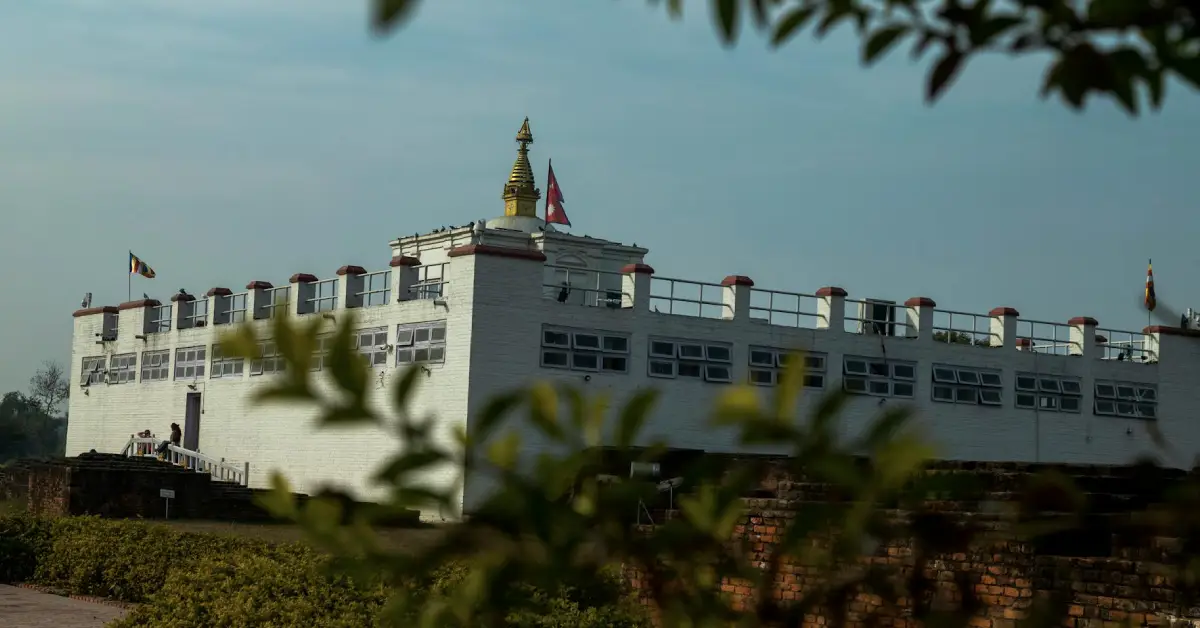
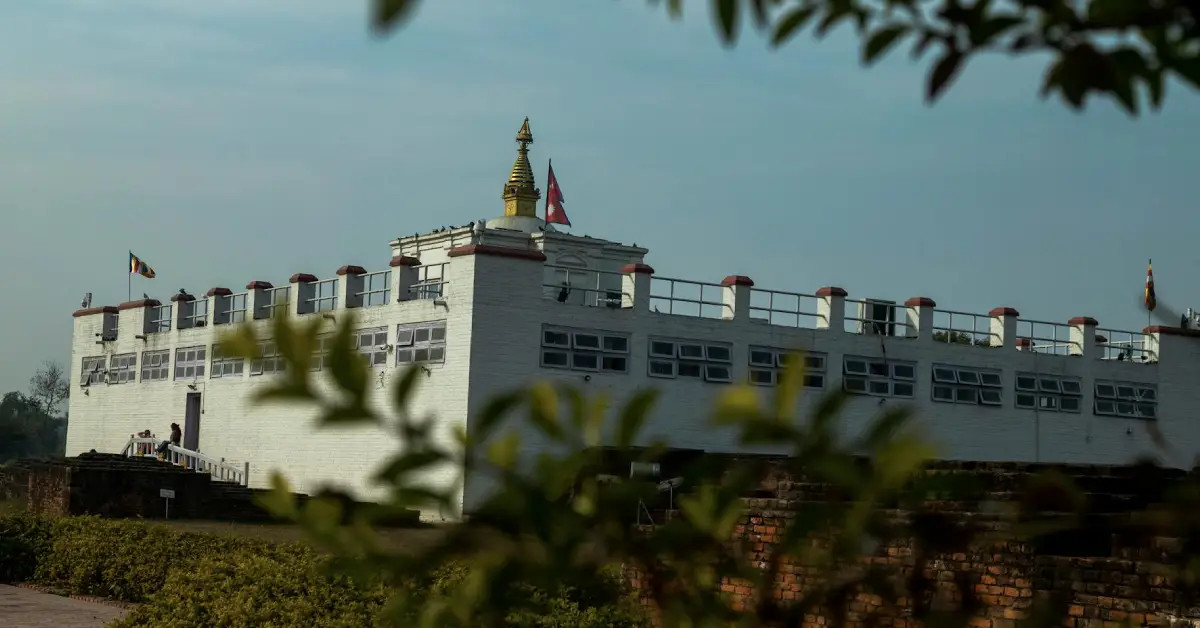
The Maya Devi Temple stands as the absolute centerpiece of any UNESCO World Heritage Site Lumbini visit. This modern structure protects the exact spot where Buddha was born. Inside, you’ll find the marker stone indicating the precise birthplace location, discovered during archaeological excavations in 1996. The atmosphere inside feels incredibly powerful and moving.
Ancient brick foundations visible within the temple date back over 2,000 years. These archaeological remains provide tangible connections to Buddha’s actual birth. Visitors often spend extended periods here in quiet contemplation. The temple’s design allows natural light to illuminate the sacred space, creating a serene environment for reflection and prayer.
The Ashoka Pillar: Ancient Testament
Moreover, the Ashoka Pillar represents one of the most significant historical monuments in your Lumbini cultural and spiritual tour. Emperor Ashoka erected this sandstone pillar in 249 BCE during his pilgrimage to Lumbini. The inscription confirms Lumbini as Buddha’s birthplace, providing crucial historical evidence. This ancient monument has withstood over 2,200 years of history.
Interestingly, lightning struck the pillar in ancient times, breaking it into two pieces. However, it was later reassembled, and it continues to stand tall today. The pillar’s survival through centuries demonstrates the enduring significance of this birthplace of Lord Buddha tour destination.
Sacred Garden and Puskarini Pond
Additionally, the Sacred Garden surrounding Maya Devi Temple offers peaceful walking paths among ancient sal trees. According to tradition, Queen Maya Devi grasped a sal tree branch while giving birth. Today, visitors meditate beneath these majestic trees, connecting with that sacred moment. The garden’s tranquil atmosphere encourages spiritual reflection and peace.
The Puskarini Pond, where Queen Maya Devi bathed before giving birth, adds another sacred dimension. This rectangular pool, with its clear water, creates a mirror-like reflection of surrounding structures. Many pilgrims perform ritual bathing here as part of their spiritual tour to Lumbini, Nepal.
Lumbini Monastery and Temple Tour Experience
Exploring International Monasteries
The Lumbini monastery and temple tour section showcases an incredible diversity of Buddhist architecture and traditions. Countries from across Asia and beyond have built beautiful monasteries representing their unique cultural interpretations of Buddhism. This area transforms your Buddhist heritage tour Nepal into a journey around the Buddhist world without leaving Lumbini.
Each monastery offers distinct architectural features, prayer styles, and cultural elements. For instance, the Myanmar Golden Temple dazzles with its golden stupas and intricate carvings. Meanwhile, the Chinese monastery impresses with traditional red and gold colors, elaborate dragon decorations, and peaceful courtyards. These contrasts make exploring each monastery fascinating and educational.
Notable Monasteries Worth Visiting
Furthermore, the German monastery presents a stark contrast with its modern, minimalist design reflecting contemporary European aesthetics. The Thai monastery showcases classical Thai architecture with pointed roofs and detailed murals depicting Buddha’s life. Each structure tells a unique story about how different cultures embrace and express Buddhist teachings.
During your Nepal Lumbini tour, visiting the Vietnamese monastery provides opportunities to observe intricate wood carvings and peaceful gardens. Similarly, the Korean monastery combines traditional Korean temple architecture with modern amenities. These diverse expressions of faith demonstrate Buddhism’s universal appeal across cultures and continents.
Participating in Monastery Activities
Moreover, many monasteries welcome visitors to participate in daily prayers, meditation sessions, and dharma talks. These experiences deepen your Lumbini Buddhist pilgrimage tour beyond simple sightseeing. Monks often share insights about their specific Buddhist traditions, creating meaningful cultural exchanges. Some monasteries also offer short meditation courses for interested visitors.
Lumbini Cultural and Spiritual Tour Activities
Meditation and Mindfulness Practices
The Lumbini cultural and spiritual tour offers numerous opportunities for meditation and mindfulness practice. The peaceful environment naturally encourages inner reflection and spiritual growth. Many visitors discover meditation for the first time during their Lumbini pilgrimage tour in Nepal. The sacred energy of Buddha’s birthplace enhances meditative experiences significantly.
Several monasteries offer structured meditation sessions for beginners and experienced practitioners alike. These sessions typically include basic instruction, guided meditation, and silent sitting periods. Even short meditation experiences can profoundly impact your visit. The combination of sacred location and expert guidance creates ideal conditions for spiritual development.
Engaging with Buddhist Teachings
Additionally, attending dharma talks provides valuable insights into Buddhist philosophy and practice. Monks and spiritual teachers share wisdom about Buddha’s teachings, making complex concepts accessible to everyone. These talks often relate Buddha’s ancient wisdom to modern life challenges. Even without prior Buddhist knowledge, visitors find these sessions enlightening and practical.
Furthermore, participating in prayer ceremonies offers unique cultural experiences during your birthplace of Lord Buddha tour. The rhythmic chanting, incense offerings, and collective devotion create powerful atmospheres. These ceremonies happen throughout the day at various monasteries. Visitors are generally welcome to observe or participate respectfully.
Cultural Immersion Opportunities
Moreover, volunteering at monasteries or participating in cultural exchange programs enriches your spiritual tour to Lumbini, Nepal. Some visitors choose to stay at monasteries, following daily routines alongside resident monks. This immersive approach provides deeper understanding of Buddhist monastic life. However, always respect monastery rules and traditions carefully.
Buddhist Heritage Tour Nepal: Historical Landmarks
Archaeological Treasures
The Buddhist heritage tour Nepal component reveals Lumbini’s rich archaeological significance beyond the main sacred garden. Ongoing excavations continue uncovering ancient structures that illuminate early Buddhist history. These discoveries provide tangible evidence of Lumbini’s continuous importance as a pilgrimage site throughout centuries.
Archaeological findings include ancient brick structures, votive stupas, and monastery foundations. These remains date from the 3rd century BCE through medieval periods. Each discovery adds layers to our understanding of how Buddhism evolved and spread from this sacred birthplace of Lord Buddha tour location.
Lumbini Museum Complex
Furthermore, the Lumbini Museum houses an impressive collection of artifacts discovered during archaeological excavations. Sculptures, coins, pottery, and religious objects tell stories of pilgrims who visited throughout history. The museum’s exhibits explain Buddha’s life, Buddhist philosophy, and Lumbini’s historical development. This educational component enhances any UNESCO World Heritage Site Lumbini visit.
The museum displays range from ancient terra-cotta figurines to medieval manuscripts. Interactive exhibits help visitors understand Buddhist art evolution across different Asian cultures. Photography enthusiasts appreciate the well-preserved sculptures and detailed explanatory panels. Allocate at least one hour for a thorough museum exploration.
Historical Context and Education
Moreover, the Lumbini Development Trust continues to preserve and promote this sacred Lumbini heritage site in Nepal. Their efforts ensure that future generations can experience Lumbini’s spiritual and historical significance. Educational programs, conservation projects, and infrastructure development all support sustainable pilgrimage tourism.
Spiritual Tour to Lumbini, Nepal: Finding Inner Peace
Creating Personal Spiritual Experiences
A spiritual tour to Lumbini, Nepal transcends typical tourism, offering profound personal transformation possibilities. The peaceful atmosphere naturally quiets busy minds and opens hearts to spiritual experiences. Many visitors report feeling unexpected emotions, peace, joy, or deep connection during their Lumbini tour. These responses reflect the location’s powerful spiritual energy.
Finding quiet corners for personal reflection enhances your sacred Lumbini heritage site, Nepal journey. Early morning hours before crowds arrive provide ideal opportunities for solitary contemplation. The soft morning light filtering through ancient trees creates magical moments. Watching sunrise from the sacred garden brings many visitors to tears of joy and gratitude.
Connecting with Universal Compassion
Moreover, Lumbini’s energy encourages developing compassion and loving-kindness toward all beings. Buddha’s teachings emphasize these qualities as paths to enlightenment and happiness. Spending time in his birthplace naturally inspires these positive emotions. Many visitors report feeling more patient, kind, and peaceful after their Nepal Lumbini tour experience.
The Eternal Peace Flame, symbolizing world peace and harmony, provides another powerful focal point for reflection. This continuously burning flame reminds visitors of Buddhism’s fundamental message of peace. Sitting near the flame while contemplating peace, personal, community, and global peace creates meaningful spiritual experiences.
Personal Transformation Through Pilgrimage
Furthermore, many travelers describe their Lumbini Buddhist pilgrimage tour as life-changing. The combination of sacred space, spiritual practices, and historical significance creates conditions for personal breakthroughs. Some visitors gain clarity about life decisions, while others simply experience deep peace. Each person’s journey unfolds uniquely and perfectly for their needs.
How Much Will a Nepal Lumbini Trip Cost?
Understanding Your Investment
The question “How much will a Nepal Lumbini trip cost?” involves various factors depending on your travel style and preferences. Your birthplace of Lord Buddha tour expenses include transportation, accommodation, meals, and activity fees. However, Lumbini remains remarkably accessible for budget-conscious travelers while also offering comfortable options for those preferring more amenities.
Individual spending patterns vary widely based on personal choices. Some pilgrims choose simple monastery guesthouses and local restaurants, keeping expenses minimal. Others prefer comfortable hotels with modern amenities. Both approaches offer authentic Lumbini pilgrimage tour in Nepal experiences, the choice depends entirely on personal comfort requirements and budget availability.
Practical Budgeting Strategies
Additionally, planning ahead helps optimize your Nepal Lumbini tour budget. Booking transportation and accommodation in advance often provides better rates. Traveling during shoulder seasons (spring or autumn) typically offers the best value combination of pleasant weather and reasonable pricing. Group travelers can share transportation expenses, reducing per-person costs significantly.
Furthermore, many monasteries offer free or donation-based accommodation for sincere pilgrims. This traditional Buddhist hospitality makes the spiritual tour to Lumbini, Nepal, accessible to all, regardless of financial means. However, whether staying at monasteries or hotels, respectful donations supporting site maintenance are always appreciated.
Is Lumbini Worth Visiting?
The Definitive Answer
“Is Lumbini worth visiting?” receives an emphatic yes from virtually everyone who makes the journey. This UNESCO World Heritage Site, Lumbini, offers experiences impossible to replicate anywhere else on Earth. As Buddha’s actual birthplace, Lumbini holds unique spiritual power that draws millions of pilgrims and travelers annually. The combination of sacred history, peaceful atmosphere, and cultural diversity creates truly extraordinary experiences.
Beyond religious significance, Lumbini provides profound peace and tranquility, increasingly rare in our busy modern world. The sacred Lumbini heritage site, Nepal, atmosphere encourages slowing down, reflecting, and reconnecting with deeper values. Even non-Buddhist visitors report feeling moved by Lumbini’s peaceful energy and historical significance. This universal appeal makes Lumbini relevant for everyone seeking meaning and peace.
Personal Growth and Learning
Moreover, the Lumbini cultural and spiritual tour offers unparalleled opportunities for learning about Buddhism, Asian cultures, and world history. Walking where Buddha walked, seeing where he was born, and understanding how his teachings spread globally provides educational value beyond measure. This learning happens organically through observation and experience rather than classroom study.
The international monastery zone alone justifies visiting Lumbini. Where else can you experience authentic Thai, Chinese, Japanese, Korean, Vietnamese, Myanmar, and numerous other Buddhist architectural styles within walking distance? Each monastery represents years of careful planning and construction, creating miniature cultural embassies of their home countries.
Lasting Impact
Furthermore, visitors consistently report that their birthplace of Lord Buddha tour remains among their most memorable travel experiences years later. The peaceful energy, spiritual significance, and cultural richness combine to create indelible impressions. Many people return multiple times, discovering new depths with each visit. This lasting impact demonstrates Lumbini’s true worth beyond any temporary enjoyment.
Tips for Your Birthplace of Lord Buddha Tour
Essential Preparation Guidelines
Preparing properly enhances your Lumbini Buddhist pilgrimage tour experience significantly. First, pack modest, comfortable clothing, respecting the sacred nature of all sites. Lightweight, breathable fabrics work best in Lumbini’s warm climate. Shoulders and knees should remain covered when entering temples and monasteries. Additionally, bring comfortable walking shoes since you’ll explore extensive areas.
Sun protection is crucial during your Nepal Lumbini tour, especially during warmer months. Sunscreen, hats, and sunglasses protect against intense sun exposure while walking between monasteries. However, remember to remove hats when entering sacred buildings. Carrying a reusable water bottle helps maintain hydration throughout your explorations.
Respectful Behavior Expectations
Moreover, understanding proper etiquette demonstrates respect for Buddhist traditions and fellow pilgrims. Remove shoes before entering any temple or monastery building. Speak quietly throughout the sacred garden area. When visiting during prayer times, maintain silence and avoid disruptive photography. These simple courtesies ensure everyone can enjoy peaceful spiritual experiences.
Photography is generally permitted in public areas, but always ask permission before photographing monks or inside temple buildings. Some monasteries restrict photography in certain areas. Respect these restrictions, understanding they protect sacred spaces and religious practices. Your spiritual tour to Lumbini, Nepal benefits from a mindful, respectful presence more than extensive photo documentation.
Maximizing Your Experience
Furthermore, hiring knowledgeable local guides enriches your Lumbini pilgrimage tour in Nepal, providing a considerable understanding. Experienced guides explain historical contexts, architectural details, and religious significance you might otherwise miss. They can also facilitate conversations with monks and help navigate the extensive monastery zone efficiently. Consider this investment in deeper learning and cultural exchange.
Early morning visits to the sacred garden provide the most peaceful, magical experiences. Arriving at sunrise allows you to witness the site awakening, often with fewer crowds. The cool morning air, soft light, and tranquil atmosphere create perfect conditions for meditation and contemplation. This timing strategy works beautifully throughout your sacred Lumbini heritage site, Nepal exploration.
 Review us on Google
 Review us on TripAdvisor