
Overview
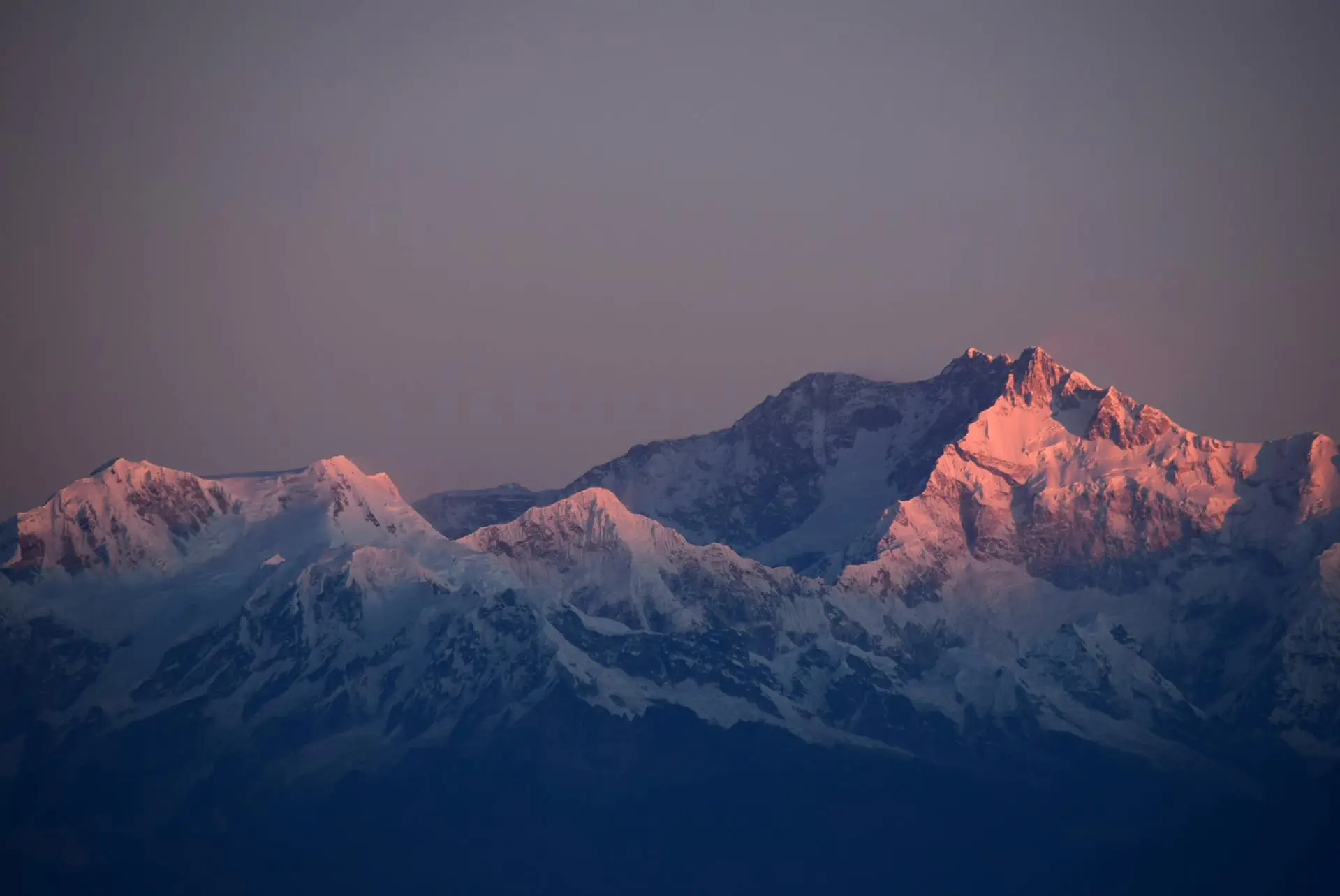
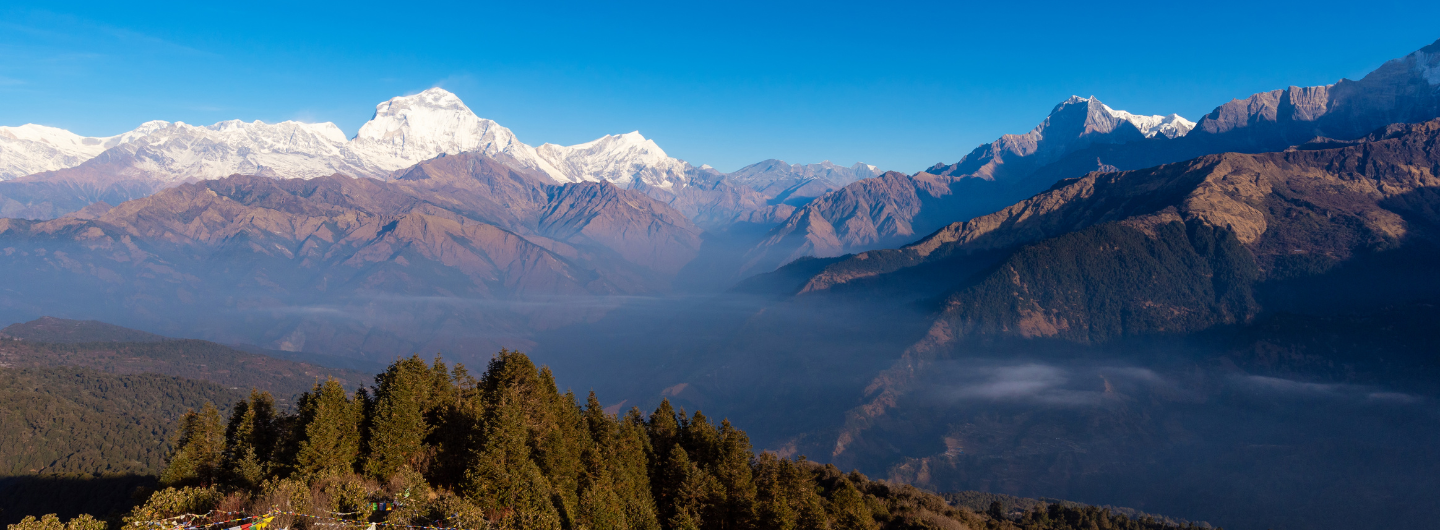
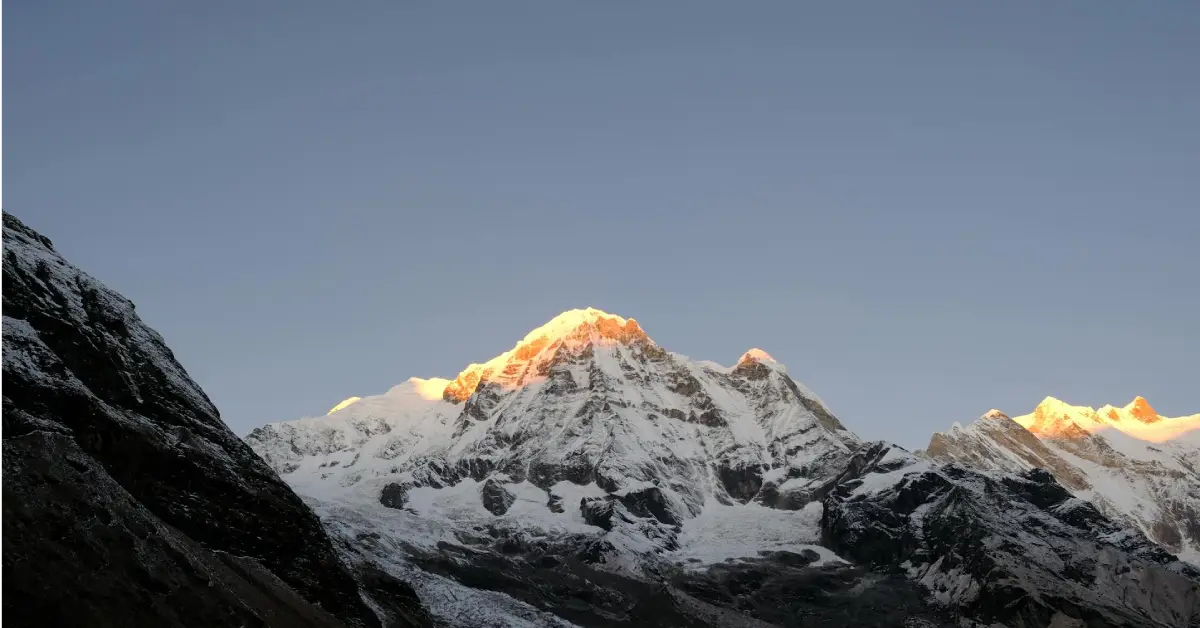
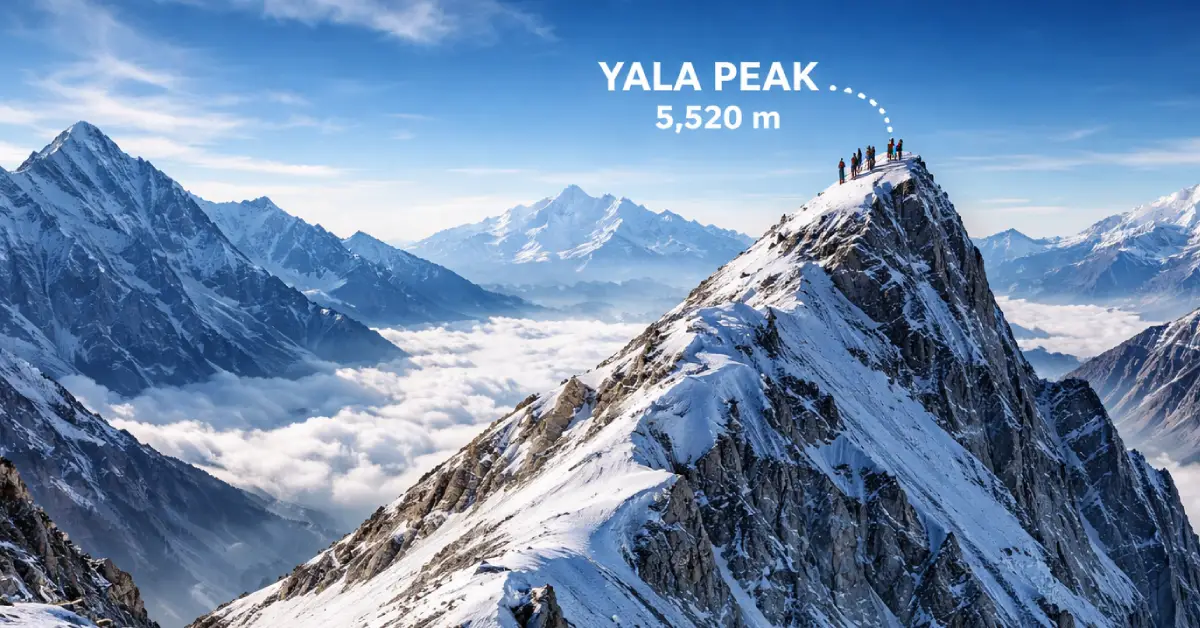
If you’ve ever dreamed of standing on top of a Himalayan peak and looking down at the clouds, then Yala Peak climbing is exactly what your adventurous heart needs. Nestled in the breathtaking Langtang region of Nepal, Yala Peak offers one of the most rewarding Himalayan summit adventure experiences for both beginners and seasoned climbers alike. With Trexmount Ventures guiding your every step, this 14-day journey becomes not just a climb, it becomes a story you’ll tell for the rest of your life.
Whether you’re new to climbing and trekking in Nepal or you’ve already summited a few peaks, this well-crafted itinerary is designed to take you safely and confidently to the top of Yala Peak at 5,520 meters above sea level. So, lace up your boots, take a deep breath of fresh mountain air, and let’s dive into everything you need to know!
Table of Contents
- What Is Yala Peak and Why Should You Climb It?
- What is the height of Yala Peak in Nepal?
- Where is Yala Peak located and how to read its climbing map?
- How difficult is Yala Peak climbing for beginners and experienced trekkers?
- The Complete 14-Day Yala Peak Climbing Itinerary
- Essential Gear and Packing List for Yala Peak Climbing
- Permits and Documentation for Nepal Mountain Expedition
- Best Season for Yala Peak Trekking and Climbing
- Acclimatization and Health Tips for Himalayan Trekking in Nepal
- Why Choose Trexmount Ventures for Your Yala Peak Expedition?
- FAQs About Yala Peak Climbing
1. What Is Yala Peak and Why Should You Climb It?
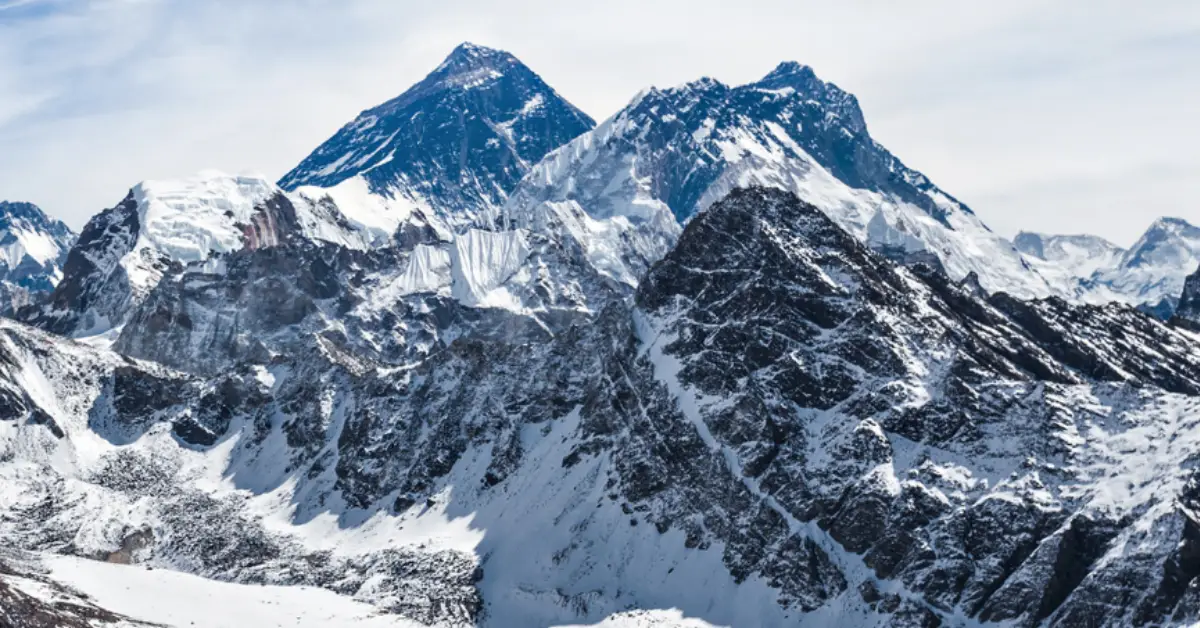
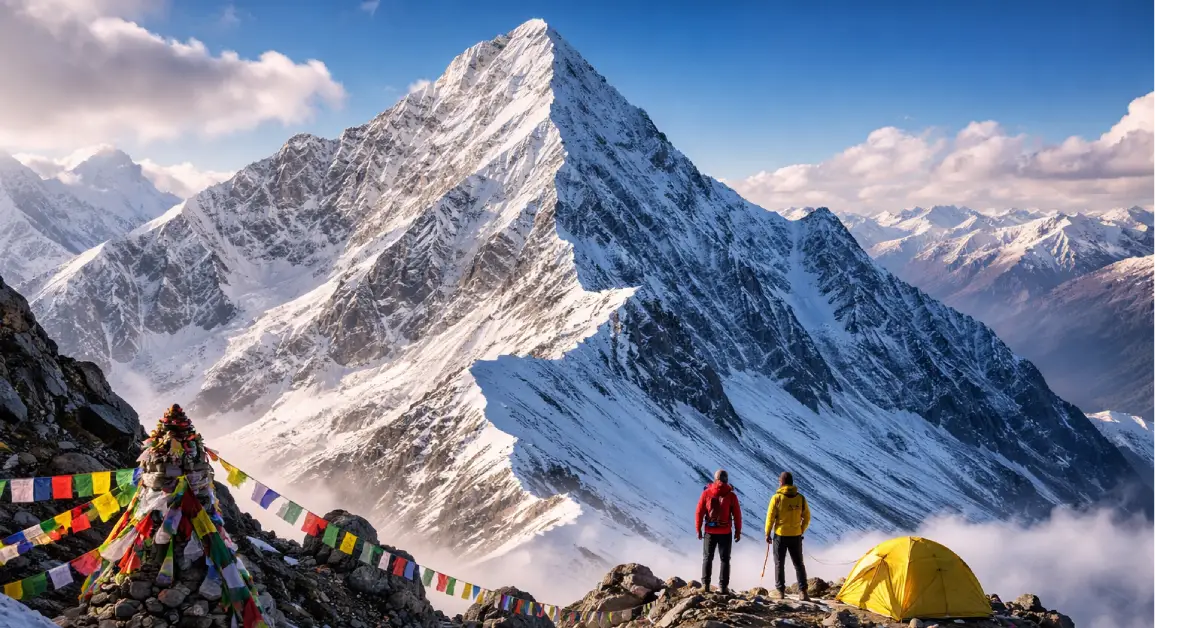
Yala Peak climbing is one of the most popular Nepal trekking peaks experiences in the entire Himalayan range. It’s a peak that greets you with dramatic ridgelines, ancient glaciers, and panoramic views that no photograph can fully capture. As part of the broader Himalayan trekking in Nepal experience, Yala Peak stands as a perfect introduction to high-altitude mountaineering.
Why Yala Peak Stands Out Among Nepal Trekking Peaks
There are hundreds of peaks in Nepal, but Yala Peak holds a very special place. Here’s why so many adventurers from around the world choose it:
- Accessible for beginners
- Stunning scenery
- Cultural richness
- Well-organized routes
- Shorter timeframe
Furthermore, Yala peak trekking and climbing offers something rare, the perfect blend of a trekking adventure and a genuine mountaineering experience, all packed into a two-week journey.
2. What is the Height of Yala Peak in Nepal?
| Feature | Details |
|---|---|
| Peak Name | Yala Peak |
| Elevation | 5,520 meters (18,110 feet) |
| Location | Langtang Valley, Rasuwa District |
| Peak Type | Trekking Peak |
| Managed By | Nepal Mountaineering Association (NMA) |
| Difficulty Level | Easy to Moderate |
Yala Peak stands at a proud 5,520 meters (18,110 feet) above sea level. While this might sound intimidating at first, it’s actually one of the gentler Nepal trekking peaks on the official Nepal Mountaineering Association list. Consequently, it’s one of the most recommended peaks for anyone planning their first Nepal mountain expedition.
Comparing Yala Peak With Other Himalayan Peaks
To help you understand where Yala Peak fits in the grand world of Himalayan peak climbing itinerary planning, here’s a helpful comparison:
| Peak Name | Elevation | Difficulty | Region |
|---|---|---|---|
| Yala Peak | 5,520 m | Easy-Moderate | Langtang |
| Island Peak | 6,189 m | Moderate | Everest |
| Mera Peak | 6,476 m | Moderate | Khumbu |
| Lobuche East | 6,119 m | Moderate-Hard | Everest |
| Pisang Peak | 6,091 m | Moderate | Annapurna |
As you can clearly see from the table, climbing Yala Peak requires less technical skill compared to many other peaks. This makes it an outstanding gateway into serious Himalayan adventure planning for first-timers.
3. Where is Yala Peak Located and How to Read Its Climbing Map?
| Map Feature | Description |
|---|---|
| District | Rasuwa, Bagmati Province |
| Region | Langtang National Park |
| Access Point | Syabrubesi (via Kathmandu) |
| Base Camp Elevation | ~5,100 meters |
| Summit Coordinates | 28.2580° N, 85.6162° E |
| Nearest Airport | Tribhuvan International Airport, Kathmandu |
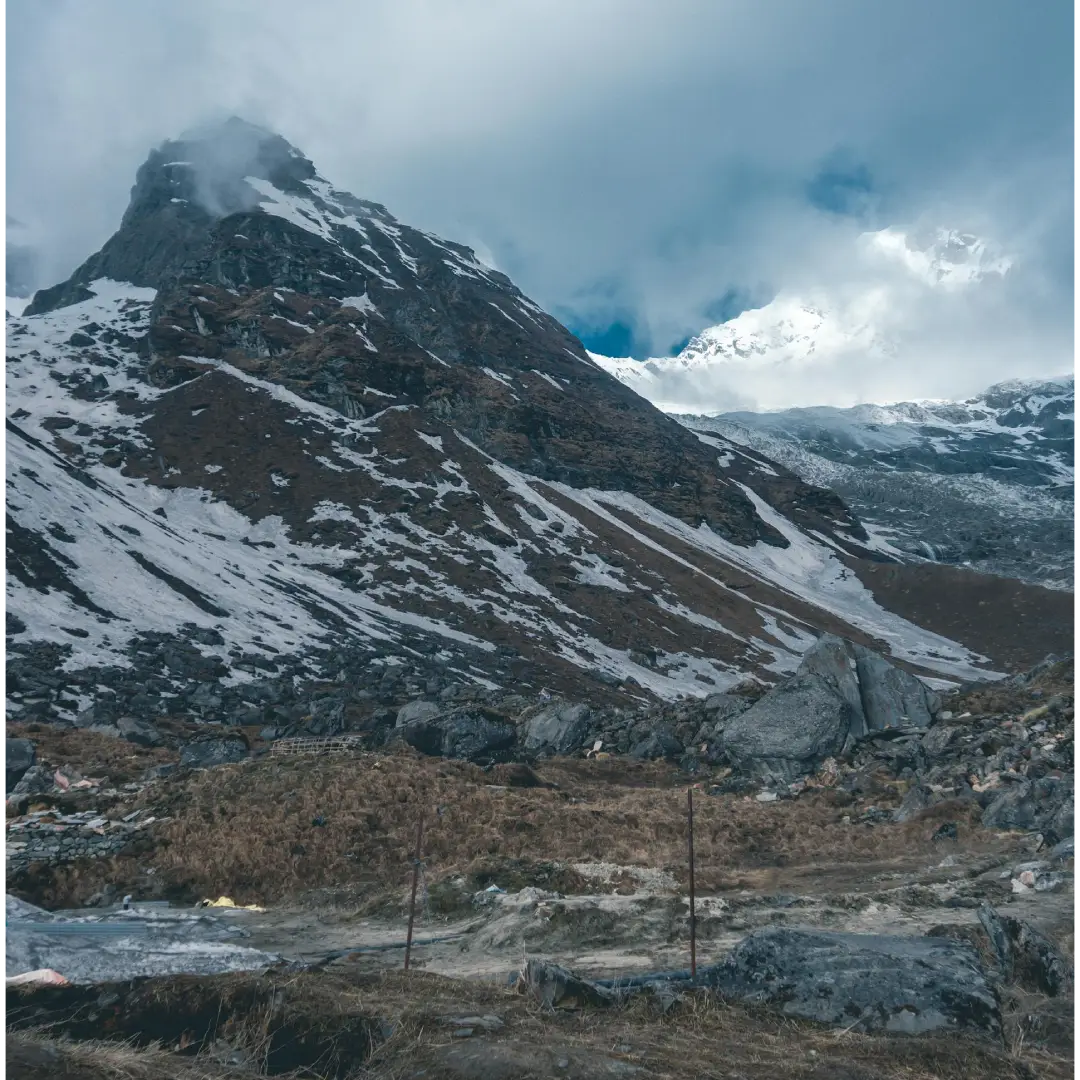
Yala Peak is tucked within the Langtang National Park, just north of Kathmandu in the Rasuwa District. The journey begins in the lively streets of Kathmandu, then continues by road to Syabrubesi, the main gateway to the Langtang Valley. From there, the trail winds through rhododendron forests, alpine meadows, and high-altitude landscapes that define Himalayan trekking in Nepal.
How to Read the Yala Peak Climbing Map
Reading a Yala Peak climbing guide map might seem tricky, but here’s a simple breakdown:
- Start Point: Syabrubesi (1,550 m) — your road journey ends here, and trekking begins.
- Mid-Point: Kyanjin Gompa (3,870 m) — your acclimatization hub and cultural highlight.
- Base Camp: ~5,100 m — where you prepare gear and rest before summit push.
- Summit: Yala Peak (5,520 m) — the glorious final destination.
- Trail Markers: Follow blue and white NMA markers along the upper trail.
Moreover, understanding elevation gain per day is crucial for any successful 14-day trekking plan Nepal. Most Nepal multi-day trekking guides recommend gaining no more than 400–500 meters per day above 3,000 meters to avoid altitude sickness. Therefore, your map reading should always include elevation checkpoints, not just distances.
4. How Difficult is Yala Peak Climbing for Beginners and Experienced Trekkers?
| Climber Type | Experience Needed | Challenge Level | Success Rate |
|---|---|---|---|
| Beginner | Basic fitness, no prior climbing | Moderate | ~80% |
| Intermediate | Some trekking experience | Easy-Moderate | ~90% |
| Experienced | Prior high-altitude trekking | Easy | ~95% |
This is one of the most commonly asked questions about Yala peak trekking and climbing, and the honest answer is: it’s approachable for most healthy adults. The Yala Peak trek difficulty is rated as easy to moderate, which means you don’t need to be a professional mountaineer to reach the top. However, that doesn’t mean you should underestimate it.
Yala Peak Trek Difficulty: What to Expect
When assessing Yala Peak trek difficulty, here are the key factors every climber should consider:
- Altitude: At 5,520 m, thin air is your biggest challenge, not steep walls.
- Terrain: Snow slopes and moraine trails require basic crampon use.
- Physical fitness: Cardio endurance matters more than raw strength here.
- Mental strength: Long summit days (6–8 hours) test your patience and resolve.
- Weather unpredictability: Sudden snowfall or wind can make the summit push harder.
For beginners, climbing Yala Peak is a fantastic first step into the world of mountaineering. Additionally, for experienced trekkers, it serves as a wonderful warm-up before tackling bigger objectives like Island Peak or Mera Peak. In both cases, having a knowledgeable Yala Peak climbing guide from Trexmount Ventures ensures you stay safe and confident throughout the climb.
5. The Complete 14-Day Yala Peak Climbing Itinerary
| Day | Location | Elevation | Activity |
|---|---|---|---|
| Day 1 | Kathmandu | 1,400 m | Arrival & briefing |
| Day 2 | Syabrubesi | 1,550 m | Drive from Kathmandu |
| Day 3 | Lama Hotel | 2,380 m | Trek through forest |
| Day 4 | Langtang Village | 3,430 m | Cultural trek |
| Day 5 | Kyanjin Gompa | 3,870 m | Arrive & acclimatize |
| Day 6 | Kyanjin Ri | 4,773 m | Acclimatization hike |
| Day 7 | Rest & Prep | 3,870 m | Gear check & rest |
| Day 8 | Yala Peak Base Camp | 5,100 m | Set up camp |
| Day 9 | Summit Day | 5,520 m | Climb Yala Peak! |
| Day 10 | Kyanjin Gompa | 3,870 m | Descend & celebrate |
| Day 11 | Lama Hotel | 2,380 m | Trek downhill |
| Day 12 | Syabrubesi | 1,550 m | Final valley trek |
| Day 13 | Kathmandu | 1,400 m | Drive back |
| Day 14 | Departure | — | Fly home |
This 14-day trekking plan in Nepal is thoughtfully structured to balance adventure, acclimatization, and cultural immersion. Above all, it follows best practices for Himalayan adventure planning, ensuring your body adapts properly to the altitude before the big summit push.
Day-by-Day Highlights of the Trek Itinerary in the Nepal Mountains
Let’s walk through the most exciting parts of this trek itinerary, Nepal mountains plan:
- Days 1–2: Arrive in Kathmandu, meet your Trexmount Ventures team, receive a full briefing, and drive to Syabrubesi.
- Days 3–5: Trek through lush forests, traditional Tamang villages, and arrive at the iconic Kyanjin Gompa.
- Days 6–7: Hike Kyanjin Ri for acclimatization and use Day 7 for rest and final gear preparation.
- Days 8–9: Move to base camp and execute your summit push — the heart of the Nepal mountain expedition.
- Days 10–14: Descend gradually, relive memories, and return to Kathmandu with a summit certificate in hand.
Additionally, this Nepal multi-day trekking schedule builds in enough buffer days to account for weather delays or personal fatigue, making it one of the most thoughtful Himalayan peak climbing itinerary designs available today.
6. Essential Gear and Packing List for Yala Peak Climbing
| Category | Items |
|---|---|
| Clothing | Thermal base layers, down jacket, waterproof shell, trekking pants |
| Footwear | Double-layered mountaineering boots, gaiters, trekking poles |
| Climbing Gear | Crampons, ice axe, harness, helmet, carabiner |
| Navigation | GPS device, topographic map, compass |
| Health & Safety | First aid kit, altitude medication (Diamox), sunscreen SPF 50+ |
| Camping | Sleeping bag (-20°C rated), tent (if not using tea houses) |
Packing right is one of the most underrated aspects of any successful Yala peak trekking and climbing adventure. Moreover, the right gear doesn’t just add comfort — it can genuinely save your life at altitude. Therefore, every item on your list should earn its place in your pack.
Smart Packing Tips for Himalayan Trekking in Nepal
Here are some golden rules when packing for a Himalayan trek in Nepal:
- Pack light but pack right — Every extra kilogram becomes a burden above 4,000 meters.
- Layer your clothing — Mountain weather changes fast; layering helps you adapt quickly.
- Don’t skip the sunscreen — UV radiation at high altitude is significantly stronger than at sea level.
- Bring a water filter — Clean water sources can be unreliable above base camp areas.
- Test your boots before departure — Never wear brand-new boots on summit day; break them in first.
Furthermore, Trexmount Ventures provides a detailed gear checklist during your pre-trek briefing, so you’ll never feel lost or underprepared before your climbing Yala peak adventure begins.
7. Permits and Documentation for Nepal Mountain Expedition
| Permit Type | Issuing Authority | Requirement |
|---|---|---|
| Trekking Peak Permit | Nepal Mountaineering Association (NMA) | Mandatory for all climbers |
| Langtang National Park Entry | Department of National Parks | Required at park entry |
| TIMS Card | TAAN / NTB | Required for all trekkers |
| Liaison Officer | Nepal Government | Required for foreign teams |
Every Nepal mountain expedition requires proper documentation. This is non-negotiable, and skipping any permit can lead to serious legal issues or being turned away on the trail. Fortunately, Trexmount Ventures handles all permit logistics for you so that you can focus entirely on the climb.
Step-by-Step Permit Process for Trekking and Climbing Nepal
Here’s a simple breakdown of the permit process for trekking and climbing in Nepal:
- Step 1: Contact Trexmount Ventures with your travel dates and nationality.
- Step 2: Submit a copy of your passport and two passport-sized photos.
- Step 3: Your team applies for the NMA trekking peak permit and TIMS card.
- Step 4: Collect permits in Kathmandu before departure, usually takes 1–2 working days.
- Step 5: Show permits at all checkpoint stations along the trail.
Consequently, being organized with your paperwork is what separates a smooth Nepal trekking trip plan from a stressful one. Always carry physical copies of all documents, even if you also have digital versions saved on your phone.
8. Best Season for Yala Peak Trekking and Climbing
| Season | Months | Weather | Suitability |
|---|---|---|---|
| Spring | March – May | Clear skies, mild temperatures | Best |
| Summer/Monsoon | June – August | Heavy rain, poor visibility | Not Ideal |
| Autumn | September – November | Stable weather, excellent views | Best |
| Winter | December – February | Cold, heavy snowfall | Challenging |
The best windows for Yala peak trekking and climbing are spring (March–May) and autumn (September–November). During these seasons, the skies are clear, the trails are dry, and the mountain views are absolutely extraordinary. These are also the busiest times, so booking your Nepal trekking trip plan with Trexmount Ventures well in advance is highly recommended.
Why Season Selection Matters for Himalayan Adventure Planning
Here’s why getting the timing right is so critical for Himalayan adventure planning:
- Spring: Rhododendrons bloom along the trail, making the trek visually stunning.
- Autumn: Post-monsoon clarity delivers the sharpest mountain views of the year.
- Monsoon: Leeches, slippery trails, and poor summit visibility make climbing risky.
- Winter: While technically possible, extreme cold and deep snow increase avalanche risk significantly.
Additionally, both spring and autumn align well with the broader Annapurna region trekking and Langtang climbing seasons, so if you’re planning multiple treks in Nepal, timing both within the same trip is very achievable.
9. Acclimatization and Health Tips for Himalayan Trekking in Nepal
| Altitude Zone | Elevation | Common Symptoms | Action |
|---|---|---|---|
| Low | Below 3,000 m | Mild headache | Rest and hydrate |
| Moderate | 3,000–4,500 m | Fatigue, nausea | Slow pace, no ascent if symptomatic |
| High | 4,500–5,500 m | Severe headache, dizziness | Descend immediately if serious |
Acclimatization is the single most important factor in any successful Himalayan trekking in Nepal trip. Without proper acclimatization, even the fittest climber can fall victim to Acute Mountain Sickness (AMS), which can rapidly become life-threatening. Therefore, your 14-day trekking plan Nepal is designed with built-in acclimatization days at key elevations.
Health Tips Every Climber Should Follow During Yala Peak Climbing
To stay healthy and strong throughout your Yala Peak climbing journey, follow these essential tips:
- Hydrate constantly — Drink at least 3–4 liters of water per day above 3,500 meters.
- Climb high, sleep low — This classic mountaineering principle dramatically reduces AMS risk.
- Avoid alcohol — It dehydrates you and worsens altitude sickness symptoms.
- Eat well — High-carb, easily digestible meals fuel your body efficiently at altitude.
- Listen to your guide — Your Trexmount Ventures guide is trained in wilderness first aid and AMS recognition.
Moreover, carrying Diamox (acetazolamide) as a precautionary medication is widely recommended for Nepal multi-day trekking above 4,000 meters. Always consult your doctor before taking any altitude medication.
10. Why Choose Trexmount Ventures for Your Yala Peak Expedition?
| Feature | Trexmount Ventures |
|---|---|
| Experience | Expert Himalayan guides with 10+ years experience |
| Safety | Wilderness first aid certified team members |
| Permits | All paperwork handled end-to-end |
| Group Size | Small groups for personalized attention |
| Sustainability | Eco-friendly trekking practices |
| Support | 24/7 pre-trek and on-trek support |
Choosing the right operator for your Nepal mountain expedition can make or break your entire adventure. Trexmount Ventures isn’t just a travel company, they’re a team of passionate mountain lovers who live and breathe Himalayan adventure planning. Their guides know the Langtang trails like the back of their hands, and their commitment to safety is second to none.
What Makes Trexmount Ventures the Best Yala Peak Climbing Guide Team
Here’s exactly what you get when you book your Yala Peak climbing experience with Trexmount Ventures:
- Local expertise: Guides are from the Langtang region itself, they know every stone on the trail.
- Small group sizes: You get personal attention, not a crowded tourist convoy.
- End-to-end support: From airport pickup to summit day and back, everything is handled.
- Cultural immersion: Your guides help you connect with local communities authentically.
- Responsible trekking: Trexmount Ventures follows Leave No Trace principles on every trek itinerary Nepal mountains journey.
As a result, whether this is your first time trekking and climbing Nepal or your tenth Himalayan summit, Trexmount Ventures ensures every detail of your Yala Peak expedition is handled with professionalism, care, and genuine mountain passion.

11. FAQs About Yala Peak Climbing
Q1: What is the best way to prepare physically for Yala Peak climbing?
Physical preparation is absolutely key to a successful Yala Peak climbing experience. Ideally, start training at least 8–12 weeks before your departure date. Focus on cardiovascular exercises like running, cycling, or swimming to build your aerobic base. Additionally, include strength training, especially for your legs and core, since steep uphill trekking demands strong lower body muscles. Hiking on weekends with a loaded backpack mimics trail conditions perfectly. Yoga and stretching also improve flexibility and reduce injury risk. Above all, practice breathing exercises to prepare your lungs for reduced oxygen levels during Himalayan trekking in Nepal.
Q2: Is prior climbing experience required for Yala Peak trekking and climbing?
No, prior technical climbing experience is not strictly required for Yala peak trekking and climbing. However, you should be comfortable with basic hiking and have a moderate level of physical fitness. The upper section of the climb involves snow slopes and requires the use of crampons and an ice axe, but your Yala Peak climbing guide from Trexmount Ventures will teach you how to use these tools during a pre-summit training session at base camp. What truly matters is a positive attitude, physical endurance, and the willingness to follow your guide’s instructions carefully throughout the Nepal mountain expedition.
Q3: How many days does the full Yala Peak climbing itinerary take?
The complete Yala Peak climbing journey with Trexmount Ventures spans 14 days from Kathmandu to Kathmandu. This includes travel days, trekking days, acclimatization days, summit day, and descent days. This well-paced 14-day trekking plan Nepal is considered the ideal duration because it gives your body adequate time to adjust to increasing altitudes. Rushing this timeline significantly increases the risk of Acute Mountain Sickness (AMS). Some climbers also opt for a 16-day version to include additional rest days or side trips, making it a more leisurely Nepal multi-day trekking experience in the Langtang region.
Q4: What permits are needed for Yala Peak climbing in Nepal?
For climbing Yala peak, you need three main permits: the Nepal Mountaineering Association (NMA) Trekking Peak Permit, the Langtang National Park Entry Permit, and the TIMS (Trekkers’ Information Management System) Card. These are standard requirements for all trekking and climbing Nepal expeditions. The NMA permit specifically authorizes you to attempt the summit. Trexmount Ventures handles all of these permits on your behalf, so you don’t need to worry about navigating Nepal’s bureaucracy yourself. Always carry original physical copies of all permits during your trek, as checkpoints along the trail will verify them.
Q5: What is the success rate for summiting Yala Peak?
The summit success rate for Yala Peak climbing is quite high compared to more technical Himalayan peaks — typically ranging between 80–95%, depending on the season and the climber’s fitness level. Spring and autumn seasons offer the highest success rates due to stable weather and clear skies. The main reasons climbers don’t summit include altitude sickness, extreme weather on summit day, or inadequate physical preparation. By following a proper Himalayan peak climbing itinerary and choosing experienced guides from Trexmount Ventures, your chances of reaching the top are significantly improved. Proper acclimatization remains the single biggest factor in summit success.
Q6: What kind of accommodation is available during the Yala Peak trek?
During the lower sections of the Yala peak trekking and climbing route, from Syabrubesi to Kyanjin Gompa — you’ll stay in comfortable tea houses (locally run guesthouses). These offer basic but cozy rooms, hot meals, and the invaluable warmth of Tamang hospitality. As you move toward base camp, accommodation transitions to tented camps set up by the Trexmount Ventures support team. All camping equipment, including high-quality sleeping bags and insulated tents, is provided. The combination of tea house trekking and high-altitude camping is what makes this Nepal trekking trip plan feel like a true Himalayan expedition rather than a casual walk.
Q7: How does altitude sickness affect Yala Peak climbers and how is it managed?
Altitude sickness, or Acute Mountain Sickness (AMS), is a genuine concern for anyone engaged in Himalayan trekking in Nepal above 3,000 meters. Symptoms include headache, nausea, dizziness, and fatigue. In severe cases, it can progress to High Altitude Pulmonary Edema (HAPE) or High Altitude Cerebral Edema (HACE), both of which are life-threatening. The best prevention strategy is a slow, gradual ascent — exactly what the 14-day Yala Peak climbing itinerary is designed for. Trexmount Ventures guides are trained in AMS recognition and carry supplemental oxygen and a portable altitude chamber (Gamow bag) for emergencies. Staying hydrated and resting when needed are the simplest and most effective tools.
Q8: Can solo travelers join a group trip for Yala Peak climbing?
Absolutely! Trexmount Ventures welcomes solo travelers on their Yala Peak climbing group departures. In fact, many solo adventurers find that joining a small group enhances their overall Himalayan adventure planning experience, as they meet like-minded travelers and share the journey together. Group sizes are kept small, typically 4 to 10 people, ensuring you receive personalized attention from your Yala Peak climbing guide at all times. Solo travelers are matched with compatible group members and treated as fully valued team members throughout the entire Nepal mountain expedition. Pre-trip communication with Trexmount Ventures helps them match you with the ideal group departure.
Q9: What food and water options are available during the trek?
Food is one of the most delightful aspects of Yala peak trekking and climbing in the Langtang region. Tea houses along the route serve a wide range of meals including Dal Bhat (Nepal’s iconic lentil and rice dish), pasta, noodle soups, oatmeal, pancakes, and more. Vegetarian options are always plentiful. As you gain altitude, menus become simpler, but calorie-rich hot meals remain available. For water, boiled or filtered water is the safest option, avoid tap water entirely. Trexmount Ventures provides purification tablets and recommends a personal water filter. Staying hydrated is absolutely critical for any successful trek itinerary in the Nepal mountains above 4,000 meters.
Q10: What is the environmental impact of Yala Peak climbing, and how does Trexmount Ventures minimize it?
Yala Peak climbing takes place within the ecologically sensitive Langtang National Park, which is home to rare wildlife, including red pandas, snow leopards, and countless Himalayan bird species. Responsible trekking is not optional here, it’s a moral obligation. Trexmount Ventures follows strict Leave No Trace principles on every Nepal multi-day trekking journey. This includes carrying out all non-biodegradable waste, using established campsites, minimizing fire use, and supporting local tea houses and porters fairly. Additionally, Trexmount Ventures contributes a portion of proceeds to trail maintenance and local community development. By choosing them for your Himalayan trekking in Nepal adventure, you’re actively supporting sustainable mountain tourism.