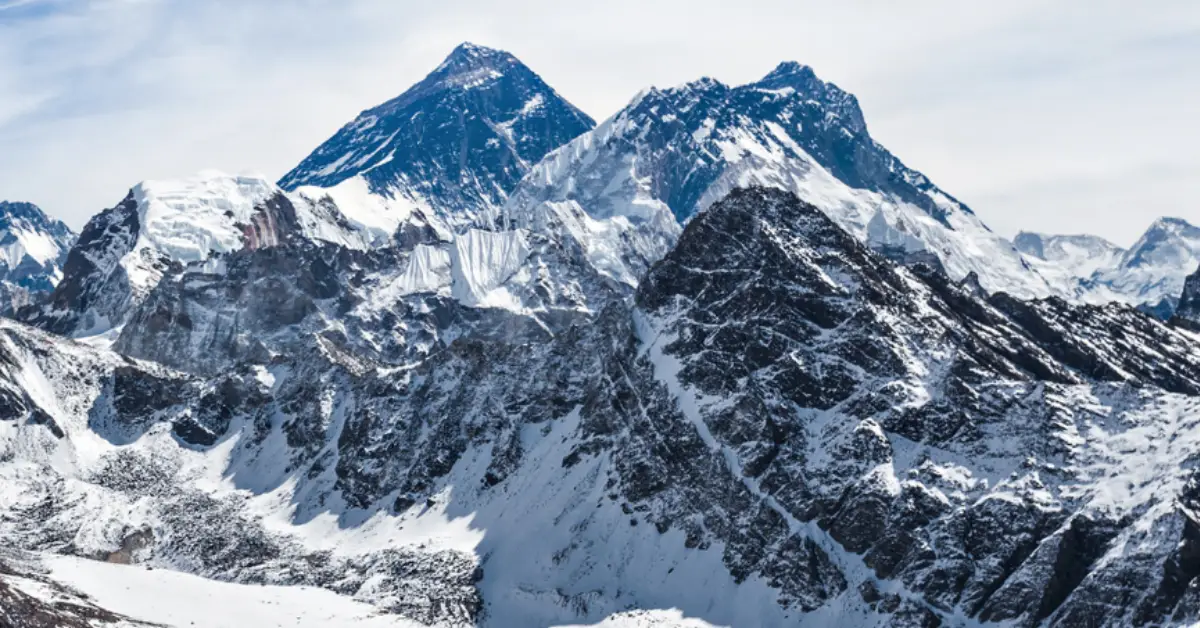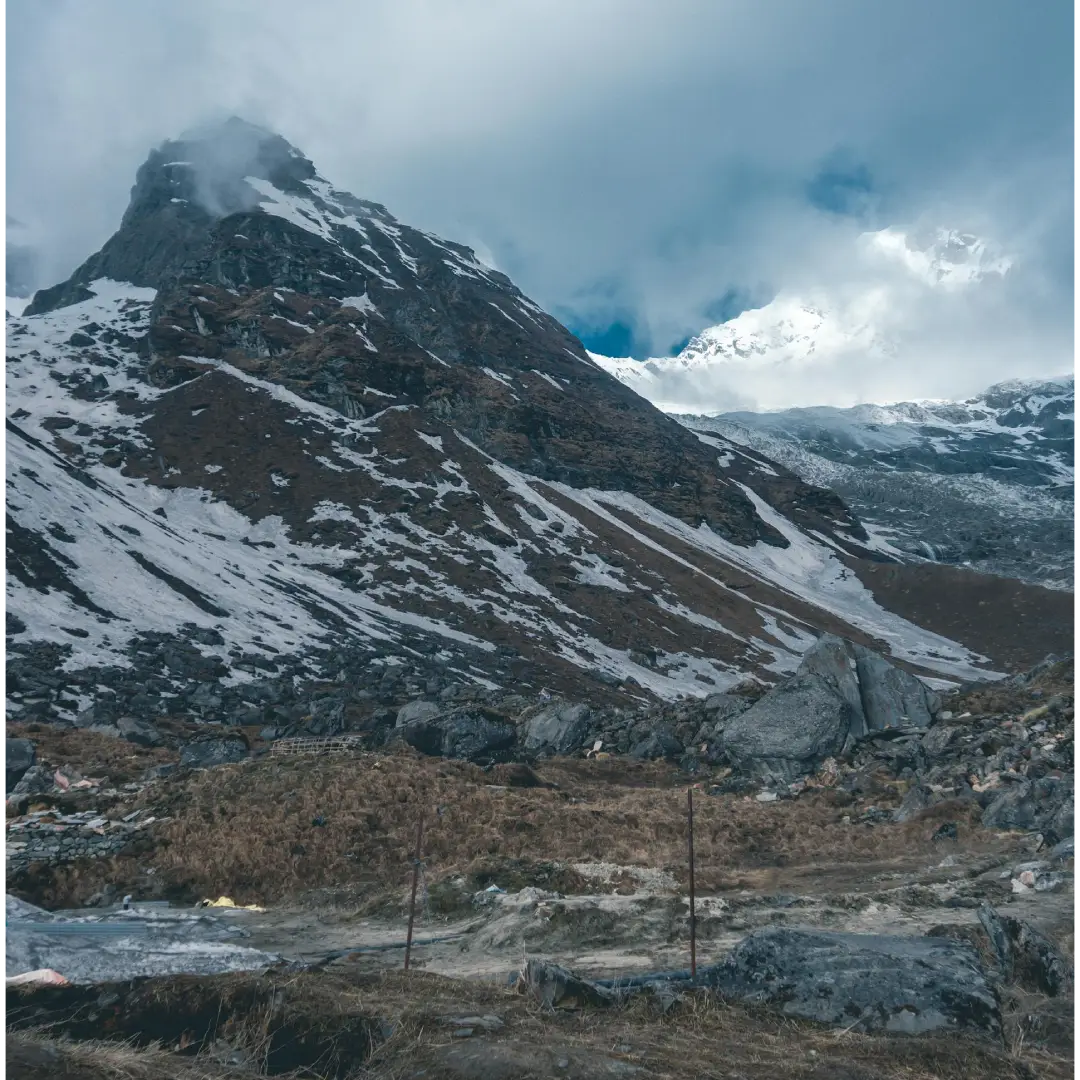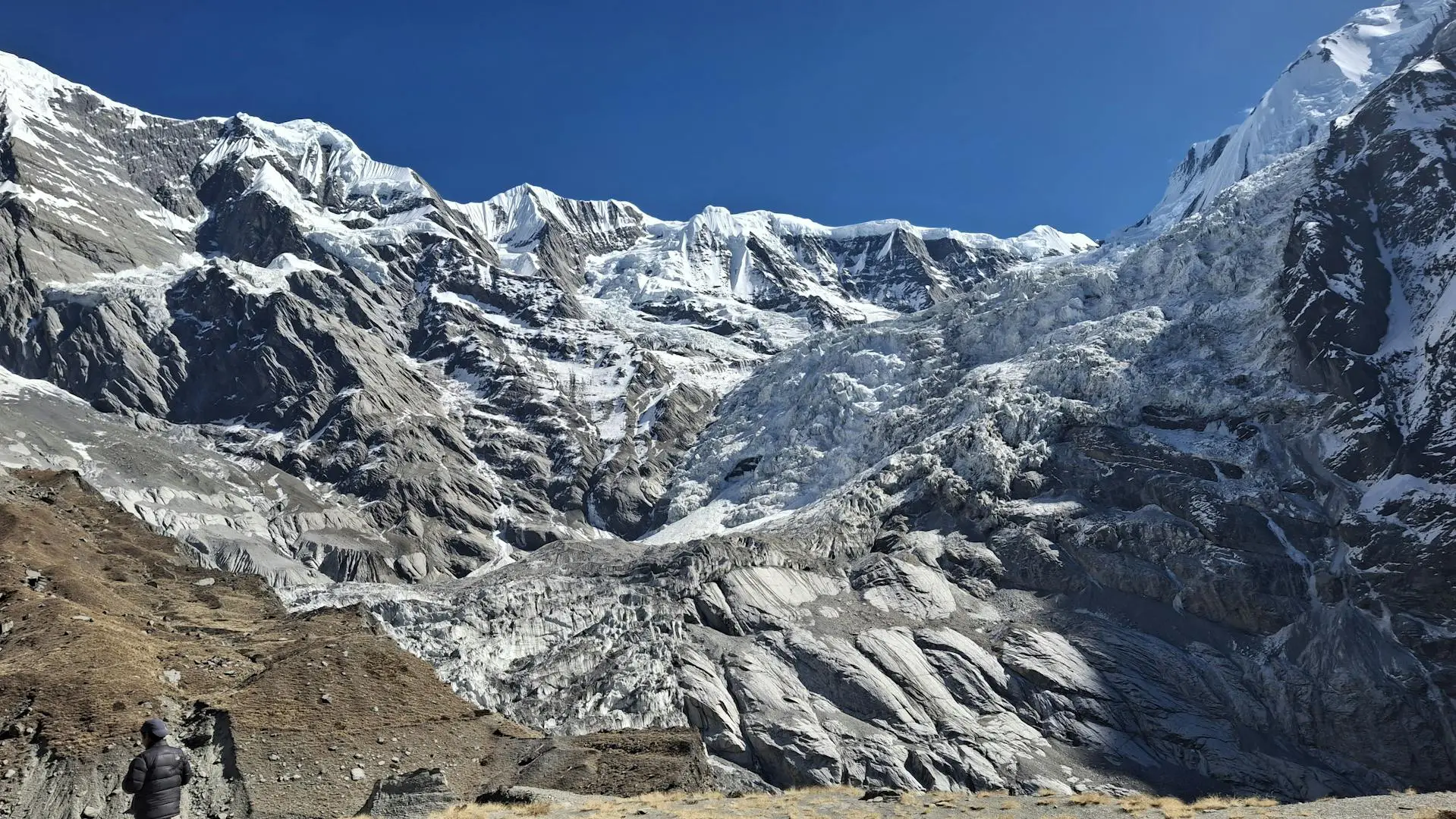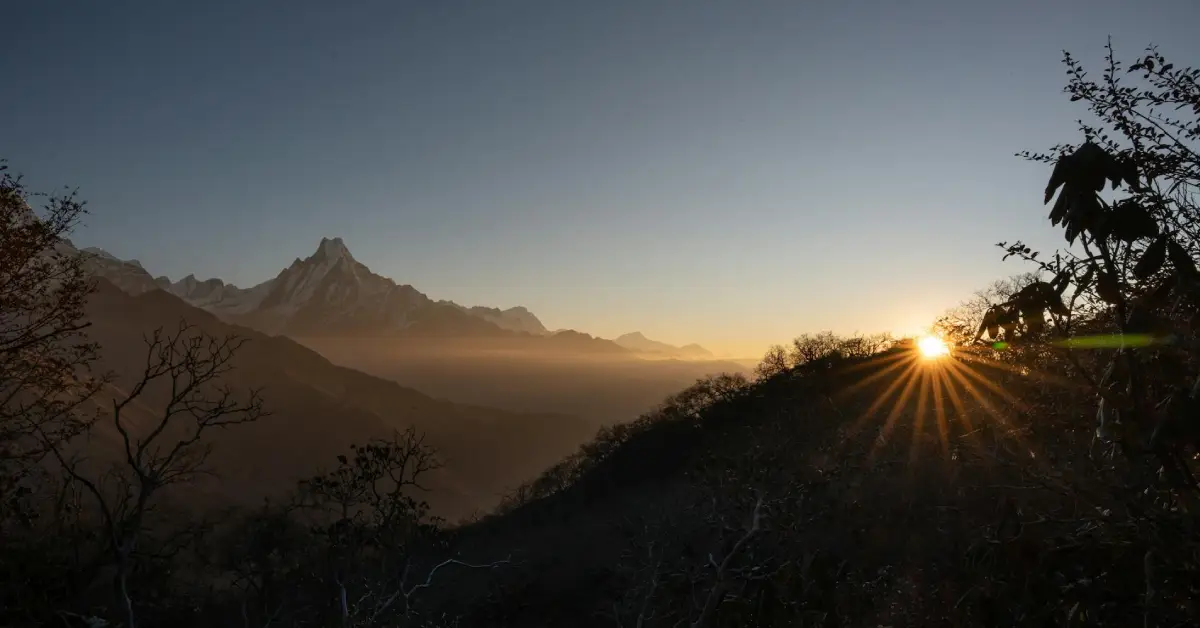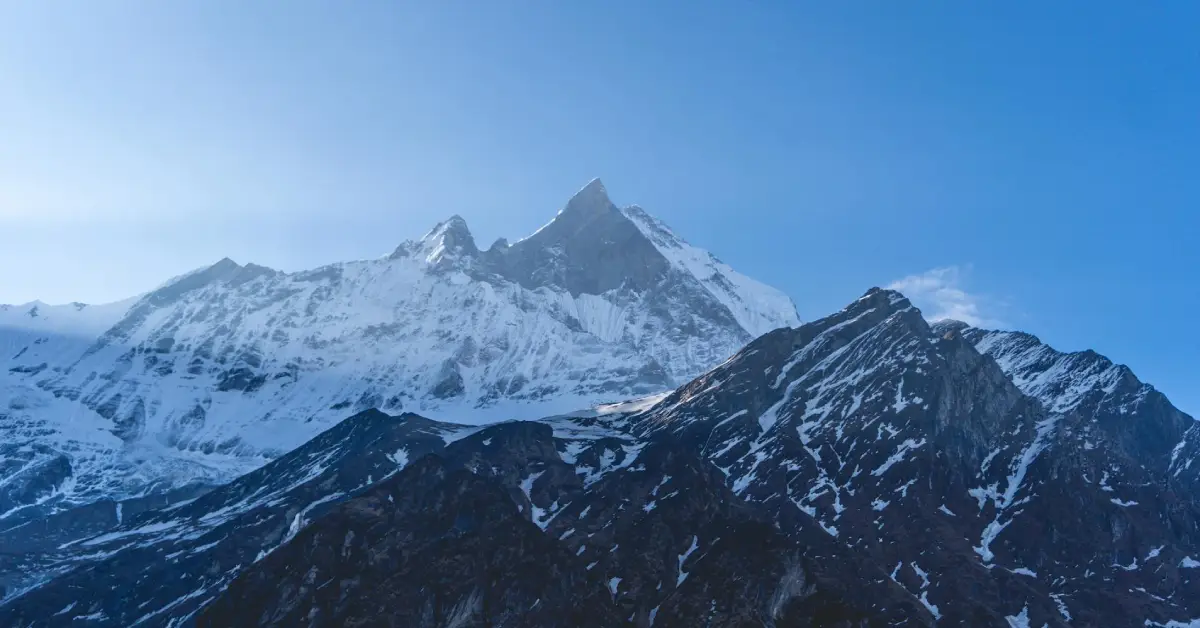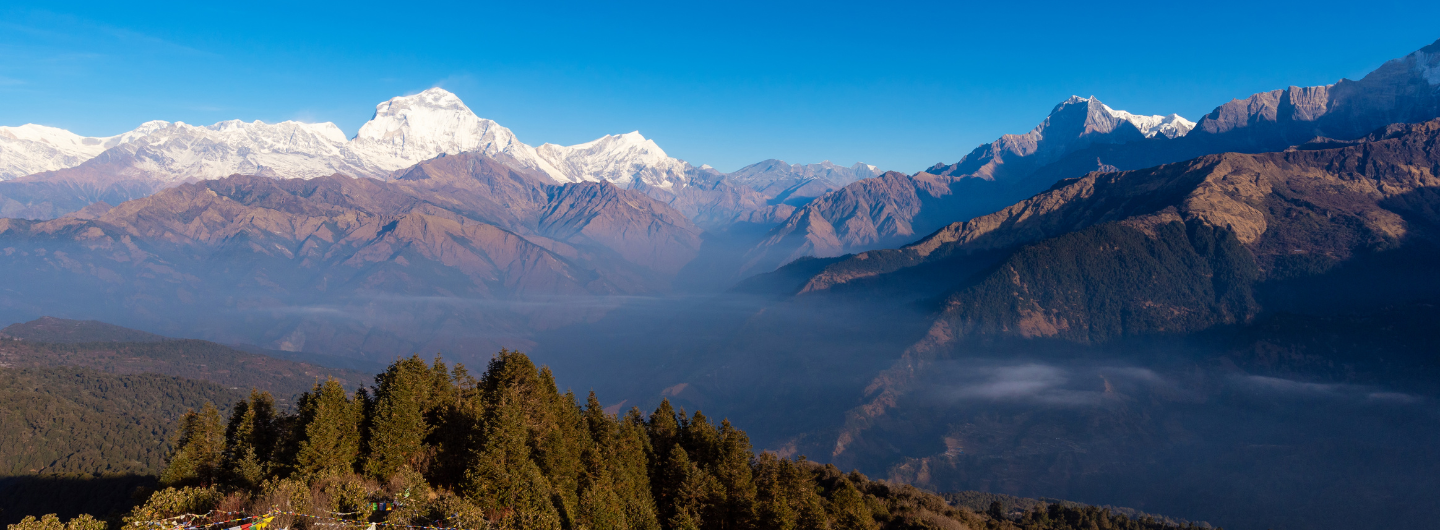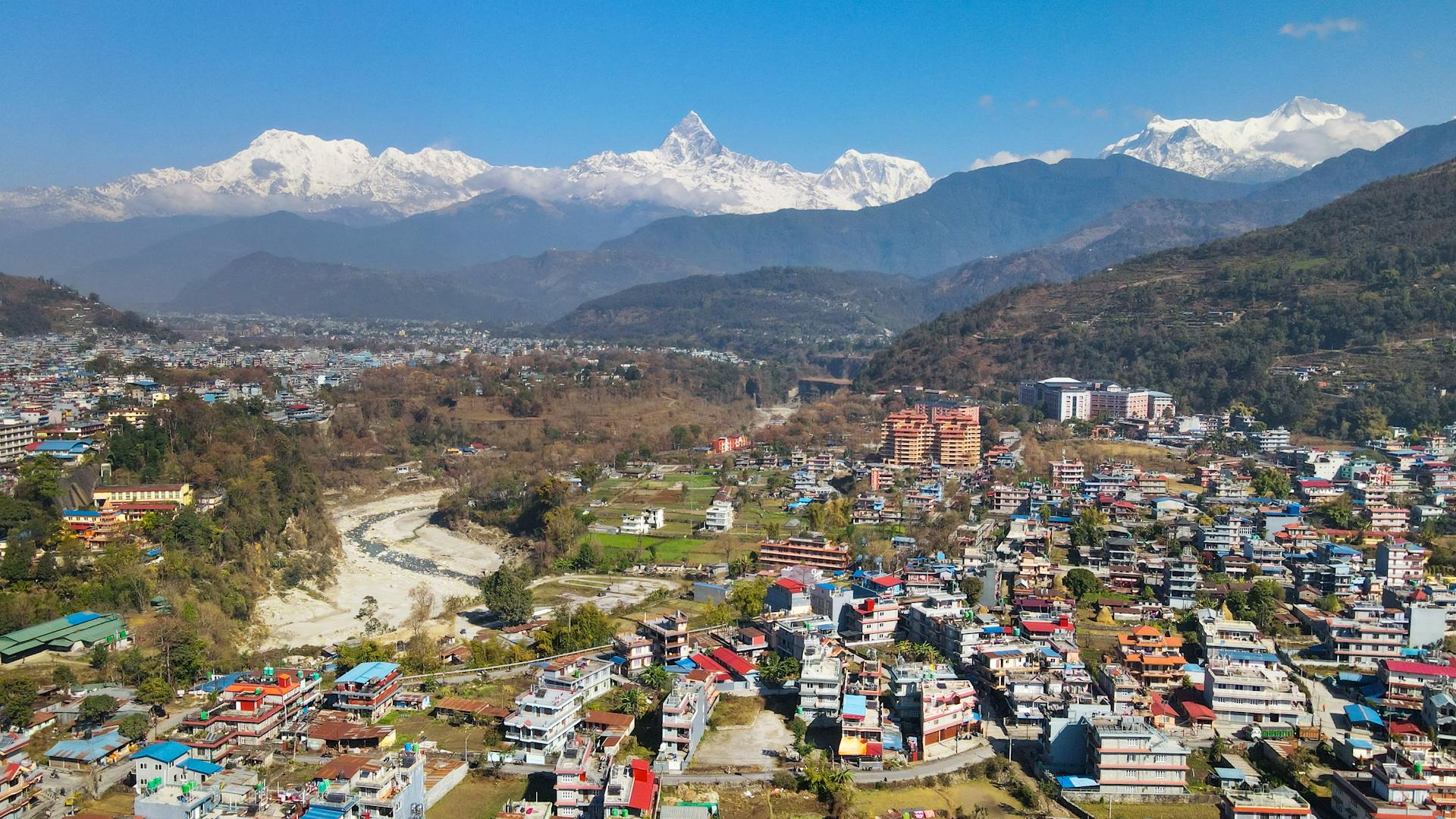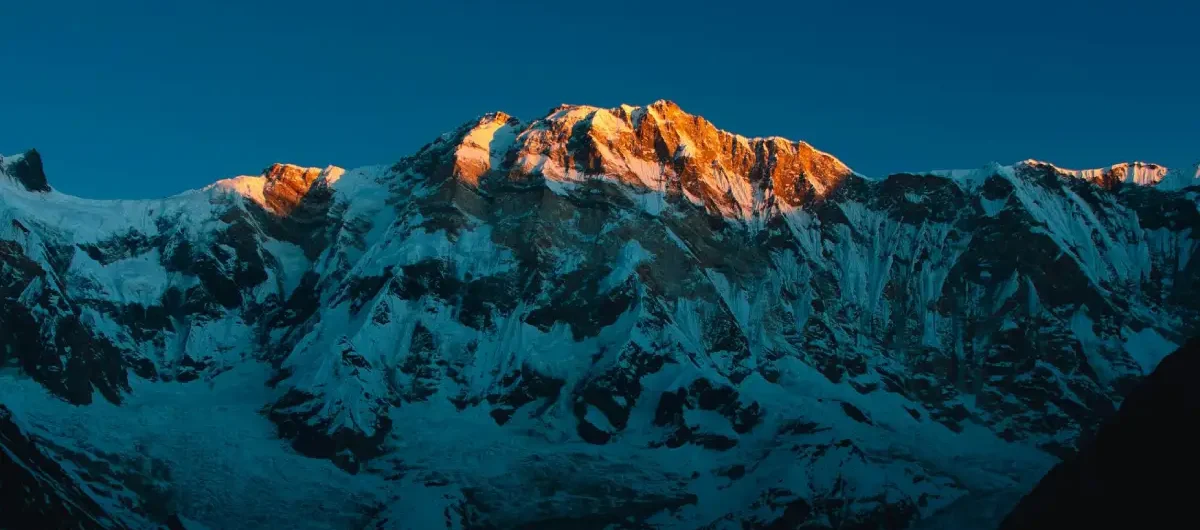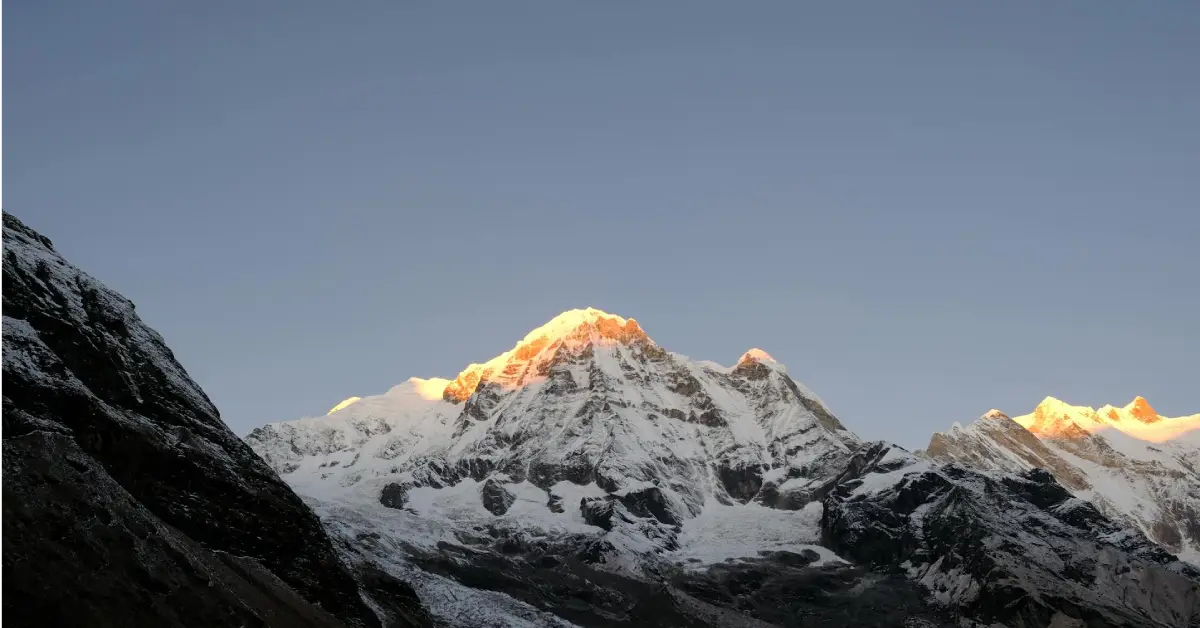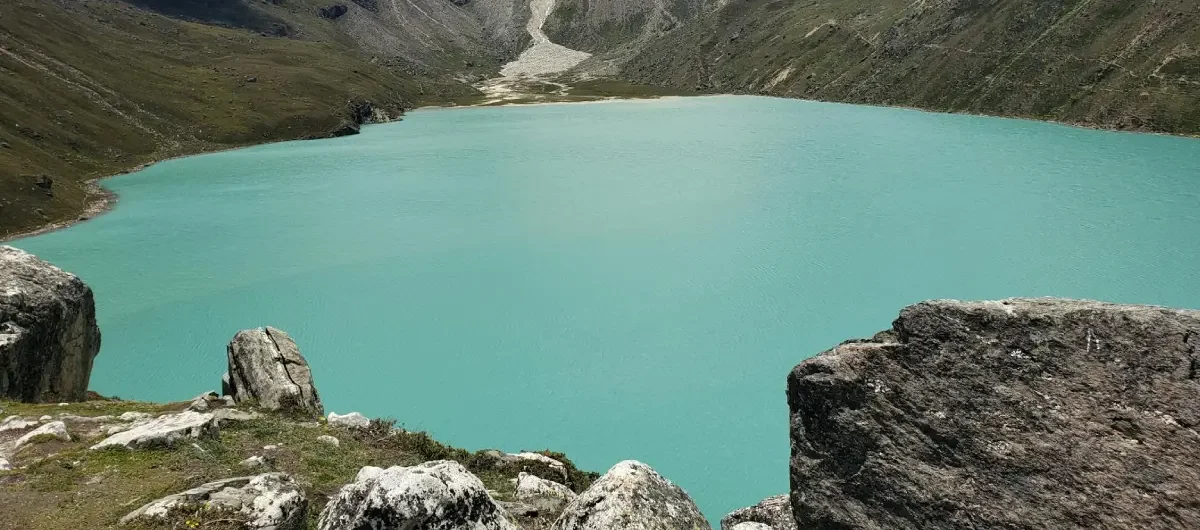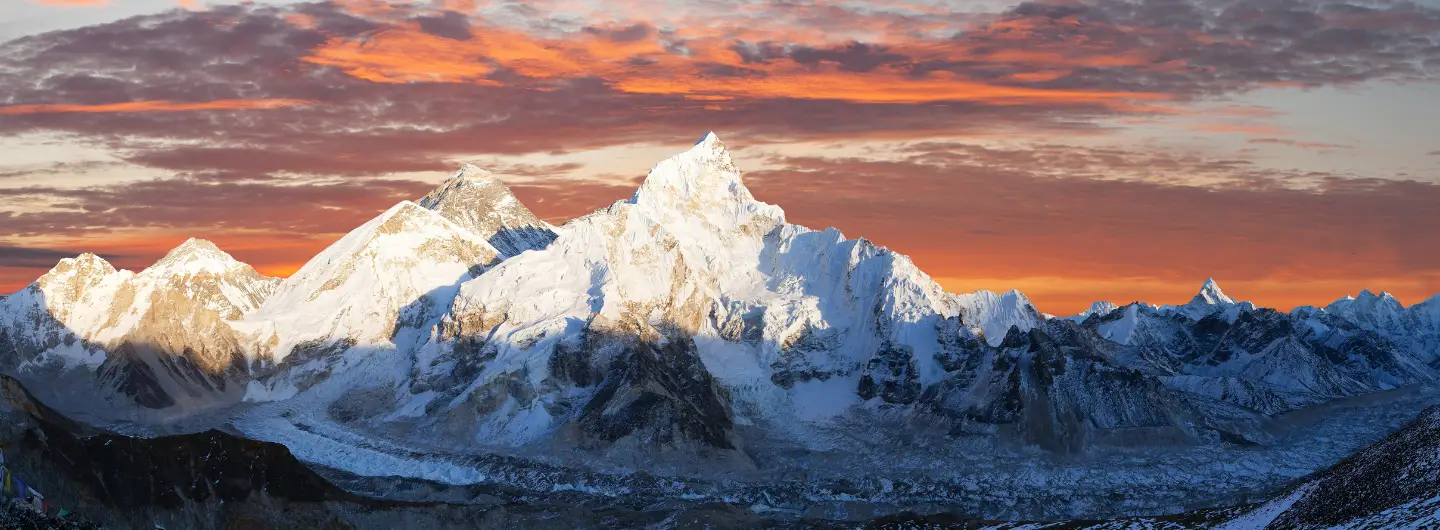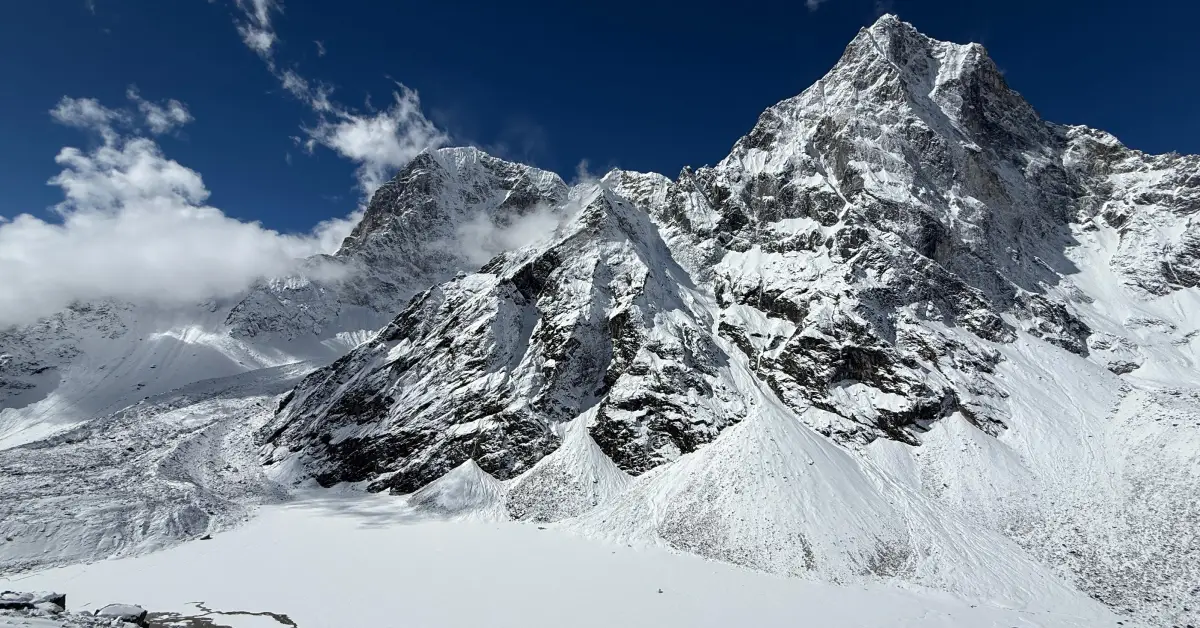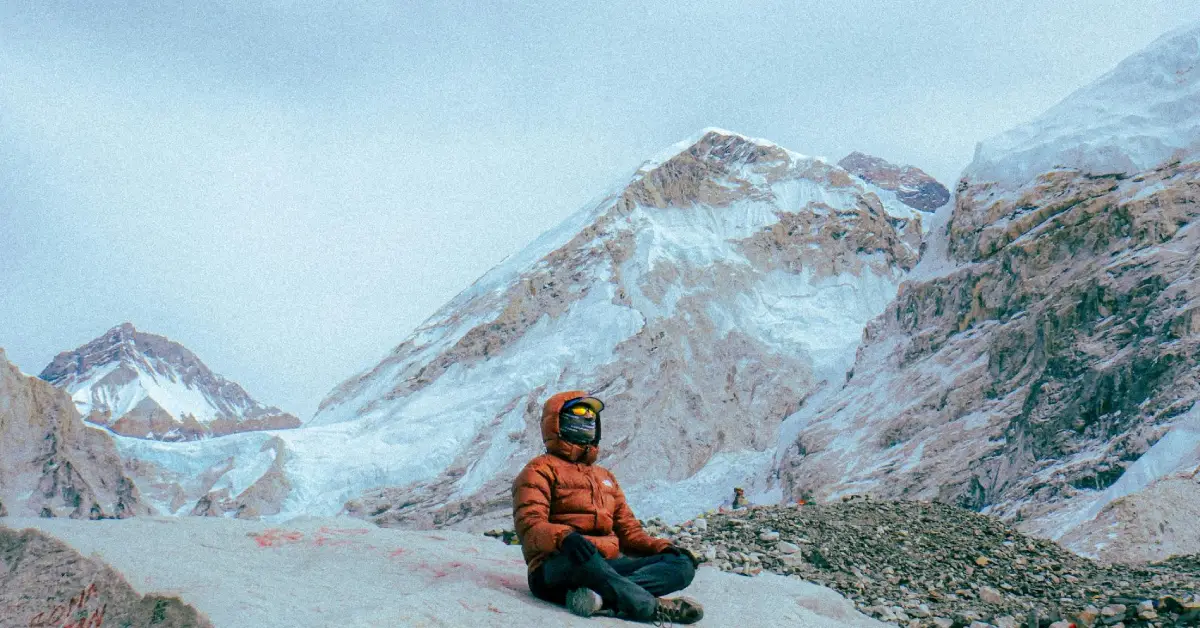

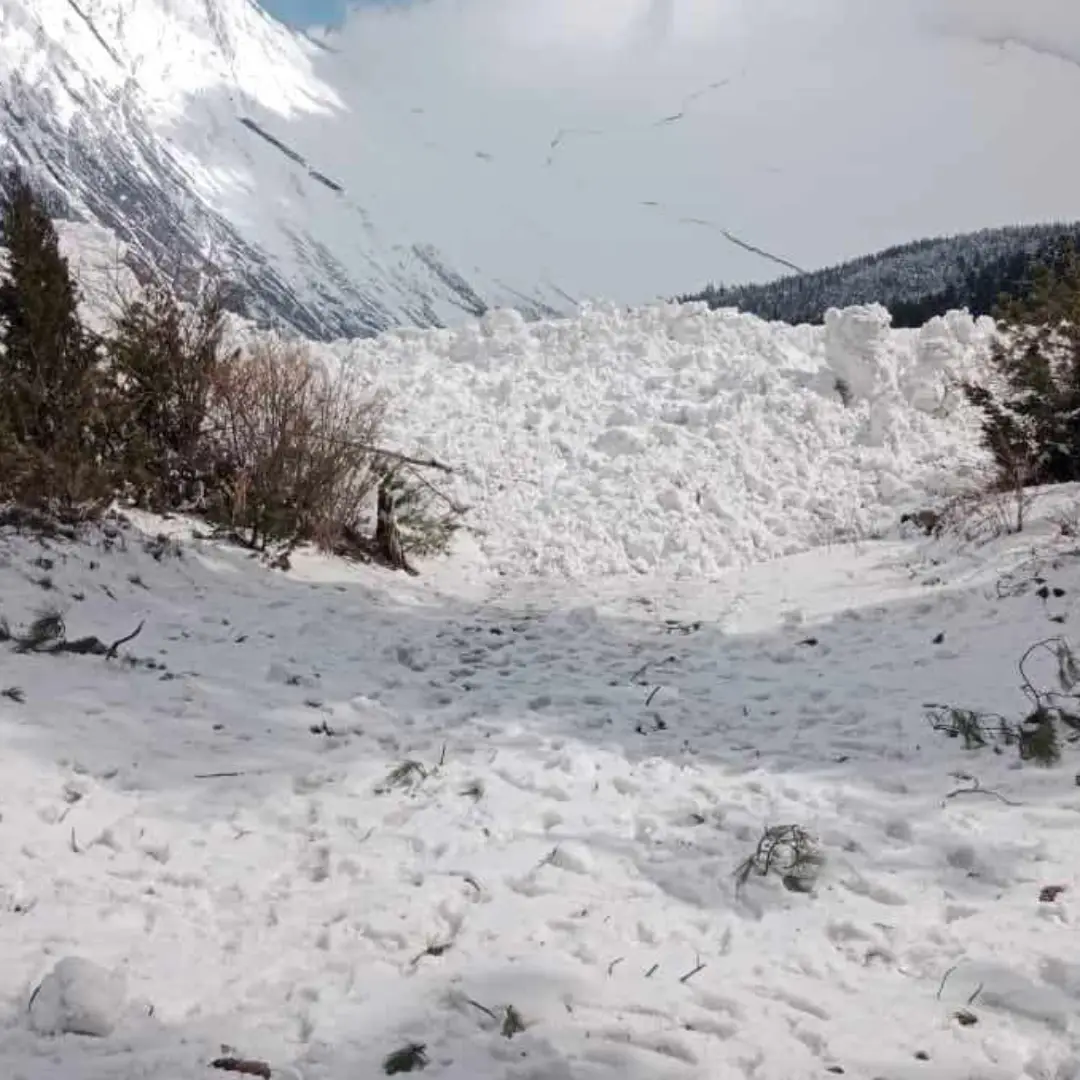
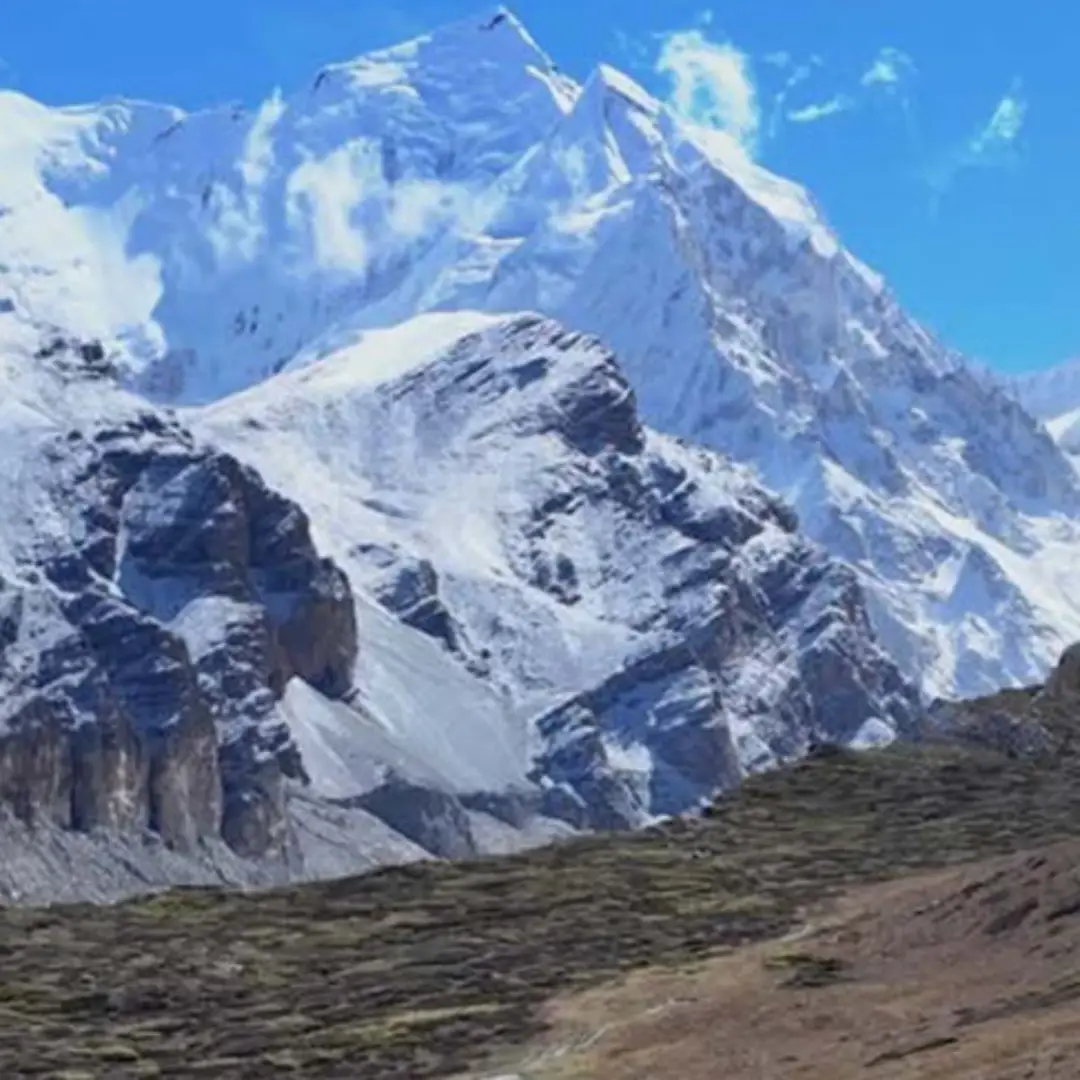
The Himlung Himal Expedition takes you to one of Nepal’s remarkable 7,000-meter mountains, rising to 7,126m (23,379ft) above the remote landscapes of the Nar Phu Valley in the Annapurna region. Located close to the Nepal–Tibet border, Himlung Himal combines high-altitude mountaineering with a demanding approach through one of the least-developed trekking areas of the Himalayas.
This is not a short peak-climbing trip. It is a full Himalayan expedition requiring physical preparation, previous climbing experience, careful acclimatization, and the ability to operate in extreme altitude.
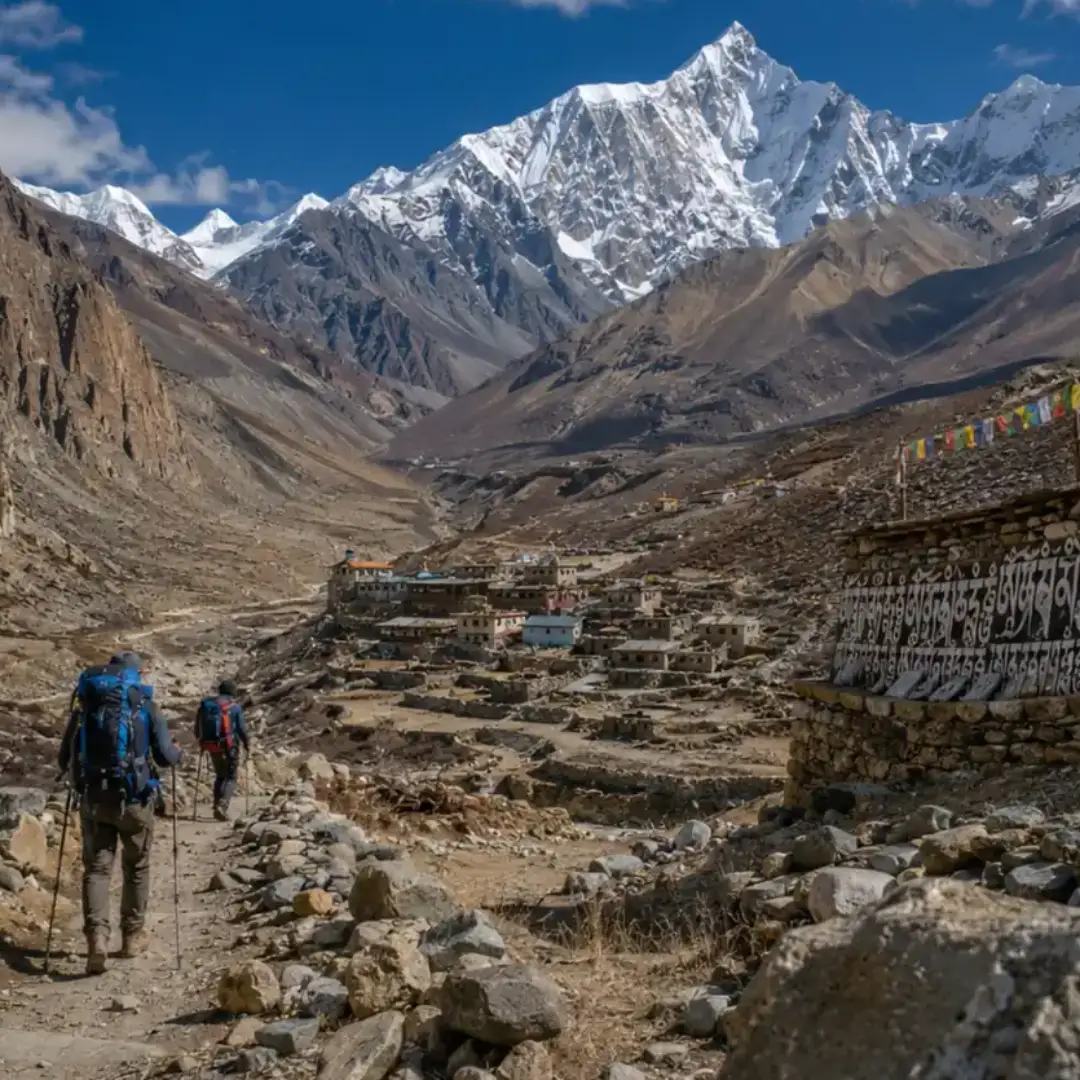
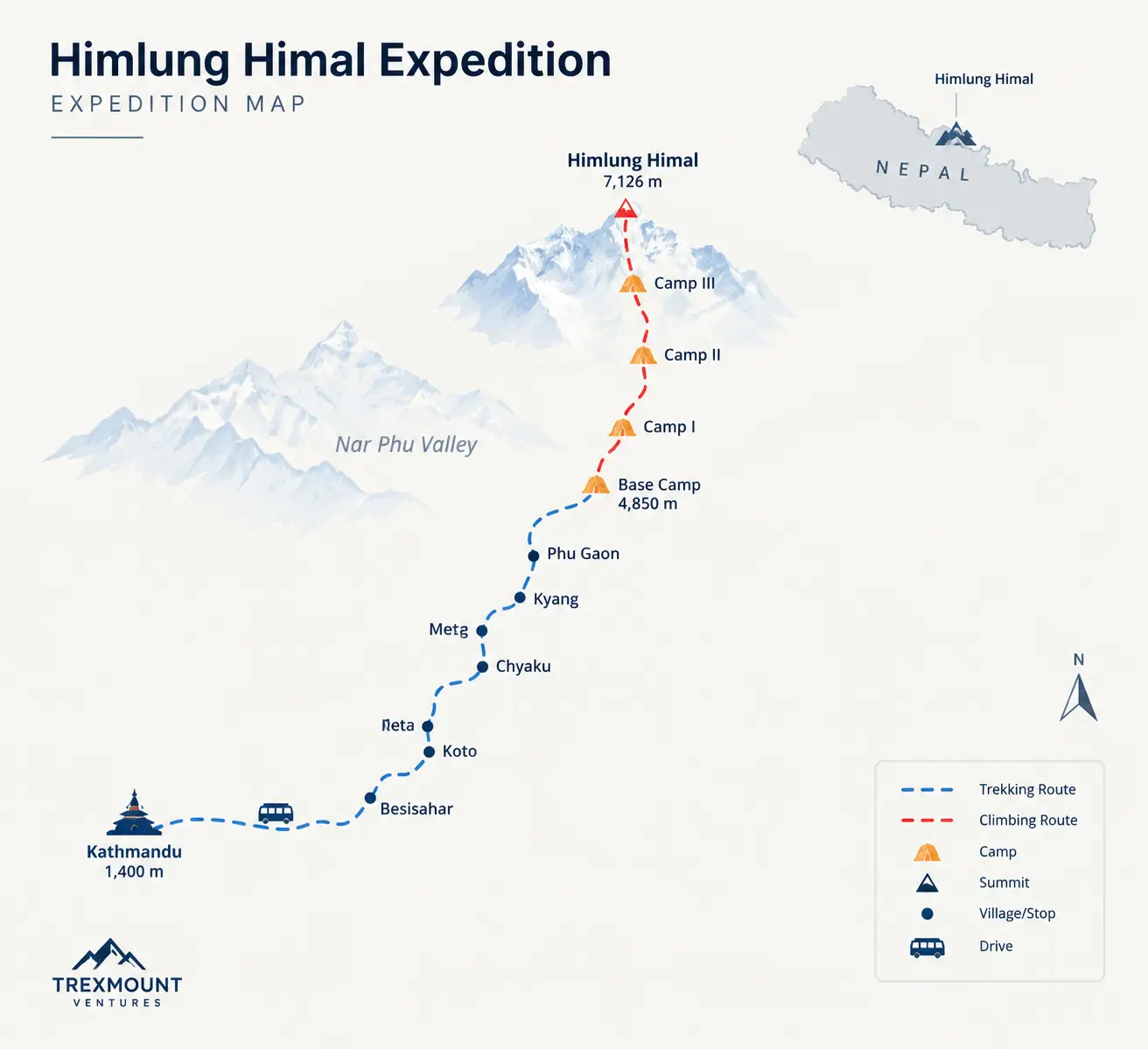
The journey begins with the road from Kathmandu toward Besisahar and Koto before leaving the more traveled Annapurna routes behind. From Koto, the trail enters the restricted Nar Phu Valley, passing through remote settlements such as Meta, Chyaku, Kyang, and Phu Gaon. The landscape gradually changes from forested valleys to barren, high-altitude terrain surrounded by enormous Himalayan peaks.
From Phu Gaon, the expedition continues toward Himlung Base Camp at around 4,850–4,900m, where the trekking phase gives way to the climbing phase. From there, climbers acclimatize through progressive rotations before attempting the summit.
The mountain is climbed through a series of progressively higher camps. A commonly used expedition structure places Camp I around 5,450m, Camp II around 6,000m, and Camp III around 6,350m, followed by the summit push toward 7,126m. The exact rotation and summit schedule can change according to weather, snow conditions, team acclimatization, and the climbing leader's assessment.
Himlung Mountain is therefore suited to climbers looking for a genuine 7,000-meter Himalayan expedition rather than a conventional trekking experience.
Why Climb Himlung Himal?
The attraction of the Himlung Himal Expedition is not simply its 7,126m summit.
It is the complete experience of reaching that summit.
You begin in the lower Marsyangdi region and gradually travel into the remote Nar Phu Valley, where traditional villages, Tibetan-influenced culture, narrow gorges, high pastures, and barren mountain landscapes become part of the approach.
As you gain altitude, the environment becomes increasingly alpine. The trekking trail eventually gives way to glacier and snow terrain, where crampons, climbing equipment, fixed ropes, and careful movement become essential parts of the expedition.
Several characteristics make Himlung Himal particularly attractive to experienced mountaineers:
- 7,126m summit altitude for a serious high-altitude objective.
- Remote approach through the Nar Phu Valley.
- Dramatic views toward the Annapurna and surrounding Himalayan ranges.
- A progression from trekking to expedition-style climbing.
- Multiple acclimatization rotations before the summit attempt.
- Remote Himalayan villages and Tibetan-influenced culture.
- An expedition environment that can provide valuable experience for climbers targeting higher mountains in the future.
Himlung has also been described by expedition operators as a suitable 7,000m objective for climbers developing experience at extreme altitude, although it should not be mistaken for an easy mountain. Altitude, weather, cold, snow conditions, glacier travel, and the physical demands of climbing above 7,000m remain serious challenges.
Himlung Himal Expedition Highlights
Climb to 7,126m
Stand on the summit of Himlung Himal at 7,126m, deep inside the Nepalese Himalayas.
Explore Remote Nar Phu Valley
The expedition approaches the mountain through the remote Nar Phu region, where the landscape and settlements are very different from Nepal's busier trekking corridors.
Experience Traditional Himalayan Culture
Phu Gaon and the surrounding settlements provide an opportunity to experience Tibetan-influenced architecture, Buddhist traditions, prayer flags, monasteries, and high-altitude pastoral life.
Progressive Acclimatization
The expedition does not rush directly from Base Camp toward the summit. Climbing rotations are used to gradually expose the body to higher elevations before the summit attempt.
Camp Above 6,000m
The expedition involves sleeping and operating at extreme altitude, including higher camps around 6,000m and above.
Himalayan Mountain Views
The approach and climbing route provide expansive views of the surrounding Annapurna and other Himalayan peaks.
A Serious 7,000m Expedition
Himlung Himal is a genuine high-altitude mountaineering objective. Climbers should arrive prepared for prolonged exposure to cold, altitude, snow, and physically demanding terrain.
Himlung Himal Climbing Route
The climbing phase generally uses a Base Camp plus progressively higher camps before the summit attempt.
Himlung Base Camp – Around 4,850–4,900m
This is the main operational center of the expedition.
The team rests here between rotations, prepares equipment, monitors weather, and organizes summit logistics.
Camp I – Around 5,450m
The first higher camp marks the transition deeper into the technical high-altitude environment.
Climbers begin spending nights at progressively greater elevation as part of the acclimatization process.
Camp II – Around 6,000m
At this altitude, the effects of thin air and cold become considerably more noticeable.
The purpose of the climbing rotations is to help the body adapt before the final summit attempt.
Camp III – Around 6,350m
Camp III is the final high camp in the commonly described route structure before the summit push.
From here, the expedition moves toward the summit at 7,126m.
Camp elevations can vary according to route conditions and expedition strategy, so the climbing leader's final plan takes precedence.
Best Time for Himlung Himal Expedition
The main climbing seasons for Himlung Himal are generally spring and autumn.
Spring: March to May
Spring provides a major Himalayan climbing window before the summer monsoon.
The mountain environment can still be extremely cold at high altitude, but the season is widely used for Himalayan expeditions.
Autumn: September to November
Autumn follows the monsoon season and is another major period for Himalayan mountaineering.
Clearer mountain conditions can provide excellent visibility, although weather and route conditions must still be assessed continuously.
Some expedition operators identify October–November and April–May as the principal climbing periods for Himlung.
Important: A favorable season does not guarantee summit conditions. High-altitude weather can change quickly, and the expedition leader should always make the final decision about movement and summit attempts.
Difficulty of Himlung Himal Expedition
The Himlung Himal Expedition is an advanced high-altitude mountaineering expedition.
Do not judge the mountain only by its technical classification.
At 7,126m, altitude itself becomes a major challenge. The combination of thin air, freezing temperatures, long climbing days, glacier and snow terrain, heavy equipment, and unpredictable weather requires serious preparation.
Previous mountaineering experience is strongly recommended.
You should be comfortable with essential climbing equipment such as:
- Crampons
- Mountaineering boots
- Ice axe
- Climbing harness
- Helmet
- Ascender
- Descender
- Carabiners
- Prusik system
- Fixed-rope movement
- High-altitude layering
The ability to walk long hours at altitude is also not enough by itself. Climbers need adequate cardiovascular endurance, leg strength, core stability, mental resilience, and previous experience operating with mountaineering equipment.
Himlung can be an appropriate objective for climbers developing toward larger Himalayan expeditions, but it should still be treated as a serious 7,000m climb.
Acclimatization on the Himlung Expedition
Acclimatization is one of the most important parts of the expedition.
The itinerary progressively takes you from lower elevations to Phu Gaon, then to Base Camp, followed by higher climbing rotations.
The climbing period may include:
- Rest at Base Camp
- Rotation to Camp I
- Return to Base Camp
- Higher rotation toward Camp II
- Return for recovery
- Final summit preparation
- Summit push
- Descent toward Base Camp
The exact rotation is not fixed because the mountain does not follow a calendar.
Weather, snow conditions, individual acclimatization, team performance, and route safety can all affect the schedule.
What You Can Expect During the Expedition
The Himlung Himal Expedition has two very different phases.
The first is the approach trek through villages and mountain trails.
The second is the expedition phase at high altitude.
During the trekking section, accommodation is generally in basic mountain teahouses. Facilities become simpler as you enter the remote Nar Phu Valley.
At Base Camp, the environment changes completely. You will live in an expedition camp with dedicated sleeping, dining, kitchen, and toilet facilities according to the expedition setup.
Higher camps are considerably more basic. Climbers must be prepared for cold temperatures, limited facilities, and long periods in tents.
Food During the Himlung Himal Expedition
Nutrition becomes increasingly important as the expedition progresses.
During the trekking section, meals generally include familiar Nepali and Himalayan options such as:
- Dal bhat
- Rice
- Noodles
- Soups
- Tibetan-style bread
- Eggs
- Potatoes
- Momos
- Porridge
- Tea and coffee
At Base Camp, expedition meals are organized to provide the calories and hydration required for high-altitude activity.
Personal energy snacks are also useful, especially during climbing rotations.
Consider bringing lightweight, high-calorie foods such as:
- Energy bars
- Chocolate
- Nuts
- Dried fruit
- Electrolyte products
- Favorite comfort foods
Food availability at higher camps can be more limited than at Base Camp.
Accommodation During Himlung Himal Expedition
The accommodation changes as you climb higher.
During the Trek
You will stay in local teahouses and lodges along the approach route.
Expect basic rooms, shared facilities, and fewer services in the remote Nar Phu Valley.
At Base Camp
You will stay in expedition tents.
The Base Camp setup generally includes sleeping tents and communal facilities such as dining and kitchen areas.
At Higher Camps
Camp I, Camp II, and Camp III require tent-based accommodation.
Conditions become progressively colder and more basic as altitude increases.
This is an expedition, not a luxury trekking trip, and being comfortable with simple mountain living is part of the experience.
Himlung Himal Expedition Equipment
Proper equipment can make a major difference during a 7,000m expedition.
Your personal climbing equipment should generally include:
Mountaineering Equipment
- Mountaineering boots
- Crampons
- Ice axe
- Climbing harness
- Climbing helmet
- Ascender
- Descender
- Locking carabiners
- Sling
- Prusik loop
- Climbing gloves
- Mountaineering backpack
High-Altitude Clothing
- Thermal base layers
- Fleece layer
- Down jacket
- Expedition-grade insulated jacket
- Waterproof shell jacket
- Waterproof trousers
- Softshell trousers
- Warm trekking trousers
- Insulated gloves
- Inner gloves
- Wool or thermal socks
- Warm hat
- Balaclava or neck gaiter
Personal Essentials
- Headlamp with spare batteries
- High-quality sunglasses
- Goggles
- Sunscreen
- Lip balm
- Water bottles
- Water purification system
- Personal medication
- First-aid supplies
- Sleeping bag suitable for extreme cold
- Duffel bag
- Dry bags
- Power bank
- Camera/phone if required
Your final equipment list should be confirmed with the expedition operator before departure because the required gear can vary according to the season, route, climbing strategy, and equipment supplied by the expedition team.
Safety and Altitude on Himlung Himal
At 7,126m, altitude is one of the most serious considerations of the expedition.
Altitude-related illness can affect climbers unpredictably. Even physically strong and experienced climbers can develop symptoms at high elevation.
For this reason, the expedition includes gradual altitude gain and acclimatization periods.
You should:
- Follow the climbing leader's instructions.
- Maintain adequate hydration.
- Eat regularly even when appetite decreases.
- Ascend according to the planned acclimatization schedule.
- Immediately report unusual symptoms to your guide.
- Never continue upward while seriously unwell.
- Carry appropriate travel and evacuation insurance.
- Make sure your insurance covers high-altitude mountaineering and helicopter evacuation where applicable.
Weather, falling ice or rock, snow conditions, exhaustion, and route-related accidents can also create hazards.
No expedition company can guarantee a summit.
The responsible objective is to reach the summit only when the climber, route, and mountain conditions allow it safely.
Who Should Join the Himlung Himal Expedition?
This expedition is designed for climbers who are prepared for a serious high-altitude objective.
You should consider the Himlung Himal Expedition if you:
- Have previous mountaineering experience.
- Are comfortable using crampons and an ice axe.
- Have experience with fixed ropes.
- Can walk for several hours at altitude.
- Have trained specifically for high-altitude climbing.
- Understand that summit attempts depend on weather and mountain conditions.
- Are prepared for extended periods in tents.
- Can handle cold, fatigue, and limited facilities.
- Want to progress toward more demanding Himalayan objectives.
It is not recommended to treat Himlung as a normal trekking peak simply because some sources describe its technical difficulty as moderate.
At 7,126m, the altitude alone makes the expedition demanding.
Why Choose Trexmount Ventures for Himlung Himal Expedition?
At Trexmount Ventures, the objective is to make your expedition organized from the first day of the approach to the final descent.
We focus on the elements that matter during a high-altitude expedition:
Experienced Local Expedition Support
Our local team understands the logistics involved in operating in Nepal's remote Himalayan regions.
Planned Acclimatization
The expedition is structured around gradual altitude gain and climbing rotations rather than rushing toward the summit.
Expedition Logistics
From permits and transportation to accommodation, food, camping logistics, and mountain support, the expedition is organized as a complete journey.
Remote-Region Experience
The approach through the Nar Phu Valley requires careful logistical planning because the region is remote and access is more complicated than Nepal's major trekking routes.
Clear Pre-Expedition Preparation
Before departure, climbers should understand the required equipment, physical preparation, insurance requirements, altitude considerations, and expedition schedule.
Support From Kathmandu to the Mountain
Our team supports you through the preparation stage in Kathmandu and throughout the expedition route.
Himlung Himal Expedition Cost
The total cost of a Himlung Himal Expedition depends on the expedition season, group size, permit requirements, climbing support, transportation, accommodation, equipment arrangements, and services included in your package.
Because expedition logistics and government fees can change, we recommend requesting the current package cost directly from Trexmount Ventures before booking.
Your quotation should clearly explain what is included and what you need to arrange separately.
For a personalized Himlung Himal Expedition quotation, contact Trexmount Ventures with your preferred climbing season, previous mountaineering experience, and group size.
Begin Your Himlung Himal Expedition
The summit of Himlung Himal at 7,126m is not reached in a single day.
It begins with the long approach into the remote Nar Phu Valley, continues through traditional Himalayan settlements and high mountain terrain, and eventually becomes a full expedition above 4,800m.
You will acclimatize, climb, descend, recover, and climb again before making the final push toward the summit.
If you are looking for a serious Himalayan objective that combines a remote Nepalese approach with a 7,000-meter summit, Himlung Himal Expedition offers exactly that challenge.
Ready to plan your Himlung Himal Expedition with Trexmount Ventures?
Contact our expedition team for the latest departure dates, package costs, available services, equipment requirements, and a personalized itinerary based on your climbing experience.
 Review us on Google
 Review us on TripAdvisor