
Trexmount Ventures
Trexmount

Everest Panorama Trekking

Adventure Awaits

Everest Panorama Trekking

Nepal
1 Reviews
Large Image
Best Price $1,353.75
Duration 12 Days
Location Nepal
Best Season Mar - May & Sep - Nov
Difficulty Level Mar - May & Sep - Nov
Max Altitude 3860 meters
Activity Trekking
Transportation Trexmount Vehicle
Min. People 2
Max. People 17

Overview

The Everest Panorama Trek is one of the most rewarding short treks in Nepal, offering breathtaking Himalayan views, rich Sherpa culture, and an authentic Everest-region experience without the physical demands or long duration of the Everest Base Camp journey. Designed for trekkers with limited time, beginners, families, or travelers who want a taste of Everest without extreme altitude challenges, this trek delivers far more than its short duration suggests.

Often described as a condensed version of the Everest Base Camp route, the Everest Panorama Trek follows the same legendary trails once walked by mountaineering icons such as Sir Edmund Hillary, Tenzing Norgay, and Reinhold Messner. While it does not go all the way to Base Camp, the trek rewards you with close-up Himalayan panoramas, traditional Sherpa villages, and spiritual landmarks that define the Khumbu region.

This journey proves that you do not need to trek for weeks or reach extreme altitudes to witness the majesty of the Everest region. The mountains remain just as awe-inspiring, standing tall and close, dominating the skyline throughout the trail.

What Is the Everest Panorama Trek?

The Everest Panorama Trek is short and scenic in the Everest (Khumbu) region of Nepal, typically lasting 7 to 10 days depending on the itinerary. It begins with a thrilling mountain flight from Kathmandu to Lukla and continues through Phakding, Namche Bazaar, Tengboche, Khumjung, and surrounding viewpoints.

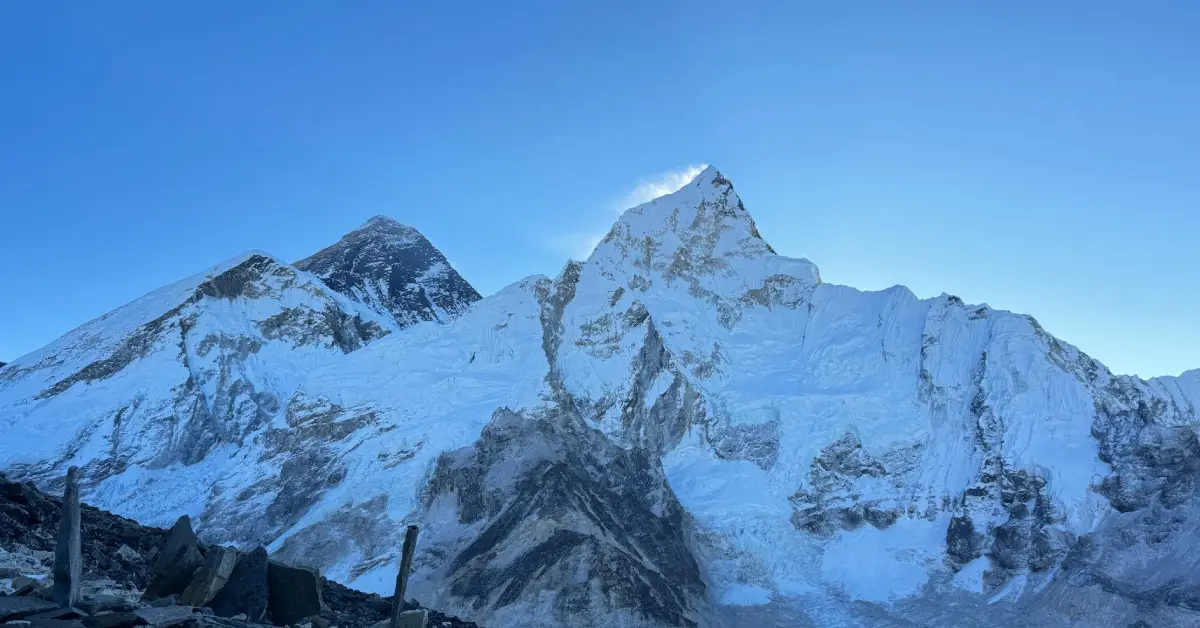
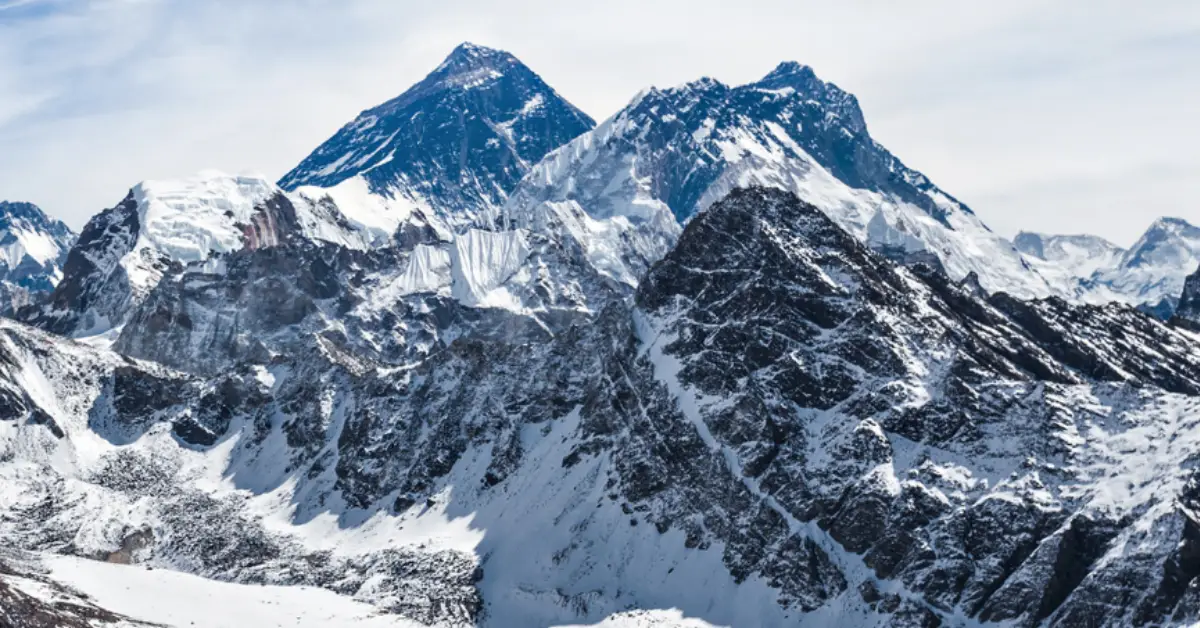
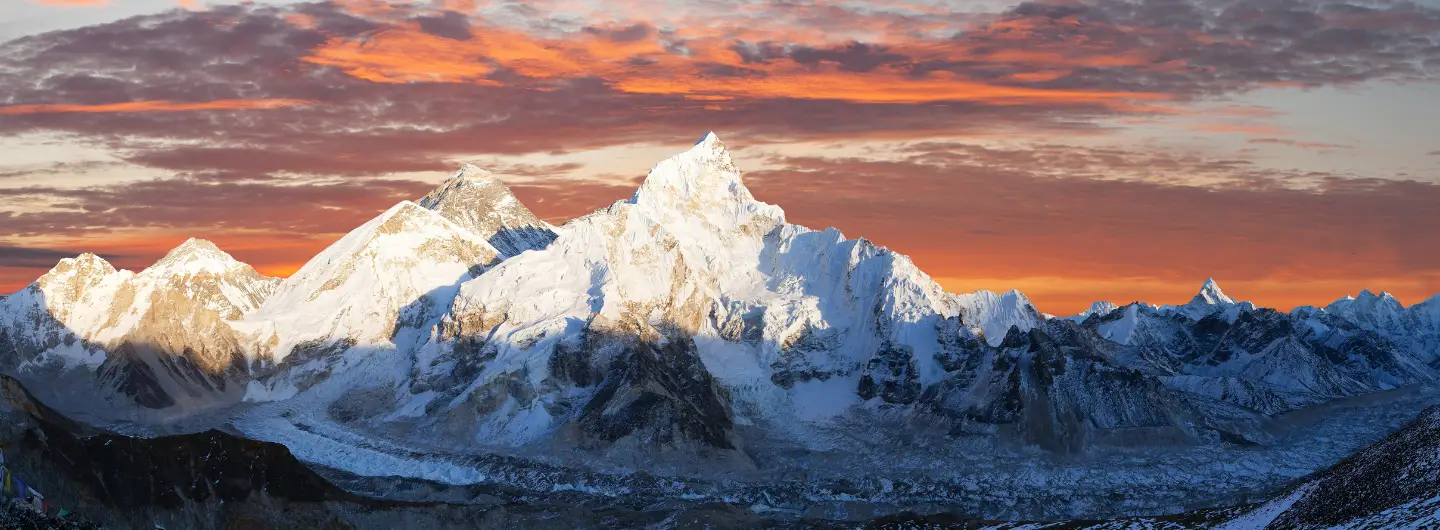
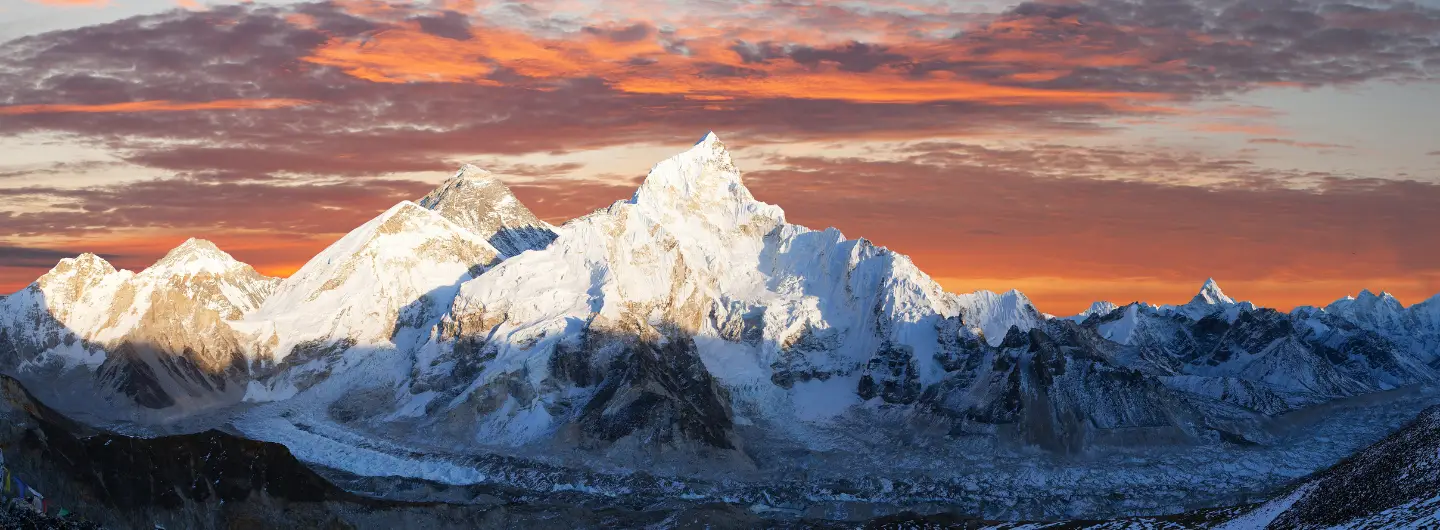
This trek focuses on panoramic mountain views rather than reaching Everest Base Camp itself. Trekkers enjoy the dramatic scenery of Mount Everest, Lhotse, Nuptse, Ama Dablam, Thamserku, and Kongde Ri, all while staying at comfortable teahouses along the route.

Despite being shorter and easier, the Everest Panorama Trek delivers a complete Himalayan experience, mountains, culture, monasteries, forests, and local hospitality, making it one of the best short treks in Nepal.

Why Choose the Everest Panorama Trek?

The Everest Panorama Trek is ideal for travelers who want a balanced adventure without pushing physical limits. It is particularly suitable for:

  • First-time trekkers in Nepal
  • Travelers with limited vacation time
  • Families and older trekkers
  • Photographers and culture enthusiasts
  • Those concerned about high-altitude risks

Unlike longer treks, this route allows gradual acclimatization and avoids extreme elevations, making altitude-related issues less common. From Namche Bazaar onward, the air becomes thinner, but the walking altitude generally remains comfortable for most trekkers.

Another reason the Everest Panorama Trek stands out is its cultural richness. The trek passes through Sherpa settlements where Buddhist traditions, monasteries, prayer flags, and mani walls create a deeply spiritual atmosphere.

Scenic Highlights of the Everest Panorama Trek

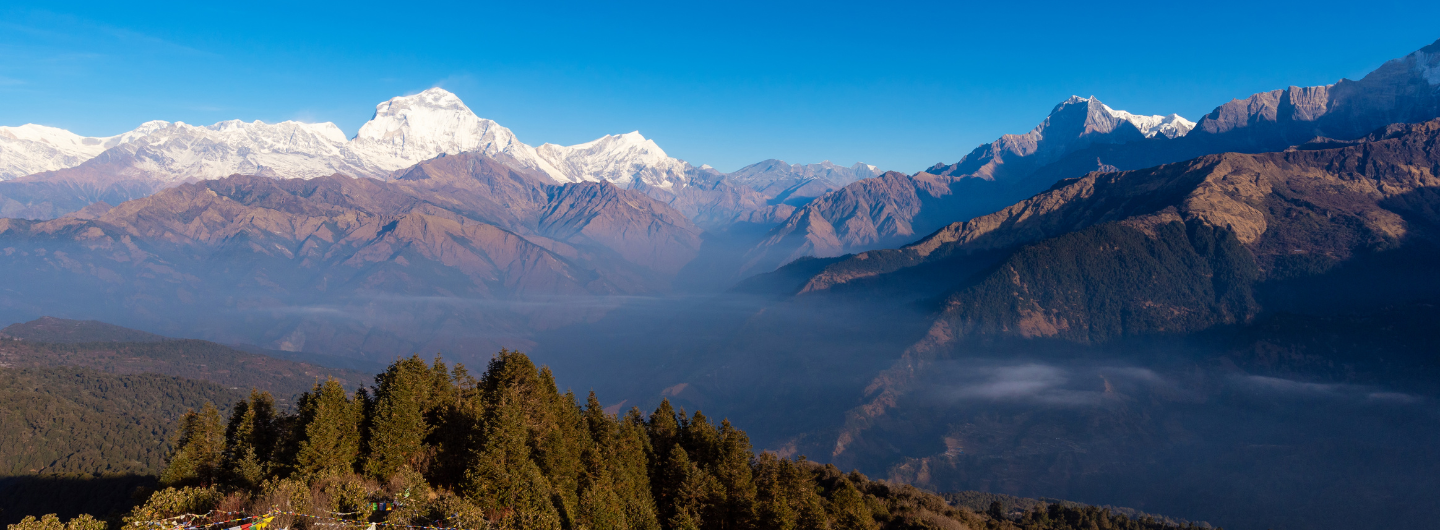
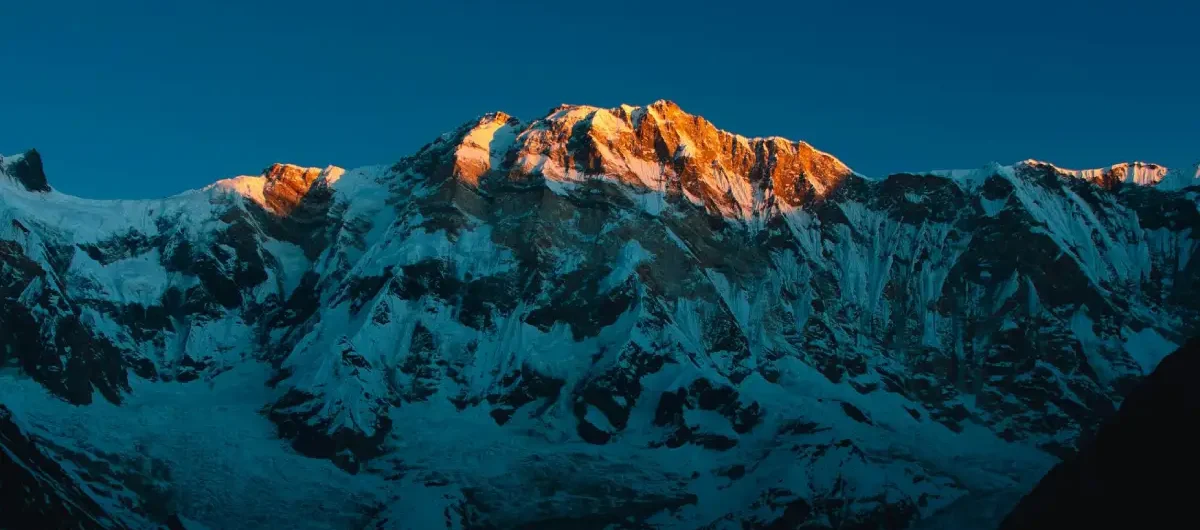
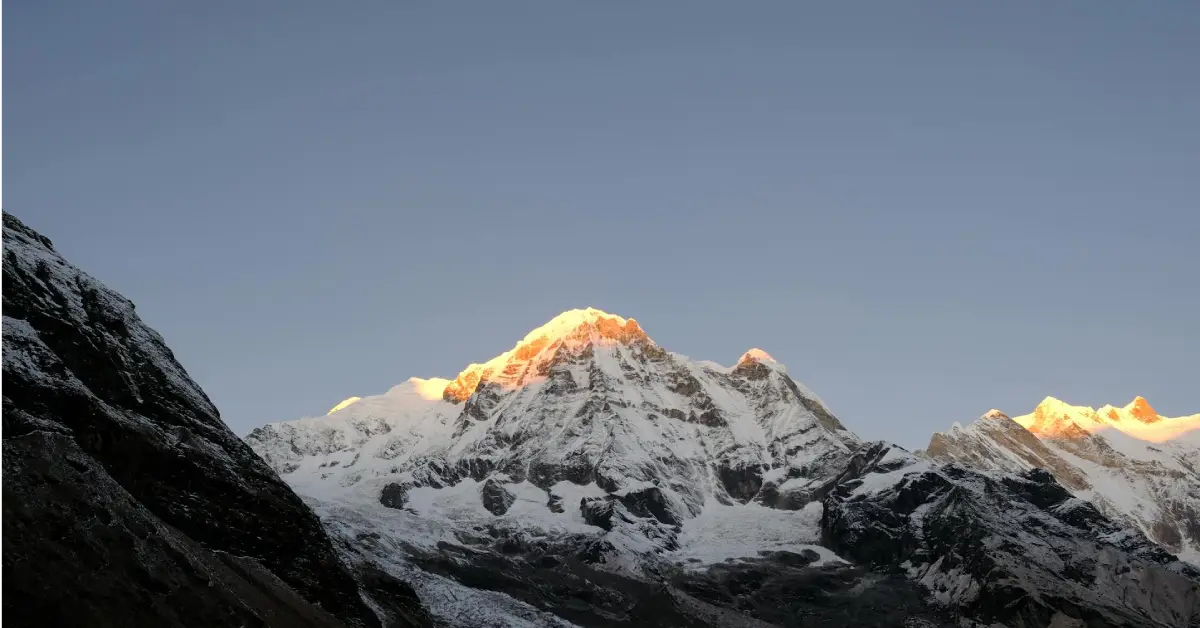
One of the greatest strengths of the Everest Panorama Trek is the uninterrupted mountain scenery visible almost every day.

Himalayan Peaks You’ll See

  • Mount Everest (8,848.86 m)
  • Lhotse
  • Nuptse
  • Ama Dablam
  • Thamserku
  • Tawache
  • Kwangde
  • Kongde Ri
  • Khumbila

From elevated viewpoints like the Everest View Hotel and Tengboche, the panorama is truly unforgettable. Even though you don’t reach Base Camp, the proximity to these giants makes the experience just as dramatic.

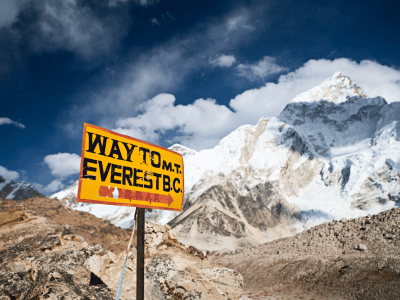
Many trekkers are surprised to learn that the height of Everest Base Camp is 5,364 meters, significantly higher than any point reached on this trek. That difference makes the Everest Panorama Trek far more accessible while still delivering iconic views of the world’s highest mountain.

Flight to Lukla – The Gateway to the Everest Region

The adventure begins with a short but thrilling flight from Kathmandu to Lukla, lasting around 30 minutes. This flight offers stunning aerial views of rolling hills, river valleys, and Himalayan ridgelines before landing at Tenzing-Hillary Airport, one of the world’s most famous mountain airstrips.

From Lukla, the Everest Panorama Trek officially starts, following a well-established trail through lush forests and riverside paths toward Phakding.

Trekking Through Forests and Wildlife Zones

Despite being in a high mountain region, the Everest Panorama Trek passes through diverse landscapes filled with life. The trail winds through forests of rhododendron, pine, fir, and birch, especially vibrant during spring when rhododendrons bloom.

Wildlife sightings are possible, including:

  • Himalayan Thar
  • Musk deer
  • Barking deer
  • Himalayan monal and other bird species

These natural elements add depth to the journey, reminding trekkers that the Everest region is not just about mountains but also rich ecosystems.

Namche Bazaar | The Heart of the Khumbu

Namche Bazaar is the cultural and commercial center of the Khumbu region and a major highlight of the Everest Panorama Trek. Built into a mountain amphitheater, this vibrant town offers cafes, bakeries, gear shops, museums, and stunning viewpoints.

Trekkers usually spend an extra day here for acclimatization, allowing the body to adjust while exploring the area. Short hikes to nearby viewpoints reveal the first clear views of Mount Everest and Ama Dablam.

Namche also provides valuable insight into Sherpa life, history, and mountaineering heritage.

Tengboche Monastery | Spiritual Heart of the Everest Region

One of the most iconic stops on the Everest Panorama Trek is Tengboche Monastery, the largest and most important Buddhist monastery in the Khumbu region.

Set against a dramatic Himalayan backdrop, Tengboche offers:

  • Panoramic mountain views
  • Daily prayer ceremonies
  • Insight into Tibetan Buddhism
  • A peaceful, spiritual atmosphere

The monastery has been rebuilt several times after fires and earthquakes, standing today as a symbol of resilience and faith in the Himalayas.

Everest View Hotel | A World-Famous Viewpoint

The trek reaches its highest point near the Everest View Hotel at 3,880 meters. This legendary hotel is known for offering one of the best panoramic views of Mount Everest accessible without extreme trekking.

From here, trekkers can enjoy:

  • Clear views of Everest, Lhotse, and Ama Dablam
  • Comfortable surroundings
  • Perfect photography opportunities

Standing here, many travelers reflect on how high is Mount Everest Base Camp is compared to their current altitude, realizing that while Base Camp sits much higher, the views here are equally impressive.

Khumjung Village | A Glimpse into Traditional Sherpa Life

Khumjung is a peaceful Sherpa village located above Namche Bazaar. Unlike the busy atmosphere of Namche, Khumjung offers tranquility, traditional stone houses, and farmland set beneath towering peaks.

The village is home to:

  • Khumjung Monastery
  • Local schools founded by Sir Edmund Hillary
  • Traditional Sherpa homes

Visiting Khumjung adds a cultural depth to the Everest Panorama Trek, allowing trekkers to connect with the people who call this harsh yet beautiful region home.

Accommodation and Food on the Everest Panorama Trek

The Everest Panorama Trek is a teahouse trek, meaning accommodation is provided in local lodges run by Sherpa families. Rooms are simple but comfortable, and meals are freshly prepared.

Common meals include:

  • Dal Bhat (rice, lentils, vegetables)
  • Noodles and pasta
  • Soups
  • Tibetan bread
  • Pancakes and porridge

This teahouse system allows trekkers to travel light while enjoying warm hospitality and cultural interaction throughout the journey.

Best Time to Do the Everest Panorama Trek

The Everest Panorama Trek can be done almost year-round, but the best seasons are:

Spring (March to May)

  • Stable weather
  • Blooming rhododendrons
  • Excellent mountain visibility

Autumn (September to November)

  • Clear skies
  • Crisp air
  • Ideal trekking conditions

Winter offers fewer crowds but colder temperatures, while the monsoon season brings rain and cloud cover.

Altitude Considerations and Safety

Although the Everest Panorama Trek reaches lower elevations than Everest Base Camp, altitude awareness is still important. The highest point is around 3,880 meters, significantly lower than the height of Everest Base Camp, which reduces the risk of altitude sickness.

Proper pacing, hydration, and acclimatization days ensure a safe and enjoyable trek for most travelers.

Is the Everest Panorama Trek Worth It?

Absolutely. The Everest Panorama Trek delivers the essence of the Everest region in a shorter, more accessible format. It offers legendary trails, dramatic mountain views, cultural immersion, and spiritual landmarks without the physical strain of longer expeditions.

For many trekkers, it becomes a life-changing experience, proof that even a short journey in the Himalayas can leave a lasting impact.

Everest Panorama Trek Summary

The Everest Panorama Trek is proof that you don’t need to go all the way to Base Camp to experience the magic of Everest. With dramatic landscapes, rich culture, manageable altitude, and world-class scenery, this trek stands as one of Nepal’s best short trekking adventures.
If you are seeking a meaningful Himalayan journey that balances adventure, comfort, and cultural depth, the Everest Panorama Trek is an exceptional choice.

Package options

Select Package Type

★ ★ ★ ★ ★
5% OFF

Standard Package Price

US $1354
US $1425

per traveller

Standard Package Included

  • Airport pick-up and drop-off transfers
  • Private Ground transportation as per the itinerary
  • Return Flight Kathmandu|Lukla|Kathmandu
  • All accommodations (Twin Share)
  • Three Course Meal
  • Sagarmatha National Park entry permits
  • TIMS Permit.
  • n experience Trained guide and the required number of porters (one porter between two pax)
  • Warm sleeping bag, warm down jacket, and walking stick, if necessary
  • Trek bag.
  • All Government Taxes
  • Certificate of Trip Completion

Standard Package Excluded

  • Tips to staff or any donations
  • Single Supplement for single-use rooms
  • Tips to staff or any donations
  • Nepal Visa
  • International Flight
  • Your travel insurance, medical, and emergency evacuation
  • All types of drinks (such as Hot & cold, Mineral water and alcoholic drinks) during the trek
  • All personal expenses

Trip Itinerary

Upon arrival at Tribhuvan International Airport in Kathmandu, our representative will warmly welcome you and assist with your transfer to the hotel. After check-in, you can relax and recover from your journey.

Later in the day, our tour leader will meet you at the hotel or office for a pre-trek briefing. During this meeting, you’ll receive important information about the trek, safety guidelines, and daily routines. We will also collect required documents such as a passport copy, two passport-size photos, and a copy of your travel insurance.

Accommodation

Hotel in Kathmandu

Meal

Breakfast

Time

N/A

Distance

N/A

After breakfast, the day is free for final trek preparations. You may rest, check your gear, or explore Kathmandu at your own pace.

If you wish, you can join an optional sightseeing tour of the Kathmandu Valley. Popular World Heritage Sites include Pashupatinath Temple, Boudhanath Stupa, Swayambhunath (Monkey Temple), and the historic Durbar Squares of Kathmandu, Patan, or Bhaktapur. These tours can be arranged locally based on your interests.

Accommodation

Hotel in Kathmandu

Meal

Breakfast

Time

N/A

Distance

N/A

Early in the morning, we transfer to the domestic airport for a scenic flight to Lukla. The 30-minute flight offers spectacular views of Himalayan peaks before landing at the renowned Tenzing-Hillary Airport, known for its short, uphill runway.

After meeting the trekking crew, we begin our first hike toward Phakding. The trail passes through small villages, farmlands, and suspension bridges along the Dudh Koshi River, offering gentle terrain and beautiful scenery, perfect for the first day of trekking.

Accommodation

Tea Houses

Meal

Breakfast, Lunch, Dinner

Time

~5 hours

Distance

~8 km

Today’s trek follows the Dudh Koshi River and crosses several iconic suspension bridges. We enter Sagarmatha National Park at Monjo, where permits are checked.

After crossing the final high bridge, the trail climbs steadily uphill to Namche Bazaar, the main trading and cultural hub of the Khumbu region. Namche offers modern facilities such as cafes, bakeries, ATMs, shops, and stunning mountain views.

Accommodation

Tea Houses

Meal

Breakfast, Lunch, Dinner

Time

~5 hours

Distance

~10 km

This rest day helps your body adjust to altitude while still staying active. After breakfast, we visit the Sagarmatha National Park Museum to learn about Himalayan wildlife, Sherpa culture, and mountaineering history.

Later, we hike to Syangboche and the Everest View Hotel, one of the best viewpoints in the region. From here, you can enjoy panoramic views of Mount Everest, Ama Dablam, Lhotse, and surrounding peaks before returning to Namche in the afternoon.

Accommodation

Tea Houses

Meal

Breakfast, Lunch, Dinner

Time

N/A

Distance

N/A

Leaving Namche, we follow a scenic trail through pine and rhododendron forests with incredible mountain views throughout the day. Peaks like Ama Dablam, Everest, Nuptse, Lhotse, and Thamserku dominate the skyline.

After descending to the Imja Khola River at Phunge Tenga, we climb through peaceful woodland to reach Tengboche. This village is home to the famous Tengboche Monastery, the largest and most important Buddhist monastery in the Everest region. You may observe monks during their daily prayer ceremonies.

Accommodation

Tea Houses

Meal

Breakfast, Lunch, Dinner

Time

~5 hours

Distance

~10 km

Wake up to stunning Himalayan views before heading downhill and then ascending gently to Sanasa, a trail junction connecting routes to Gokyo and Namche.

We continue to Khumjung and nearby Khunde villages, traditional Sherpa settlements located beneath Mount Khumbila, the sacred mountain of the Khumbu region. In the afternoon, you can visit the local monastery, known for housing a preserved Yeti scalp, and explore the peaceful village surroundings.

Accommodation

Tea Houses

Meal

Breakfast, Lunch, Dinner

Time

~5 hours

Distance

~8 km

The trail descends toward Namche Bazaar through Syangboche, offering beautiful views from above the town. After a short break in Namche, we continue downhill along the Dudh Koshi River. The walk is mostly descending, passing forests and small villages before reaching Monjo, where we stay overnight.

Accommodation

Tea Houses

Meal

Breakfast, Lunch, Dinner

Time

~6 hours

Distance

~11 km

The trail descends toward Namche Bazaar through Syangboche, offering beautiful views from above the town. After a short break in Namche, we continue downhill along the Dudh Koshi River. The walk is mostly descending, passing forests and small villages before reaching Monjo, where we stay overnight.

Accommodation

Tea Houses

Meal

Breakfast, Lunch, Dinner

Time

~6 hours

Distance

~11 km

We fly back to Kathmandu from Lukla Airport and transfer you to your hotel. 

Accommodation

Hotel in Kathmandu

Meal

Breakfast

Time

~30 minutes

Distance

N/A

This day is kept as a buffer in case of flight delays from Lukla. If unused, you can enjoy leisure time in Kathmandu, shopping, sightseeing, or relaxing. In the evening, we host a farewell dinner to celebrate your successful trek and share memories of the journey.

Accommodation

Hotel in Kathmandu

Meal

Breakfast

Time

N/A

Distance

N/A

After breakfast, our representative will transfer you to Tribhuvan International Airport for your onward journey. With unforgettable memories of the Himalayas, your Everest Panorama Trek comes to a warm conclusion.

Accommodation

N/A

Meal

Breakfast

Time

N/A

Distance

N/A

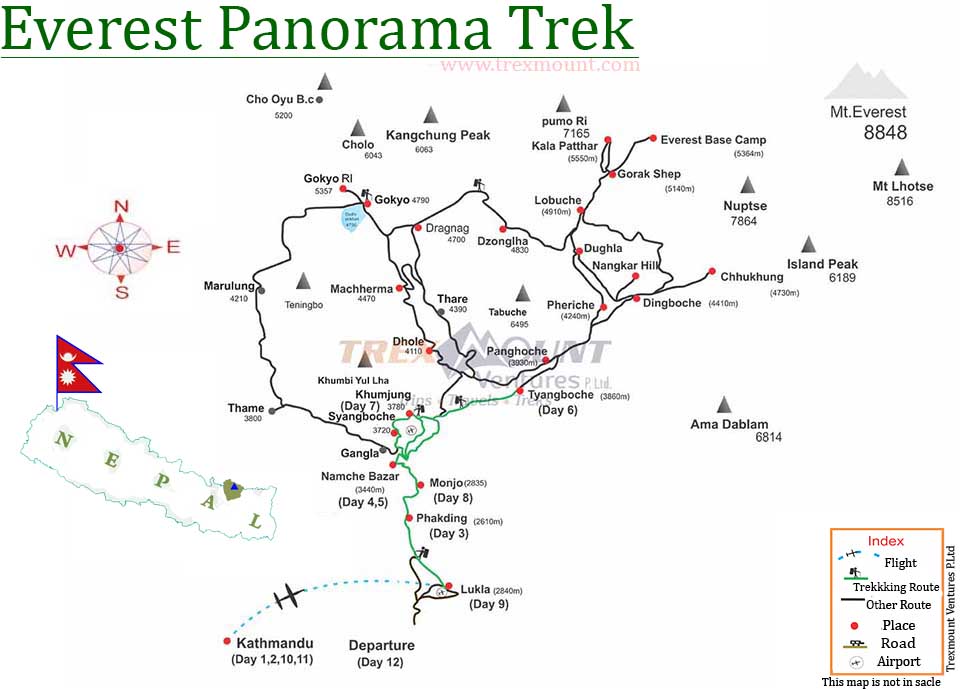
Route Map

trip route map for Everest Panorama Trekking

Fixed Departure

Frequently Asked Questions

The best time for the Everest Panorama Trek is during spring (March to May) and autumn (September to November). These seasons offer clear skies, stable weather, and breathtaking Himalayan views. Spring brings blooming rhododendron forests, while autumn provides crisp mountain panoramas and comfortable trekking temperatures. Winter is colder but quieter, and the monsoon season can bring cloudy weather, slippery trails, and Lukla flight delays.

Everest Panorama Trek is considered an easy to moderate Himalayan trek suitable for beginners and families. The route includes gradual uphill trails, suspension bridges, and stone staircases through beautiful Sherpa villages and forests. Although the trek reaches moderate altitude, it is less demanding than Everest Base Camp Trek. Basic fitness and preparation are enough for most trekkers to enjoy the journey comfortably while experiencing the Everest region’s stunning scenery.

Most Everest Panorama Trek itineraries take around 7 to 10 days depending on the route and acclimatization schedule. The journey usually begins with a flight to Lukla and continues through famous villages like Phakding, Namche Bazaar, and Tengboche. Some itineraries also include extra exploration days in the Everest region. The trek is ideal for travelers who want Everest views and Sherpa culture without the longer Everest Base Camp journey.

The highest point of the Everest Panorama Trek is usually Tengboche at approximately 3,867 meters (12,687 feet) above sea level. Some itineraries may also include viewpoints above Namche Bazaar for better mountain panoramas. Since the trek remains below extreme altitudes compared to Everest Base Camp, the risk of altitude sickness is lower, making it more comfortable for beginner trekkers and families.

Previous trekking experience is not necessary for the Everest Panorama Trek. The route is beginner-friendly and suitable for travelers with average physical fitness. Trekkers walk through scenic mountain trails, forests, and Sherpa settlements at a manageable pace. Light training, regular walking, and proper preparation before the trek are recommended. Hiring experienced guides and porters can also make the journey safer, easier, and more enjoyable for first-time trekkers.

The Everest Panorama Trek offers spectacular views of Mount Everest, Ama Dablam, Lhotse, Thamserku, and other Himalayan peaks. Trekkers enjoy panoramic scenery from Namche Bazaar and Tengboche, especially during sunrise and sunset. The combination of snow-covered mountains, forests, and traditional Sherpa villages makes the trek visually unforgettable.

Yes, the Everest Panorama Trek is highly suitable for beginners who want a shorter and easier trekking experience in the Everest region. The trek involves moderate walking distances and lower altitude compared to Everest Base Camp Trek. Beginners can comfortably complete the route with proper pacing and preparation. The journey provides incredible mountain views, Sherpa culture, monasteries, and Himalayan landscapes without requiring extreme endurance or technical trekking skills.

Trekkers need two permits for the Everest Panorama Trek: the Sagarmatha National Park Permit and the Khumbu Pasang Lhamu Rural Municipality Permit. These permits support conservation, local tourism management, and trekking safety in the Everest region. Permit costs and regulations may change over time, so trekkers should confirm updated information through authorized trekking agencies or tourism offices in Kathmandu before starting the journey.

Everest Panorama Trek offers rich cultural experiences through traditional Sherpa villages, Buddhist monasteries, prayer wheels, mani walls, and local hospitality. Trekkers often visit the famous Tengboche Monastery, one of the most important Buddhist monasteries in the Everest region. The trek also allows visitors to experience Sherpa lifestyle, local cuisine, mountain traditions, and Himalayan spirituality while staying in cozy teahouses along the route.

Yes, Everest Panorama Trek is an excellent choice for travelers with limited time who still want to experience the beauty of the Everest region. The trek is shorter, less physically demanding, and reaches lower altitude than Everest Base Camp Trek. Despite being shorter, it still offers breathtaking views of Everest and surrounding peaks, along with authentic Sherpa culture and Himalayan landscapes, making it ideal for short holiday adventures in Nepal.

Traveler Reviews

Verified customer feedback

LB

Laura Bennett

Glasgow, Scotland, UK

"The Everest Panorama Trek rewarded me with spectacular Himalayan views without requiring extreme altitude. Trexmount Ventures made every moment enjoyable through their caring staff and professional service. It's a fantastic introduction to Nepal Trekking with the Best Trekking Company in Nepal."

Review photo

Related Packages

You May Also Love And Like
Everest Base Camp Trek
(5.0) 13
Nepal
16 Days
Max 17 People
Starts From $1670
Everest Three Passes Trek
(5.0) 18
Nepal
20 Days
Max 17 People
Starts From $2260
Annapurna High Pass Trekking
(5.0) 18
Nepal
14 Days
Max 17 People
Starts From $1160
Annapurna Overview Trek Nepal
(5.0) 12
Nepal
8 Days
Max 17 People
Starts From $780
Annapurna Panorama Trekking
(5.0) 19
Nepal
8 Days
Max 17 People
Starts From $760
Australian Camp Trekking
(5.0) 17
Nepal
8 Days
Max 17 People
Starts From $740
Mardi Himal Nepal
(5.0) 17
Nepal
10 Days
Max 17 People
Starts From $880
Poon Hill Trek
(5.0) 10
Nepal
10 Days
Max 50 People
Starts From $930
Khair lake Panorama Trekking
(5.0) 13
Nepal
14 Days
Max 12 People
Starts From $1480
Nar Phu Trekking
(5.0) 17
Nepal
20 Days
Max 50 People
Starts From $1960
Panchase Trekking
(5.0) 19
Nepal
12 Days
Max 10 People
Starts From $1060
Gokyo Lake Trek
(5.0) 13
Nepal
15 Days
Max 17 People
Starts From $1690
Everest Panorama Trekking
(5.0) 20
Nepal
12 Days
Max 17 People
Starts From $1425
Everest View Hotel and Chopper flight
(5.0) 12
Nepal
8 Days
Max 12 People
Starts From $4800
Mani Rimdu Festival
(5.0) 16
Nepal
13 Days
Max 17 People
Starts From $1780