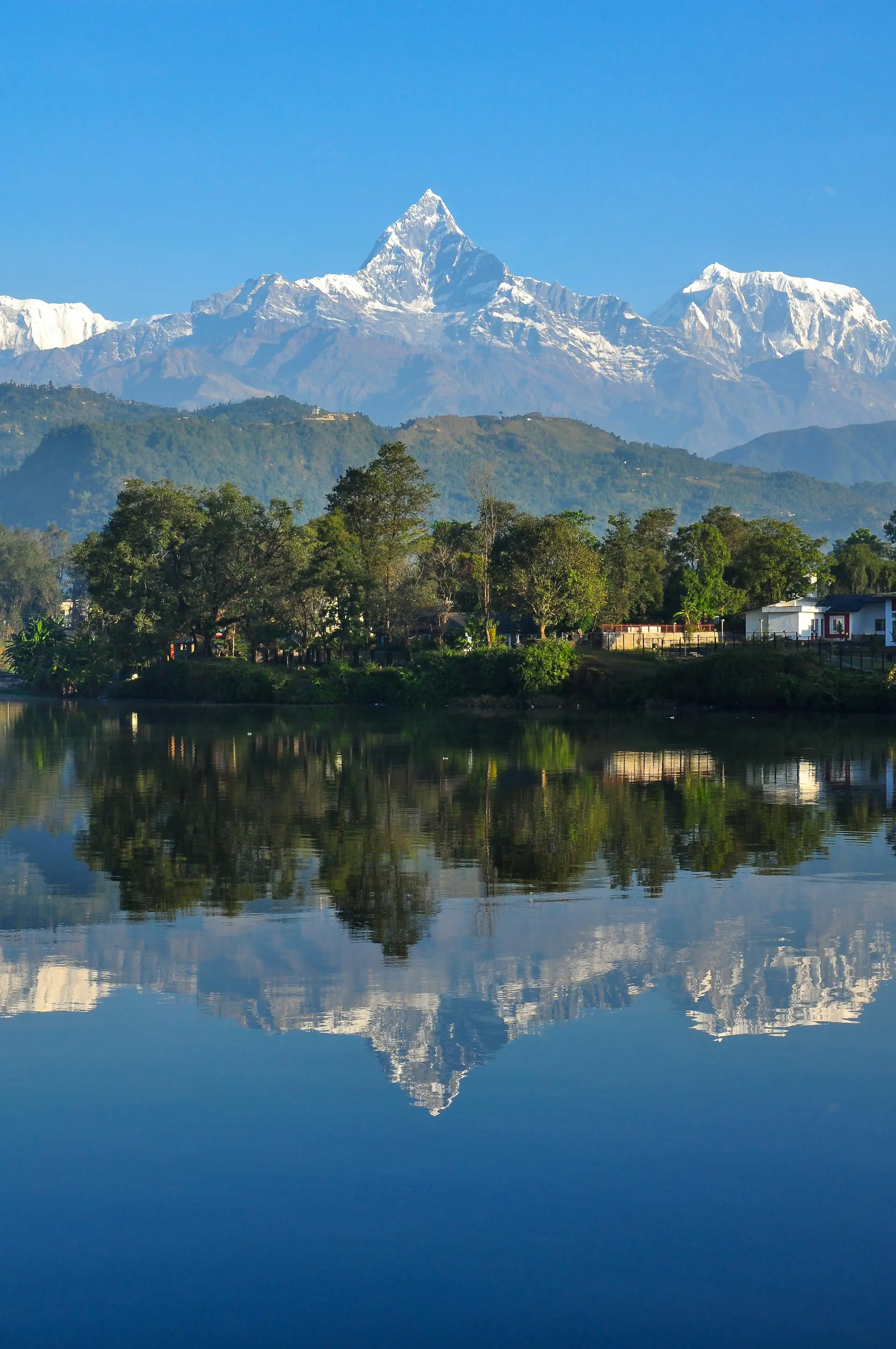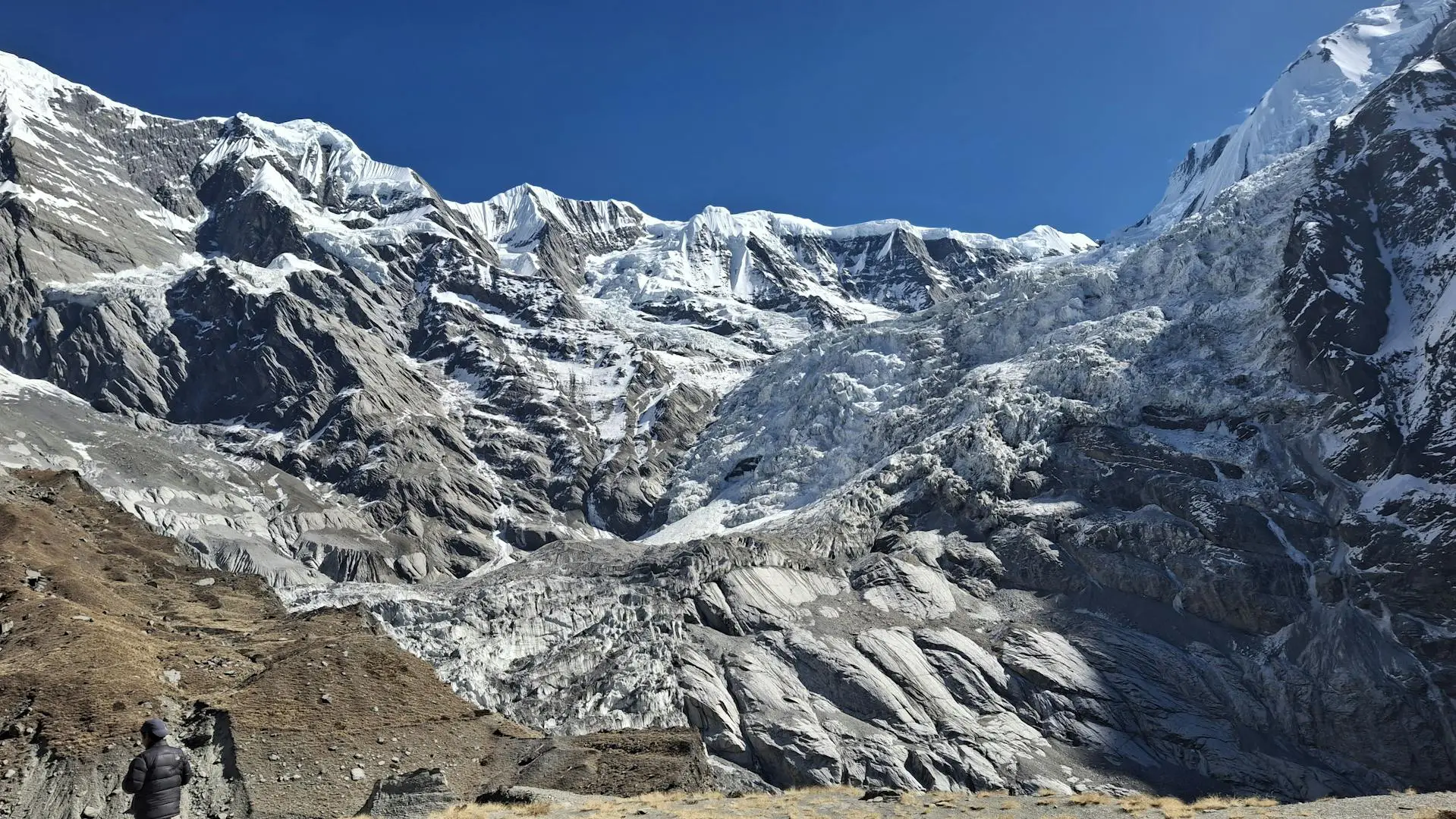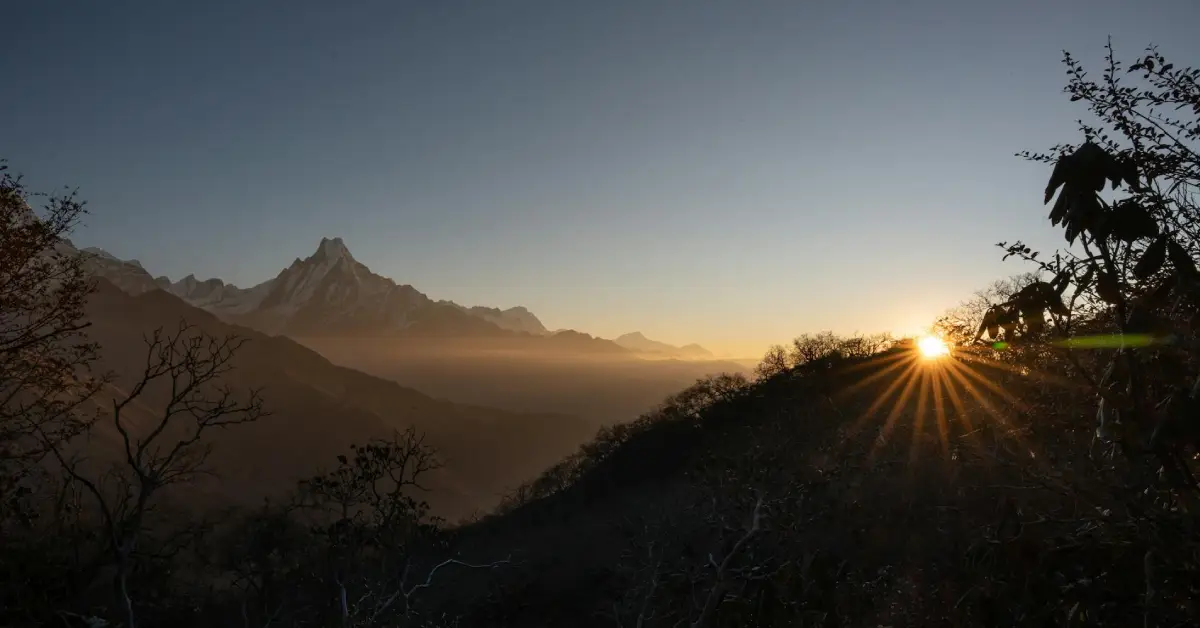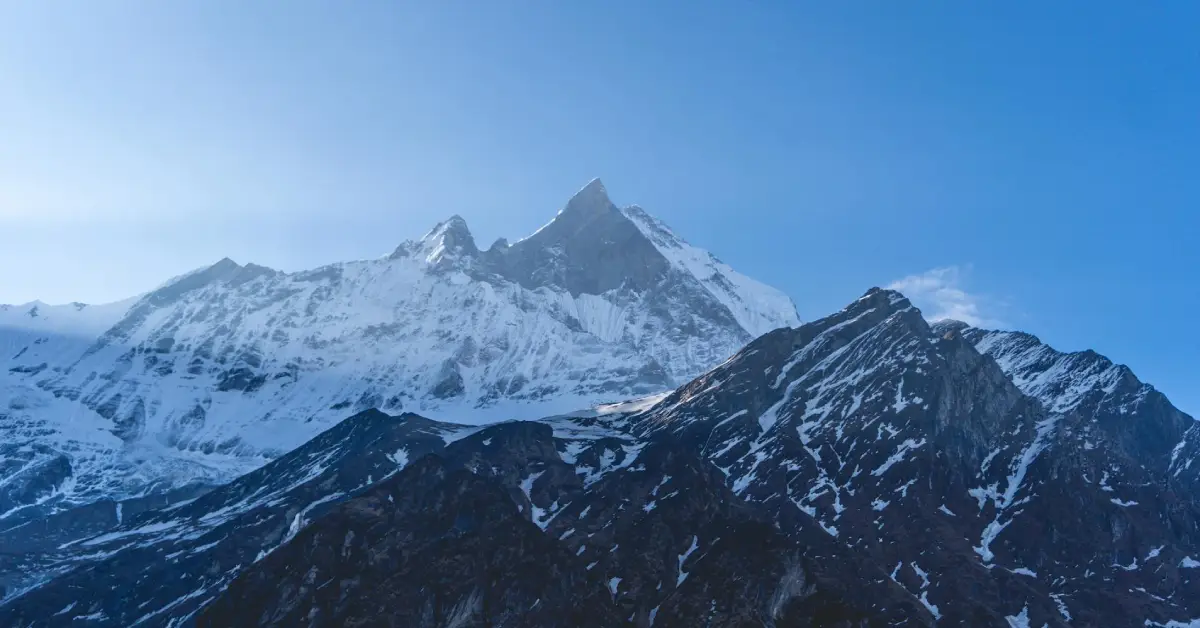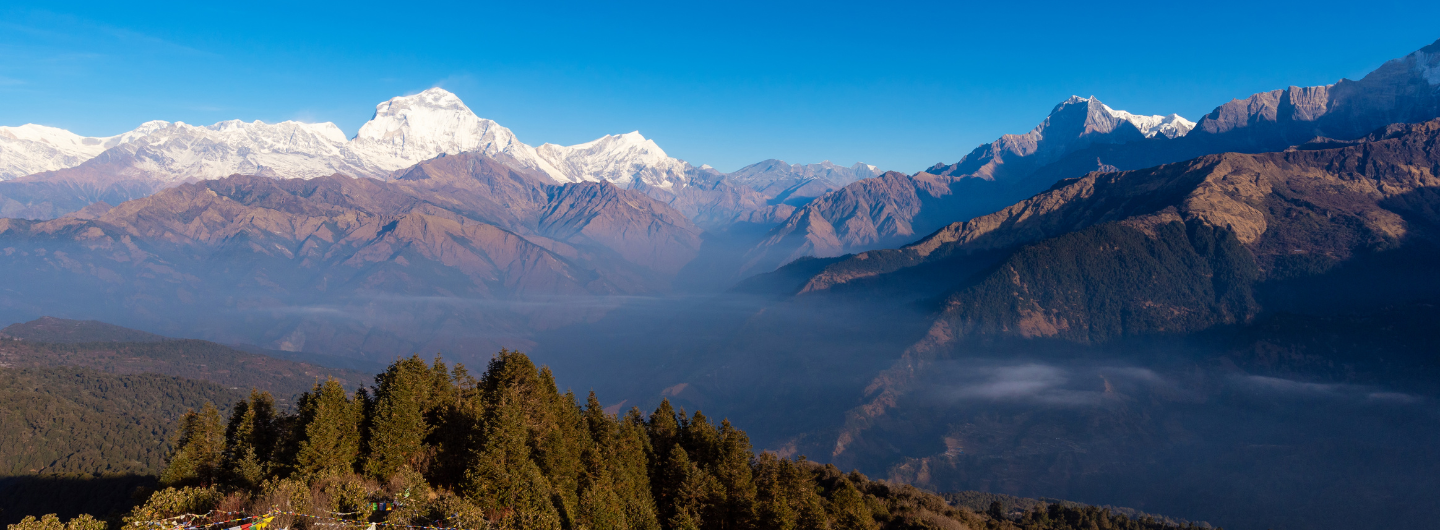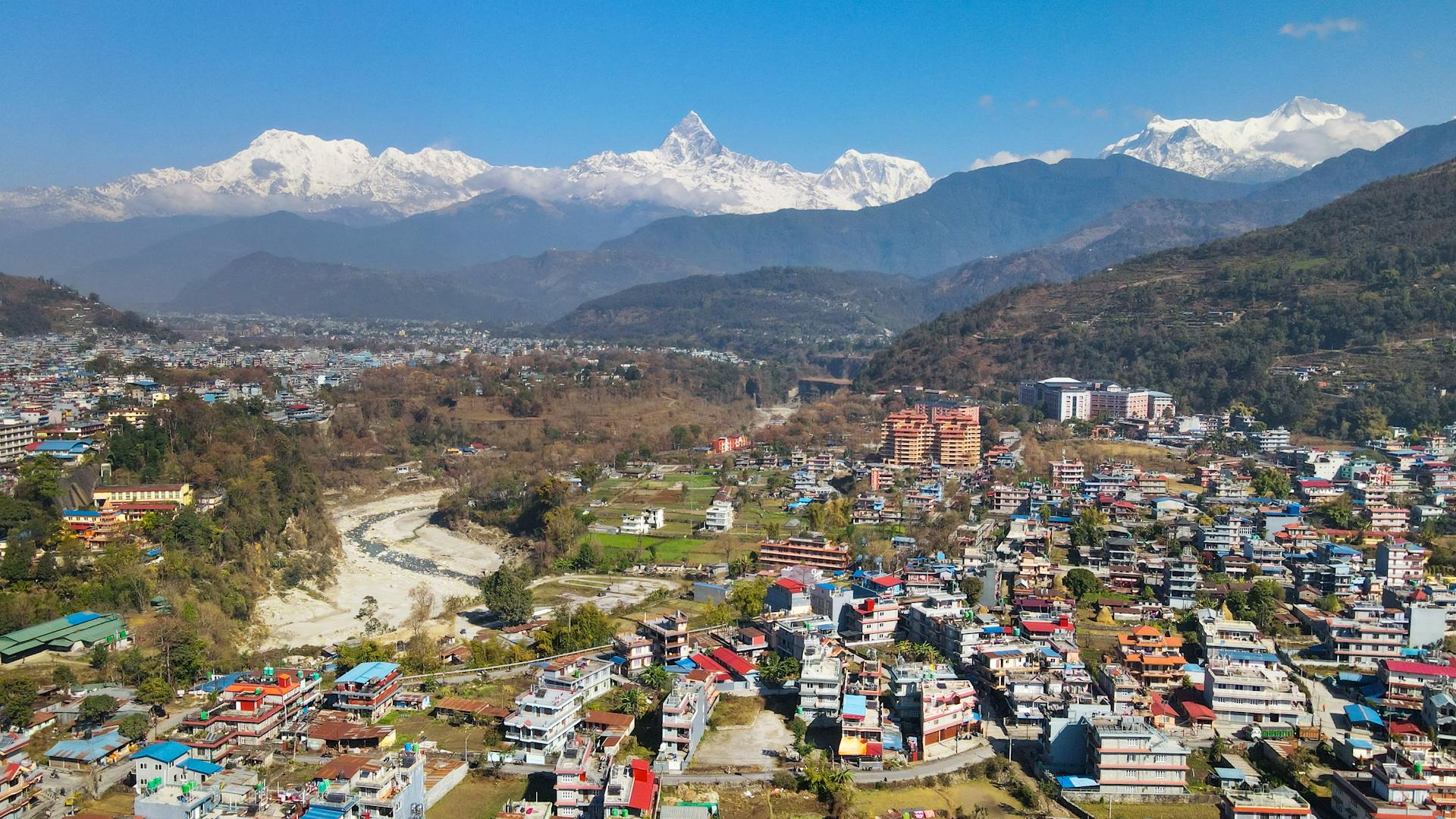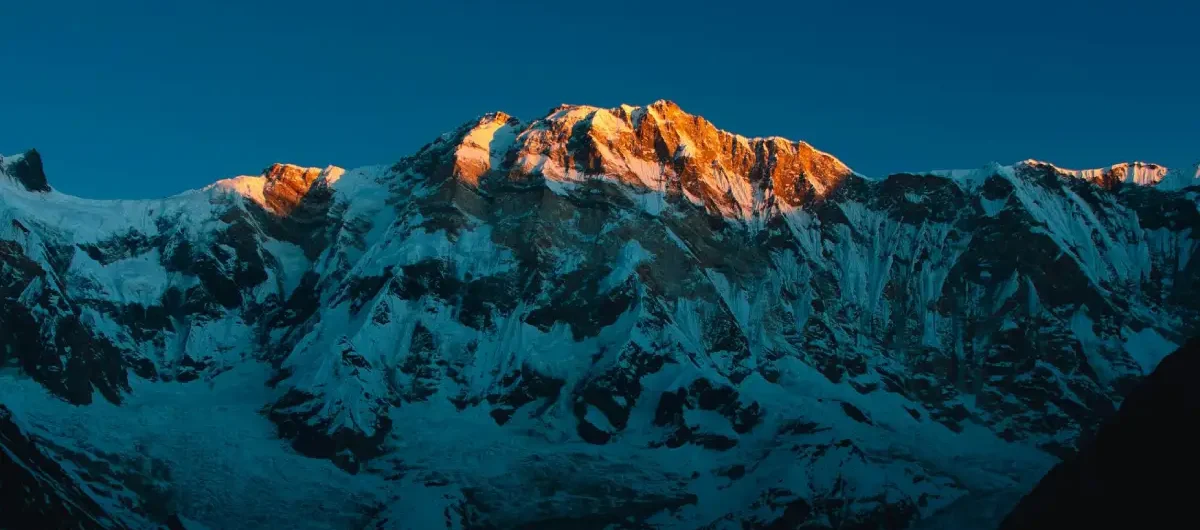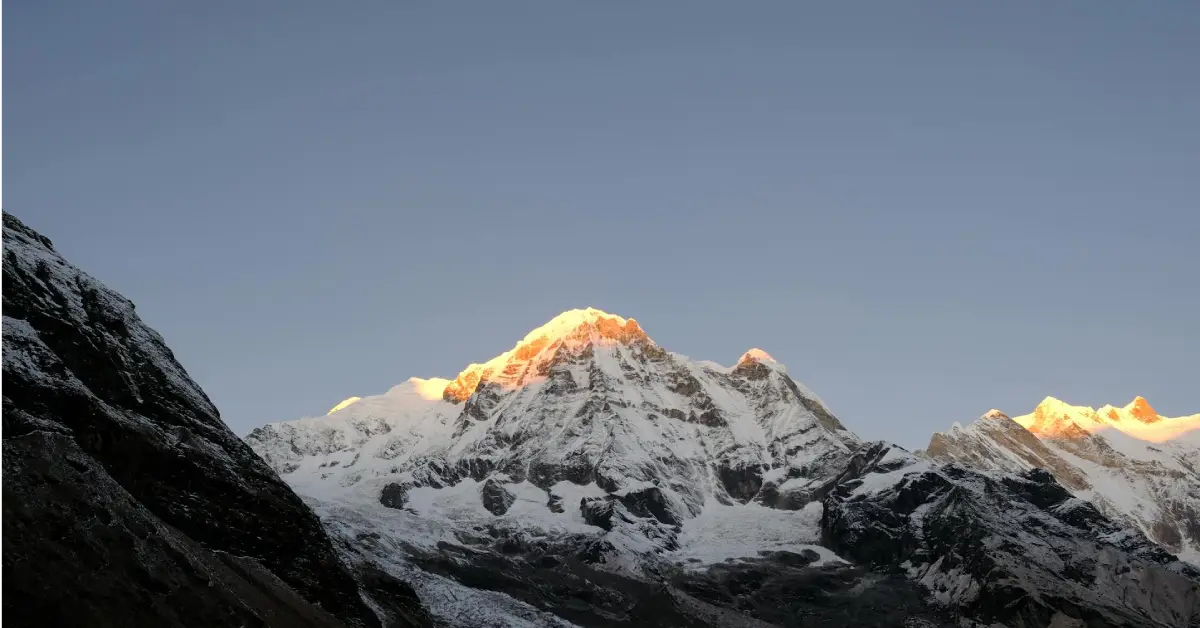

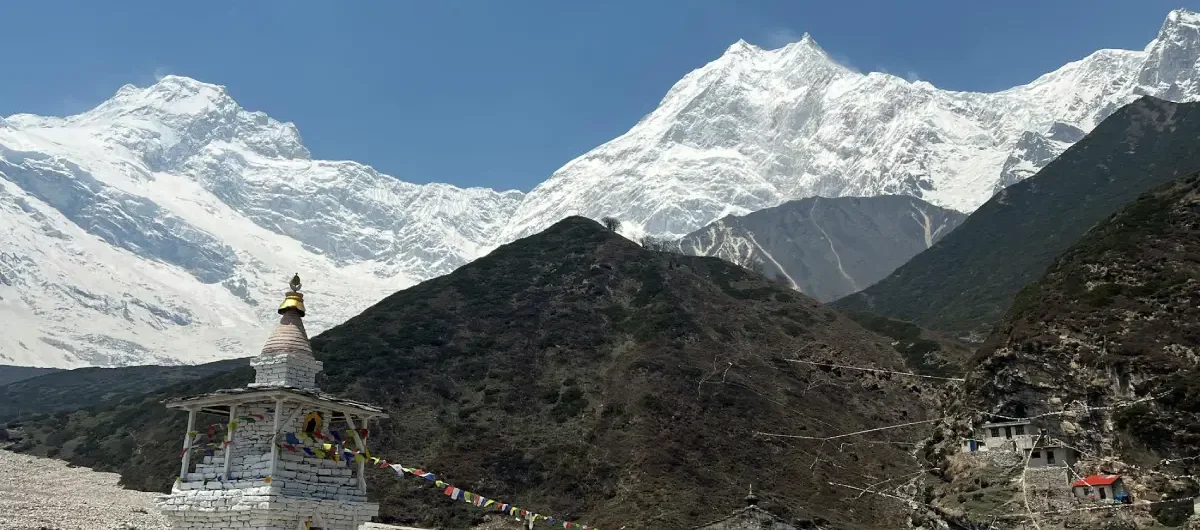
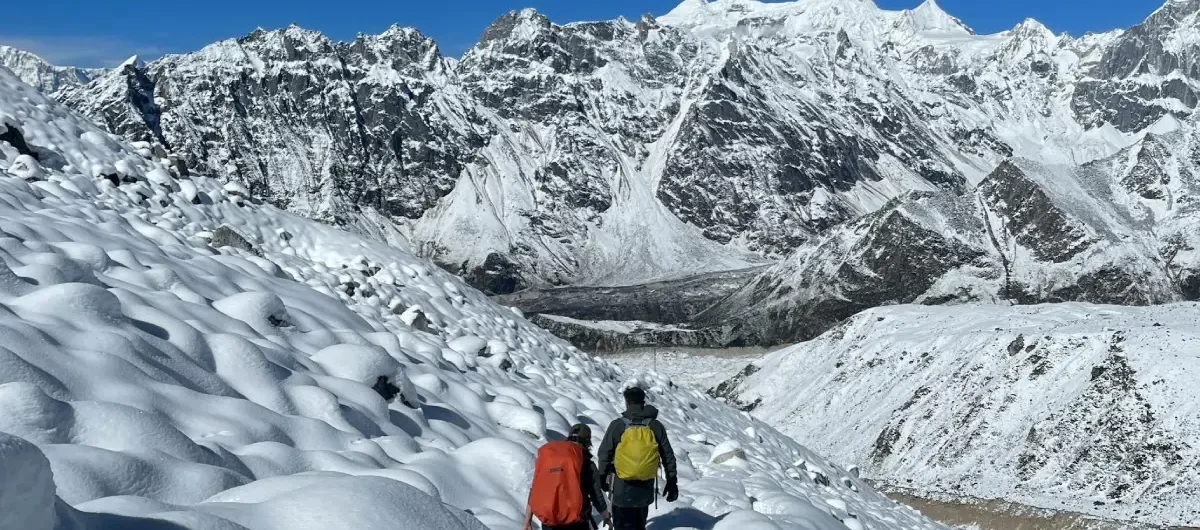
Manaslu Circuit Trekking is an 18-day journey around Mount Manaslu, the world's eighth-highest mountain at 8,163 meters. The trail moves from the lower Budhi Gandaki Valley through traditional mountain villages, dense forests, Tibetan-influenced settlements, alpine valleys, and finally across the 5,106-meter Larkya La Pass. It is a trek where the landscape changes dramatically every few days of walking.
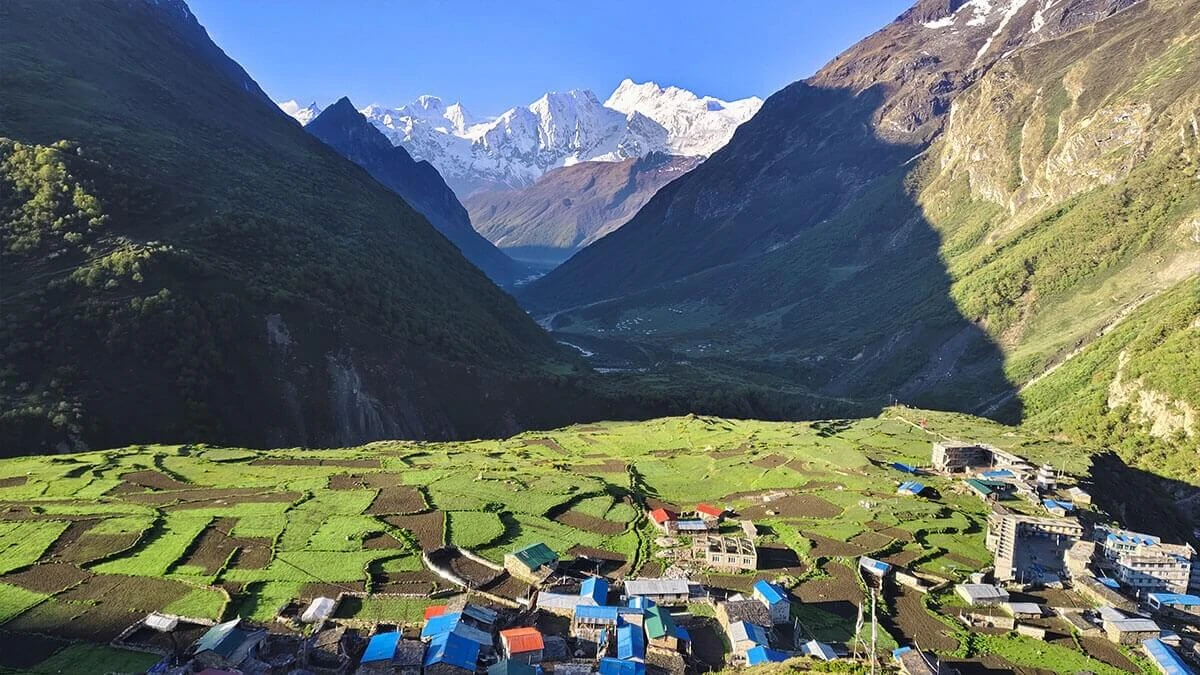
What makes the Manaslu Circuit Trek distinctive is the combination of remote Himalayan scenery and living mountain culture. The route passes through villages such as Jagat, Deng, Namrung, Lho, Samagaon, and Samdo, where Buddhist monasteries, mani walls, prayer flags, stone houses, and traditional farming remain part of everyday life. Higher on the trail, the scenery opens toward glaciers, frozen lakes, and some of the region's most impressive peaks.
The journey is physically demanding, particularly around Larkya La Pass, but the gradual progression from lower valleys to high alpine terrain gives trekkers time to adapt. With a dedicated acclimatization day at Samagaon, experienced local guides, and careful pacing, this route offers a balanced way to experience one of Nepal's most remote classic trekking circuits.
Manaslu Circuit Trekking at a Glance
The Manaslu Circuit Trek is an 18-day Himalayan journey around Mount Manaslu, taking you from the green foothills of the Budhi Gandaki Valley to the high-altitude landscape of Larkya La Pass. Here are the key details you should know before starting the trek:
- Duration: 18 Days
- Region: Manaslu, Nepal
- Maximum Altitude: 5,106 m / 16,752 ft
- Highest Point: Larkya La Pass
- Difficulty: Strenuous
- Best Seasons: March–May and September–November
- Trek Type: Teahouse Trek
- Starting Point: Soti Khola
- Ending Point: Chamje
- Accommodation: Hotels and mountain teahouses
- Major River: Budhi Gandaki
- Major Pass: Larkya La
- Main Mountain: Mount Manaslu, 8,163 m
- Permits: Manaslu Restricted Area, MCAP and ACAP permits as required
The trek gradually moves from lower valleys and subtropical forests into traditional Himalayan villages and eventually the high alpine terrain around Manaslu. This gradual change in landscape is one of the defining features of trekking Manaslu Nepal.
Why Choose the Manaslu Circuit Trek?
The Manaslu Circuit Trek is not simply about reaching a high mountain pass. The experience comes from everything that happens along the way. You walk beside the Budhi Gandaki River, cross suspension bridges, pass through traditional villages and gradually enter a landscape shaped by Tibetan Buddhist culture.
The route is particularly appealing if you want to experience a quieter side of the Nepal Himalayas while still having access to dramatic mountain scenery.
Some of the major highlights include:
- Walking through the dramatic Budhi Gandaki Gorge
- Exploring traditional villages such as Namrung, Lho, Samagaon and Samdo
- Seeing Mount Manaslu from different sections of the trail
- Spending an acclimatization day at Samagaon
- Hiking toward the Manaslu Base Camp area
- Visiting Tibetan-influenced mountain settlements
- Crossing the 5,106-meter Larkya La Pass
- Descending into the forests around Bimthang
- Connecting with the Marsyangdi Valley near Dharapani
Where Is the Manaslu Circuit Trek?
The Manaslu Circuit lies in north-central Nepal around Mount Manaslu, the world's eighth-highest mountain at 8,163 meters. Much of the route follows the Budhi Gandaki River before climbing toward the high valleys north of the mountain.
The lower section of the trail is characterized by green hills, terraced fields, waterfalls and dense forests. As you gain elevation, vegetation becomes thinner and the villages take on a stronger Tibetan influence. Above Samagaon, the landscape becomes increasingly barren and alpine.
The region's restricted trekking status also means access is regulated, helping protect its natural environment and traditional communities.
Manaslu Circuit Trek Route
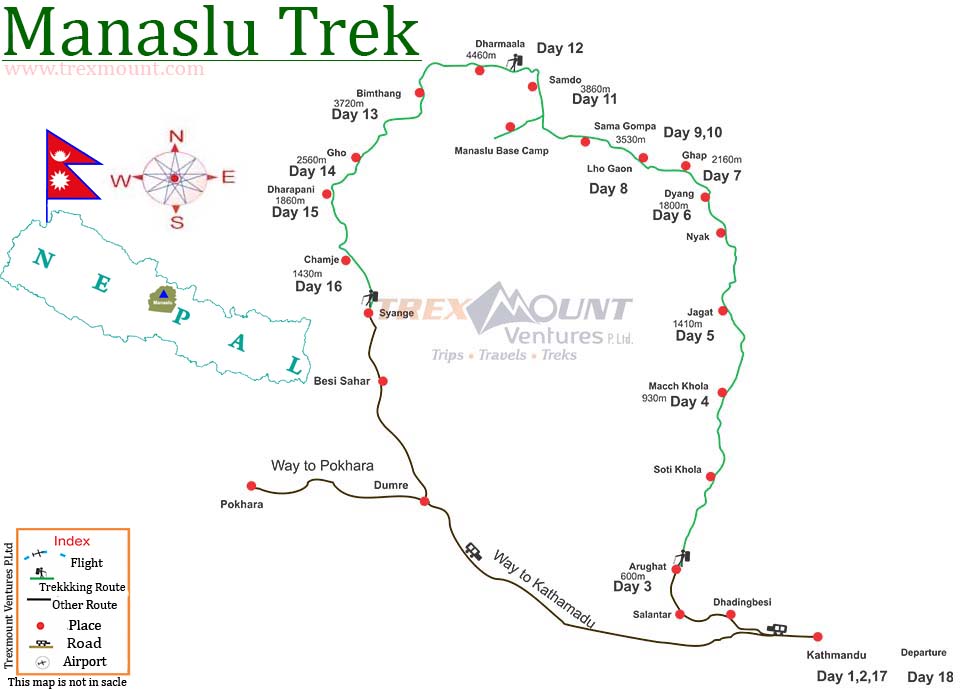
The Manaslu Circuit Trek begins with a drive toward Soti Khola, where the trekking section starts. From there, the trail follows the Budhi Gandaki Valley through Machha Khola, Jagat, Deng and Ghap before reaching the higher villages of Namrung and Lho.
The route then continues toward Samagaon, where you spend an acclimatization day before heading toward Samdo and Dharamsala. The biggest challenge comes with the crossing of Larkya La Pass at 5,106 meters.
After the pass, the trail descends toward Bimthang and continues through Gho and Dharapani before reaching Chamje.
Major Places Along the Route
Instead of putting every route detail into a table, the key stops can be understood through the following highlights:
- Soti Khola: Starting point of the trekking section.
- Machha Khola: A riverside settlement surrounded by steep hills and waterfalls.
- Jagat: Traditional stone village and important permit checkpoint.
- Deng: A small settlement where Tibetan cultural influence becomes more noticeable.
- Namrung: Gateway to the upper Manaslu region with increasingly impressive mountain views.
- Lho: Traditional village with a monastery and views toward Manaslu.
- Samagaon: Major high-altitude settlement and acclimatization point.
- Samdo: High mountain village close to the Tibetan border.
- Dharamsala: Final overnight stop before crossing Larkya La.
- Larkya La: The trek's highest point at 5,106 meters.
- Bimthang: Beautiful alpine settlement reached after crossing the pass.
- Dharapani: Important junction connecting the Manaslu and Annapurna regions.
- Chamje: Final trekking point before the return journey.
Larkya La Pass: The High Point of the Manaslu Circuit
Larkya La Pass at 5,106 meters is the highest and one of the most demanding sections of the Manaslu Circuit Trek. The crossing requires an early start and careful pacing because the trail reaches high altitude and can be exposed to cold, wind and snow.
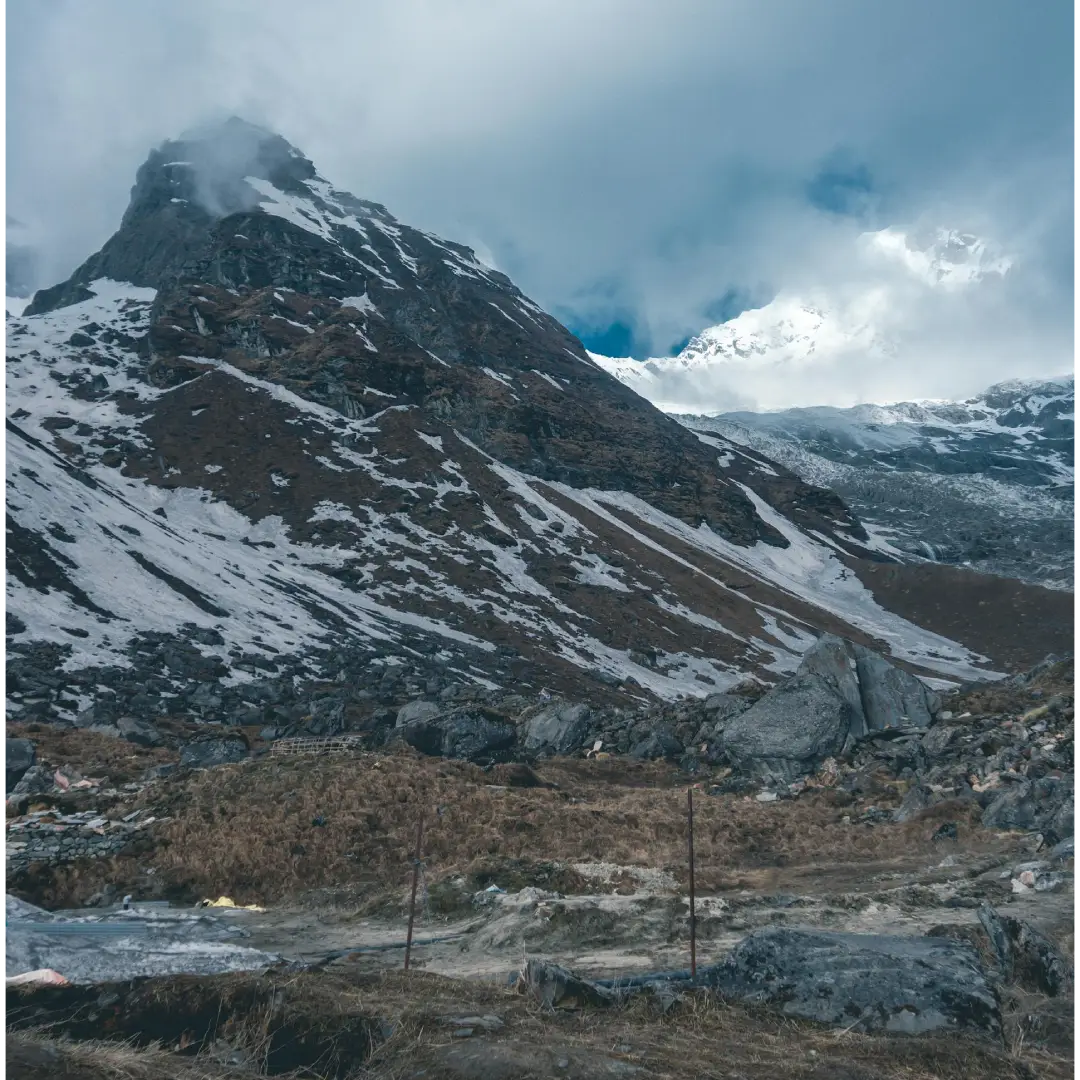
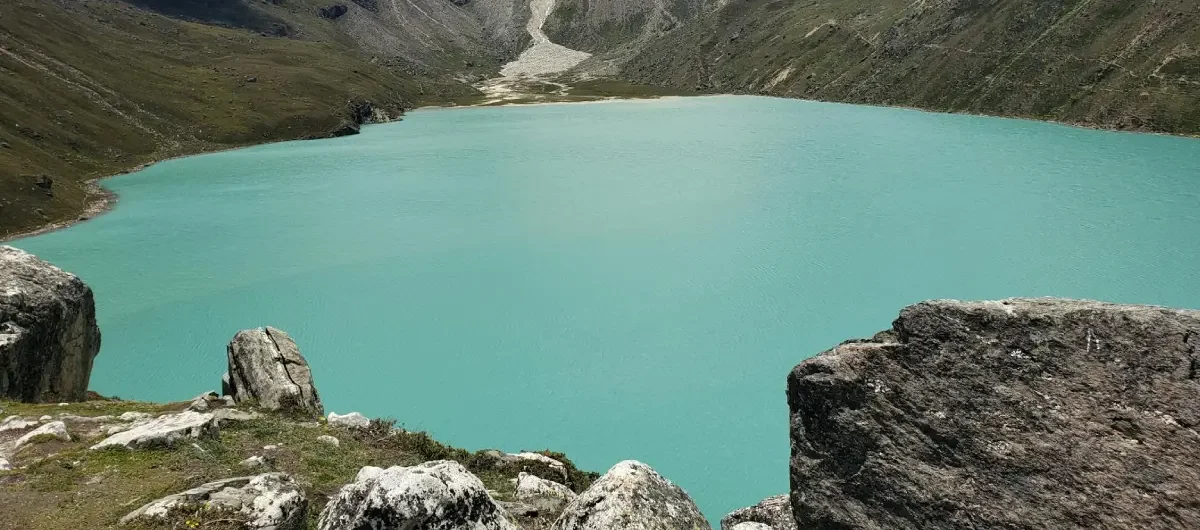
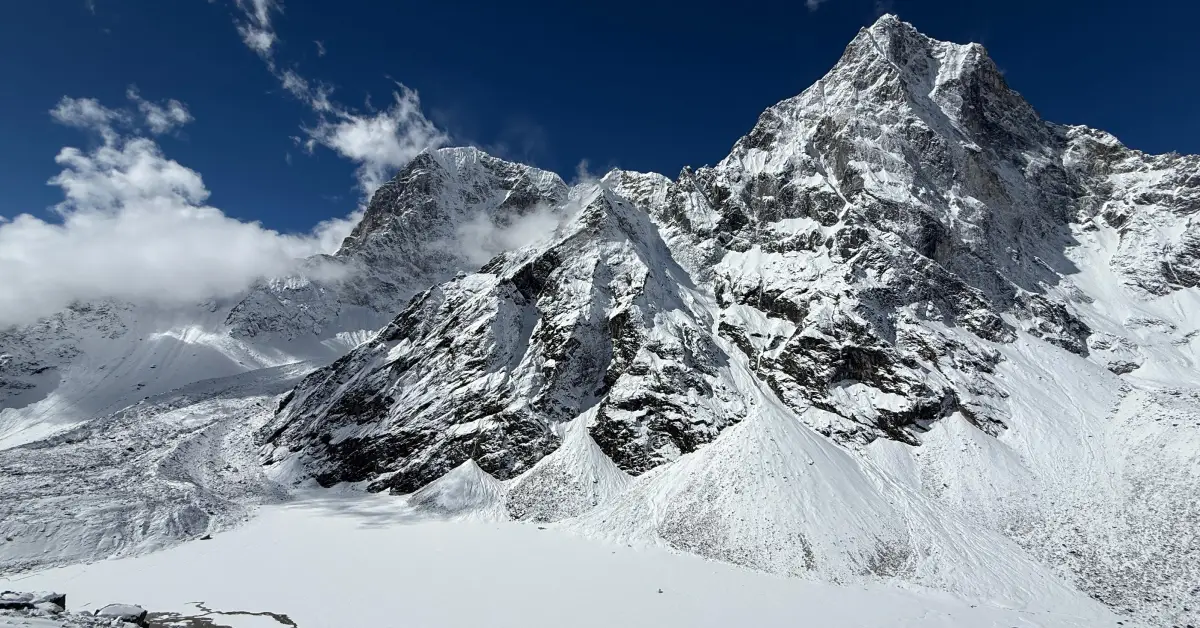
The landscape changes dramatically as you approach the pass. Vegetation disappears and the trail enters a stark alpine environment of rocks, snow, glaciers and frozen lakes.
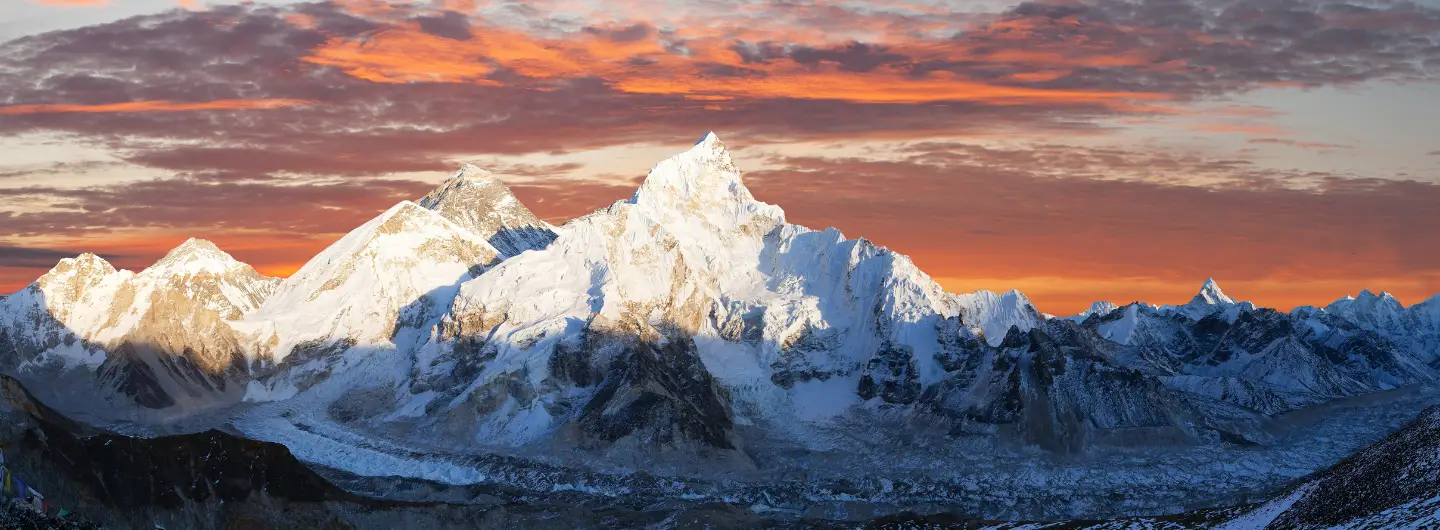
From the top, you can see several major Himalayan peaks, including:
- Himlung Himal
- Kang Guru
- Annapurna II
- Other surrounding peaks of the Manaslu and Annapurna regions
The descent toward Bimthang is long, making the pass-crossing day one of the most physically demanding parts of the entire trek.
Manaslu Circuit Trek Difficulty
The Manaslu Circuit Trek is considered a strenuous Himalayan trek. Its difficulty comes from several factors rather than one particular section.
You will encounter:
- Long walking days
- Uneven and rocky mountain trails
- Steep ascents and descents
- High-altitude terrain
- Changing weather
- Remote sections with limited medical facilities
- The 5,106-meter Larkya La crossing
You do not need technical mountaineering skills for the standard route. However, you should be comfortable walking for several hours on consecutive days.
Good preparation can include:
- Regular walking and hiking
- Cardiovascular training
- Uphill and downhill training
- Leg and core strengthening
- Longer weekend hikes before departure
- Practicing with a daypack
Physical fitness is important, but it does not eliminate altitude-related risks. Gradual ascent, acclimatization and communication with your guide remain essential.
Is Manaslu Circuit Trek Suitable for Beginners?
The Manaslu Circuit can be completed by well-prepared beginners, but it should not be treated as an easy introductory hike. The route combines remote terrain, long trekking days and a high mountain pass.
If this is your first high-altitude trek, preparation becomes particularly important. You should be comfortable with sustained walking and understand that the higher sections can be physically demanding.
Previous trekking experience is helpful but not mandatory when the trekker is properly prepared and follows the planned itinerary.
Acclimatization During the Manaslu Circuit Trek
Altitude becomes increasingly important as the trail climbs toward Samagaon and the higher Manaslu valleys. This itinerary includes an acclimatization day at Samagaon before continuing toward Samdo and Larkya La.
The acclimatization day is not simply a rest day. A gradual hike toward the Manaslu Base Camp area provides additional exposure to elevation before returning to Samagaon to sleep.
During the trek, remember to:
- Ascend gradually
- Maintain a comfortable walking pace
- Drink enough fluids
- Avoid unnecessary overexertion
- Tell your guide about unusual symptoms
- Follow the planned acclimatization schedule
- Descend if serious altitude-related symptoms develop
Manaslu Circuit Trek Culture and Villages
One of the most memorable parts of trekking the Manaslu Circuit in Nepal is the cultural transition along the route.
Lower villages reflect the diverse culture of Nepal's middle hills. As you move toward Namrung, Lho, Samagaon and Samdo, Tibetan Buddhist traditions become increasingly visible.
You will encounter:
- Buddhist monasteries
- Mani walls
- Chortens
- Prayer flags
- Traditional stone houses
- Yak herding
- High-altitude farming
- Tibetan-influenced village architecture
The cultural experience adds another dimension to the trek because these communities are not simply stops along the trail. They are living mountain settlements shaped by centuries of life in the Himalayas.
Best Time for Manaslu Circuit Trekking
The best seasons for Manaslu Circuit Trekking are generally spring and autumn.
Spring | March to May
Spring brings warmer conditions at lower elevations and increasingly vibrant landscapes. Rhododendrons bloom in the forests, while higher elevations continue to offer snowy Himalayan scenery.
Autumn | September to November
Autumn generally brings clearer skies and excellent mountain visibility. The landscape is fresh after the monsoon, making this one of the most popular periods for trekking.
Winter | December to February
Winter brings colder temperatures and increased snowfall around the higher sections. Larkya La can become more challenging depending on snow and weather conditions.
Monsoon | June to August
Monsoon brings rainfall, muddy trails and increased landslide risk in some lower sections. Clouds can also obscure mountain views.
Manaslu Circuit Trek Permits
The Manaslu region is a restricted trekking area, so trekkers need to follow specific permit and guide regulations.
Depending on the route and current regulations, the required permits can include:
- Manaslu Restricted Area Permit (RAP)
- Manaslu Conservation Area Permit (MCAP)
- Annapurna Conservation Area Permit (ACAP) for the relevant section
Permit requirements and fees can change, so the latest regulations should always be confirmed before departure.
Trexmount Ventures handles the required trekking permits and documentation as part of the organized trekking service.
Accommodation During the Manaslu Circuit Trek
Accommodation is primarily provided in local mountain teahouses. The facilities are practical rather than luxurious, particularly as you move toward the higher elevations.
Most rooms are arranged on a twin-sharing basis, while bathrooms may be shared. Accommodation becomes more basic around Samdo and Dharamsala because of the remoteness and elevation.
A warm sleeping bag is strongly recommended because nighttime temperatures can become very cold in the higher villages.
Food During the Manaslu Circuit Trek
Local teahouses provide meals throughout the route. Dal bhat remains one of the most common and dependable meals because it provides carbohydrates, protein and vegetables in a filling combination.
Other common options include:
- Noodles
- Pasta
- Fried rice
- Soups
- Potatoes
- Eggs
- Momos
- Tibetan bread
- Porridge
- Tea and other hot drinks
Food choices become more limited as you move higher, so carrying small personal snacks can be useful during longer trekking days.
Communication and Internet
Communication facilities vary along the Manaslu Circuit. Some lower villages have mobile coverage and Wi-Fi, while remote sections can have little or no reliable connectivity.
For this reason, trekkers should not depend on continuous internet access. It is useful to download important documents, maps and travel information before leaving Kathmandu.
Manaslu Circuit Trek Safety
Manaslu is a remote Himalayan trekking region, so safety depends on preparation, acclimatization, weather awareness and appropriate local support.
The main considerations include:
- Altitude-related illness
- Cold and changing weather
- Slippery or uneven trails
- Long trekking days
- Snow around Larkya La
- Limited medical facilities in remote areas
Your guide monitors trail conditions, weather and the group's progress throughout the trek. Travel insurance covering high-altitude trekking and emergency evacuation should also be arranged before departure.
Responsible Trekking in the Manaslu Region
The Manaslu region contains fragile mountain ecosystems and traditional communities. Responsible trekking helps protect both the environment and the local way of life.
Simple practices make a difference:
- Carry reusable water bottles
- Avoid single-use plastics where possible
- Take personal waste with you
- Use designated waste facilities
- Respect monasteries and religious sites
- Ask before photographing local people
- Avoid disturbing wildlife
- Support local teahouses and businesses
- Follow local customs and your guide's advice
Manaslu Circuit Trek Packing List
Because the route passes through several climate zones, your packing list should cover both warm lower valleys and freezing high-altitude conditions.
Essential Clothing
- Moisture-wicking base layers
- Fleece or insulating layer
- Warm down jacket
- Waterproof jacket
- Waterproof trousers
- Trekking trousers
- Thermal underwear
- Warm trekking socks
- Gloves
- Warm hat
- Sun hat
Trekking Equipment
- Comfortable trekking boots
- Trekking poles
- Daypack
- Duffel bag
- Sleeping bag
- Headlamp
- Water bottles
- Water purification system
- Sunglasses
- Sunscreen
- Personal first-aid kit
- Personal medications
- Power bank
- Toiletries
The goal is not to carry everything possible. A well-planned packing list should keep you warm, dry and comfortable without creating unnecessary weight.
Why Trek With Trexmount Ventures?
The Manaslu region requires more logistical planning than many unrestricted trekking routes in Nepal. Restricted-area permits, transportation, accommodation, guide coordination and altitude management all need to be handled carefully.
Trexmount Ventures provides:
- Experienced local trekking guides
- Permit and documentation assistance
- Accommodation arrangements
- Transportation coordination
- Trekking equipment support
- Route and acclimatization planning
- Local knowledge of the Manaslu region
- Emergency coordination when required
Contact us to book your Manaslu Adventure because our focus is to keep the logistical side organized so that you can concentrate on the experience itself, from the first steps along the Budhi Gandaki Valley to the crossing of Larkya La and the descent toward Bimthang.
Final Thoughts
The Manaslu Circuit is a trek that changes character as you move through the mountains. The journey begins in green river valleys, passes through forests and traditional villages, reaches the Tibetan-influenced communities of Upper Manaslu and eventually climbs into the stark landscape surrounding Larkya La.
The 5,106-meter pass is undoubtedly one of the major challenges, but it is only one part of the experience. The villages, Buddhist culture, changing landscapes, and gradual transition from low valleys to high Himalayan terrain are what give the trek its distinctive character.
For those looking for a demanding Himalayan journey that combines mountain scenery, cultural encounters and a genuine sense of remoteness, the Manaslu Circuit Trek offers an experience that develops with every step.
 Review us on Google
 Review us on TripAdvisor