
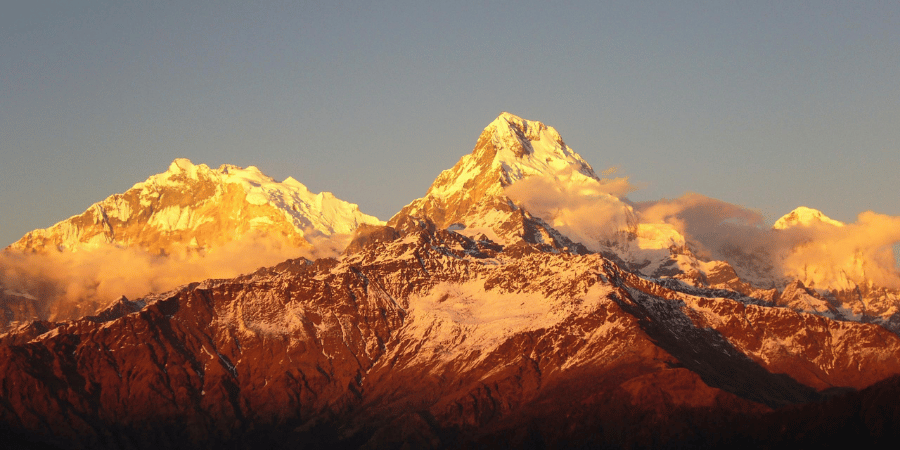
Annapurna Circuit Trek

Annapurna Circuit Trek

Activity
Trekking
Max. Altitude
5416m

Overview

The Annapurna Circuit Trek is widely regarded as one of the most iconic long-distance trekking routes in the world. Encircling the colossal Annapurna Massif in central Nepal, this legendary trail offers an unparalleled combination of high Himalayan scenery, dramatic landscapes, rich cultural encounters, and extreme altitude challenges. From lush subtropical valleys and terraced farmlands to high alpine deserts and glacial passes, the Annapurna Circuit Trek delivers extraordinary diversity that few treks on Earth can rival.

Often described as a “trek of a lifetime,” the Annapurna Circuit Trek reaches its highest point at Thorong La Pass (5,416 meters), one of the highest trekking passes in the world. Along the way, trekkers traverse ancient trade routes, walk through traditional Himalayan villages, explore sacred pilgrimage sites, and witness some of the tallest mountains on the planet, including Annapurna I, Dhaulagiri, and Manaslu.

This in-depth guide covers everything you need to know about the Annapurna Circuit Trek, including route details, landscapes, culture, seasons, cost, maps, and frequently asked questions. Whether you are planning your first Himalayan adventure or returning to Nepal for another epic journey, Trexmount Ventures will help you prepare with confidence.

Overview of the Annapurna Circuit Trek

The Annapurna Circuit Trek circles the Annapurna range in a vast arc that typically takes 16 to 20 days, depending on side trips, pace, and itinerary variations. The trek traditionally begins in the lowland villages of Besisahar or Bhulbhule and ends in Jomsom, Tatopani, or Nayapul, depending on route choices.

What makes the Annapurna Circuit Trek exceptional is the dramatic shift in landscapes and cultures over a relatively short geographical distance. You start in humid river valleys filled with banana trees and rice paddies, climb into pine forests and alpine meadows, and eventually reach stark, wind-swept terrain resembling the Tibetan plateau.

The route is also historically significant. For centuries, it served as a salt-trading corridor between Tibet and Nepal. Today, trekkers still walk these ancient paths while staying in teahouses run by local families.

Annapurna Circuit Trek Route and Landscape Diversity

One of the defining strengths of the Annapurna Circuit Trek is its unmatched geographical variation. The trail passes through several climatic zones, each with its own ecosystem and scenery.

Lower Annapurna Region

The trek begins in the subtropical foothills, where warm temperatures support dense forests, waterfalls, and terraced agriculture. Villages are primarily inhabited by Gurung and Magar communities, known for their hospitality and proud military history.

Manang Valley

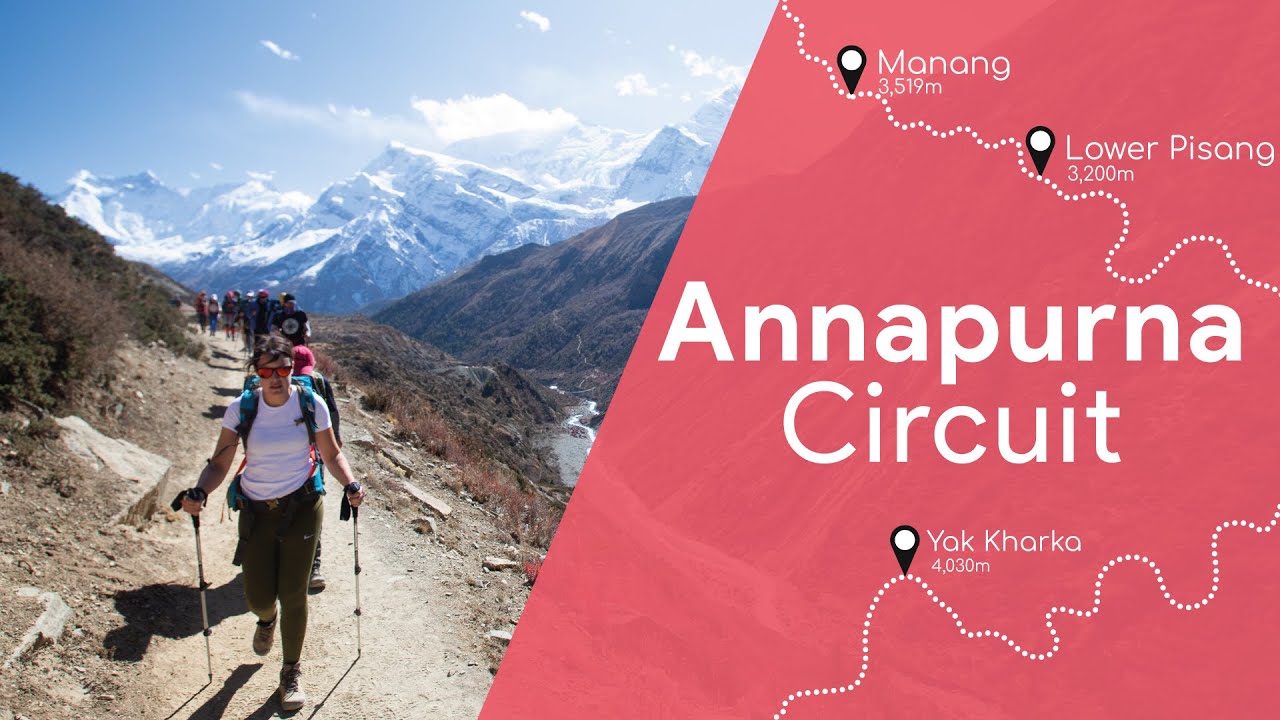
As the trail ascends, the environment becomes drier and more alpine. Manang Village, one of the most important acclimatization stops on the Annapurna Circuit Trek, sits beneath towering peaks like Gangapurna and Annapurna III. The culture here reflects strong Tibetan Buddhist influence, visible in monasteries, prayer wheels, and chortens.

Thorong La Pass

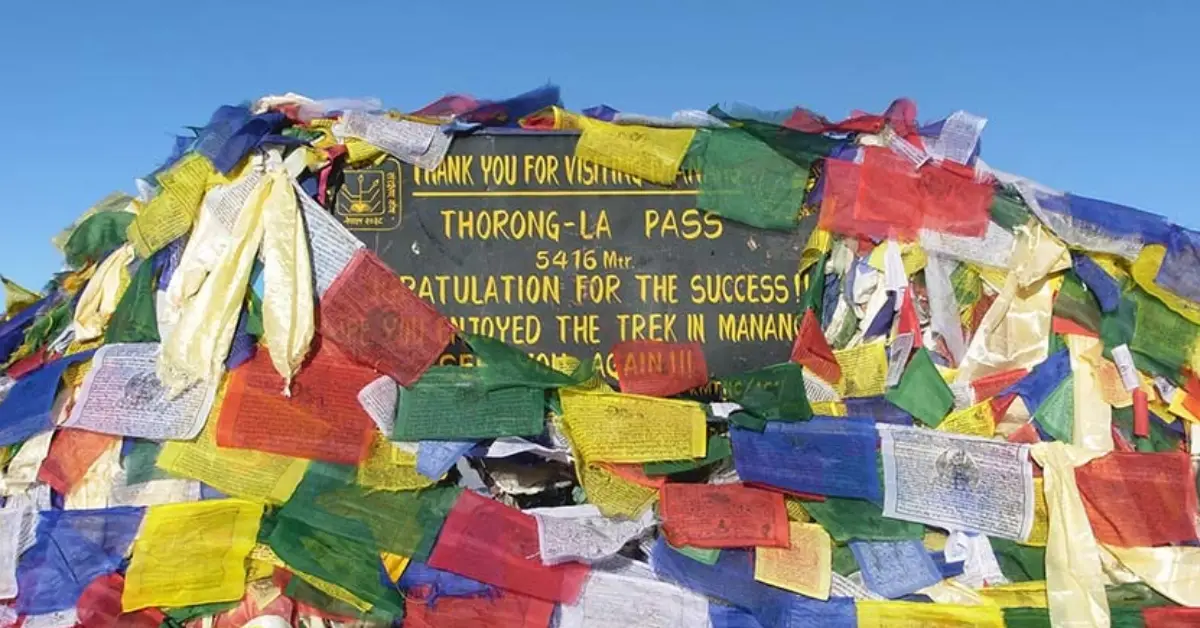
Crossing Thorong La Pass is the physical and psychological climax of the Annapurna Circuit Trek. At 5,416 meters, the pass demands proper acclimatization, early starts, and steady pacing. Reaching the summit is a powerful achievement rewarded by panoramic Himalayan views.

Mustang and Kali Gandaki Gorge

Descending from the pass leads into the Kali Gandaki Valley, home to the world’s deepest gorge, carved between Annapurna I and Dhaulagiri. The landscape transforms into a dry, windswept region with a stark beauty reminiscent of Tibet.

Kali Gandaki Gorge: The World’s Deepest Gorge

One of the most remarkable geological features encountered on the Annapurna Circuit Trek is the Kali Gandaki Gorge. Situated between Annapurna I (8,091m) and Dhaulagiri (8,167m), this gorge plunges more than 5,500 meters from summit to riverbed.

Walking through this colossal valley offers a humbling sense of scale. Fossilized ammonites, known locally as shaligrams, can still be found along the riverbanks, adding spiritual significance to the landscape.

Cultural Experience on the Annapurna Circuit Trek

Cultural immersion is a core highlight of the Annapurna Circuit Trek. The route passes through villages inhabited by diverse ethnic groups, each with distinct traditions, languages, and belief systems.

  • Gurung and Magar communities dominate the lower regions
  • Manangi people populate the high valleys near Manang
  • Thakali communities are prominent in Mustang and Kali Gandaki

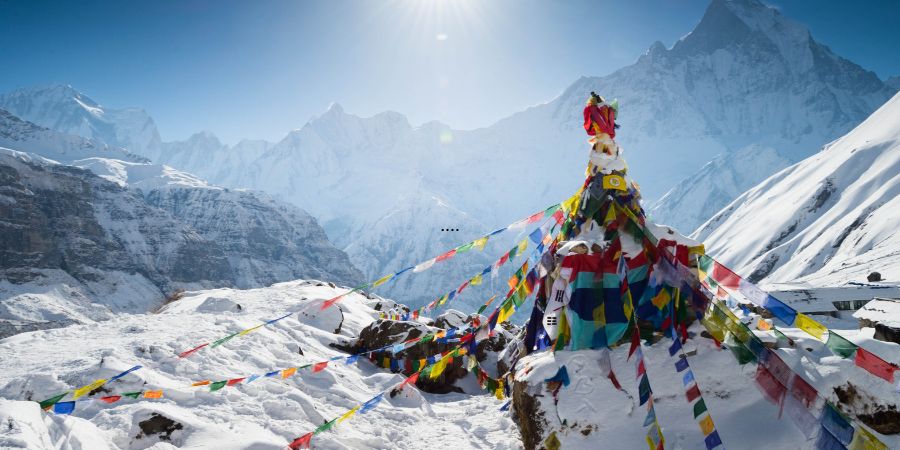
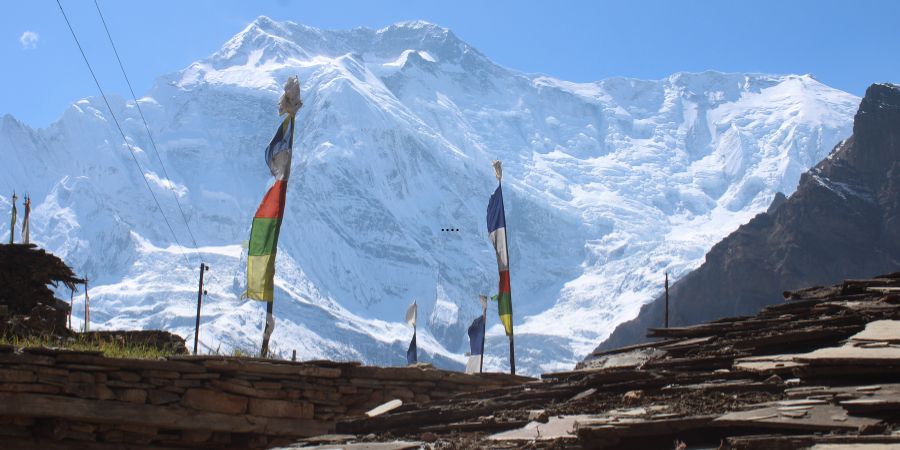
Trekkers encounter Buddhist monasteries, Hindu temples, ancient mani walls, and prayer flags fluttering in the mountain wind. The warmth and resilience of local people create meaningful interactions that elevate the trek beyond scenery alone.

Muktinath Temple: A Sacred Himalayan Pilgrimage Site

A key spiritual highlight of the Annapurna Circuit Trek is Muktinath Temple, one of Nepal’s most sacred pilgrimage destinations. Revered by both Hindus and Buddhists, Muktinath symbolizes liberation and enlightenment.

Hindu pilgrims worship Lord Vishnu here, while Buddhists associate the site with Guru Rinpoche. The eternal flame and 108 water spouts are central to ritual practices. Visiting Muktinath offers a profound cultural and spiritual dimension to the trek.

Annapurna Circuit Trekking Map and Route Navigation

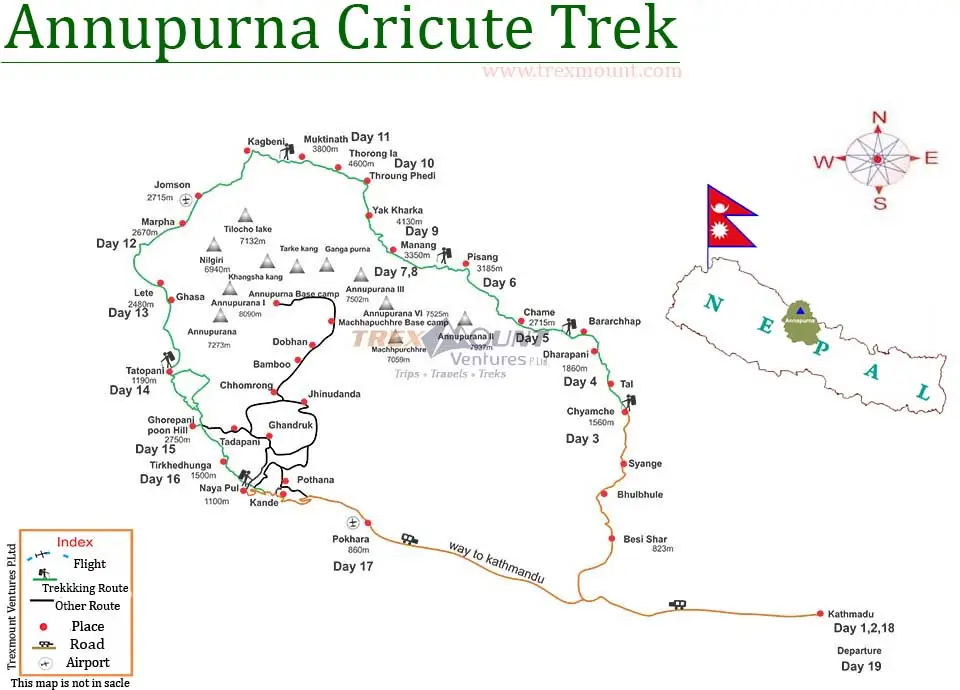
A reliable Annapurna Circuit trekking map is essential for understanding the route, elevation changes, side trips, and village distances. While the trail is well-marked and supported by teahouses, a detailed map helps trekkers plan acclimatization days, assess daily walking hours, and visualize terrain transitions.

Annapurna circuit trekking map highlights alternative routes, jeep road sections, and side hikes such as Ice Lake, Tilicho Lake, and Poon Hill. Whether trekking independently or with a guide, carrying a current map significantly enhances safety and planning.

Best Time to Do the Annapurna Circuit Trek

The Annapurna Circuit Trek can be done year-round, but certain seasons offer optimal conditions.

Spring (March–May)

Spring brings stable weather, blooming rhododendron forests, and moderate temperatures. Visibility is generally good, and the trail is lively but not overcrowded.

Autumn (September–November)

Autumn is the most popular season for the Annapurna Circuit Trek. Clear skies, crisp air, and excellent mountain views define this period. Conditions for crossing Thorong La Pass are typically ideal.

Winter and monsoon seasons are possible but require careful planning due to snow and rain.

Annapurna Circuit Trek Cost Breakdown

Understanding the Annapurna Circuit trek cost is essential for realistic planning. Costs vary depending on trekking style, duration, and level of support.

Typical expenses include:

On average, the Annapurna Circuit Trek cost ranges depending on comfort level and itinerary. Independent trekkers spend less, while guided packages provide added safety and convenience.

Trek Nepal Annapurna Circuit | Why This Route Stands Out

When travelers search for the trek nepal annapurna circuit, they are seeking a journey that combines adventure, authenticity, and achievement. Unlike shorter treks, the Annapurna Circuit offers a complete Himalayan experience, long enough to feel transformative, yet accessible to trekkers with moderate fitness and preparation.

Its blend of high passes, cultural depth, and evolving landscapes makes it one of Nepal’s most enduring trekking routes.

Mountain Panorama and Scenic Highlights

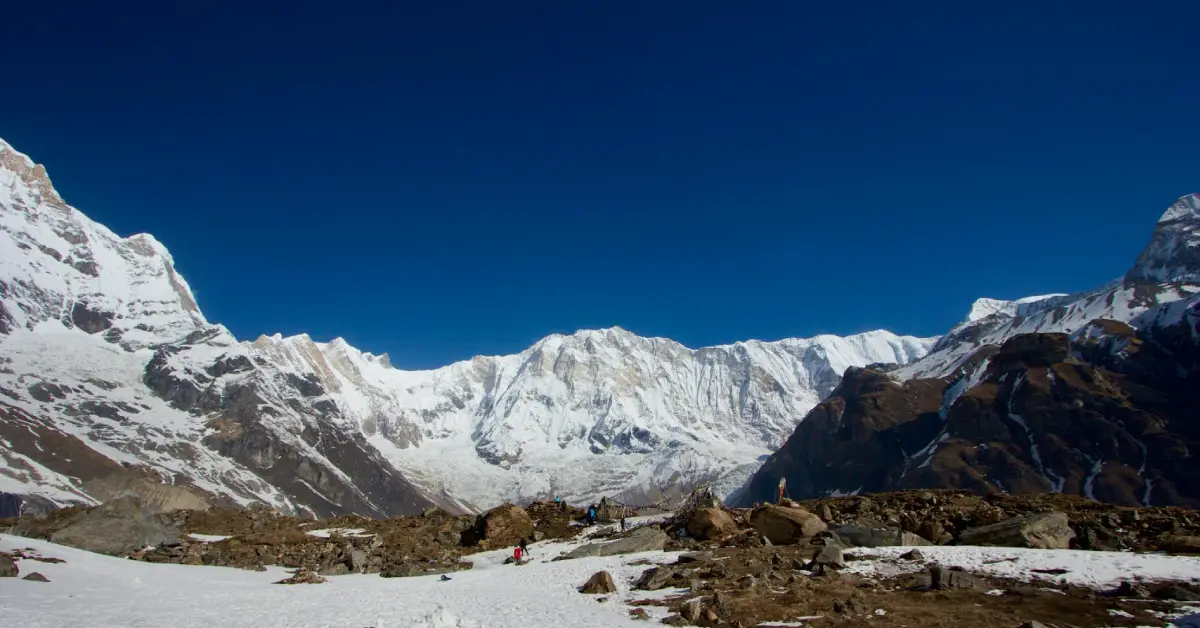
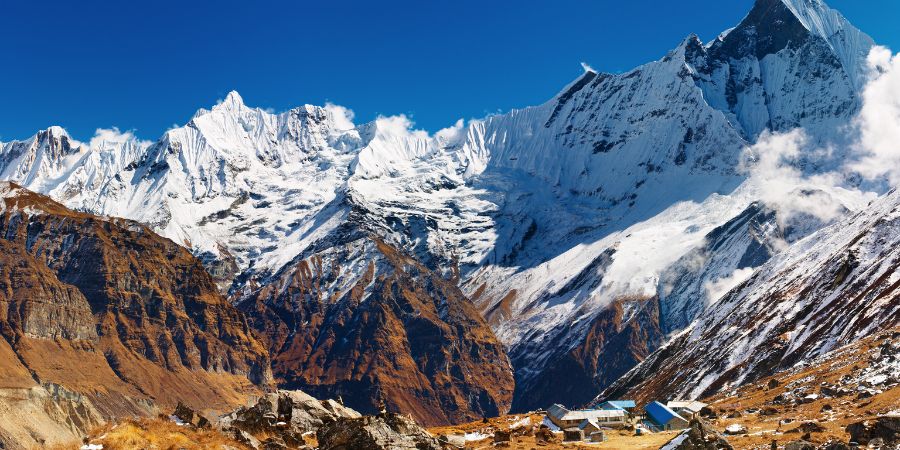
Throughout the Annapurna Circuit Trek, trekkers are rewarded with continuous mountain panoramas. Peaks visible along the route include:

  • Annapurna I, II, III, and IV
  • Dhaulagiri
  • Manaslu
  • Gangapurna
  • Tilicho Peak

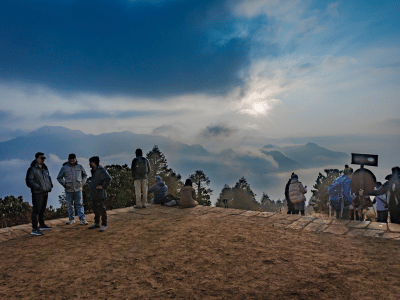
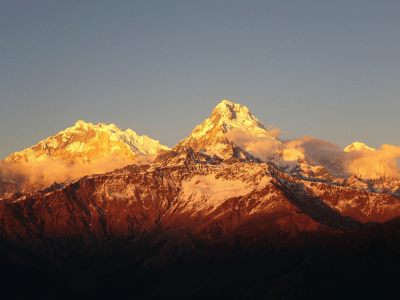
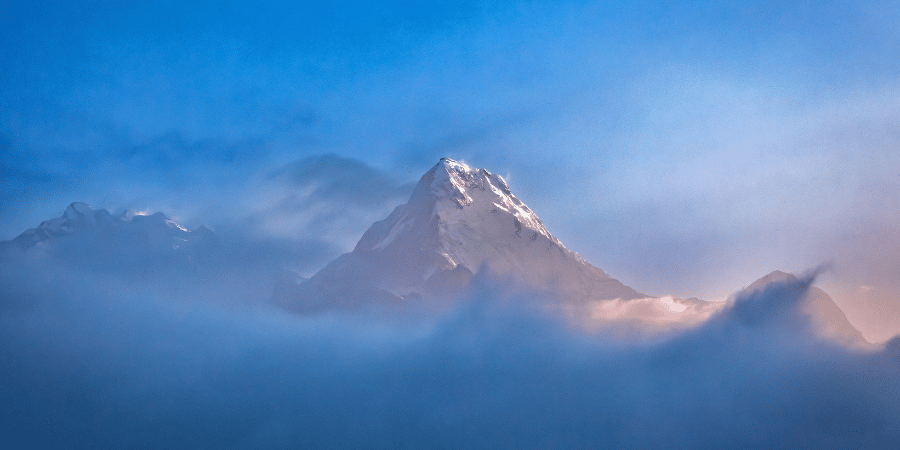
Sunrise and sunset moments from villages like Pisang, Manang, and Poon Hill leave lasting impressions long after the trek ends.

Frequently Asked Questions About Annapurna Circuit Trek

1. How difficult is the Annapurna Circuit Trek?

The Annapurna Circuit Trek is considered moderately to highly challenging due to its length, altitude, and the crossing of Thorong La Pass. While technical climbing skills are not required, trekkers must have good physical fitness, endurance, and mental resilience. Proper acclimatization is critical to avoid altitude sickness, especially above Manang.

2. How many days are needed for the Annapurna Circuit Trek?

Most itineraries range from 12 to 21 days, depending on starting point, acclimatization days, and side trips. A standard Annapurna Circuit Trek itinerary typically takes around 15–18 days to complete comfortably while allowing time for altitude adjustment and cultural exploration.

3. Is a guide mandatory for the Annapurna Circuit?

Regulations may change, but hiring a licensed guide is strongly recommended. A guide enhances safety, manages logistics, explains culture, and assists during altitude-related challenges. For first-time trekkers in Nepal, guided trekking provides reassurance and valuable local knowledge.

4. What permits are required for the Annapurna Circuit Trek?

Trekkers need an Annapurna Conservation Area Permit (ACAP) and a TIMS card. These permits help support conservation efforts and ensure trekker safety. They can be obtained in Kathmandu or Pokhara before starting the trek.

5. How cold does it get during the Annapurna Circuit?

Temperatures vary widely depending on altitude and season. Lower regions remain mild, while nights above Manang can drop below freezing. At Thorong La Pass, temperatures can fall to -15°C or lower, especially during early mornings and winter months.

6. What kind of accommodation is available on the Annapurna Circuit?

Accommodation consists mainly of teahouses, simple mountain lodges offering private or shared rooms. Facilities become more basic at higher elevations, but most teahouses provide meals, blankets, and charging facilities for an additional cost.

7. Is altitude sickness common on the Annapurna Circuit?

Altitude sickness can affect anyone, regardless of fitness. The Annapurna Circuit Trek involves gradual ascent, which helps reduce risk, but acclimatization days in Manang are essential. Symptoms should never be ignored, and descent is the best treatment if symptoms worsen.

8. Can beginners do the Annapurna Circuit?

Yes, beginners can complete the Annapurna Circuit Trek with proper preparation, pacing, and guidance. Prior hiking experience, cardiovascular training, and mental readiness significantly increase chances of success, especially when crossing Thorong La Pass.

9. What food is available during the Annapurna Circuit Trek?

Teahouses serve a variety of meals, including dal bhat, noodles, soups, pasta, rice dishes, and breakfast items. Food choices become more limited at higher altitudes, but meals are designed to provide energy for trekking days.

10. Is the Annapurna Circuit Trek still worth it with road access?

Despite partial road construction, the Annapurna Circuit Trek remains highly rewarding. Alternative trails bypass roads, and the core highlights, Thorong La Pass, Manang, Mustang, and Kali Gandaki, retain their natural and cultural appeal.

Annapurna Circuit Trekking Summary

The Annapurna Circuit Trekking is more than a trek, it is a journey through Nepal’s natural grandeur, cultural depth, and spiritual heart. Few trekking routes offer such a comprehensive experience, combining extreme altitude, geological wonders, and centuries-old traditions into one continuous trail.

Whether you are drawn by the challenge of Thorong La Pass, the serenity of Manang, the sacred aura of Muktinath, or the sheer scale of the Himalayas, the Annapurna Circuit Trek stands as one of the world’s greatest trekking adventures.

With proper planning, respect for local culture, and awareness of conditions, this trek promises memories that last a lifetime.

Itinerary

01Day

Arrival in Kathmandu and transfer to hotel

Upon arrival at Tribhuvan International Airport in Kathmandu, our representative will warmly welcome you and assist with your transfer to the hotel. After check-in, you can refresh and relax following your journey. Later in the day, our tour leader will conduct a pre-departure briefing at the hotel, covering important trek-related information, safety guidelines, and itinerary details. During the meeting, we will also collect necessary documents, including passport copies, passport-sized photographs, and travel insurance details.

02Day

Kathmandu: Free day for Trek preparation

After breakfast, the day is reserved for trek preparation and personal activities. You may use this time to organize trekking gear, purchase last-minute essentials, or simply rest. Alternatively, you can opt for a guided sightseeing tour of Kathmandu Valley, home to several UNESCO World Heritage Sites. Popular visits include Pashupatinath Temple, Boudhanath Stupa, Swayambhunath (Monkey Temple), and the historic Durbar Squares of Kathmandu, Patan, or Bhaktapur. This optional tour can be arranged locally based on your interests.

Meals: Breakfast

03Day

Drive to Chamje (1,560 m-5,118 ft) via Beshishar (823 m- 2700 ft) - 08 hrs journeys.

We begin our journey early with a scenic drive from Kathmandu toward the Annapurna region. The drive follows the busy Kathmandu–Pokhara highway until Dumre, then diverts toward Besisahar, the administrative center of Lamjung District. From here, the road becomes rougher as we follow the Marsyangdi River upstream, passing villages such as Khudi, Bhulbhule, and Ngadi. Terraced fields, waterfalls, and green valleys dominate the scenery before the road climbs to Chamje, where we stay overnight.

Drive duration: ~8 hours
Meals: Breakfast, Lunch, Dinner

04Day

Trek to Dharapani (1,920 m-6,299 ft) - 05 hours.

After breakfast, we begin trekking along the Marsyangdi River, crossing suspension bridges and walking through lush forests. The trail passes through Tal Besi, a beautiful village set in a narrow valley with waterfalls cascading from surrounding cliffs. After a short rest, the path continues gradually uphill through alpine woodland before reaching Dharapani, a culturally rich village marking the entry into the Manang district.

Trek duration: ~5 hours | Distance: ~10 km
Meals: Breakfast, Lunch, Dinner

05Day

Trek to Chame (2,670 m-8,759 ft) - 05 hours.

Today’s walk leads through cooler alpine terrain as we pass villages such as Bagarchhap and Danakyu, with increasing Buddhist influence visible in prayer flags and mani walls. The trail climbs gradually through pine and rhododendron forests to Timang village, offering impressive views of Lamjung Himal and Annapurna II. Continuing onward, we reach Chame, the district headquarters of Manang, where natural hot springs provide a relaxing end to the day.

Trek duration: ~5 hours | Distance: ~12 km
Meals: Breakfast, Lunch, Dinner

06Day

Trek to Pisang (3, 230 m-10,597 ft) - 05 hrs.

The trail today follows the Marsyangdi River through dense pine forests, passing the village of Bhratang. We gradually ascend to Dhukure Pokhari, a scenic viewpoint with stunning views of Pisang Peak and the Chulu range. From here, a gentle descent leads to Lower Pisang, a traditional village surrounded by dramatic rock formations and snow-capped peaks.

Trek duration: ~5 hours | Distance: ~13 km
Meals: Breakfast, Lunch, Dinner

07Day

Trek to Manang Village (3,450 m-11,319 ft) - 05 hrs.

We start the day with spectacular views of Annapurna II’s north face before ascending along a ridge trail through pine forests. This section offers panoramic views of the entire Manang Valley. Descending toward Hongde, we pass a small airstrip before continuing across dry, open terrain toward Braga village. A visit to Braga Monastery, one of the oldest in the region, provides insight into Tibetan Buddhist culture. From here, we continue to Manang village, set beneath Gangapurna and Tilicho Peak.

Trek duration: ~5 hours | Distance: ~15 km
Meals: Breakfast, Lunch, Dinner

08Day

Free and rest day at Manang for acclimatization.

Today is dedicated to acclimatization, essential for adjusting to the altitude. We take a short hike to Gangapurna Glacier and Manang Lake, enjoying views of surrounding peaks while helping our bodies adapt. The afternoon is free to explore Manang village, visit bakeries, or attend altitude awareness talks offered locally.

Meals: Breakfast, Lunch, Dinner

09Day

Trek to Yak Kharka (4,110 m-13,484 ft) - 04 hours.

Leaving Manang, we ascend gradually past Tenki village into open alpine terrain. The landscape becomes increasingly barren as vegetation thins. We pass Ghunsang village and continue along a gentle climb with sweeping views of Gangapurna, Tilicho Peak, and Chulu West. Yak Kharka, a high pastureland used for grazing yaks, provides a peaceful overnight stop.

Trek duration: ~4 hours | Distance: ~10 km
Meals: Breakfast, Lunch, Dinner

10Day

Trek to Thorong High Camp (4,600 m-15,091 ft) - 04 hrs.

The trail continues steadily upward, crossing a suspension bridge near Ledar and climbing toward Thorong Phedi, the base of Thorong La Pass. Wildlife sightings such as blue sheep or Himalayan thar are possible along this stretch. After a rest at Thorong Phedi, a steep ascent brings us to Thorong High Camp, offering dramatic mountain views and preparing us for the pass crossing.

Trek duration: ~4 hours | Distance: ~7 km
Meals: Breakfast, Lunch, Dinner

11Day

Cross Thorong-La (5,416 m-17,769 ft) and to Muktinath (3,800 m-12,467 ft) - 07 hrs.

An early start is essential for today’s challenging but rewarding journey. We ascend gradually to Thorong La Pass (5,416 m), adorned with prayer flags and offering breathtaking views of Dhaulagiri, Mustang Himal, and surrounding ranges. After celebrating the achievement, we descend steeply to the western side of the pass, stopping for rest and lunch before continuing to Muktinath, a sacred pilgrimage site revered by both Hindus and Buddhists.

Trek duration: ~7 hours | Distance: ~15 km
Meals: Breakfast, Lunch, Dinner

12Day

Trek to Marpha (2, 670m-8,759 ft) via Jomsom (2, 715 m-8,907 ft) - 06 hours.

We descend from Muktinath through Jharkot village to the Kali Gandaki Valley, experiencing a dramatic change in climate and scenery. Walking along the wide riverbed, we reach Jomsom, the administrative center of Mustang with an airstrip. Continuing onward, we trek to Marpha, a charming village famous for its apple orchards, whitewashed houses, and traditional Thakali culture.

Trek duration: ~6 hours | Distance: ~18 km
Meals: Breakfast, Lunch, Dinner

13Day

Trek to Lete (2,480m-8,136 ft) – 06 hrs.

Today’s trek follows the Kali Gandaki River downstream through Tukuche village, set beneath the massive Dhaulagiri and Tukuche peaks. The trail passes Larjung and re-enters lush forested terrain near Kalopani, offering superb views of Annapurna I, Nilgiri, and Dhaulagiri. A short descent brings us to Lete village for overnight.

Trek duration: ~6 hours | Distance: ~14 km
Meals: Breakfast, Lunch, Dinner

14Day

Trek to Tatopani (1,190 m-3,904 ft)- 06 hrs.

The landscape shifts dramatically as we descend into warmer subtropical zones. Walking through Ghasa village and fertile farmlands, we follow the Kali Gandaki through the world’s deepest gorge. Reaching Tatopani, we relax in the natural hot springs beside the river, a perfect reward after days of high-altitude trekking.

Trek duration: ~6 hours | Distance: ~15 km
Meals: Breakfast, Lunch, Dinner

15Day

Trek to Ghorepani (2,750 m-9,022 ft) - 06 hrs.

Today features a challenging ascent as we leave the river valley and climb through terraced fields to Ghara village. The trail continues through dense rhododendron and pine forests to Chitre and finally Ghorepani, a historic village on the old trans-Himalayan salt trade route, known for its stunning mountain views.

Trek duration: ~6 hours | Distance: ~17 km
Meals: Breakfast, Lunch, Dinner

16Day

Trek to Tirkhedhunga (1,500 m-4,921 ft) - 05 hrs.

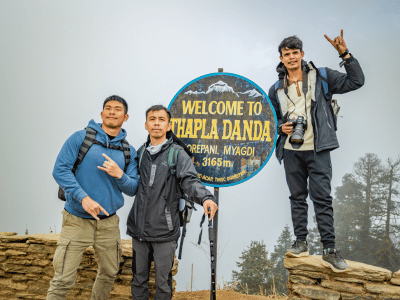
Early in the morning, we hike to Poon Hill to witness a spectacular sunrise over Dhaulagiri, Annapurna, Manaslu, and Machhapuchhre. After descending to Ghorepani for breakfast, we continue downhill through forests and villages such as Banthanti and Ulleri, reaching Tikhedhunga for our final trekking night.

Trek duration: ~5 hours | Distance: ~10 km
Meals: Breakfast, Lunch, Dinner

17Day

Trek to Nayapul (1,100 m-3,608 ft) and drive to Pokhara (860 m-2,821 ft).

Our final walk descends gently along the Modi River through Bhirethanti to Nayapul. From here, we drive to Pokhara, a scenic lakeside city. The afternoon is free to relax by Phewa Lake, explore Lakeside, or enjoy views of the Annapurna range.

Trek duration: ~4 hours | Drive: ~2 hours
Meals: Breakfast, Lunch

18Day

Drive back to Kathmandu.

After breakfast, we return to Kathmandu by scenic drive through river valleys and hills. Alternatively, you may choose a short domestic flight offering aerial views of the Himalayas. Upon arrival in Kathmandu, transfer to your hotel and enjoy free time at leisure.

Meals: Breakfast

19Day

Departure

After breakfast, our representative will transfer you to Tribhuvan International Airport for your onward journey, marking the end of an unforgettable Annapurna Circuit adventure.

Meals: Breakfast

Includes/Excludes

What is Included?

  • Airport Pick up and drop transfer.
  • Transportation as per the above itinerary.
  • All accommodations (Twin Share)
  • Meals, Breakfast, Lunch, and Dinner during the trekking
  • Entrance fee for all sites mentioned in the program.
  • Trekking information management system permit.
  • Annapurna Conservation Entry Permits.
  • An experienced guide and required number of porters (one porter in between two pax), their food, accommodation, transportation, salary, insurance, equipment, and so on.
  • Warm sleeping bag, warm down jacket, and walking stick, if necessary.
  • Trek bag.
  • All Government Taxes are included.
  • Award Certificate of Trip Completion

Whats not Included

  • Alcoholic beverages, Mineral water, cold drinks and so on
  • Gratuities for guides and drivers.
  • Single Supplement for single using rooms
  • Your travel insurance, Medical and emergency costs.
  • If you want to take private Vehicle instead of Tourist Bus it will cost USD 30 extra per person for one way
  • Flight Kathmandu/Pokhara (if interested instead of driving) USD 85 extra for one way flight Per person.

Clients Review

Everest Base Camp & Muktinath Trail Helen & Mark Dwyer Australia

We had a dream to reach Mt Everest Base Camp since we heard about this. One of my friends recommended Trexmount so we have decided to use them for arranging our trek to Everest Base Camp. The treks were very well organized and the guides were extremely knowledgeable, and friendly and looked after us at all times.

Nothing was too much trouble for them and there was always a smile on their faces. We stayed...

Everest Gokyo Ri Trekking Bridget and Ron New Zealand

Namaste Hari and all at Trexmount Ventures, We have just completed our third visit and a Fantastic trek in Nepal with a four-day trek in the Annapurna area and an 18-day trek to Everest base camp and Gokyo. Noelene joined us for the Everest trek and it was her 9th visit! We can highly recommend Trexmount Ventures as a great company. The guides we had, Ram and Tilak were very well informed and also both able to pace the trek to ensure we all reached our...

Trip Info

Full of excitement throughout this trip from villages, green hills, forest, landscapes and mountains are the main attraction and highlights of this trip, beneath world’s 10th highest Mt. Annapurna at 8,091 m and 7th highest Mt. Dhaulagiri 8,167 m, , trekking around Annapurna and Dhaulagiri massive mountain range, dramatic variation from sub-tropic – Mediterranean, alpine to arctic climate temperature and landscapes, daily amazing panorama views with views of world’s 3highest mountains Annapurna-Dhaulagiri & Manaslu, fascinating traditional mid hills Gurung, Manang, Thakali & Pun Magar tribe villages, super mountain panorama with breathtaking sunrise from Pun Hill and trekking in world’s deepest gorge of Kali-Gandaki River.