
Chulu West Peak Climbing

Chulu West Peak Climbing

Overview

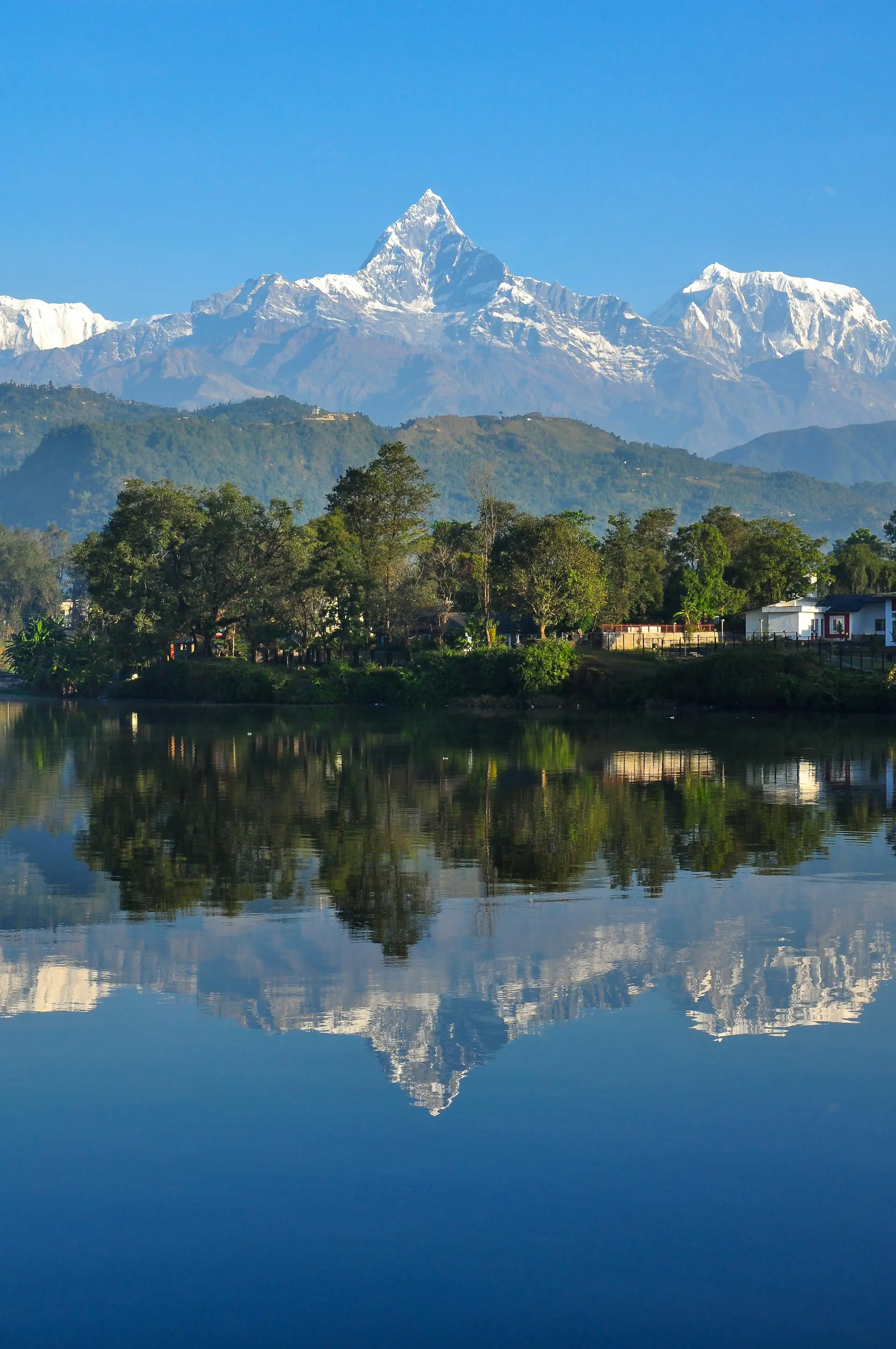
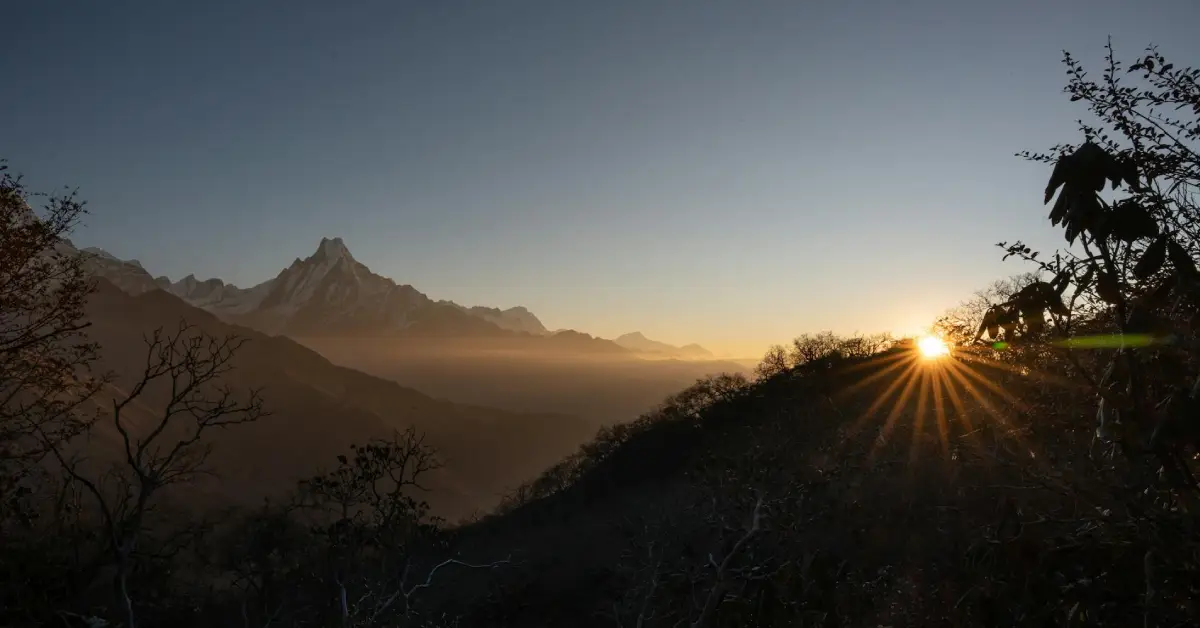
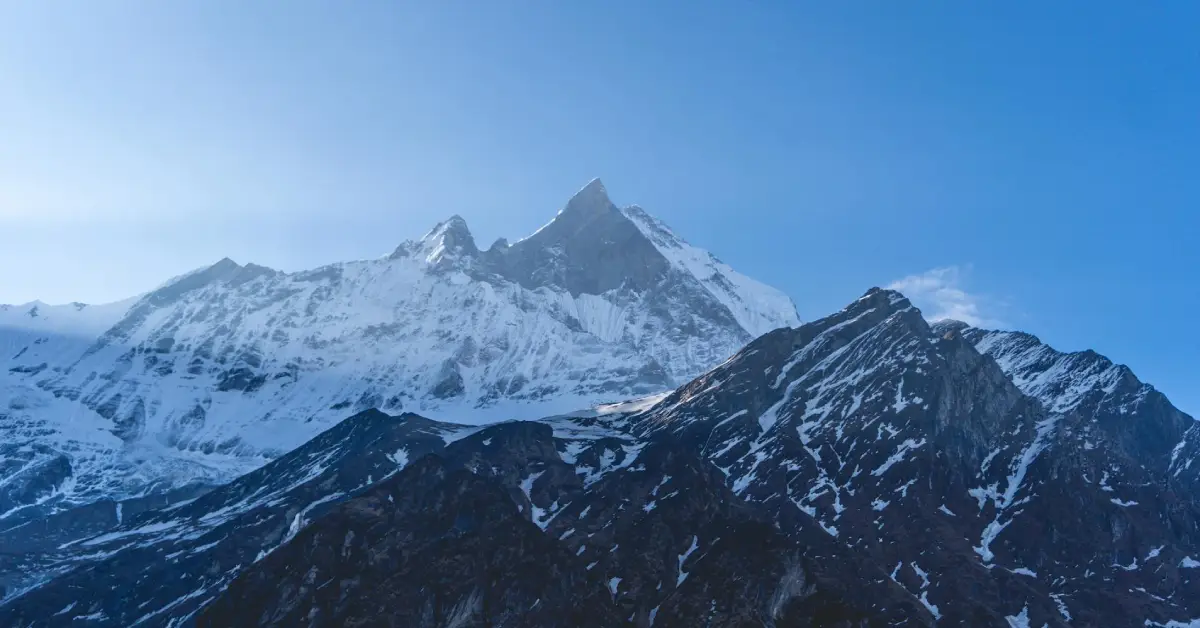
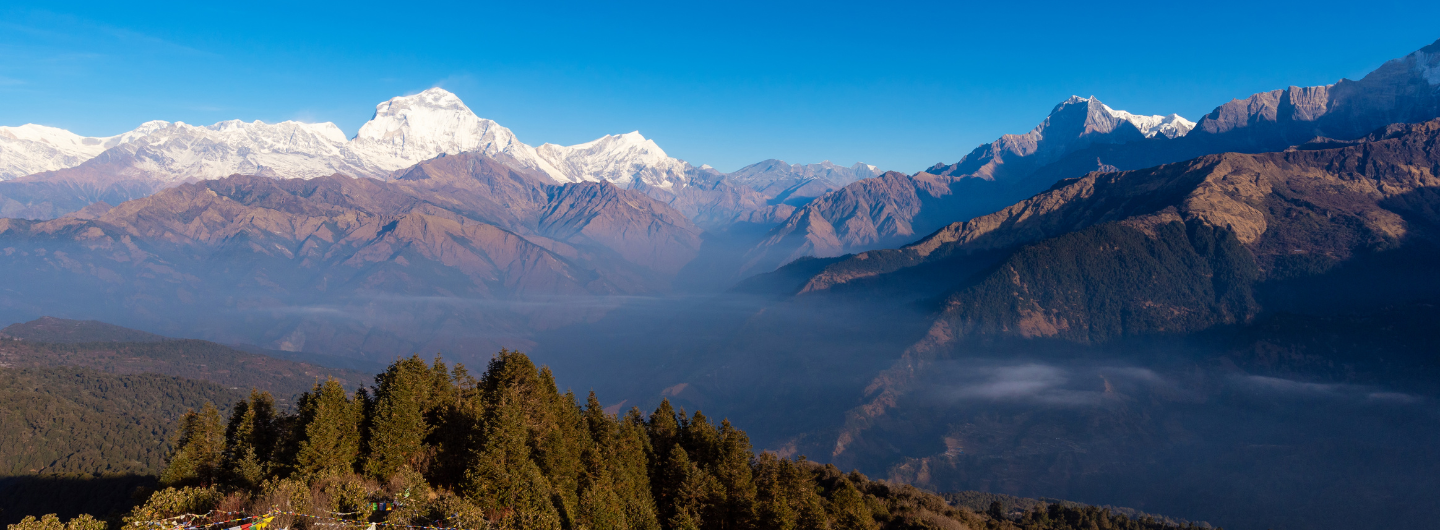
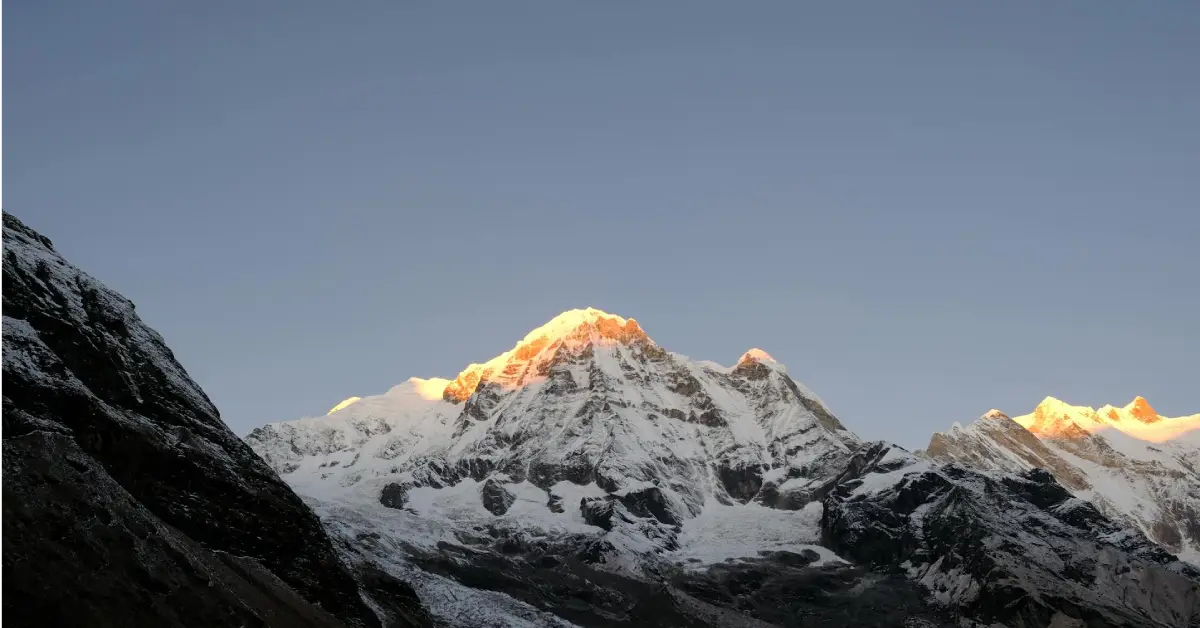
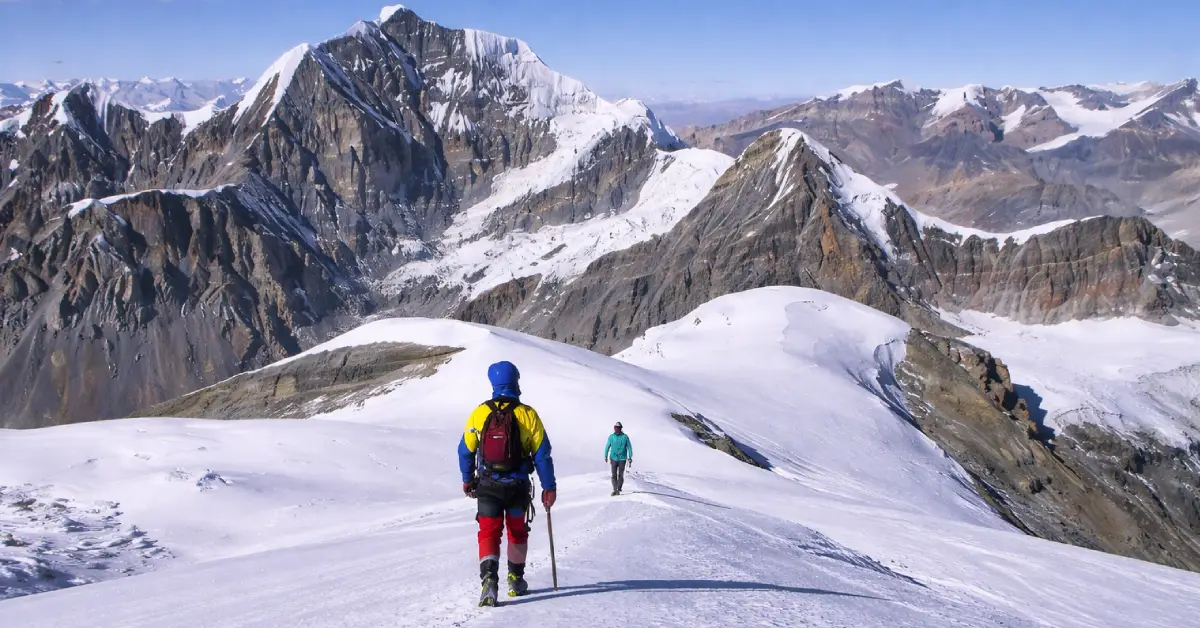
Imagine standing on top of a stunning Himalayan peak at 6,419 meters, surrounded by giants like Annapurna, Dhaulagiri, and Manaslu. That is exactly what Chulu West Peak Climbing feels like. This is one of the most rewarding trekking peaks in Nepal, offering both a thrilling mountaineering adventure and a breathtaking journey through the famous Annapurna Circuit. Whether you are a passionate trekker stepping into the world of peak climbing or an experienced mountaineer looking for your next challenge, Chulu West or Chulu East is a dream worth pursuing.

Chulu West expedition

This guide covers everything you need to know, from the 19-day Chulu West expedition itinerary to the route map, climbing permits, cost, gear list, and much more. Let’s break it all down in simple, easy-to-understand terms.

Table of Contents

  1. What is Chulu West Peak?
  2. Why Choose Chulu West Peak Climbing in Nepal?
  3. 19-Day Chulu West Itinerary
  4. Chulu West Peak Route Map & Route Details
  5. What Grade is Chulu West?
  6. Chulu West Base Camp and High Camp Explained
  7. Acclimatization Schedule for Nepal Peaks
  8. Best Time to Climb Chulu West
  9. Chulu West Climbing Cost & Permit Fees
  10. Technical Climbing Gear List for Nepal
  11. Fitness for Peak Climbing in Nepal
  12. How Much Does it Cost to Climb Chulu East?
  13. Which of the 7 Peaks is Easiest to Climb?
  14. Is Climbing K2 Harder Than Everest?
  15. Why Choose the Best Trekking Company in Nepal?
  16. FAQs

1. What is Chulu West Peak?

Chulu West Peak Climbing takes you to one of the most scenic summits in the entire Annapurna region peak climbing zone. Located in the Manang District of Nepal, Chulu West rises to 6,419 meters above sea level. It sits right along the classic Annapurna Circuit route, making it a perfect add-on for trekkers already planning that famous journey.

  • Location: Manang District, Gandaki Province, Nepal
  • Elevation: 6,419 meters (21,060 feet)
  • Region: Annapurna Conservation Area
  • Type: Trekking Peak (Nepal Mountaineering Association)

This peak is often paired with the Thorong La Pass trek with Chulu West, giving climbers a complete Himalayan experience. First climbed in 1978, Chulu West has grown steadily in popularity among those seeking Himalayan peak climbing in Nepal without the extreme technicality of 8,000-meter giants.

2. Why Choose Chulu West Peak Climbing in Nepal?

There are dozens of peaks you could climb in Nepal. So why pick Chulu West? The answer is simple, it offers the perfect balance between challenge and accessibility.

FeatureDetails
Elevation6,419 m
DifficultyModerate to Challenging
Duration19 Days (recommended)
RegionAnnapurna Circuit
Best SeasonSpring & Autumn
Permit RequiredYes (NMA Permit)

Why Climbers Love It

  • It combines trekking and summit climbing in one trip
  • The views of Annapurna II, III, and IV are absolutely stunning
  • The Chulu West summit experience is achievable for fit beginners with proper training
  • It runs alongside the world-famous Annapurna Circuit with peak climbing

Additionally, Nepal mountaineering adventure seekers love Chulu West because it does not require prior 6,000-meter experience, though it certainly helps. With the right guided Chulu West expedition, even motivated beginners can reach the top safely.

3. 19-Day Chulu West Itinerary

This 19-day Chulu West itinerary is carefully designed to give your body enough time to acclimatize, climb, and return safely. It follows the Annapurna Circuit with peak climbing route, which is one of the most scenic trails on Earth.

DayDestinationAltitudeActivity
1Kathmandu1,400 mArrival & Briefing
2Besisahar760 mDrive (7–8 hrs)
3Dharapani1,860 mDrive/Trek
4Chame2,710 mTrek
5Pisang3,300 mTrek
6Manang3,519 mTrek
7Manang3,519 mAcclimatization Day
8Chulu West Base Camp4,200 mTrek to Base Camp
9High Camp5,500 mMove to High Camp
10Summit Day6,419 mSummit & Return to BC
11Reserve/Rest Day4,200 mBuffer for weather
12Manang3,519 mTrek Down
13Thorong Phedi4,500 mTrek
14Muktinath (via Thorong La)3,760 mCross Thorong La Pass
15Jomsom2,720 mTrek/Drive
16Pokhara820 mFly or Drive
17Pokhara820 mRest & Explore
18Kathmandu1,400 mDrive/Fly
19DepartureFly Home

Day-by-Day Highlights

Days 1–3: Kathmandu to Dharapani. Your adventure begins in Kathmandu with permit collection and gear checks. You then drive through beautiful river valleys toward Besisahar and Dharapani.

  • Permits sorted on Day 1 (NMA climbing permit + ACAP permit)
  • Scenic drive along the Marshyangdi River valley
  • First views of snow-capped peaks begin near Dharapani

Days 4–7: Trek to Manang with Acclimatization. This section of the Chulu West climbing guide is all about slow, steady altitude gain. You pass through charming Gurung villages, apple orchards, and pine forests.

  • Chame to Pisang offers jaw-dropping views of Annapurna II
  • Manang has teahouses, a bakery, and a famous altitude sickness clinic
  • Day 7 is a crucial acclimatization schedule for Nepal peaks, don’t skip it!

Days 8–11: Base Camp, High Camp & Summit. This is the heart of your Chulu West Peak Climbing experience. From Manang, you head toward Manang to Chulu West Base Camp, then push to High Camp and attempt the summit.

  • Base Camp sits at 4,200 m — a comfortable overnight
  • High Camp at 5,500 m requires crampons and ice axe use
  • Summit day starts before dawn — typically 2–3 AM departure

4. Chulu West Peak Route Map & Route Details

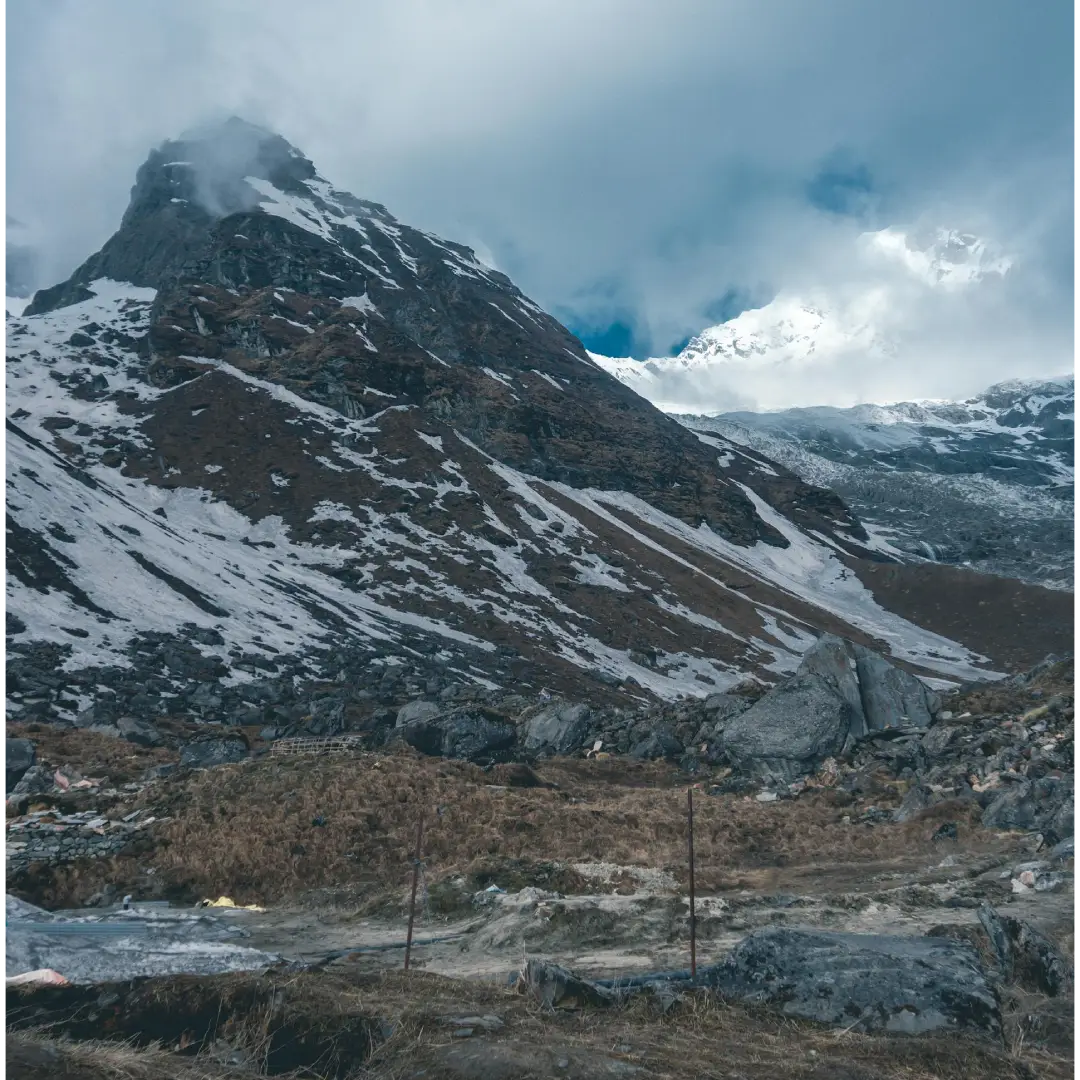
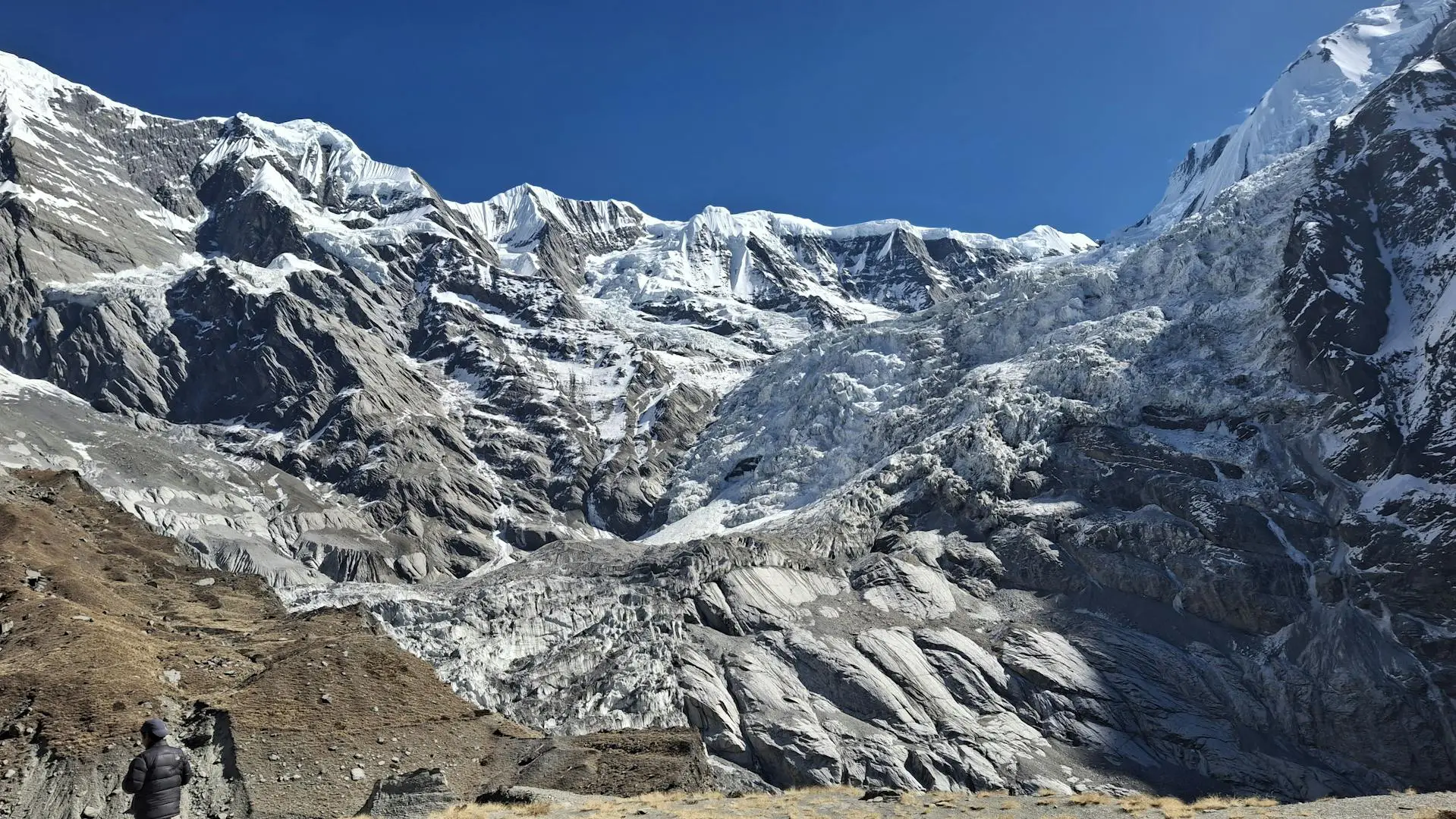
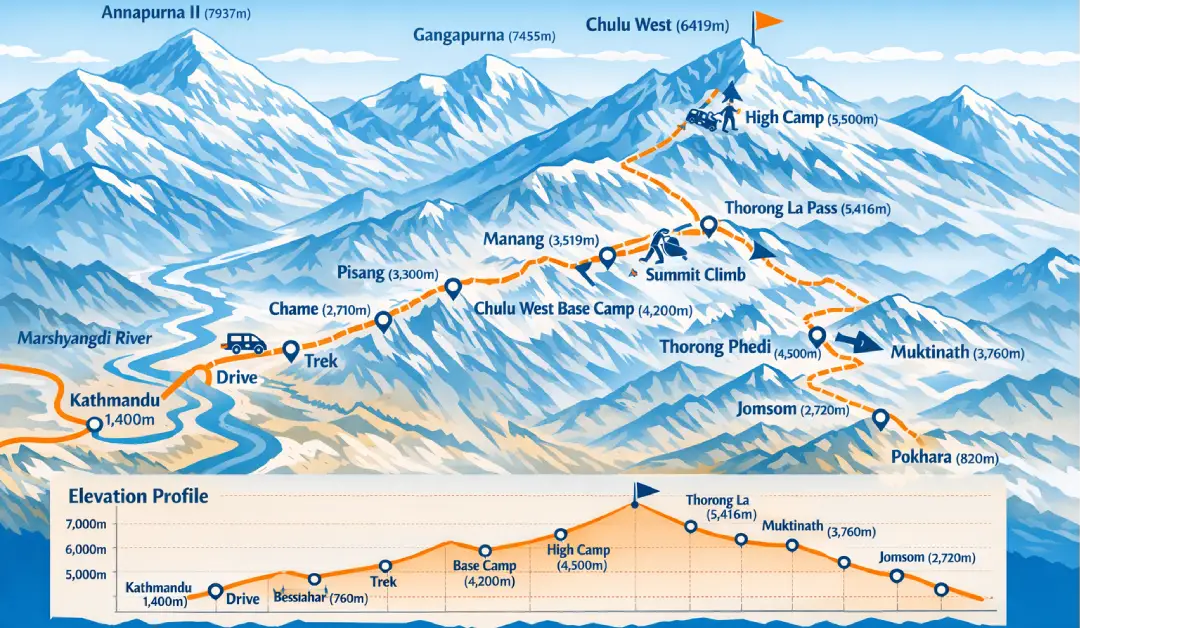
Understanding the Chulu West Peak route map helps you visualize the journey and prepare mentally. The climbing route goes from Manang village through a glacial valley, up to the base camp, then to high camp, and finally to the summit via a snow and ice ridge.

Chulu West expedition map
Route SectionDistanceTerrain
Manang to Base Camp~8 kmRocky trail, moraine
Base Camp to High Camp~4 kmGlacier, steep snow
High Camp to Summit~2 kmSnow ridge, ice wall

Chulu West Climbing Route Details

The Chulu West climbing route details involve three main sections:

  • Approach: A valley walk through the Chulu Khola river basin with gradual elevation gain
  • Technical Section: A 45–55 degree snow/ice slope just below the summit
  • Summit Ridge: A narrow snow ridge requiring fixed ropes and careful footing

The route is well-marked during the season. However, conditions vary depending on snowfall and temperature. Always go with a guided Chulu West expedition for safety. Your Chulu West climbing guide, usually a certified Sherpa or climbing guide, will set fixed ropes on the technical sections.

5. What Grade is Chulu West?

This is one of the most common questions asked about Chulu West Peak Climbing. Understanding the grade helps you assess if you are ready.

Grading SystemChulu West Rating
Alpine GradePD+ (Peu Difficile Plus)
NCCS GradeGrade III
Technical DifficultySnow/Ice up to 55°
Rope WorkRequired on upper section

Chulu West Difficulty Level Explained

The Chulu West difficulty level is rated as moderate to challenging. Here is what that means in simple terms:

  • You do not need to be a professional mountaineer
  • You do need solid physical fitness and basic crampon/ice axe skills
  • The summit push is strenuous — 6–9 hours round trip from high camp
  • Altitude, cold, and wind are the biggest challenges, not pure technical difficulty

This grading makes Chulu West Peak Climbing ideal for adventurous trekkers ready to step up to their first or second Himalayan peak.

6. Chulu West Base Camp and High Camp Explained

Understanding your Chulu West base camp and high camp setup is critical for planning rest, gear, and pacing.

CampAltitudeFacilitiesNotes
Base Camp4,200 mTents, kitchenComfortable setup
High Camp5,500 mTents onlyCold, windy

What to Expect at Each Camp

  • Base Camp is usually set up by your support team. It includes sleeping tents, a kitchen tent, and a dining area. It’s a great place to rest before the big push.
  • High Camp is more exposed. Temperatures can drop to -20°C. Your guide will help you manage gear and timing from here.
  • The move from Manang to Chulu West Base Camp takes about 4–5 hours on a well-defined trail through moraine and rocky terrain.

7. Acclimatization Schedule for Nepal Peaks

Acclimatization is not optional, it is life-saving. A proper acclimatization schedule Nepal peaks plan can mean the difference between a safe summit and a dangerous evacuation.

DayAltitudeAcclimatization Activity
Day 63,519 m (Manang)Rest day
Day 73,900–4,000 mShort hike, return to Manang
Day 84,200 m (Base Camp)Easy setup day
Day 95,500 m (High Camp)Move slowly

Altitude Sickness Prevention Trekking Tips

Altitude sickness prevention trekking is all about patience and awareness:

  • Climb high, sleep low — always
  • Stay hydrated — drink 3–4 liters of water daily
  • Watch for symptoms: headache, nausea, dizziness, loss of appetite
  • Carry Diamox (acetazolamide) as prescribed by a doctor
  • Never ignore early signs — descend immediately if symptoms worsen

8. Best Time to Climb Chulu West

Timing matters enormously in Himalayan peak climbing in Nepal. The best time to climb Chulu West falls within two main windows.

SeasonMonthsConditions
SpringMarch–MayStable, warm, good visibility
AutumnSeptember–NovemberClear skies, dry, cold nights
WinterDec–FebExtremely cold, risky
MonsoonJune–AugustHeavy rain, dangerous trails

Spring and autumn are ideal for Chulu West Peak Climbing. Spring offers blooming rhododendrons along the trail. Autumn brings crystal-clear summit views after the monsoon clears the air.

9. Chulu West Climbing Cost & Permit Fees

Understanding Chulu West climbing cost before you book helps avoid surprises.

ExpenseEstimated Cost (USD)
Climbing Permit (NMA)$250
ACAP Permit$30
TIMS Card$20
Guided Package (19 Days)$1,800–$2,800
Gear Rental$100–$300
International Flights$500–$1,200

Chulu West Climbing Permit Fees in Detail

Climbing permits Nepal peaks are issued by the Nepal Mountaineering Association (NMA). For Chulu West, the Chulu West climbing permit fees are:

  • Per person fee: USD $250 (Spring/Autumn season)
  • Valid only for the permitted season
  • Must be arranged through a registered trekking or climbing agency

The total Chulu West package Nepal cost ranges from USD $2,000 to $3,500 depending on the agency, group size, and services included. A Best Trekking Company in Nepal will include permits, guide, porter, accommodation, and most meals in their package.

10. Technical Climbing Gear List for Nepal

Proper gear is non-negotiable for safe Nepal mountaineering adventure. Here is your essential technical climbing gear list Nepal:

CategoryItems
FootwearDouble plastic boots or insulated mountaineering boots
ProtectionCrampons (12-point), ice axe, harness
ClothingDown jacket, fleece layers, waterproof shell, gloves
NavigationHeadlamp with extra batteries, GPS device
SafetyHelmet, ascender, carabiner, rope
HealthDiamox, first aid kit, blister pack

Rent gear in Kathmandu or Pokhara if you do not own it. Your Chulu West climbing guide can advise on what to rent vs. bring.

11. Fitness for Peak Climbing in Nepal

Fitness for peak climbing in Nepal should begin at least 3 months before your trip. Mountaineering training in Nepal preparation should include:

  • Cardio: Running, cycling, or swimming 4–5 times a week
  • Strength: Leg and core workouts — squats, lunges, planks
  • Hiking: Long weekend hikes with a weighted pack (10–15 kg)
  • Altitude prep: If possible, practice at altitude before your Chulu West trip

Physical readiness directly impacts your Chulu West summit experience and safety.

12. How Much Does It Cost to Climb Chulu East?

While this guide focuses on Chulu West Peak Climbing, many climbers also ask about Chulu East (6,584 m), which is slightly higher and more technical.

FactorChulu WestChulu East
Elevation6,419 m6,584 m
DifficultyPD+AD (Assez Difficile)
Permit Cost$250$250
Total Package$2,000–$3,500$2,500–$4,500

Chulu East requires more technical climbing skills. Most Nepal peak climbing packages offer both peaks, but beginners are advised to start with Chulu West.

13. Which of the 7 Peaks is Easiest to Climb?

Among the popular trekking peaks in Nepal, many refer to the “7 summits” globally, but in the Nepalese context, the most accessible peaks include:

PeakElevationDifficulty
Mera Peak6,476 mEasy–Moderate
Island Peak6,189 mModerate
Lobuche East6,119 mModerate
Pisang Peak6,091 mEasy
Chulu West6,419 mModerate–Hard

Pisang Peak and Mera Peak are generally considered the easiest climbing experiences in Nepal for beginners. However, Chulu West Peak Climbing is achievable with a few weeks of preparation and a good guided Chulu West expedition.

14. Is Climbing K2 Harder Than Everest?

This question comes up frequently among those curious about Himalayan peak climbing in Nepal. The short answer: Yes, K2 is considered harder than Everest.

FactorK2 (8,611 m)Everest (8,849 m)
Technical DifficultyExtremeHigh
Success Rate~25%~50%
Route ExposureSevereModerate–Severe
Winter AscentsRareMore common

K2’s steeper slopes, more technical routes, and brutal weather make it more dangerous statistically. Everest is higher, but more climbers successfully reach its summit each year. That said, both are a world apart from Chulu West Peak Climbing, which is far more accessible for adventure travelers.

15. Why Choose the Best Trekking Company in Nepal?

Choosing the right partner can make or break your Chulu West expedition itinerary. The Best Trekking Company in Nepal will offer:

ServiceWhat to Look For
Licensed GuidesNMA-certified climbing guides
Permit HandlingFull permit management included
Safety ProtocolsEmergency evacuation plan
EquipmentQuality tents, ropes, and safety gear
TransparencyClear pricing, no hidden fees

Book the Chulu West Climbing Trip the Right Way

When you Book the Chulu West expedition trip, ensure:

  • The company is registered with the Nepal Tourism Board
  • Guides are certified by the Nepal Mountaineering Association
  • The Chulu West package Nepal includes all meals, permits, and emergency coverage
  • Reviews from past climbers are available and positive
A reliable Best Trekking Company in Nepal ensures your Chulu West summit experience is safe, memorable, and worth every rupee.

FAQs Chulu West Peak Climbing

1. What is the total duration of the Chulu West Peak Climbing trip?

The recommended duration is 19 days, which includes travel days, trekking, acclimatization, summit attempt, and return. This timeline follows the classic Annapurna Circuit with the peak climbing route. Some operators offer shorter 16-day versions, but these compress the acclimatization schedule, which increases altitude sickness risk. For safety and enjoyment, the 19-day Chulu West itinerary is highly recommended.

2. Do I need prior climbing experience for Chulu West?

Prior experience is not strictly required, but it greatly helps. You should be comfortable with basic crampon use, ice axe arrest, and hiking with a loaded pack. Fitness for peak climbing in Nepal matters more than technical skills at this level. A guided Chulu West expedition provides on-site training. Taking a short mountaineering course in Kathmandu before the trip is strongly advised for first-timers attempting Himalayan peak climbing in Nepal.

3. What permits are needed for Chulu West Peak Climbing?

You need three main permits: an NMA Trekking Peak Permit ($250), an Annapurna Conservation Area Permit (ACAP) ($30), and a TIMS card ($20). All climbing permits Nepal peaks are arranged through a registered agency. The Best Trekking Company in Nepal will handle all permit paperwork on your behalf, so you don’t need to worry about the process individually. Permits must be obtained before entering the Annapurna region.

4. How physically fit do I need to be for Chulu West?

You should be able to hike 6–8 hours a day with a 10–15 kg backpack. Regular cardio exercise, strength training, and weekend hikes are essential preparation. Mountaineering training in Nepal preparation ideally begins 2–3 months before the trip. Altitude sickness prevention trekking awareness is equally important. If you can comfortably complete a multi-day trek at lower elevations, you are moving in the right direction for this Himalayan peak climbing in Nepal adventure.

5. What is the best time to climb Chulu West?

The best time to climb Chulu West is during spring (March–May) and autumn (September–November). Both seasons offer stable weather, clear skies, and manageable temperatures. Spring brings beautiful wildflowers along the trail. Autumn offers the clearest post-monsoon summit views in the Annapurna region peak climbing zone. Avoid monsoon season (June–August) due to dangerous trail conditions, and winter (December–February) due to extreme cold and avalanche risks.

6. What is included in a typical Chulu West package in Nepal?

A standard Chulu West package Nepal from a Best Trekking Company in Nepal typically includes airport transfers, all accommodations, meals during the trek, a certified climbing guide, porter service, all permits, safety equipment, and emergency communication devices. Some packages also include gear rental. Always confirm what is and is not included before booking. Transparent pricing is a hallmark of a trustworthy Nepal peak climbing package provider.

7. What altitude sickness prevention measures should I take?

Follow a slow ascent schedule, drink 3–4 liters of water daily, avoid alcohol at altitude, and never ignore early symptoms like persistent headache or nausea. Carry Diamox as prescribed. Your acclimatization schedule Nepal peaks plan should include rest days at Manang and short acclimatization hikes before moving to Chulu West Base Camp. A guided Chulu West expedition will include a guide trained in wilderness first aid who can assess your condition throughout the climb.

8. Can I rent climbing gear in Nepal?

Yes. Kathmandu’s Thamel neighborhood has dozens of shops offering rental gear including crampons, ice axes, harnesses, helmets, sleeping bags, and more. Rental costs range from $100 to $300 for a full set depending on quality. Your technical climbing gear list Nepal should include personal items you prefer to own, while heavier or less frequently used items can be rented. Always test rented gear before leaving Kathmandu to ensure proper fit.

9. How difficult is the summit day on Chulu West?

Summit day is the most demanding part of the entire Chulu West expedition itinerary. You depart high camp (5,500 m) around 2–3 AM and climb for 6–9 hours round trip. The final section involves a 45–55 degree snow and ice slope with fixed ropes. Wind, cold, and altitude combine to make it mentally and physically tough. The Chulu West difficulty level is rated PD+, meaning it requires solid fitness and basic technical skills, achievable but not to be underestimated.

10. How do I book the Chulu West climbing trip?

To Book the Chulu West climbing trip, contact a Nepal Tourism Board–registered trekking company with verified NMA-certified guides and strong past climber reviews. Provide your travel dates, fitness level, and prior experience. The agency will customize your Chulu West expedition itinerary, arrange permits, and send a detailed gear list. Booking 2–3 months in advance is recommended for peak seasons. Always pay through secure, traceable channels and request a formal trip contract from your Nepal peak climbing package provider.

Itinerary

Day 01

Arrive in Kathmandu

Upon arrival at Tribhuvan International Airport, our representative will warmly welcome you and transfer you to your hotel. After some rest, attend a pre-departure briefing where your tour leader will explain the journey, safety measures, and climbing details. You will also submit required documents like passport copies, photos, and travel insurance. The rest of the day is free to relax or explore nearby areas.

Activity: Arrival & briefing

Day 02

Kathmandu: Free day or City Sightseeing (pay Locally for sightseeing)

After breakfast, enjoy a free day to prepare for your trek or explore cultural highlights of the valley. Visit UNESCO sites like Pashupatinath Temple, Boudhanath Stupa, and Swayambhunath. This optional sightseeing offers insight into Nepal’s rich heritage. Alternatively, finalize gear and relax before the adventure begins.

Activity: Preparation / optional sightseeing
Meals: Breakfast

Day 03

Drive to Chamje 1,560 m-5,118 ft via Beshishar 823m-2,700 ft - 08 hrs journeys.

Today’s scenic drive takes you along winding highways and river valleys toward Besisahar, then continues on a rugged mountain road following the Marshyangdi River. You’ll pass terraced fields, waterfalls, and traditional villages like Khudi and Jagat before reaching Chamje. The journey offers your first glimpses of Himalayan landscapes and rural Nepalese life.

Drive duration: ~8 hours
Meals: Breakfast, Lunch, Dinner

Day 04

Trek to Dharapani 1,920 m-6,299 ft - 05 hours.

Your trek begins with a crossing of the Marshyangdi River, leading through lush forests and alpine terrain. Passing through Tal village, you’ll enjoy views of cascading waterfalls and distant peaks. The trail gradually ascends to Dharapani, a charming village that lies on the junction of the Annapurna and Manaslu trekking routes.

Trek duration: ~5 hours
Meals: Breakfast, Lunch, Dinner

Day 05

Trek to Chame 2,670 m-8,759 ft - 05 hours.

The trail climbs steadily through pine and rhododendron forests, passing villages like Bagarchap and Timang. As you gain altitude, the air becomes cooler and clearer. Along the way, enjoy stunning views of Lamjung Himal and Annapurna II. Arrive at Chame, the administrative center of Manang, known for its natural hot springs and mountain scenery.

Trek duration: ~5 hours
Meals: Breakfast, Lunch, Dinner

Day 06

Trek to Pisang 3, 230 m-10,597 ft - 05 hrs.

Today’s journey follows the Marshyangdi River through dense forests and dramatic valleys. Passing Bhratang and Dhukur Pokhari, you’ll be rewarded with magnificent views of Pisang Peak and the Chulu range. The trail eventually descends to Lower Pisang, a traditional village where Tibetan culture begins to influence the landscape.

Trek duration: ~5 hours
Meals: Breakfast, Lunch, Dinner

Day 07

Trek to Manang Village 3,450 m-11,319 ft - 05 hrs.

Climbing above the tree line, the trail offers panoramic views of Annapurna II and surrounding peaks. Passing through Braga village, you can visit its ancient monastery filled with Buddhist artifacts. The landscape becomes more arid as you approach Manang, a beautiful village surrounded by towering हिमालय peaks and glacial lakes.

Trek duration: ~5 hours
Meals: Breakfast, Lunch, Dinner

Day 08

: Free and rest day at Manang for acclimatization.

A crucial rest day to adjust to high altitude. You can take short hikes to Gangapurna Glacier or nearby viewpoints to aid acclimatization. Avoid overexertion while staying active. Manang also offers bakeries, small cafes, and an altitude clinic where you can learn about altitude sickness prevention.

Activity: Acclimatization hikes
Meals: Breakfast, Lunch, Dinner

Day 09

Trek to Ledar after Yak Kharka 4,110 m-13,484 ft - 04 hours.

Leaving Manang, the trail gradually ascends through alpine terrain and sparse vegetation. You’ll pass Tenke and Ghunsang villages, enjoying views of Gangapurna and Tilicho Peak. After a stop at Yak Kharka, continue a short distance to Ledar, your final teahouse stay before moving into camping for the climbing phase.

Trek duration: ~4 hours
Meals: Breakfast, Lunch, Dinner

Day 10

Trek to Chulu West Base Camp 4,700m-15,420 ft - 04 hrs.

Today’s route becomes more remote and rugged as you leave the main Annapurna Circuit. The trail follows rocky paths, moraines, and glacial terrain toward the base of Chulu West Peak. Upon arrival, your team will set up camp. Spend the afternoon resting and preparing for the climb ahead.

Trek duration: ~4 hours
Meals: Breakfast, Lunch, Dinner

Day 11

Trek and climb to set High Camp at 5,100m-16,732 ft - 03 hrs.

Ascending along a glacial stream, you’ll enter a hidden valley leading to High Camp. The climb is physically demanding due to altitude, but the views are rewarding. After reaching camp, your guides will prepare the route, fix ropes if necessary, and brief you on the summit push.

Trek duration: ~3–4 hours
Meals: Breakfast, Lunch, Dinner

Day 12

Climbing days and return to base camp.

An early alpine start leads you across glaciers and steep snow slopes toward the summit. The climb includes technical sections requiring ropes and teamwork. From the top, enjoy breathtaking views of Annapurna, Dhaulagiri, and Manaslu ranges. After celebrating your achievement, descend safely back to base camp or lower.

Climb duration: 6–9 hours round trip
Meals: Breakfast, Lunch, Dinner

Day 13

Reserve and contingency day in case of bad weather

This extra day is reserved for weather delays or acclimatization needs. If unused, it can be spent resting or adjusting the itinerary. Flexibility is key in high-altitude expeditions, ensuring safety and maximizing summit success chances.

Activity: Rest / buffer
Meals: Breakfast, Lunch, Dinner

Day 14

Trek to Thorong High Camp 4,600 m-15,092 ft - 04 hrs.

Rejoining the main trail, you’ll trek toward Thorong Phedi and then climb steeply to High Camp. The trail offers chances to spot wildlife like Himalayan tahr. From camp, enjoy stunning views of surrounding peaks as you prepare for the next day’s high pass crossing.

Trek duration: ~4 hours
Meals: Breakfast, Lunch, Dinner

Day 15

Cross Thorong-La 5,416 m- 17,770 ft and to Muktinath 3,800 m-12,467 ft - 07 hrs.

Start early to cross Thorong La, one of the highest trekking passes in the world. Prayer flags mark the summit, offering incredible mountain views. After celebrating, descend steeply to Muktinath, a sacred pilgrimage site for Hindus and Buddhists.

Trek duration: ~7 hours
Meals: Breakfast, Lunch, Dinner

Day 16

Trek to Jomsom 2, 715 m-8,907 ft - 04 hours.

The trail descends through Jharkot village into the Kali Gandaki Valley. Walking along the wide riverbed, you’ll reach Jomsom, the administrative hub of Mustang. Enjoy the relaxed atmosphere and try local apple products, as the region is famous for them.

Trek duration: ~4 hours
Meals: Breakfast, Lunch, Dinner

Day 17

Fly from Jomsom to Pokhara 860m.

Take a scenic morning flight from Jomsom to Pokhara, offering incredible aerial views of Dhaulagiri and Annapurna ranges. Spend the rest of the day relaxing by Phewa Lake or exploring the lakeside area filled with cafes and shops.

Flight duration: ~25 minutes
Meals: Breakfast

Day 18

Drive or fly back to Kathmandu.

Travel back to Kathmandu either by a scenic drive or short flight. Reflect on your Himalayan adventure and enjoy a relaxed evening in the city, perfect for shopping or dining.

Travel duration: 6–7 hrs drive / 30 min flight
Meals: Breakfast

Day 19

Departure

After breakfast, transfer to the airport for your departure. Your unforgettable Chulu West Peak climbing journey comes to an end with incredible memories of the Himalayas.

Activity: Departure
Meals: Breakfast

Includes/Excludes

What is Included?

  • Airport Pick up and drop transfer.
  • Transportation as per above itinerary.
  • All accommodations (Twin Share)
  • Meals.
  • An experience guide and required number of porters (one porter in between two pax), their food, accommodation, transportation, salary, insurance, equipment and so on.
  • Warm sleeping bag, warm down jacket and walking stick, if necessary.
  • Trek bag.
  • All Government Taxes are included.

Whats not Included

  • Tips to staff or any donations.
  • Single Supplement for single using rooms
  • Your travel insurance, Medical and emergency costs (Just in case).
  • All type of drinks (mineral water, any cold drinks, and alcoholic drinks).
  • Any personal expenses which is not mention into the price inclusion.

Clients Review

Everest Base Camp & Muktinath Trail Helen & Mark Dwyer Australia

We had a dream to reach Mt Everest Base Camp since we heard about this. One of my friends recommended Trexmount so we have decided to use them for arranging our trek to Everest Base Camp. The treks were very well organized and the guides were extremely knowledgeable, and friendly and looked after us at all times.

Nothing was too much trouble for them and there was always a smile on their faces. We stayed...

Everest Gokyo Ri Trekking Bridget and Ron New Zealand

Namaste Hari and all at Trexmount Ventures, We have just completed our third visit and a Fantastic trek in Nepal with a four-day trek in the Annapurna area and an 18-day trek to Everest base camp and Gokyo. Noelene joined us for the Everest trek and it was her 9th visit! We can highly recommend Trexmount Ventures as a great company. The guides we had, Ram and Tilak were very well informed and also both able to pace the trek to ensure we all reached our...

Trip Info

Full of excitement throughout this trip from villages, green hills, forest, landscapes and mountains, climb of Nepal toughest trekking peak Chulu West at 6,419 meters, are the main attraction and highlights of this trip, beneath world’s 10th highest Mt. Annapurna at 8,091 m and 7th highest Mt. Dhaulagiri 8,167 m, trekking beneath Annapurna and Dhaulagiri massive mountain range, dramatic variation from sub-tropic – Mediterranean, alpine to arctic climate temperature and landscapes, daily amazing panorama views with views of world’s 3highest mountains Annapurna-Dhaulagiri & Manaslu, fascinating traditional mid hills Gurung, Manang & Thakali tribe villages, super mountain panorama with a visit of holy Muktinath area.