
Overview
The Mustang Tiji Festival is one of the most extraordinary cultural events in the Himalayas, offering travellers a rare opportunity to witness an ancient Tibetan Buddhist ritual preserved for centuries in the remote landscapes of Upper Mustang. Celebrated in the walled city of Lo-Manthang, this three-day spiritual festival blends dramatic masked dances, sacred rituals, and deep-rooted beliefs that define life in the mustang region of Nepal.
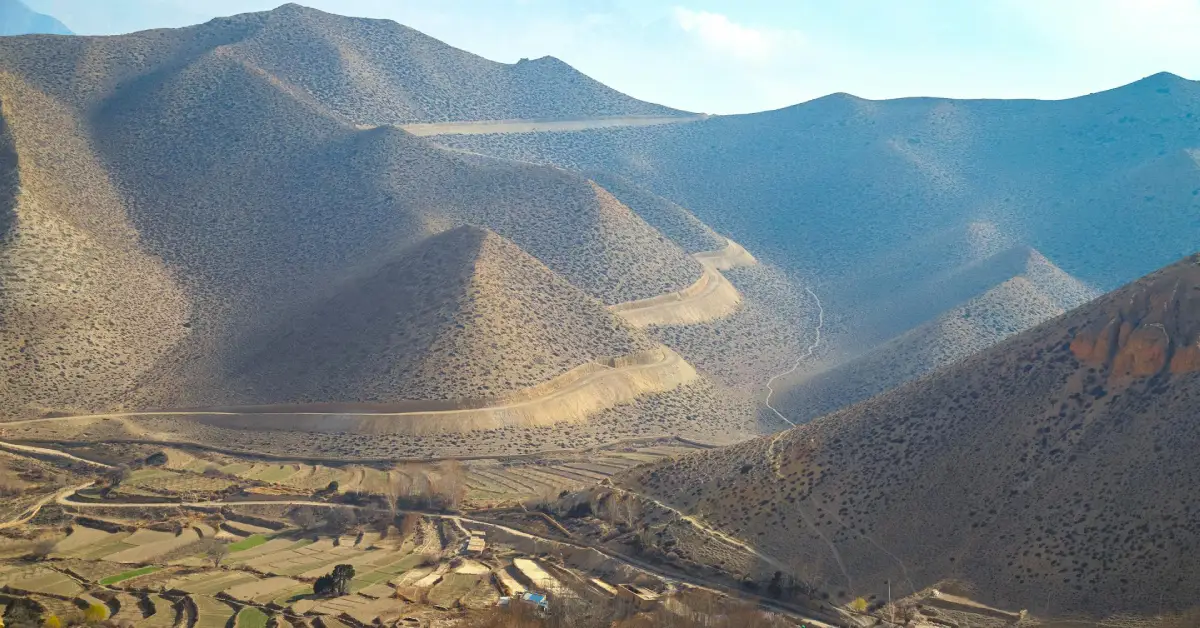
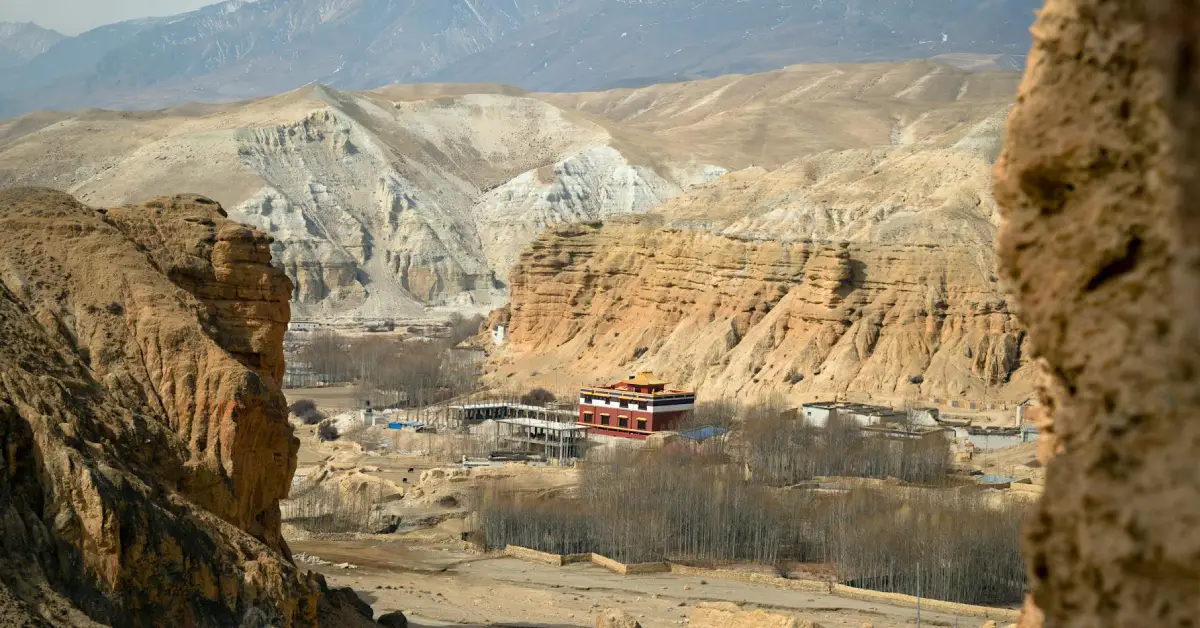
Nestled in the rain-shadow of the Annapurna and Dhaulagiri ranges, the Mustang area feels untouched by time. Sandy trails, eroded cliffs, yak caravans, and centuries-old monasteries form the backdrop to the Mustang Tiji Festival, making it more than a trek, it is a journey into living history. The festival reflects the soul of the Mustang Kingdom, Nepal, once known as the Last Forbidden Kingdom, where Tibetan traditions continue to thrive in their purest form.
For culture enthusiasts, spiritual seekers, and adventure travellers alike, the Mustang Tiji Festival Trek is a once-in-a-lifetime experience that blends Himalayan trekking with profound cultural immersion.
Understanding the Mustang Tiji Festival
The Mustang Tiji Festival, also called Tenchi or Tinji, commemorates the victory of good over evil. Rooted deeply in Tibetan Buddhism, the festival retells the legend of Dorje Jono, an incarnation of Buddha, who battled the demon Ma Tam Ru Ta. The demon was believed to cause storms, droughts, and destruction across Mustang, threatening the survival of the region and its people.
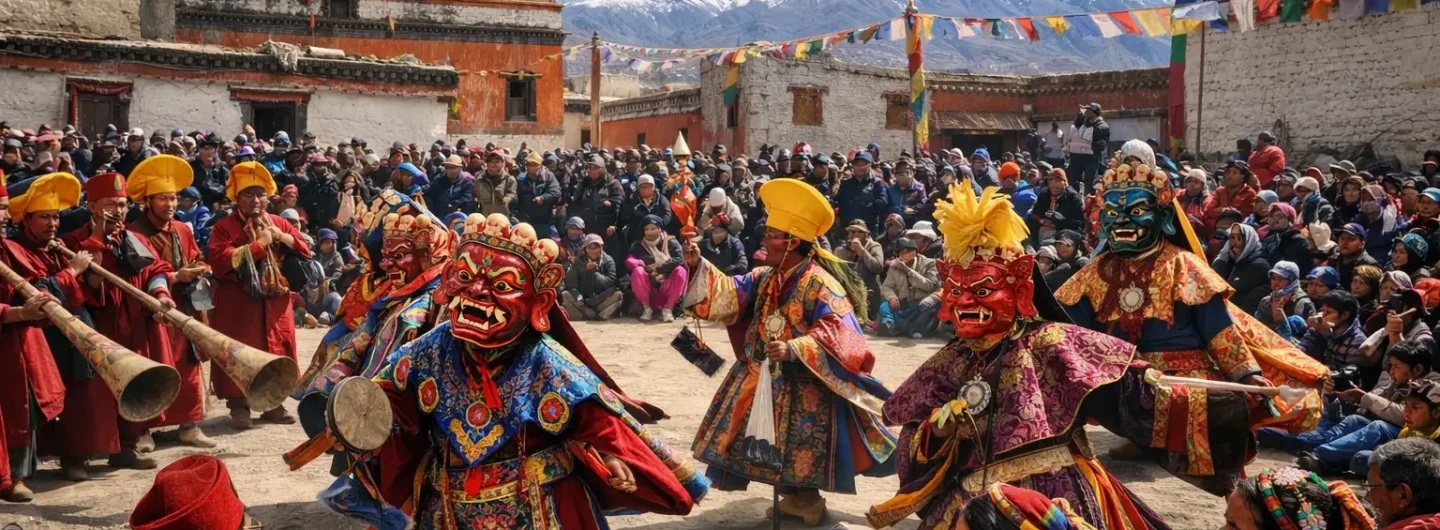
Through sacred masked dances performed by monks of Chode Monastery, the story unfolds across three days, symbolising purification, protection, and spiritual renewal. These rituals are not performed for entertainment but as an essential spiritual duty to maintain harmony in the mustang district nepal.
Unlike modern festivals, the Mustang Tiji Festival remains deeply authentic. Local communities gather dressed in traditional Tibetan attire, elders chant prayers, and monks enact rituals that have remained unchanged for generations.
Upper Mustang | The Cultural Heart of the Himalayas
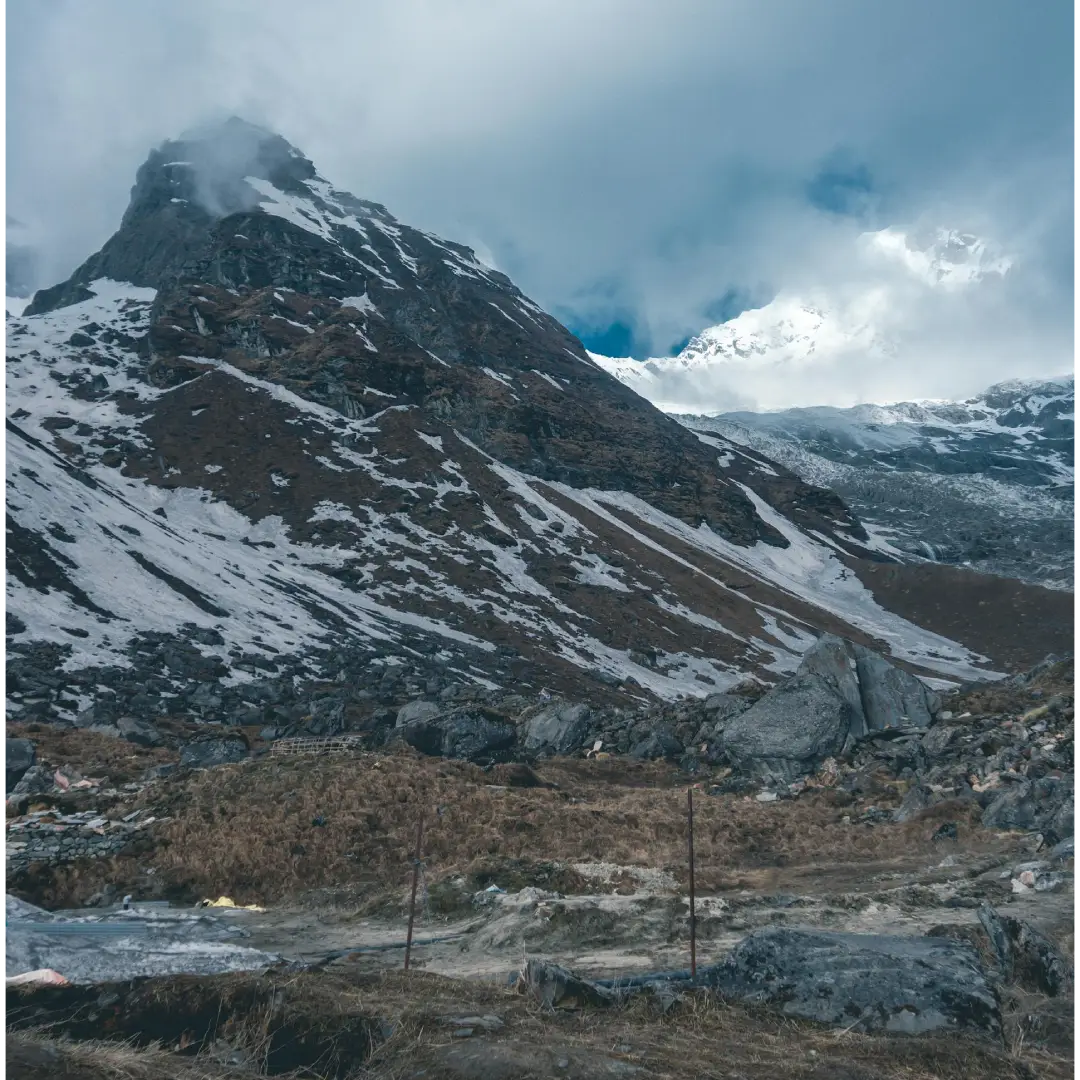
Upper Mustang lies beyond the Himalayas’ main range, creating a dry, desert-like landscape unlike the rest of Nepal. This trans-Himalayan terrain once served as a vital trade route between Tibet and South Asia. Even today, mule caravans and yak trains travel along ancient paths, reinforcing Mustang’s historical importance.
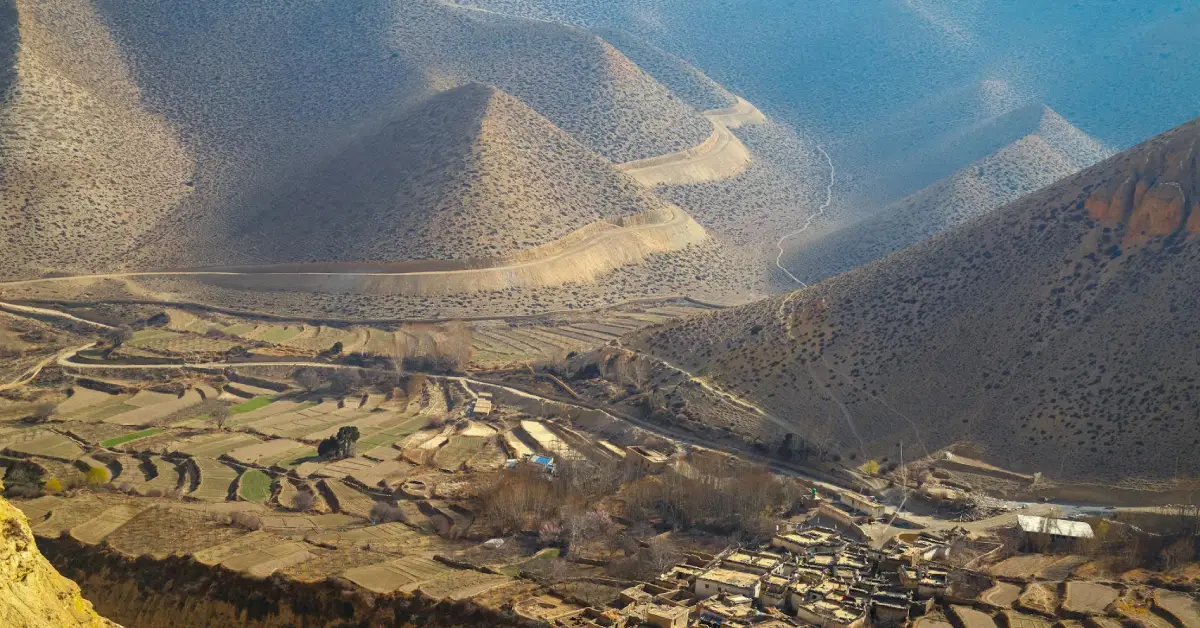
The region’s isolation helped preserve its language, customs, architecture, and monastic traditions. Villages like Kagbeni, Ghami, Tsarang, and Lo-Manthang showcase whitewashed homes, prayer walls, chortens, and monasteries that embody the spirit of the mustang kingdom of Nepal.
During the Mustang Tiji Festival, this cultural landscape comes alive, offering visitors an intimate look at Himalayan life shaped by faith, resilience, and tradition.
Journey to the Mustang Tiji Festival Trek
The Mustang Tiji Festival Trek begins with your arrival at Tribhuvan International Airport in Kathmandu. After exploring Nepal’s cultural capital, travellers fly to Pokhara, followed by a scenic flight to Jomsom—gateway to Upper Mustang.
From Jomsom, the trek ascends gradually through the Kali Gandaki Valley, one of the world’s deepest gorges. The trail passes apple orchards, wind-carved cliffs, and remote villages that reflect the timeless character of the Mustang region, Nepal.
As you trek deeper into Upper Mustang, modern influences fade away. Electricity is limited, roads are sparse, and traditions dominate daily life. Reaching Lo-Manthang during the Mustang Tiji Festival feels like stepping into a living museum of Tibetan civilisation.
Himalayan Scenery Along the Route
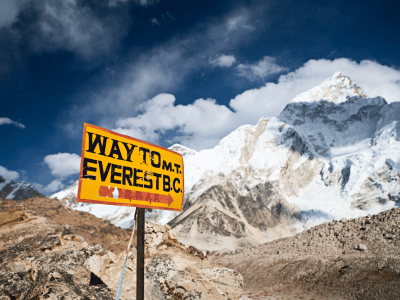
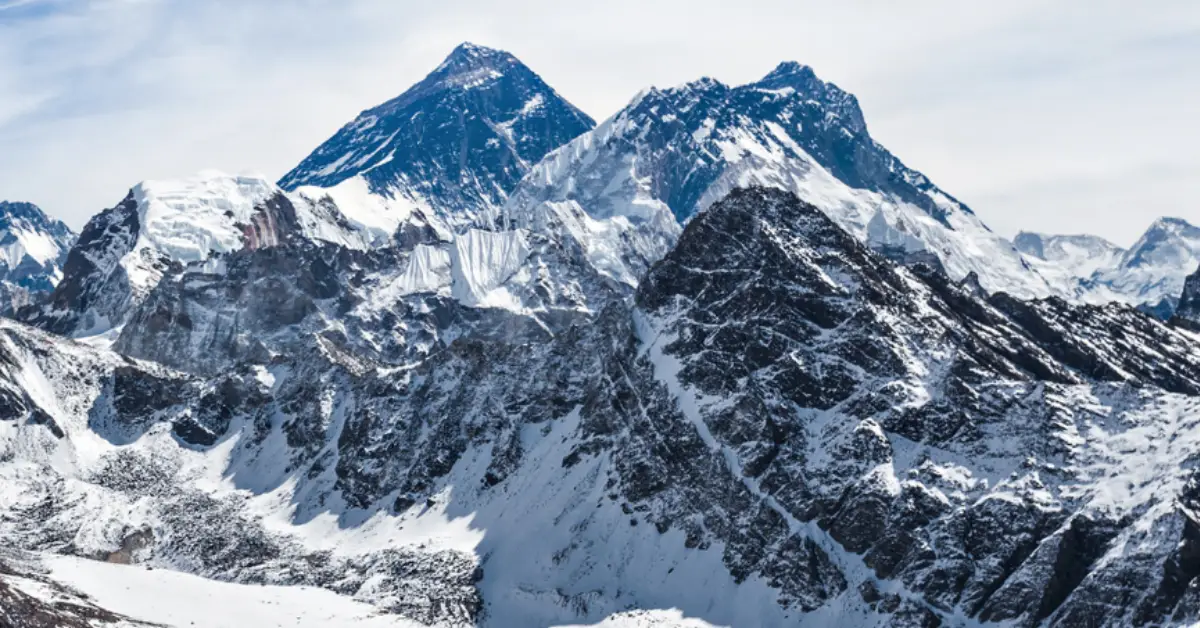
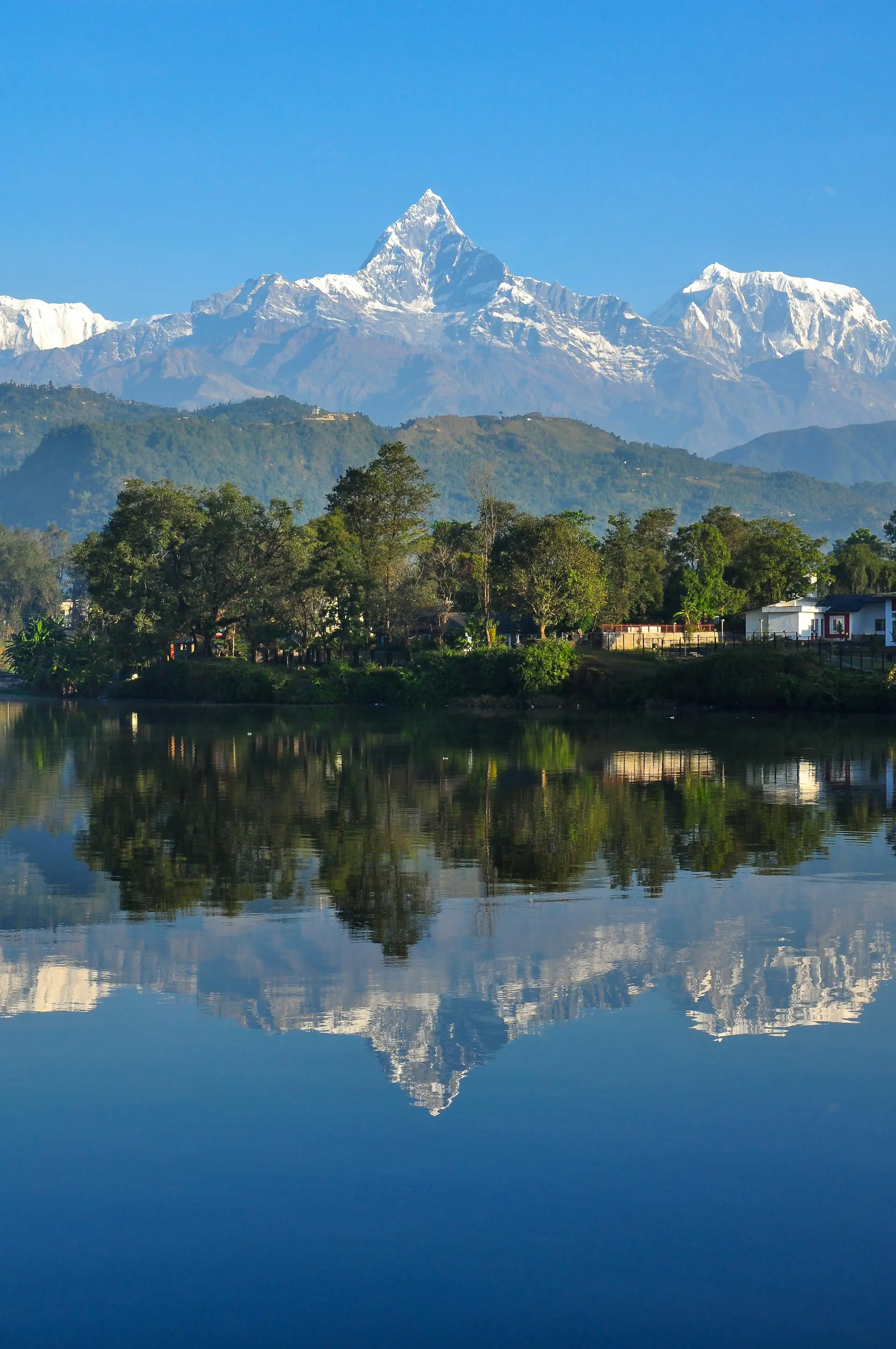
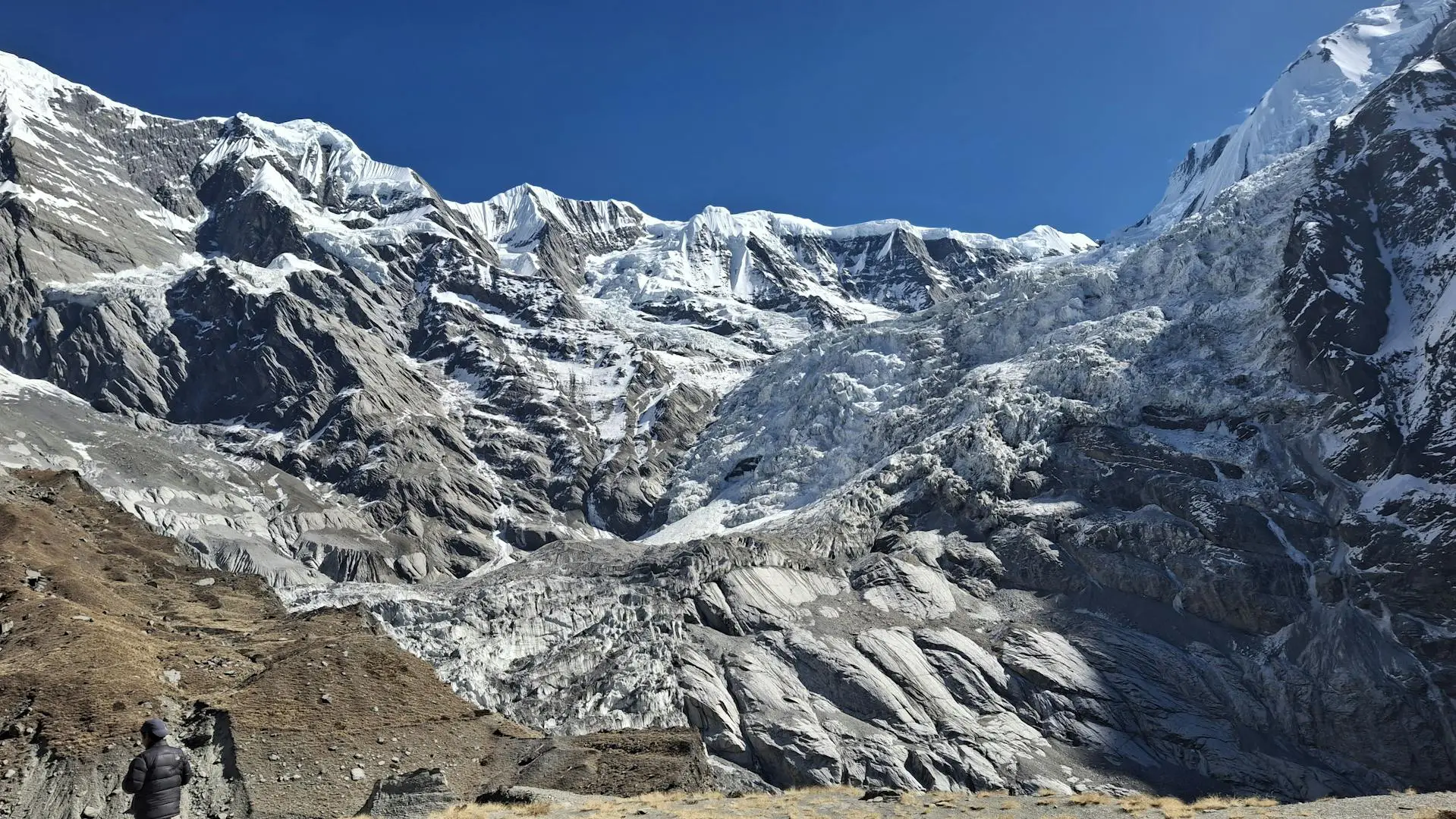
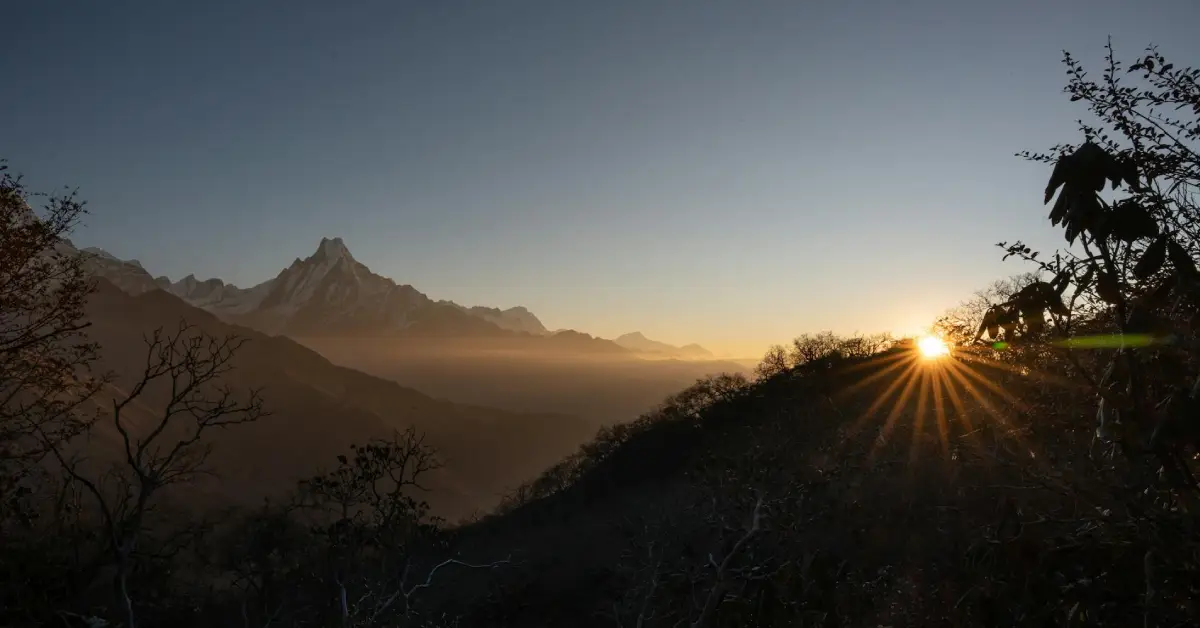
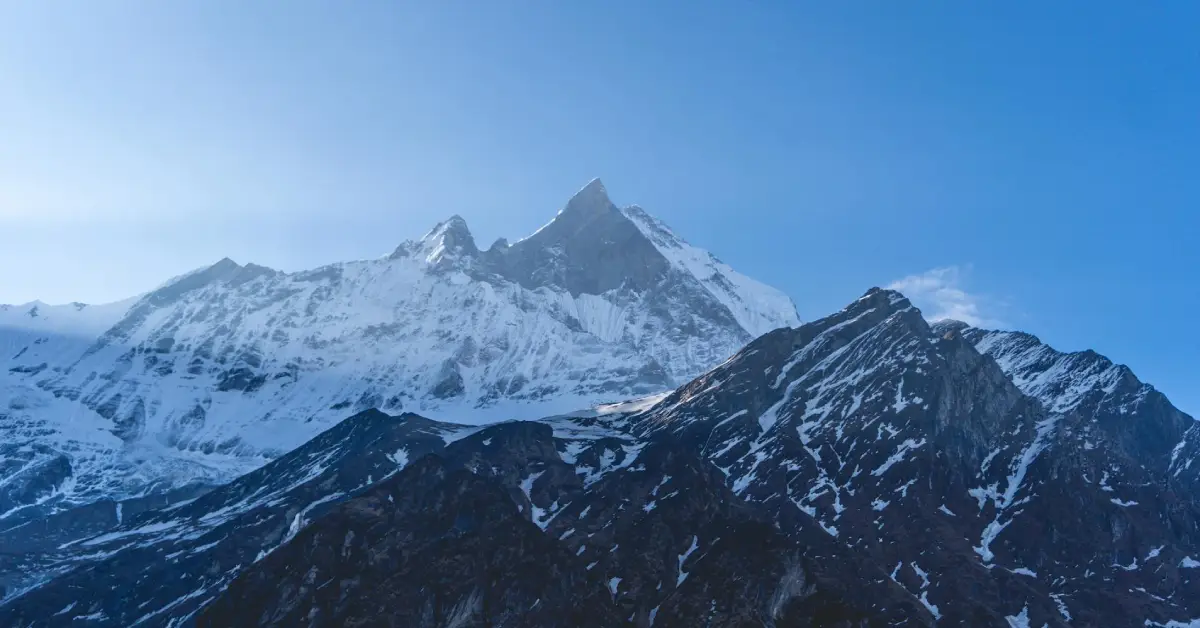
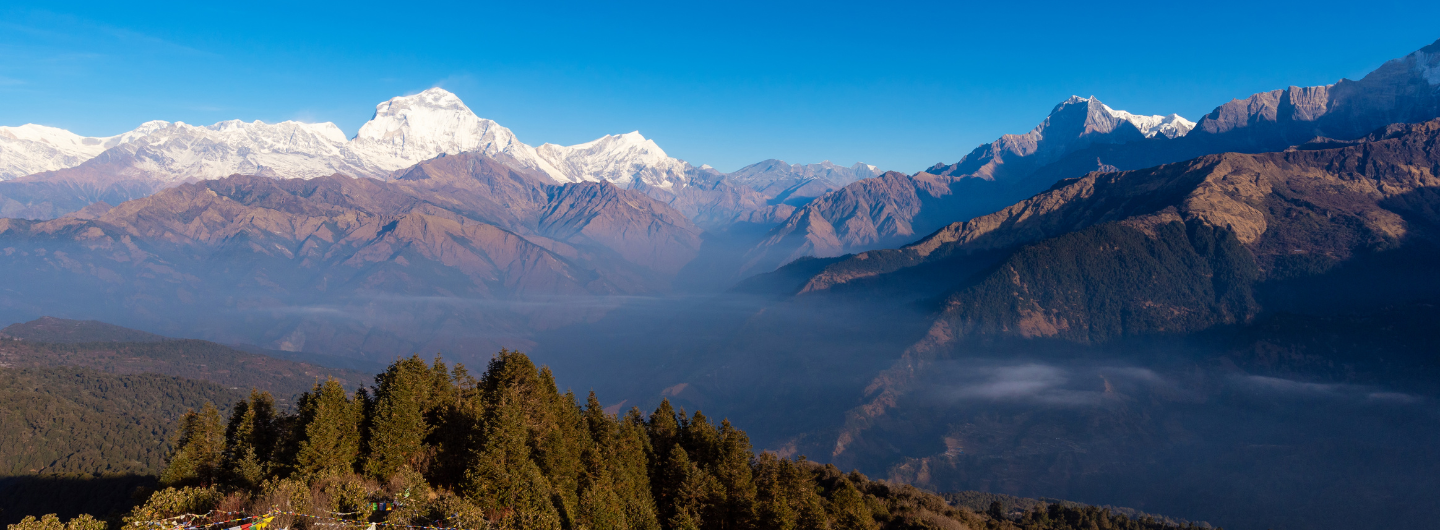
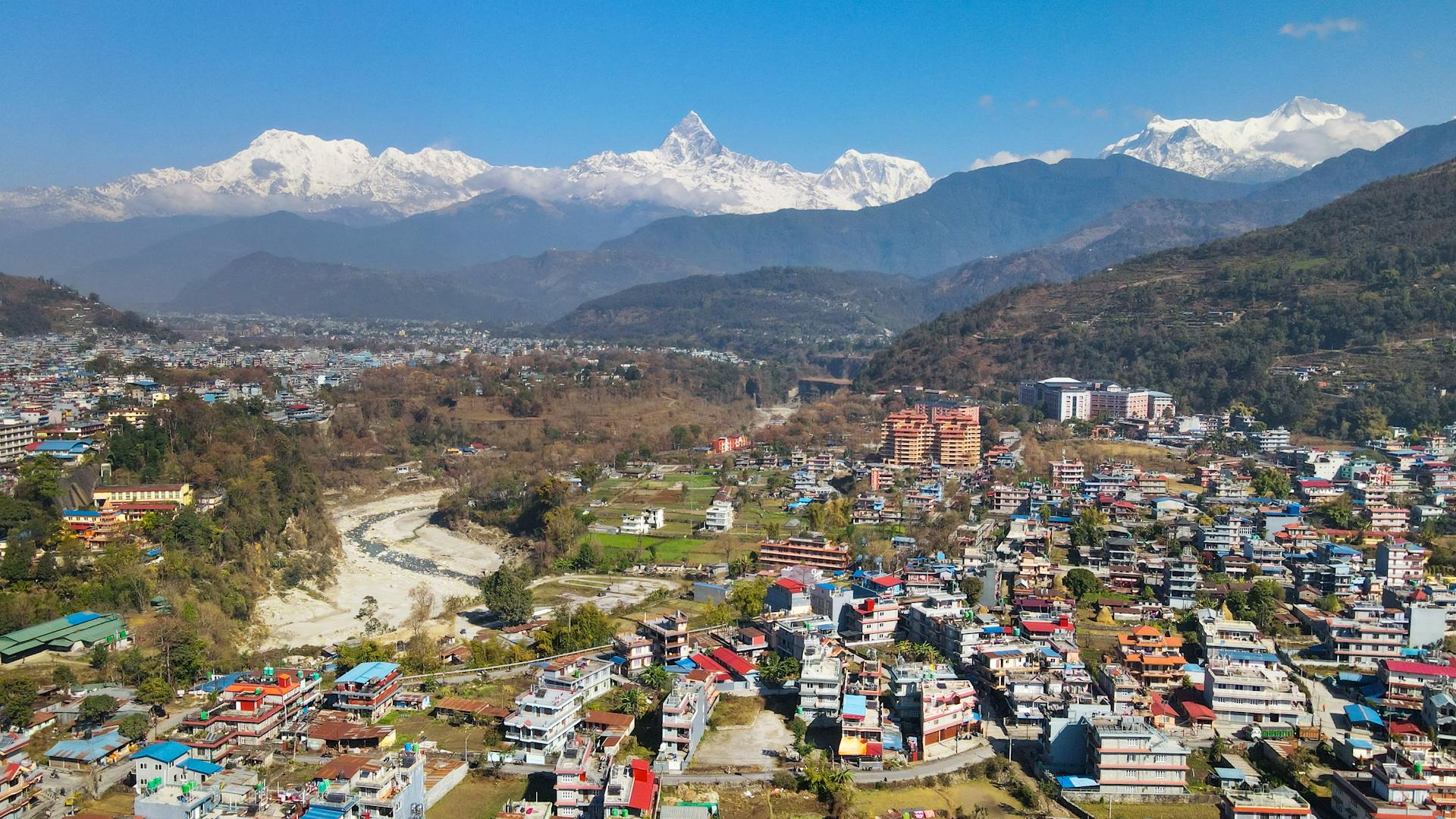
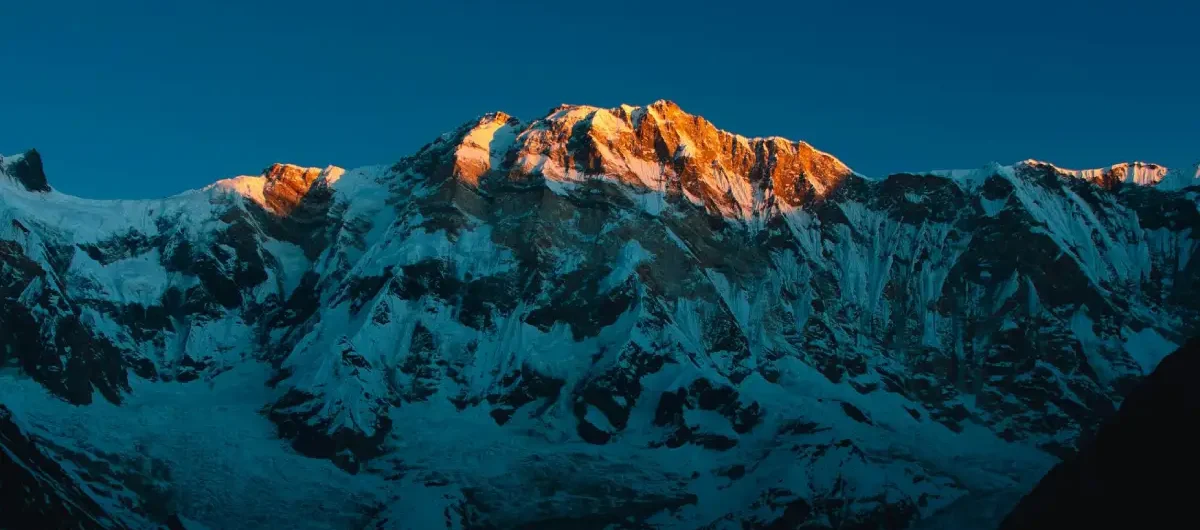
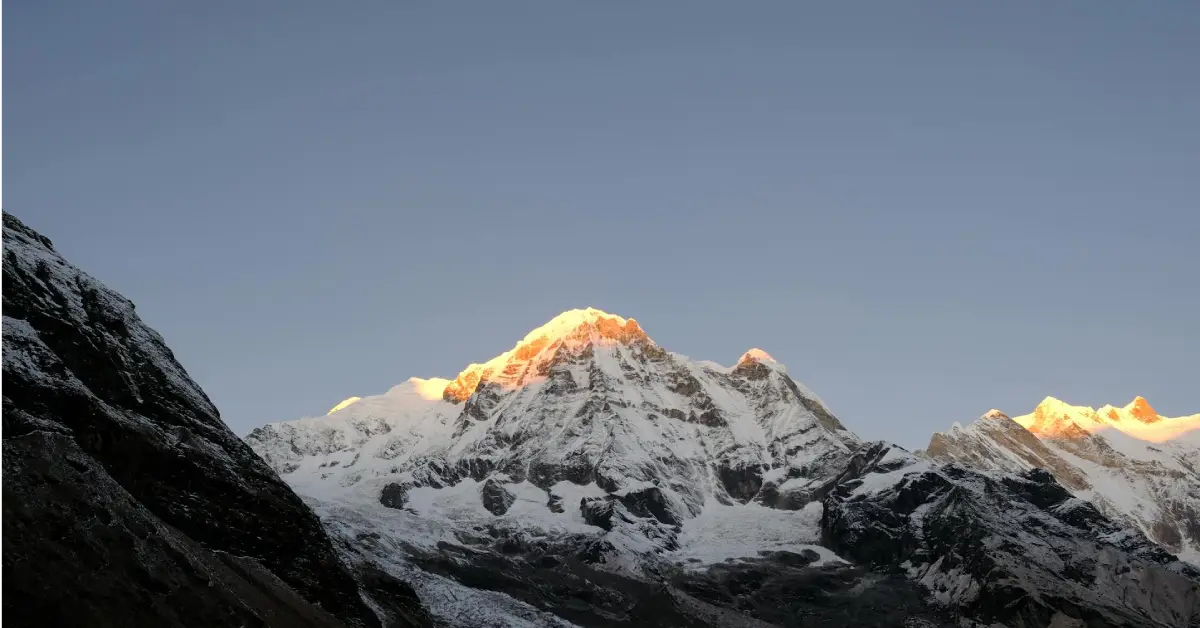
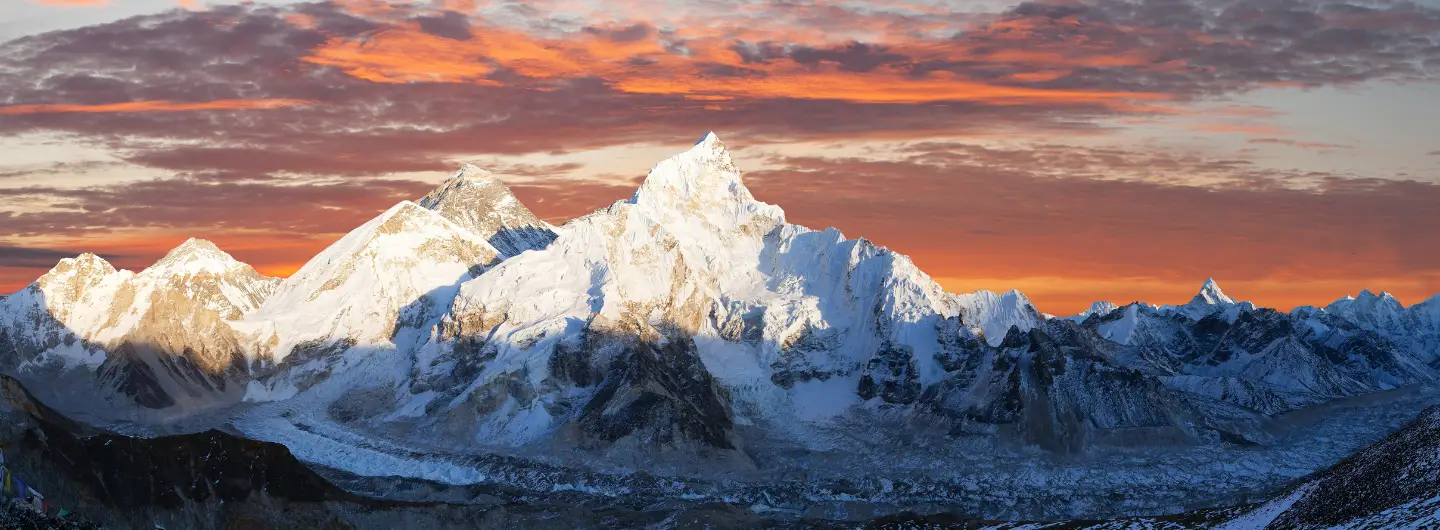
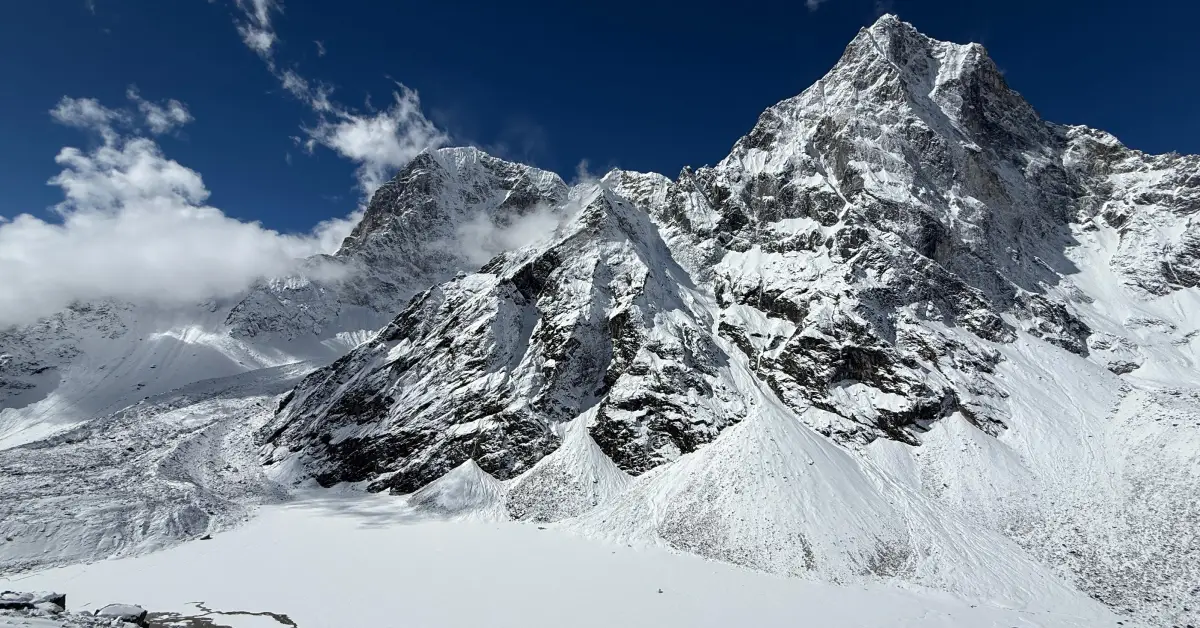
While the Mustang Tiji Festival is the cultural highlight, the natural scenery is equally mesmerising. The trek offers uninterrupted views of some of Nepal’s most iconic peaks, including:
- Mt. Dhaulagiri (8167m)
- Nilgiri (7061m)
- Tukuche Peak (6920m)
- Tilicho Peak (7134m)
- Thorong Peak (6144m)
- Saribung Peak (6328m)
The dramatic contrast between snow-capped peaks and arid valleys creates a surreal trekking environment unique to the mustang district nepal.
Spiritual Significance of the Mustang Tiji Festival
For the people of Upper Mustang, the Tiji Festival is not optional, it is essential. The rituals are believed to protect crops, livestock, and communities from misfortune. Every chant, step, and movement during the dances holds symbolic meaning.
The festival reinforces Buddhist values such as compassion, mindfulness, and harmony with nature. Visitors are not merely spectators; they become witnesses to a living spiritual practice that continues to guide life in the Mustang Kingdom, Nepal.
Why choose Trexmount Ventures for this Trek?
Trexmount Ventures brings deep regional expertise, cultural sensitivity, and logistical excellence to the Mustang Tiji Festival Trek. With experienced trek leaders, knowledgeable guides, and strong local connections, Trexmount ensures authentic access to festival events while respecting local traditions.
The team prioritises comfort, safety, and meaningful cultural interaction. From permit management to accommodation planning in Lo-Manthang, Trexmount Ventures handles every detail professionally, allowing travellers to focus on the experience itself.
Their customizable itineraries cater to different fitness levels and interests, ensuring a balanced journey through the Mustang region of Nepal while maintaining responsible tourism practices.
How to celebrate the Tiji (Tinji) festival in Upper Mustang?
Celebrating the Mustang Tiji Festival requires presence, patience, and respect. Travellers attend daily rituals held in the courtyard of Chode Monastery in Lo-Manthang. Monks perform elaborate masked dances representing deities, demons, and spiritual forces.
Visitors should observe silently, dress modestly, and follow local guidance. Photography is usually allowed but should never disrupt rituals. Participating in village life, sharing tea, observing prayer ceremonies, and walking the ancient alleys, enhances the experience.
True celebration comes from understanding the festival’s meaning rather than treating it as a spectacle.
Cultural Significance of the Mustang District During the Tiji Festival
Beyond its dramatic landscapes and spiritual festivals, the cultural depth of the Mustang Tiji Festival is inseparable from the identity of the Mustang district, Nepal. This remote Himalayan district has remained culturally insulated for centuries, allowing Tibetan Buddhist traditions to flourish without external dilution. During the festival, the villages of the Mustang district, Nepal, transform into living cultural spaces where rituals, prayers, and community gatherings define daily life.
The social structure of the Mustang district, Nepal, is deeply rooted in monastery-centred traditions, where monks, elders, and households play defined roles in preserving spiritual balance. Travellers who walk through the Mustang district in Nepal during Tiji gain more than visual experiences; they witness how faith governs agriculture, weather beliefs, and communal harmony. Experiencing the festival within the Mustang district of Nepal offers rare insight into how religion, geography, and history merge to sustain one of Nepal’s most resilient Himalayan cultures.
Mustang Tiji Festival Trek Highlight
- Attendance at the full three-day Mustang Tiji Festival
- Trekking through the ancient villages of Upper Mustang
- Exploration of Lo-Manthang’s royal palace and monasteries
- Cultural immersion in Tibetan Buddhist traditions
- Panoramic Himalayan views across the Mustang district, Nepal
- Visit to the sacred Muktinath Temple
- Scenic flights between Pokhara and Jomsom
When is the Tiji Festival in Mustang 2026?
The Mustang Tiji Festival in 2026 is expected to take place in May, according to the Tibetan lunar calendar. Exact dates are confirmed annually by local monasteries, usually falling in late May. Travellers planning for 2026 should secure permits and accommodations early, as Upper Mustang has limited lodges and high demand during the festival period.
Muktinath | The Sacred Return Journey
After the Festival, the trek descends toward Muktinath, one of Nepal’s most sacred pilgrimage sites for both Hindus and Buddhists. Known for its 108 water spouts, Muktinath symbolises liberation and spiritual cleansing. Pilgrims believe bathing beneath these spouts washes away lifetime sins. The journey continues through the windswept Kali Gandaki Valley back to Jomsom, concluding with a scenic flight to Pokhara.
 Review us on Google
 Review us on TripAdvisor