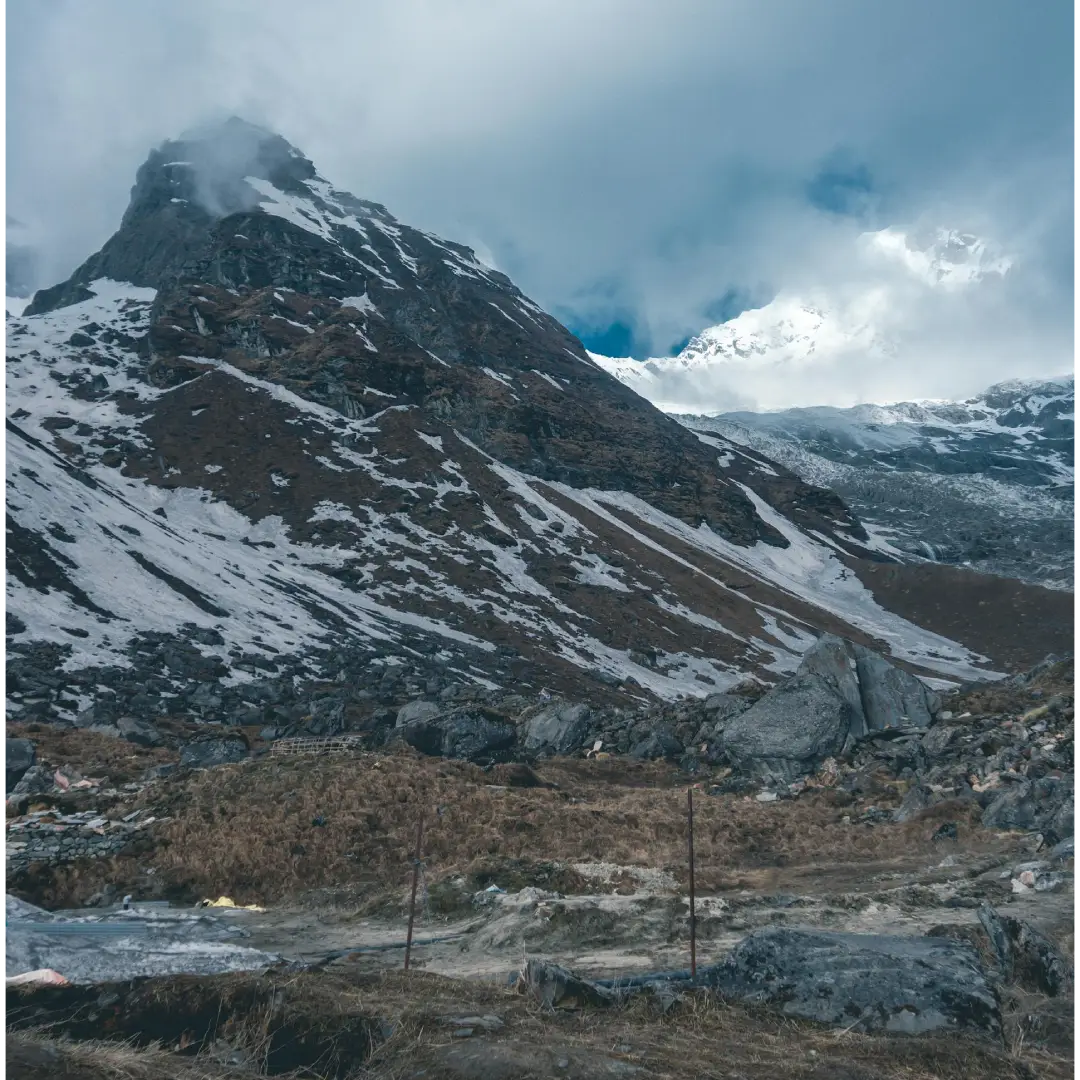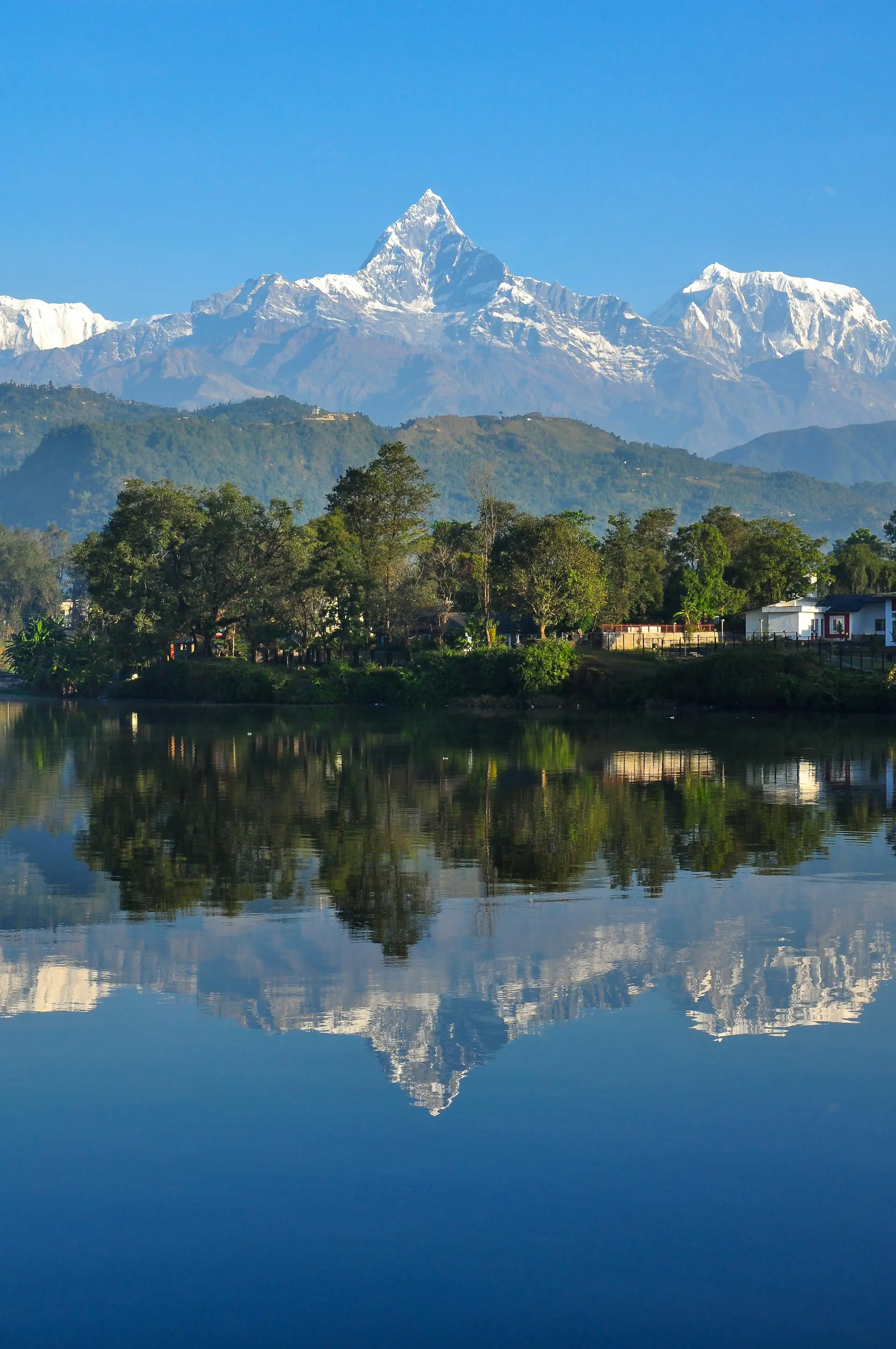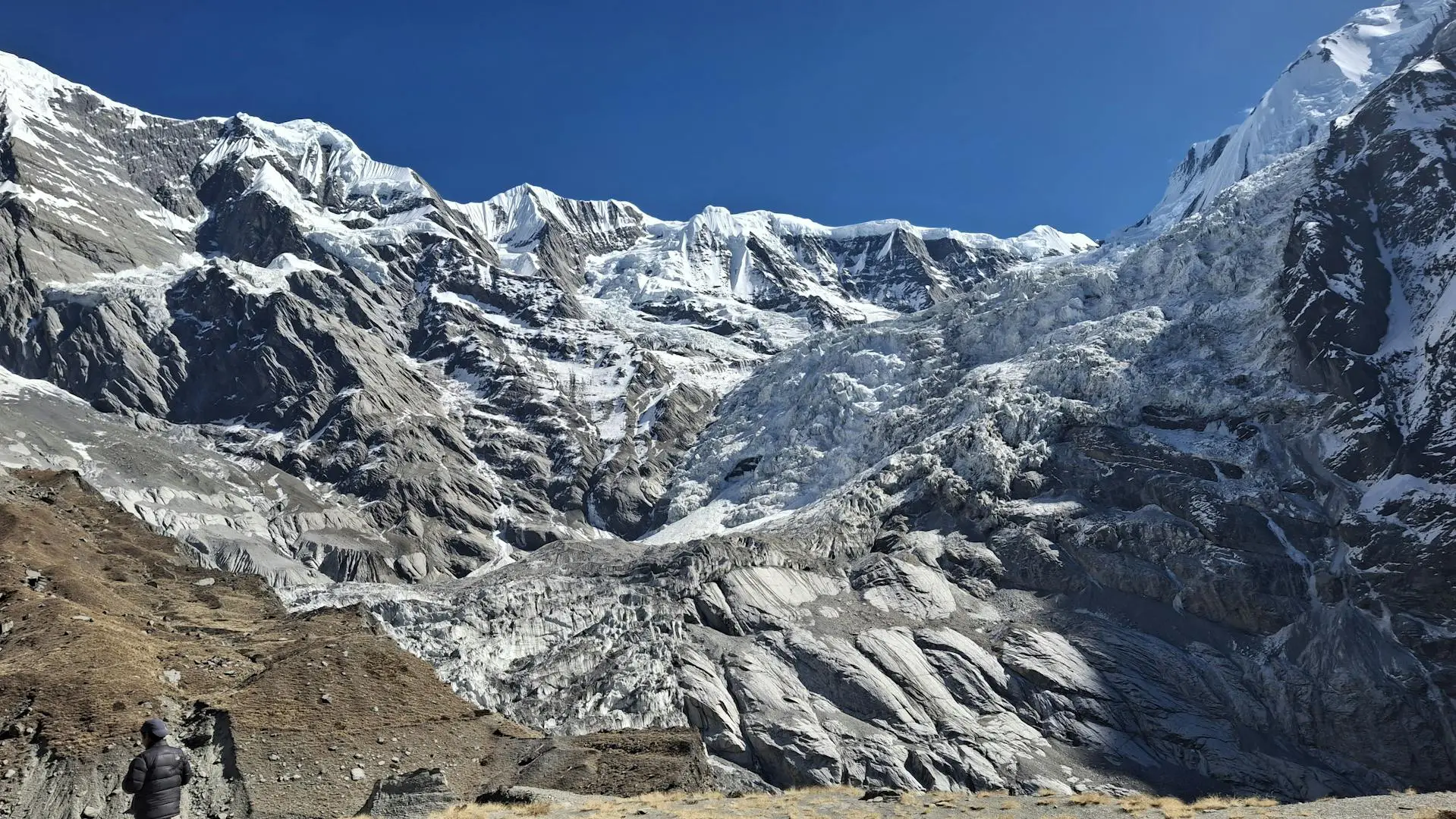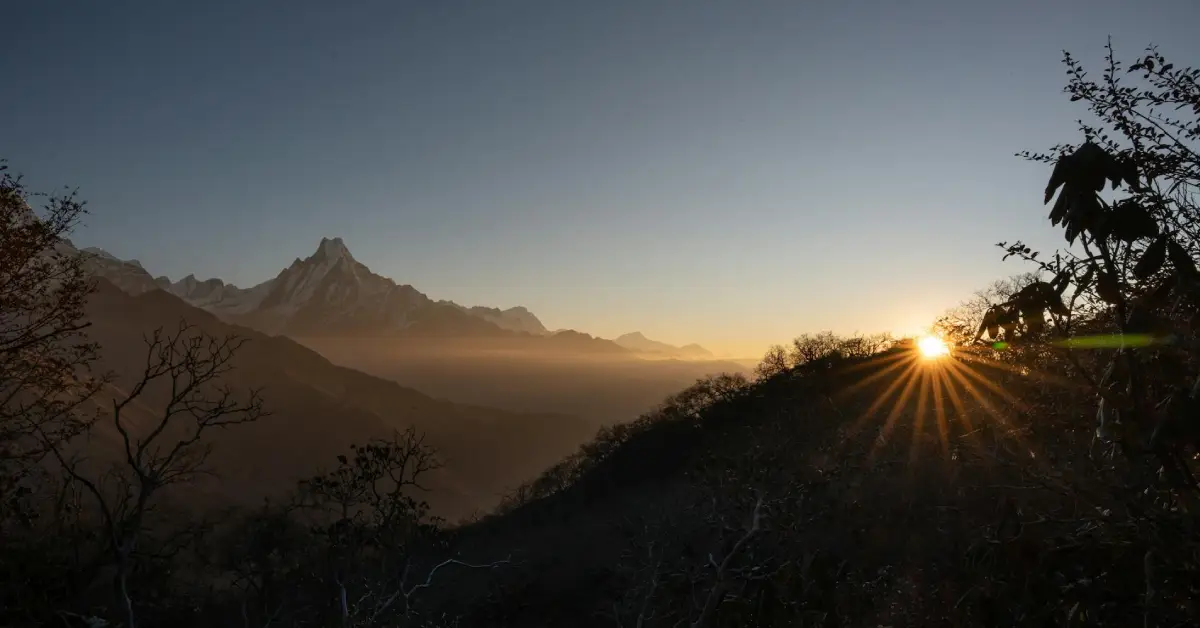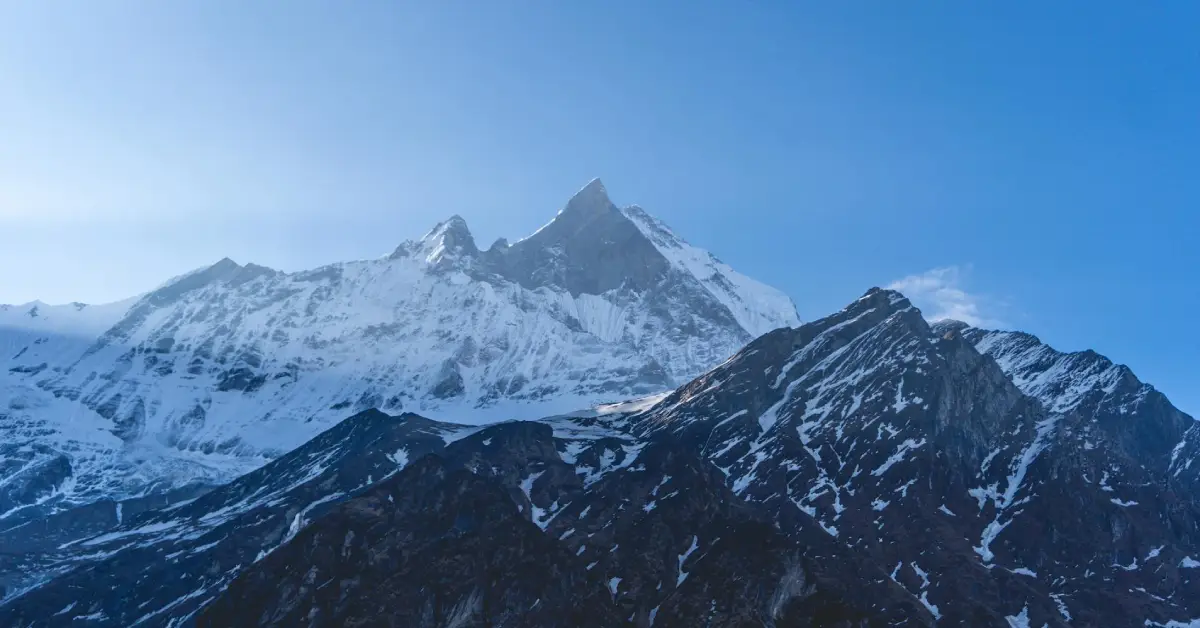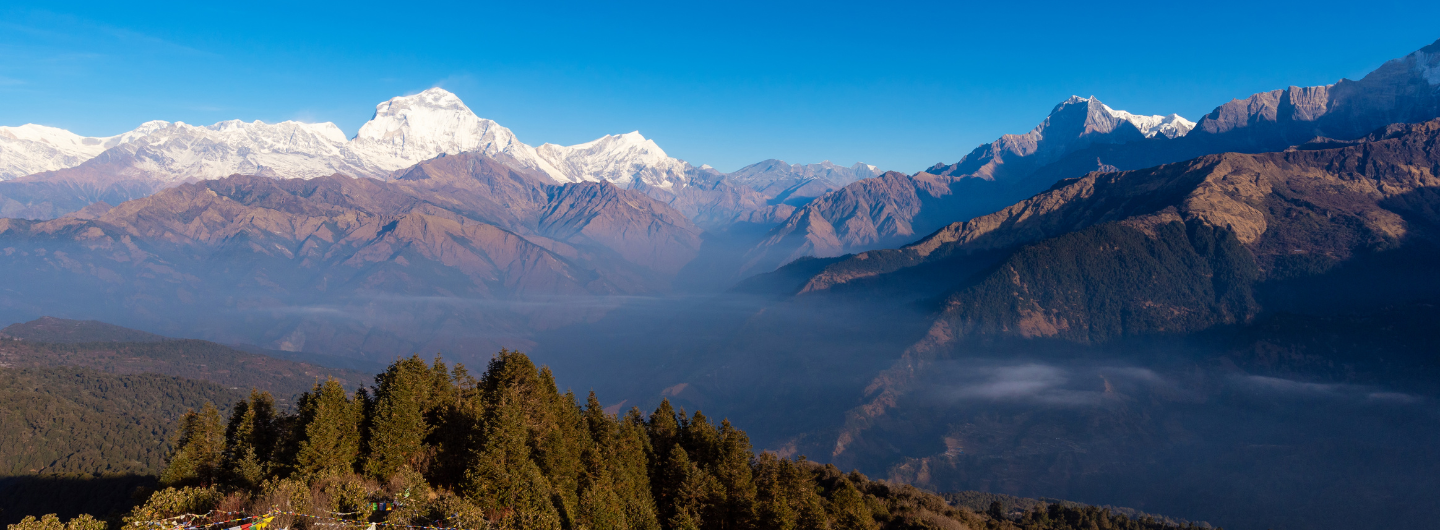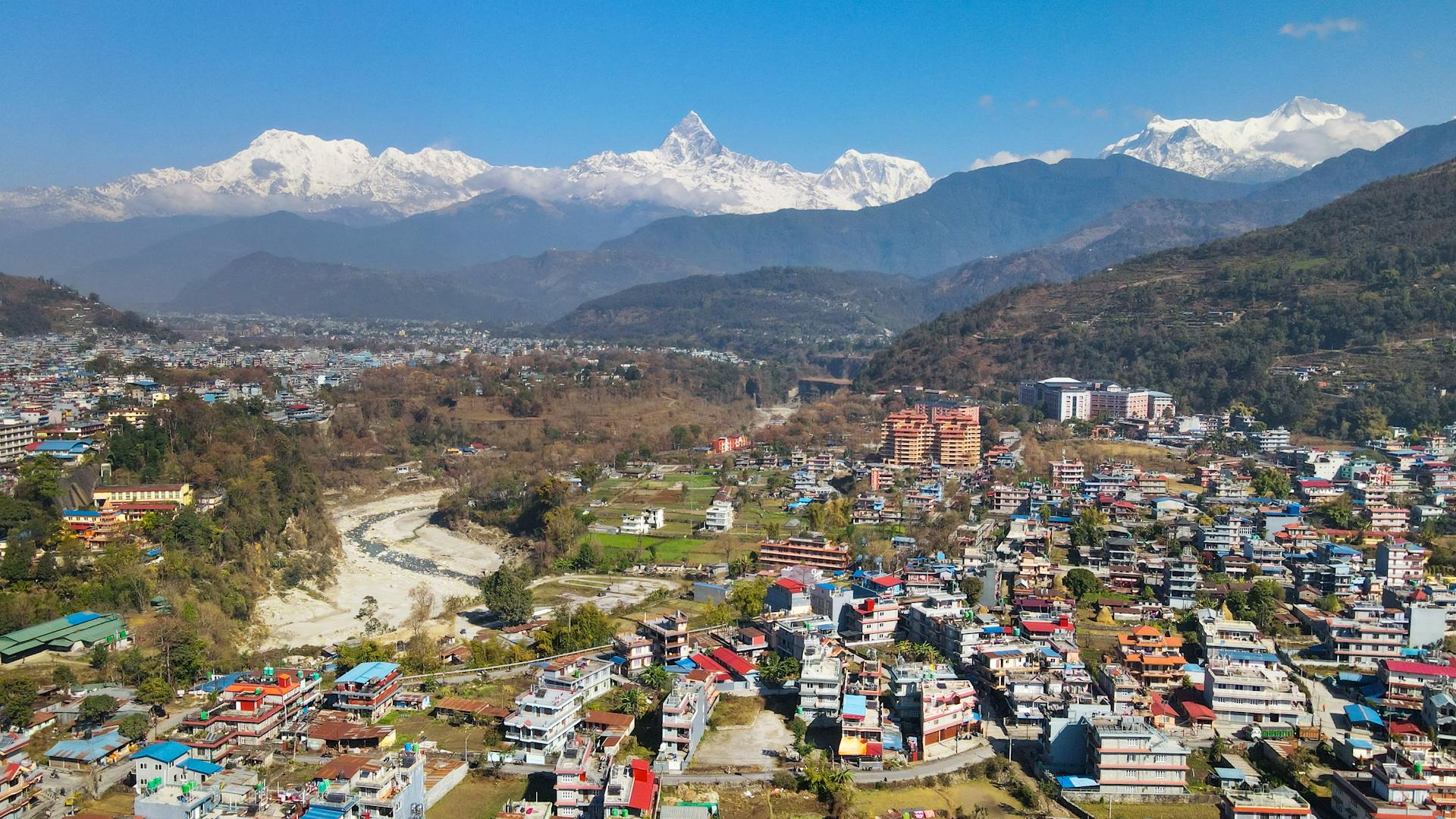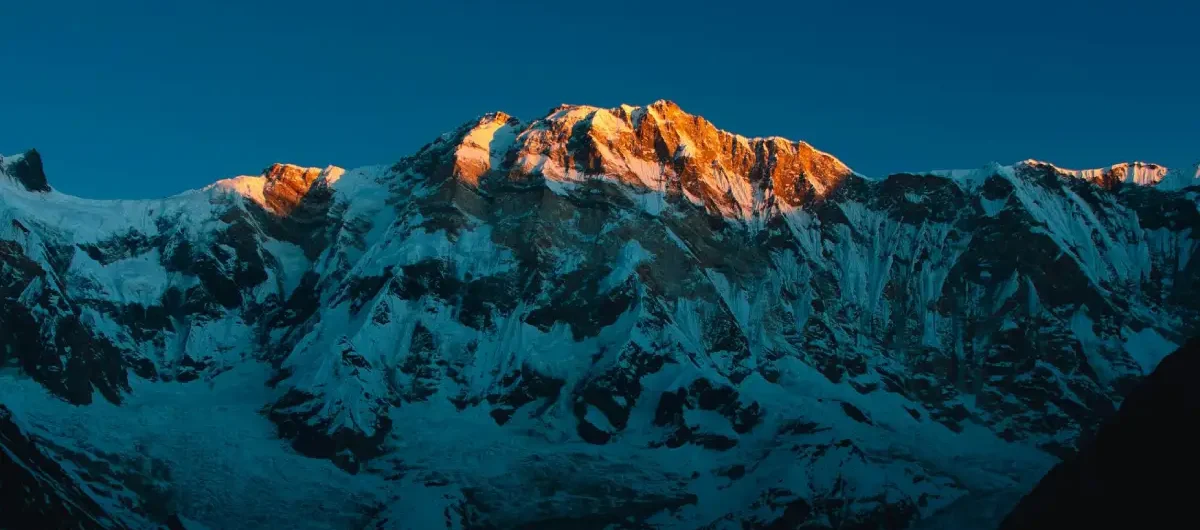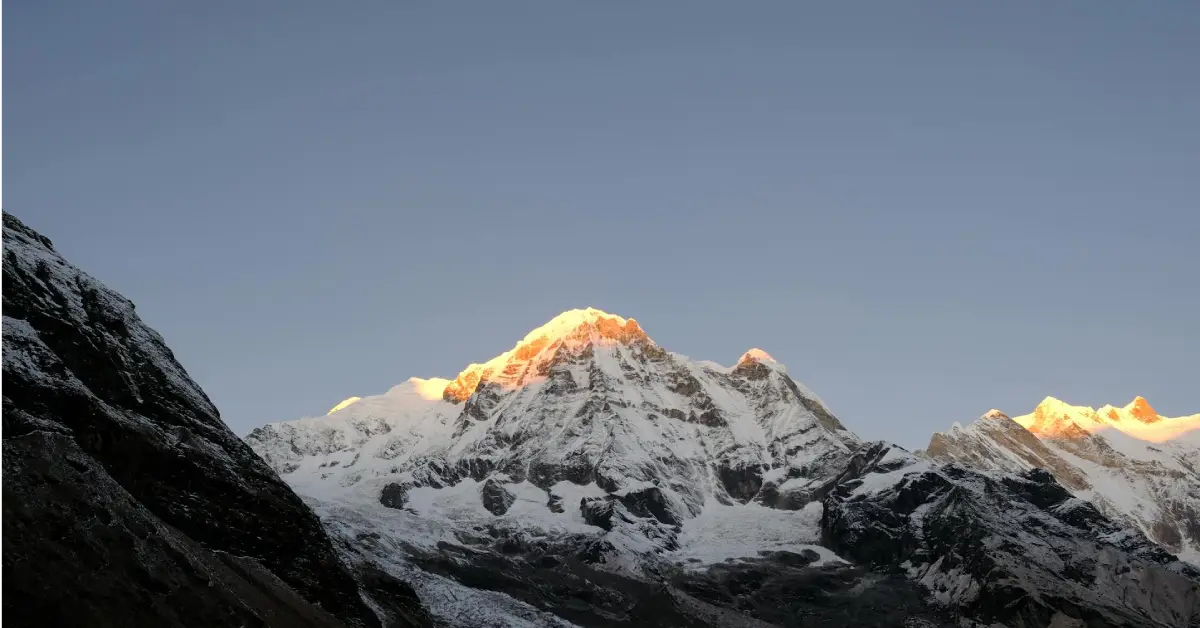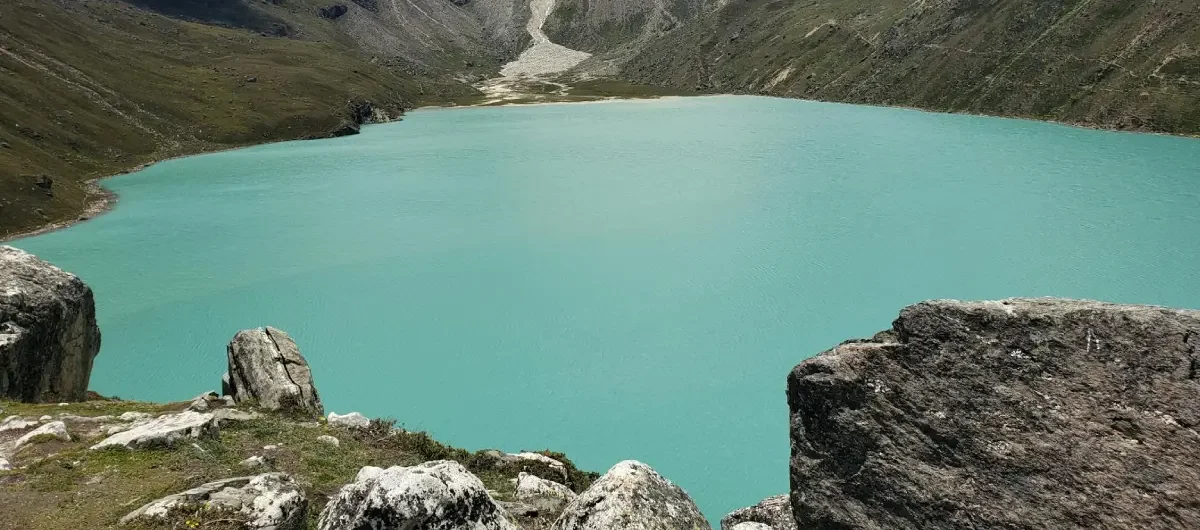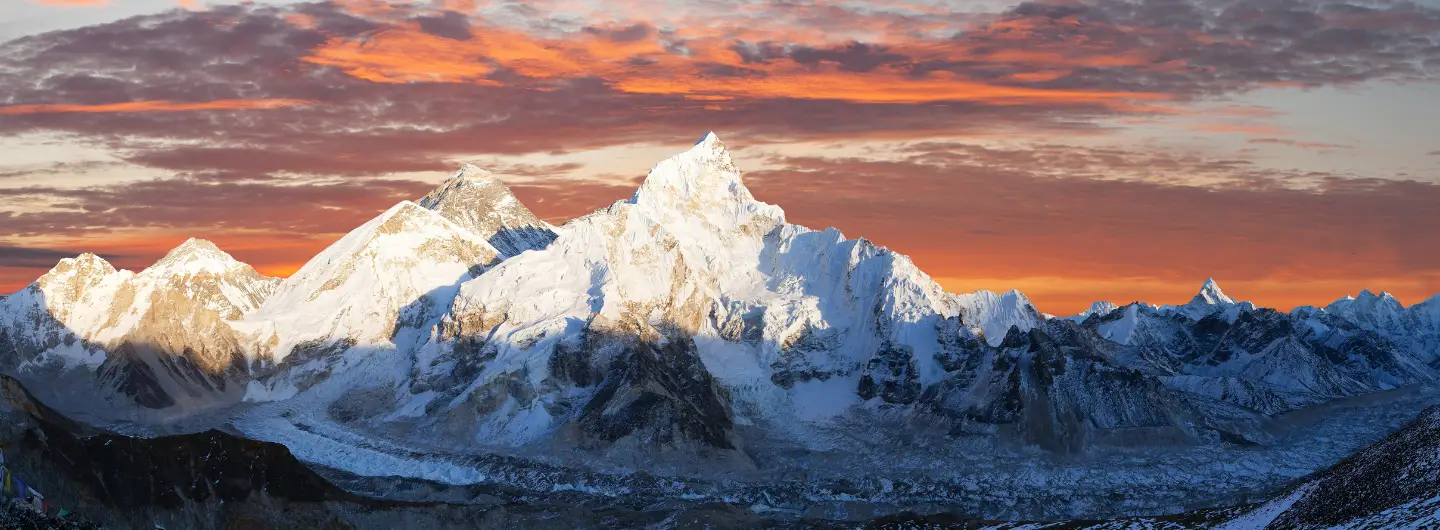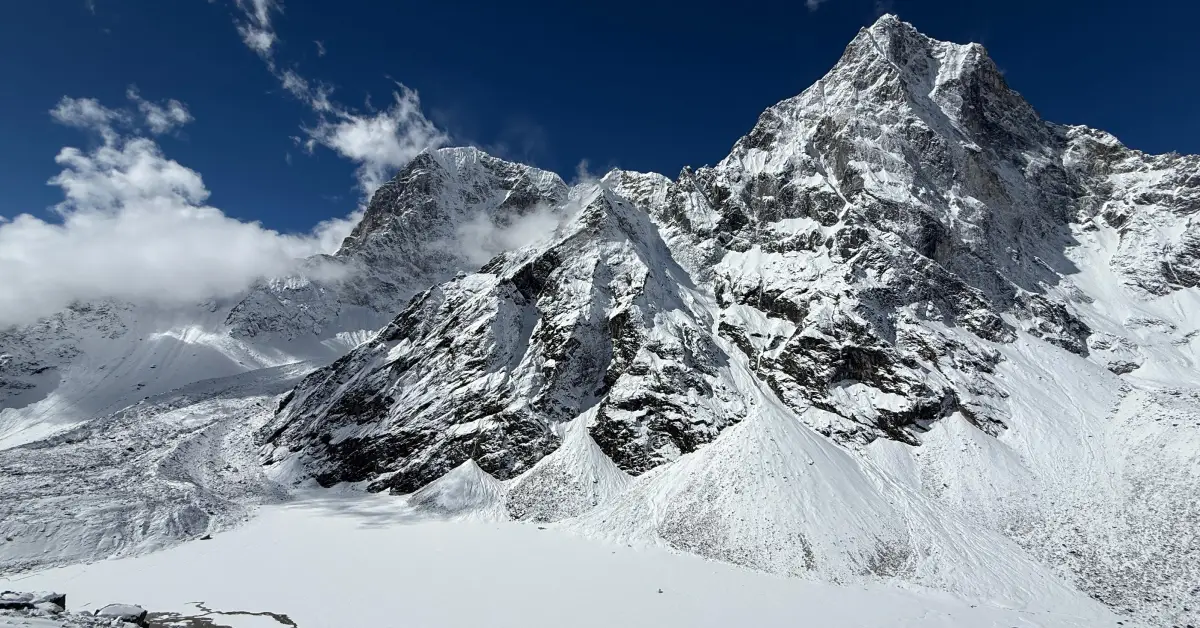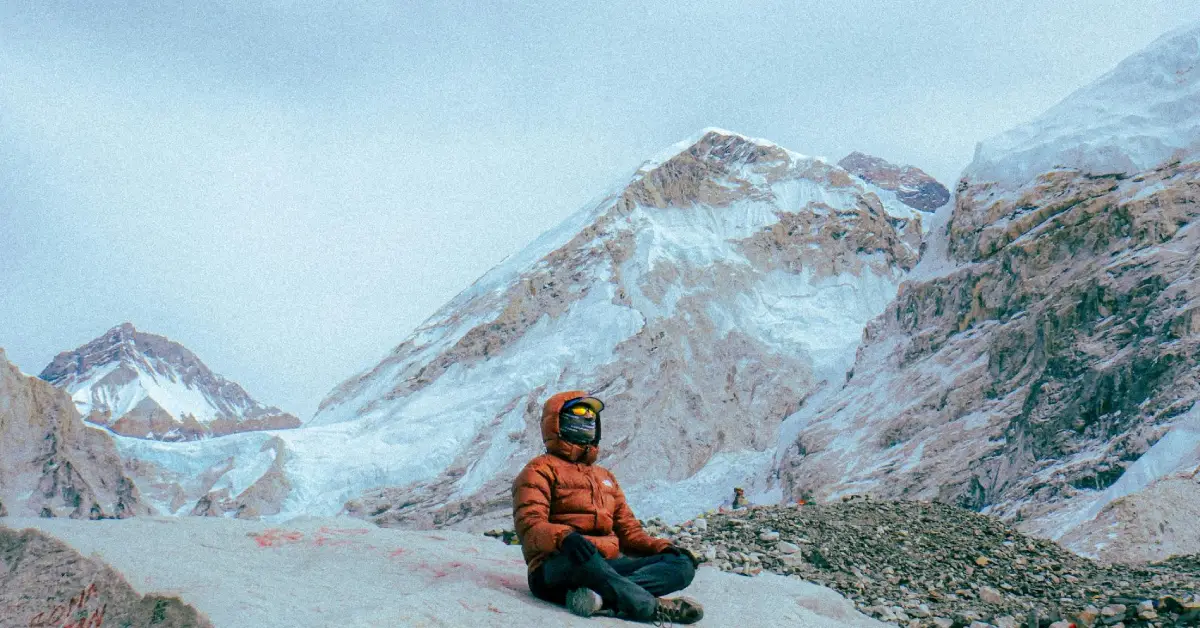

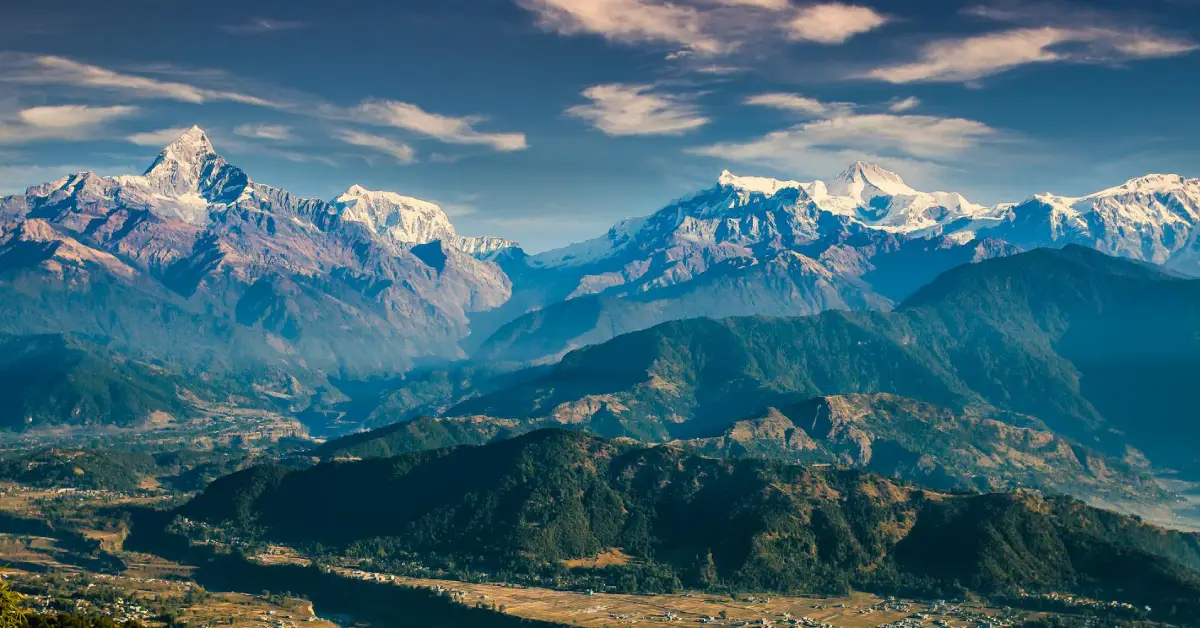
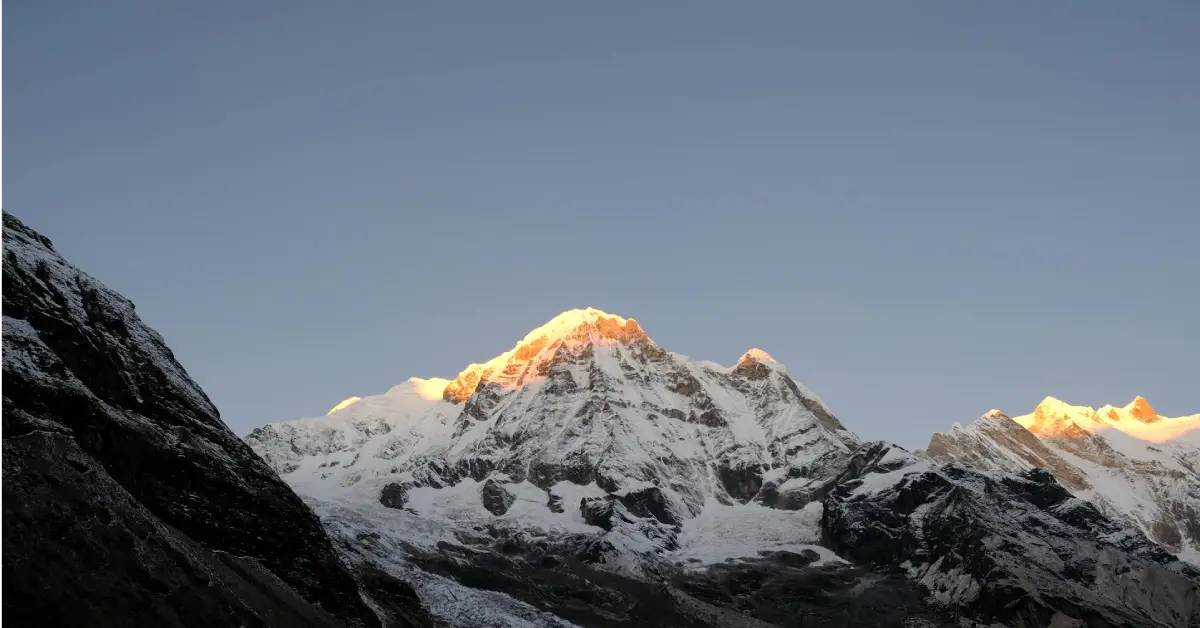
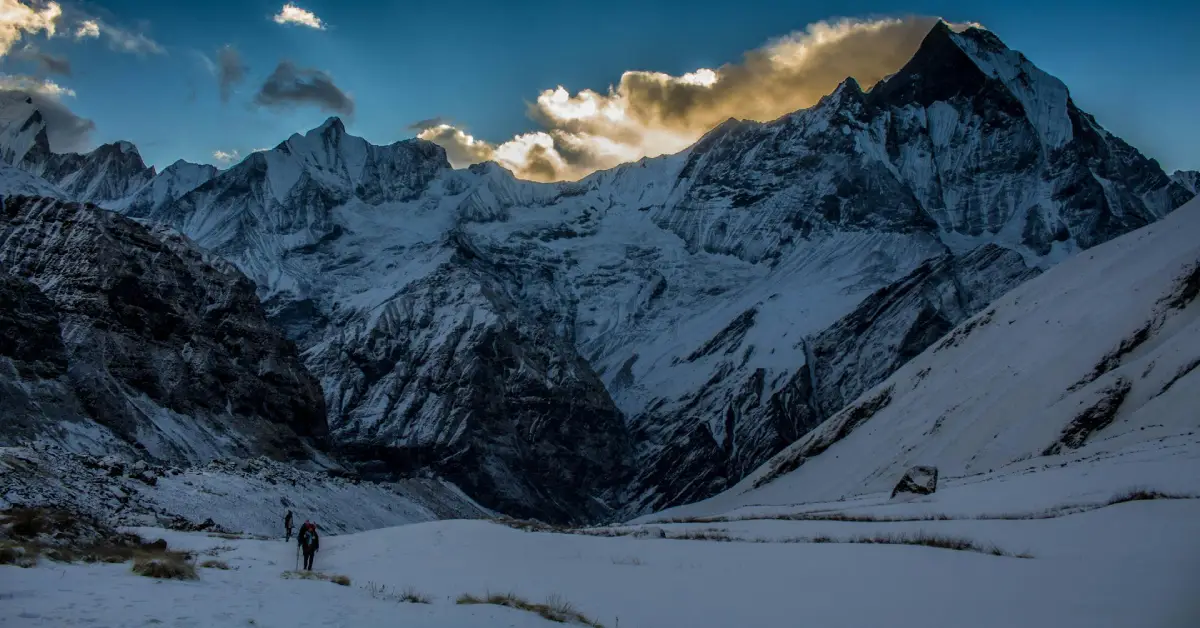
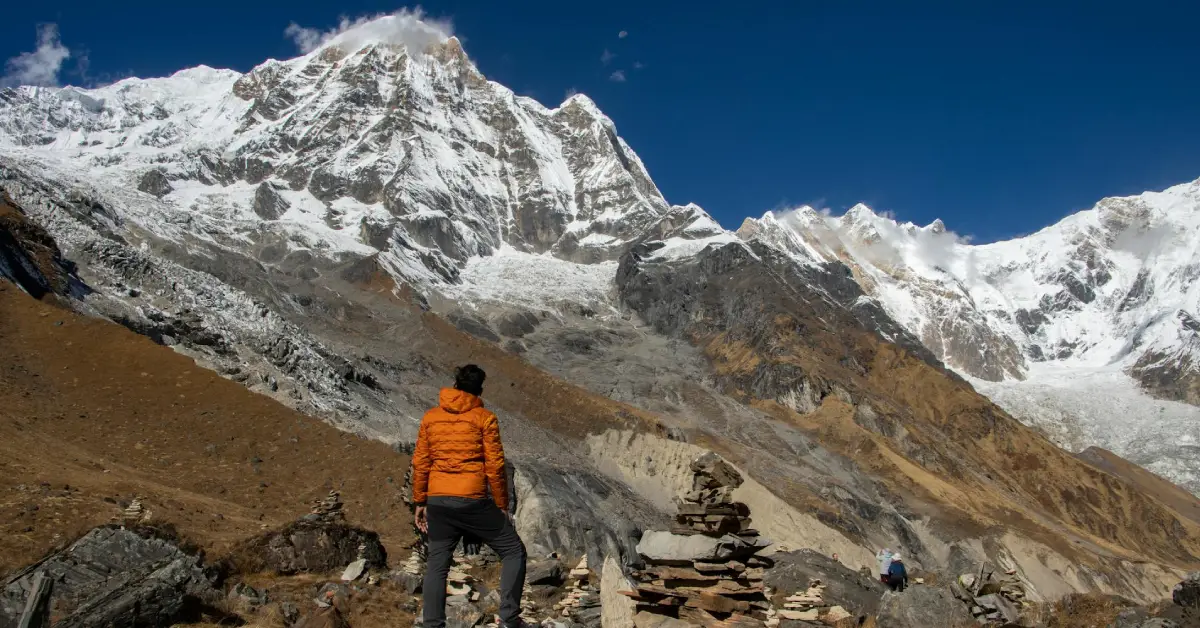
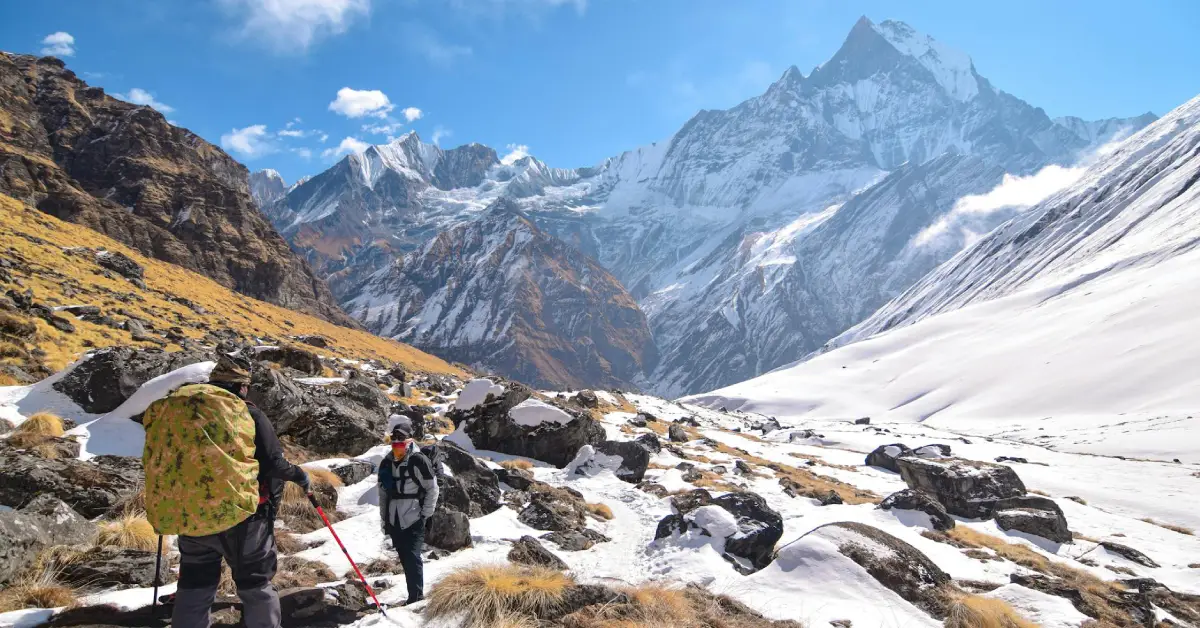
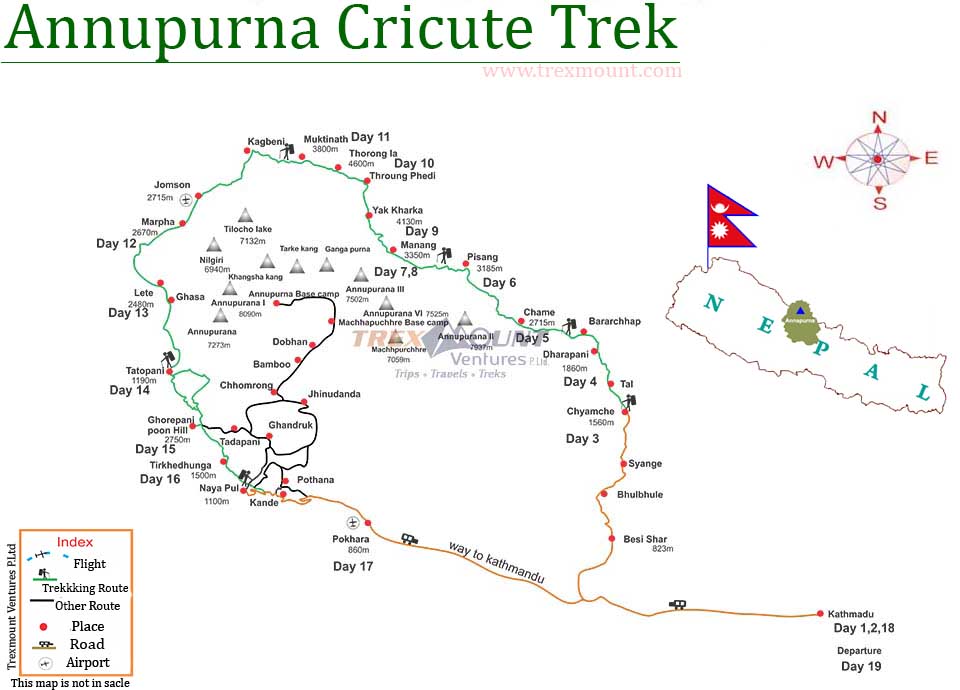
Annapurna High Pass Trek, also known as the Annapurna Circuit Trek, is a challenging Himalayan journey through the diverse landscapes of the Annapurna region, with the dramatic crossing of Thorong La Pass at 5,416m as its defining achievement. Over 14 days, the trail travels from the lower Marsyangdi Valley through forests, waterfalls, traditional mountain villages, alpine terrain, and the dry landscapes of Mustang before descending to sacred Muktinath.
This Annapurna Region Trek combines gradual altitude gain with changing scenery and culture. You begin in the lower hills around Besisahar and follow the Marsyangdi Valley toward Manang, where the landscape becomes increasingly alpine and the mountains rise around you. After an acclimatization day in Manang, the route continues toward Yak Kharka and Thorong Phedi before the demanding ascent to Thorong La.
The high point of the Annapurna High Pass Trekking experience comes on the pass-crossing day. From Thorong Phedi or High Camp, the trail climbs steadily toward Thorong La at 5,416m. After reaching the prayer-flag-covered pass, the route descends dramatically toward Muktinath, an important pilgrimage destination revered by both Hindus and Buddhists.
The journey then continues through Kagbeni and the Kali Gandaki Valley toward Jomsom, where the landscapes of the Annapurna and Mustang regions create a completely different atmosphere from the green valleys at the beginning of the trek.
Annapurna High Pass Trek Highlights
- Cross Thorong La Pass at 5,416m, the highest point of the trek.
- Trek through the contrasting landscapes of the Annapurna Region, from subtropical valleys to high alpine terrain and the dry Mustang side.
- Spend an acclimatization day in Manang before approaching the high pass.
- Experience traditional villages including Chame, Pisang, Manang, Yak Kharka, Muktinath and Kagbeni.
- Enjoy views of major Himalayan peaks including Annapurna II, Annapurna III, Annapurna IV, Gangapurna, Tilicho Peak, Dhaulagiri and Nilgiri.
- Visit Muktinath, a major pilgrimage site for Hindu and Buddhist devotees.
- Walk through the distinctive landscape around Kagbeni and the Kali Gandaki Valley.
- Experience changing vegetation, architecture, climate and culture as the trail gains altitude.
- Stay in local teahouses and experience the mountain lifestyle of the Annapurna region.
- Complete one of Nepal's classic high-altitude trekking routes within a carefully structured 14-day itinerary.
Annapurna High Pass Trek Equipment
The Annapurna High Pass Trek reaches 5,416m, so appropriate clothing and trekking equipment are essential. Your packing should cover both warm lower valleys and freezing high-altitude conditions.
Clothing
- Waterproof trekking jacket
- Insulated down jacket
- Fleece jacket or warm mid-layer
- Thermal base layers
- Long-sleeved trekking shirts
- Trekking trousers
- Thermal trousers
- Waterproof trousers
- Warm trekking socks
- Lightweight inner socks
- Woolen hat or beanie
- Sun hat or cap
- Warm gloves and waterproof outer gloves
Footwear
- Well-broken-in trekking boots
- Comfortable camp shoes or sandals
- Waterproof gaiters if required
- Extra trekking socks
Trekking Equipment
- Comfortable trekking backpack
- Small daypack
- Adjustable trekking poles
- Sleeping bag suitable for high-altitude conditions
- Headlamp with spare batteries
- Water bottles or hydration system
- Water purification tablets or filtration system
- Sunglasses with strong UV protection
- Sunscreen and lip balm
- Personal first-aid kit
- Personal medications
- Quick-drying towel
- Toiletries and hygiene products
Electronics and Documents
- Passport
- Passport-sized photographs if required
- Travel insurance documents
- Permits and trekking documents
- Mobile phone
- Power bank
- Camera and spare batteries
- Universal charging adapter
Is acclimatization necessary?
Yes. Acclimatization is one of the most important parts of the itinerary. The 14-day route includes an acclimatization day in Manang before the trail continues toward Yak Kharka, Thorong Phedi and Thorong La.
Trekkers should not ignore symptoms of altitude sickness. Headache, nausea, dizziness, unusual fatigue or difficulty breathing should be taken seriously, and your guide should be informed immediately.
When is the best time for Annapurna High Pass Trekking?
The strongest trekking seasons are generally spring (March to May) and autumn (September to November). These months usually offer favorable mountain visibility and relatively stable trekking conditions.
Winter can bring freezing temperatures and snow around Thorong La, while the monsoon season can bring rain, clouds, muddy trails and transportation disruptions in lower sections.
What permits are required?
The Annapurna route requires the relevant Annapurna Conservation Area entry permit and TIMS arrangements. Nepal Tourism Board currently lists Annapurna Circuit Trek among the routes requiring a licensed trekking guide and agency-issued TIMS card.
Why choose the Annapurna Region Trek?
The Annapurna Region Trek offers an unusual level of landscape and cultural variation within one journey. The route begins among green valleys and forests, climbs through the high settlements of Manang, crosses a 5,416m Himalayan pass and descends into the dry Mustang landscape.
The result is more than a high-pass crossing: it is a complete journey through changing ecosystems, mountain communities and Himalayan cultures.
Why trek with Trexmount Ventures?
At Trexmount Ventures, we focus on making high-altitude trekking organized, practical and safe from the first briefing to the final descent.
Our trekking team helps with route planning, permits, accommodation, transportation, acclimatization planning and local trail logistics. During the trek, our guides monitor the pace of the group and help trekkers make informed decisions as altitude and weather conditions change.
The Annapurna High Pass Trek can also be customized around your available time, preferred transportation, trekking pace and accommodation requirements.
Annapurna High Pass Trek Booking
The 14-day Annapurna High Pass Trek is designed for trekkers who want to experience the dramatic crossing of Thorong La without committing to a much longer Annapurna expedition.
From the green Marsyangdi Valley to the high-altitude landscape of Manang, from the prayer flags of Thorong La to the sacred atmosphere of Muktinath and the dry valley around Kagbeni, every section introduces a different side of the Annapurna region.
 Review us on Google
 Review us on TripAdvisor