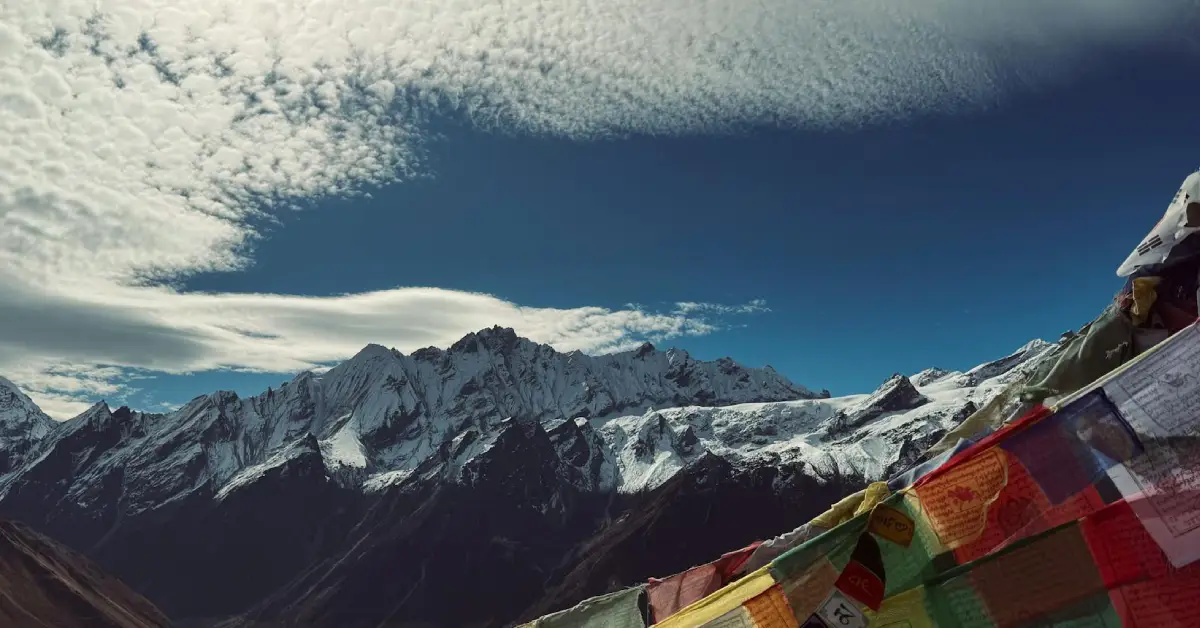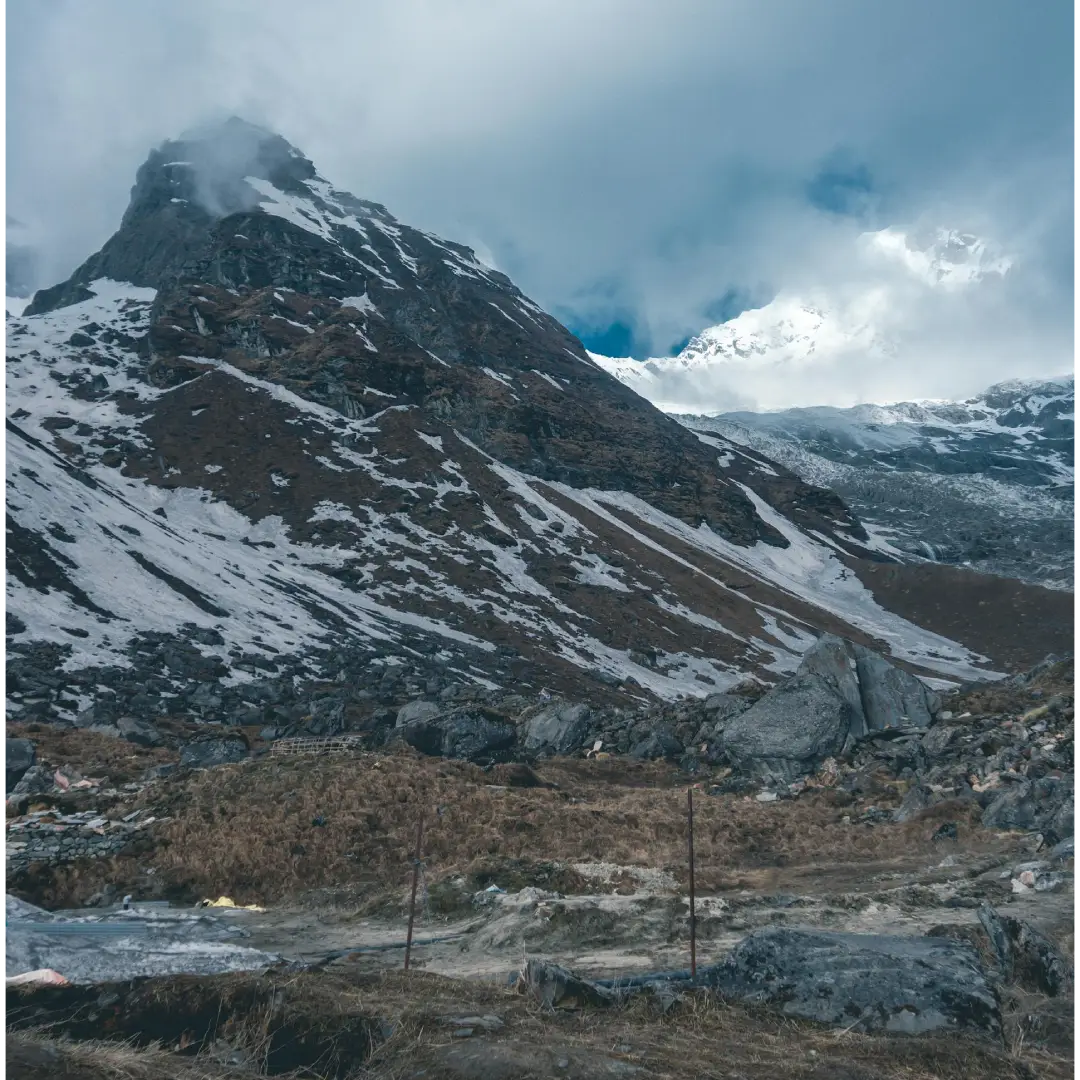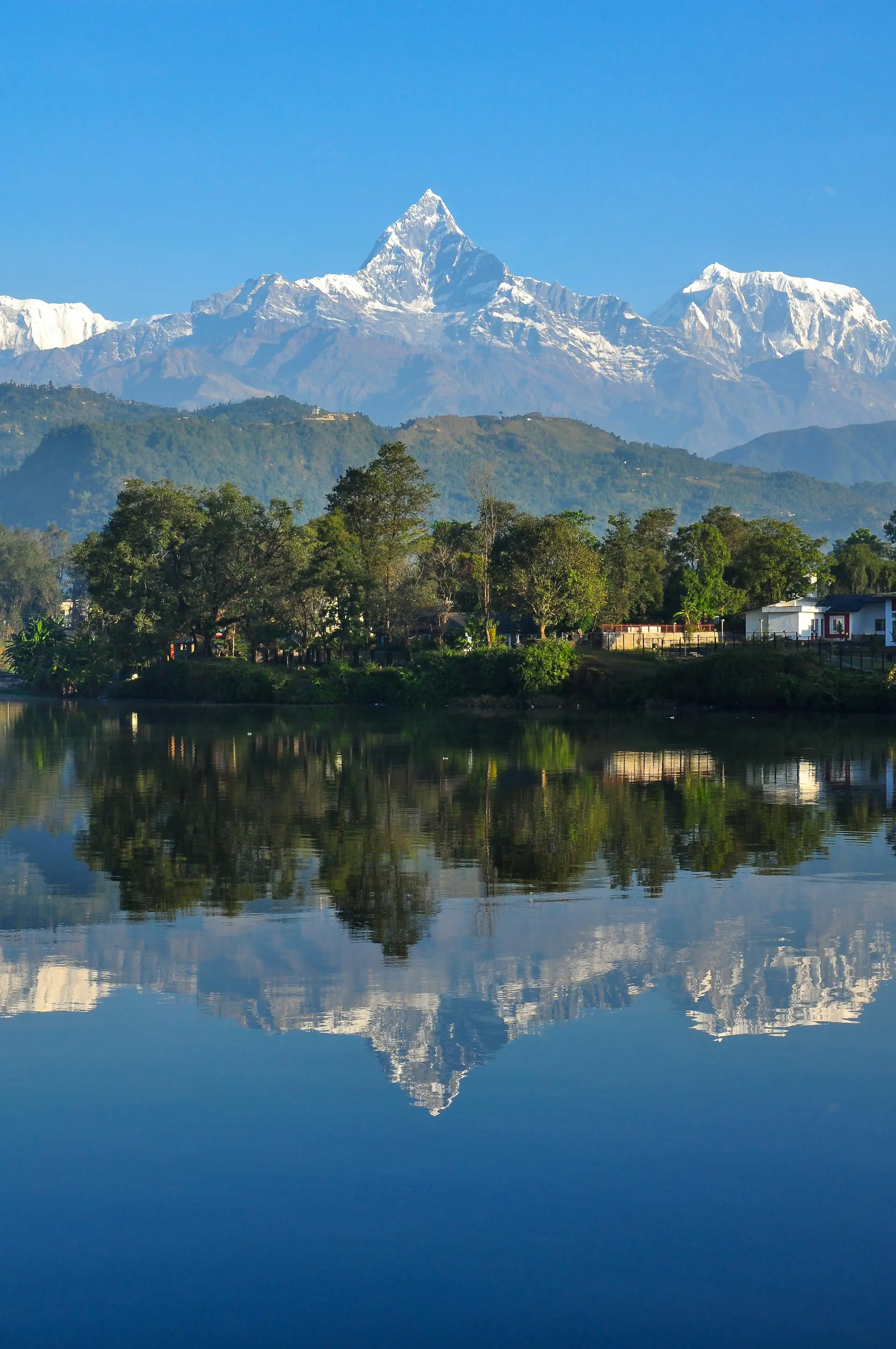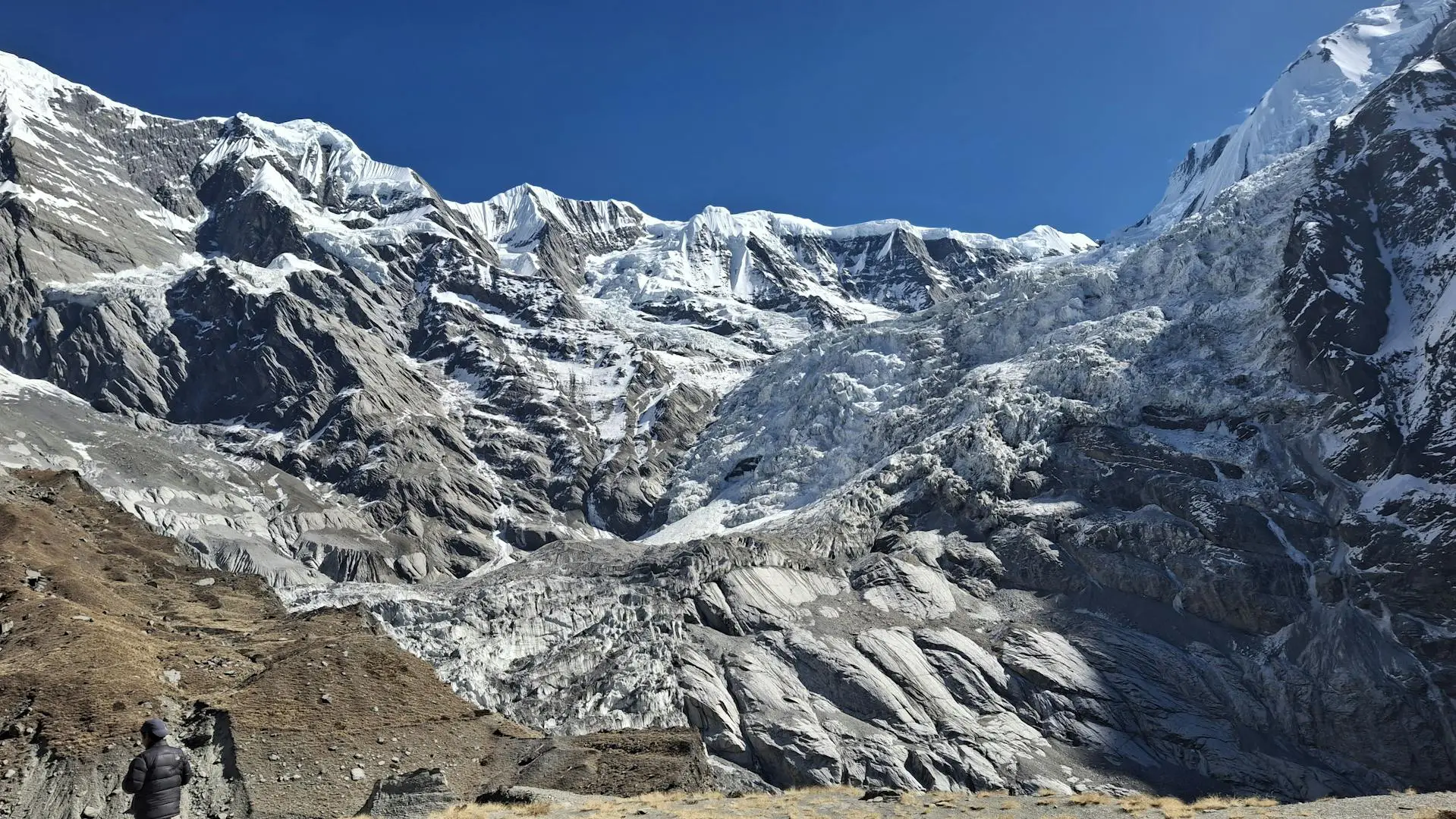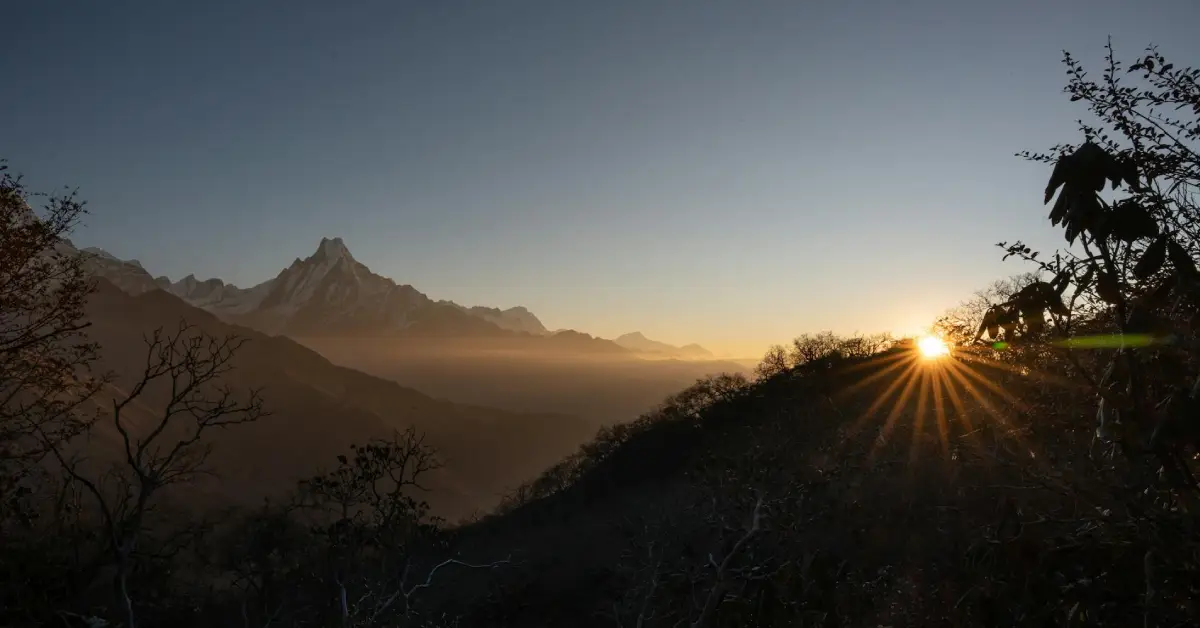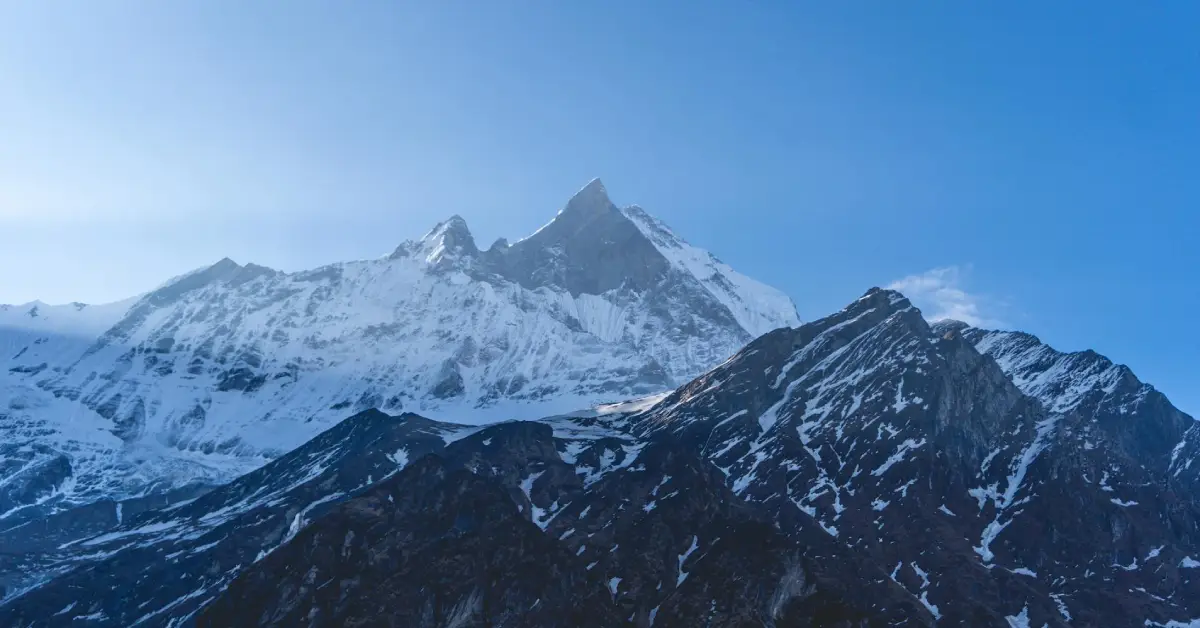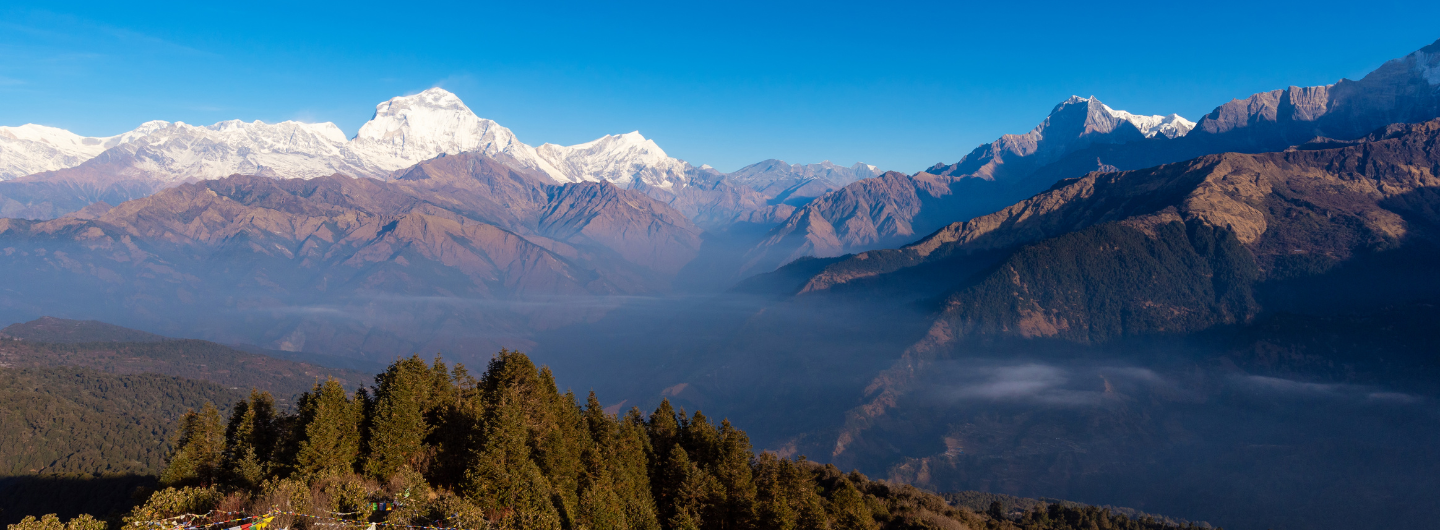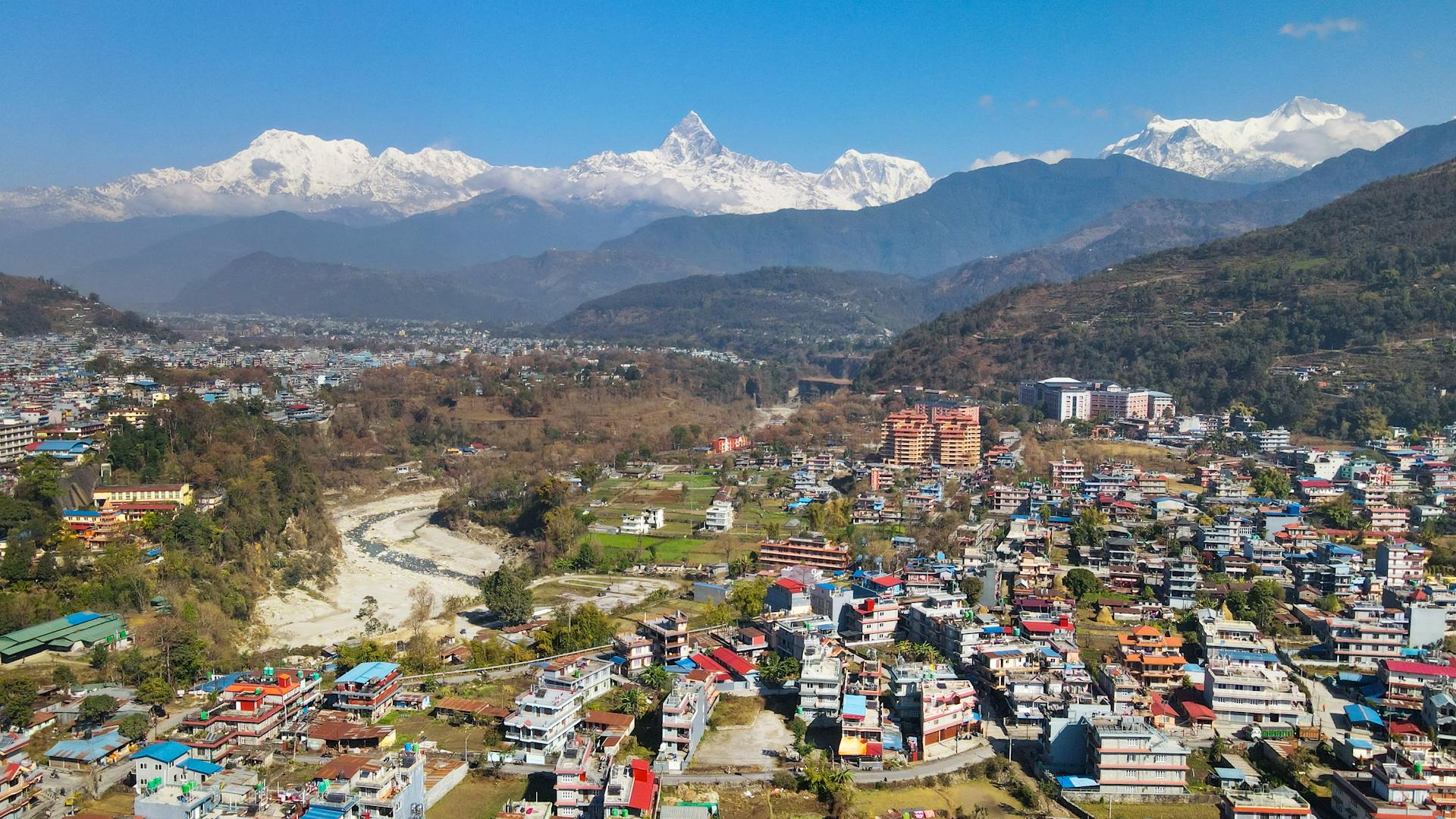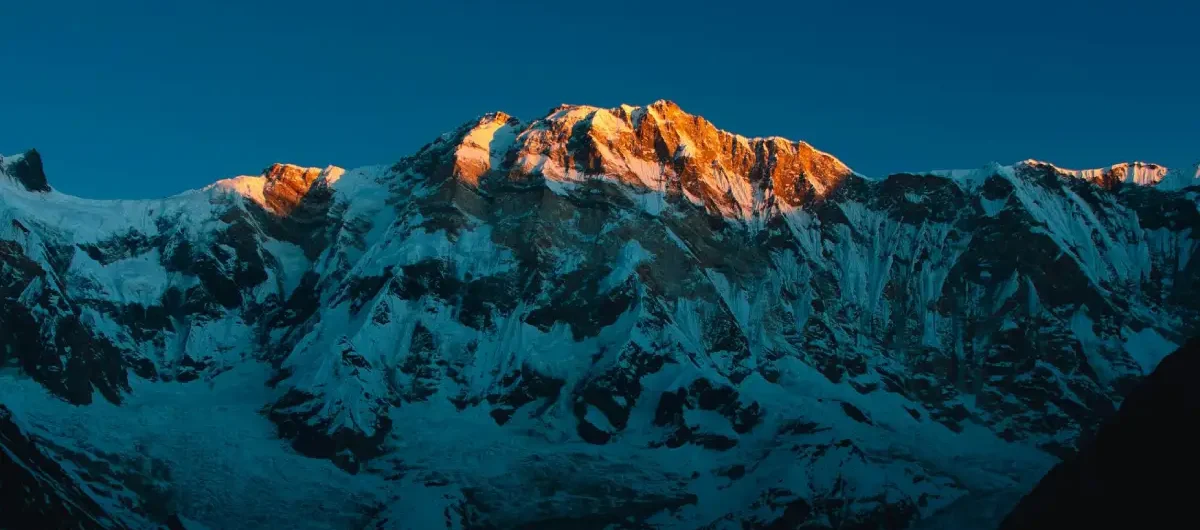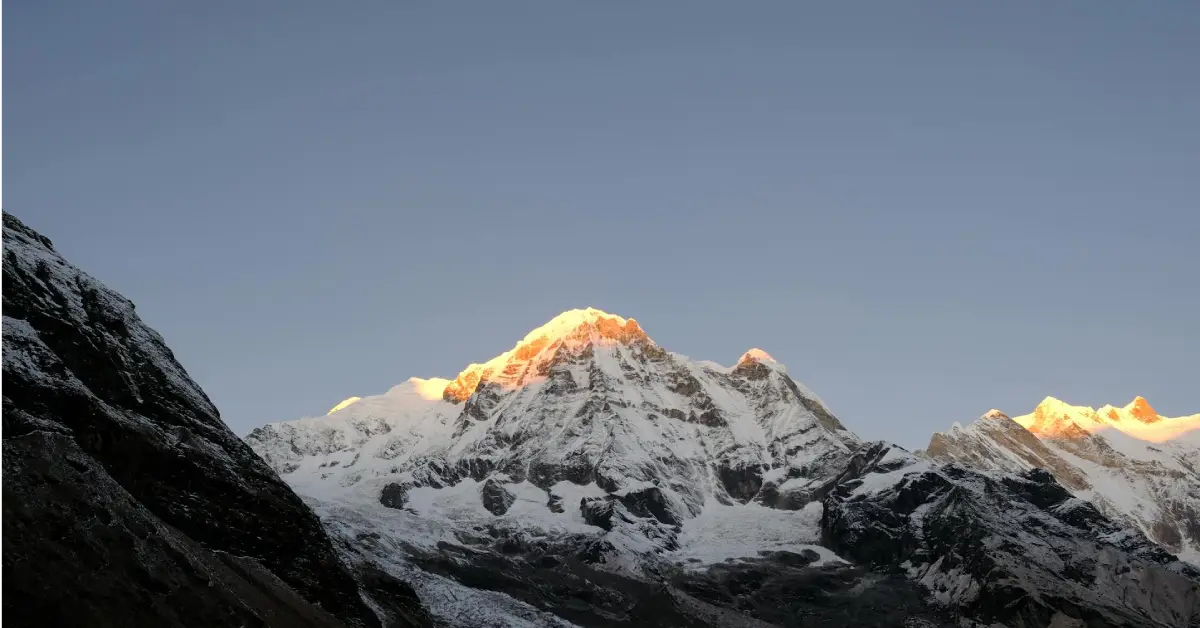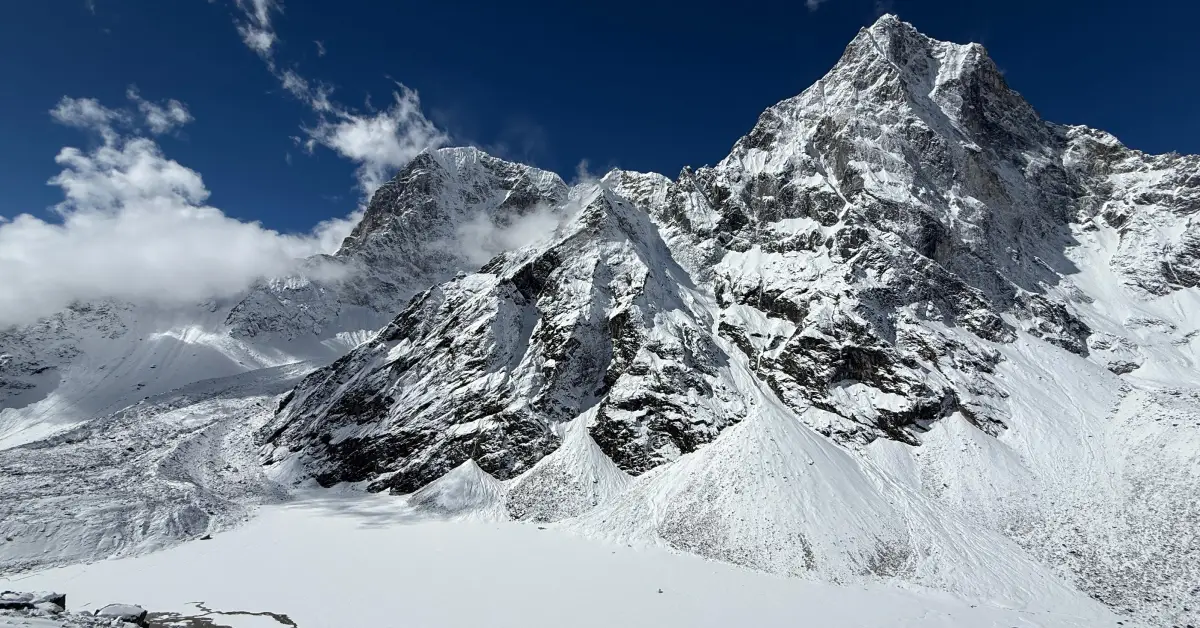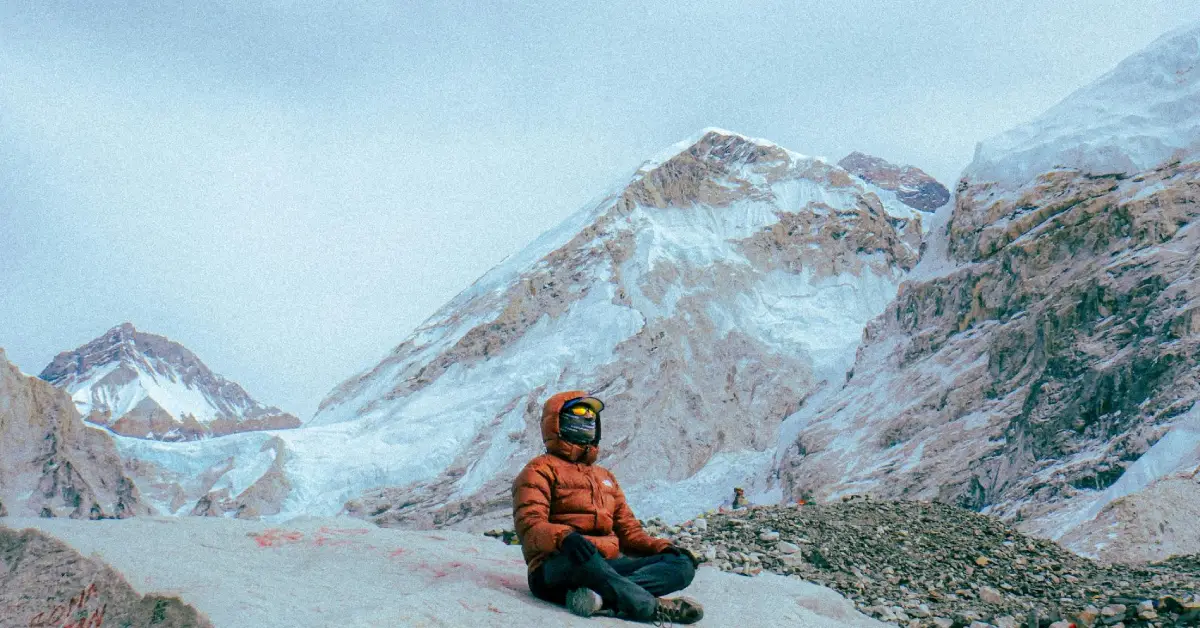

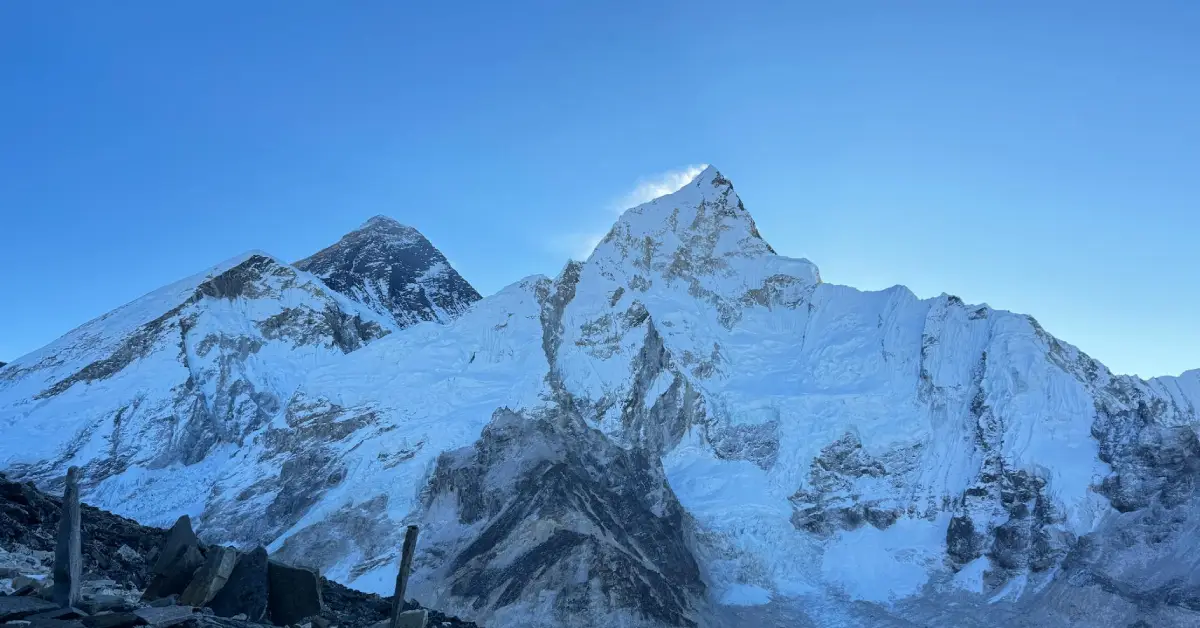
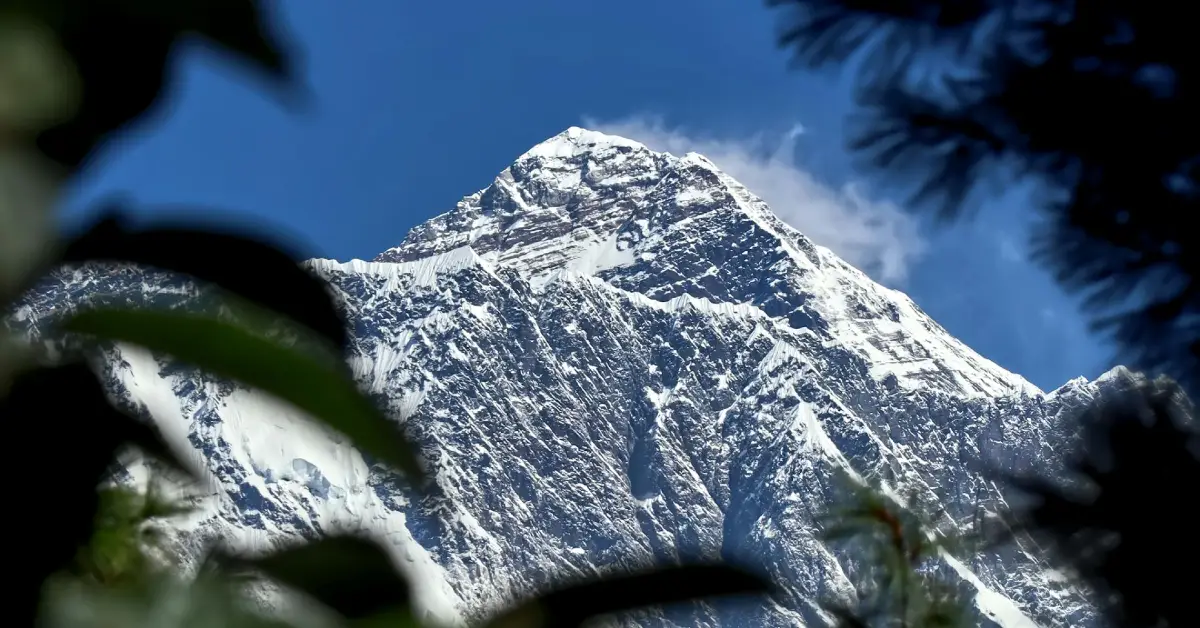
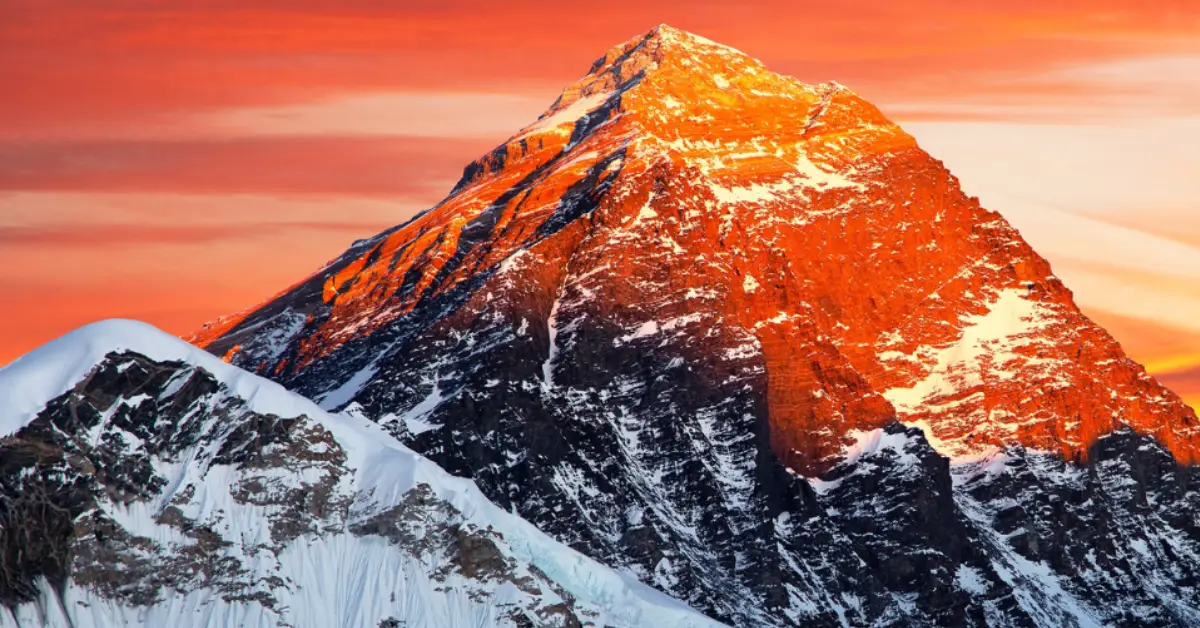
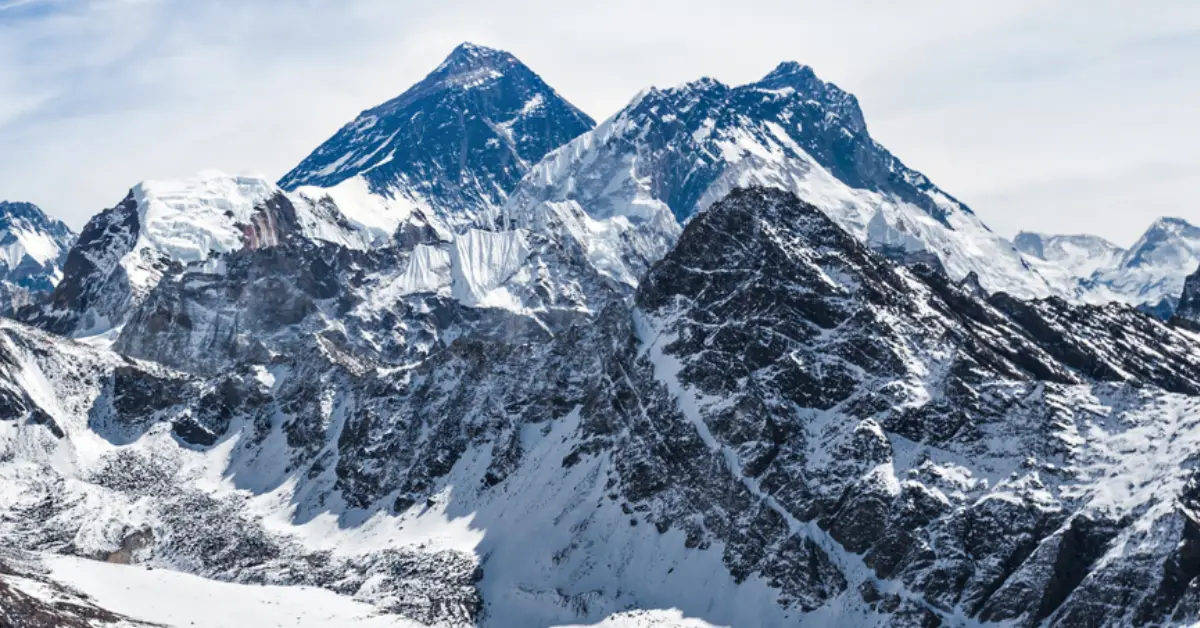
The Everest Three Passes Trek is one of the most challenging and rewarding treks in Nepal's Everest region. This demanding high-altitude circuit takes you across three spectacular mountain passes, Kongma La, Cho La, and Renjo La, while also covering Everest Base Camp, Gokyo Valley, Gokyo Lakes, and some of the region’s finest viewpoints.
Unlike the standard Everest Base Camp route, this trek takes you deeper into the Khumbu, combining remote valleys, glacial landscapes, high mountain passes, Sherpa villages, monasteries, and panoramic Himalayan viewpoints into one complete Everest adventure.
Trip Highlights
- Cross all three major passes of the Everest region: Kongma La (5,535 m), Cho La (5,420 m), and Renjo La (5,360–5,388 m).
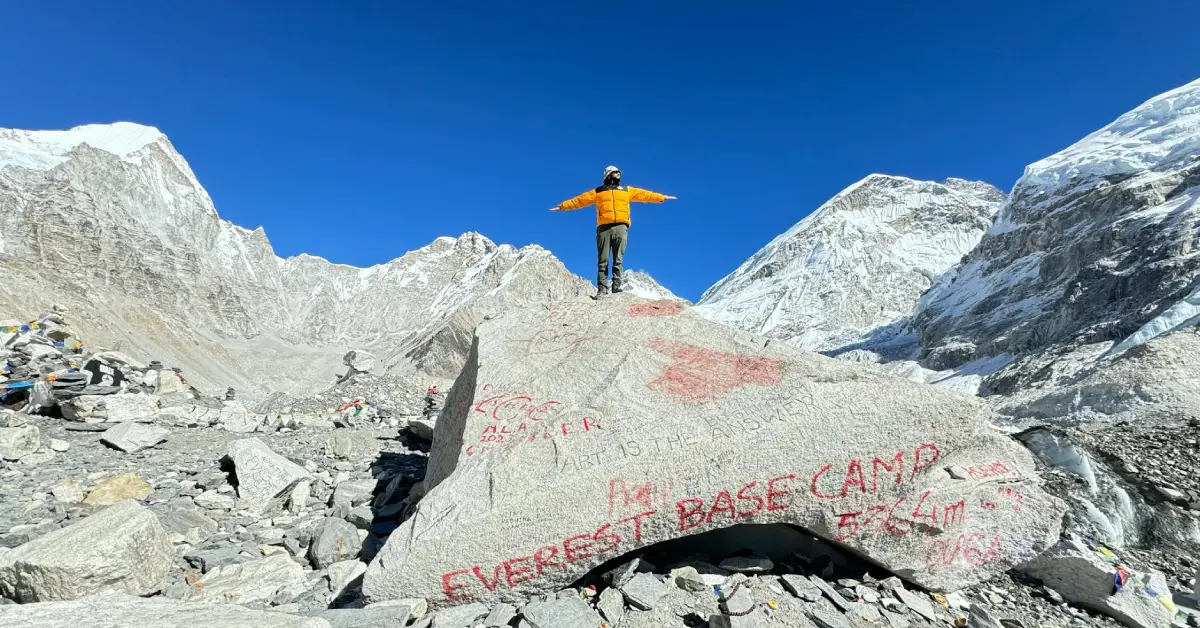
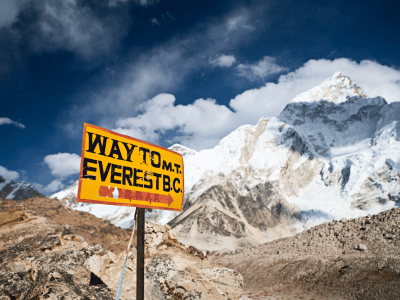
- Reach Everest Base Camp (5,364 m) and experience the dramatic Khumbu Glacier and surrounding peaks.
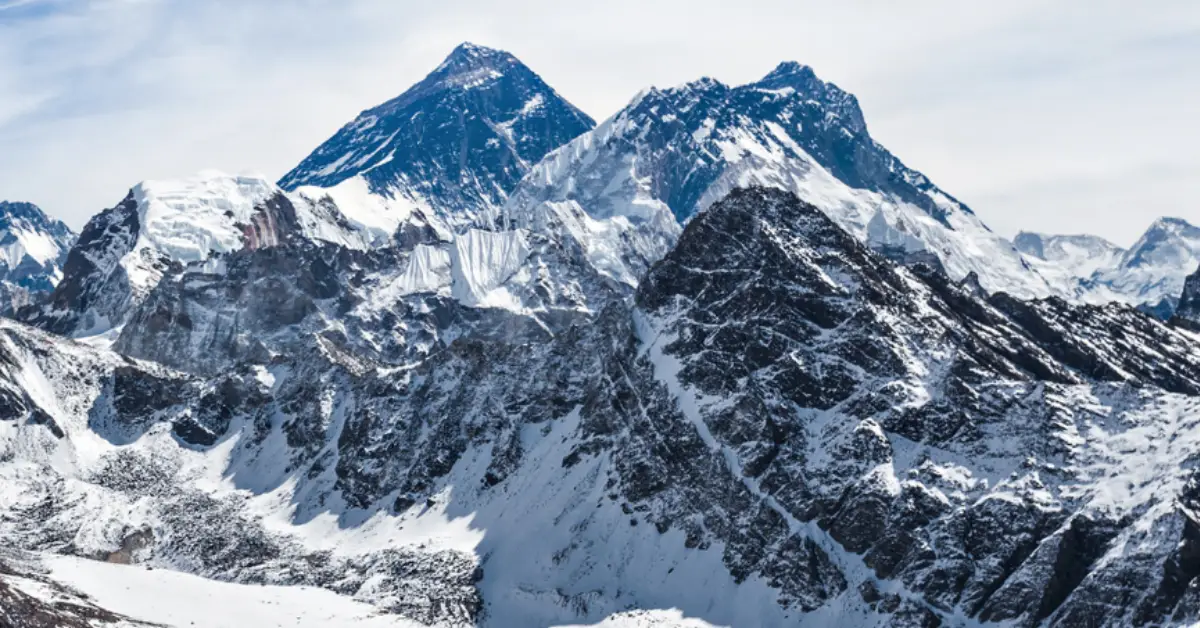
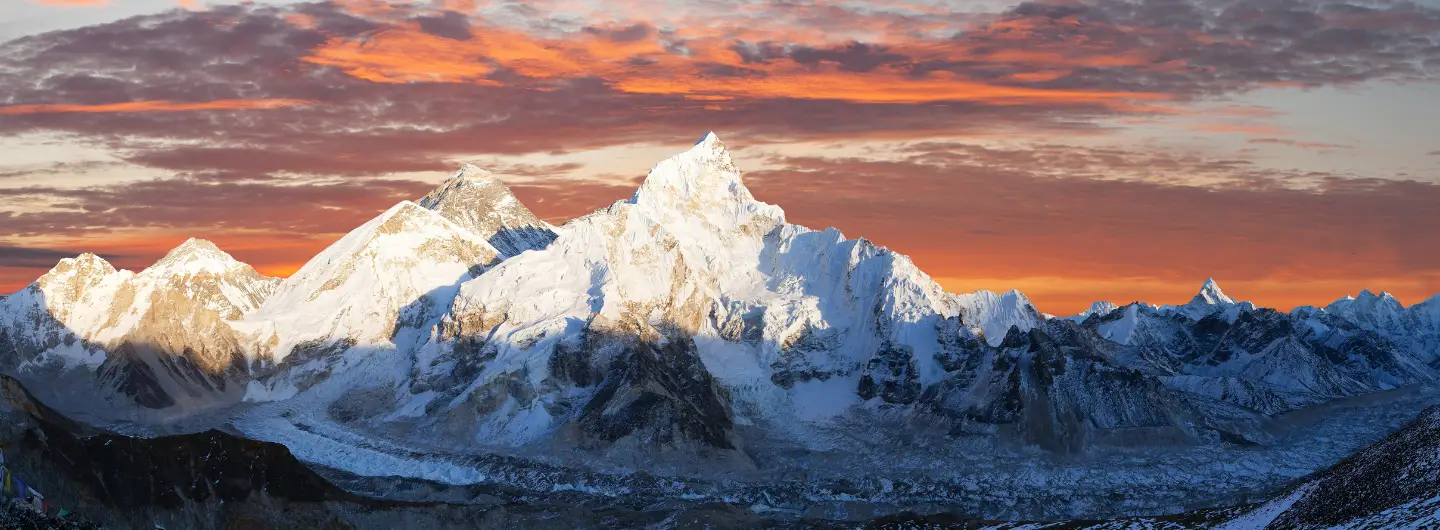
- Climb Kala Patthar (5,643 m) for one of the closest panoramic views of Mount Everest.
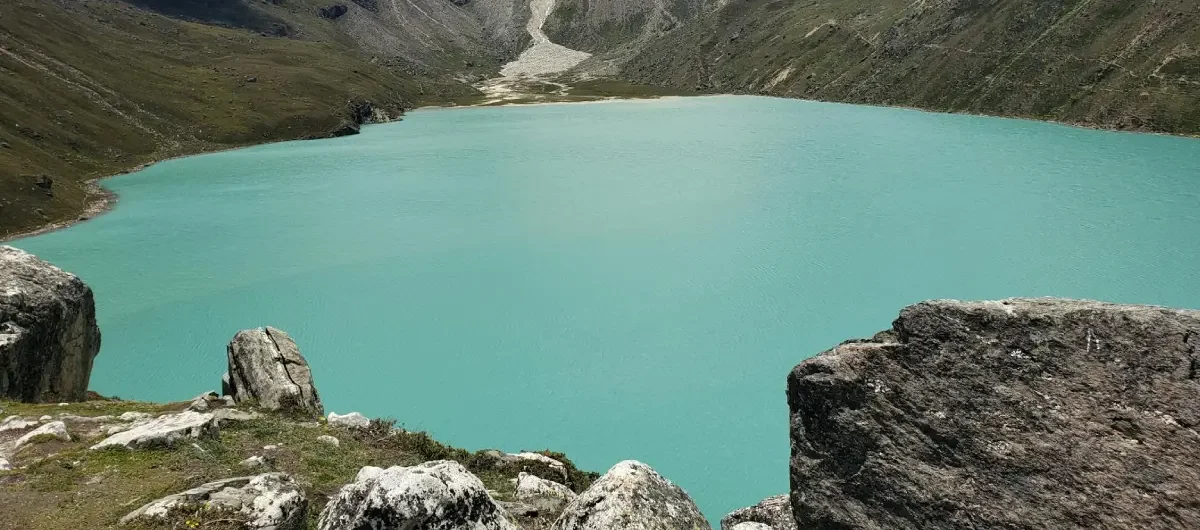
- Explore the turquoise Gokyo Lakes and climb Gokyo Ri for a wide Himalayan panorama.
- Visit Chhukung Valley and enjoy views of Ama Dablam, Lhotse, Island Peak, Makalu, and surrounding peaks.
- Experience traditional Sherpa culture in Namche Bazaar, Thame, Dingboche, Chhukung, Gokyo, and other mountain villages.
- Walk through Sagarmatha National Park, surrounded by glaciers, alpine valleys, Buddhist monasteries, and towering Himalayan peaks.
- Experience one of Nepal’s most complete high-altitude trekking circuits away from the busiest sections of the Everest Base Camp trail.
Everest Three Passes Trek with Everest Base Camp
The Everest Three Passes Trek combines the major attractions of the Everest region into one demanding circuit. Instead of following the standard Everest Base Camp trail and returning by the same route, the journey connects the valleys of Thame, Gokyo, Everest Base Camp, and Chhukung through three high mountain passes.
The route normally crosses Kongma La, Cho La, and Renjo La, each offering a different perspective of the Khumbu Himalayas. Along the way, trekkers encounter glaciers, rocky mountain trails, alpine lakes, moraines, suspension bridges, Buddhist monasteries, and traditional Sherpa settlements.
The trek also includes several famous viewpoints. Kala Patthar provides exceptional views of Everest, Nuptse, Pumori, and the Khumbu Glacier, while Gokyo Ri opens a broad panorama toward Everest, Lhotse, Makalu, and Cho Oyu. Chhukung and the Imja Valley provide another impressive perspective of Ama Dablam and the surrounding peaks.
For trekkers who want more than a standard Everest Base Camp experience, the Everest three high passes trek offers a longer, tougher, and more varied journey through the heart of the Khumbu.
Everest Three High Pass Trek Difficulty
The Everest Three High Pass Trek is considered a challenging trek because of its high altitude, long walking days, steep ascents, rugged terrain, and unpredictable mountain weather.
The three passes all rise above 5,300 meters, and crossing them requires good physical fitness, proper acclimatization, and a steady pace. Depending on snow and weather conditions, sections of the passes can become icy, slippery, or difficult to navigate.
Some trekking days can involve 7–9 hours of walking, particularly when crossing Kongma La, Cho La, or Renjo La. The challenge is not only the distance but also the reduced oxygen level at high altitude.
This trek is therefore better suited to trekkers with previous multi-day hiking or high-altitude trekking experience. Beginners can attempt it with appropriate preparation, sufficient acclimatization, and professional guide support, but it should not be treated as an easy trekking route.
The Three High Passes of Everest
Kongma La Pass – 5,535 m
Kongma La is generally regarded as the most demanding of the three passes. The route involves a steep ascent over rocky and potentially snow-covered terrain before reaching the high pass. From the top, trekkers can enjoy impressive views of Nuptse, Lhotse, Makalu, and the surrounding glaciers.
Cho La Pass – 5,420 m
Cho La connects the Everest Base Camp area with the Gokyo Valley. The trail climbs from Dzongla toward the pass, where snow, ice, and rocky terrain may make the crossing demanding. The pass provides dramatic views of surrounding peaks and glaciers before the trail descends toward Thangnak.
Renjo La Pass – around 5,360 m
Renjo La is the final major pass on the classic circuit when approached from Gokyo. The ascent follows the Gokyo Valley before reaching the high ridge. From the pass, trekkers can look back toward Gokyo and enjoy expansive views of Everest, Lhotse, Makalu, and Cho Oyu.
Together, these three crossings make the Everest Three Passes route one of the most complete high-altitude trekking experiences in Nepal.
Everest Three Passes Trek Distance
The total walking distance varies according to the exact itinerary and side trips, but a typical 17-day circuit covers roughly 140–150 km.
Daily walking distances vary considerably. Lower-altitude sections may cover longer distances, while high-pass days are shorter in distance but much more demanding because of steep climbs, thin air, snow, and rugged terrain.
The longest and most physically demanding sections usually involve crossing the three high passes. A gradual itinerary with dedicated acclimatization days is important for managing the altitude and maintaining energy throughout the trek.
Best Time for Everest Three Passes Trek
The best seasons for the Everest Three Passes Trek are generally spring (March to May) and autumn (late September to November).
Spring brings stable trekking conditions, clear mountain views, and blooming rhododendrons at lower elevations. Autumn is particularly popular because the weather is generally dry and the mountain visibility is excellent.
Winter can bring heavy snowfall and difficult conditions around the high passes. The monsoon season can also create wet trails, clouds, and less predictable mountain visibility. Conditions at high elevations can change quickly, so the final decision to cross a pass should always depend on current weather and trail conditions.
Guide for the Everest Three Passes Trek
A professional guide is strongly recommended for the Everest Three Passes Trek, particularly because the route includes remote sections, high-altitude passes, glacial terrain, and rapidly changing weather.
An experienced local guide can help with route navigation, accommodation, altitude management, weather decisions, and communication with local communities. They can also adjust the pace when necessary and make important decisions if conditions around a high pass become unsafe.
Porter support can also make the trek considerably more manageable by reducing the amount of weight trekkers need to carry during long and demanding walking days.
Everest Three Passes Trek for Beginners
The Everest Three Passes Trek is not the easiest choice for a first high-altitude trek. The combination of three passes above 5,000 meters, long trekking days, steep ascents, and thin air makes it considerably more demanding than the standard Everest Base Camp Trek.
However, beginners with strong fitness, good preparation, sufficient acclimatization, and professional support may be able to complete the route.
Before starting, trekkers should build endurance through regular hiking, stair climbing, uphill walking, and longer weekend hikes. Learning how to recognize symptoms of altitude sickness is equally important.
The goal is not to walk fast. It is to maintain a steady pace, stay hydrated, eat properly, and allow the body enough time to adapt to increasing altitude.
Everest Three Passes Trek Important Information
- The trek reaches elevations above 5,500 meters, making acclimatization essential.
- Weather conditions can change rapidly around Kongma La, Cho La, and Renjo La.
- Snow and ice conditions can vary depending on the season.
- Good trekking boots, warm layers, gloves, sunglasses, sunscreen, and appropriate high-altitude equipment are essential.
- Gokyo Ri, Kala Patthar, and Chhukung offer some of the best viewpoints along the route.
- Travel insurance should cover high-altitude trekking and emergency evacuation.
- The itinerary may be adjusted if weather, trail conditions, illness, or other safety concerns make a planned crossing unsuitable.
- A gradual pace and adequate hydration are important throughout the trek.
Trekking Permits
Trekkers completing the Everest Three Passes route generally need the required permits for entering Sagarmatha National Park and the Khumbu Pasang Lhamu Rural Municipality area.
The necessary permits can be arranged as part of an organized trekking package. Trekkers should carry their passport and required travel documents throughout the journey.
Trip Dates
The Everest Three Passes Trek can be arranged on fixed departure dates or as a private trek according to your preferred travel schedule.
Spring and autumn are generally the preferred seasons for crossing the high passes because of more favorable trekking conditions and better mountain visibility.
Private departures can also be customized according to your group size, available time, acclimatization requirements, and preferred itinerary.
Routes of Everest Three Passes Trek
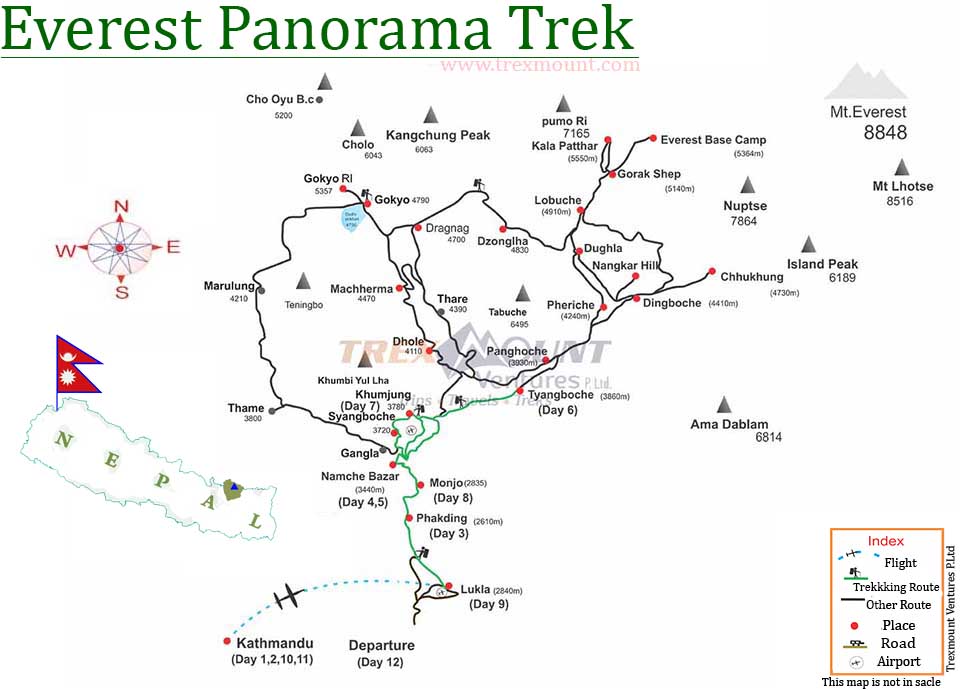
The classic route follows the Everest region’s major valleys and high passes:
Lukla → Phakding → Namche → Tengboche → Dingboche → Chhukung → Kongma La → Lobuche → Everest Base Camp → Gorak Shep → Kala Patthar → Dzongla → Cho La → Thangnak → Gokyo → Gokyo Ri → Renjo La → Lungden → Thame → Namche → Lukla
This route creates a complete circuit rather than simply following the standard Everest Base Camp trail.
Why Choose the Everest Three Passes Trek?
Choose this trek if you want to experience the Everest region beyond the standard route.
The journey combines three high-altitude passes, Everest Base Camp, Gokyo Valley, famous Himalayan viewpoints, remote valleys, glaciers, Sherpa villages, and Buddhist heritage in one demanding adventure.
It is particularly suitable for experienced trekkers looking for a greater physical challenge and a more complete exploration of the Khumbu.
Frequently Asked Questions
How difficult is the Everest Three Passes Trek?
It is a challenging high-altitude trek. The route involves three passes above 5,300 meters, steep climbs, long walking days, and potentially difficult snow and weather conditions.
How long does the Everest Three Passes Trek take?
A well-planned itinerary commonly takes around 17–20 days, depending on the route, acclimatization schedule, side trips, and travel arrangements.
Which are the three passes in the Everest region?
The three main passes are Kongma La, Cho La, and Renjo La.
Is Everest Base Camp included in the Three Passes Trek?
Yes. A classic circuit itinerary includes a visit to Everest Base Camp along with the three high passes.
What is the highest point of the trek?
The highest trekking point depends on the itinerary. Kala Patthar reaches approximately 5,643 meters, while Kongma La is around 5,535 meters.
Can beginners do the Everest Three Passes Trek?
Beginners can attempt it with strong physical preparation and professional support, but it is significantly more demanding than many popular Nepal trekking routes. Previous high-altitude trekking experience is recommended.
Do I need a guide for the Three Passes Trek?
A guide is strongly recommended because the route includes remote trails, high-altitude passes, changing weather, and sections where navigation can become difficult.
When is the best time for the Everest Three Passes Trek?
March to May and late September to November are generally the most favorable periods. Weather and snow conditions should always be considered before crossing the high passes.
Is the Everest Three Passes Trek harder than Everest Base Camp?
Yes. The Three Passes route is considerably more demanding because it crosses three high mountain passes and covers more varied and rugged terrain than the standard Everest Base Camp route.
What makes Everest Three Passes different from the regular Everest trek?
The regular Everest Base Camp route focuses primarily on reaching Base Camp, while the Three Passes circuit connects the major valleys of the Everest region through Kongma La, Cho La, and Renjo La, while also visiting Base Camp and Gokyo.
 Review us on Google
 Review us on TripAdvisor