
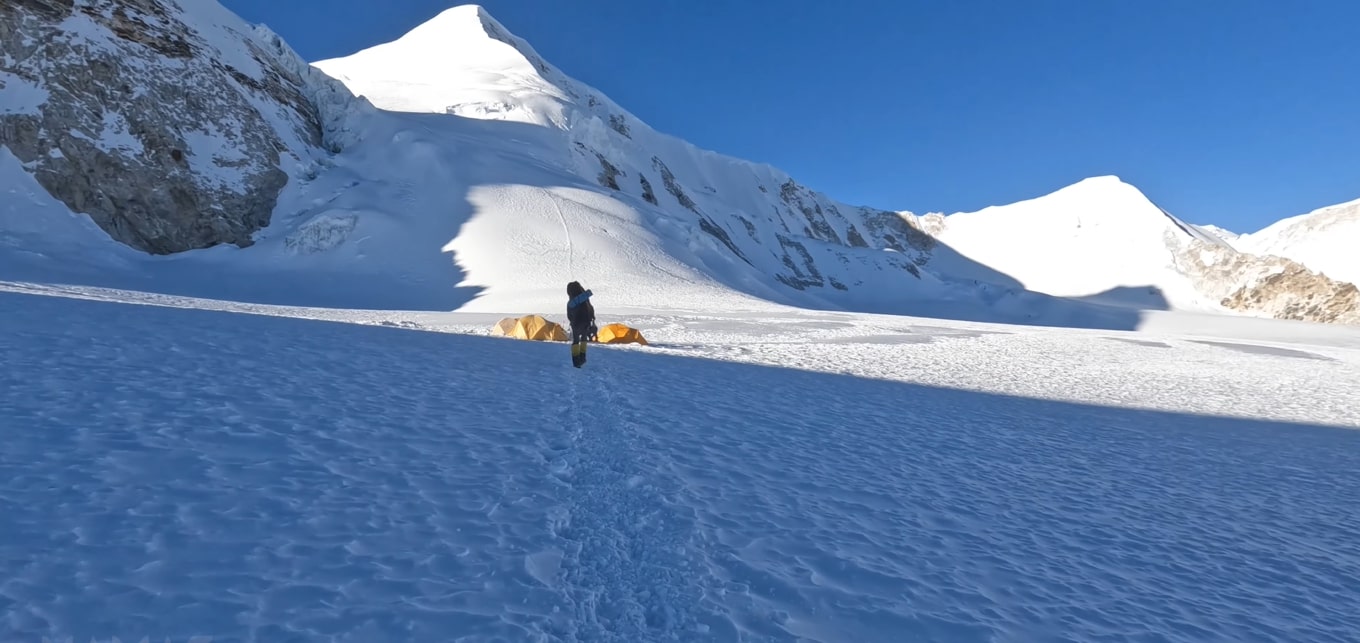
Overview
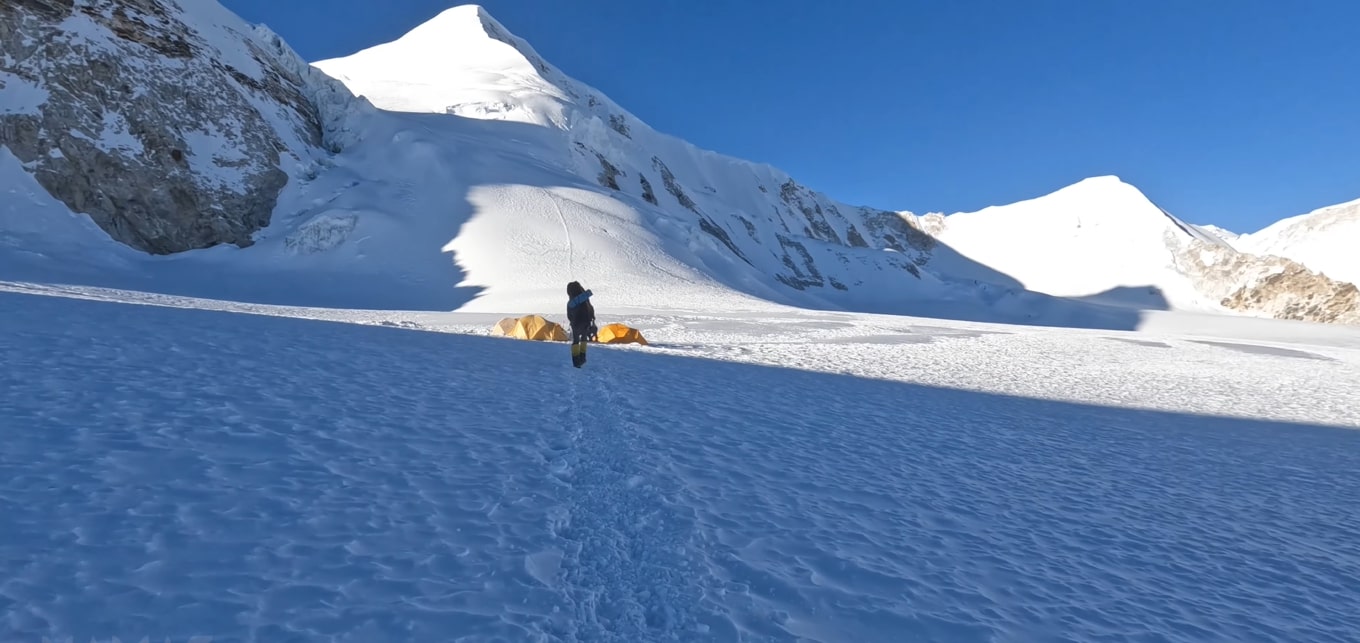
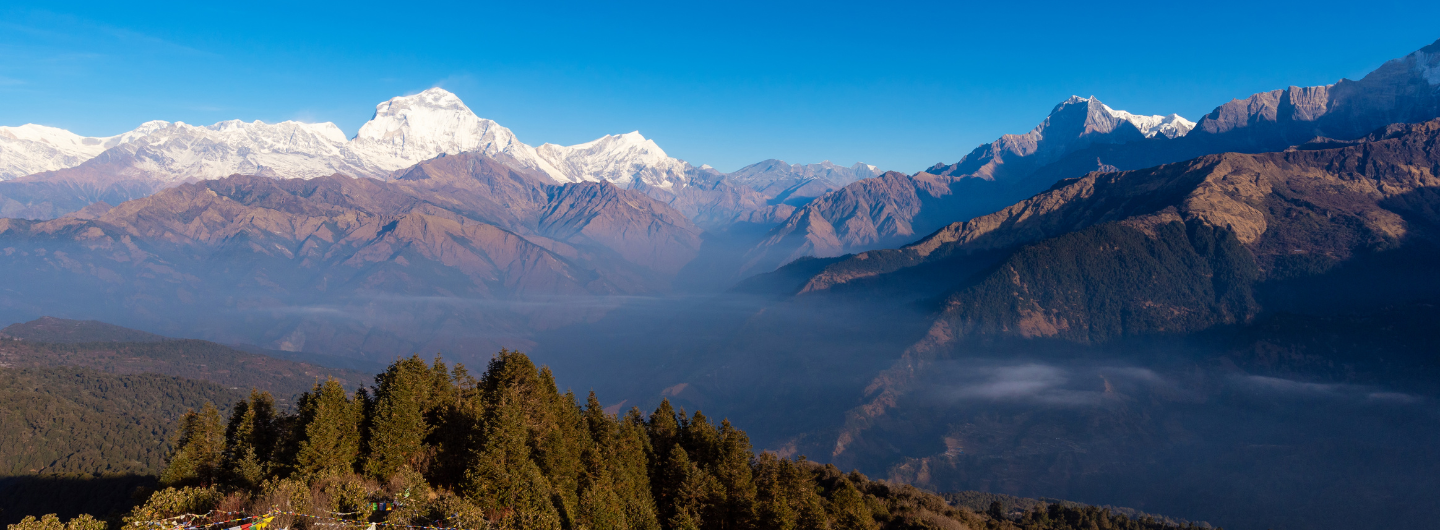
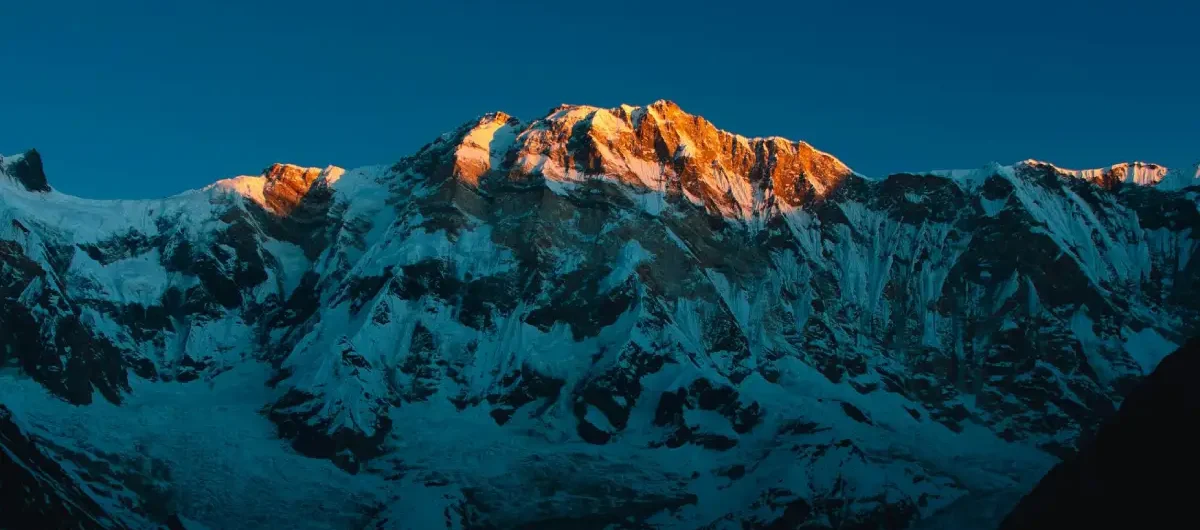
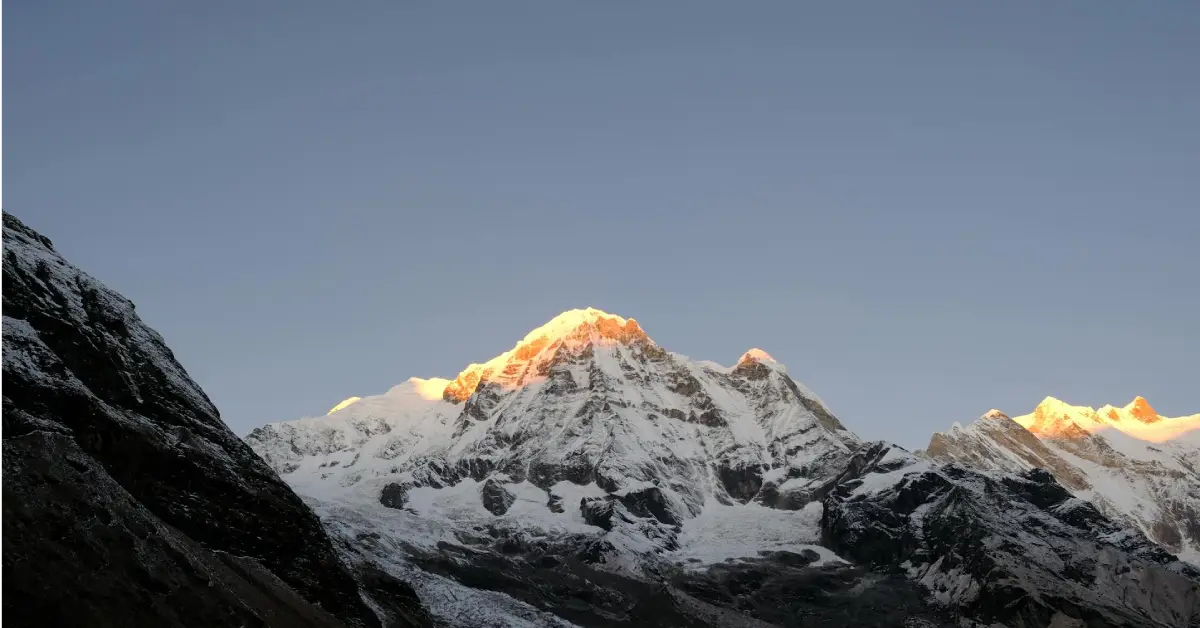
The Baruntse Expedition is one of the most rewarding high-altitude climbing experiences in Nepal. Standing at 7,129 meters, Baruntse sits in the heart of the Makalu Barun region and draws serious mountaineers from across the world. Whether you are a seasoned climber or stepping into your first 7,000-meter peak, understanding the permit process is essential before you set foot on this mountain.
What Permits Are Required for the Baruntse Expedition?
The Baruntse Expedition requires multiple official permits from the Government of Nepal. First and most importantly, you need a climbing permit issued by the Nepal Mountaineering Association (NMA). Additionally, climbers must obtain a Makalu Barun National Park permit fee clearance and a TIMS card for Baruntse trekking access. Without these, no expedition is legally allowed to proceed.
Key Permits Required for Baruntse Expedition
| Permit Type | Issuing Authority | When to Obtain |
| Baruntse Climbing Permit Nepal | Nepal Mountaineering Association (NMA) | Before departure |
| Makalu Barun National Park Permit | Department of National Parks | At entry checkpoint |
| TIMS Card | TAAN / Nepal Tourism Board | Before the trek begins |
| Restricted Area Permit (if needed) | Department of Immigration | Before entering the region |
Furthermore, the Nepal mountaineering permits for Baruntse follow a seasonal system. Spring (April-May) and Autumn (September-October) are the two main permit windows.
Baruntse Climbing Permit Nepal: Step-by-Step Process
Obtaining the Baruntse climbing permit in Nepal is a structured process. Below is how it works:
- Submit your application through a registered trekking or expedition company
- Provide valid passport copies and passport-sized photos
- Submit your climbing CV and experience proof
- Pay the required Baruntse expedition permit cost to the NMA
- Collect your permit before the expedition starts
Moreover, working with the Best Trekking Company in Nepal simplifies this entire process significantly. Companies like Trexmount handle all documentation on your behalf, ensuring zero delays or legal issues.
TIMS Card Requirement for Baruntse
The TIMS card requirement for Baruntse is mandatory for all foreign trekkers and climbers entering the region. TIMS stands for Trekkers’ Information Management System.
- It tracks the movement of trekkers for safety purposes
- It is issued by the Nepal Tourism Board or TAAN offices in Kathmandu
- It is required alongside the national park permit, not as a replacement
What Is the Difficulty Level of Climbing Baruntse?
Baruntse is a technically demanding mountain rated as a moderate-to-difficult climb. It demands both physical endurance and technical skill. The Baruntse Expedition is not suitable for beginners, but it is achievable for those with prior experience on 6,000-meter peaks and solid ice and snow skills.
Technical Challenges of the Baruntse Expedition
| Challenge Type | Description | Skill Required |
| Ice Wall Sections | Near summit, steep ice walls | Ice axe and crampon use |
| Crevasse Navigation | Glacier travel with hidden gaps | Rope technique |
| High Altitude Acclimatization | 7,000m+ altitude | Physical fitness |
| Weather Windows | Short summit windows | Route judgment |
Furthermore, climbers attempting the Baruntse Expedition must be comfortable with fixed rope climbing, using ascenders, and descending in low-visibility conditions.
Who Should Attempt the Baruntse Expedition?
The Baruntse Expedition is best suited for:
- Climbers who have summited at least one 6,000-meter peak in Nepal
- Trekkers with prior technical mountaineering training
- Teams guided by experienced Sherpa mountaineers
- Individuals partnered with the Best Trekking Company in Nepal for professional support
In addition to technical skills, mental preparation is equally critical. High-altitude fatigue, cold temperatures, and unpredictable weather can test even experienced climbers on the Baruntse Expedition.
When Is the Best Time to Do the Baruntse Expedition?
The best time for the Baruntse Expedition is either spring (April to May) or autumn (late September to October). These two seasons offer the most stable weather, clearest skies, and safest climbing conditions on Baruntse.
Seasonal Overview for Baruntse Expedition
| Season | Months | Conditions | Recommended |
| Spring | April – May | Stable, warm, clear | Yes – Best Season |
| Autumn | Sep – Oct | Dry, calm post-monsoon | Yes – Excellent |
| Winter | Dec – Feb | Extreme cold, heavy snow | Not Recommended |
| Monsoon | June – Aug | Heavy rain, rockfall risk | Avoid |
Moreover, spring is generally the most popular window for the Baruntse Expedition because the days are longer, visibility is better, and temperatures at high camps are slightly warmer compared to autumn.
Why Spring and Autumn Are Preferred
Both spring and autumn provide optimal windows because:
- Monsoon rains have either not yet arrived or have recently cleared
- The Makalu Barun National Park trails are accessible and stable
- Permits under the Nepal mountaineering permits for the Baruntse system are more readily available
- Rescue operations and logistics run more smoothly in fair weather
- Experienced guides from the Best Trekking Company in Nepal are more available during these peak seasons
How Long Does the Baruntse Expedition Itinerary Take?
The Baruntse Expedition typically takes 30 to 35 days from Kathmandu and back. This duration includes acclimatization rotations, base camp setup, summit push, and return travel. The full Baruntse Expedition itinerary is carefully structured to protect climbers from altitude sickness.
Standard Baruntse Expedition Itinerary Overview
| Phase | Duration | Key Activities |
| Kathmandu Preparation | 2-3 days | Permit collection, gear check |
| Flight and Trek to Base Camp | 5-7 days | Lukla or Tumlingtar approach |
| Base Camp to Advanced Base Camp | 3-4 days | Acclimatization hikes |
| Rotation Climbs | 7-10 days | Camp 1, Camp 2 establishment |
| Summit Push | 2-3 days | Summit attempt and descent |
| Return to Kathmandu | 4-5 days | Trek out and flight back |
Additionally, weather delays can extend the itinerary by several days. Therefore, building buffer days into your schedule is strongly recommended when planning the Baruntse Expedition.
What Happens During the Acclimatization Phase?
Acclimatization is the most critical phase of the Baruntse Expedition. During this period:
- Climbers ascend to higher camps and descend to rest
- The body adapts gradually to reduced oxygen at altitude
- Guides monitor climbers for symptoms of AMS (Acute Mountain Sickness)
- Gear is progressively moved to higher camps to reduce summit-day load
Consequently, skipping or rushing the acclimatization phase significantly increases the risk of serious altitude-related illness. The Best Trekking Company in Nepal will always build a safe and medically sound acclimatization schedule into the Baruntse Expedition plan.
Start Your Baruntse Expedition with Trexmount Today
If you are ready to take on the Baruntse Expedition, Trexmount is here to guide you every step of the way. As one of the best trekking companies in Nepal, we handle all your Nepal mountaineering permits for Baruntse, including the Baruntse climbing permit Nepal, the Makalu Barun National Park permit fee, and the TIMS card requirement for Baruntse. Our experienced team manages every detail of the permit process, logistics, and safety planning so you can focus entirely on the summit.
Do not let paperwork or planning delays hold back your dream climb. Contact Trexmount today and let Nepal’s most trusted expedition team build your perfect Baruntse Expedition plan from day one.
 Review us on Google
 Review us on TripAdvisor