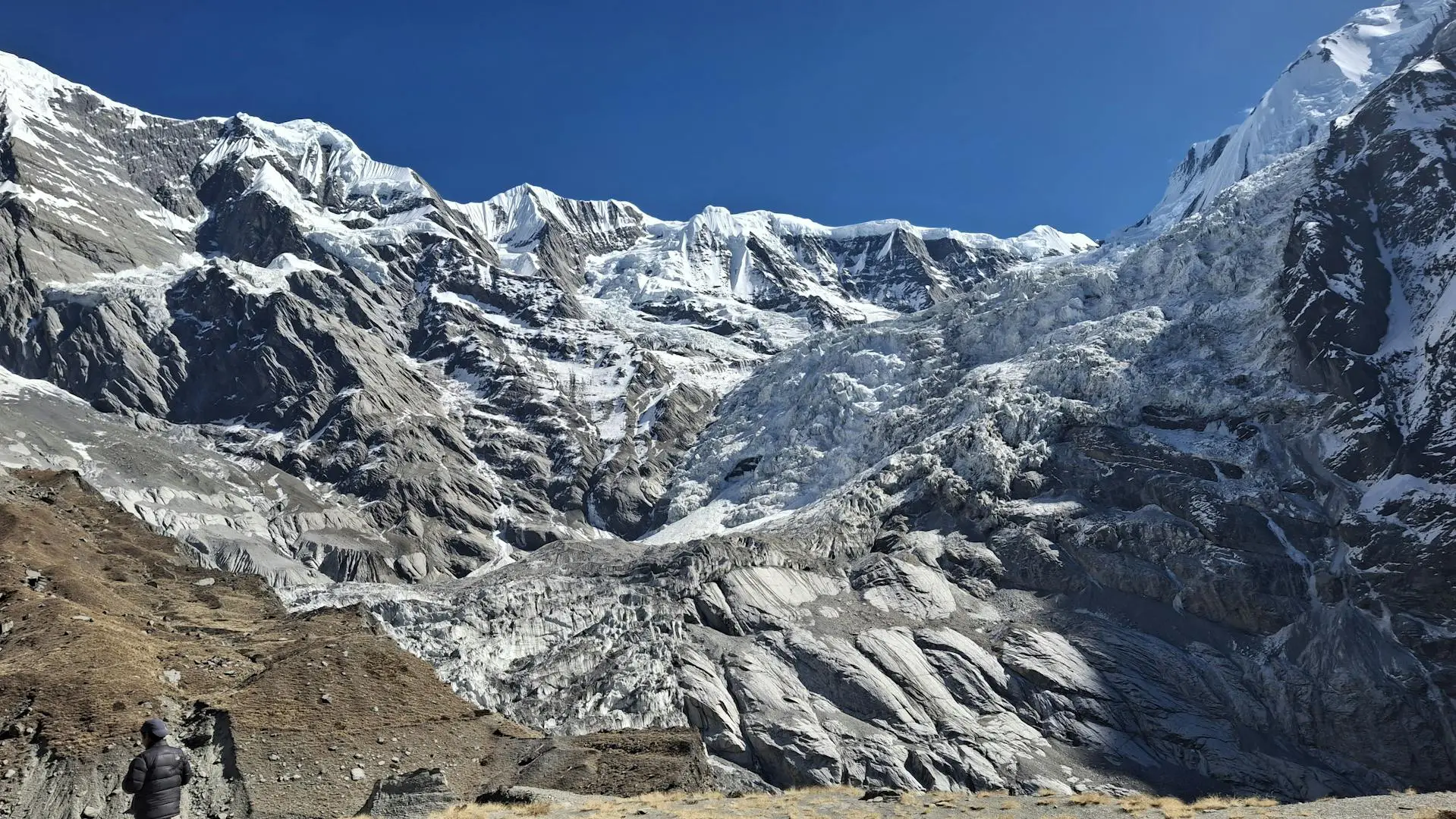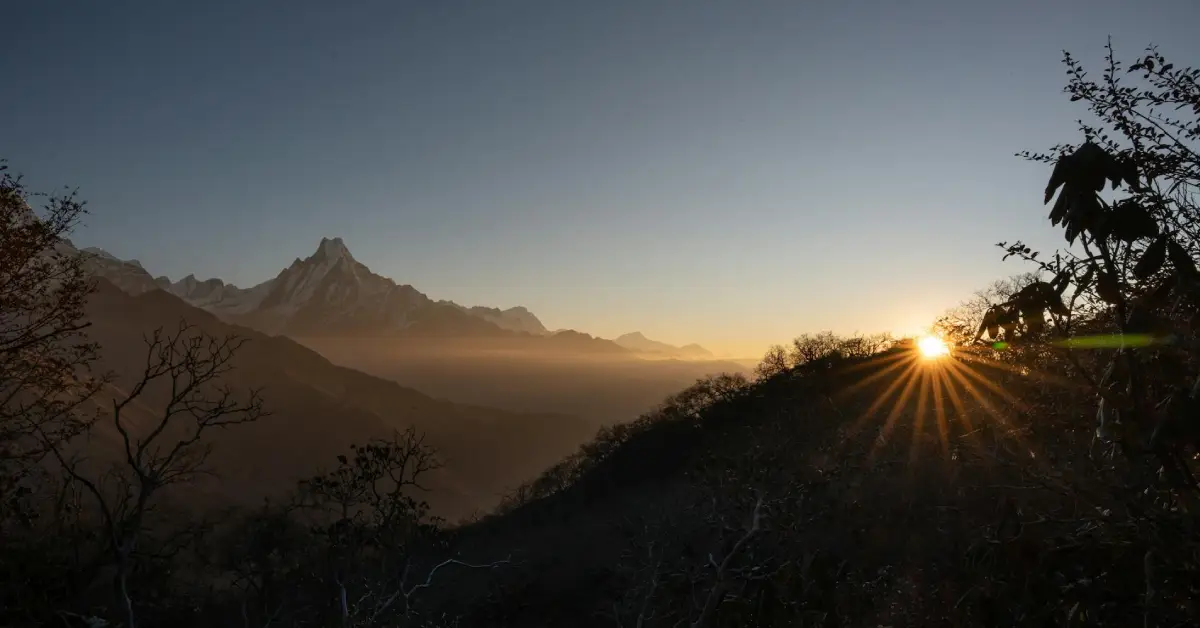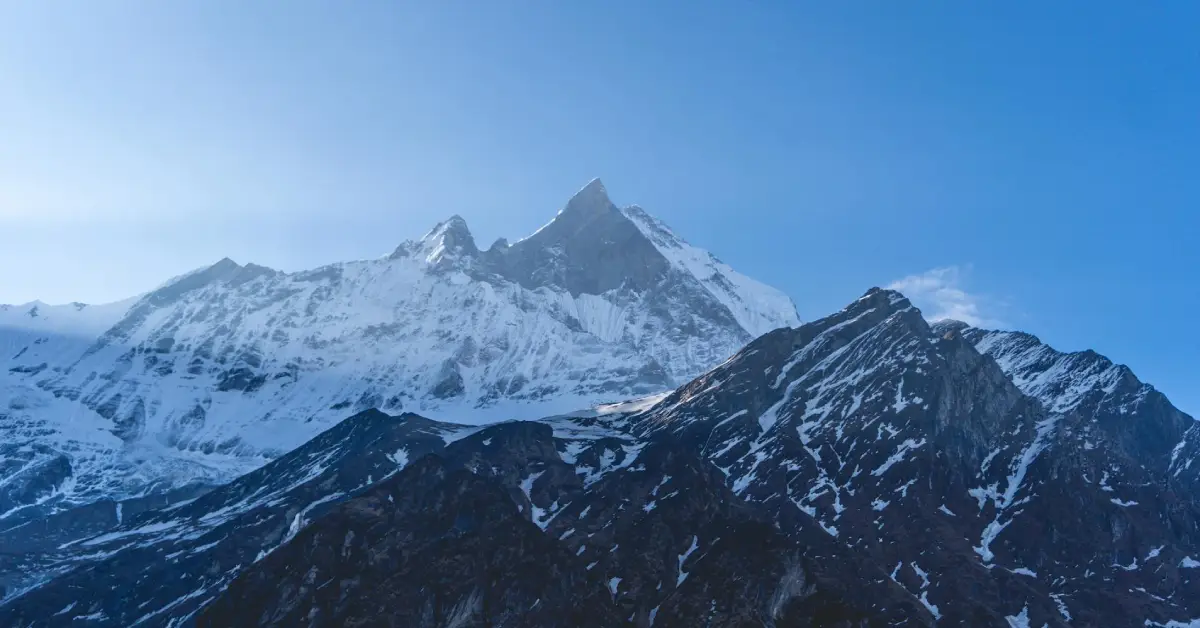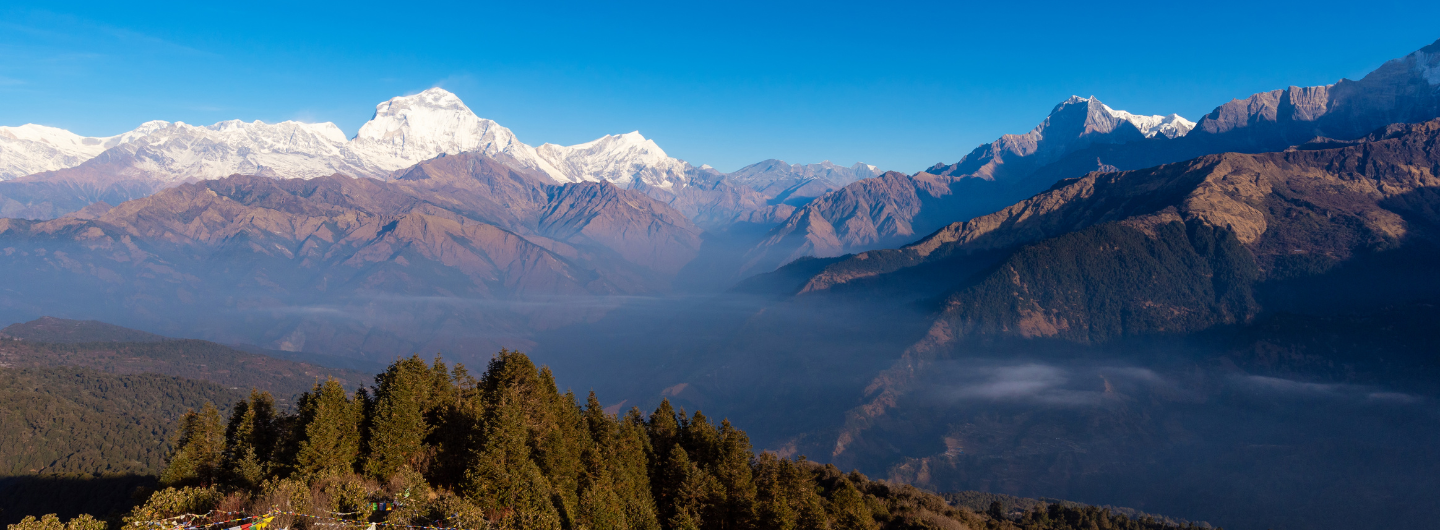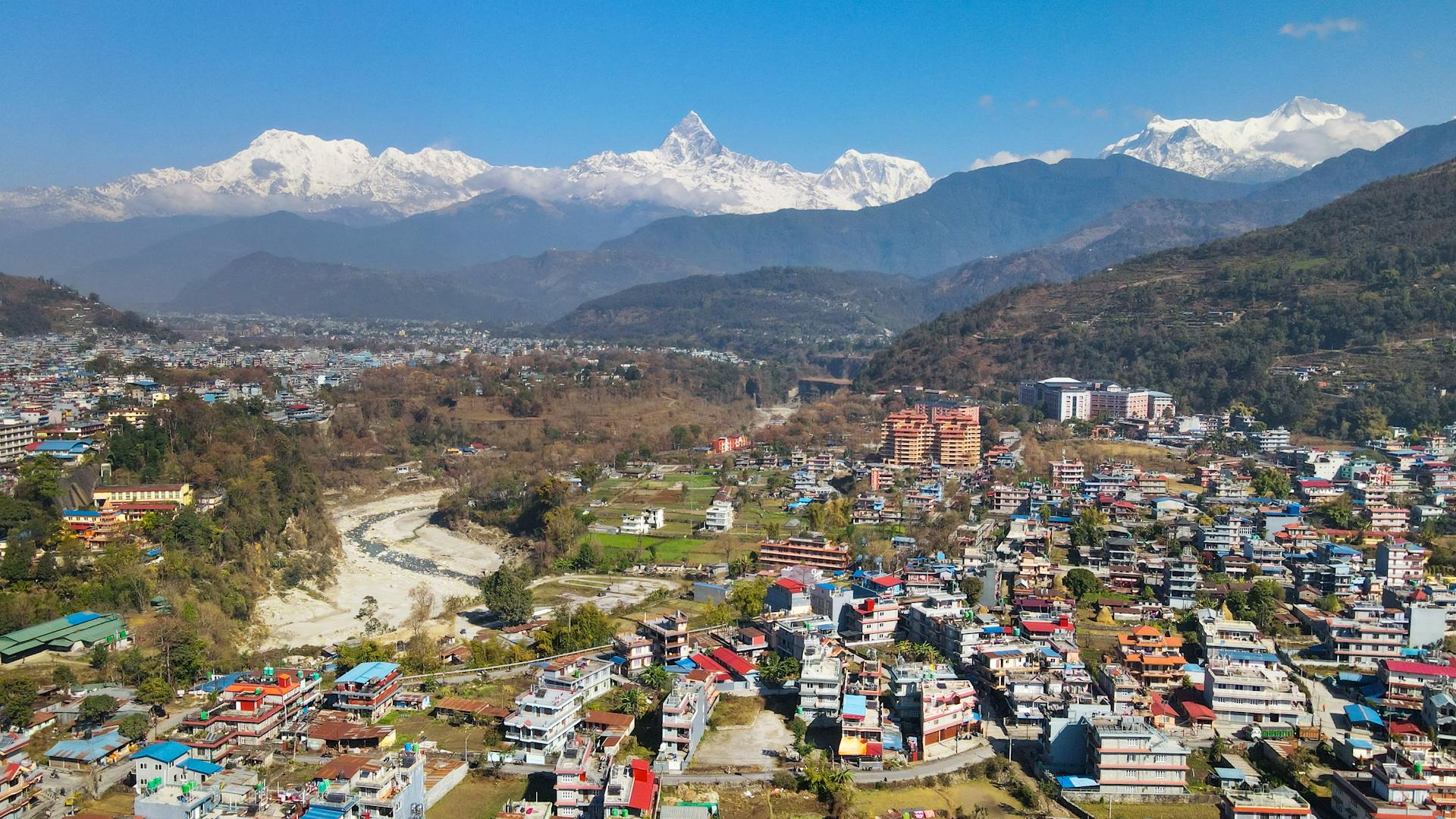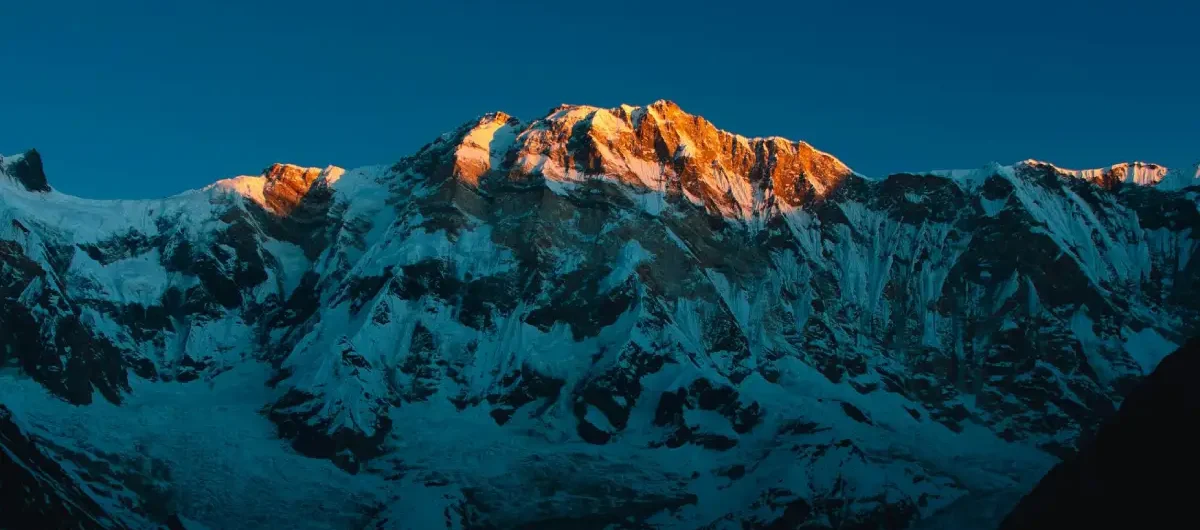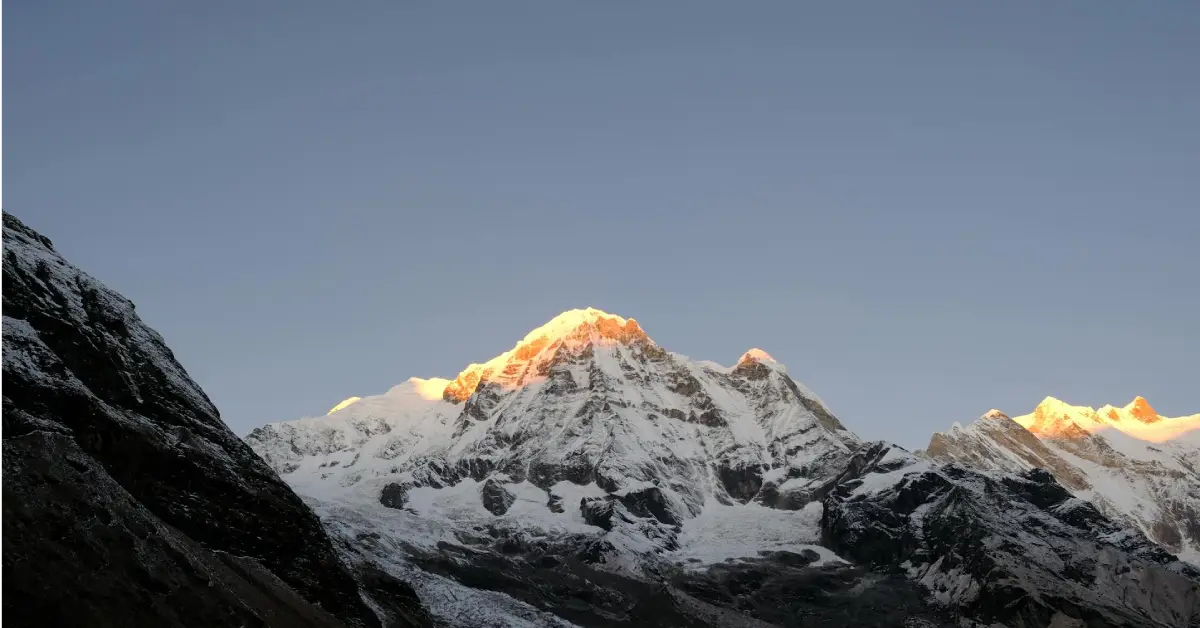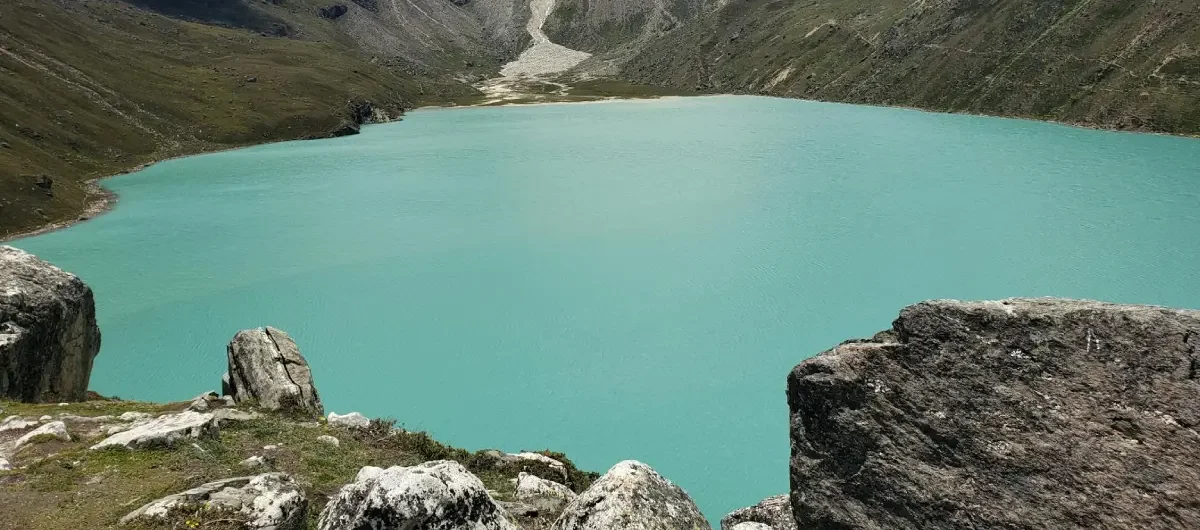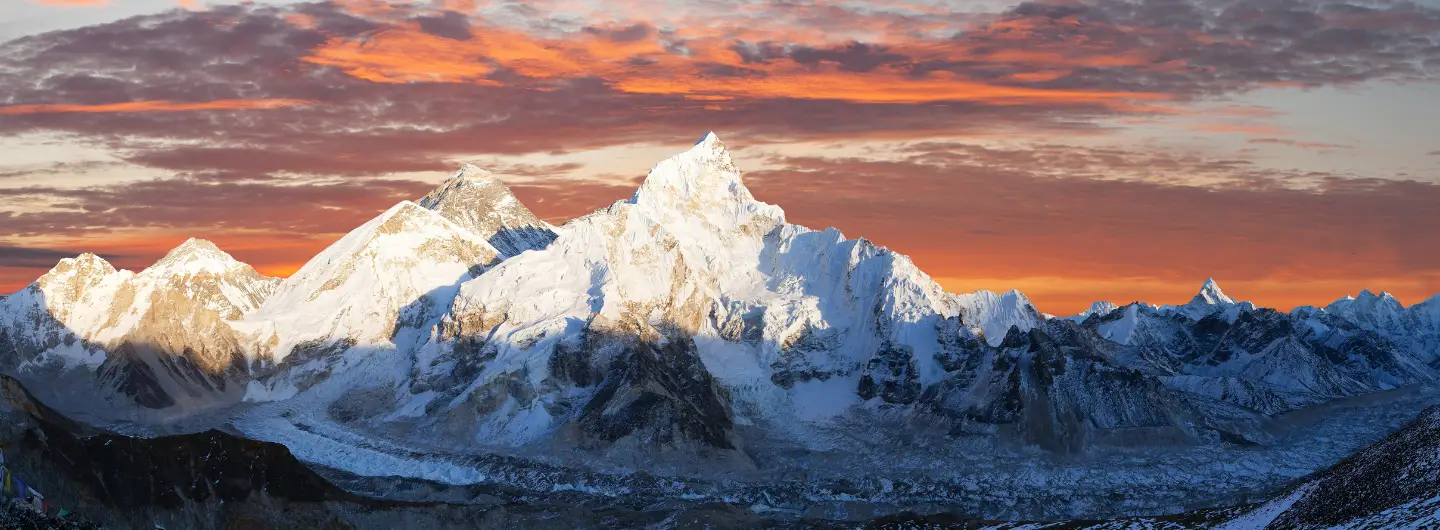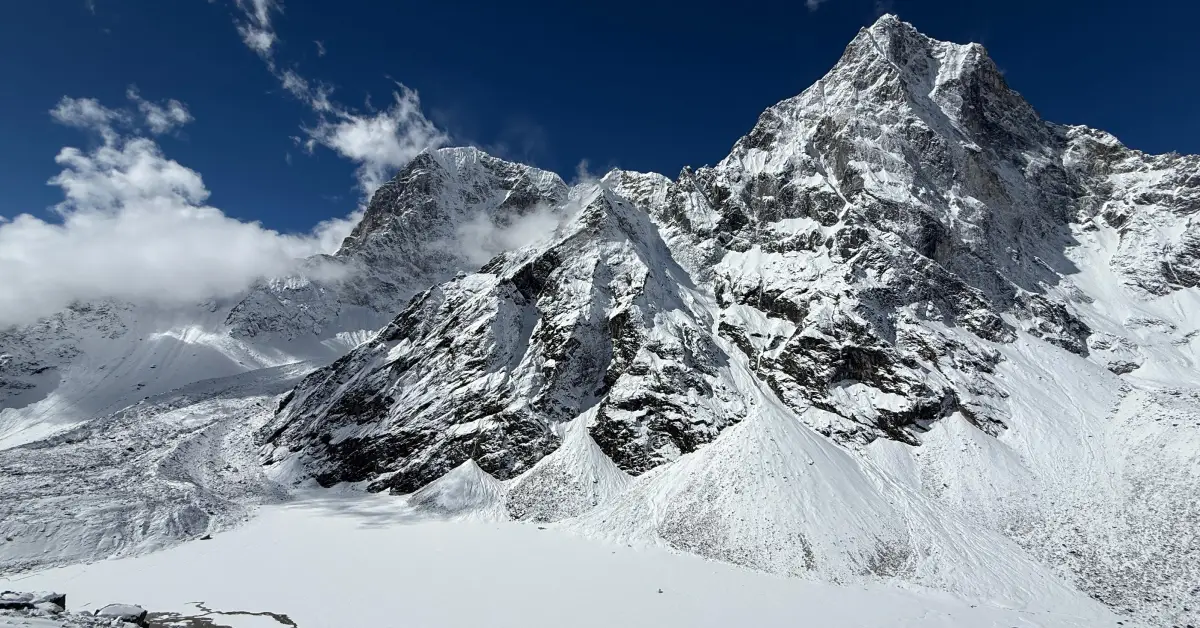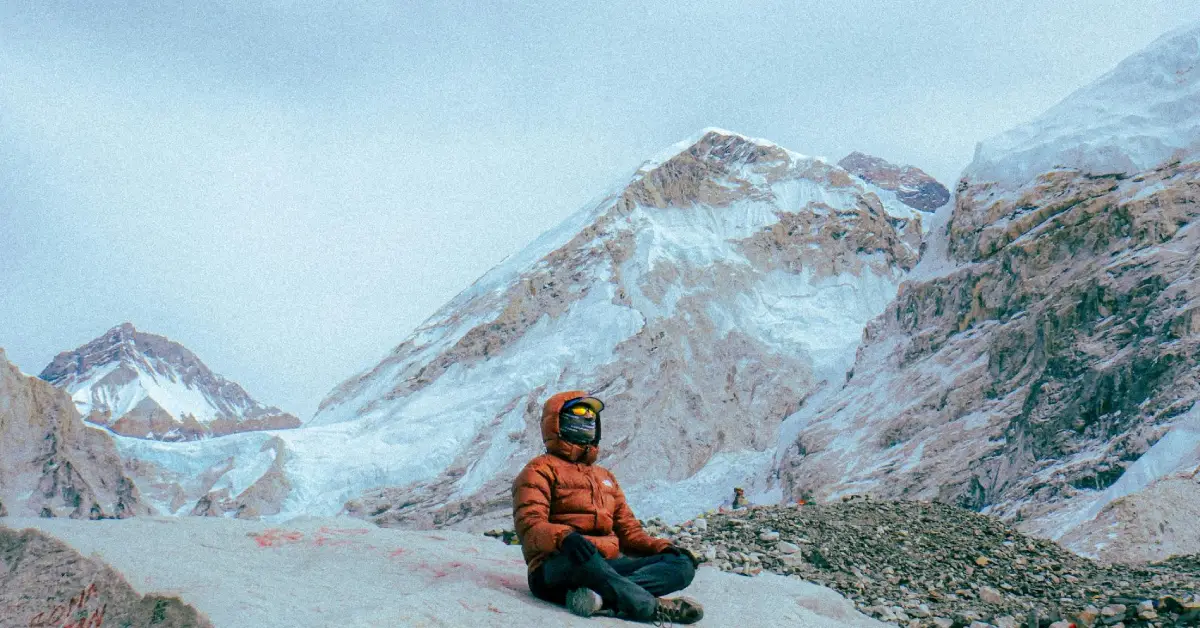

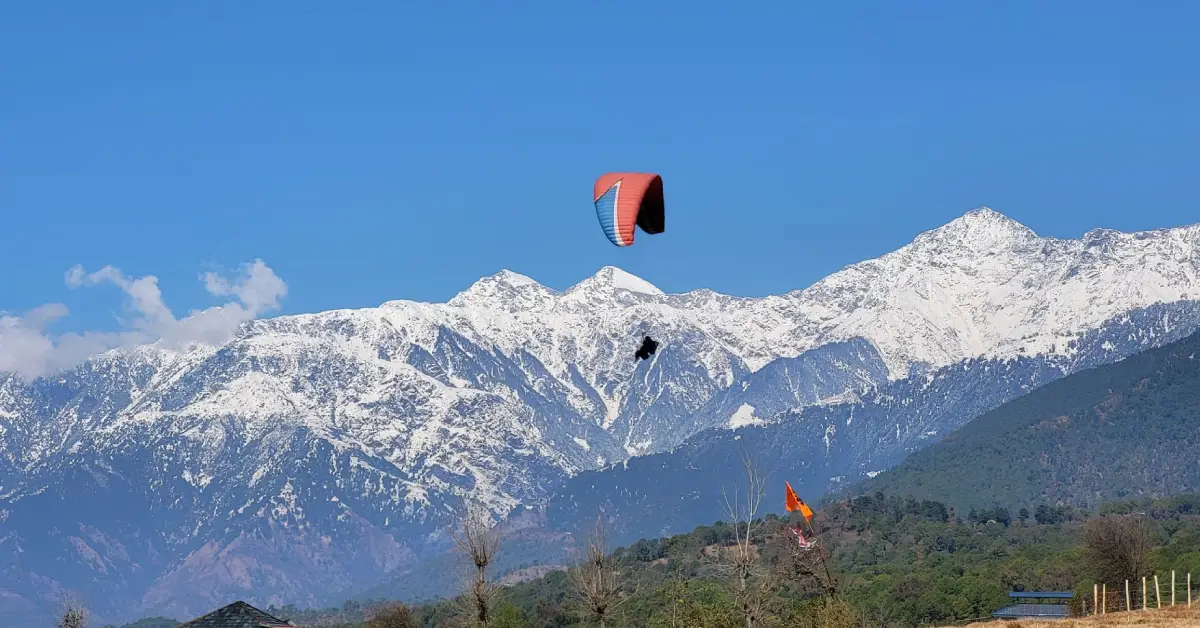
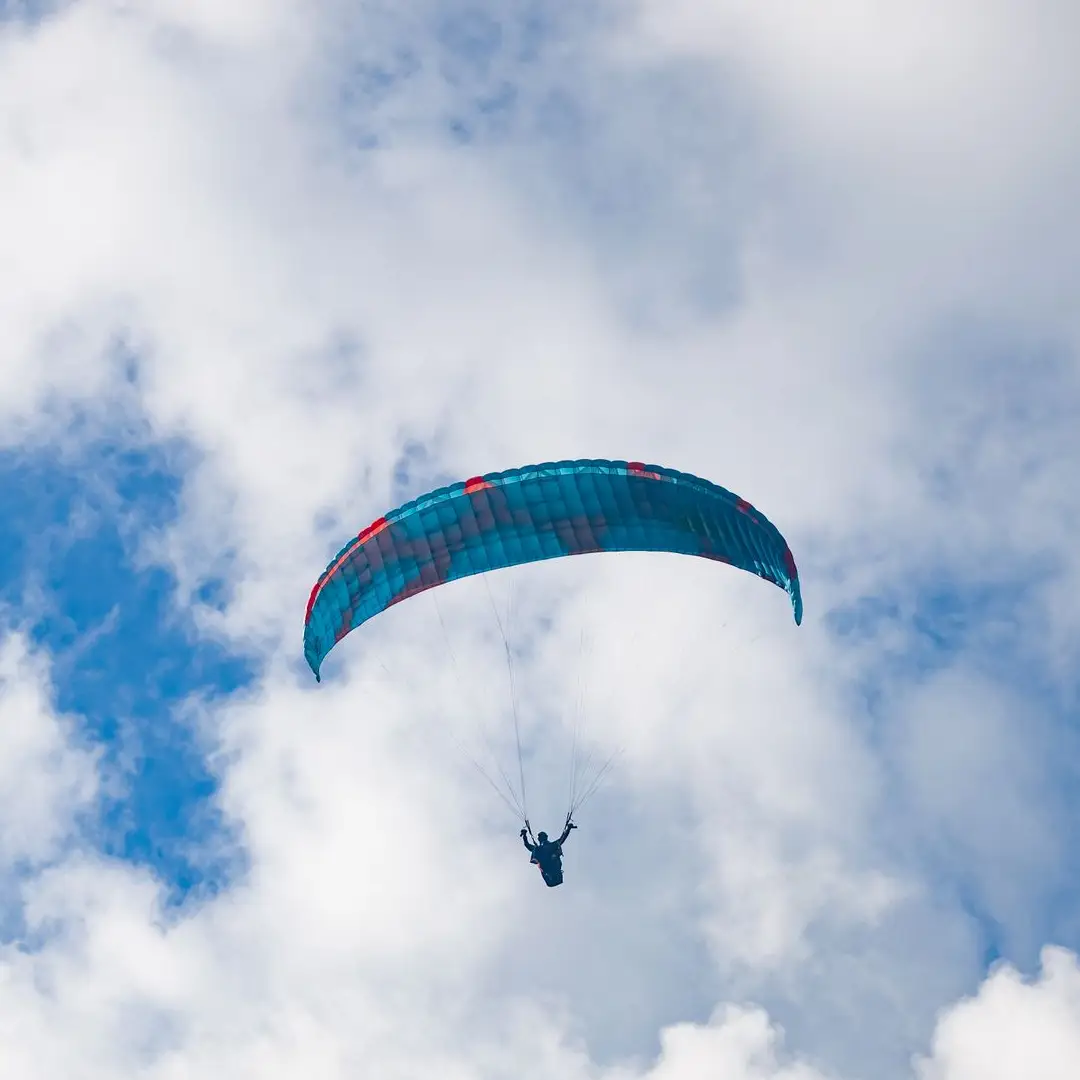
Paragliding in Nepal is one of the country's most exciting ways to experience its extraordinary landscapes from the sky. Instead of viewing the Himalayas from a trekking trail or a mountain viewpoint, paragliding gives you a completely different perspective, soaring above green hills, traditional villages, forests, lakes, and valleys with the snow-covered peaks of the Himalayas stretching across the horizon.
Among Nepal's many adventure activities, paragliding in Pokhara stands out as one of the most popular experiences. From the famous hill of Sarangkot, tandem paragliders launch into the air and glide above the Pokhara Valley, with Phewa Lake below and the Annapurna range forming a spectacular backdrop.
The experience is not limited to adrenaline. On a clear day, a paragliding flight can feel remarkably peaceful. Once airborne, the noise of the city disappears, the landscape opens beneath you, and you can watch the mountains, villages, forests, and lakes from a bird's-eye perspective.
For first-time flyers, tandem paragliding makes the activity accessible without requiring previous flying experience. A trained pilot controls the paraglider while you enjoy the scenery and the sensation of being airborne.
What Makes Paragliding in Nepal Special?
Nepal is famous for its mountains, trekking routes, cultural heritage, and adventure tourism. Paragliding brings all of these elements together in a single experience.
From the air, the landscape looks completely different from what you see on the ground. The Himalayan foothills unfold beneath you, traditional settlements appear between patches of forest and farmland, and large mountain ranges rise in the distance.
The country's geography is particularly well suited to aerial adventure. Mountain ridges, valleys, lakes, and favorable flying conditions create opportunities for paragliding in several destinations, with Pokhara being the best-known location.
Sarangkot is especially famous for its combination of altitude, accessibility, and panoramic scenery. Nepal Tourism Board identifies Sarangkot as a major paragliding destination, with views extending across the Annapurna Himalaya and toward peaks including Dhaulagiri, Machhapuchhre, Annapurna II, and Lamjung.
What makes the experience even more memorable is the transition between landscapes. You may begin your flight high above a mountain ridge and gradually glide toward the lakeside area of Pokhara, watching the scenery change beneath you.
Paragliding in Pokhara
Paragliding in Pokhara is the most established and recognizable paragliding experience in Nepal.
Pokhara is already one of Nepal's most popular destinations because of its lakes, mountain views, relaxed atmosphere, and proximity to the Annapurna region. Adding a paragliding flight allows visitors to experience the entire valley from above.
The primary launch site is Sarangkot, a hill overlooking Pokhara. Nepal Tourism Board places Sarangkot at around 1,592 meters and describes it as one of the country's major paragliding destinations. The hill also provides panoramic views of Phewa Lake and the Annapurna Himalaya.
From the launch area, tandem flights generally take you above the Pokhara Valley before descending toward the landing area near the lakeside.
The view changes continuously during the flight. Depending on weather and visibility, you may see:
- Phewa Lake
- Pokhara Valley
- Sarangkot Hill
- Green forests and agricultural land
- Traditional villages
- Machhapuchhre (Fishtail)
- Annapurna range
- Dhaulagiri
- Lamjung Himal
- Other Himalayan peaks
This combination of mountain scenery, water, countryside, and aerial freedom is what makes paragliding in Pokhara so popular with international visitors and domestic travelers alike.
Why Is Sarangkot Famous for Paragliding?
Sarangkot is much more than a paragliding launch point.
The hill is already famous for sunrise and sunset views over the Himalayas and Pokhara Valley. Its elevated position gives visitors an expansive panorama, while its proximity to Pokhara makes it easy to reach.
For paragliding, the location offers another major advantage: the launch point sits above the valley, allowing pilots to take advantage of suitable air currents and gain an extended view of the surrounding landscape.
Nepal Tourism Board describes Sarangkot as one of the top paragliding destinations and highlights its panoramic views from Dhaulagiri in the west toward Machhapuchhre, Annapurna and Lamjung in the east.
For travelers staying in Lakeside Pokhara, Sarangkot is also convenient to access. The Nepal Tourism Board lists the road distance from Lakeside to Sarangkot at approximately 11.3 km.
This combination of accessibility and scenery has made Sarangkot synonymous with paragliding in Pokhara.
What Is Tandem Paragliding?
If you have never paraglidied before, there is no need to learn how to operate the glider yourself.
Most visitors choose a tandem paragliding flight, where you fly with a qualified pilot.
The pilot is responsible for the technical aspects of the flight, including controlling the paraglider, managing the takeoff, monitoring the conditions, and guiding the landing.
Your main job is to follow the pilot's instructions and enjoy the flight.
A typical tandem experience involves:
- Transportation to the launch point
- Safety briefing
- Equipment preparation
- Meeting your pilot
- Takeoff from the launch site
- Scenic flight over the valley
- Landing at the designated landing area
- Return transportation, depending on the package
The exact procedure, flight duration, inclusions, and operating conditions can vary between operators.
Is Paragliding in Nepal Safe?
Paragliding is an adventure sport, so it should not be treated as completely risk-free. Weather, wind, equipment, pilot decisions, and operating procedures can all affect a flight.
For visitors choosing tandem paragliding, the most important consideration is to book with a properly authorized and experienced operator and follow the pilot's instructions throughout the activity.
Weather is particularly important.
Paragliding depends on suitable flying conditions, and flights may be delayed, shortened, or cancelled when conditions are unsuitable. A responsible operator should prioritize safety over completing a scheduled flight.
You should also provide accurate information about any relevant physical limitations or conditions that could affect your participation.
Do not assume that a flight will operate simply because you have a reservation. Mountain weather can change quickly, and the final decision to fly should be made by the qualified pilot or operator.
Who Can Go Paragliding in Nepal?
One of the biggest advantages of tandem paragliding is that you do not need previous flying experience.
A first-time visitor can enjoy the activity with a pilot handling the paraglider.
However, participation depends on factors such as:
- Age requirements
- Weight restrictions
- Physical condition
- Weather conditions
- Operator requirements
- Pilot assessment
- Current aviation and safety regulations
These requirements can change, so travelers should confirm the current conditions with their chosen operator before booking.
If you are unsure whether you are physically suitable for the activity, discuss it with the operator before your flight.
Best Time for Paragliding in Nepal
Weather plays a major role in determining the quality and availability of paragliding.
For paragliding in Pokhara, the clearest and most favorable periods generally coincide with Nepal's main dry seasons.
Autumn: September to November
Autumn is one of Nepal's most popular travel seasons.
The monsoon rains gradually retreat, skies often become clearer, and visibility toward the Himalayan ranges can improve significantly.
This makes autumn particularly attractive for travelers who want both mountain views and adventure activities.
The months of October and November are especially popular for tourism throughout Nepal.
Winter: December to February
Winter can provide crisp mountain views and clear skies.
Temperatures are cooler, particularly in the mornings, but daytime conditions can still be pleasant in Pokhara.
If your main goal is Himalayan visibility, winter can be an attractive period when flying conditions permit.
Spring: March to May
Spring is another excellent period for traveling through Nepal.
The weather becomes warmer, hillsides become greener, and rhododendrons begin to add color to the landscape.
For travelers combining paragliding with trekking or sightseeing, spring offers a particularly attractive combination.
Monsoon: June to August
The summer monsoon brings substantial rainfall to much of Nepal.
Rain, cloud cover, and unstable weather can affect paragliding operations and mountain visibility. Nepal Tourism Board's tourism information notes that flying activities are affected by the monsoon period, with operations depending heavily on weather conditions.
If paragliding is one of the main reasons for your trip, it is better to keep some flexibility in your itinerary rather than planning the activity around a single fixed day during unsettled weather.
Best Time of Day for Paragliding in Pokhara
The best time to fly depends on the weather and operational conditions on the day.
Rather than assuming that one specific hour is always best, follow the schedule recommended by your operator and pilot.
Morning flights can offer excellent visibility and views, while later flights may provide different atmospheric conditions.
Your pilot will assess the conditions before takeoff.
The most important thing is not whether your flight happens at a particular time but whether the conditions are suitable for a safe and enjoyable flight.
What Can You See While Paragliding in Pokhara?
One of the strongest reasons to choose paragliding in Pokhara is the variety of scenery visible from the air.
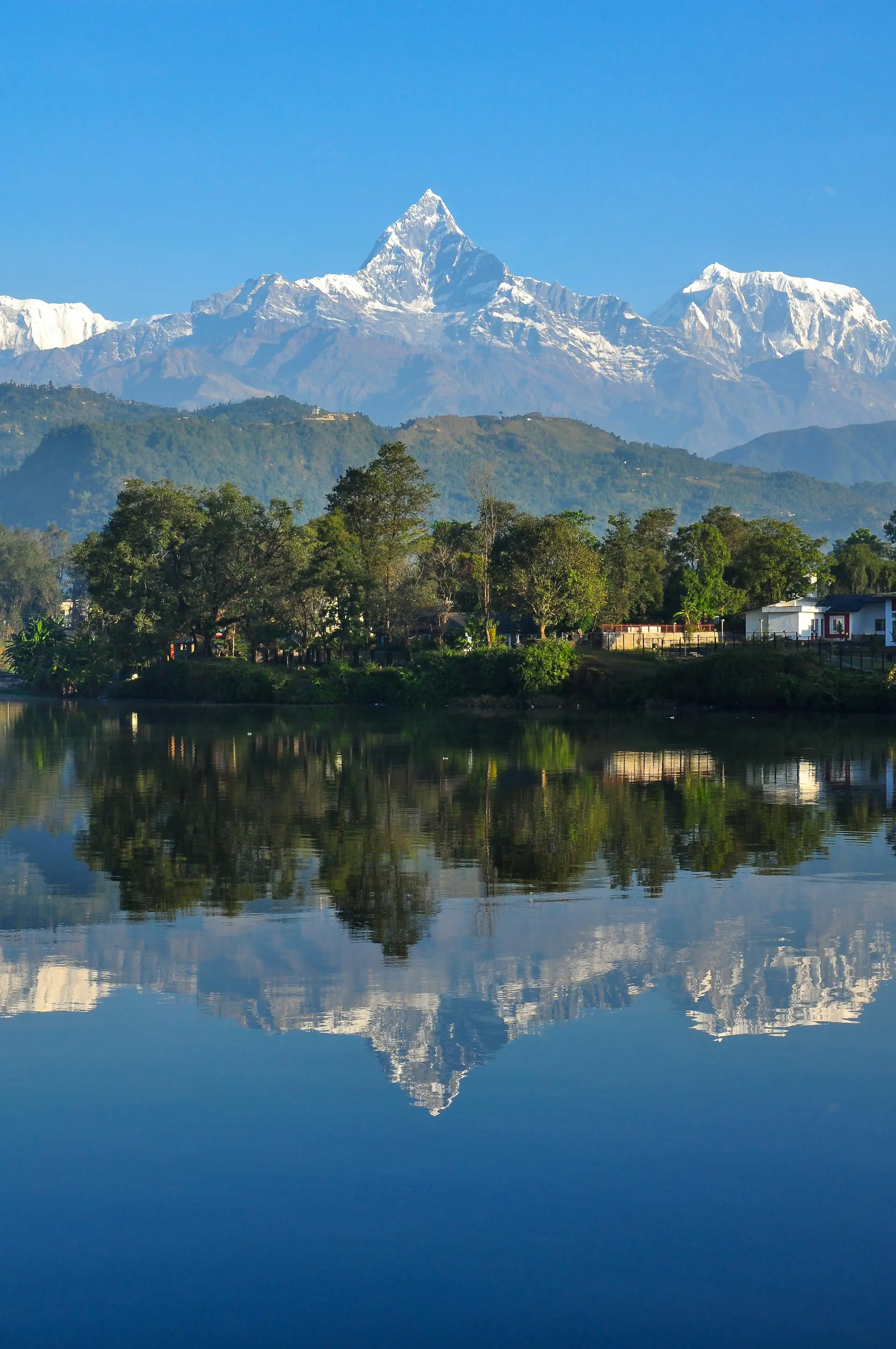
Phewa Lake
Phewa Lake is one of Pokhara's defining landmarks.
From above, the lake appears as a large reflective body of water surrounded by the city, forested hills, and mountains.
Seeing Phewa Lake from a paraglider provides a completely different perspective compared with walking along Lakeside or taking a traditional boat ride.
Machhapuchhre
Machhapuchhre, also known as Fishtail Mountain, is one of the most recognizable peaks in the Annapurna region.
Its distinctive double summit makes it particularly striking from Pokhara and surrounding viewpoints.
On a clear flying day, the mountain can dominate the northern horizon.
Annapurna Range
The Annapurna Himalaya forms one of the most impressive mountain backdrops around Pokhara.
From Sarangkot, travelers can look toward the Himalayan range while flying above the valley.
Nepal Tourism Board specifically highlights the panoramic Himalayan views available from Sarangkot.
Dhaulagiri
Dhaulagiri, one of the world's highest mountains, can also be visible from the Pokhara region when atmospheric conditions are favorable.
The combination of distant high peaks and the lower green hills creates a dramatic contrast.
Pokhara Valley
The valley itself is an attraction.
From the air, you can see urban areas, farmland, forests, roads, rivers, and settlements arranged across the landscape.
This broader perspective helps explain why Pokhara is such a popular base for outdoor adventure.
How Long Does Paragliding in Pokhara Take?
Flight duration depends on the package, weather conditions, and operator.
A tandem flight is generally designed as a short adventure activity rather than a full-day excursion.
However, the total experience takes longer than the time spent in the air because you also need to account for transportation, preparation, safety instructions, waiting time, and landing arrangements.
Do not choose a package based only on advertised flight duration.
Instead, check exactly what is included.
Ask whether the package includes:
- Transportation
- Pilot
- Safety equipment
- Photos
- Video
- Insurance
- Landing arrangements
- Any additional fees
This helps avoid confusion when comparing different packages.
What Should You Wear for Paragliding?
You do not need specialized mountaineering clothing for a standard tandem flight, but comfortable outdoor clothing is recommended.
Consider wearing:
- Comfortable trousers
- A lightweight jacket
- Closed shoes
- Sunglasses
- Sunscreen
- Comfortable layers
Temperatures can feel different at the launch point and during the flight, particularly in the cooler months.
Avoid loose accessories that could interfere with the equipment.
Your operator may provide additional instructions regarding what you can carry during the flight.
Can You Take Photos While Paragliding?
Many travelers want photographs or videos of their flight.
However, you should not assume that you can freely use your phone or camera while airborne.
Loose objects can become a safety problem, and handling a device may distract you from following the pilot's instructions.
Many operators offer photography or video services as part of selected packages or as an additional option.
If getting aerial photographs is important to you, ask about the available photo and video options when booking.
What Does Paragliding in Nepal Cost?
The cost of paragliding in Nepal varies according to the destination, flight type, duration, season, operator, and inclusions.
For paragliding in Pokhara, prices can differ between standard tandem flights and longer or specialized flying experiences.
Instead of relying on an old price published online, confirm the current rate directly with your chosen operator.
When comparing prices, look beyond the headline figure.
A cheaper package may not include the same services as another package.
Check:
- Flight duration
- Transportation
- Photos and videos
- Insurance
- Equipment
- Pilot fees
- Taxes or additional charges
- Cancellation or weather policies
This gives you a more accurate comparison.
Other Places for Paragliding in Nepal
Although Pokhara is Nepal's best-known paragliding destination, the country's varied terrain offers other opportunities for aerial adventure.
Depending on current regulations, operators, and flying conditions, paragliding can also be associated with other hill and mountain destinations.
Pokhara remains the most practical choice for many international visitors because it combines a well-established tourism infrastructure with easy access to Sarangkot and spectacular Himalayan scenery.
If your primary objective is to experience Nepal's mountains from the air, paragliding in Pokhara is the natural place to begin.
Paragliding vs Other Adventure Activities in Nepal
Nepal has no shortage of adventure activities.
You can trek through the Himalayas, raft Himalayan rivers, explore jungles, ride mountain bikes, go bungee jumping, or take scenic mountain flights.
Paragliding is different because it offers an experience between sightseeing and extreme adventure.
Unlike trekking, you can experience a large landscape in a relatively short period.
Unlike bungee jumping, the experience does not rely entirely on a brief adrenaline rush.
Once airborne, paragliding can become surprisingly calm.
You are suspended beneath the wing, moving with the air while watching the landscape below.
For travelers with limited time, that combination makes paragliding one of Nepal's most accessible aerial adventures.
Why Add Paragliding to Your Nepal Trip?
A trip to Nepal does not have to be limited to trekking.
You can combine a Himalayan adventure with cultural sightseeing, wildlife experiences, rafting, scenic drives, and aerial activities.
Adding paragliding to a Nepal itinerary is particularly convenient when visiting Pokhara.
For example, travelers can combine:
Day 1: Explore Pokhara and Phewa Lake
Day 2: Sunrise at Sarangkot and paragliding
Day 3: Explore the surrounding attractions
Day 4: Continue to an Annapurna trek or another destination
The exact itinerary depends on your travel schedule.
The major advantage is that paragliding does not require a multi-day commitment like a Himalayan trek.
Why Choose Trexmount for Paragliding in Nepal?
Choosing the right local travel partner can make your adventure easier from the beginning.
At Trexmount Ventures, we help travelers plan their Nepal adventures with local knowledge and practical itinerary support.
Whether you want to experience paragliding in Pokhara, combine the flight with a Pokhara sightseeing tour, or include adventure activities within a larger Nepal itinerary, our team can help organize the experience according to your travel plans.
We focus on making the planning process straightforward, from transportation and scheduling to combining multiple experiences into one Nepal adventure.
For activities that depend on weather, flexibility is particularly important. Our local team can help you plan your itinerary with enough room to adjust activities when conditions change.
Tips for Your First Paragliding Experience in Nepal
Before booking your flight, keep these tips in mind:
1. Choose an authorized and experienced operator
Do not select an operator based solely on the cheapest price.
Safety and professional operation should come first.
2. Check the weather
Mountain weather can change quickly.
A clear morning does not automatically guarantee ideal flying conditions later in the day.
3. Keep your itinerary flexible
If paragliding is one of the highlights of your trip, avoid scheduling your flight immediately before an important flight, trek, or international departure.
Weather-related delays can happen.
4. Follow your pilot's instructions
Your pilot knows how to manage the equipment and flying conditions.
Listen carefully during the briefing and follow instructions during takeoff and landing.
5. Ask what your package includes
Confirm the flight duration, transportation, photos, videos, insurance, and other inclusions before paying.
6. Dress comfortably
Wear suitable outdoor clothing and secure footwear.
Avoid unnecessary loose items.
7. Enjoy the scenery
The temptation to record everything is understandable, but do not spend the entire flight looking through your phone.
Look around. The Himalayas, lakes, valleys, and villages are the reason you came.
Experience Nepal From a Different Perspective
Nepal is often experienced one step at a time, from trekking trails, mountain paths, village roads, and temple courtyards.
Paragliding in Nepal gives you another perspective.
From high above the ground, the Himalayas appear as part of a much larger landscape. Mountains rise beyond green hills, villages sit between forests and farmland, and lakes reflect the sky below.
For travelers visiting Pokhara, paragliding in Pokhara offers an especially memorable way to experience the city and its surrounding mountains.
You do not need to be an experienced climber or an adventure athlete.
You simply need a willingness to step off the launch point, trust your pilot, and see Nepal from the sky.
If the Himalayas are calling, perhaps it is time to answer from above.
Plan your paragliding adventure in Nepal with Trexmount Ventures and experience Pokhara, Sarangkot, and the Himalayas from a whole new perspective.
 Review us on Google
 Review us on TripAdvisor