
Rubina La Circuit Trek

Rubina La Circuit Trek

Activity
Trekking

Overview

The Rubina-la Circuit Trek is one of Nepal’s newest and least-explored high-altitude trekking routes, offering an extraordinary blend of raw wilderness, dramatic Himalayan panoramas, and authentic village life. Located in the western Himalayan region of Nepal, this trek remains far removed from mass tourism, making it an ideal choice for trekkers seeking solitude, challenge, and genuine cultural immersion.

trek in nepal

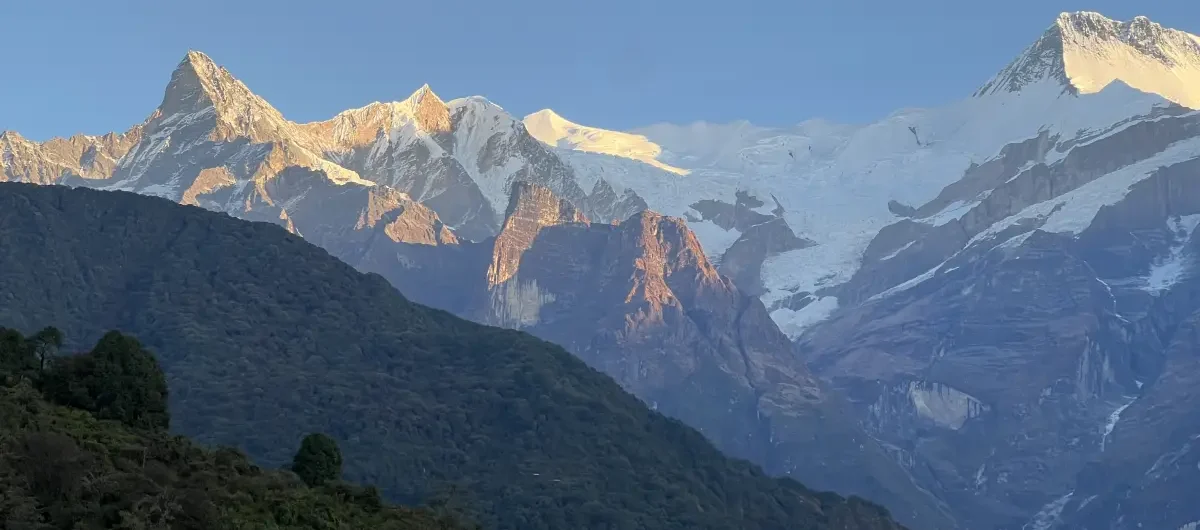
Unlike well-established routes such as Everest Base Camp or Annapurna Base Camp, the Rubina-la Circuit Trek unfolds through rarely visited terrain between the Manaslu, Annapurna, and Ganesh Himal ranges. It rewards trekkers with uninterrupted mountain views, untouched forests, seasonal high pastures, and traditional Gurung and Magar settlements that have changed little over generations.

This comprehensive guide explains why the Rubina-la Circuit Trek is emerging as one of the most rewarding options for a serious trek in Nepal, covering terrain, scenery, culture, difficulty, itinerary highlights, and what makes this journey uniquely exceptional.

Overview of the Rubina-la Circuit Trek

The Rubina-la Circuit Trek is a high-mountain circuit trek that reaches an elevation of 4,720 meters (15,486 ft) at Rubina-la Pass. The route connects remote sections of the Gorkha district with the Manaslu region, eventually joining the classic Manaslu trekking trail before concluding near the Annapurna Circuit.

This trek is best described as wild, demanding, and profoundly scenic. It combines rugged off-trail sections, alpine landscapes, and cultural corridors that showcase Nepal’s mid-western Himalayan lifestyle.

Key Highlights at a Glance

  • Rubina-la Pass at 4,720 meters
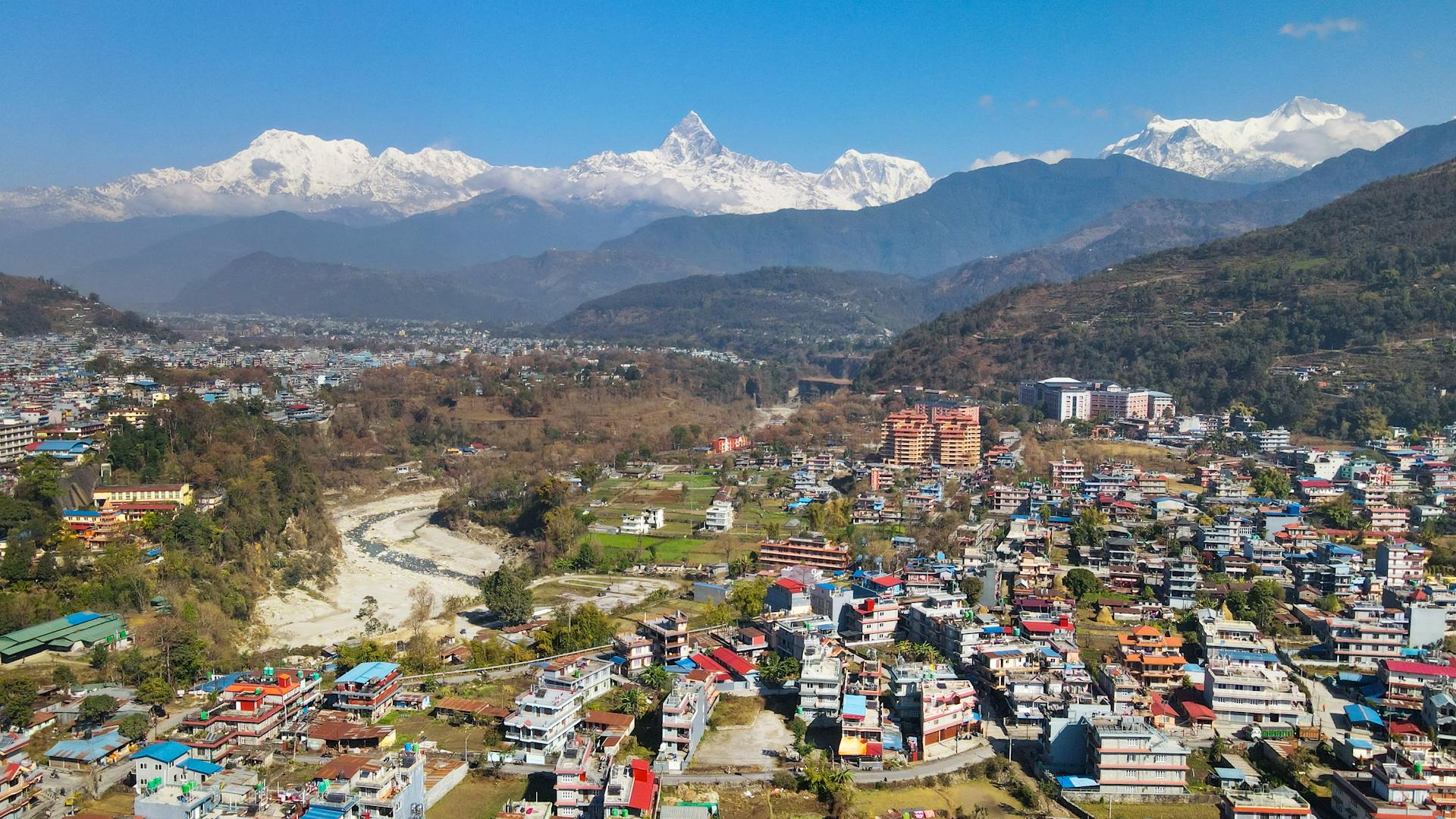
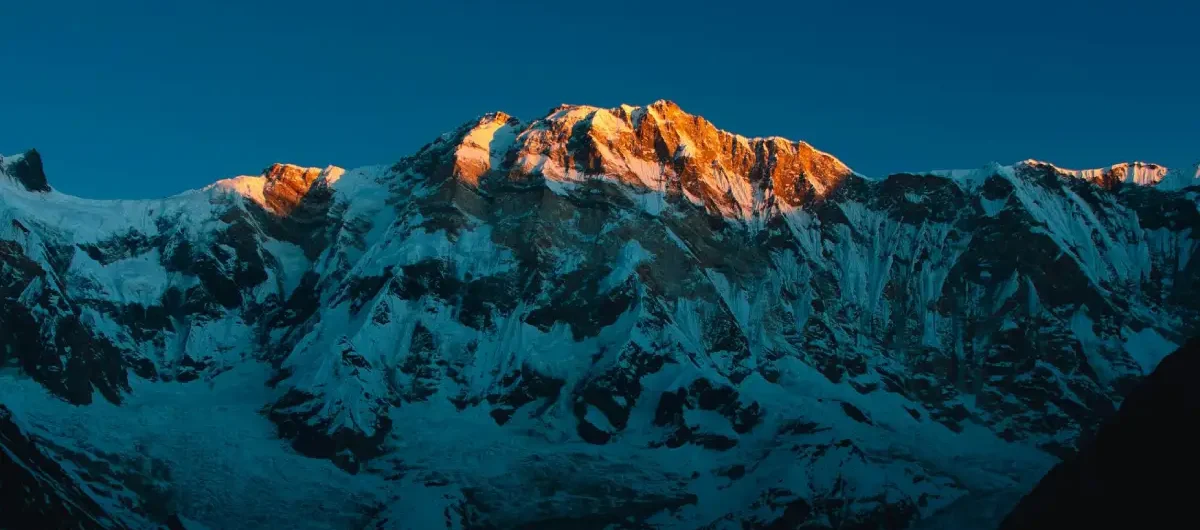
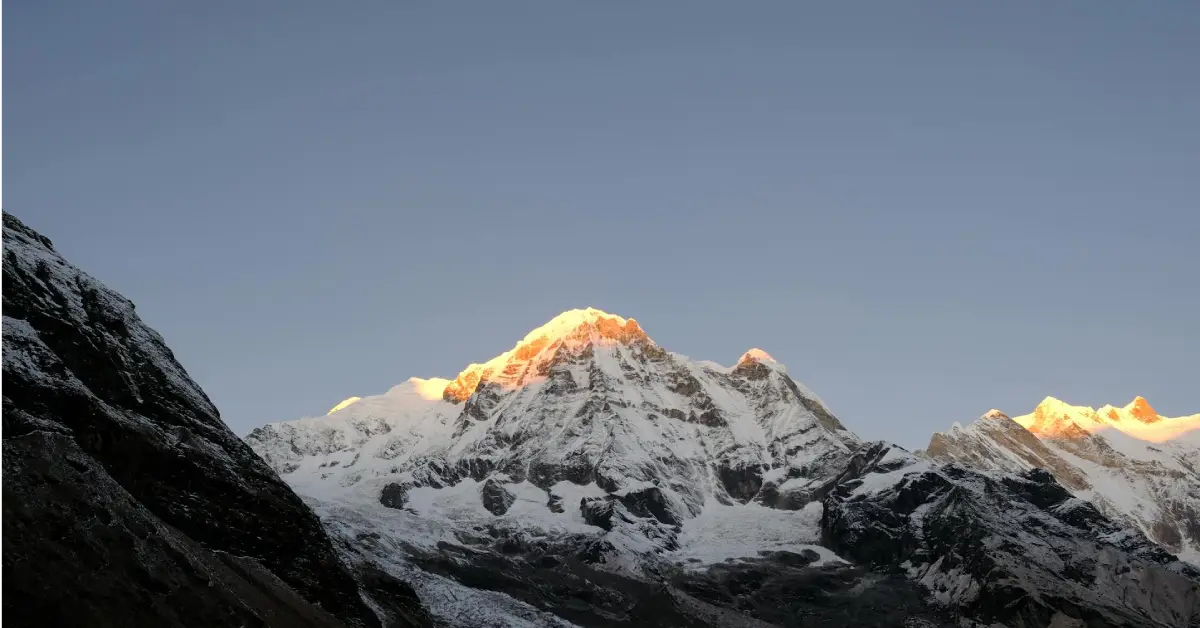
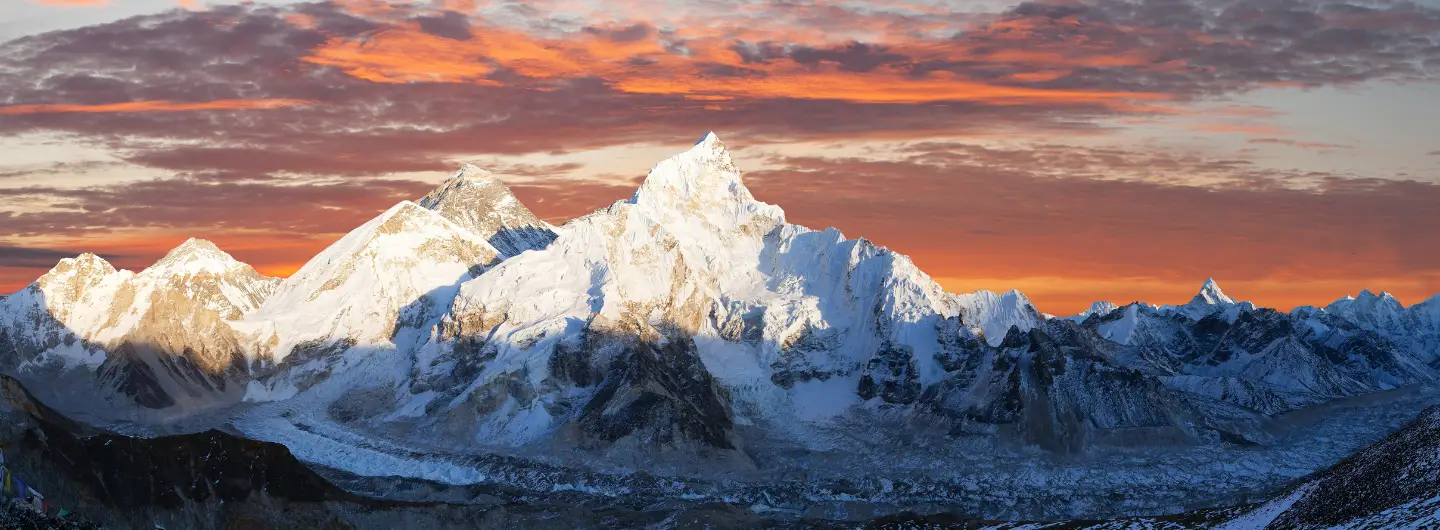
  • Views of Manaslu, Annapurna I, Annapurna South, Ganesh Himal
  • Rare sightlines of Machhapuchhre and Lamjung Himal
  • Remote Gurung and Magar villages
  • Dense rhododendron and oak forests
  • Seasonal yak pastures and alpine meadows
  • Connection to the Manaslu trekking route
  • Option to extend via Larkya La Pass (5,135 m)

For trekkers seeking a less crowded but highly rewarding trek in Nepal, this circuit offers unmatched diversity and authenticity.

Why Choose the Rubina-la Circuit Trek?

The Rubina-la Circuit stands apart due to its isolation and untouched character. Very few trekking groups attempt this route each season, which means you experience Nepal’s Himalayas in their most natural form.

What Makes This Trek Unique

  1. Recently Opened Route
    The trek is still relatively new and undeveloped, preserving its raw wilderness.
  2. True Off-the-Beaten-Path Experience
    Days of trekking without encountering other groups are common.
  3. Multiple Himalayan Ranges
    Views span Manaslu, Annapurna, Lamjung, and Ganesh Himal ranges.
  4. Cultural Authenticity
    Villages remain deeply traditional, with farming and seasonal herding lifestyles.
  5. High Adventure Value
    Challenging passes, steep ascents, and remote terrain demand physical and mental resilience.

For trekkers who feel mainstream routes no longer provide excitement, the Rubina-la Circuit Trek delivers a rare sense of exploration.

Scenic Grandeur of the Rubina-la Circuit Trek

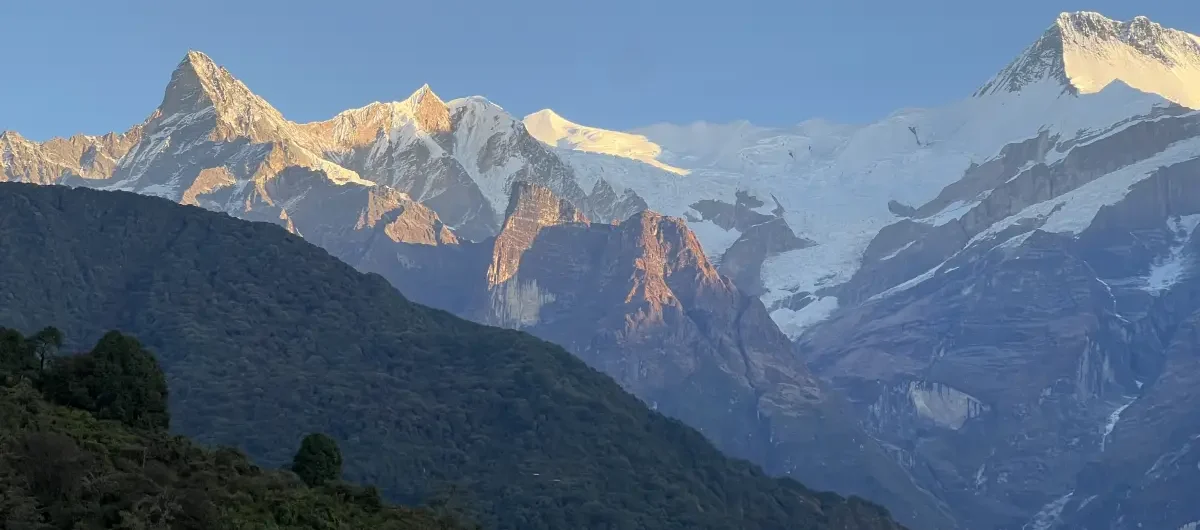
Scenery is one of the defining strengths of the Rubina-la Circuit. The route offers constantly changing landscapes, from terraced farmland to alpine wilderness.

Major Mountains Seen During the Trek

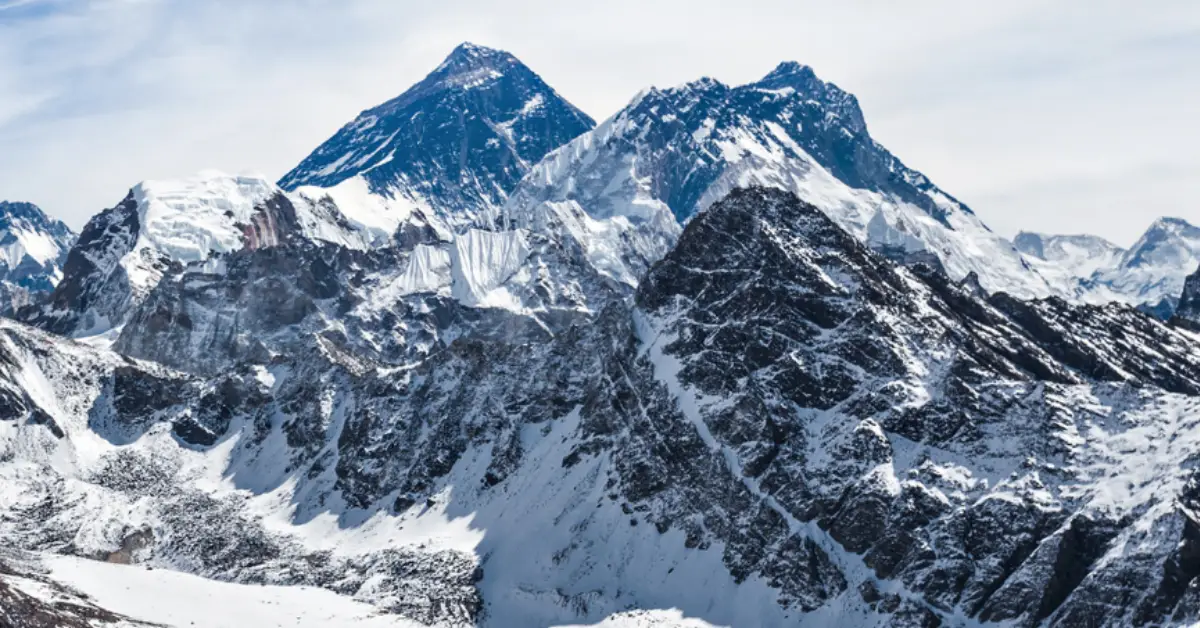
  • Mt. Manaslu (8,163 m) – World’s 8th highest peak
  • Annapurna I (8,091 m) – World’s 10th highest peak
  • Annapurna South (7,219 m)
  • Gangapurna (7,455 m)
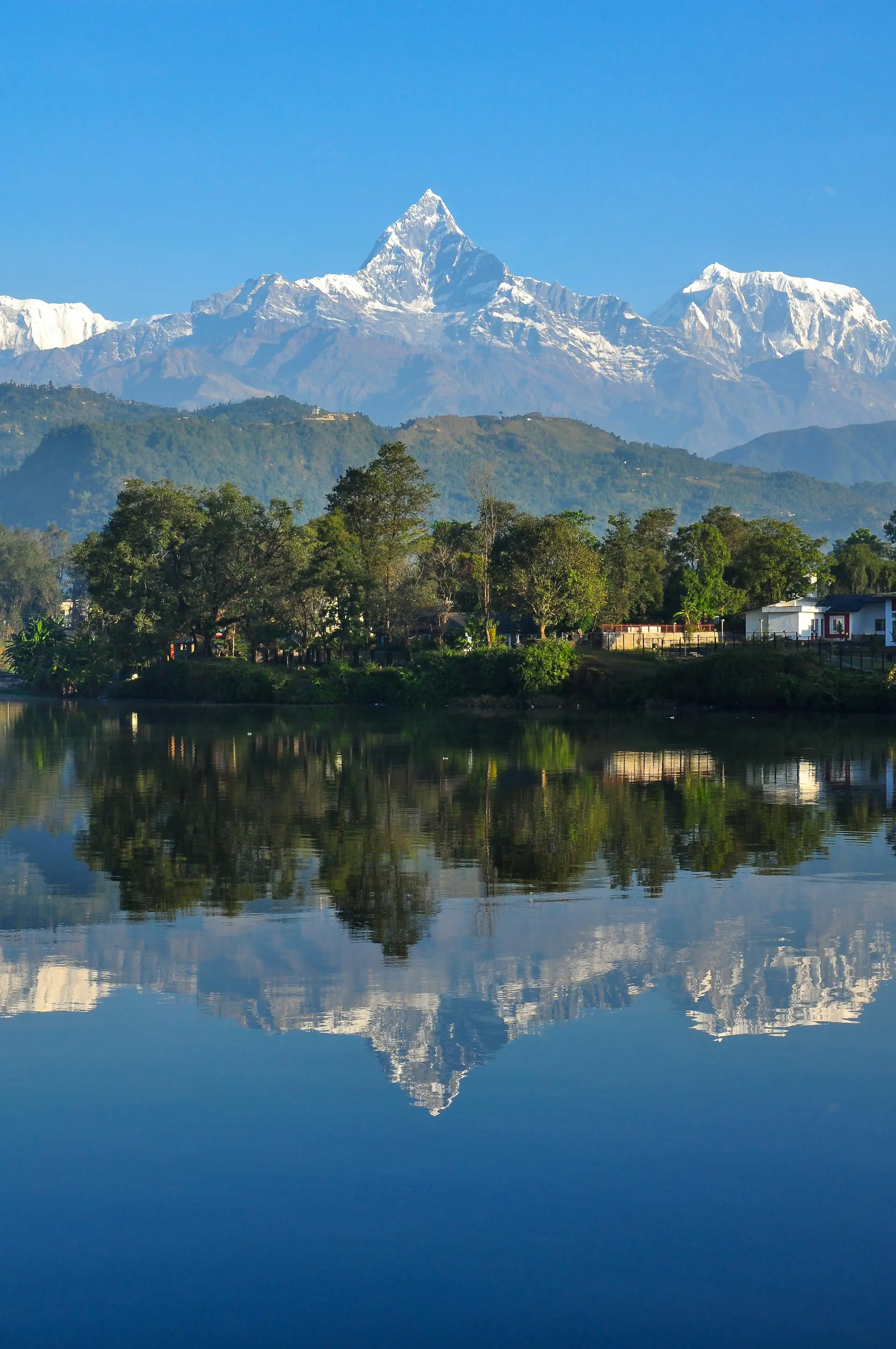
  • Machhapuchhre (6,997 m)
  • Lamjung Himal (6,931 m)
  • Ganesh Himal (7,405 m)
  • Himalchuli (7,893 m)
  • Boudha Himal (6,672 m)

These peaks appear at different stages, offering varied angles and lighting conditions rarely seen on crowded routes.

Natural Environment and Biodiversity

The Rubina-la Circuit traverses pristine ecological zones, making it one of the most diverse treks in Nepal.

Forests and Vegetation

  • Rhododendron forests at mid-altitudes
  • Oak, pine, fir, and magnolia trees
  • Alpine shrubs and high-pasture grasses
  • Seasonal wildflowers in spring and summer

Wildlife Possibilities

While sightings are rare due to remoteness, the region supports:

  • Himalayan thar
  • Musk deer
  • Langurs and macaques
  • Himalayan pheasants

The lack of human interference enhances the sense of wilderness throughout the trek.

Cultural Experience Along the Route

One of the most enriching aspects of the Rubina-la Circuit is the deep cultural immersion it offers.

Villages Encountered

  • Khanchok – Starting point; hillside farming community
  • Sulikot – Historic fort village
  • Majhghar – Traditional Magar settlement
  • Dharche – Gurung village with strong cultural heritage
  • Lokpa – Gateway to Manaslu region
  • Philim & Tatopani – Tibetan-influenced communities

These villages reflect Nepal’s rural identity, where agriculture, livestock, and communal life remain central.

For travelers interested in cultural depth alongside adventure, this trek in Nepal provides rare insight.

Trek Route and Journey Experience

Starting Point: Khanchok, Gorkha

The Rubina-la Circuit begins with a scenic drive from Kathmandu to Khanchok. This drive alone introduces trekkers to rural Nepal, passing rivers, terraced hills, and remote settlements.

From Khanchok, the trek immediately enters less-traveled terrain, far removed from modern infrastructure.

Ascending Through Wilderness

As the trail climbs higher:

  • Villages become fewer
  • Forests grow denser
  • Views widen dramatically

The sense of isolation increases each day, reinforcing the expedition-style nature of the trek.

The highlight of the Rubina-la Circuit is the crossing of Rubina-la Pass.

What to Expect at the Pass

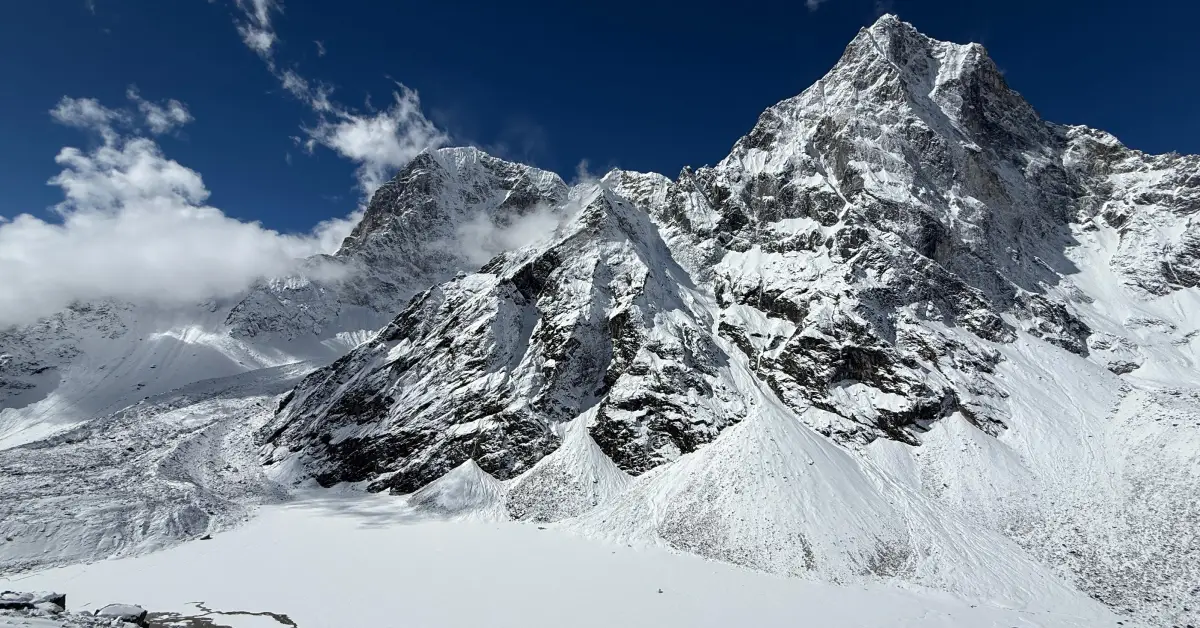
  • Panoramic Himalayan views
  • Snow-covered landscapes in early seasons
  • Strong winds and cold temperatures
  • Physical and mental challenge

Standing at the pass offers a profound sense of achievement, marking the transition from remote wilderness to the Manaslu region.

remote trek in nepal

After crossing Rubina-la, the trail descends steeply to Zakbatang, the first permanent settlement after days of isolation.

From here, the trek continues toward Lokpa, where the route officially joins the Manaslu trekking trail. The contrast between wilderness and village life becomes evident, adding depth to the journey.

Extension to Manaslu and Larkya La Pass

One of the most remarkable features of the Rubina-la Circuit is its ability to merge seamlessly with the Manaslu Circuit.

Larkya La Pass Extension

  • Elevation: 5,135 meters
  • One of Nepal’s most dramatic high passes
  • Extensive acclimatization required

This combination creates one of the most complete high-altitude trekking experiences available in Nepal.

Few treks in Nepal offer such a powerful blend of solitude, altitude, and mountain diversity.

Accommodation and Facilities

The Rubina-la Circuit Trek is largely a camping trek in its early stages.

Accommodation Types

  • Tent camping in remote sections
  • Basic teahouses in Manaslu region
  • Lodges along Annapurna Circuit areas

Trekkers must be prepared for minimal facilities during the Rubina-la section.

Difficulty Level and Required Experience

The Rubina-la Circuit Trek is rated challenging.

Required Skills

  • High-altitude trekking experience
  • Good physical fitness
  • Ability to walk 6–8 hours daily
  • Comfort with remote environments

This trek in Nepal is not recommended for beginners.

Best Season for Rubina-la Circuit Trek

Ideal Trekking Seasons

  • Spring (March–May) – Clear views, blooming rhododendrons
  • Autumn (September–November) – Stable weather, crisp skies
  • Monsoon due to landslides
  • Deep winter due to heavy snow at passes

Permits Required

  • Manaslu Restricted Area Permit
  • Annapurna Conservation Area Permit (ACAP)
  • TIMS card

Permits must be arranged through a registered trekking agency.

Responsible and Sustainable Trekking

The Rubina-la Circuit Trek passes through fragile environments and traditional communities.

Responsible trekking includes:

  • Carrying out all non-biodegradable waste
  • Respecting local customs
  • Supporting local guides and porters
  • Minimizing environmental impact

Sustainable practices help preserve this route for future trekkers.

Who Should Do the Rubina-la Circuit Trek?

This trek is ideal for:

  • Experienced trekkers
  • Adventure seekers
  • Cultural explorers
  • Photographers
  • Those avoiding crowded trails

If your goal is a meaningful and authentic trek in Nepal, this circuit delivers unmatched value.

Final Thoughts on the Rubina-la Circuit Trek

The Rubina-la Circuit Trek represents the essence of Himalayan exploration, remote, challenging, and deeply rewarding. It combines towering peaks, untouched landscapes, and living cultures into a single journey that few have experienced.

For trekkers ready to move beyond mainstream routes, the Rubina-la Circuit Trek stands as one of Nepal’s most extraordinary high-altitude adventures.

Planning Your Rubina-la Circuit Trek

If you are seeking a rare, immersive, and demanding trek in Nepal, careful planning and professional support are essential. Choosing experienced guides ensures safety, cultural respect, and a richer overall experience.
FAQS

1. What makes the Rubina-la Circuit different from other treks in Nepal?

The Rubina-la Circuit Trek is remote, less crowded, and highly adventurous. It offers pristine wilderness, high passes, and authentic village experiences.

2. Is the Rubina-la Circuit suitable for beginners?

No, this trek is best for experienced trekkers. High altitude, long walking days, and remote terrain require strong fitness.

3. When is the best time to do the Rubina-la Circuit Trek?

Spring and autumn are ideal seasons. They offer stable weather, clear mountain views, and safer trail conditions.

4. Does the Rubina-la Circuit involve peak climbing in Nepal?

The trek does not include technical peak climbing in Nepal. However, it offers similar high-altitude challenges and mountaineering-style terrain.

5. What permits are required for the Rubina-la Circuit?

You need a Manaslu Restricted Area Permit, ACAP, and a TIMS card. All permits must be arranged through a licensed trekking agency.

Itinerary

01Day

Arrival in Kathmandu and transfer to hotel.

Upon arrival at Tribhuvan International Airport, our representative will warmly welcome you and transfer you to your hotel in Kathmandu. After check-in and refreshment, our tour leader will conduct a pre-departure briefing either at the hotel or our office. This meeting will cover trek logistics, safety guidelines, route overview, and final document checks, including passport copies, photographs, and travel insurance. The rest of the day is free to relax after your journey.

02Day

Kathmandu: Free day or City Sightseeing (pay Locally for sightseeing).

Meals: Breakfast

After breakfast, the day is reserved for trek preparation or optional cultural sightseeing in Kathmandu Valley. If you choose sightseeing (payable locally), you may visit UNESCO World Heritage Sites such as Pashupatinath Temple, Boudhanath Stupa, Swayambhunath (Monkey Temple), and historic Durbar Squares of Kathmandu, Patan, or Bhaktapur. These sites offer deep insight into Nepal’s religious traditions, architecture, and history. Evening free for final gear checks.

03Day

Drive to Khanchowk (930 m-3,051 ft) via Gorkha (1,143 m-3,750 ft) - 06 hours.

Drive: ~6 hours | Meals: Breakfast, Lunch, Dinner

We begin the Rubina-la Circuit Trek adventure with a scenic drive westward to the historic town of Gorkha, the birthplace of King Prithvi Narayan Shah, the unifier of Nepal. From Gorkha, the road descends through rural hills, terraced farms, and scattered villages toward Khanchok. Along the way, enjoy distant views of Manaslu, Ganesh Himal, Lamjung Himal, and Annapurna ranges. Upon arrival in Khanchok, a quiet farming village on a ridge, we set up our first campsite.

04Day

Trek to Sulikot (1,460 m-4,790 ft) via Deurali (2,900 m-9,514 ft) - 06 hrs.

Trek: ~6 hours | Meals: Breakfast, Lunch, Dinner

The trek begins with a descent through cultivated fields and terraces before reaching the Gurung village of Lajugaon. We then climb gradually toward Deurali ridge, offering panoramic views of Annapurna, Lamjung Himal, Manaslu, Hiunchuli, and Boudha Himal. After a rest, the trail descends through small settlements such as Bhulabari and Gyanji before reaching Sulikot village, a historic hilltop settlement, where we camp overnight.

05Day

Trek to Majhghar (1,740 m-5,708 ft) via Kharchok (1,348 m-4,423 ft) - 06 hrs.

Trek: ~6 hours | Meals: Breakfast, Lunch, Dinner

Today’s walk includes gentle ascents and descents through forested ridges and open hillsides. We climb toward Kharchok Bhanjyang, enjoying views of snow-capped peaks and deep valleys below. The trail then descends to Majhghar, a small rural village surrounded by terraced fields and rolling hills. This peaceful village offers a glimpse into traditional mountain farming life.

06Day

Trek to Dharche (2,445 m-8,021 ft) via Pekma-Kharka (3,140 m-10,302 ft) - 06 hrs.

Trek: ~6 hours | Meals: Breakfast, Lunch, Dinner

As we gain altitude, the climate becomes cooler and the vegetation changes. The trail passes through rhododendron and pine forests, crossing villages such as Pangsing, Thalegaon, and Thallothotaneri. We reach Leh Kharka, a grazing area with expansive alpine views, before descending briefly into forested sections near Gurase. A final climb brings us to Pekma Kharka ridge, offering outstanding views of Manaslu, Annapurna, and Ganesh Himal. We descend to Dharche village, home to Magar and Gurung communities.

07Day

Trek to Bede (2, 520 m-8,267 ft) near Gupsi danda (2,760 m-9,055 ft) - 05 hrs.

Trek: ~5 hours | Meals: Breakfast, Lunch, Dinner

The trail today leads through dense rhododendron, oak, and pine forests into a more remote wilderness zone. Passing temporary shepherd settlements such as Kamdani and Sumpi Kharka, we gradually ascend to Gupsi Danda. From this viewpoint, enjoy sweeping vistas of Annapurna, Lamjung Himal, and Manaslu. We then descend gently to Bede, a seasonal summer pasture used by herders.

08Day

Trek to Kharka (3,217 m-10,554 ft) - 05 hrs.

Trek: ~5 hours | Meals: Breakfast, Lunch, Dinner

Leaving Bede, we trek across high ridges and open grazing land, moving closer to the Rubina-la Pass. The trail undulates through pristine forest and alpine terrain with increasing mountain views. After a steady climb, we reach Kharka, a remote pasture area. The afternoon is spent resting, acclimatizing, and exploring this rarely visited highland region.

09Day

Trek to Rubina-la and camp at 3,440 m-11,286 ft - 05 hrs.

Trek: ~5 hours | Meals: Breakfast, Lunch, Dinner

Today we move above the tree line. The trail leads north through alpine shrubs and rocky terrain, ascending to Gambogang ridge. From here, we descend carefully on a faint path to a campsite below Rubina-la Pass. The campsite is set on glacial moraine with limited grassy patches, surrounded by dramatic high-mountain scenery.

10Day

Cross and camp Rubina-la (4,720 m-15,486 ft) and camp at 4,020 m-13,189 ft - 06 hrs.

Trek: ~6 hours | Meals: Breakfast, Lunch, Dinner

This is the most challenging and rewarding day of the Rubina-la Circuit Trek. We start early, climbing steeply on a narrow, rocky trail toward the pass. The ascent offers close-up views of the Manaslu range and Boudha Himal. After reaching the summit of Rubina-la Pass at 4,720 m, we enjoy breathtaking panoramic views. The descent is steep and requires caution, especially if snow or ice is present. We camp on the far side of the pass.

11Day

Trek to Zakbatang (3,230 m-10,597 ft) via Jarang (3,420 m-11,220 ft)- 06 hrs.

Trek: ~6 hours | Meals: Breakfast, Lunch, Dinner

After crossing the pass, the trail descends gradually through glacial terrain and alpine landscapes. Passing grazing areas near Jarang, the route becomes easier and more scenic. We continue downhill to Zakbatang, near the Rubina-la Khola, where we camp in a quiet wilderness setting.

12Day

Trek to Lokpa (2,240 m-7,349 ft) - 06 hrs.

Trek: ~6 hours | Meals: Breakfast, Lunch, Dinner

Today marks our return to permanent settlements after several days in remote wilderness. The trail descends through farm areas and crosses a suspension bridge over the Budhi Gandaki River, fed by Manaslu glaciers. We follow a winding path to Lokpa village, the first village on the Manaslu trekking route.

13Day

Trek to Philim (1,590 m-5,216 ft)- 08 hours.

Trek: ~7–8 hours | Meals: Breakfast, Lunch, Dinner

Descending into warmer climates, the trail follows the river through terraced fields and subtropical vegetation. We pass the impressive Samba Tingding waterfall from the lower Tsum Valley before reaching Philim, a large agricultural village known for its Tibetan-influenced culture.

14Day

Trek to Tatopani (1,240 m-4,068 ft) - 06 hours.

Trek: ~6 hours | Meals: Breakfast, Lunch, Dinner

Walking downstream along the Budhi Gandaki, we pass several villages including Nagjet and Sidibas. The landscape becomes greener and warmer. Upon reaching Tatopani, enjoy a relaxing soak in natural hot springs, ideal for easing tired muscles after long trekking days.

15Day

Trek to Soti Khola (710 m-2,329 ft) - 06 hours.

Trek: ~6 hours | Meals: Breakfast, Lunch, Dinner

Following the river, the trail passes through Gurung villages, terraced farmland, and small waterfalls. We reach Soti Khola, the final trekking destination, marking the completion of the Rubina-la Circuit Trek.

16Day

Drive back to Kathmandu (1,400 m-4,593 ft) - 07 hours.

Drive: ~7 hours | Meals: Breakfast, Lunch, Dinner

After breakfast, we take a jeep drive along the Budhi Gandaki corridor, passing waterfalls, river valleys, and rice paddies. The road improves as we reach Arughat and continue to Kathmandu, returning to city comforts.

17Day

Departure

Meals: Breakfast

After breakfast, transfer to Tribhuvan International Airport for your onward journey, concluding your unforgettable Rubina-la Circuit Trek adventure.

Includes/Excludes

What is Included?

  • Airport Pick up and drop transfer by car, van or bus depend on group size.
  • Private Ground transportation as per itinerary.
  • All accommodations (Twin Share)
  • Meals: 16 Breakfasts, 15 Lunches, 15 Dinners with cup of Tea, coffee in each meals
  • Permits.
  • TIMS Permit.
  • An experience guide and required number of porters (one porter in between two pax), their food, accommodation, transportation, salary, insurance, and equipments.
  • Warm sleeping bag, warm down jacket and walking stick, if necessary.
  • Trek bag.
  • Award Certificate of Trip Completion

Whats not Included

  • Meals as Mention in the inclusive list.
  • Single Supplement for single using rooms
  • Tips to staff or any donations.
  • Temple and monastery entry fee, & entry fees while sightseeing in kathmandu.
  • Your travel insurance, Medical and emergency evacuation (Just in case).
  • All types of drinks (such as Hot & cold drinks, Mineral water and alcoholic drinks).
  • All personal expenses which is not mention into the price inclusion.

Clients Review

Everest Base Camp & Muktinath Trail Helen & Mark Dwyer Australia

We had a dream to reach Mt Everest Base Camp since we heard about this. One of my friends recommended Trexmount so we have decided to use them for arranging our trek to Everest Base Camp. The treks were very well organized and the guides were extremely knowledgeable, and friendly and looked after us at all times.

Nothing was too much trouble for them and there was always a smile on their faces. We stayed...

Everest Gokyo Ri Trekking Bridget and Ron New Zealand

Namaste Hari and all at Trexmount Ventures, We have just completed our third visit and a Fantastic trek in Nepal with a four-day trek in the Annapurna area and an 18-day trek to Everest base camp and Gokyo. Noelene joined us for the Everest trek and it was her 9th visit! We can highly recommend Trexmount Ventures as a great company. The guides we had, Ram and Tilak were very well informed and also both able to pace the trek to ensure we all reached our...