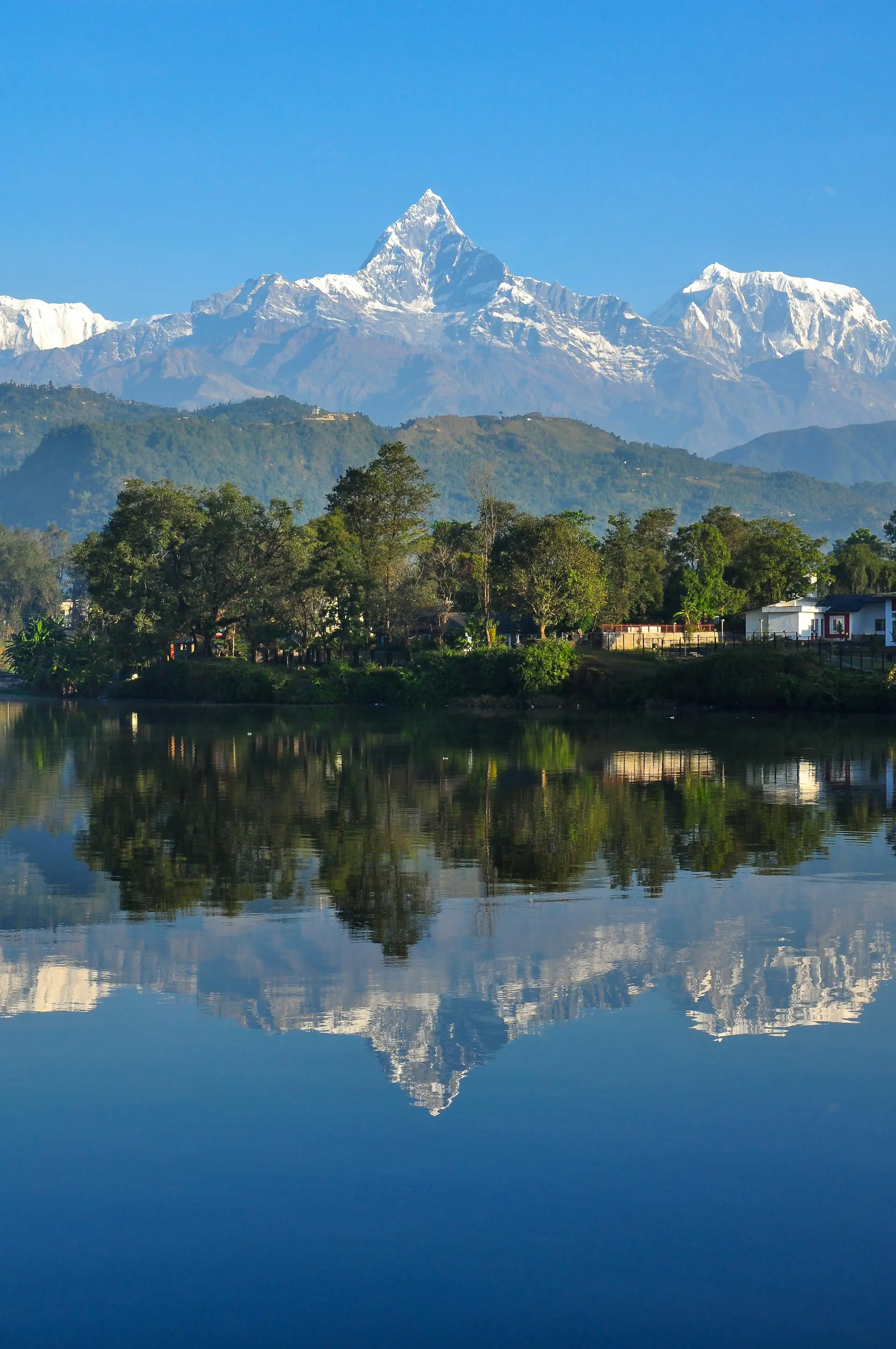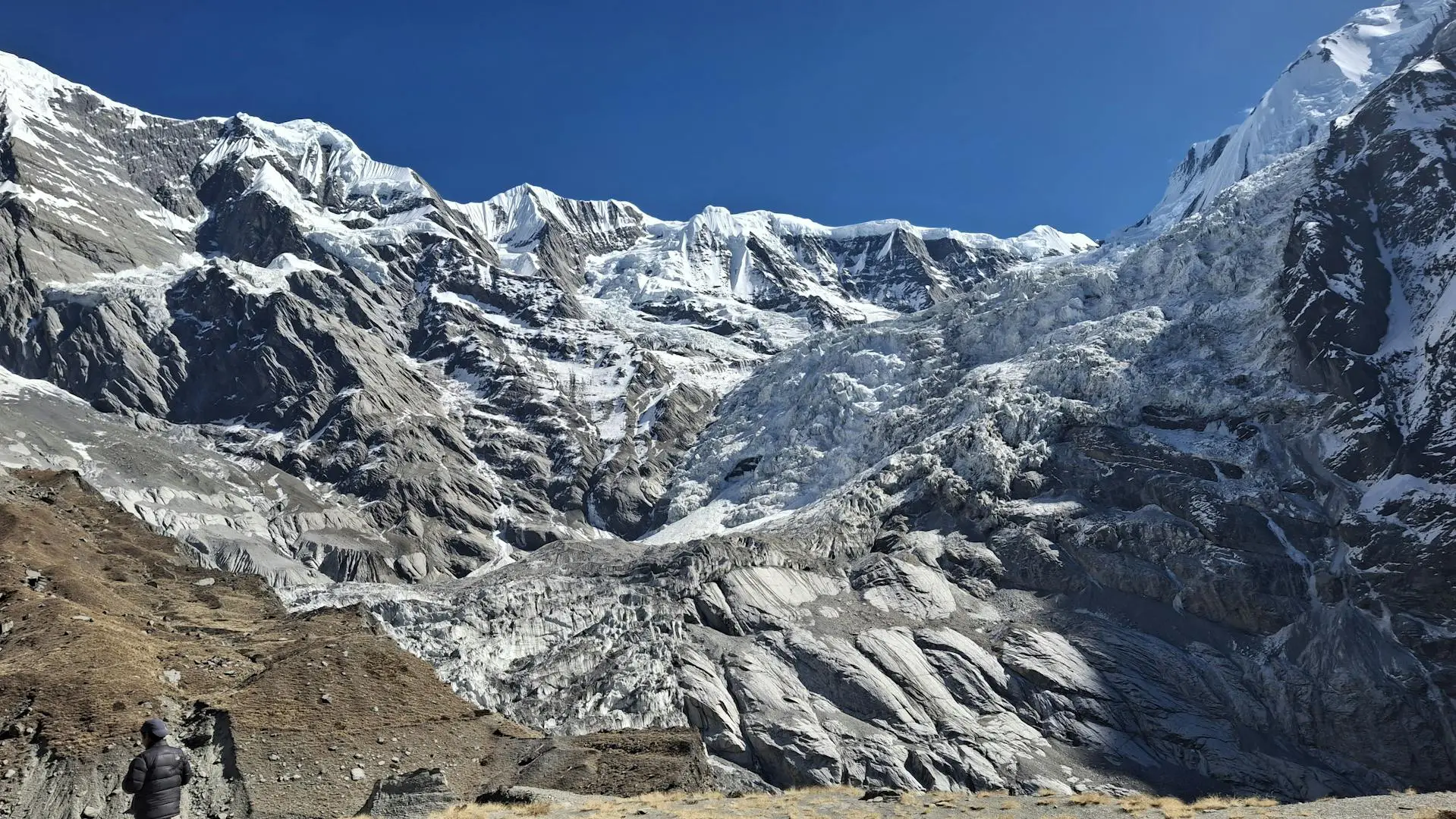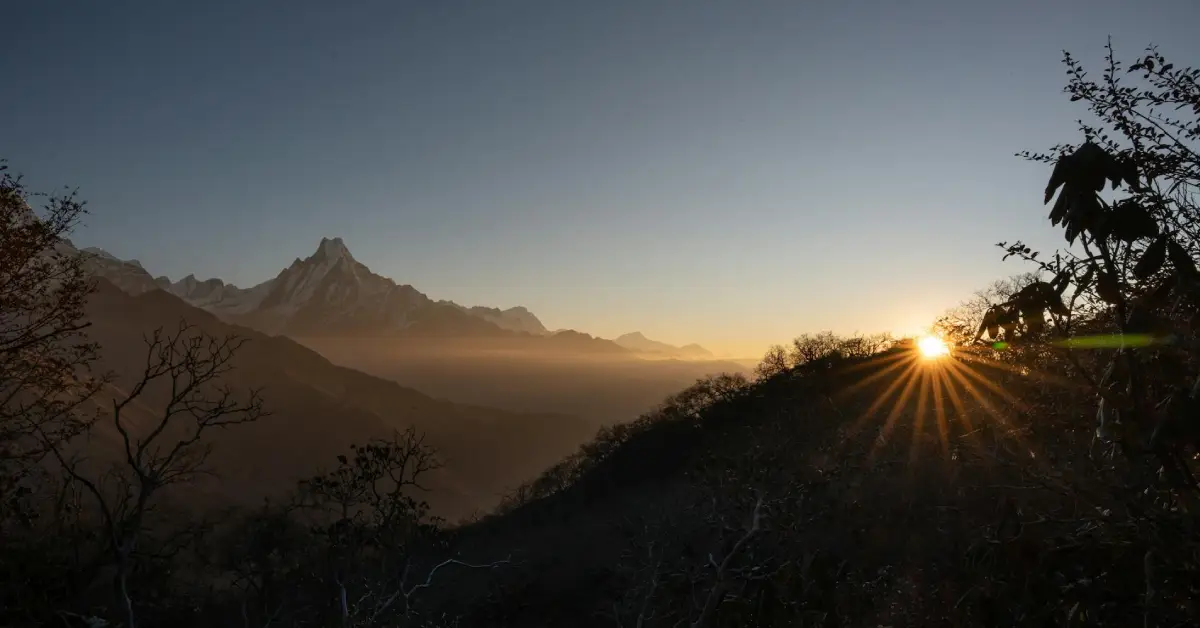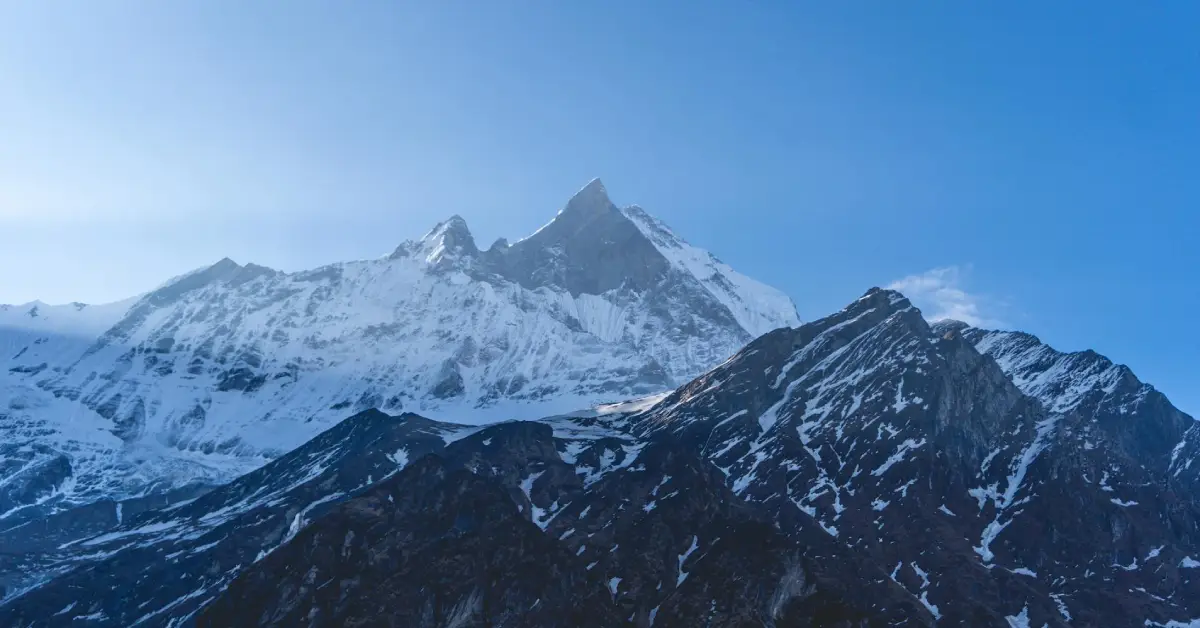

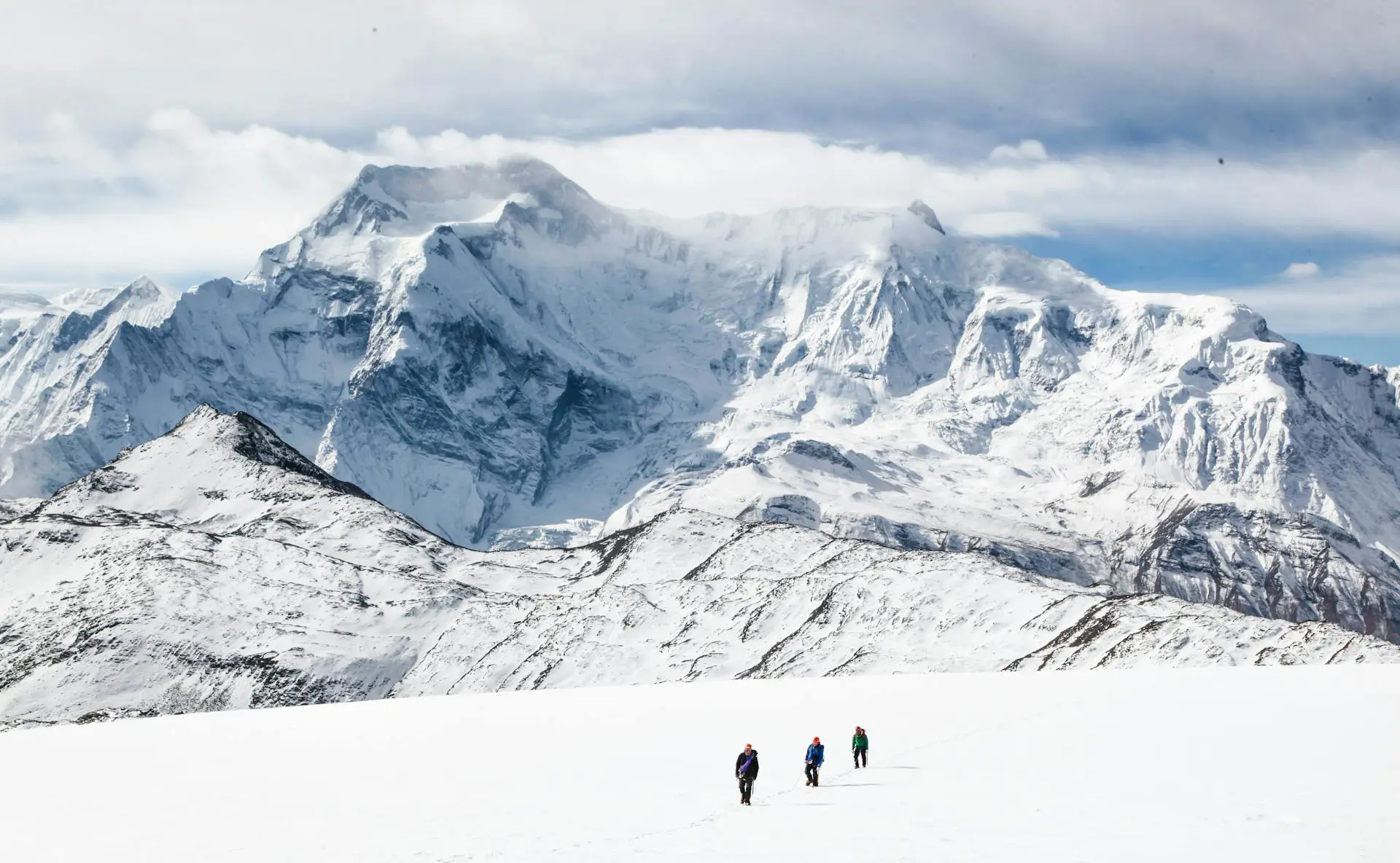
Pisang Peak Climbing

Pisang Peak Climbing

Activity
Trekking and Climbing
Trip Grade
Moderate
Max. Altitude
6091m

Overview

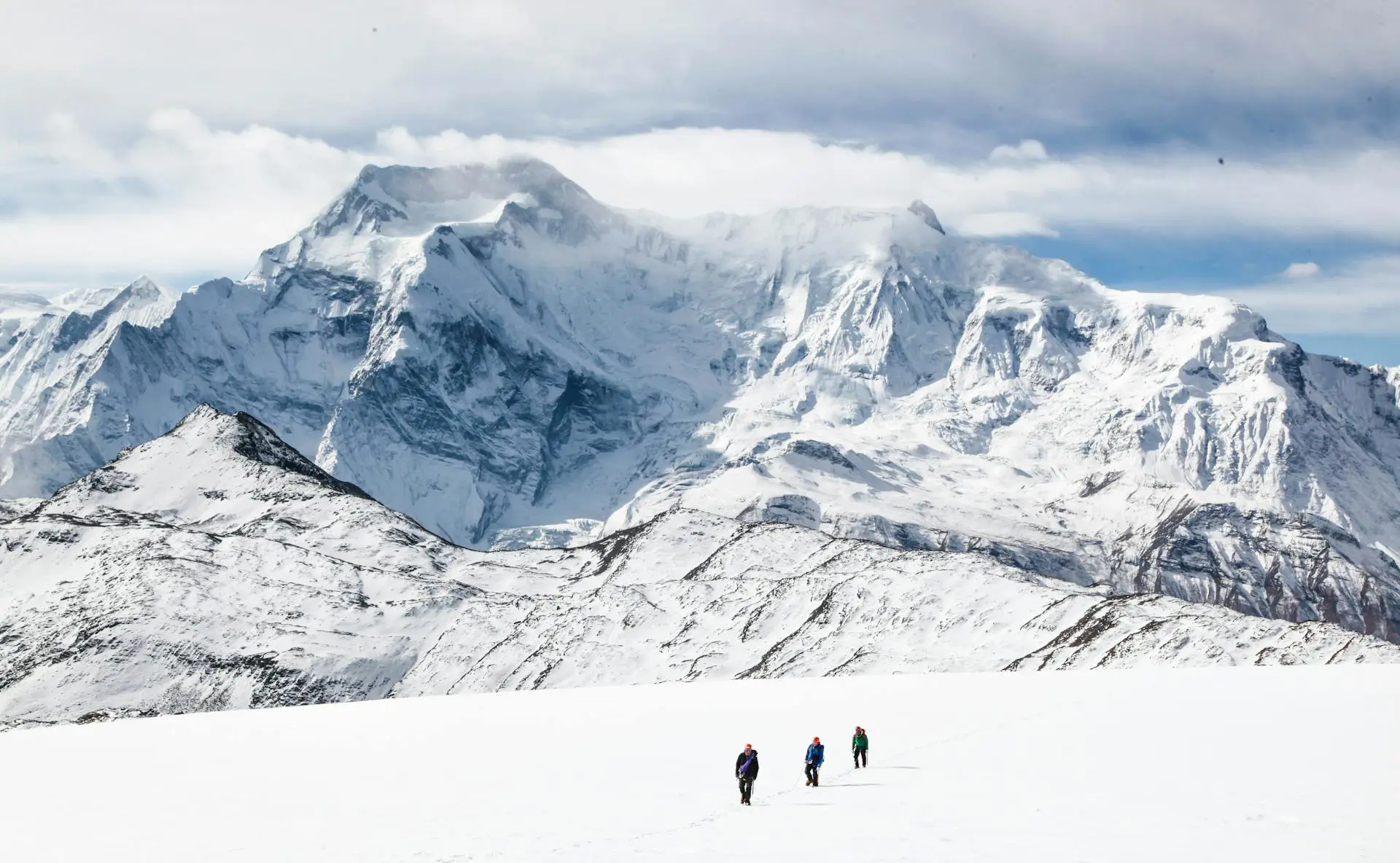
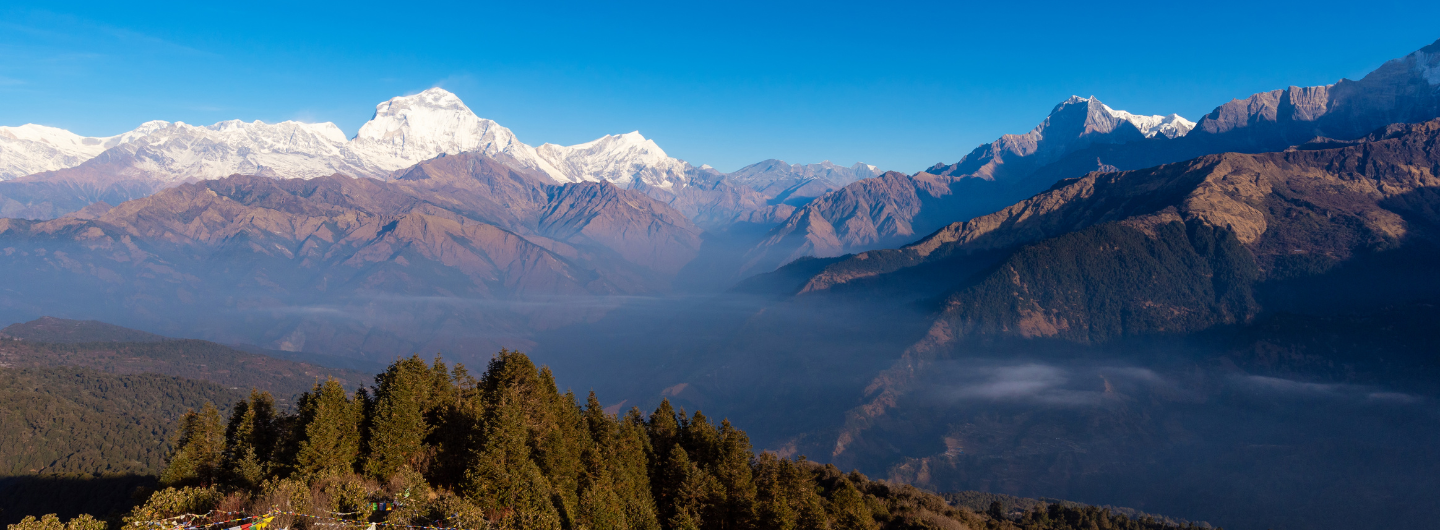
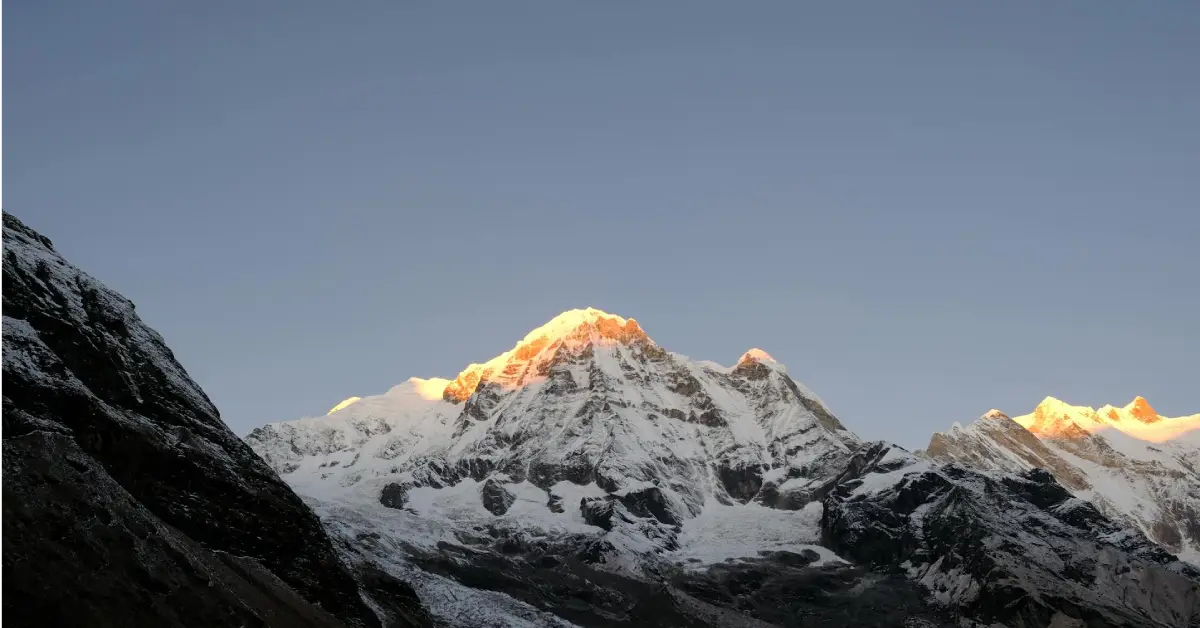
Dreaming of standing on top of a mighty Himalayan summit? Pisang Peak climbing might just be the perfect adventure for you! Located in the stunning Annapurna region of Nepal, Pisang Peak (6,091m) is one of the most popular trekking peaks in Nepal, ideal for climbers who want a real Himalayan summit experience without needing years of technical training.

pisang peak climbing

Whether you’re a seasoned trekker stepping into mountaineering or an enthusiastic beginner with solid fitness, this guide by Trexmount Ventures, your trusted Best Trekking Company in Nepal, will walk you through everything you need to know.

Table of Contents

  1. What is Pisang Peak? A Quick Overview
  2. Why Choose Pisang Peak Climbing?
  3. 6 Epic Pisang Peak Climbing Routes Explained
  4. Complete Pisang Peak Climbing Itinerary (19 Days)
  5. How Much Does Pisang Peak Climbing Cost in Nepal?
  6. What is Included in the Pisang Peak Climbing Cost?
  7. Pisang Peak Climbing Difficulty
  8. Best Time to Climb Pisang Peak
  9. Pisang Peak Permit Nepal
  10. Where Can I Find a Detailed Pisang Peak Climbing Map?
  11. What is the Complete Pisang Peak Climbing Itinerary?
  12. How Many Days Are Required for the Pisang Peak Climbing Itinerary?
  13. Essential Gear & Packing List
  14. FAQs About Pisang Peak Climbing

What is Pisang Peak? A Quick Overview

Pisang Peak is a breathtaking peak in Nepal situated in the Manang District, right along the famous Annapurna Circuit trekking route. Standing tall at 6,091 metres, it was officially opened for climbing in 1978 and has since attracted thousands of mountaineers from all over the world.

FeatureDetails
Peak NamePisang Peak
Altitude6,091 metres (19,984 ft)
LocationManang District, Annapurna Region
TypeTrekking Peak
First Ascent1955
Open for Climbing Since1978
DifficultyModerate

Why Pisang Village Is the Heart of This Expedition

Pisang village, Nepal trek begins from this charming, traditional village sitting at around 3,300m. Upper Pisang offers panoramic views of Annapurna II, Annapurna IV, and Pisang Peak itself, a visual treat before the climb even begins. The village is a living museum of Tibetan-influenced culture, yak herding, and ancient monasteries.

  • Located on the eastern edge of the Manang Valley
  • Two parts: Upper Pisang (older, traditional) and Lower Pisang (modern)
  • Starting point for the Pisang Peak base camp route
  • Easily accessible via the Annapurna Circuit trekking route

Why Choose Pisang Peak Climbing?

There are many reasons why it stands out among all trekking peaks in Nepal. First and foremost, it combines both a rewarding trek and a genuine summit climb, giving you the best of both worlds. Furthermore, the approach trek follows the iconic Annapurna Circuit, which means incredible scenery every single day.

BenefitWhy It Matters
Moderate difficultySuitable for fit beginners
Scenic routeAnnapurna panoramas throughout
Rich cultureGurung and Tibetan villages
High success rateWell-established route and camps
Affordable costOne of the best value climbs in Nepal

Pisang Peak vs. Other Best Peaks to Climb in Annapurna

When comparing the best peaks to climb in Annapurna, Pisang Peak consistently ranks at the top. Unlike Island Peak or Mera Peak in the Everest region, Pisang offers a less crowded, more intimate expedition experience. Additionally, the Annapurna region peak climbing circuit gives you access to varied terrain, from lush rhododendron forests to high-altitude glacial zones.

  • Less crowded than the Everest region peaks
  • More technically diverse than pure trekking routes
  • Combines glacier travel, fixed ropes, and ridge climbing
  • Excellent for building high-altitude mountaineering skills

6 Epic Pisang Peak Climbing Routes Explained

This is where it gets truly exciting. The Pisang Peak route guide reveals multiple approaches, each with its own character, challenge, and reward. Understanding each Pisang Peak route, Nepal option helps you choose the one best suited to your skills and goals.

RouteDifficultyKey Feature
Normal Route (Southeast Ridge)ModerateMost popular, fixed ropes available
North Ridge RouteModerate–HardLess traffic, technical sections
West Face RouteHardSteep ice, experienced climbers only
Northeast RidgeModerateScenic ridge with good views
East Face RouteHardRemote and rarely attempted
South CouloirHardSnow and ice gully, advanced skills needed

Route 1 | The Normal Southeast Ridge Route

The most popular Pisang Peak route follows the Southeast Ridge. It begins from Base Camp at approximately 4,800m and progresses through High Camp at around 5,500m before the summit push. Moreover, this route has fixed ropes during peak seasons, making it the safest option for guided expeditions.

  • Total climbing distance: ~5 km from Base Camp
  • Elevation gain from Base Camp to summit: ~1,291m
  • Average summit push time: 6–8 hours
  • Fixed ropes: Yes, during the spring and autumn seasons

Route 2 | The North Ridge Route

The North Ridge is the second most-used Pisang Peak trekking route that transitions into a technical climb. While it demands more skill in crampon use and ice axe technique, the views from the north-facing ridge are absolutely spectacular. Consequently, many experienced trekkers prefer this route for its raw, unfiltered Himalayan drama.

  • Slightly longer approach from Pisang village
  • Requires intermediate crampon and ice axe skills
  • Excellent views of Annapurna II and Gangapurna
  • Recommended for those with prior glacier experience

Routes 3–6 | Advanced Options for Experienced Climbers

The remaining four routes, West Face, Northeast Ridge, East Face, and South Couloir, are reserved for experienced mountaineers. These are rarely attempted and require advanced skills in ice climbing, route-finding, and high-altitude rescue techniques. Therefore, guided Pisang Peak expedition packages for these routes must include certified high-altitude climbing guides.

  • West Face: Steep 50–60° ice slope, crampons and ice screws essential
  • East Face: Remote approach, very few recorded ascents
  • South Couloir: A narrow snow gully, avalanche risk assessment needed
  • Northeast Ridge: Best alternative for intermediate climbers seeking variety

Complete Pisang Peak Climbing Itinerary (19 Days)

The standard Pisang Peak itinerary 18 days can be comfortably extended to 19 days to allow better acclimatisation and flexibility. Below is the full Pisang Peak itinerary as offered by Trexmount Ventures, the Best Trekking Company in Nepal.

DayDestinationAltitudeActivity
1Kathmandu1,400mArrival, briefing
2Kathmandu1,400mPermit processing, gear check
3Besisahar760mDrive from Kathmandu
4Chame2,670mTrek begins
5Upper Pisang3,300mTrek via Annapurna Circuit
6Manang3,519mTrek & acclimatisation
7Manang3,519mRest & acclimatisation day
8Pisang Peak Base Camp4,800mTrek to Base Camp
9Base Camp4,800mGear prep & rest
10High Camp5,500mEstablish High Camp
11High Camp5,500mRest & weather assessment
12Summit Day6,091mSummit push & return to BC
13Reserve DayWeather contingency
14Reserve DayWeather contingency
15Manang3,519mDescent
16Chame2,670mContinue descent
17Besisahar760mTrek/drive out
18Kathmandu1,400mReturn to Kathmandu
19Kathmandu1,400mDeparture day

Daily Breakdown Highlights

  • Days 1–2: Kathmandu orientation, Pisang Peak permit Nepal processing, gear inspection
  • Days 3–7: Gradual ascent via the Annapurna Circuit trekking route with essential rest days
  • Days 8–12: Core climbing phase, Base Camp, High Camp, and Summit Push
  • Days 13–14: Built-in buffer days for unpredictable Himalayan weather
  • Days 15–19: Descent, recovery, and departure from Kathmandu

Acclimatisation Strategy for Pisang Peak Summit Climb

A smart Pisang Peak summit climb depends almost entirely on proper acclimatisation. The golden rule in Nepal Himalayan peak climbing is: climb high, sleep low. By spending extra days in Manang (3,519m) before pushing to Base Camp, your body adjusts to thinner air, reducing the risk of Acute Mountain Sickness (AMS).

pisang peak in nepal
  • Mandatory rest day in Manang (Day 7)
  • Short acclimatisation hikes above 4,000m during rest days
  • Hydration goal: 3–4 litres of water daily above 3,500m
  • Watch for AMS symptoms: headache, nausea, dizziness, fatigue

How Much Does Pisang Peak Climbing Cost in Nepal?

One of the most common questions is about the climbing cost. The total cost depends on several factors including group size, season, guide quality, and services included. Here’s a transparent breakdown to help you plan your budget.

Cost ComponentEstimated Cost (USD)
Climbing Permit$250 (Spring/Autumn)
Trekking Permit (ACAP + TIMS)$30–$40
Guide & Porter Fees$500–$800
Accommodation (Tea Houses)$200–$300
Meals (Full Board)$300–$400
Equipment Rental$150–$250
Kathmandu Hotel (2 nights)$80–$150
International Flights$600–$1,200
Total Estimate$2,500–$4,500

Budget vs. Premium Guided Pisang Peak Expedition

Budget expeditions typically cost between $2,500–$3,000 USD, while premium packages offered by the Best Trekking Company in Nepal like Trexmount Ventures range from $3,500–$4,500 USD. Premium packages include better equipment, more experienced guides, comprehensive insurance, and emergency evacuation coverage — all of which are invaluable at high altitude.

  • Budget packages: Basic tea house accommodation, shared guides
  • Mid-range: Private guide, better meals, standard gear
  • Premium: Full-service expedition with certified guides, gear, and rescue insurance

What Is Included in the Pisang Peak Climbing Cost?

Understanding exactly what’s included in your cost is crucial before booking. A comprehensive package from Trexmount Ventures typically covers the following:

IncludedNot Included
All trekking and climbing permitsInternational flights
Licensed climbing guideTravel insurance
Porter (up to 15kg per person)Personal climbing gear
Tea house accommodationTips for guides/porters
All meals (breakfast, lunch, dinner)Extra beverages
Airport transfersExpenses of personal nature
Sleeping bag and down jacket rentalMedical evacuation (if not insured)
Emergency first aid kitAdditional nights in Kathmandu

What Makes the Trexmount Ventures Package Stand Out

Trexmount Ventures, recognised as a Best Trekking Company in Nepal, goes beyond standard offerings. Furthermore, every guided Pisang Peak expedition includes real-time weather monitoring, satellite communication devices, and a dedicated acclimatisation protocol designed by experienced Himalayan mountaineers.

  • Government-licensed IFMGA-certified guides
  • 24/7 satellite emergency communication
  • Personalised pre-trip fitness and gear consultation
  • Small group sizes (max 8 climbers per guide)

Pisang Peak Climbing Difficulty

Difficulty is rated as moderate on the Nepal Mountaineering Association (NMA) scale. However, “moderate” in Himalayan terms still demands solid physical fitness, mental resilience, and at least basic mountaineering knowledge. Consequently, preparation is absolutely non-negotiable.

Skill AreaRequirement
Physical FitnessHigh cardiovascular endurance
Technical SkillsBasic crampon and ice axe use
Altitude ExperiencePrior trekking above 4,000m preferred
Mental StrengthAbility to cope with cold and fatigue
Rope SkillsBasic knowledge of fixed-rope ascending

Key Challenges on the Pisang Peak Trekking and Climbing Guide

According to our Pisang Peak trekking and climbing guide, the three biggest challenges are altitude sickness, unpredictable weather, and the steep snow/ice sections near the summit. Therefore, proper preparation, guided support, and a flexible itinerary are absolutely essential for Pisang Peak summit success tips.

  • Steep snow slopes (40–50°) near the summit ridge
  • Sudden weather changes — whiteouts can develop in hours
  • Night-time temperatures can drop to -20°C near High Camp
  • Physical fatigue combined with thin oxygen levels (40% less than sea level)

Best Time to Climb Pisang Peak

Choosing the best time to climb Pisang Peak dramatically affects your summit success rate. Nepal has two primary climbing windows, spring (March to May) and autumn (September to November).

SeasonMonthsConditionsRecommended?
SpringMar–MayStable, warming tempsBest Season
AutumnSep–NovClear skies, cool tempsExcellent
MonsoonJun–AugHeavy rain, dangerousNot Recommended
WinterDec–FebExtreme cold, high snowfallExpert Only

Spring vs. Autumn for Pisang Peak Expedition, Nepal

Both spring and autumn offer outstanding conditions for Pisang Peak expedition, Nepal. Spring brings warmer temperatures and longer days, ideal for acclimatisation and summit pushes. On the other hand, autumn delivers crystal-clear skies with lower precipitation and stunning post-monsoon visibility, perfect for photography and panoramic summit views.

  • Spring (April–May): Peak season, most guided groups, best weather windows
  • Autumn (October): Best visibility, moderate temperatures, slightly fewer crowds
  • Always book at least 3–4 months in advance for peak seasons

Pisang Peak Permit Nepal

Before starting your Pisang Peak route, Nepal, you must obtain the correct permits. The Pisang Peak permit Nepal process is straightforward but must be done through official channels to remain legal and safe.

Permit TypeIssuing AuthorityCost (USD)
Climbing PermitNepal Mountaineering Association (NMA)$250 (Spring/Autumn)
ACAP PermitAnnapurna Conservation Area Project$20
TIMS CardTrekking Agencies Association of Nepal$10–$20

How Trexmount Ventures Handles Your Permits

As the Best Trekking Company in Nepal, Trexmount Ventures manages all permit applications on your behalf. This means you don’t need to visit any government office yourself. Moreover, we ensure all paperwork is completed ahead of your arrival so that your expedition begins without delays.

  • Permit processing time: 1–2 working days in Kathmandu
  • All permits processed by Day 2 of the itinerary
  • Copies of permits are provided digitally and in hard copy

Where Can I Find a Detailed Pisang Peak Climbing Map?

A reliable altitude and route map is one of the most important planning tools for any climber. The best maps combine trekking trails, climbing routes, camp locations, and altitude profiles in a single reference.

Map ResourceDetails
National Geographic Trails MapBest for Annapurna Circuit
HimalMap NepalDigital GPS-based climbing maps
Trexmount Ventures Custom MapProvided to all expedition clients
Cicerone Press GuidebookDetailed written route descriptions
Gaia GPS AppDigital offline topographic maps

Reading the Pisang Peak Base Camp Route on a Map

Understanding the Pisang Peak base camp route on a map helps you visualise the journey before you even begin. The standard route goes from Pisang village → Pisang Peak Base Camp (4,800m) → High Camp (5,500m) → Summit (6,091m). Furthermore, Trexmount Ventures provides all clients with a custom printed and digital map for use throughout the expedition.

  • Map scale recommended: 1:50,000 for trekking, 1:25,000 for climbing sections
  • GPS waypoints provided for Base Camp and High Camp
  • Emergency evacuation routes clearly marked

What Is the Complete Pisang Peak Climbing Itinerary?

The complete itinerary as outlined by Trexmount Ventures is a perfectly balanced 19-day journey combining culture, trekking, acclimatisation, and summit climbing. Every day is designed with both safety and experience in mind.

PhaseDaysPurpose
Pre-ExpeditionDay 1–2Permits, gear, orientation
Approach TrekDay 3–7Annapurna Circuit trekking
Climbing PhaseDay 8–14Base Camp, High Camp, Summit
DescentDay 15–17Return trek to Besisahar
DepartureDay 18–19Kathmandu & fly home

How to Climb Pisang Peak, Nepal

Here’s a simplified version of how to climb Pisang Peak, Nepal, broken into actionable phases:

  1. Arrive in Kathmandu → Get permits and gear
  2. Drive to Besisahar → Begin Annapurna Circuit trek
  3. Trek to Upper Pisang → Acclimatise at village level
  4. Reach Manang → Rest and acclimatise for 2 days
  5. Establish Base Camp → Organise climbing equipment
  6. Move to High Camp → Final push preparation
  7. Summit Push → Reach 6,091m and descend safely
  8. Return trek → Enjoy the trail back
  9. Fly home → With a lifetime of memories

How Many Days Are Required for the Pisang Peak Climbing Itinerary?

Total days required: 19 days. The full itinerary spans 19 days from arrival in Kathmandu to departure. This includes 2 buffer/contingency days for weather, which are a standard and strongly recommended part of any Nepal Himalayan peak climbing expedition.

SegmentDays Required
Kathmandu (arrival + departure)3 days
Approach trek (Besisahar to Pisang)5 days
Acclimatisation in Manang2 days
Climbing phase (BC, HC, Summit)5 days
Buffer/contingency days2 days
Descent to Besisahar + Kathmandu2 days
Total19 Days

Why 19 Days Is the Ideal Duration

A rushed expedition is a dangerous expedition. Taking the full 19 days allows your body to genuinely adapt to the thin air, reduces AMS risk significantly, and gives you real contingency time for summit windows. Trexmount Ventures strongly advises against shortening the itinerary below 17 days.

  • Acclimatisation alone requires a minimum of 8–10 days above 3,000m
  • Summit windows in the Himalaya are often narrow, 1 to 3 days at most
  • Extra days allow for rest, cultural exploration, and photography
  • 19 days is the sweet spot between efficiency and safety

Essential Gear & Packing List

Before heading on your trekking and climbing guide journey, packing the right equipment can make or break your summit attempt. Below is a concise gear list based on summit success tips from experienced Himalayan guides.

CategoryEssential Items
Climbing GearCrampons, ice axe, harness, helmet, jumar
ClothingDown jacket, thermal layers, waterproof shell
FootwearDouble-boot mountaineering boots, gaiters
NavigationGPS device, topographic map, compass
SafetyFirst aid kit, AMS medication (Diamox)
NutritionHigh-calorie snacks, electrolyte powders
CommunicationSatellite phone or PLB device

Rental vs. Personal Gear for Pisang Peak Altitude and Route

Most major gear items, including down suits, crampons, ice axes, and sleeping bags rated to -20°C, can be rented in Kathmandu at a reasonable cost. However, boots and inner layers should always be personal gear for comfort and hygiene.

  • Kathmandu rental shops: Thamel area (HRA, Hillary, equipment shops)
  • Sleeping bag rated: -20°C minimum
  • Boot recommendation: Double-layer mountaineering boot (La Sportiva Trango, etc.)
  • Always test rented gear before leaving Kathmandu

FAQs

1. How difficult is Pisang Peak climbing for beginners?

Difficulty is rated moderate by the Nepal Mountaineering Association. Beginners with good physical fitness, prior high-altitude trekking experience (above 4,000m), and basic mountaineering training can successfully summit. However, technical skills like crampon use, ice axe self-arrest, and fixed-rope ascending must be learned before the expedition. Trexmount Ventures offers pre-expedition training sessions in Kathmandu. Always go with a certified guide for your first summit climb experience.

2. What is the best time to climb Pisang Peak?

The best time to climb this peak is during spring (March to May) and autumn (September to November). April and October are widely considered the optimal months because they offer the most stable weather windows, clearest skies, and manageable temperatures. Monsoon season (June–August) brings heavy rainfall and landslide risk, making it extremely dangerous. Winter climbing is possible but only for experienced mountaineers with proper cold-weather gear and support.

3. How much does Pisang Peak climbing cost in Nepal?

The total Pisang Peak cost ranges from approximately $2,500 to $4,500 USD, depending on the package type, group size, and season. This typically includes permits (NMA climbing permit: $250), guide and porter fees, accommodation, meals, and equipment. International flights and personal gear are not usually included. Premium packages from the Best Trekking Company in Nepal like Trexmount Ventures offer better safety, certified guides, and emergency evacuation coverage.

4. What permits do I need for Pisang Peak?

You need three key permits for Pisang Peak permit Nepal: the NMA Climbing Permit ($250), the ACAP (Annapurna Conservation Area Permit at $20), and a TIMS Card ($10–$20). These are processed in Kathmandu, typically on Day 2 of your itinerary. Trexmount Ventures handles all permit applications on behalf of clients, ensuring a smooth and legal expedition from start to finish on every Peak expedition, Nepal.

5. How many days does the Pisang Peak climbing itinerary take?

The complete Pisang Peak itinerary takes 19 days from arrival in Kathmandu to departure. This includes the approach trek via the Annapurna Circuit, acclimatisation days in Manang, the climbing phase (Base Camp to Summit), and the descent. Two buffer days are built in for weather contingency. The Pisang itinerary 18 days is also possible, but reduces buffer time, which Trexmount Ventures advises against for safety.

6. What is the Pisang Peak base camp altitude? The Pisang base camp route leads to Base Camp at approximately 4,800 metres above sea level. High Camp is established at around 5,500 metres, and the summit stands at 6,091 metres. The total elevation gain from Base Camp to the summit is approximately 1,291 metres. The ascent from High Camp during the summit push typically takes 6 to 8 hours, depending on weather, snow conditions, and individual climber pace.

7. Is a guided Pisang Peak expedition necessary?

Yes. A guided Peak expedition is strongly recommended and practically essential for safety and permit compliance. The Nepal government requires all trekking peak climbers to be accompanied by a licensed climbing guide. Beyond legal requirements, experienced guides provide critical route-finding skills, emergency response capability, and motivational support at high altitude. Trexmount Ventures provides IFMGA-certified guides with extensive experience in Annapurna region peak climbing.

8. What is the Pisang Peak altitude and route overview? Pisang Peak altitude and route

The peak rises to 6,091m in the Manang District. The standard Southeast Ridge route begins from Pisang village (3,300m), moves to Base Camp (4,800m), then High Camp (5,500m), and finally the summit (6,091m). The route involves glacier travel, snow slopes of 40–50°, and a short but exposed ridge walk to the summit. Fixed ropes are in place during peak climbing seasons on the most challenging sections.

9. Where can I find the Pisang Peak climbing map?

A detailed Pisang Peak trekking route and climbing map can be found through National Geographic’s Annapurna Circuit map (1:50,000 scale), the HimalMap Nepal digital platform, or the Cicerone Press guidebook. Digital versions are available on Gaia GPS and other offline topographic apps. Trexmount Ventures provides every client with a custom printed and digital map, including GPS waypoints for camp locations, summit routes, and emergency descent paths, an essential part of our Pisang trekking and climbing guide package.

10. What are the top summit success tips for Pisang Peak?

Key Pisang Peak summit success tips include: (1) Spend at least 2 full rest days in Manang for acclimatisation; (2) Start the summit push by 2–3 AM to return before afternoon winds; (3) Drink 3–4 litres of water daily to prevent AMS; (4) Listen to your guide, turnaround decisions save lives; (5) Practice crampon and ice axe techniques in Kathmandu before departure; (6) Choose the best time to climb Pisang Peak (April or October); (7) Book with the Best Trekking Company in Nepal for certified guide support.

Itinerary

Day 01

Arrival in Kathmandu and transfer to hotel.

Upon arrival at Tribhuvan International Airport, our team will welcome you and transfer you to your hotel in Kathmandu. After check-in and some rest, you will meet your tour leader for a pre-departure briefing covering trip details, safety guidelines, and itinerary highlights. You will also submit required documents such as passport copies, photos, and travel insurance. The evening is free to relax or explore nearby streets of the vibrant city.

Meals: Not Included

Day 02

Kathmandu: Free day or City Sightseeing (pay Locally for sightseeing).

After breakfast, enjoy a free day to prepare for the adventure ahead or join an optional sightseeing tour around Kathmandu Valley. Popular sites include Pashupatinath Temple, Boudhanath Stupa, Swayambhunath Stupa, and historic Durbar Squares of Kathmandu, Patan, and Bhaktapur. These UNESCO heritage sites showcase Nepal’s rich culture, temples, monasteries, and royal palaces. Sightseeing is optional and can be arranged locally.

Meals: Breakfast

Day 03

Drive to Chamje 1,560 m-5,118 ft via Beshishar 823m-2,700 ft - 08 hrs journeys.

After breakfast, we begin a scenic drive from Kathmandu toward Chamje via Besisahar. The journey follows winding mountain roads through rural villages, terraced farms, and lush valleys. After leaving the main highway at Dumre, we continue along the Marsyangdi River, passing settlements like Khudi, Bhulbhule, and Ngadi. The route offers beautiful views of the Himalayan foothills before reaching the small village of Chamje for an overnight stay.

Drive Duration: ~8 hours
Meals: Breakfast, Lunch, Dinner

Day 04

Trek to Dharapani 1,920 m-6,299 ft - 05 hours.

Today begins our trekking journey. We cross the Marsyangdi River and walk through forests and alpine landscapes with views of Annapurna, Lamjung Himal, and distant Manaslu ranges. The trail passes through the charming village of Tal, known for its scenic valley setting. Continuing along a wide trail through waterfalls and rocky paths, we reach the traditional village of Dharapani, an important junction on the Annapurna and Manaslu trekking routes.

Trek Duration: ~5 hours
Meals: Breakfast, Lunch, Dinner

Day 05

Trek to Chame 2,670 m-8,760 ft - 05 hours.

Leaving Dharapani, the trail gradually climbs through dense forests of pine and rhododendron. We pass small Himalayan villages such as Bagarchhap and Timang, where panoramic views of snow-capped peaks appear. Entering the Manang District, the culture becomes strongly influenced by Tibetan Buddhism. After trekking through Koto village, we arrive at Chame, the district headquarters of Manang, surrounded by impressive Himalayan scenery including Lamjung Himal.

Trek Duration: ~5 hours
Meals: Breakfast, Lunch, Dinner

Day 06

Trek to Pisang 3, 230 m-10,597 ft - 05 hrs.

The trail continues through beautiful alpine forests following the Marsyangdi River upstream. Passing the small settlement of Bratang and apple orchards, we walk through pine woods toward Dhukure Pokhari. Along the way, breathtaking views of Pisang Peak and the Chulu range appear. After descending slightly, we reach Lower Pisang, a traditional village with stone houses and prayer walls. The afternoon is free to rest and adapt to the increasing altitude.

Trek Duration: ~5 hours
Meals: Breakfast, Lunch, Dinner

Day 07

Rest day at Pisang for local hikes and acclimatization.

To help the body adjust to the higher altitude, we spend a rest and acclimatization day in Pisang. Short hikes to viewpoints or Upper Pisang offer stunning panoramas of Annapurna II, Annapurna IV, and surrounding peaks. The principle of “climb high, sleep low” helps prepare for the upcoming ascent of Pisang Peak. Our guide will also review climbing techniques and safety procedures.

Meals: Breakfast, Lunch, Dinner

Day 08

Trek to Pisang Peak Base Camp 4,380m-14,370 ft - 04 hrs.

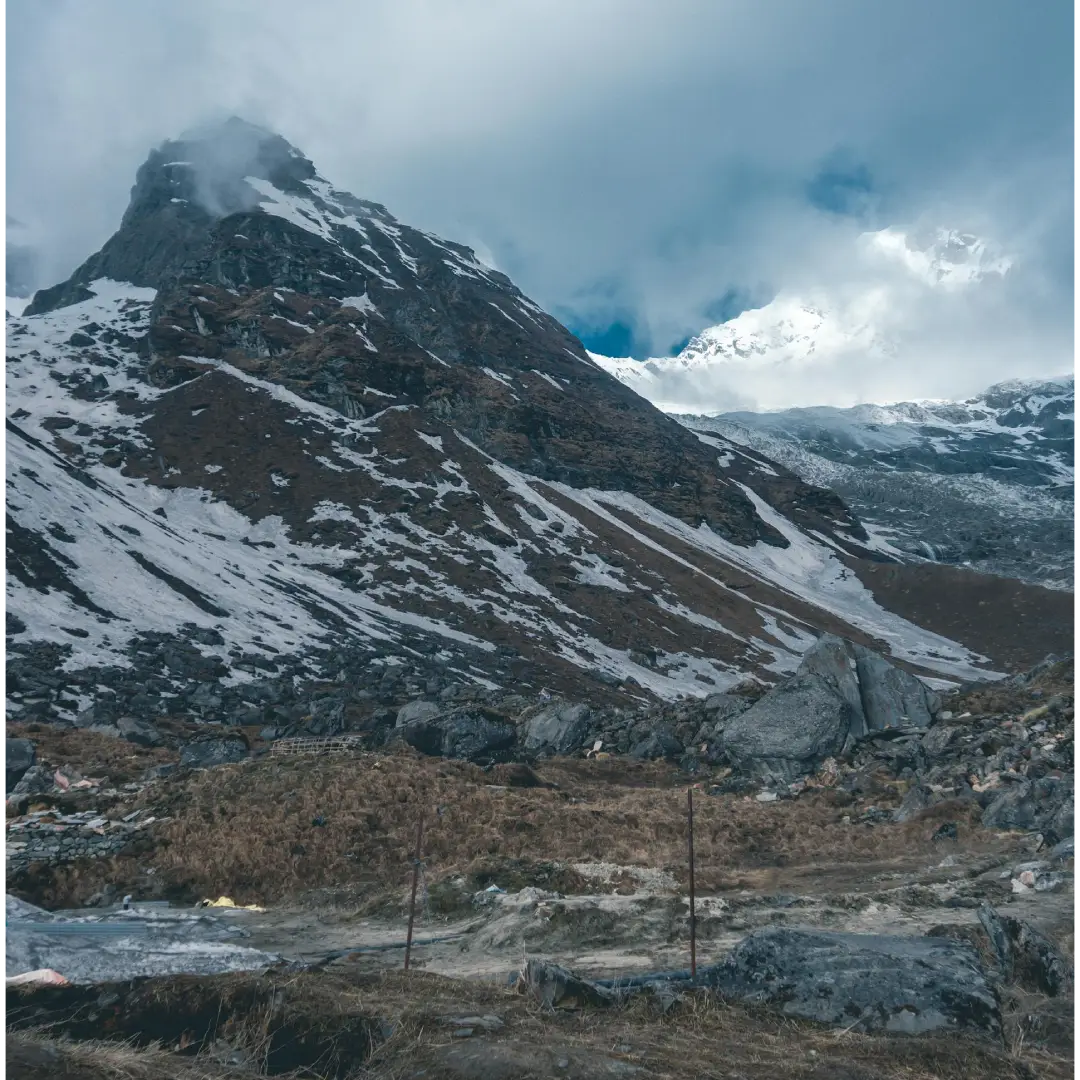
Today we leave the main trail and head toward the base of Pisang Peak. The route climbs through grazing pastures and alpine terrain above Upper Pisang. Vegetation becomes sparse as we gain elevation. After reaching the ridge area, we set up camp at Pisang Peak Base Camp. From here, magnificent views of the Annapurna Range and Chulu Peaks surround us.

Trek Duration: ~4 hours
Meals: Breakfast, Lunch, Dinner

Day 09

Trek and climb to High Camp 5,400 m-17,717 ft - 03 hrs.

The trail climbs steeply toward Pisang Peak High Camp over rocky terrain, glacier sections, and loose gravel. Due to altitude, the pace remains slow and steady. Once at high camp, our climbing team prepares the route and fixes ropes where necessary. The camp sits along the southwest ridge of Pisang Peak, offering spectacular Himalayan views. The afternoon is dedicated to rest and final preparation for the summit attempt.

Trek Duration: ~3 hours
Meals: Breakfast, Lunch, Dinner

Day 10

Climb Pisang Peak and return to base camp time permitting to Pisang village.

Before dawn, we begin the summit climb of Pisang Peak. The ascent follows icy slopes and a defined ridge requiring careful movement with climbing gear. After reaching the summit, climbers are rewarded with panoramic views of Annapurna, Manaslu, and the Damodar Himal range. After celebrating the achievement, we descend back to base camp and, if conditions allow, continue down to Pisang.

Climb Duration: ~8–10 hours
Meals: Breakfast, Lunch, Dinner

Day 11

Reserve day in case of bad weather condition.

This day is kept as a contingency in case unfavorable weather or route conditions delay the summit attempt of Pisang Peak. In high-altitude climbing, flexibility is essential for safety. If the climb is completed as planned, the guide may use this extra day for rest, exploration, or gradual descent along the Annapurna Circuit trail. It ensures the itinerary remains comfortable and safe for all climbers.

Meals: Breakfast, Lunch, Dinner

Day 12

Trek to Manang 3,350 m -10,990 ft- 04 hrs.

After returning to the main trekking route, we continue toward Manang through scenic high-altitude landscapes. The trail passes villages such as Hongde and Braga, where you can visit the historic Braga Monastery, one of the largest monasteries in the region. Traditional Tibetan-style houses and prayer flags reflect the strong Buddhist culture of the Manang Valley. Surrounded by towering peaks of the Annapurna Range, Manang is a beautiful Himalayan settlement.

Trek Duration: ~4 hours
Meals: Breakfast, Lunch, Dinner

Day 13

Trek to Yak Kharka 4,110 m-13,484 ft - 04 hours.

Leaving Manang, the trail climbs gradually toward Yak Kharka, meaning “yak pasture.” The route passes Tenki village and follows a gentle path across alpine landscapes. Along the way, trekkers enjoy spectacular views of Gangapurna, Tilicho Peak, and Chulu West. The terrain becomes more rugged as vegetation thins. Yak Kharka is a small settlement used by herders during summer grazing.

Trek Duration: ~4 hours
Meals: Breakfast, Lunch, Dinner

Day 14

Trek to Thorong High Camp 4,600 m-15,092 ft - 04 hrs.

Today we trek closer to the famous Thorong La Pass. After crossing a suspension bridge near Ledar, the trail gradually ascends toward Thorong Phedi, the base of the pass. From here, a steep zigzag path climbs to Thorong High Camp. Wildlife such as Himalayan thar or musk deer may occasionally be spotted along the trail. From high camp, stunning views of Gangapurna and surrounding Himalayan peaks can be enjoyed.

Trek Duration: ~4 hours
Meals: Breakfast, Lunch, Dinner

Day 15

Cross Thorong-La 5,416 m-17769 ft and to Muktinath 3,800 m-12467 ft - 07 hrs.

We begin the day early to cross Thorong La Pass, the highest point of the journey at 5,416 m. The trail climbs gradually to the prayer-flag-covered summit of the pass, offering breathtaking views of Dhaulagiri, Annapurna, and the Mustang Himal. After celebrating the achievement, we descend toward Muktinath Temple, a sacred pilgrimage site for both Hindus and Buddhists known for its 108 water spouts and eternal flame.

Trek Duration: ~7 hours
Meals: Breakfast, Lunch, Dinner

Day 16

Trek to Jomsom 2, 715 m-8,907 ft - 04 hours.

From Muktinath, the trail descends through the traditional village of Jharkot before reaching the wide valley of the Kali Gandaki River. Walking along the riverbed, we continue to Jomsom, the administrative center of the Mustang region. The town is famous for strong winds, apple orchards, and stunning views of Nilgiri Himal.

Trek Duration: ~4 hours
Meals: Breakfast, Lunch, Dinner

Day 17

Fly from Jomsom to Pokhara 860m-2,821 ft.

Early in the morning, we board a scenic mountain flight from Jomsom Airport to Pokhara. The short flight offers spectacular aerial views of Dhaulagiri, Annapurna, and Machhapuchhre. After landing in Pokhara, the afternoon is free to relax by Phewa Lake or explore the lively lakeside area.

Flight Duration: ~25 minutes
Meals: Breakfast

Day 18

Drive of fly back to Kathmandu.

After breakfast in Pokhara, we return to Kathmandu either by scenic flight or a picturesque drive through Nepal’s hills and rivers. The drive passes charming villages, terraced farmland, and mountain landscapes. Upon arrival in Kathmandu, you will be transferred to your hotel. The evening is free for shopping, sightseeing, or celebrating the successful adventure.

Travel Duration: 6–7 hours drive or 30-minute flight
Meals: Breakfast

Day 19

Departure

After breakfast, our team will transfer you to Tribhuvan International Airport for your onward flight. Your journey through the Himalayas concludes with unforgettable memories of trekking the Annapurna Region and summiting Pisang Peak.

Meals: Breakfast

Includes/Excludes

What is Included?

  • Airport Pick up and drop transfer.
  • Transportation as per above itinerary.
  • All accommodations (Twin Share)
  • An experience guide and required number of porters (one porter in between two pax), their food, accommodation, transportation, salary, insurance, equipment and so on.
  • Warm sleeping bag, warm down jacket and walking stick, if necessary.
  • Trek bag.
  • All Government Taxes are included.

Whats not Included

  • Tips to staff or any donations.
  • Single Supplement for single using rooms
  • Your travel insurance, Medical and emergency costs (Just in case).
  • All type of drinks (mineral water, any cold drinks, and alcoholic drinks).
  • Any personal expenses which is not mention into the price inclusion.

Clients Review

Everest Base Camp & Muktinath Trail Helen & Mark Dwyer Australia

We had a dream to reach Mt Everest Base Camp since we heard about this. One of my friends recommended Trexmount so we have decided to use them for arranging our trek to Everest Base Camp. The treks were very well organized and the guides were extremely knowledgeable, and friendly and looked after us at all times.

Nothing was too much trouble for them and there was always a smile on their faces. We stayed...

Everest Gokyo Ri Trekking Bridget and Ron New Zealand

Namaste Hari and all at Trexmount Ventures, We have just completed our third visit and a Fantastic trek in Nepal with a four-day trek in the Annapurna area and an 18-day trek to Everest base camp and Gokyo. Noelene joined us for the Everest trek and it was her 9th visit! We can highly recommend Trexmount Ventures as a great company. The guides we had, Ram and Tilak were very well informed and also both able to pace the trek to ensure we all reached our...

Trip Info

Full of excitement throughout this trip from villages, green hills, forest, landscapes and mountains with a climb of classic Pisang peak, are the main attraction and highlights of this trip, beneath world’s 10th highest Mt. Annapurna at 8,091 m and 7th highest Mt. Dhaulagiri 8,167 m, , trekking around Annapurna and Dhaulagiri massive mountain range, dramatic variation from sub-tropic – Mediterranean, alpine to arctic climate temperature and landscapes, daily amazing panorama views with views of world’s 3highest mountains Annapurna-Dhaulagiri & Manaslu, fascinating traditional mid hills Gurung, Manang & Thakali tribe villages, super mountain panorama with a visit of holy Muktinath area.