
Lower Dolpo Trek
The Lower Dolpo Trek is one of Nepal's most extraordinary Himalayan adventures, taking travelers deep into a region where untouched landscapes, centuries-old Tibetan culture, and remote mountain villages remain almost unchanged by modern civilization. Located in western Nepal, Lower Dolpo is a restricted trekking region that rewards adventurous hikers with dramatic scenery, pristine alpine lakes, high mountain passes, and an authentic cultural experience rarely found elsewhere in the Himalayas.
Unlike Nepal's more commercial trekking destinations, the Lower Dolpo Trek offers genuine solitude. The trails pass through the breathtaking Shey Phoksundo National Park, ancient Bon monasteries, traditional stone-built villages, lush pine forests, and barren high-altitude valleys that resemble the landscapes of the Tibetan Plateau. Every step introduces a new perspective of Nepal's hidden wilderness, making this journey one of the country's most rewarding camping treks.
Our 21-day Lower Dolpo Trek has been carefully designed to provide enough time for proper acclimatization while allowing trekkers to fully experience the natural beauty and cultural richness of the Dolpo region. Throughout the trek, you'll cross two spectacular Himalayan passes, Numa La Pass (5,318 m) and Baga La Pass (5,190 m), visit the crystal-clear waters of Shey Phoksundo Lake, explore remote settlements such as Ringmo and Dho Tarap, and witness a way of life that has remained preserved for generations.
Because Lower Dolpo lies inside a restricted area of Nepal, visitor numbers remain limited every year. This exclusivity helps preserve the region's fragile ecosystem, traditional customs, and peaceful trekking environment. It also means that every trekker requires special permits and must travel with a licensed trekking agency, making proper planning essential before beginning the journey.
For travelers searching for a true Himalayan expedition beyond crowded trekking routes, the Dolpo Nepal Trek offers an unforgettable combination of wilderness, adventure, culture, and natural beauty. Whether you're an experienced trekker seeking new challenges or a passionate explorer looking to discover one of Nepal's last untouched destinations, the Lower Dolpo region promises memories that last a lifetime.
Lower Dolpo Trek Overview
The Lower Dolpo region lies within Nepal's Karnali Province and forms part of the country's largest protected area, Shey Phoksundo National Park. Covering more than 3,500 square kilometers, the park protects diverse landscapes ranging from dense pine forests and deep river gorges to alpine meadows, barren plateaus, glaciers, and snow-covered Himalayan peaks.
The Lower Dolpo Trek follows ancient salt trading routes that once connected Nepal with Tibet. For centuries, traders crossed these rugged mountains carrying salt, wool, grain, herbs, and livestock between the two regions. Today, many of these historic trails remain unchanged, allowing trekkers to experience the same routes that local communities have used for generations.
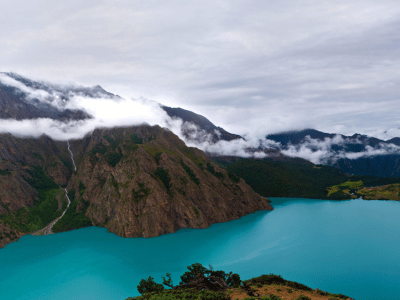
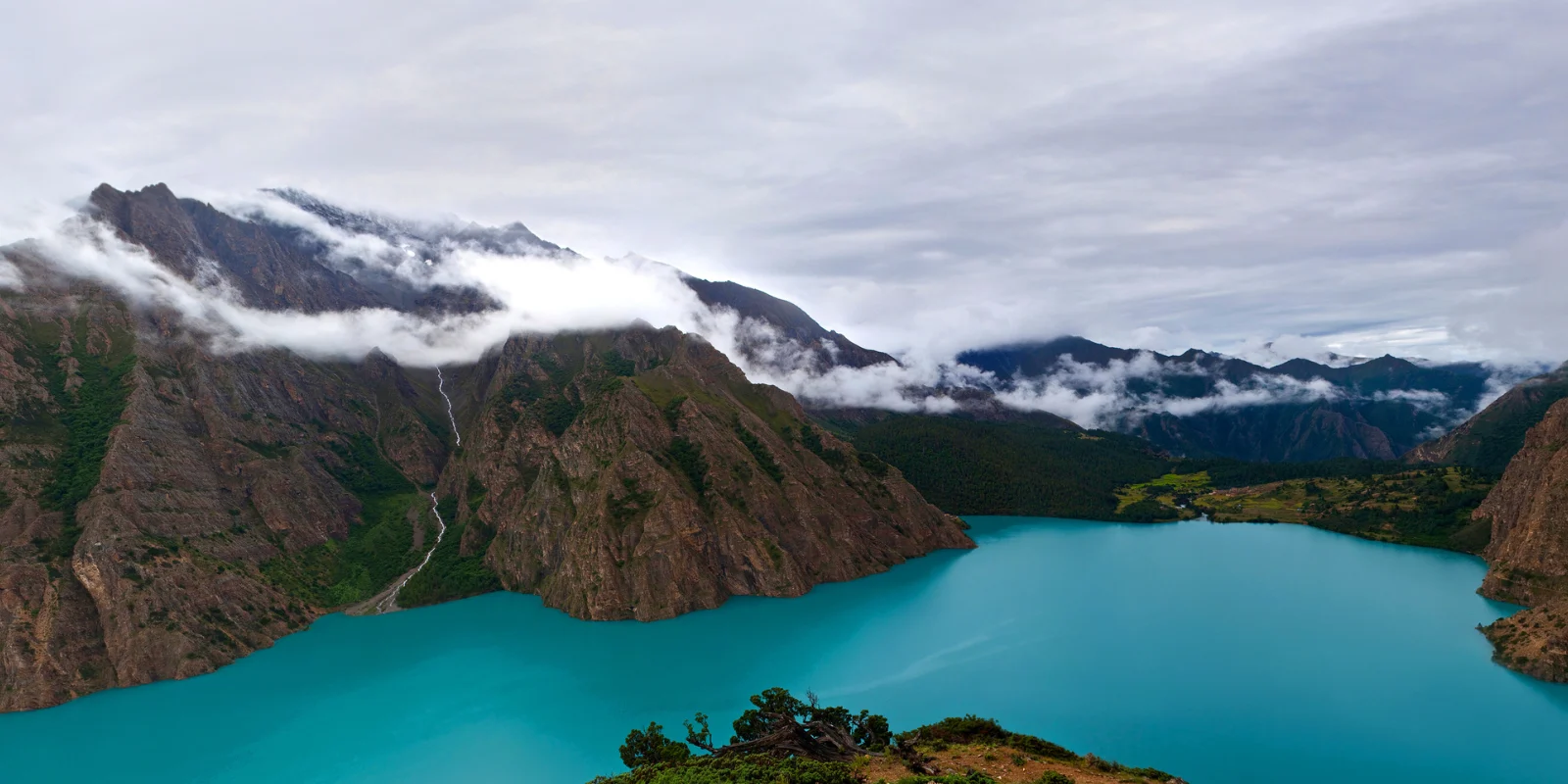
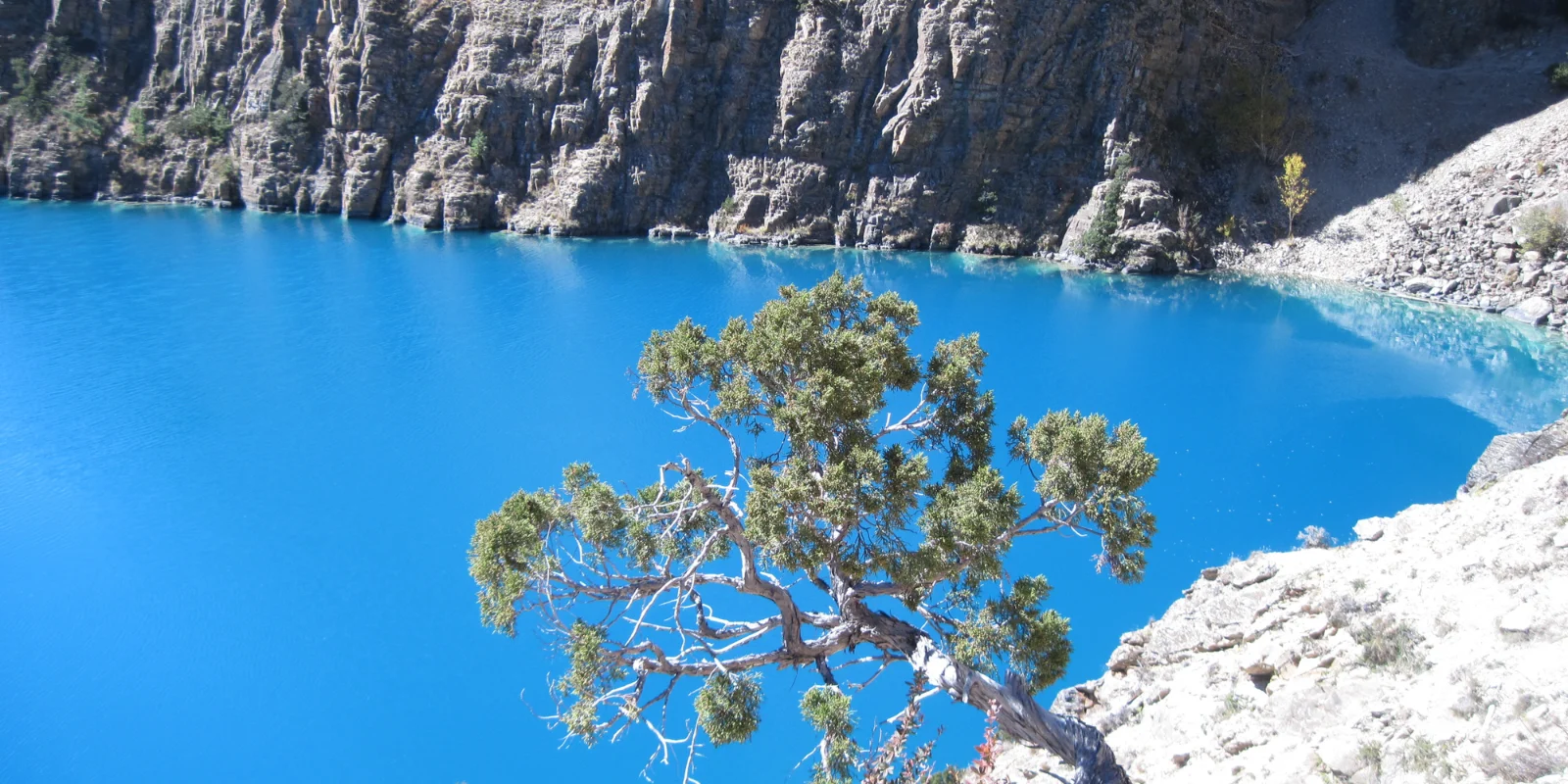
One of the trek's greatest highlights is the spectacular Shey Phoksundo Lake, Nepal's deepest alpine lake. Famous for its vibrant turquoise water and dramatic cliffs, the lake is often considered one of the most beautiful natural attractions in the country. The peaceful surroundings, combined with snow-capped mountains reflected on the lake's surface, create unforgettable scenery for photographers and nature lovers alike.
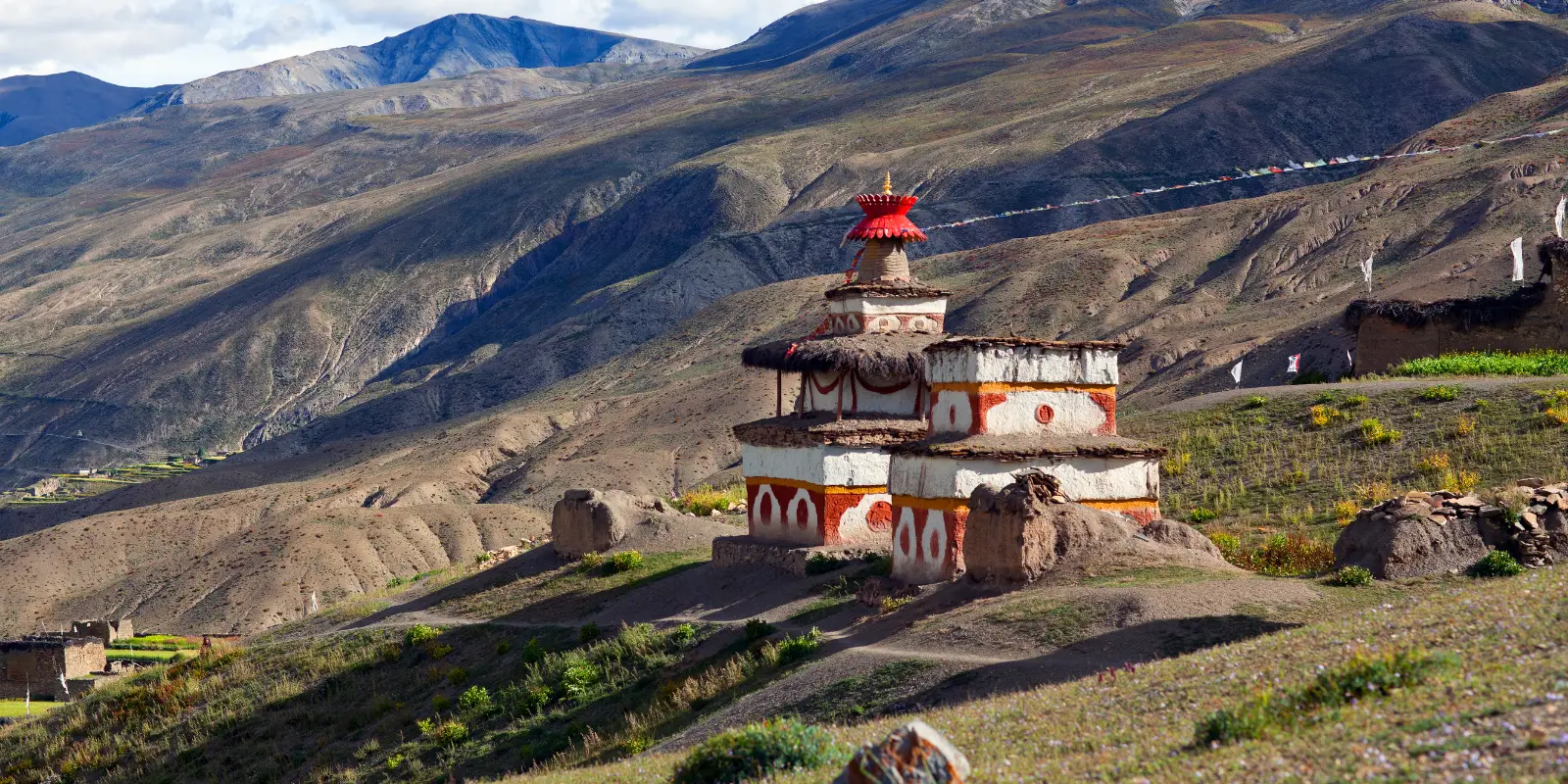
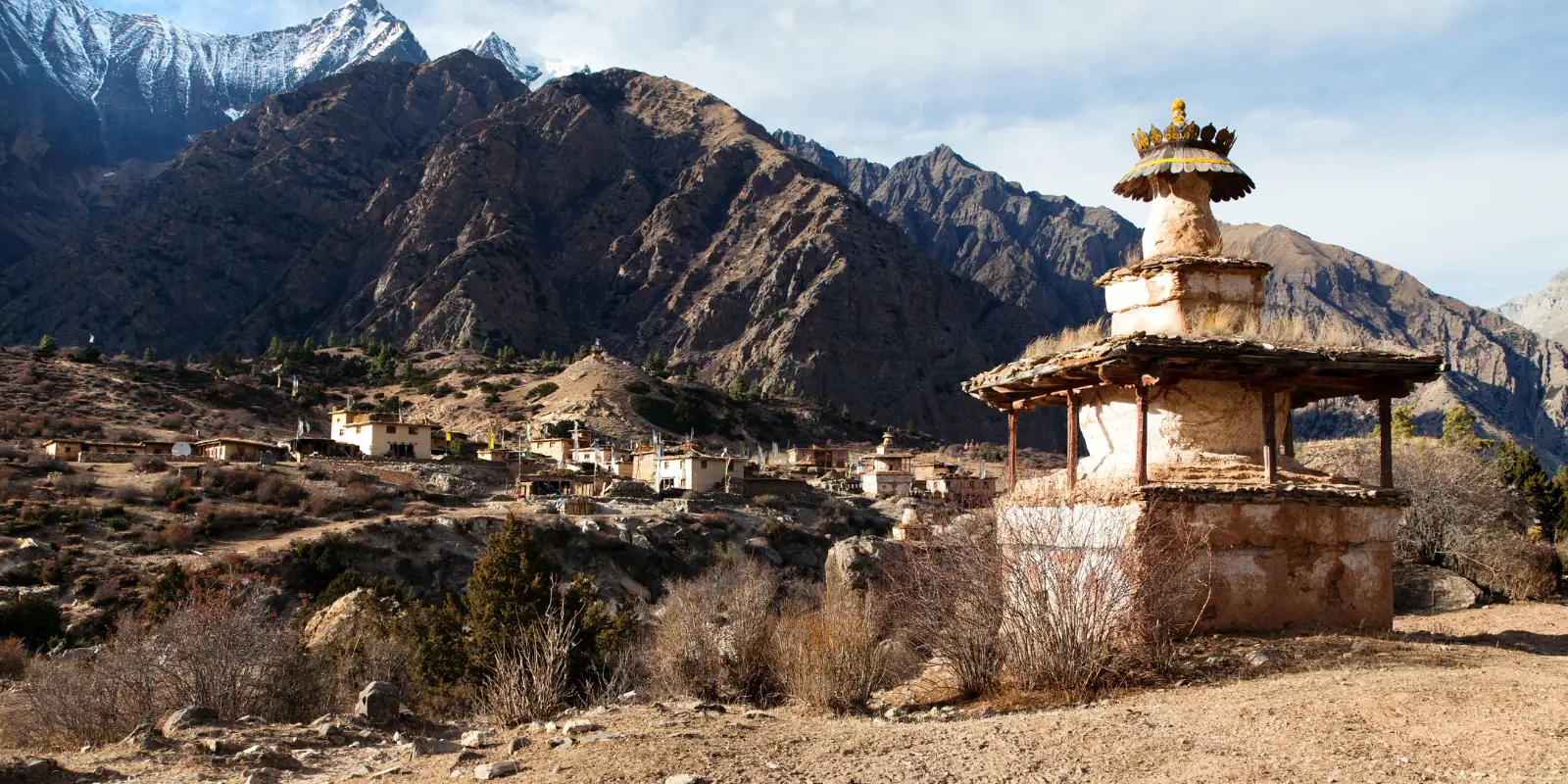
The journey also takes you through culturally significant villages such as Ringmo and Dho Tarap, where local people continue to practice Tibetan Buddhism and the ancient Bon religion. Visitors have the opportunity to observe traditional lifestyles, visit centuries-old monasteries, interact with welcoming local communities, and learn about customs that have been preserved despite the region's remote location.
Unlike lodge-based treks in the Everest or Annapurna regions, much of the Dolpo Trek is completed as a fully supported camping expedition. Professional guides, experienced cooks, porters, and support staff accompany trekkers throughout the journey, allowing you to focus entirely on enjoying the experience while your logistics are professionally managed.
Why Choose the Lower Dolpo Trek?
Nepal offers countless trekking adventures, but very few provide the same level of remoteness, authenticity, and natural diversity as Lower Dolpo. The region remains largely untouched by commercial tourism, allowing visitors to experience one of the Himalayas in its purest form.
Here are several reasons why the Lower Dolpo Trek stands out among Nepal's best trekking experiences.
A Truly Remote Himalayan Adventure
Many trekking routes in Nepal have become increasingly popular over the years. Lower Dolpo remains one of the country's least-visited destinations due to its restricted status and challenging access. This allows trekkers to enjoy peaceful trails without the crowds commonly found in Everest Base Camp or Annapurna Base Camp.
Explore Shey Phoksundo National Park
The trek passes through Nepal's largest national park, home to exceptional biodiversity. Trekkers may encounter blue sheep, Himalayan tahr, musk deer, snow leopards (rare), Himalayan griffons, and numerous alpine bird species while walking through forests, rivers, and mountain valleys.
Visit Nepal's Most Beautiful Alpine Lake
Shey Phoksundo Lake is widely recognized as one of Nepal's most spectacular natural attractions. Its brilliant turquoise water, surrounding cliffs, waterfalls, and tranquil atmosphere make it one of the most photographed locations in western Nepal.
Cross High Himalayan Passes
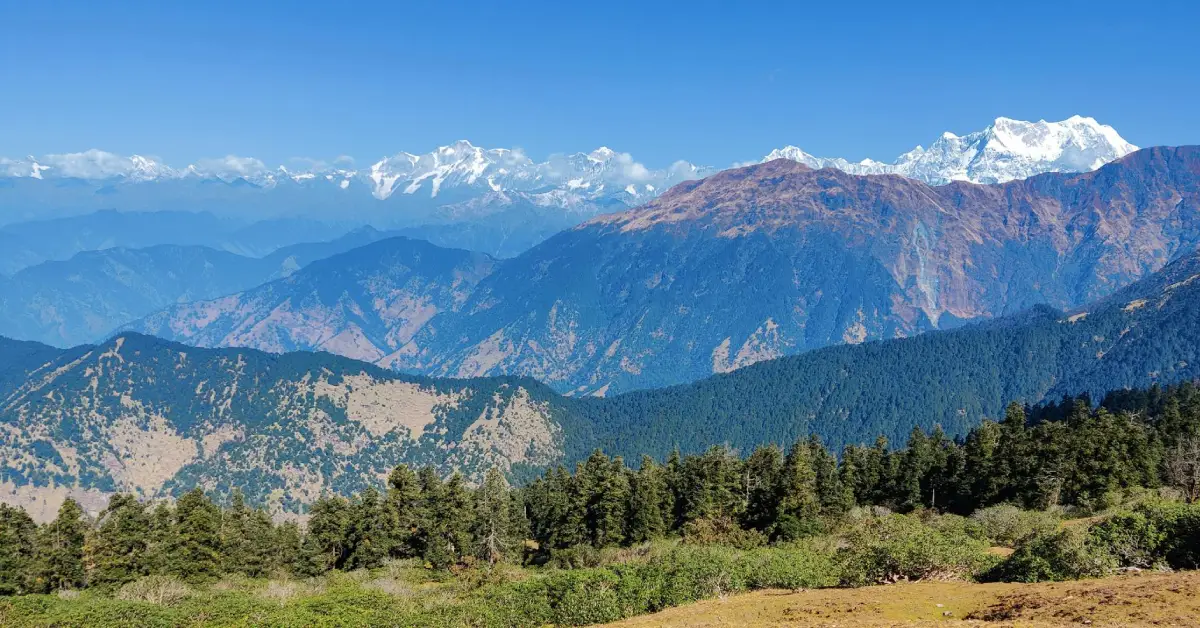
Adventure seekers will appreciate the challenge of crossing Numa La Pass (5,318 m) and Baga La Pass (5,190 m). These high-altitude crossings reward trekkers with panoramic Himalayan views stretching across western Nepal and the Tibetan Plateau.
Experience Authentic Tibetan Culture
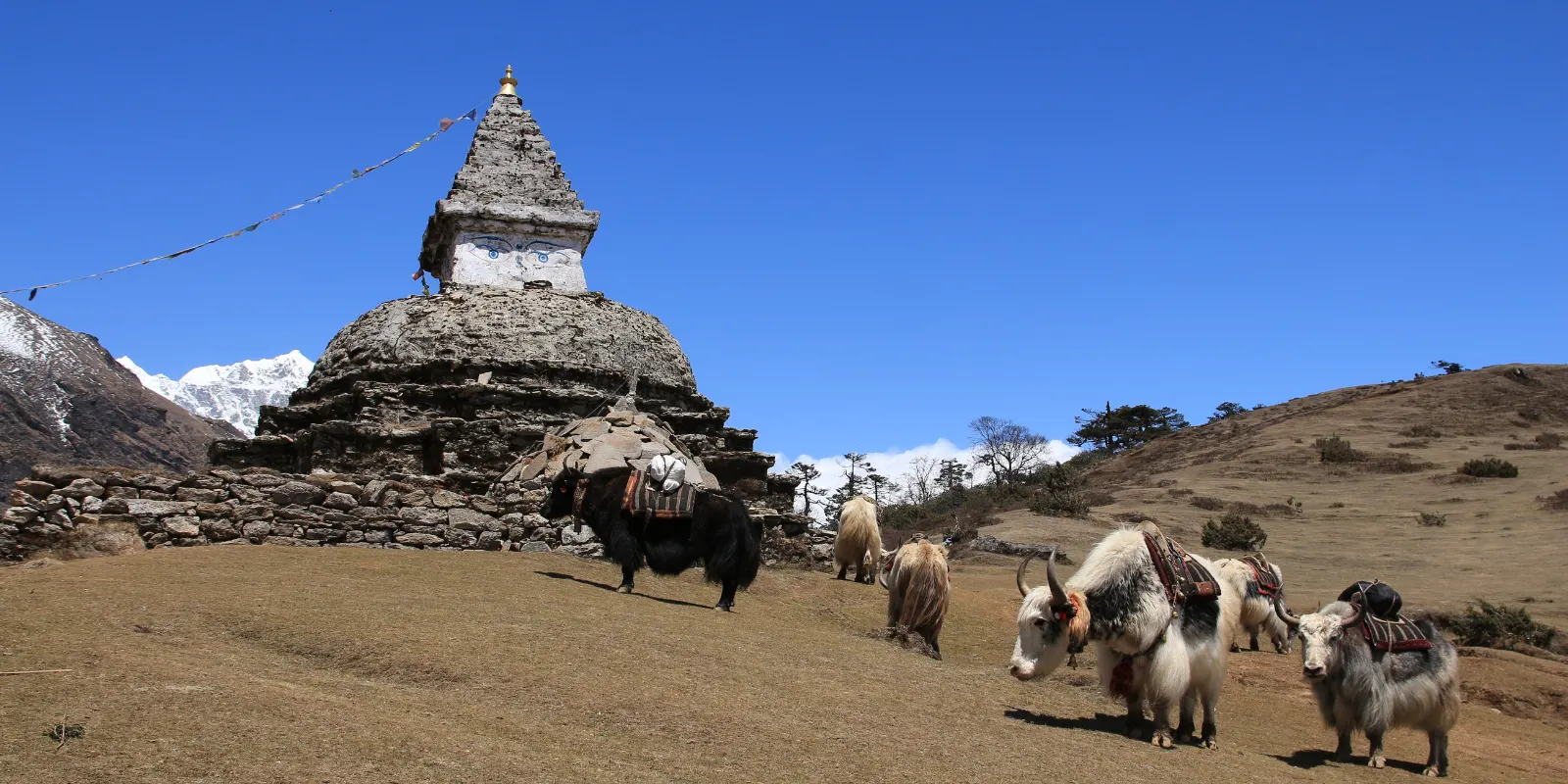
The villages throughout Dolpo have preserved traditional Tibetan lifestyles for centuries. Ancient monasteries, prayer flags, mani walls, chortens, yak caravans, and traditional stone houses create a cultural experience unlike anywhere else in Nepal.
Perfect for Experienced Trekkers
The Dolpo Nepal Trek is ideal for travelers who have already completed popular trekking routes and are searching for a more adventurous Himalayan expedition.
Lower Dolpo Trek Highlights
- Discover one of Nepal's most remote and least-visited trekking regions.
- Explore the untouched wilderness of Shey Phoksundo National Park.
- Witness the stunning turquoise waters of Shey Phoksundo Lake.
- Cross Numa La Pass (5,318 m) and Baga La Pass (5,190 m).
- Experience authentic Tibetan Buddhist and Bon cultures.
- Visit traditional villages including Ringmo and Dho Tarap.
- Trek through alpine forests, rivers, waterfalls, glaciers, and high mountain deserts.
- Camp beneath spectacular Himalayan night skies.
- Observe unique wildlife native to western Nepal.
- Follow ancient Himalayan trade routes used for centuries.
- Enjoy breathtaking panoramic mountain views throughout the journey.
- Experience one of Nepal's finest remote camping adventures.
Is the Lower Dolpo Trek Right for You?
The Lower Dolpo Trek is best suited for trekkers seeking an authentic Himalayan expedition rather than a comfortable tea-house trek. Since much of the journey takes place in isolated wilderness, participants should be prepared for multiple days of walking through rugged mountain terrain while camping in remote locations.
Although previous trekking experience is beneficial, travelers with good physical fitness, determination, and a positive attitude can successfully complete the trek with proper preparation. The support of experienced guides, porters, and camping staff ensures that trekkers can focus on enjoying the adventure safely.
If your dream is to experience Nepal beyond the popular trekking routes, immerse yourself in centuries-old mountain culture, and witness some of the Himalayas' most untouched landscapes, the Lower Dolpo Trek offers an unforgettable journey into one of the country's last true wilderness regions.
Lower Dolpo Trek Route Overview
The Lower Dolpo Trek follows an adventurous circuit through the isolated valleys and mountain passes of western Nepal. Unlike the busy trekking routes in Everest or Annapurna, this journey leads into one of Nepal's most untouched Himalayan regions, where ancient trade trails, alpine landscapes, and traditional villages remain remarkably unchanged.
The adventure typically begins with a scenic flight from Kathmandu to Nepalgunj, followed by another flight to Juphal, the gateway to the Dolpo region. From Juphal, the trail gradually enters the remote landscapes of Shey Phoksundo National Park, passing through terraced fields, pine forests, suspension bridges, and deep river gorges.
One of the first major highlights is Ringmo Village, a beautiful Tibetan-influenced settlement overlooking the magnificent Shey Phoksundo Lake. Known for its striking turquoise waters and dramatic cliffside scenery, the lake is often regarded as one of the most beautiful natural attractions in Nepal. Spending time here allows trekkers to appreciate both the peaceful surroundings and the local culture that has flourished in this isolated environment for centuries.
Leaving the lake behind, the trail becomes more demanding as it climbs toward the high Himalayan passes. Trekkers gradually ascend through alpine meadows and rocky landscapes before crossing Numa La Pass (5,318 m), one of the highest points of the journey. From the summit, breathtaking panoramic views stretch across snow-covered Himalayan peaks, rugged valleys, and the vast Tibetan Plateau.
The route continues across Baga La Pass (5,190 m), another spectacular mountain crossing that showcases the raw beauty of western Nepal. Between these passes lies the remote settlement of Dho Tarap, one of the highest permanently inhabited villages in Nepal. Here, visitors experience a fascinating blend of Tibetan Buddhism and the ancient Bon religion while observing traditional lifestyles that have remained largely unchanged for generations.
Throughout the journey, trekkers encounter dramatic changes in landscape. Dense forests gradually give way to alpine grasslands, barren high-altitude deserts, glacial streams, and towering cliffs. This constant variety is one of the reasons the Lower Dolpo Trek is considered one of Nepal's most rewarding trekking experiences.
Because much of the region lacks permanent tea houses, the trek operates primarily as a fully supported camping expedition. Professional guides, cooks, porters, and camping staff accompany the group, ensuring a safe and comfortable experience while preserving the remote wilderness atmosphere that makes Dolpo so special.
Lower Dolpo Trek Difficulty
The Lower Dolpo Trek is considered a challenging to strenuous trekking adventure. It is best suited for trekkers who have previous high-altitude hiking experience or those with excellent physical fitness and a willingness to embrace long days in remote mountain terrain.
Several factors contribute to the trek's difficulty.
High Altitude
The trail reaches elevations above 5,300 meters, where oxygen levels are significantly lower than at sea level. Walking at these elevations requires slower pacing, proper acclimatization, and adequate hydration to reduce the risk of altitude sickness.
Long Walking Days
Expect to walk 6–8 hours on most trekking days, with some high-pass crossings taking even longer depending on weather and trail conditions. The route includes steep ascents, rocky descents, narrow mountain trails, and river crossings.
Remote Wilderness
Unlike popular trekking destinations, medical facilities, communication services, and villages are extremely limited. Trekkers must be prepared for basic camping conditions and extended periods away from modern conveniences.
Camping Expedition
The Dolpo Nepal Trek is not a luxury trekking experience. Accommodation consists primarily of comfortable tents set up by the support crew, while meals are prepared by experienced trekking cooks. This style of trekking allows access to areas where tea houses do not exist.
Can Beginners Join?
Yes, motivated beginners with excellent physical preparation can complete the Lower Dolpo Trek, provided they train consistently before arrival and follow their guide's acclimatization advice. However, prior trekking experience above 3,500 meters is highly recommended.
Altitude and Acclimatization
Altitude is one of the most important considerations when planning the Dolpo Trek. As the trail climbs beyond 5,000 meters, proper acclimatization becomes essential for both safety and enjoyment.
Trexmount Ventures carefully designs the itinerary to allow gradual elevation gain, helping trekkers adjust naturally to thinner air before crossing the highest mountain passes.
Highest Elevation
- Numa La Pass: 5,318 meters (17,447 ft)
- Baga La Pass: 5,190 meters (17,028 ft)
At these elevations, oxygen levels are approximately 50% lower than at sea level, making physical activity more demanding.
Tips for Safe Acclimatization
- Walk at a steady, comfortable pace.
- Drink at least 3–4 liters of water daily.
- Avoid alcohol and smoking during the trek.
- Eat nutritious meals to maintain energy.
- Sleep well whenever possible.
- Inform your guide immediately if you experience symptoms of altitude sickness, such as persistent headaches, dizziness, nausea, or unusual fatigue.
With proper pacing and guidance, most trekkers successfully adapt to the altitude and complete the journey safely.
Best Time for the Lower Dolpo Trek
Choosing the right season plays a major role in ensuring a successful trekking experience. Fortunately, Dolpo lies within the Himalayan rain shadow, meaning it receives much less rainfall than many other trekking regions in Nepal.
Spring (March–May)
Spring is one of the best seasons for the Lower Dolpo Trek. Mild temperatures, blooming rhododendrons, green valleys, and clear mountain views create excellent trekking conditions.
Average daytime temperatures range from 10°C to 20°C at lower elevations, while higher camps remain considerably colder.
Advantages
- Stable weather
- Clear skies
- Beautiful wildflowers
- Comfortable trekking temperatures
- Excellent mountain visibility
Summer / Monsoon (June–August)
Unlike Everest and Annapurna, Lower Dolpo remains relatively dry during the monsoon because it lies in the rain shadow of the Himalayas. This makes it one of Nepal's few trekking destinations suitable during summer.
Trekkers can expect lush landscapes, fewer visitors, and pleasant daytime temperatures. However, flights to Juphal may occasionally be delayed due to weather conditions elsewhere in Nepal.
Autumn (September–November)
Autumn is widely regarded as the best season for the Dolpo Nepal Trek.
After the monsoon, the air becomes exceptionally clear, offering spectacular views of snow-covered Himalayan peaks. Daytime temperatures remain comfortable, while nighttime temperatures become colder at higher elevations.
Advantages include:
- Crystal-clear mountain views
- Dry trails
- Stable weather
- Comfortable trekking conditions
- Excellent photography opportunities
Winter (December–February)
Winter brings heavy snowfall to the high mountain passes, making many sections of the trek inaccessible. Temperatures frequently drop well below freezing, and extreme weather conditions increase the overall difficulty.
For this reason, winter is generally not recommended for the Lower Dolpo Trek.
Accommodation During the Lower Dolpo Trek
Accommodation is primarily camping-based, providing trekkers with an authentic wilderness experience.
Trexmount Ventures provides:
- Comfortable sleeping tents
- Dining tent
- Kitchen tent
- Toilet tent where required
- Sleeping mattresses
- Experienced camping crew
At a few lower-altitude villages, simple local lodges may occasionally be available depending on the itinerary and seasonal conditions. However, camping remains the standard throughout most of the trek.
Camping allows trekkers to access remote valleys and mountain passes that would otherwise be unreachable through conventional tea-house trekking.
Meals and Drinking Water
Nutritious meals are essential during a high-altitude expedition, and our experienced trekking cooks prepare freshly cooked meals throughout the journey.
Typical meals include:
Breakfast
- Porridge
- Eggs
- Pancakes
- Tibetan bread
- Chapati
- Tea or coffee
Lunch
- Rice
- Lentil soup (Dal)
- Seasonal vegetables
- Noodles
- Fried rice
- Pasta
Dinner
- Soup
- Rice
- Curry
- Potatoes
- Pasta
- Fresh vegetables
- Dessert when available
Trekkers should also carry energy bars, dried fruits, nuts, or chocolates for additional energy during long trekking days.
Drinking Water
Safe drinking water is available throughout the trek by:
- Boiling water
- Water purification tablets
- Filtration systems
We recommend bringing a reusable water bottle or hydration bladder to reduce plastic waste and support responsible tourism.
Transportation
The Lower Dolpo Trek begins with a combination of domestic flights that significantly reduce travel time into western Nepal.
The typical transportation arrangement includes:
- Kathmandu to Nepalgunj (Domestic Flight)
- Nepalgunj to Juphal (Domestic Flight)
These scenic mountain flights provide spectacular aerial views of Nepal's diverse landscapes before arriving at the starting point of the trek. At the end of the journey, the return follows the same route back to Kathmandu. Because mountain weather can occasionally affect flight schedules, travelers should allow one or two buffer days in Nepal before international departures.
Permits Required for the Lower Dolpo Trek
Since Lower Dolpo is a protected and restricted region, trekkers must obtain several government-issued permits before entering the area.
The required permits generally include:
Lower Dolpo Restricted Area Permit (RAP)
The Government of Nepal issues this mandatory permit, allowing entry into the restricted Lower Dolpo region.
Shey Phoksundo National Park Entry Permit
Required for all visitors entering Nepal's largest national park.
TIMS Card (when applicable)
Depending on the latest government regulations and trekking arrangements, a TIMS (Trekkers' Information Management System) card may also be required or replaced by other registration procedures. As a licensed trekking company, Trexmount Ventures handles all necessary permit applications, documentation, and government procedures on behalf of our guests, ensuring a smooth and hassle-free trekking experience.
Book Your Lower Dolpo Trek Today
If you're looking for an unforgettable Himalayan adventure far from the crowds, the Lower Dolpo Trek is an exceptional choice. From the turquoise waters of Shey Phoksundo Lake and the dramatic crossings of Numa La and Baga La Passes to the timeless traditions of Tibetan-influenced villages, every moment of this journey offers something extraordinary.
At Trexmount Ventures, we are committed to providing a safe, well-organized, and enriching trekking experience. Our experienced local guides, dedicated support team, and carefully planned itineraries allow you to explore one of Nepal's most remote regions with confidence.
Whether you're an experienced trekker seeking a new challenge or a passionate traveler eager to discover the hidden beauty of western Nepal, we're here to help you create memories that last a lifetime.
 Review us on Google
 Review us on TripAdvisor