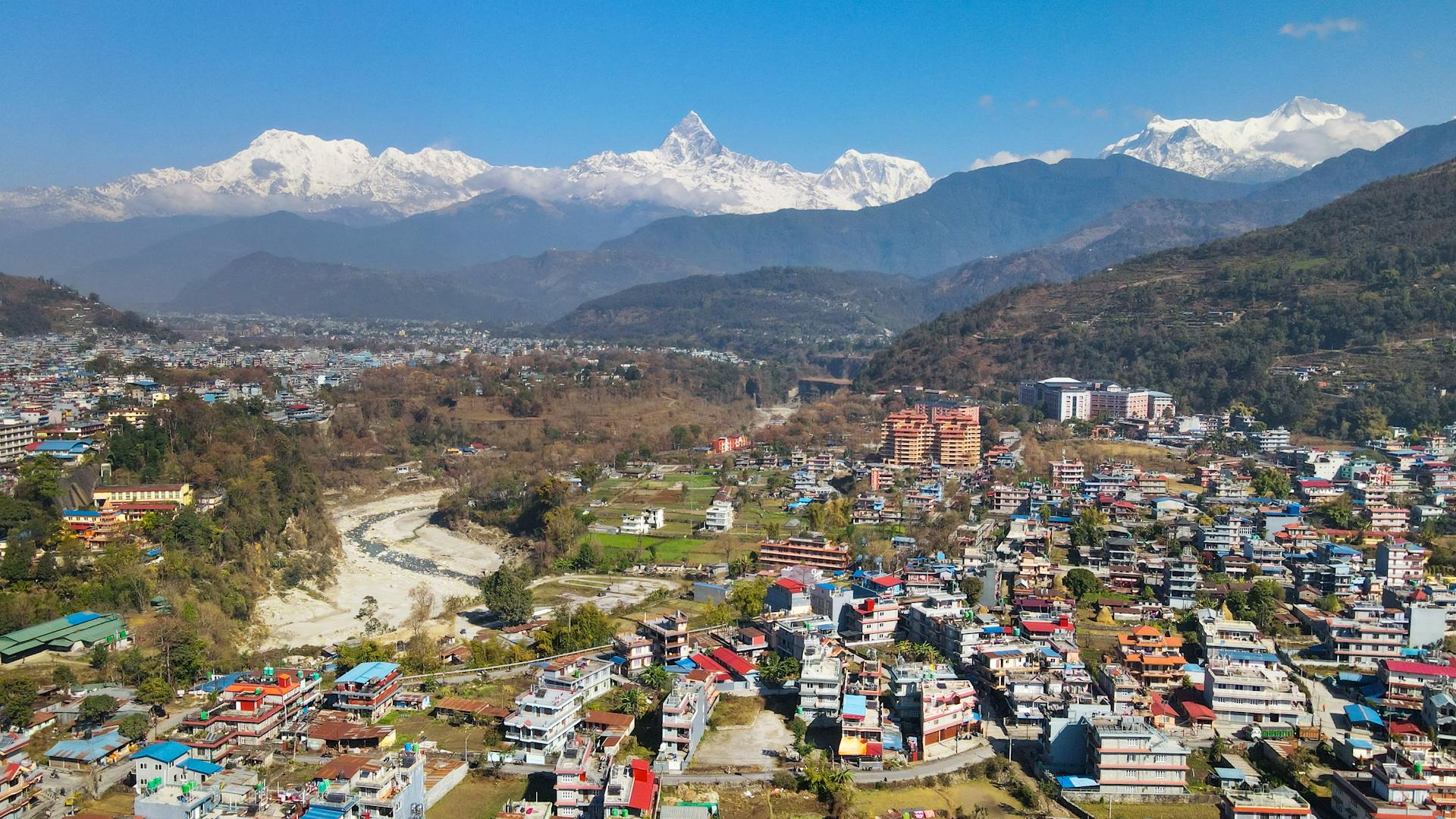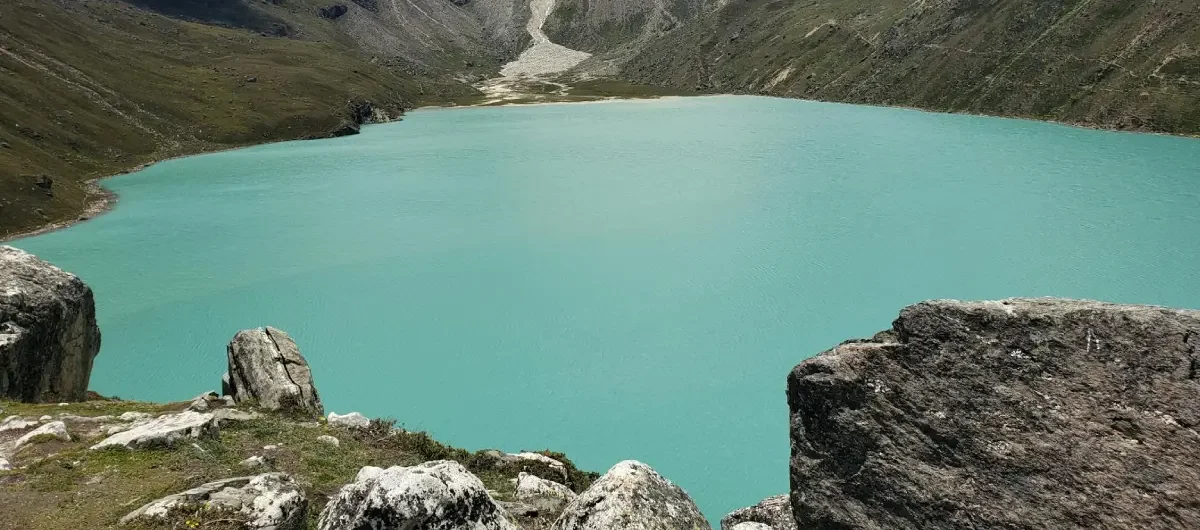

The Tilicho Lake Trek takes you deep into the Annapurna region of Nepal, where dramatic Himalayan peaks, traditional mountain villages, dry alpine landscapes and one of the world's highest lakes come together in a single journey. Reaching Tilicho Lake at 4,919 meters (16,138 feet), this 16-day adventure combines the classic Annapurna landscapes with a challenging detour toward the turquoise waters of Tilicho Lake.
The journey begins in Kathmandu and follows the Marsyangdi Valley toward Dharapani, Chame, Pisang and Manang before turning away from the main Annapurna Circuit toward Khangsar and Tilicho Base Camp. After reaching the lake, the trail continues toward Jomsom before a scenic flight to Pokhara and the return to Kathmandu.
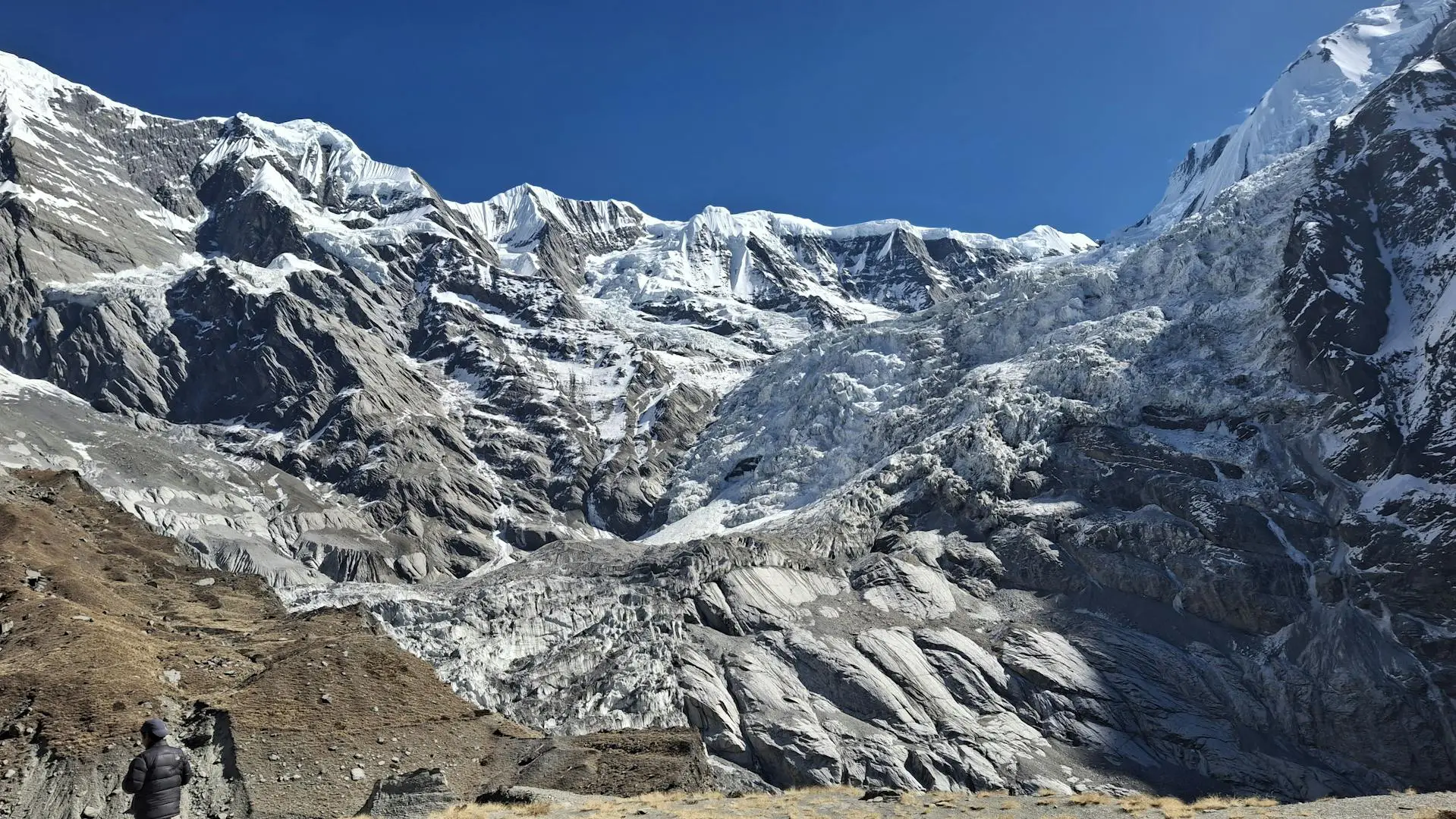
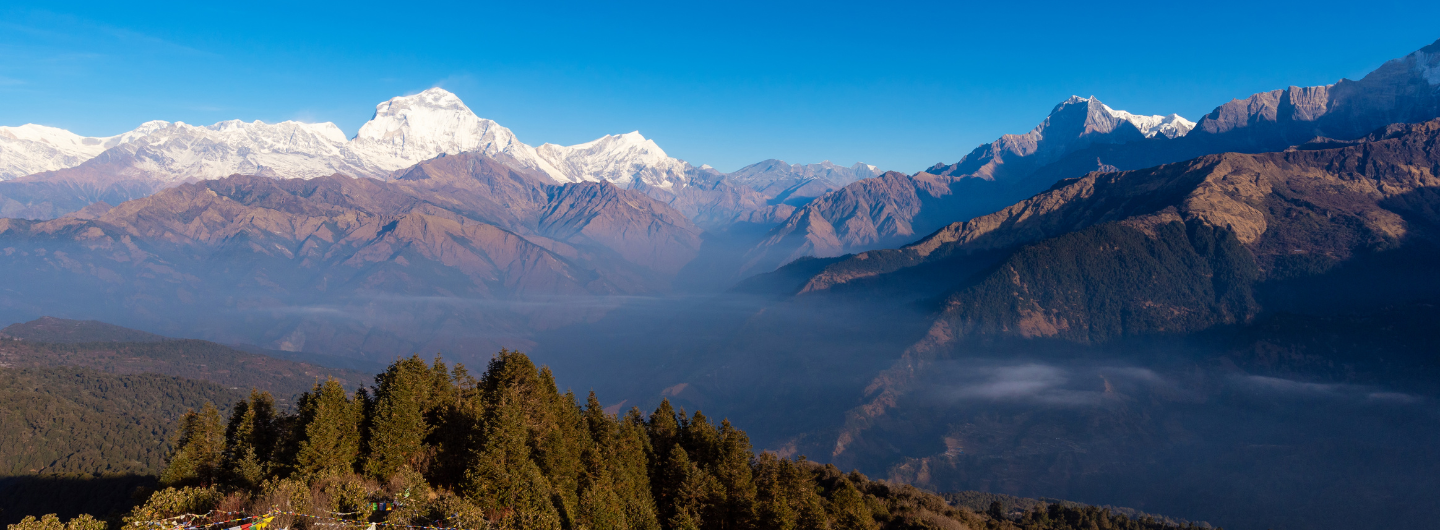
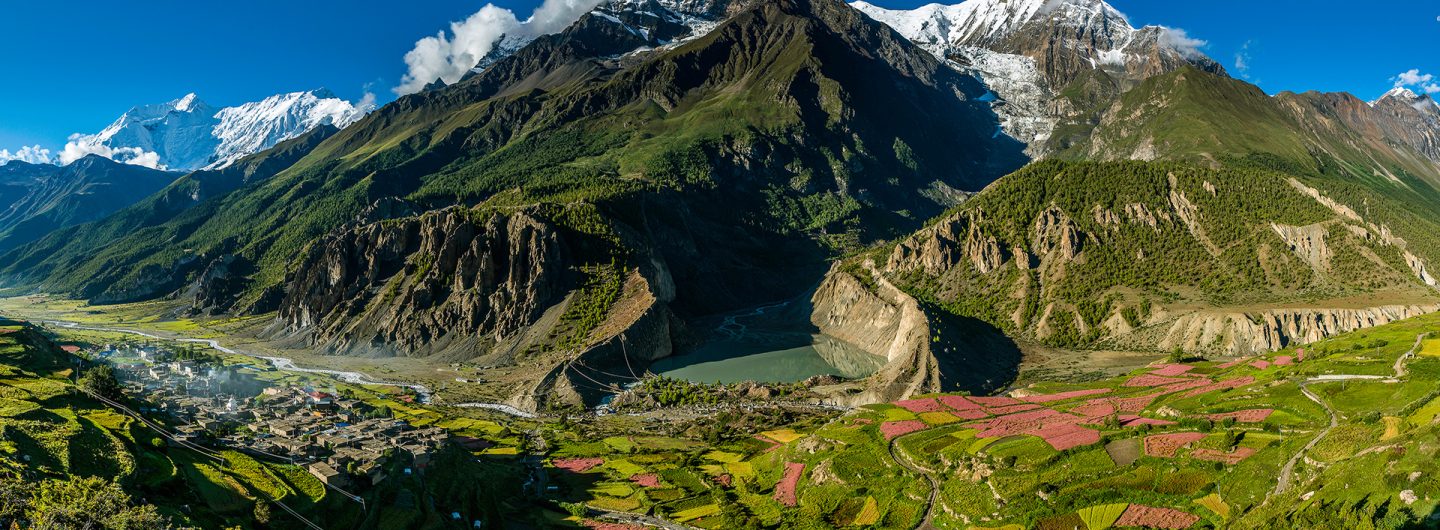
What makes Tilicho Lake Nepal particularly interesting is the dramatic change in scenery. Lower sections of the route feature forests, rivers and traditional villages, while higher sections become increasingly dry, rocky and alpine. The final approach to the lake feels completely different from the greener valleys you crossed earlier in the trek.
Tilicho Lake Trek Highlights
- Reach Tilicho Lake at 4,919 meters, one of the world's highest lakes accessible by trekking.
- Trek through the spectacular Annapurna region.
- Follow the Marsyangdi River through mountain valleys and traditional villages.
- Experience the changing landscapes from subtropical forests to high alpine terrain.
- Explore Chame, Pisang, Ngawal, Manang and Khangsar.
- Spend an acclimatization day in Manang before ascending higher.
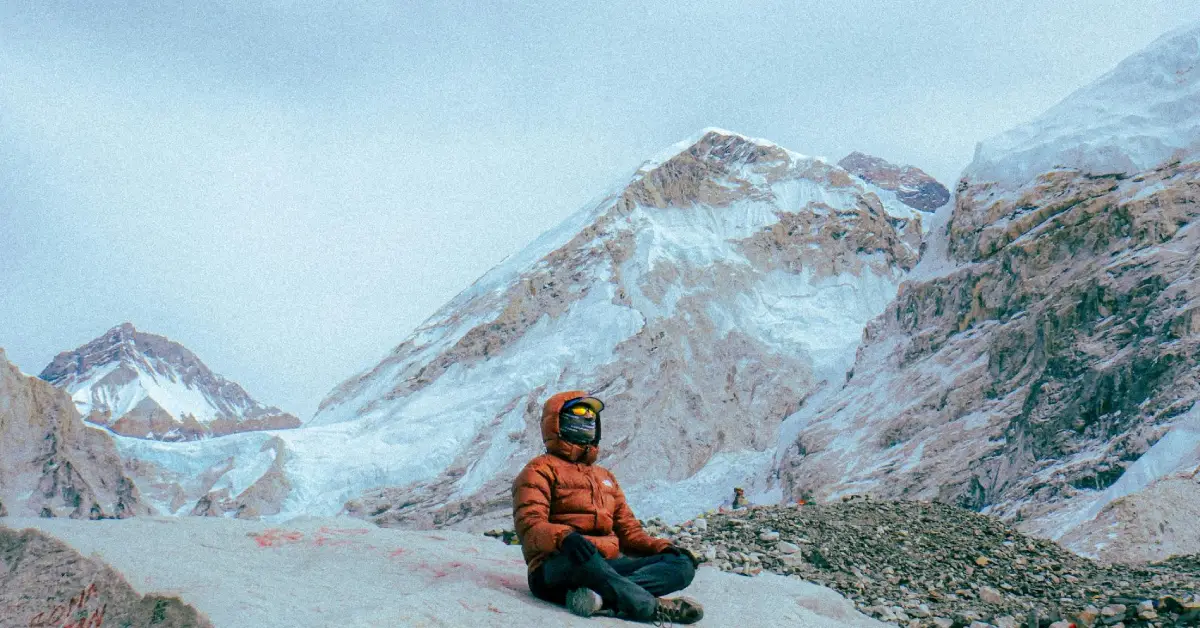
- Walk through the rugged terrain around Tilicho Base Camp.
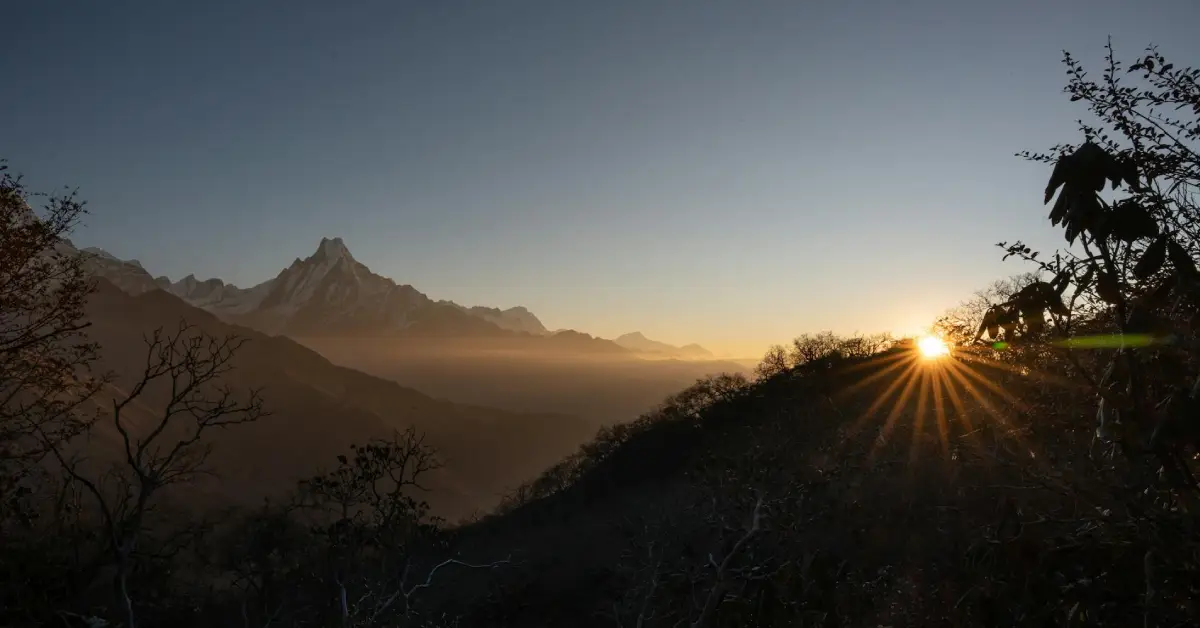
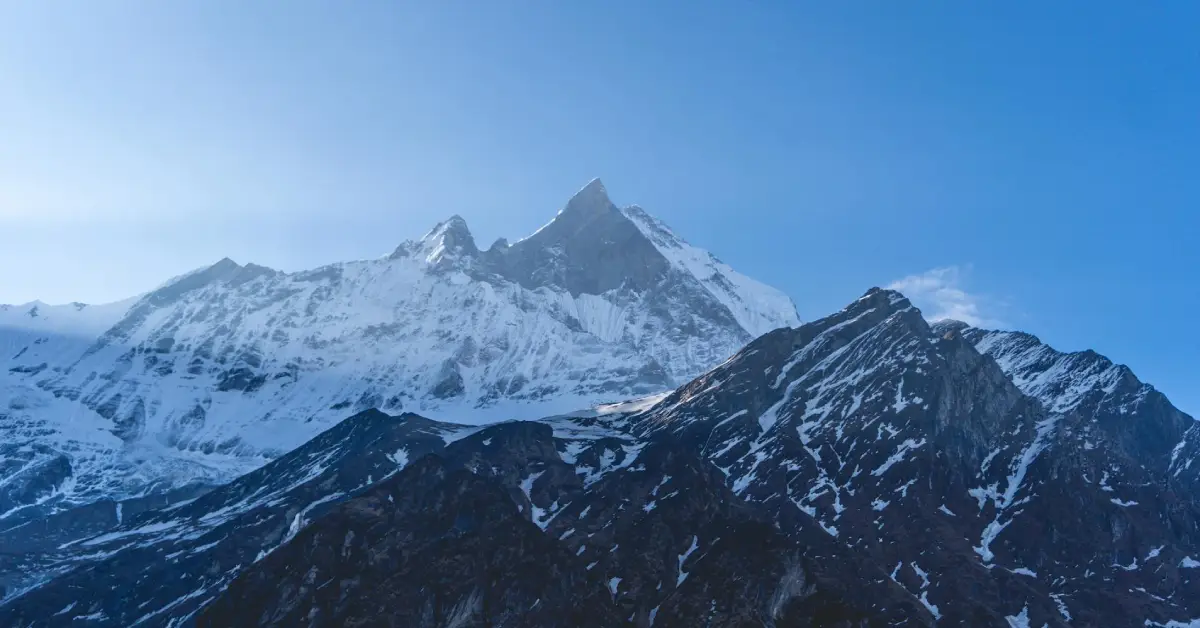
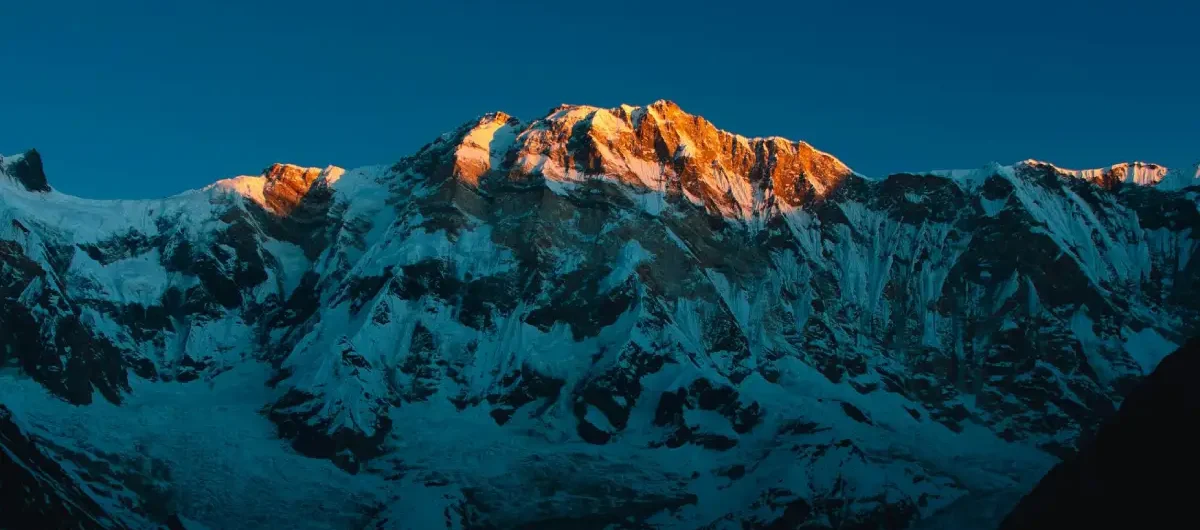
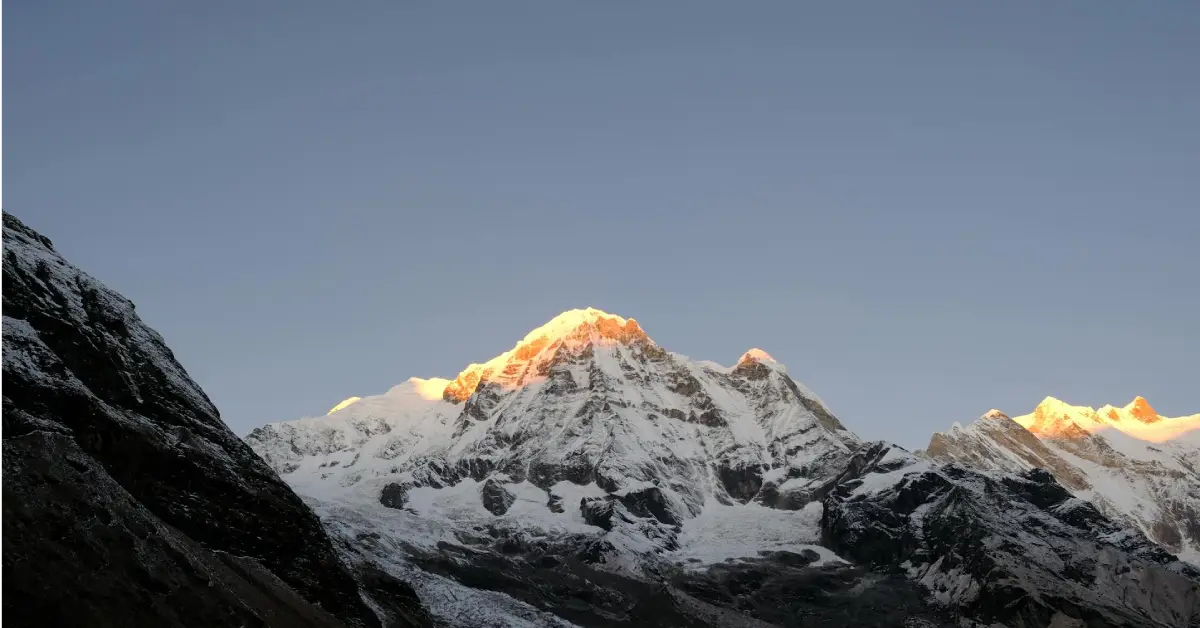
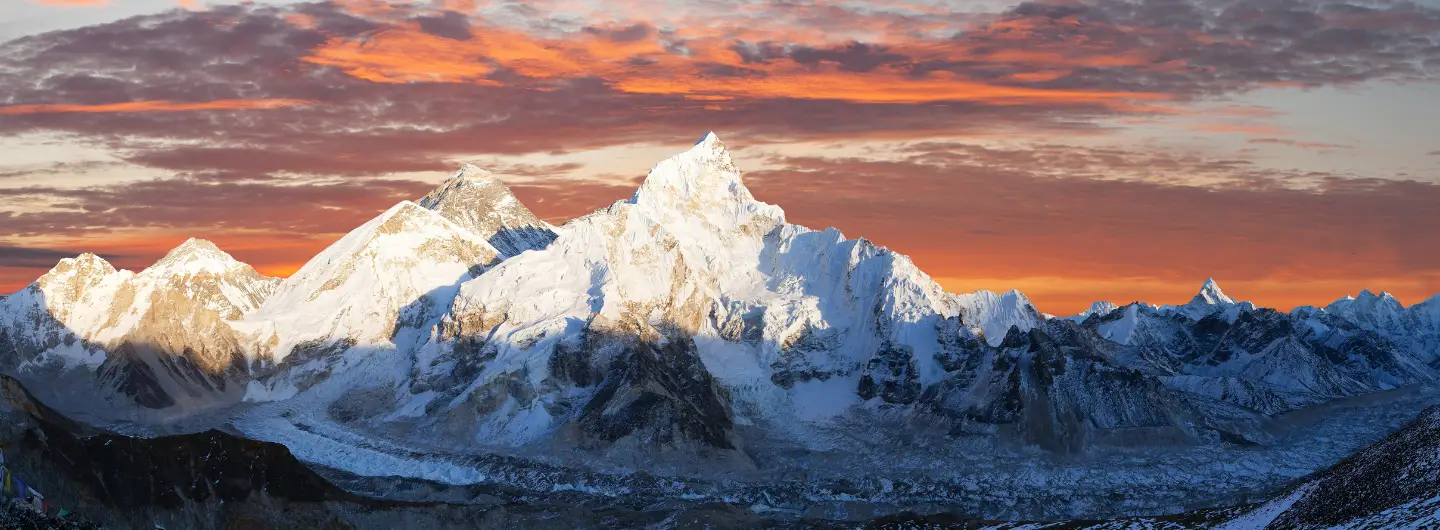
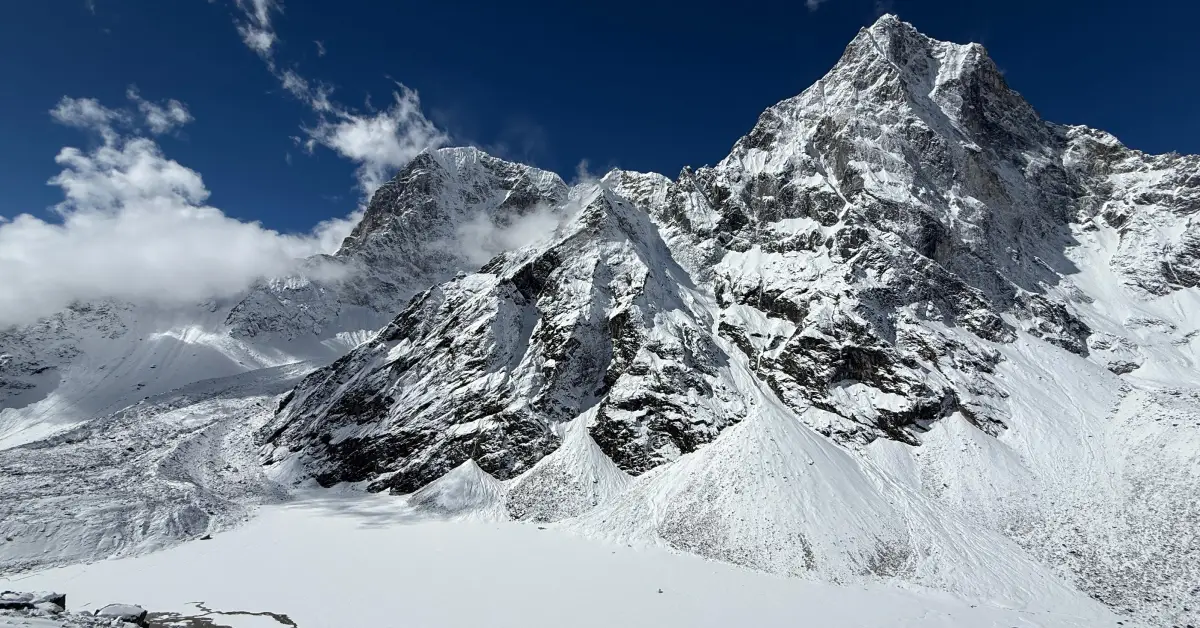
- Enjoy views of Annapurna II, Annapurna III, Annapurna IV, Gangapurna, Tilicho Peak and surrounding mountains.
- Experience the distinctive landscapes around Jomsom and the Kali Gandaki Valley.
- Take a scenic flight from Jomsom to Pokhara.
- Combine natural scenery with Himalayan culture and village life.
Why Trek to Tilicho Lake?
There are many high-altitude destinations in Nepal, but Tilicho Lake offers something different. The attraction is not only the lake itself but also the changing landscape encountered along the way.
As you move higher through the Annapurna region, forests gradually give way to dry hills, exposed cliffs and alpine terrain. By the time you approach Tilicho Base Camp, the landscape feels remote and rugged.
Then comes the final climb.
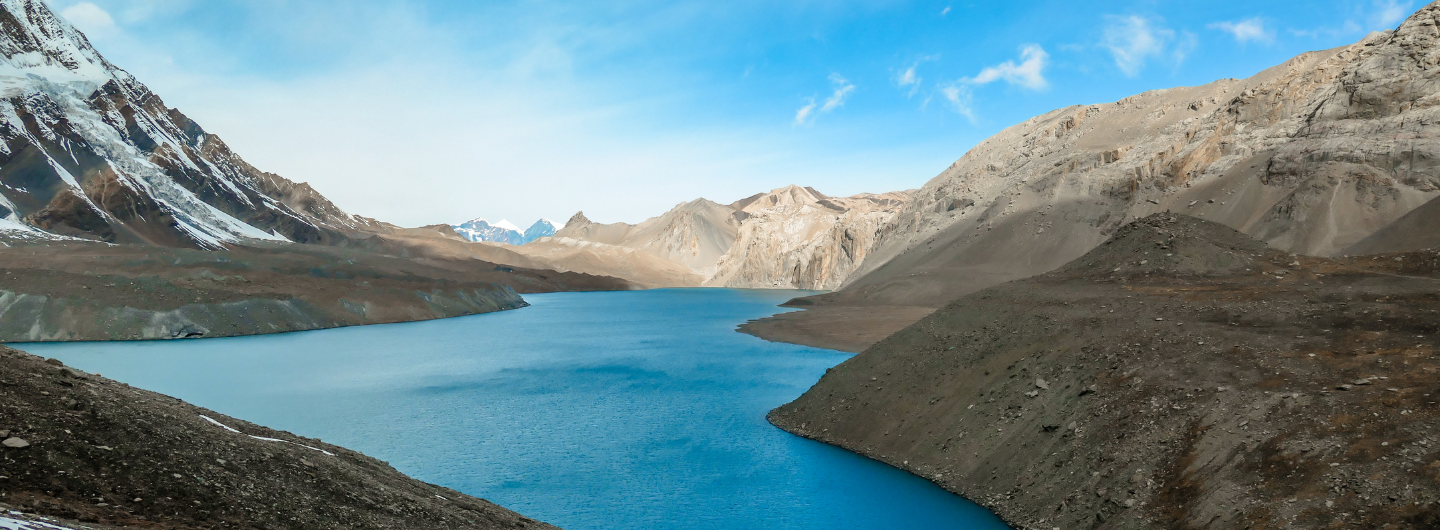
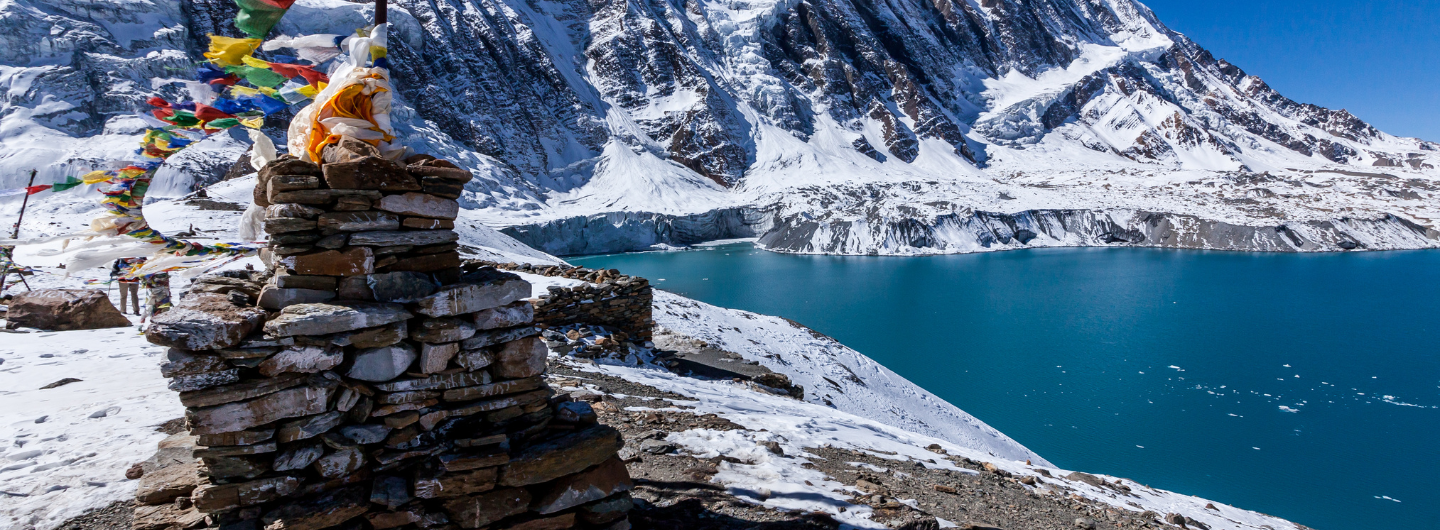
The trail rises toward a large mountain basin where the blue-green waters of Tilicho Lake appear between the surrounding peaks. At approximately 4,919 meters, the lake sits in an environment where weather can change quickly and temperatures can become very cold.
The experience is therefore about more than reaching a destination. It is about watching the Himalayas transform with every day of walking.
Tilicho Lake Nepal | Location and Altitude
Tilicho Lake is located in Nepal's Annapurna region at approximately 4,919 meters (16,138 feet) above sea level.
The lake lies away from the main Annapurna Circuit route, near Tilicho Peak and the surrounding high Himalayan terrain.
The route gradually gains altitude, allowing trekkers to experience several different environments before reaching the lake.
Some important elevations along the journey include:
- Kathmandu: approximately 1,350 m
- Dharapani: approximately 1,860 m
- Chame: approximately 2,670 m
- Upper Pisang: approximately 3,300 m
- Manang: approximately 3,500 m
- Tilicho Base Camp: approximately 4,150 m
- Tilicho Lake: approximately 4,919 m
- Jomsom: approximately 2,713 m
The gradual elevation gain is one of the most important aspects of planning the trek because the final section takes you above 4,900 meters.
Tilicho Lake Trek Route
The 16-day route follows a combination of road travel and trekking through the Annapurna region.
Kathmandu → Besisahar → Dharapani → Chame → Upper Pisang → Ngawal → Manang → Khangsar → Siri Kharka → Tilicho Base Camp → Tilicho Lake → Jomsom → Pokhara → Kathmandu
The most important change in the route happens at Manang. Instead of continuing directly along the standard Annapurna Circuit, you turn toward Khangsar and follow the trail toward Tilicho Lake.
After visiting the lake, the route continues toward Jomsom and then descends toward Pokhara.
How Difficult Is the Tilicho Lake Trek?
The Tilicho Lake Trek is a challenging high-altitude trek.
You do not need technical climbing experience, but you should be comfortable walking for several hours on uneven mountain trails and dealing with significant altitude.
The most demanding part is not necessarily the distance. It is the combination of:
- High altitude above 4,000 meters
- Thin air
- Cold temperatures
- Rocky and uneven trails
- Steep sections
- Exposed terrain
- Changing mountain weather
- Long trekking days
The highest point is around 4,919 meters at Tilicho Lake, so acclimatization should be treated as an essential part of the itinerary rather than an optional break.
Good physical preparation, gradual ascent, adequate hydration and listening to your guide's advice can make the experience more manageable.
Best Time for Tilicho Lake Trek
The most suitable seasons for the Tilicho Lake Trek are generally spring and autumn.
Spring: March to May
Spring brings warmer conditions at lower elevations and colorful rhododendron landscapes in parts of the Annapurna region.
The weather can become increasingly favorable as the season progresses, although conditions at high altitude can still change quickly.
Autumn: September to November
Autumn is another popular trekking period, with generally clear mountain views and stable conditions.
September can still experience some post-monsoon weather, while October and November are typically associated with clearer Himalayan skies.
Winter: December to February
Winter brings colder temperatures and the possibility of snow at higher elevations. Conditions around Tilicho Lake can become difficult, and high-altitude sections require greater preparation.
Monsoon: June to August
Monsoon brings heavy rainfall to many parts of Nepal. Lower sections of the route can become wet and muddy, while clouds may obscure mountain views.
For most trekkers, spring and autumn provide the more practical conditions for this journey.
Tilicho Lake Trek Cost
The cost of a Tilicho Lake Trek depends on the itinerary, group size, transportation, accommodation, guide and porter arrangements, permits and services included in the package.
Our current 16-day package is listed at US$1180 per traveler for the standard package, subject to the applicable departure and package terms.
Because transportation, permits, and package arrangements can change, confirm the latest cost and inclusions before booking.
Permits for Tilicho Lake Trek
The route passes through the Annapurna region, so the required trekking permits should be arranged before entering the trekking area.
Permit requirements can change, particularly regarding guide and registration rules, so trekkers should confirm the current requirements before departure.
If you book the trek as a package, permit arrangements can be handled as part of the trekking service.
Accommodation During the Trek
Accommodation changes as you move from Kathmandu into the high mountains.
In Kathmandu and Pokhara, you stay in hotels. During the trekking section, accommodation is primarily in local tea houses and mountain lodges.
Facilities become more basic as you approach Tilicho Base Camp.
Expect:
- Twin-sharing rooms in most locations
- Simple mountain lodges
- Shared facilities in many trekking areas
- Hot meals at established tea houses
- More limited services at higher elevations
The purpose of high-altitude accommodation is primarily to provide a safe place to sleep, eat and recover rather than hotel-style comfort.
Food During the Tilicho Lake Trek
Meals are an important part of maintaining energy throughout the trek.
Common options include:
- Dal bhat
- Rice and vegetables
- Noodles
- Pasta
- Soups
- Tibetan-style bread
- Potatoes
- Eggs
- Breakfast items
- Tea and coffee
At higher elevations, keeping meals simple and staying properly hydrated becomes increasingly important.
What to Pack for Tilicho Lake Trek
Because the trek reaches almost 5,000 meters, packing for changing temperatures is essential.
Clothing
- Moisture-wicking base layers
- Fleece layer
- Down jacket
- Waterproof jacket
- Trekking trousers
- Warm gloves
- Wool or thermal socks
- Warm hat
- Sun hat
Trekking Equipment
- Comfortable trekking boots
- Backpack
- Trekking poles
- Headlamp
- Water bottles
- Sunglasses
- Sunscreen
- Sleeping bag
- Personal first-aid supplies
Personal Essentials
- Passport and required documents
- Travel insurance details
- Personal medication
- Power bank
- Toiletries
- Quick-dry towel
- Camera or smartphone
Pack according to the season and avoid carrying unnecessary weight. Your guide can also advise you on what equipment is available locally or provided as part of your package.
Altitude and Acclimatization
Altitude is one of the most important considerations on the Tilicho Lake route.
The journey begins around Kathmandu and gradually climbs toward Manang before entering the higher terrain around Tilicho Base Camp and the lake.
The acclimatization day in Manang gives your body additional time to adapt before moving higher.
Common symptoms of altitude sickness can include:
- Headache
- Nausea
- Dizziness
- Fatigue
- Loss of appetite
- Difficulty sleeping
Do not ignore worsening symptoms. Inform your guide immediately if you feel unwell at altitude.
The safest approach is to ascend gradually, stay hydrated, avoid pushing beyond your condition, and descend when serious altitude symptoms develop.
Best Part of the Tilicho Lake Trek
The highlight is obviously Tilicho Lake, but the journey offers much more than the final viewpoint.
The route brings together several distinct Himalayan experiences:
- Marsyangdi Valley: Rivers, forests, bridges and villages.
- Chame and Pisang: Increasingly dramatic mountain scenery and traditional settlements.
- Manang: High Himalayan culture, mountain views and an important acclimatization stop.
- Khangsar: A quieter route away from the busiest sections of the Annapurna Circuit.
- Tilicho Base Camp: Rugged terrain and a true high-altitude environment.
- Tilicho Lake: The turquoise alpine lake surrounded by the dramatic Himalayan landscape.
- Jomsom: A transition from high mountain terrain into the Kali Gandaki Valley and Mustang region.
That variety is what makes the route particularly rewarding.
Who Is the Tilicho Lake Trek Suitable For?
This trek is suitable for travelers who want more than a short Himalayan walk and are prepared for high-altitude conditions.
You should consider the trek if you:
- Enjoy multi-day mountain trekking
- Can comfortably walk for several hours per day
- Have reasonable cardiovascular fitness
- Are prepared for cold temperatures
- Are comfortable with basic tea-house accommodation
- Want to experience the Annapurna region beyond the lower valleys
- Want to reach a lake at nearly 5,000 meters
Previous high-altitude trekking experience is helpful but not mandatory. Physical preparation and proper acclimatization are more important than simply having completed another famous trek.
When Should You Book the Tilicho Lake Trek?
For spring and autumn departures, booking ahead is useful because these are popular trekking periods in Nepal.
Early planning gives you more flexibility with:
- International flights
- Hotel choices
- Trekking dates
- Guides and porters
- Transportation
- Travel insurance
- Personal equipment
It also gives you enough time to build your fitness and prepare properly for a high-altitude trek.
Why Choose a 16-Day Itinerary?
A 16-day itinerary provides enough time to combine the Tilicho Lake experience with Kathmandu, the Annapurna approach, acclimatization in Manang, the high-altitude lake excursion, Jomsom, Pokhara and the return to Kathmandu.
Rather than rushing directly toward the lake, the route gives you several days to gradually gain altitude.
That makes the journey more than simply a visit to Tilicho Lake Nepal. It becomes a complete Himalayan experience covering changing landscapes, mountain communities and high-altitude terrain.
Begin Your Tilicho Lake Journey
The Tilicho Lake Trek is a journey from green river valleys to one of Nepal's most remarkable high-altitude landscapes.
Over 16 days, you move from Kathmandu toward the Annapurna mountains, walk through traditional villages, acclimatize in Manang, leave the main circuit for Khangsar and climb toward Tilicho Base Camp.
Then, after the final ascent, the landscape opens around the blue waters of Tilicho Lake at 4,919 meters.
If you are looking for a Himalayan trek that combines mountain scenery, local culture, challenging trails and a high-altitude lake without requiring technical climbing, this route offers a compelling way to experience the Annapurna region.
Plan your Tilicho Lake Trek with the right preparation, a realistic itinerary and experienced local support. Contact us to check your preferred departure date, group size and customized trekking options.
 Review us on Google
 Review us on TripAdvisor