
Overview
The Manaslu Tsum Valley Trek is one of Nepal’s most immersive and rewarding trekking journeys, combining untouched Himalayan wilderness with a deeply preserved Tibetan Buddhist culture. Unlike the crowded trails of Everest or Annapurna, this trek takes you into a region that remained restricted for decades, allowing ancient traditions, monasteries, and landscapes to evolve in isolation.
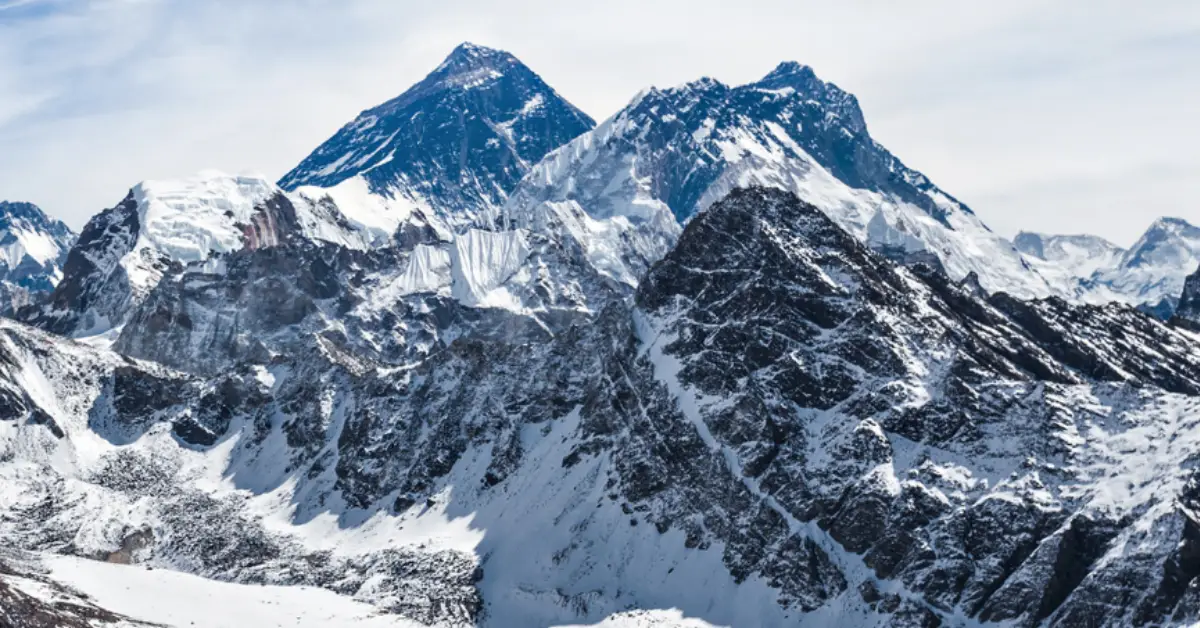
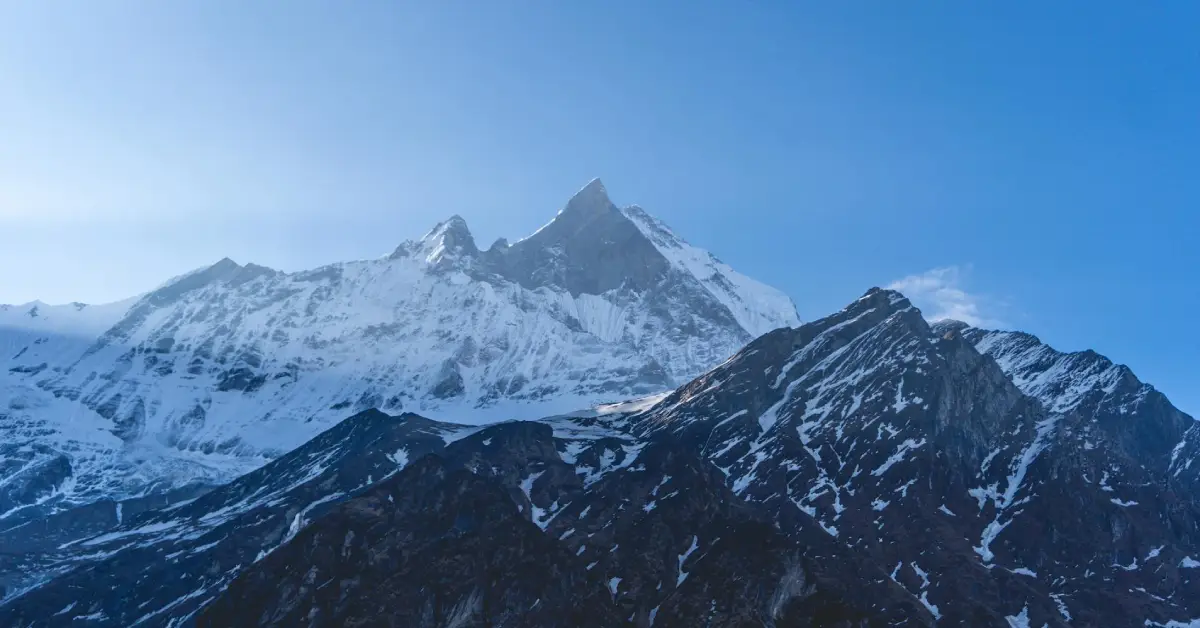
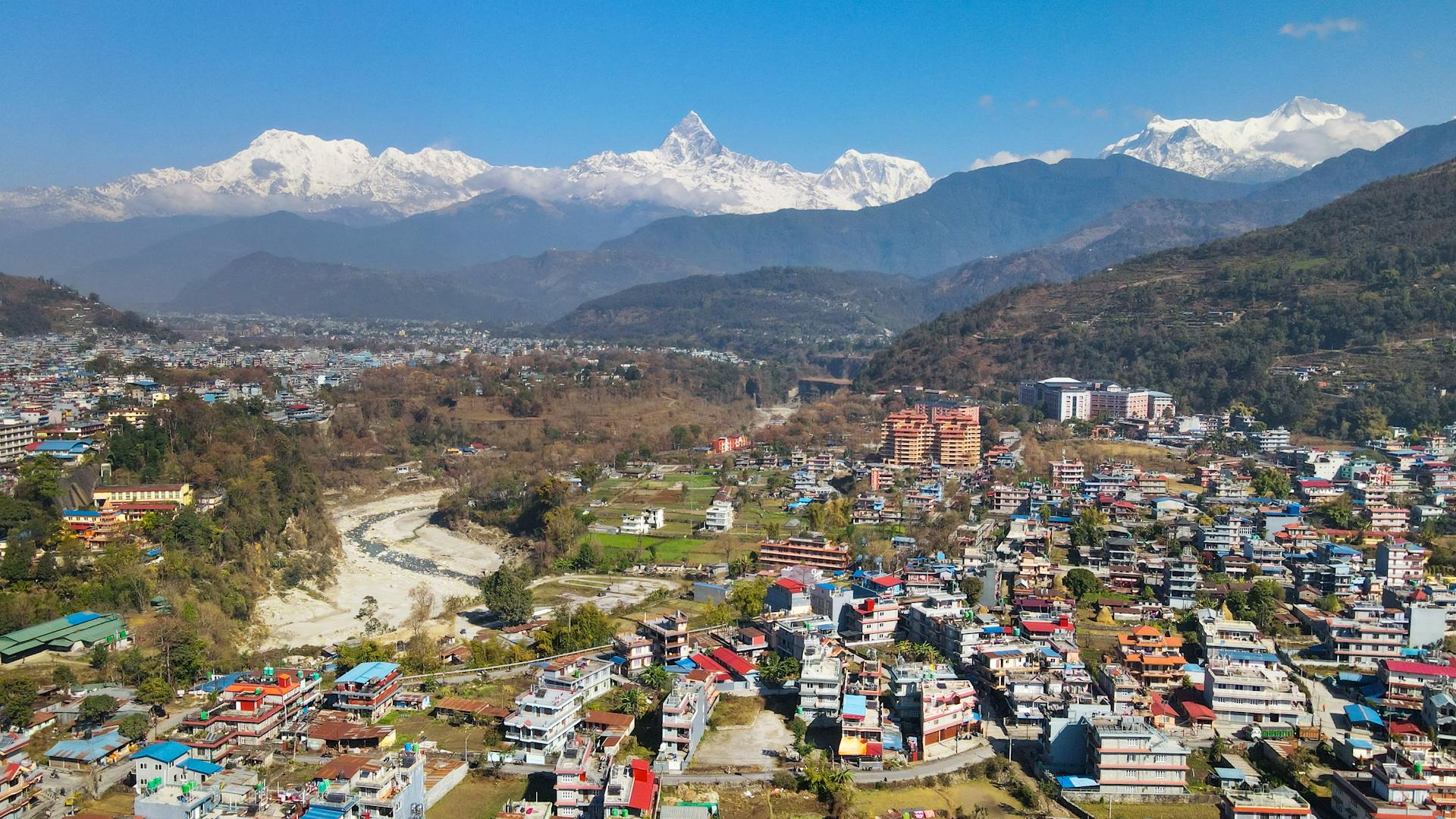
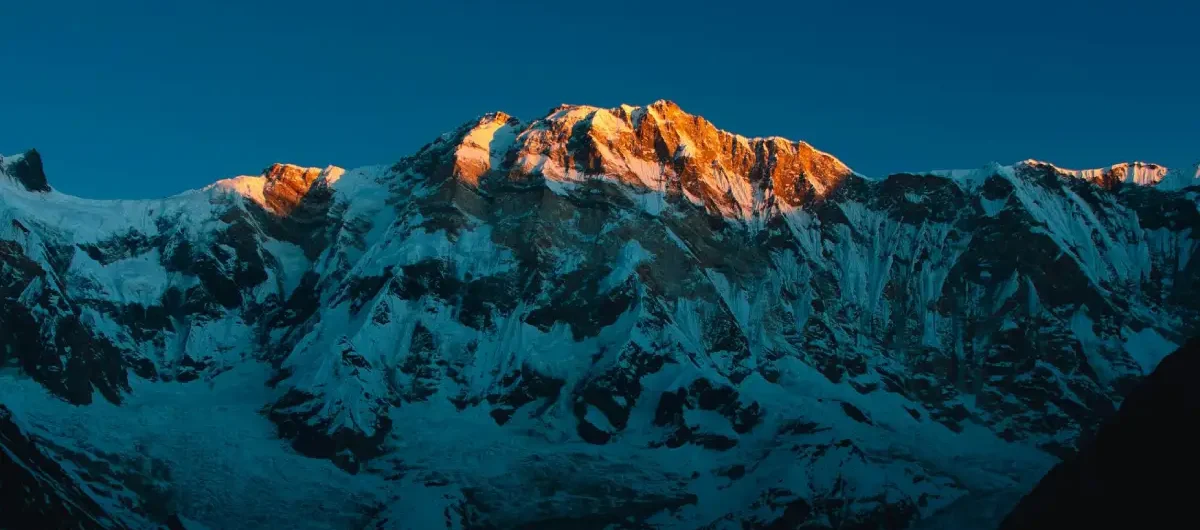
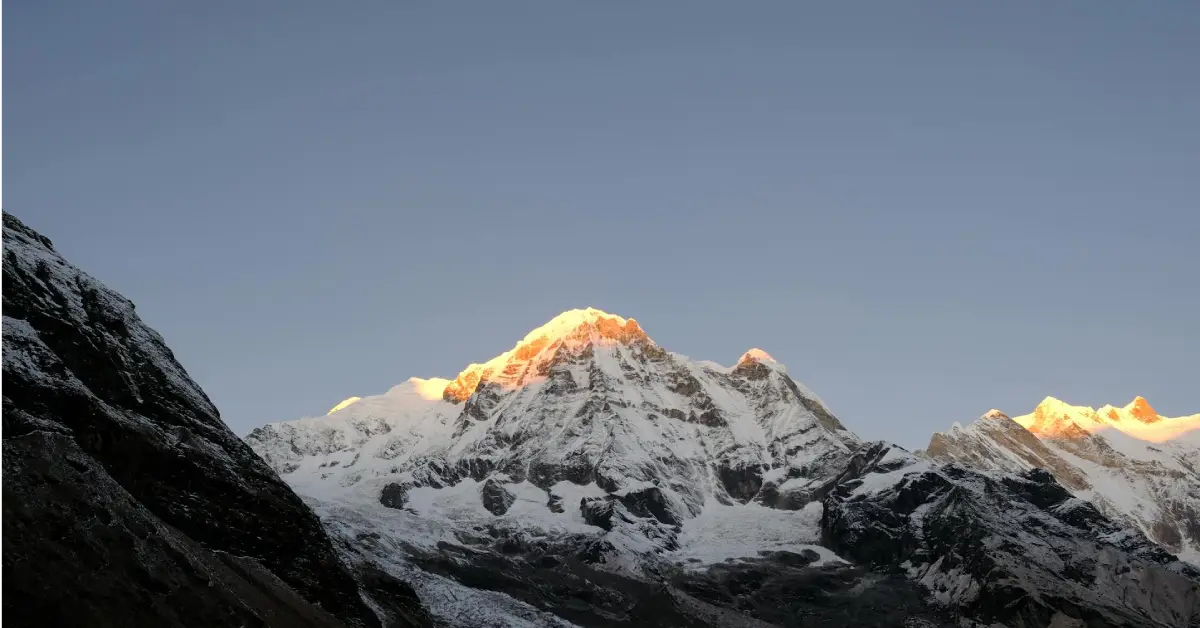
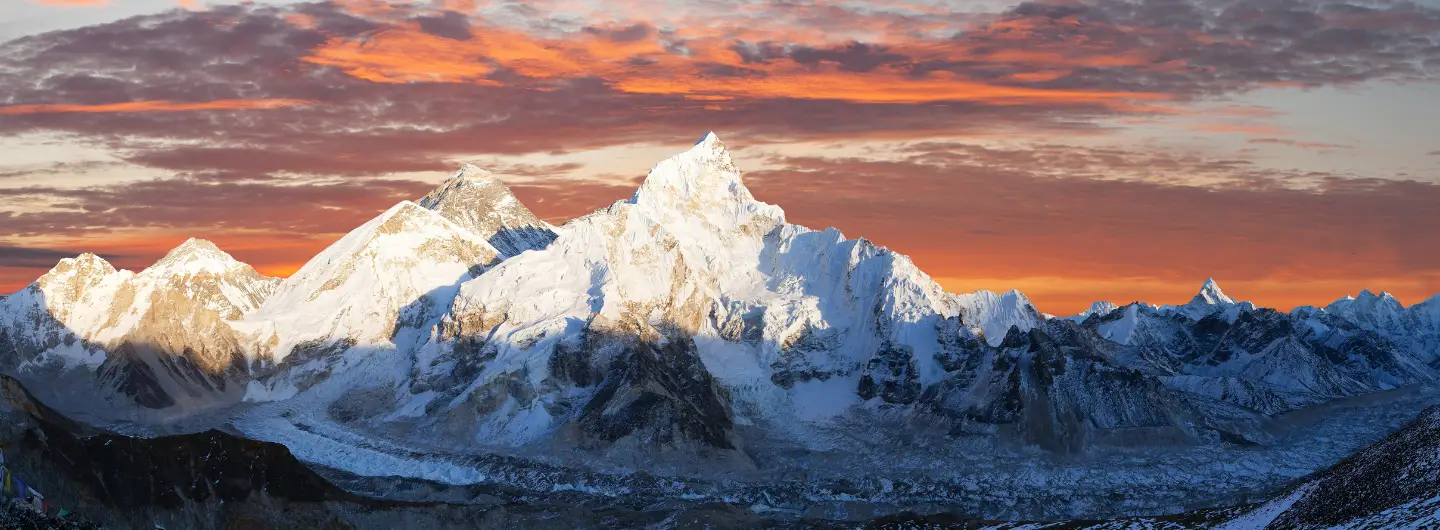
Set in the shadow of Mount Manaslu (8,163 m), the world’s eighth-highest peak, the trek leads through dramatic gorges, remote villages, alpine meadows, and sacred valleys. The addition of Tsum Valley Nepal elevates this journey beyond a physical adventure, it becomes a cultural pilgrimage through a living Himalayan heritage.
For trekkers seeking authenticity, diversity, and depth, Manaslu Tsum Valley trekking delivers one of the most complete experiences Nepal has to offer.
Overview of the Manaslu Tsum Valley Trek
The Manaslu Tsum Valley Trek is a combined route that links the classic Manaslu Circuit with the sacred Tsum Valley, often referred to as the “Hidden Valley of Happiness.” This trek follows the Budhi Gandaki River before branching into the spiritually rich Tsum Valley, then rejoining the Manaslu Circuit to cross the dramatic Larke La Pass (5,160 m).
What sets this trek apart is its balance. It offers high Himalayan passes, glacier views, and alpine terrain alongside centuries-old monasteries, prayer flags, mani walls, and villages where Tibetan culture remains central to daily life.
Because of its restricted status and required permits, the region has avoided mass tourism, preserving both its environment and cultural integrity.
Why Choose the Manaslu Tsum Valley Trek
Choosing the Manaslu Tsum Valley Trek means choosing depth over popularity and meaning over convenience.
This trek is ideal for those who want:
- Fewer crowds and a more peaceful trail
- Authentic encounters with Tibetan Buddhist communities
- Diverse landscapes ranging from subtropical forests to high alpine passes
- A challenging yet rewarding trekking experience
- Cultural immersion without sacrificing dramatic mountain scenery
Unlike many mainstream treks, this journey demands patience, respect for local customs, and a willingness to slow down, qualities that ultimately enrich the experience.
Cultural Significance of Tsum Valley Nepal
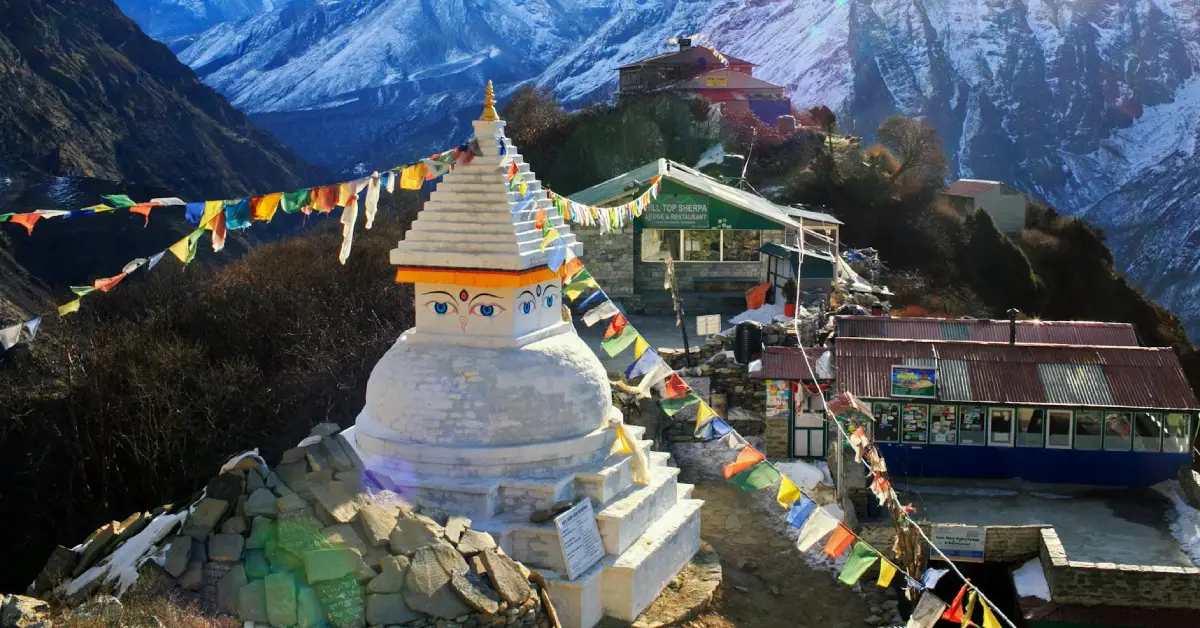
Tsum Valley Nepal is one of the most culturally significant regions in the Himalayas. Strongly influenced by Tibetan Buddhism, the valley is home to ancient monasteries, nunneries, and sacred caves linked to Guru Padmasambhava, the founder of Tibetan Buddhism.
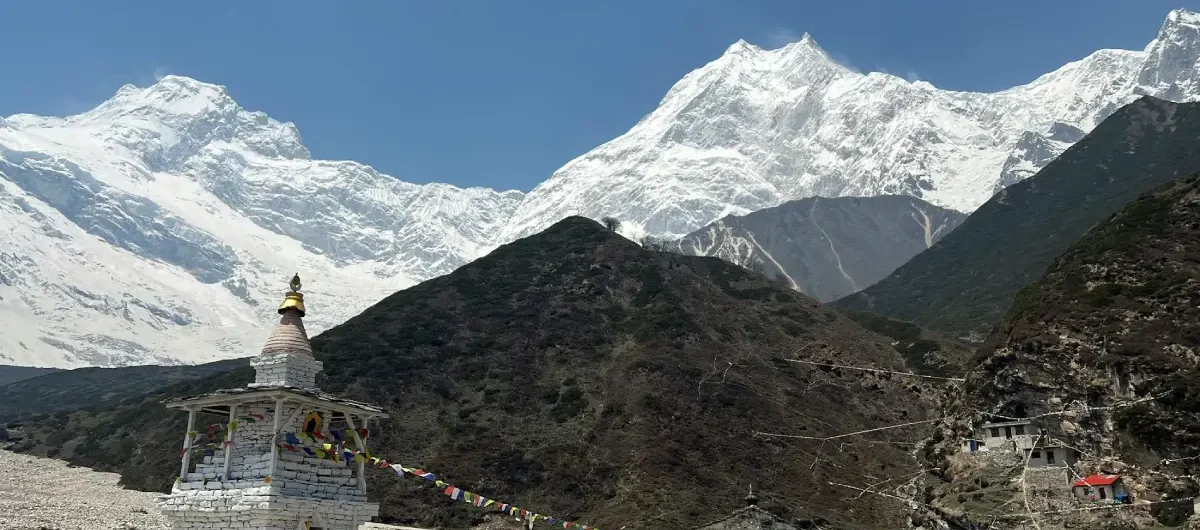
Villages such as Chumling, Chhokang Paro, and Nile feel suspended in time. Here, spinning prayer wheels line stone paths, monks chant in candlelit halls, and long Tibetan horns echo across the valley during ceremonies.
Animal slaughter has been traditionally prohibited in Tsum Valley, reflecting a deep-rooted belief in the sanctity of all life. This spiritual worldview shapes not only religious practice but also daily interactions, farming methods, and community values.
For trekkers, spending a night in a monastery or attending a morning prayer session offers rare insight into a living spiritual tradition.
Natural Landscape and Scenic Diversity
The Manaslu Tsum Valley Trek traverses one of Nepal’s most diverse ecological corridors.
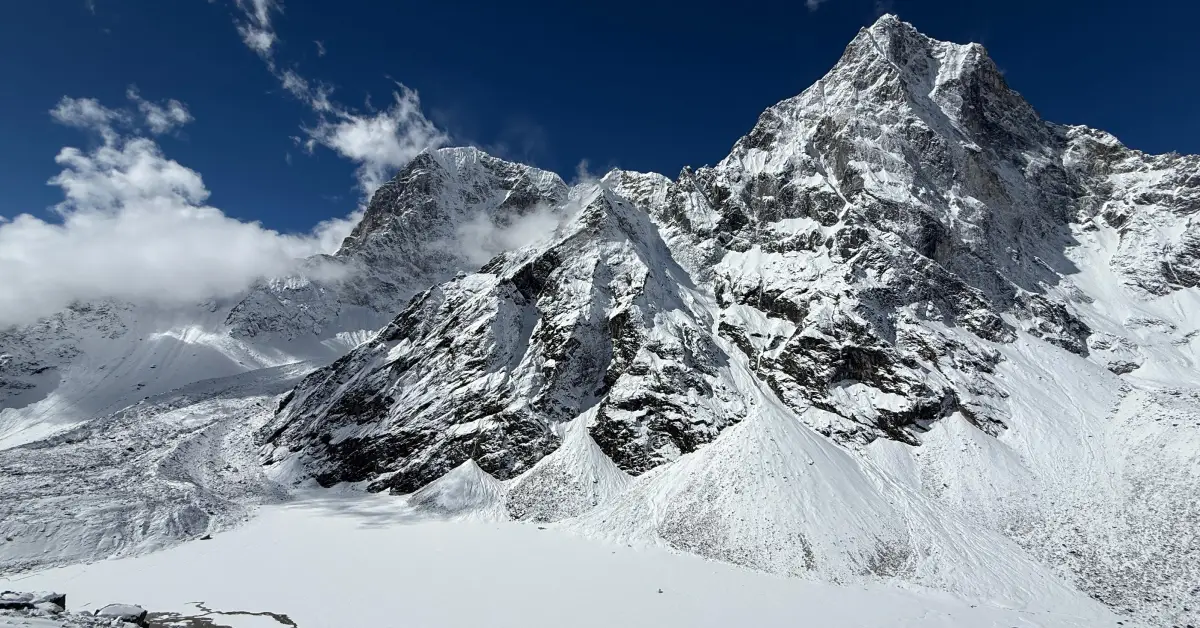
The journey begins in low-altitude regions with terraced fields, waterfalls, and subtropical forests. As elevation increases, the landscape transforms into pine and rhododendron forests, followed by alpine meadows and glacial valleys.
Key scenic highlights include:
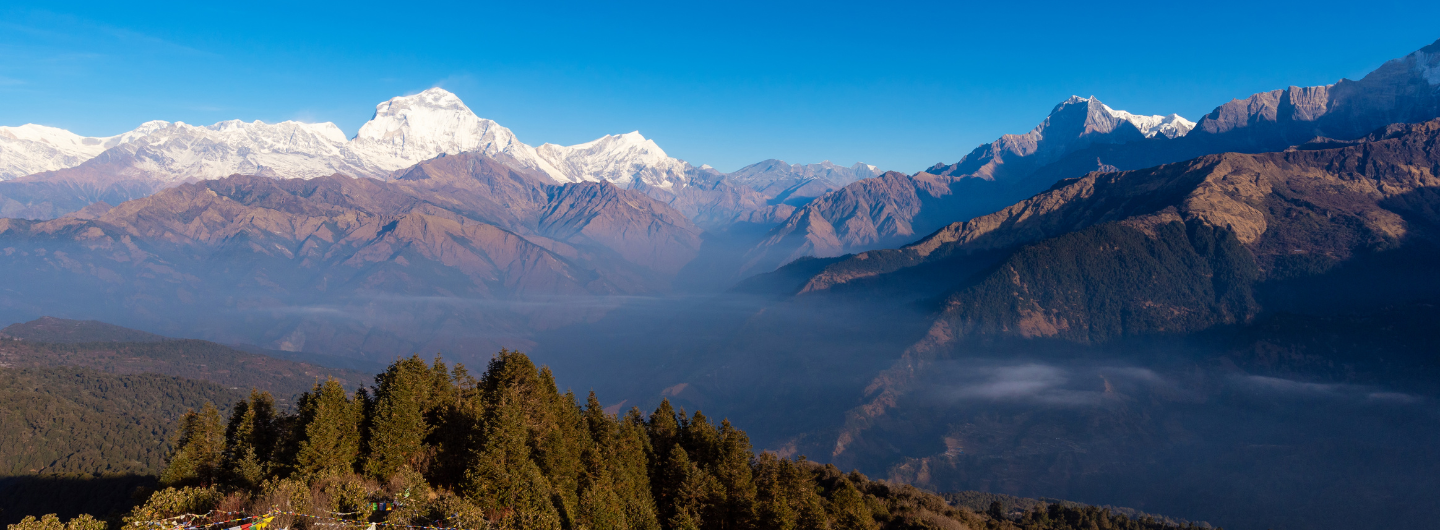
- Ganesh Himal and Siringi Himal views from the lower valley
- Deep gorges carved by the Budhi Gandaki River
- Glacier-fed rivers crossed by dramatic suspension bridges
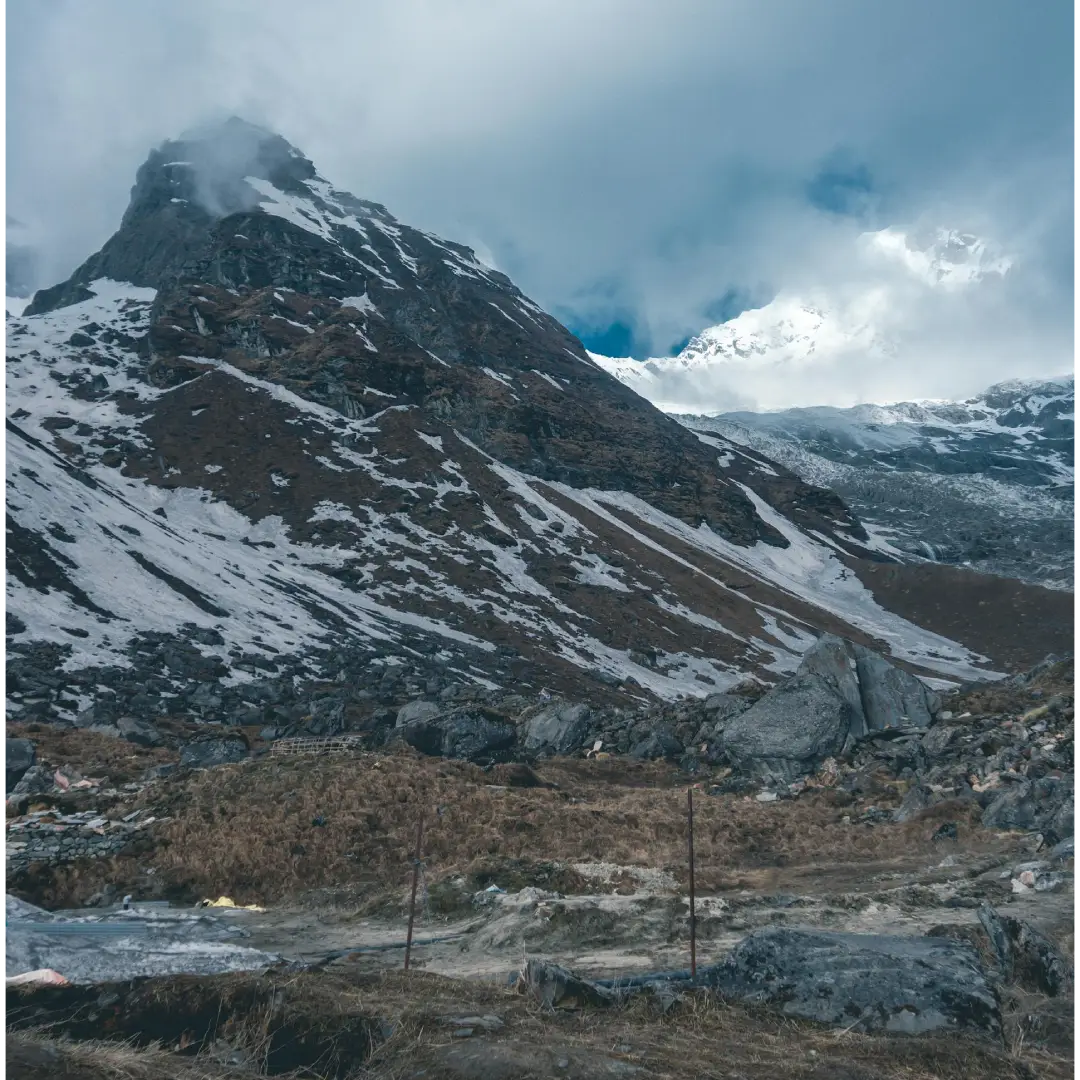
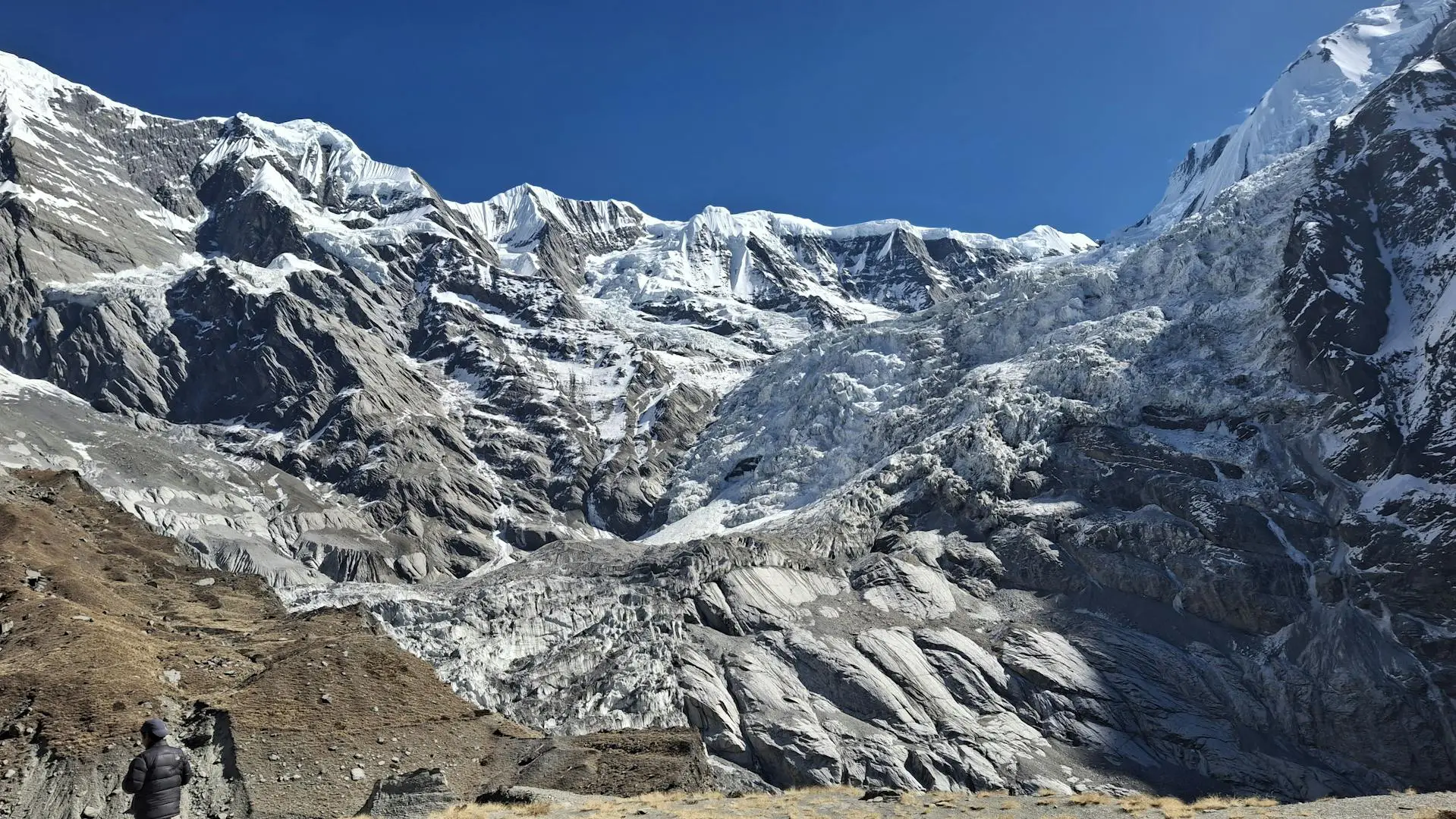
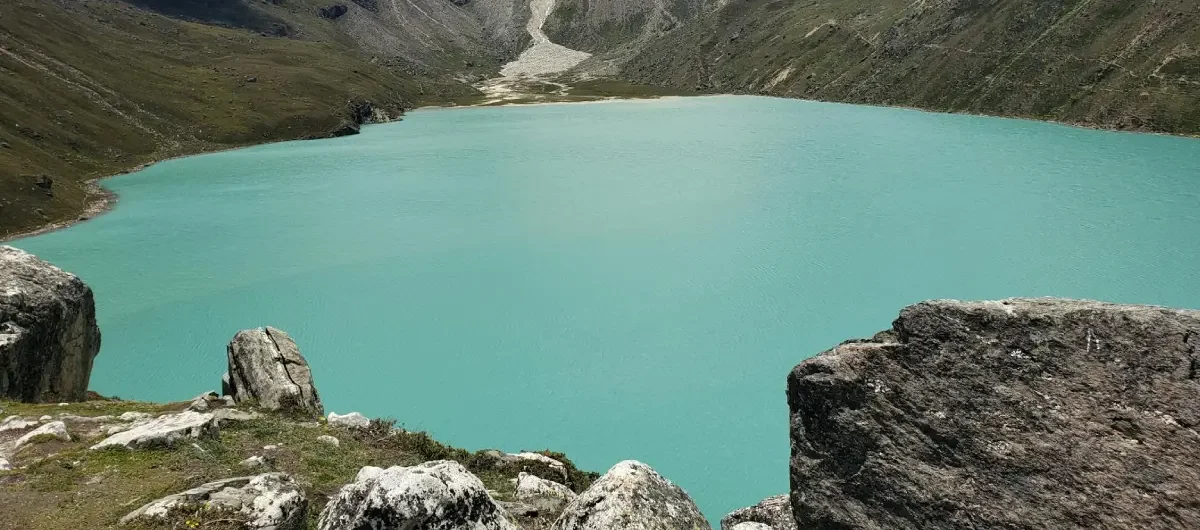
- Vast alpine basins beneath Manaslu’s towering north face
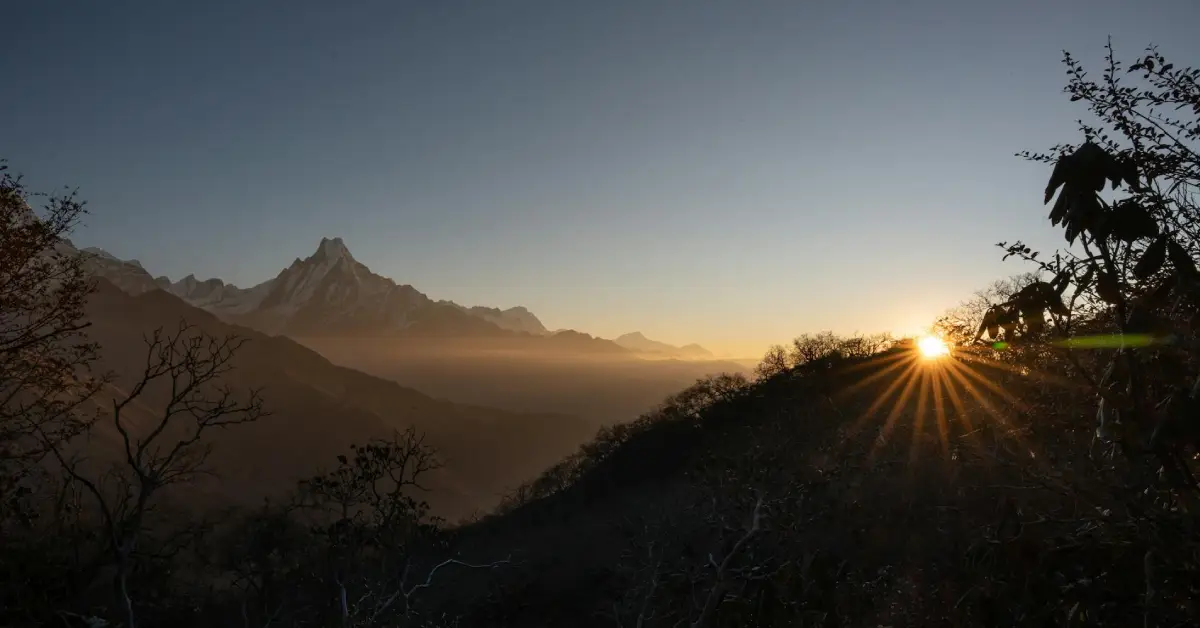
- Prayer-flag-lined ridges and panoramic Himalayan passes
This constant change in terrain keeps the trek visually engaging from start to finish.
Trek Route and Major Highlights
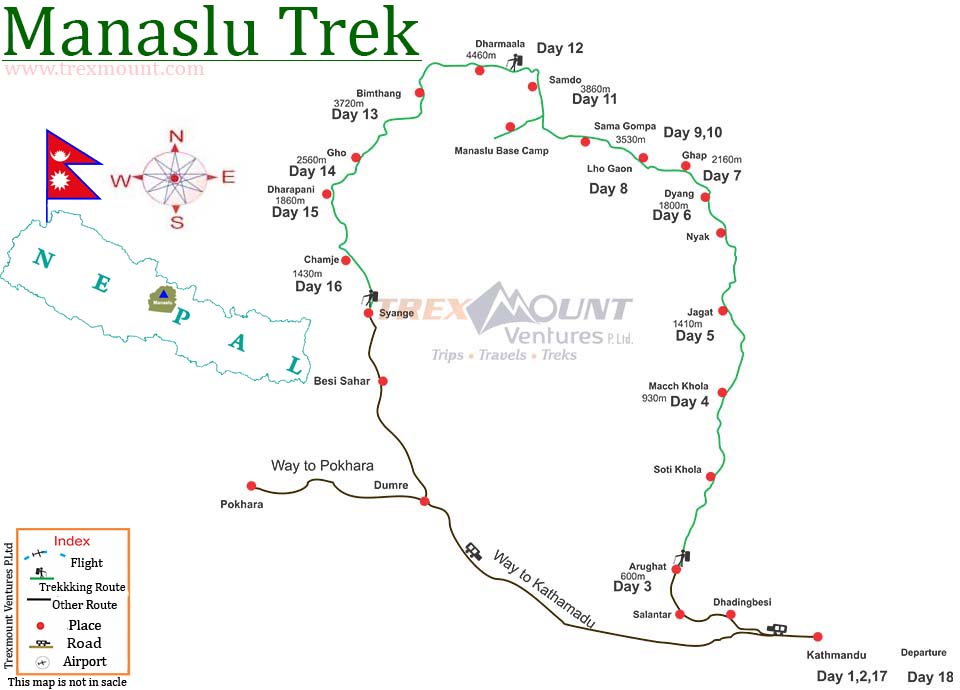
The Manaslu Tsum Valley Trek begins with a drive from Kathmandu to Soti Khola or Machha Khola. From here, the trail follows the Budhi Gandaki River northward.
Key Route Highlights:
- Entry into the restricted Tsum Valley near Lokpa
- Exploration of Chumling and Chhokang Paro villages
- Visit to Mu Gompa, the valley’s largest monastery
- Optional hike to Ganesh Himal Base Camp
- Return to the Manaslu Circuit via Deng
- Acclimatization at Sama Gaon
- Side trips to Manaslu Base Camp or Pungen Gompa
- Trek to Samdo and an optional Tibet border viewpoint
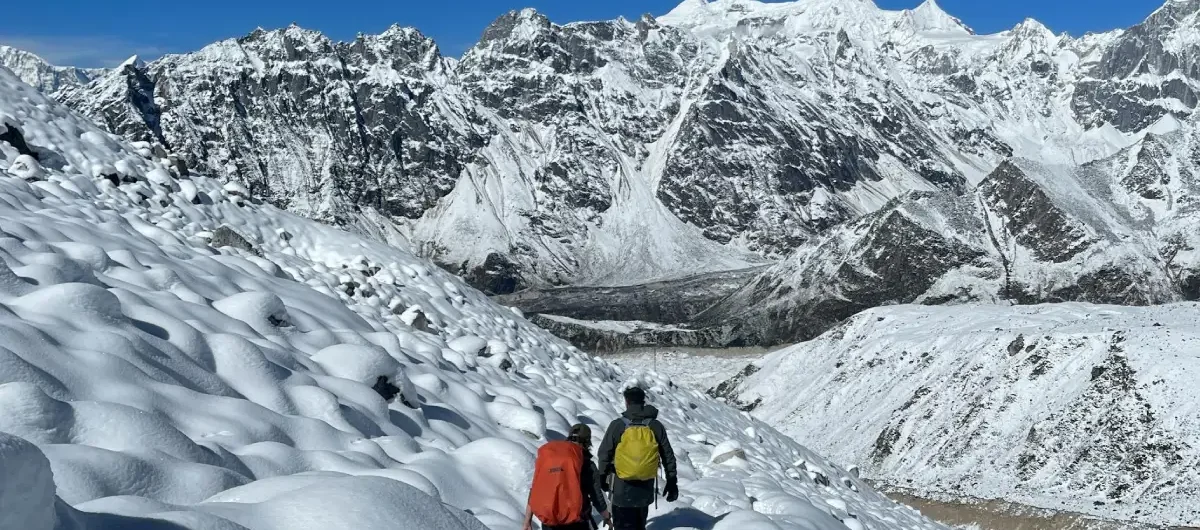
- Crossing Larke La Pass (5,160 m)
- Descent to Bhimthang and onward to Dharapani
Each section of the trail contributes a unique blend of culture, scenery, and challenge.
Day-by-Day Experience on the Trail
While itineraries vary, most Manaslu Tsum Valley Trek schedules range from 18 to 22 days.
Early days involve steady walking through river valleys and villages, allowing gradual acclimatization. Days in Tsum Valley are slower and more contemplative, often centered around monastery visits and cultural exploration.
As the trail rejoins the Manaslu Circuit, the trek becomes more physically demanding. Acclimatization days are essential, particularly at Sama Gaon, before ascending toward higher elevations.
The crossing of Larke La is the physical and emotional climax of the trek, offering expansive Himalayan views and a profound sense of achievement.
Monasteries, People, and Local Life
The heart of the Manaslu Tsum Valley Trek lies in its people. The inhabitants of Tsum Valley are primarily of Tibetan origin, speaking their own dialect and practicing Buddhism as a way of life rather than a ritual.
Hospitality is genuine and uncommercialized. Teahouses are simple but welcoming, often run by families who rely on seasonal trade and agriculture.
Important monasteries include:
- Mu Gompa
- Rachen Gompa (nunnery)
- Gumba Lungdang
- Pungen Gompa
These institutions serve as spiritual centers, schools, and community hubs.
Wildlife and Biodiversity
Due to its restricted status and low tourist traffic, the Manaslu region supports rich biodiversity.
Wildlife sightings may include:
- Himalayan tahr
- Blue sheep
- Musk deer
- Snow leopard (rare but present)
- Himalayan monal and other high-altitude birds
Forests of rhododendron, juniper, and pine dominate mid-elevations, while alpine flora thrives in higher zones.
Responsible trekking practices are crucial to preserving this fragile ecosystem.
Best Time to Do the Manaslu Tsum Valley Trek
The best seasons for the Manaslu Tsum Valley Trek are:
Spring (March–May)
- Stable weather
- Blooming rhododendrons
- Clear mountain views
Autumn (September–November)
- Best overall visibility
- Dry trails
- Ideal conditions for high pass crossings
Winter trekking is possible but challenging due to snow at Larke La, while monsoon season brings landslides and leeches at lower elevations.
Permits and Regulations
The Manaslu Tsum Valley Trek requires multiple permits due to its restricted status.
Required permits include:
- Manaslu Restricted Area Permit
- Tsum Valley Restricted Area Permit
- Manaslu Conservation Area Permit (MCAP)
- Annapurna Conservation Area Permit (ACAP)
A licensed guide is mandatory, and trekkers must travel in a minimum group of two.
Difficulty Level and Fitness Requirements
This trek is considered moderate to challenging.
Key challenges include:
- Long trekking days
- Remote terrain
- High-altitude pass crossing
- Limited infrastructure in some areas
Previous high-altitude trekking experience is recommended, along with good cardiovascular fitness and mental resilience.
Accommodation and Food
Accommodation is primarily in teahouses and local lodges. Facilities are basic but sufficient.
Meals typically include:
- Dal bhat
- Tibetan bread
- Noodles and soups
- Seasonal vegetables
- Tea and herbal drinks
Food variety decreases at higher altitudes, making proper nutrition planning important.
Safety, Guides, and Responsible Trekking
Hiring an experienced guide enhances safety, cultural understanding, and logistical efficiency. Weather conditions, altitude sickness, and trail navigation are best managed with local expertise.
Responsible trekking includes:
- Respecting local customs
- Minimizing waste
- Supporting local businesses
- Avoiding wildlife disturbance
Why the Manaslu Tsum Valley Trek Is Unique in Nepal
Few treks offer such a complete package. The Manaslu Tsum Valley Trek combines spiritual depth, wilderness adventure, and cultural authenticity without the crowds found elsewhere. It is not just a trek, it is a journey through history, belief, and landscape that remains largely unchanged.
Manaslu Tsum Valley Trekking Summary
The Manaslu Tsum Valley Trek stands as one of Nepal’s most profound trekking experiences. It rewards those who seek more than scenery, with culture, silence, resilience, and meaning. For trekkers ready to step beyond the ordinary, this journey offers a rare chance to walk through a hidden Himalayan world that still breathes its ancient soul.
 Review us on Google
 Review us on TripAdvisor