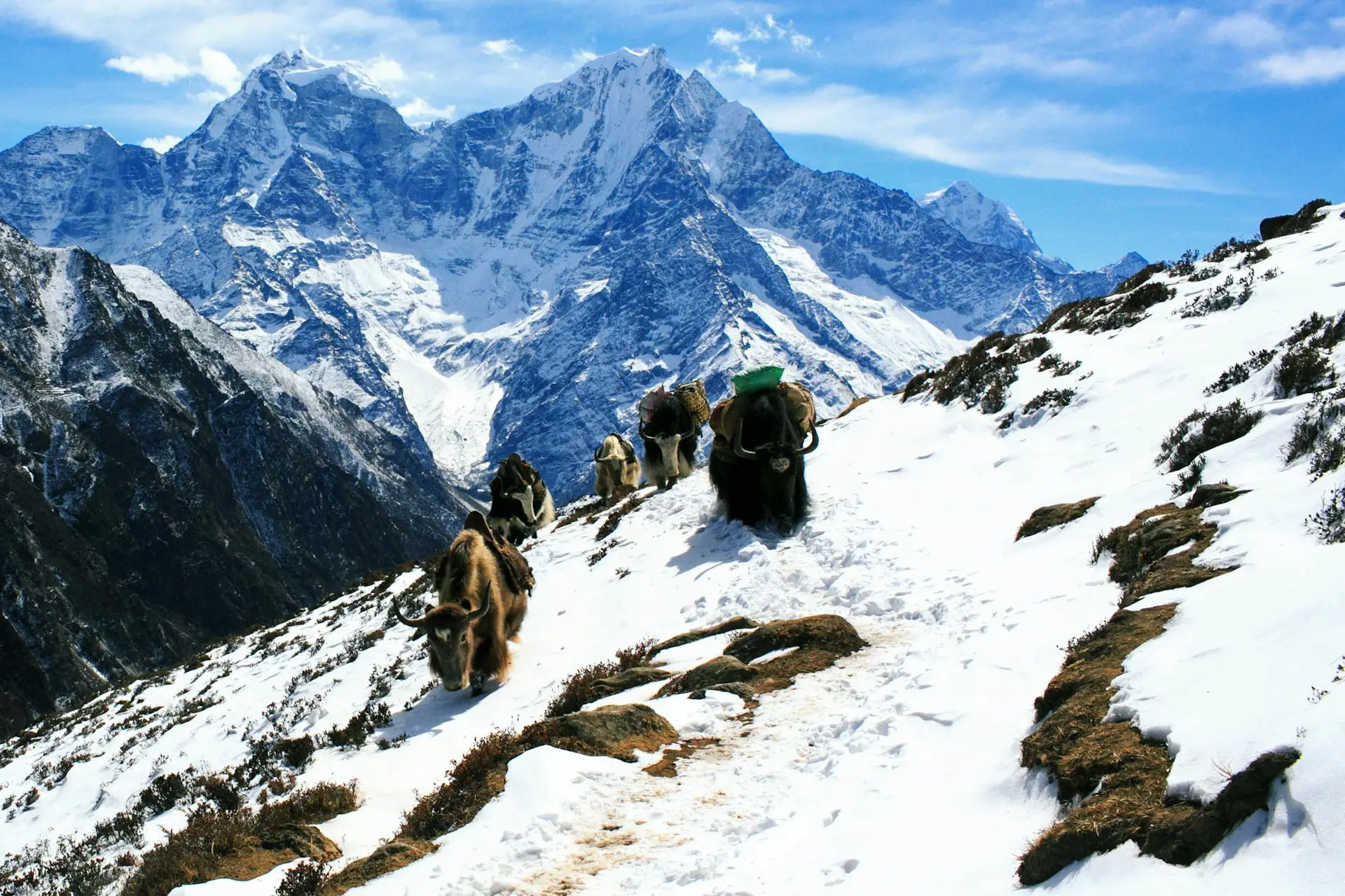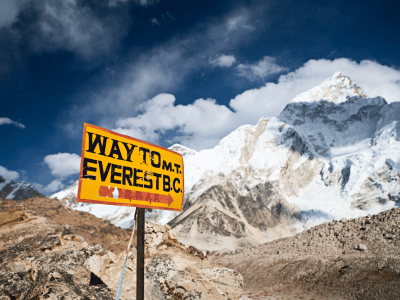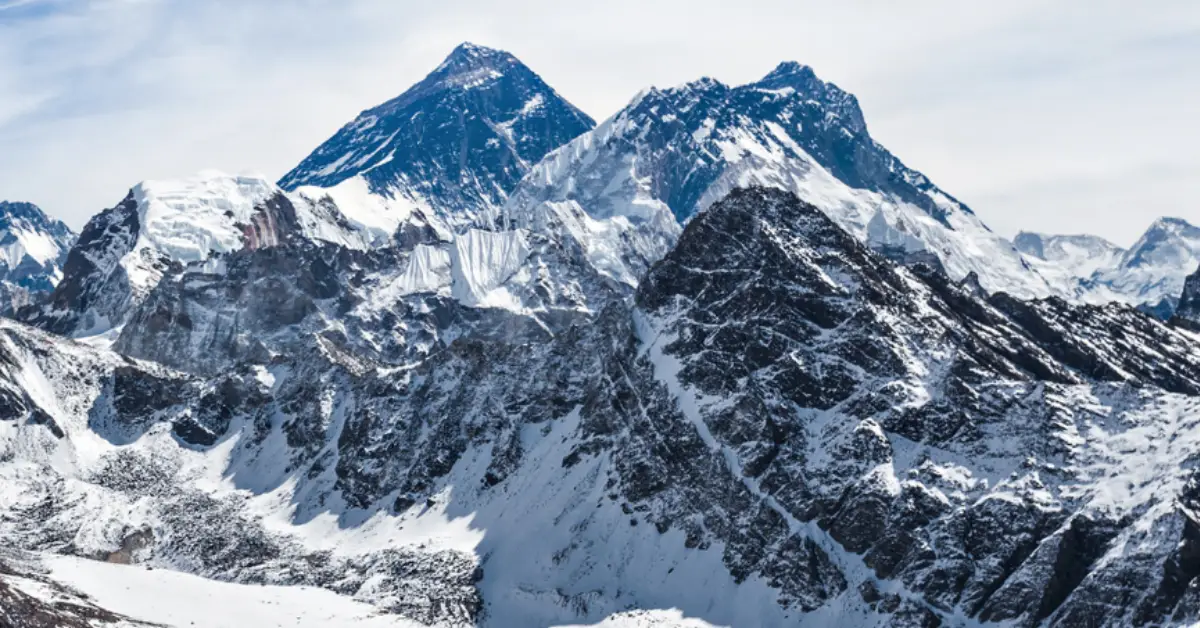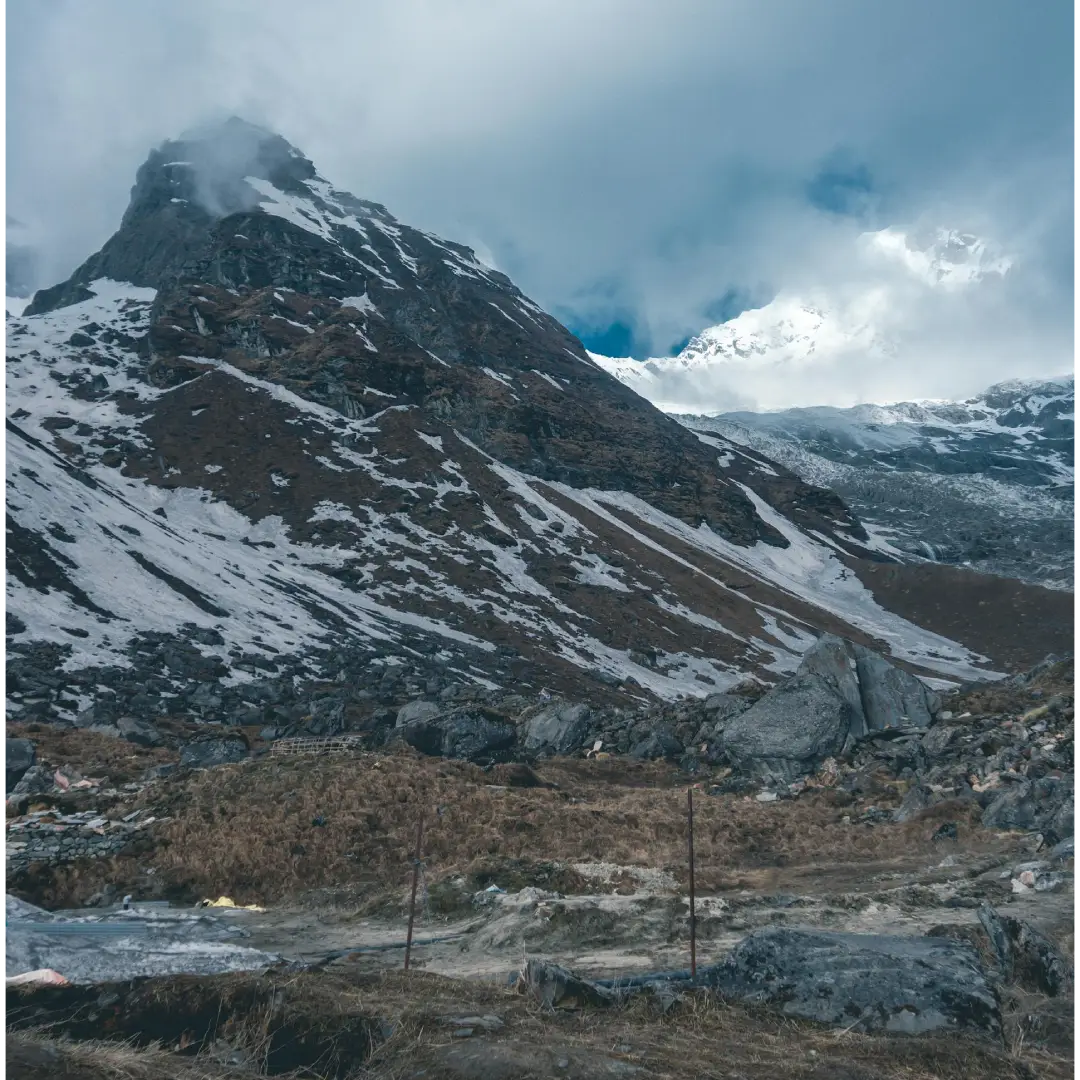

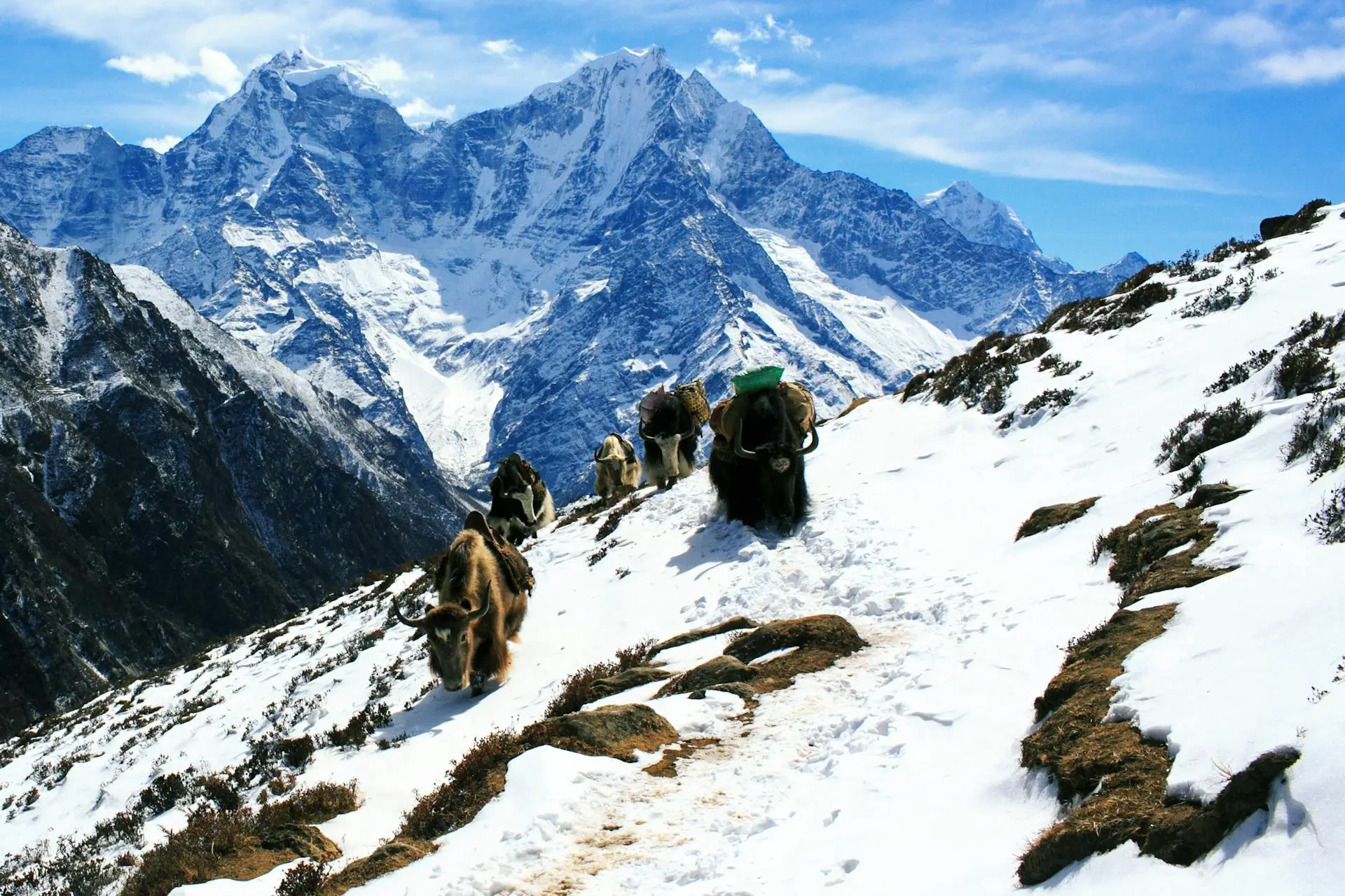
Mera Peak Climbing

Mera Peak Climbing

Activity
Climbing, Trekking
Trip Grade
Challenging
Max. Altitude
6476m

Overview

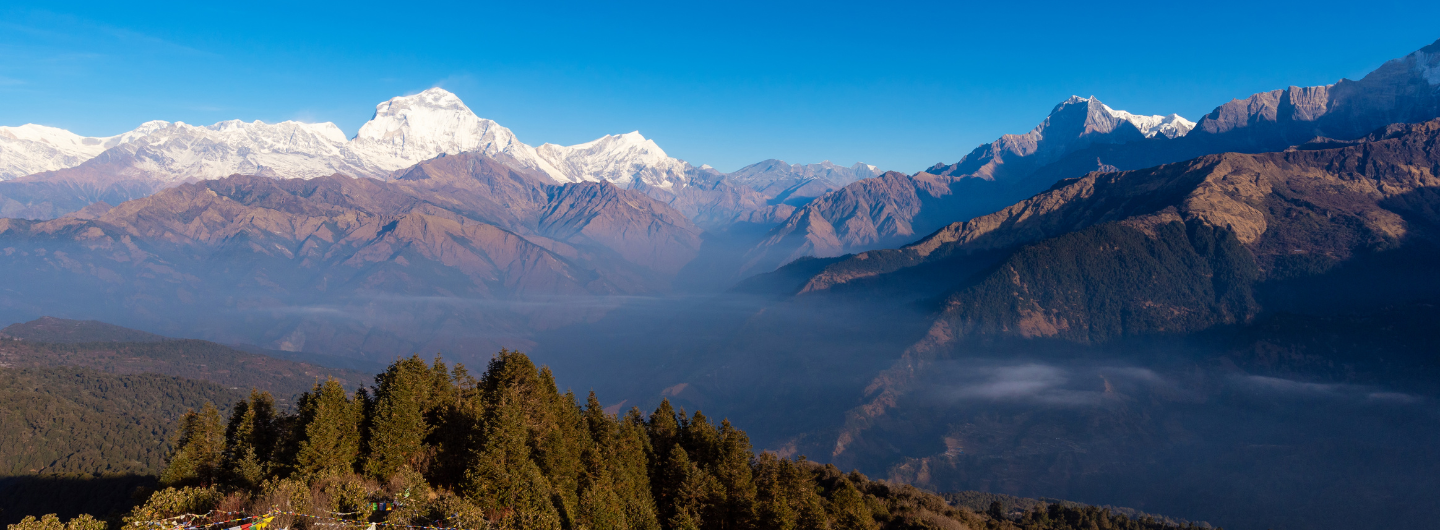
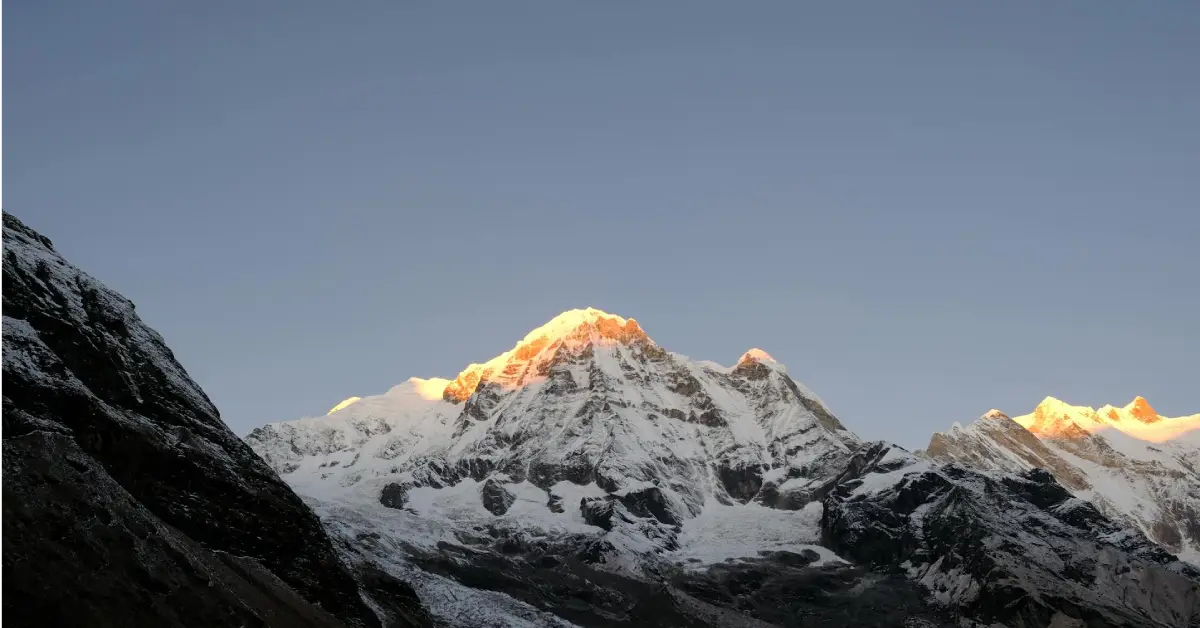
Imagine standing on top of the highest trekking peak in Nepal, surrounded by five of the world’s tallest mountains. That is exactly what Mera Peak climbing gives you. At 6,461 meters above sea level, Mera Peak is one of the most rewarding adventures you can have in the Himalayas. It is high, it is beautiful, and surprisingly, it is not as scary as it sounds.

mera peak climbing in nepal

Whether you are dreaming of your first Himalayan peak climbing in Nepal experience or looking to add a serious summit to your list, this complete guide by Best Trekking Company in Nepal covers everything. From the full 18-day Mera Peak climbing itinerary to gear, difficulty, permits, and the best time to go, you will find it all right here, written in simple terms so anyone can understand.

Table of Contents

  1. What is Mera Peak?
  2. Is Mera Peak Climbing Difficult?
  3. Mera Peak Climbing Itinerary
  4. Mera Peak Climbing Map
  5. Lukla to Mera Peak Route Explained
  6. Mera Peak Acclimatisation Itinerary
  7. Best Time to Climb Mera Peak
  8. Mera Peak Climbing Gear List
  9. Mera Peak Climbing Permit
  10. Mera Peak Base Camp and High Camp
  11. Mera Peak Climbing Cost for Nepali?
  12. Why Choose a Guided Mera Peak Climbing Trip?
  13. Mera Peak vs Island Peak Climbing in Nepal
  14. FAQ

What is Mera Peak? A Beginner’s Guide to Himalayan Peak Climbing in Nepal

FeatureDetails
Peak NameMera Peak
Altitude6,461m / 21,190ft
LocationKhumbu, Solukhumbu District, Nepal
TypeTrekking Peak (non-technical)
RegionEverest Region
Best SeasonSpring & Autumn
Permit RequiredYes

Mera Peak is the tallest trekking peak in all of Nepal. It sits in the Everest region trekking zone, tucked inside the beautiful Hinku Valley. Most people have heard of Everest Base Camp, but Mera Peak is something even more special, you actually reach a true summit, not just a base camp.

Mera Peak climbing in Nepal is classified as a trekking peak, which means it does not require the same level of technical climbing skill as mountains like Everest or Annapurna. However, do not be fooled by the word “trekking.” At 6,461 meters, this is a serious high-altitude adventure. You will need crampons, an ice axe, and a good guide.

  • It is the highest trekking peak in Nepal, a genuine bragging right
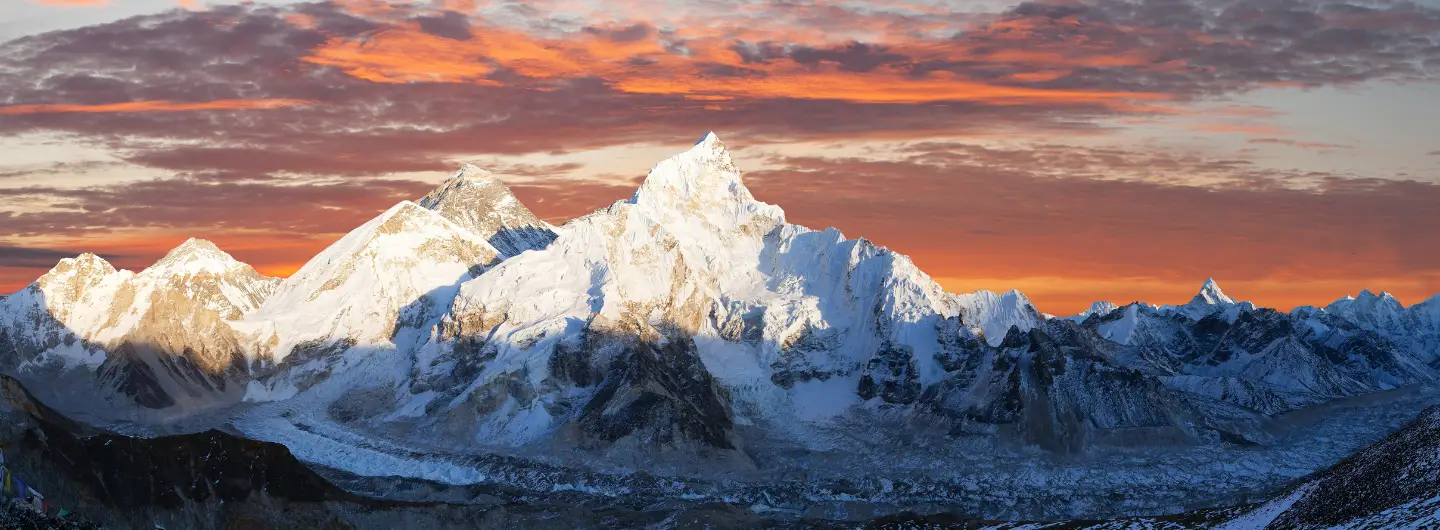
  • You can see five 8,000-meter peaks from the summit: Everest, Lhotse, Cho Oyu, Makalu, and Kangchenjunga
  • It is perfect for beginner peak climbing in Nepal
  • The route through the Hinku Valley trek is remote and stunningly beautiful
  • It is a fantastic stepping stone before attempting Island Peak climbing in Nepal or bigger expeditions

Who is Mera Peak For?

Mera Peak is not just for professional mountaineers. In fact, it is one of the most accessible 6,000-meter peak climbs in Nepal. If you are reasonably fit, have done some trekking before, and are mentally prepared for cold and altitude, you can do this. A good Mera Peak climbing guide and the right Mera Peak expedition package will make all the difference.

Is Mera Peak Climbing Difficult? Honest Assessment of Mera Peak Climbing Difficulty

Difficulty FactorRatingNotes
Technical ClimbingLow–ModerateStorms are possible, season matters
Physical DemandHighLong trekking days before the climb
Altitude ChallengeHighSummit at 6,461m
Route FindingModerateGuide strongly recommended
Weather RiskModerateStorms possible, season matters
Overall GradeDemanding + ChallengingNot for beginners with zero fitness

This is one of the most common questions people ask, and the honest answer is: Mera Peak climbing is challenging but achievable. The technical climbing part is actually the easier section. The hard part is the long trekking approach through remote terrain at high altitude.

The Trekking Section vs The Climbing Section

Here is something surprising that most people do not realise about Mera Peak climb difficulty:

  • The trek to base camp, from Lukla through the Hinku Valley, is actually the harder mental and physical challenge. You trek for 7–8 days through remote trails, crossing passes and gaining altitude steadily.
  • The actual climbing section, from Mera High Camp to the summit, is non-technical for most of the route. Fixed ropes are placed on the steeper final section.

What Skills Do You Need?

  • Basic fitness: You should be comfortable hiking 5–8 hours per day
  • No prior climbing experience is required, but it helps
  • You will receive pre-climb training at Khare base camp before summit day
  • Training covers: ice axe use, crampons, rope technique, and harness use
  • A Mera Peak climbing guide handles all route-finding and safety decisions

Altitude Sickness Risk

Altitude sickness is real at Mera Peak altitude of 6,461m. The key to avoiding it is a slow, steady ascent. That is why the Mera Peak acclimatisation itinerary in a good Mera Peak expedition package includes rest days and gradual height gains. Never rush to the summit.

Mera Peak Climbing Itinerary

DayDestinationAltitudeActivity
1Kathmandu1,350mArrival
2Kathmandu1,350mPreparation
3Lukla → Paiya2,800mFly + Trek 5–6 hrs
4Paiya → Panggom2,846mTrek 5–6 hrs
5Panggom → Ningsow2,863mTrek 4–5 hrs
6Ningsow → Chhatra Khola2,800mTrek 7–8 hrs
7Chhatra Khola → Kothe3,691mTrek 6–7 hrs
8Kothe → Thaknak4,358mTrek 3–4 hrs
9Thaknak → Khare5,045mTrek 2–3 hrs
10Khare5,045mAcclimatization + Training
11Khare → High Camp5,780mClimb 6–7 hrs
12Summit → Khare6,461mSummit Day 8–9 hrs
13Khare5,045mContingency Day
14Khare → Kothe3,691mTrek 4–5 hrs
15Kothe → Thuli Kharka4,300mTrek 5–6 hrs
16Thuli Kharka → Lukla4,600mTrek via Zatrwa La 6–7 hrs
17Fly to Kathmandu1,350mFarewell Dinner
18DepartureFinal Day

This is the complete Mera Peak climbing itinerary used by Trexmount Ventures. It spans 18 days and is carefully designed to keep you safe and well-acclimatised throughout the journey.

Days 1–2: Kathmandu Preparation

Your adventure begins in Kathmandu, Nepal’s buzzing capital city. On Day 1, you arrive, check into your hotel, and enjoy a welcome dinner featuring traditional Nepalese cuisine. On Day 2, your Mera Peak climbing guide will check all your gear, brief you on the route, and introduce you to your climbing team. This day is important, it is where questions get answered, and friendships begin.

  • Accommodation: Hotel in Kathmandu
  • Meals: Welcome dinner on Day 1, breakfast on Day 2
  • Key activity: Gear inspection and team briefing

Days 3–9: The Hinku Valley Trek (Lukla to Mera Peak Base Area)

This is the heart of the Lukla to Mera Peak route. Unlike the standard approach, the itinerary follows the longer, more scenic Hinku Valley trek, which offers superb acclimatisation and takes you through villages that rarely see tourists. Each day, you gain altitude gradually, which is exactly what your body needs.

  • Day 3: You fly from Kathmandu to Lukla (40 minutes), then trek to Paiya through jungle trails and cross the Chutok La pass
  • Day 4: Cross the Kari La pass through rhododendron and bamboo forests; views of the Dudhkoshi Valley
  • Day 5: Trek to Ningsow through Panggom La pass and along peaceful river valleys
  • Day 6: Enter the Makalu Barun National Park on the Pasang Lhamu trail — you might spot the rare Red Panda
  • Day 7: Join the main Mera trail along the Hinku Khola river heading north toward Mera Peak base camp zone
  • Day 8: Pass the 200-year-old Lungsumgba Gompa (monastery) and reach Thaknak, a summer grazing settlement
  • Day 9: Cross moraines and glaciers to reach Khare at 5,045m — your first view of Mera’s north face

Days 10–12: Acclimatisation, High Camp, and Summit

These three days are the climax of the entire Mera Peak expedition. Everything you have done so far has been leading to this moment.

  • Day 10: Full acclimatisation day at Khare. Your guide runs a pre-climb training session covering crampons, ice axe, ascender, harness, and rope technique. This is where the Mera Peak trekking and climbing itinerary shifts into full climbing mode.
  • Day 11: Move from Khare to Mera Peak high camp at 5,780m. The trail crosses the Mera La pass and follows a rocky, glacier-draped route. Views of Everest, Makalu, Lhotse, Nuptse, Cho Oyu, Chamlang, and Baruntse reward your effort.
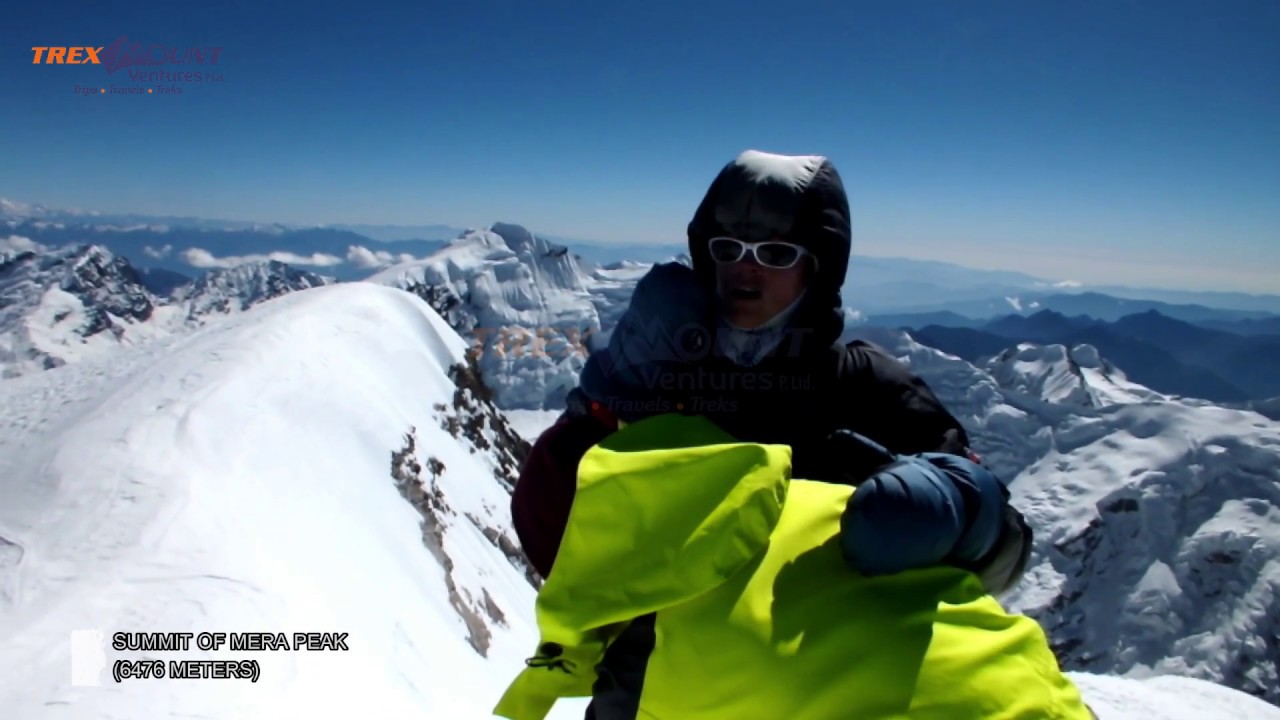
  • Day 12: Wake up at 2:00 AM. After a warm breakfast in the cold darkness, you begin your Khare to Mera Peak summit push. The route is non-technical for most of the way. A fixed rope assists on the steeper final cone. From the Mera Peak summit, you see five 8,000-meter giants spread across the horizon. It is unforgettable.

Days 13–18: Descent and Return

After your summit success, you begin the journey home. Day 13 is a reserve contingency day, it exists in case bad weather forces a delay on summit day. If all went well, you use it to rest and recover.

  • Day 14: Trek back down to Kothe, a day of celebration with local food and drinks
  • Day 15: Climb to Thuli Kharka, crossing several tributaries of the Inkhu Khola
  • Day 16: Cross the Zatrwa La pass at 4,600m and descend all the way to Lukla. The views of Cho Oyu, Kongde Peak, and Numbur Himal on the way down are stunning.
  • Day 17: Fly back to Kathmandu for your well-deserved farewell dinner
  • Day 18: Final departure day

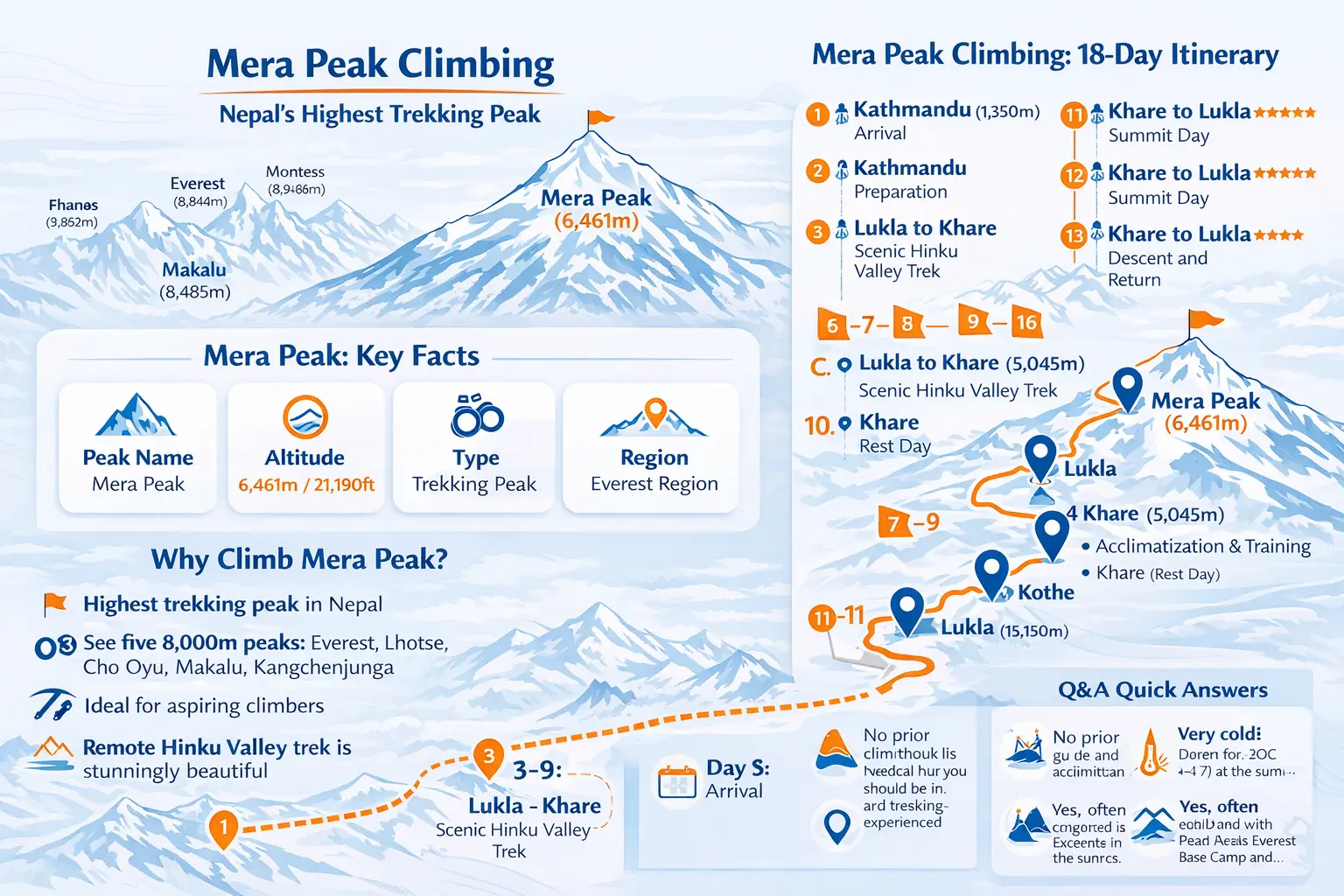
Mera Peak Climbing Map

Mera Peak Climbing Route Map
SegmentRoute SectionKey Landmarks
Start PointKathmandu → Lukla (flight)Tribhuwan Airport → Tenzing-Hillary Airport
ApproachLukla → Hinku ValleyPaiya, Panggom, Ningsow, Chhatra Khola
Mid TrekHinku Valley → Base AreaKothe, Thaknak, Hinku Khola
Climb ZoneKhare → High Camp → SummitMera La, Mera High Camp, Mera Peak Summit
ReturnSummit → LuklaKothe, Thuli Kharka, Zatrwa La Pass, Lukla
End PointLukla → Kathmandu (flight)Back to Tribhuwan Airport

The Mera Peak climbing map shows a clear loop structure. You fly into Lukla, head south and then north through the Hinku Valley, summit Mera Peak, and return to Lukla via a different pass (Zatrwa La) on the descent. This loop design is smart, it prevents repetitive scenery and supports proper acclimatisation.

Key Geographic Zones on the Map

  • Hinku Valley: The hidden gem of this route. Remote, quiet, and dramatically beautiful. This is the key reason the Hinku Valley trek version of this route is preferred over the standard approach.
  • Mera La Pass: The gateway to the high camp. After crossing here, you are in glacier territory.
  • Zatrwa La Pass (4,600m): The return crossing that rewards you with sweeping views of the entire Khumbu region.

Lukla to Mera Peak Route

SectionDaysTerrain TypeDifficulty
Lukla to PaiyaDay 3Jungle, bridges, passesModerate
Paiya to Chhatra KholaDays 4–6Rhododendron forest, river valleysModerate
Chhatra Khola to ThaknakDays 7–8River trails, glacial moraineModerate–Hard
Thaknak to KhareDay 9Glacier snout, steep climbHard
Khare to High CampDay 11Glacier, rocky ridgeVery Hard
High Camp to SummitDay 12Snow/ice slope, fixed ropesHardest

The Lukla Chaurikharka to Mera Peak route via the Hinku Valley is longer than the standard route but significantly more rewarding. Most guided Mera Peak climbing operators prefer this version because it gives climbers an extra 2–3 days of gradual altitude gain before reaching Khare.

Why This Route is Better for Acclimatisation

  • You gain altitude slowly over 7 days before reaching 5,000m
  • The varied terrain keeps the trek mentally engaging
  • You pass through Makalu Barun National Park, one of Nepal’s most biodiverse zones
  • The remote villages you pass through offer genuine cultural experiences unlike anything on the busy Everest Base Camp trail

Mera Peak Acclimatisation Itinerary

DaySleeping AltitudeNotes
Day 32,800mFirst altitude night
Day 73,691mNoticeable altitude
Day 84,358mTake it slow
Day 95,045mHigh altitude zone begins
Day 105,045mRest and training
Day 115,780mHigh camp
Day 126,461mSummit, descend same day

Acclimatisation is arguably the most important part of any Mera Peak expedition. Getting this wrong can end your climb before it even starts. The Mera Peak acclimatisation itinerary in this 18-day plan is designed to follow the golden rule of high-altitude trekking: climb high, sleep low, or at minimum, ascend slowly.

Signs of Altitude Sickness to Watch For

  • A headache that does not go away with rest or water
  • Nausea or loss of appetite
  • Dizziness or difficulty walking straight
  • Shortness of breath even at rest
  • Confusion or unusual fatigue

If you or anyone in your group shows these signs, tell your Mera Peak climbing guide immediately. Descending even 300–500 meters can make a dramatic difference. Never ignore altitude symptoms, they can escalate quickly.

How Khare Acclimatisation Day Helps

The dedicated rest and training day at Khare (Day 10) is one of the most valuable parts of the entire Mera Peak trekking and climbing itinerary. It serves two purposes: first, it gives your body 24 hours to adapt to 5,045m before climbing higher. Second, it gives your guide time to teach you the climbing techniques you will need for summit day. Do not skip this day.

Best Time to Climb Mera Peak

SeasonMonthsWeatherVisibilityCrowd Level
SpringMarch–MayStable, mildExcellentHigh
Summer/MonsoonJune–AugustWet, unstablePoorVery Low
AutumnSeptember–NovemberStable, clearBestHigh
WinterDecember–FebruaryVery coldGoodLow

Choosing the best time to climb Mera Peak can make or break your entire expedition. The two prime windows are spring and autumn, and both have their advantages.

Spring Season (March to May)

Spring is the most popular season for Mera Peak climbing in Nepal. The weather is relatively warm, the skies are clear, and the mountain trails are alive with blooming rhododendrons. March and April are especially beautiful. May can bring pre-monsoon clouds in the afternoons, so early morning starts are important.

  • Best months: April and early May
  • Advantage: Warm temperatures, long daylight hours
  • Disadvantage: Busier trails, especially around Lukla

Autumn Season (September to November)

Autumn is considered by many experienced climbers to offer the best conditions for a Mera Peak climb. After the monsoon, the air is crystal clear, the visibility is extraordinary, and the Mera Peak summit views are at their very best. October is widely regarded as the single best month.

  • Best months: October and early November
  • Advantage: Crystal-clear views, stable weather
  • Disadvantage: Can be cold, especially at high camp in November

When to Avoid

  • June to August: Monsoon season brings heavy rain, leeches on the trail, and dangerous river crossings. The route through the Hinku Valley becomes muddy and slippery. Not recommended.
  • December to February: Possible but very cold. Only for very experienced climbers with proper winter gear.

Mera Peak Climbing Gear List

CategoryEssential Items
ClothingThermal base layers, fleece jacket, down jacket, waterproof shell, warm hat, buff, gloves, mittens
FootwearHiking boots, mountaineering boots, gaiters, crampons, flip flops
Climbing GearIce axe, harness, ascender, carabiners, helmet
CampingSleeping bag (–20°C rated), foam mattress (provided in tents)
PersonalSunscreen, lip balm, sunglasses (UV400+), water bottles, trekking poles
Bag40L daypack, waterproof duffel bag
MedicalPersonal first aid kit, altitude medication (consult your doctor)

Having the right Mera Peak climbing gear list is not optional, it is essential for your safety. The mountain does not care if you forgot your crampons. A well-prepared climber is a safe climber.

Clothing Layers Explained Simply

Think of your clothing like an onion, multiple thin layers are better than one thick one. Here is why:

  • Base layer (thermal): Keeps sweat away from your skin so you stay dry
  • Mid layer (fleece): Traps warmth close to your body
  • Outer layer (shell jacket): Blocks wind, snow, and rain

At Mera Peak altitude, temperatures on summit day can drop to –20°C or colder with windchill. Your down jacket and mittens are not accessories, they are survival gear.

What Your Guide Provides vs What You Bring

In a typical Mera Peak expedition package, the operator provides a waterproof duffel bag, basic climbing equipment for rent, and all camping tents and kitchen gear. You are responsible for your personal clothing, boots, sleeping bag, and daypack. Always confirm the exact inclusion list with Trexmount Ventures before you travel.

Mera Peak Climbing Permit

Permit TypeIssuing AuthorityRequired For
Mera Peak Climbing PermitNepal Mountaineering Association (NMA)Summit authorization
Makalu Barun National Park EntryDNPWCPassing through the park
TIMS CardTAANTrekking ID for all trekkers
Khumbu Pasang Lhamu Rural Municipality FeeLocal GovernmentEntering the Everest region

The Mera Peak climbing permit is a mandatory document issued by the Nepal Mountaineering Association. Without it, you cannot legally attempt the summit. The good news is that in a properly guided Mera Peak climbing trip, your operator handles all of this on your behalf.

Permit Application Process

  • Your climbing company submits the permit application to the NMA
  • A climbing leader (certified guide) must be named on the permit
  • Permits are issued per season, spring or autumn
  • Individual climbers do not apply separately; it goes through the registered trekking company

Why You Should Never Try to Skip Permits

Climbing without a valid Mera Peak climbing permit is illegal and can result in fines, being turned back at checkpoints, and getting your climbing company blacklisted. More importantly, permitted climbers receive rescue support and are logged in the system, critical in an emergency at Mera Peak altitude.

Mera Peak Base Camp and High Camp

CampAltitudeAccommodationTime to Summit
Khare (Base Area)5,045mTea House / Lodge~1 day
Mera Peak Base Camp~5,300mTents~10–11 hrs
Mera High Camp5,780mTents~5–6 hrs
Mera Peak Summit6,461m

Understanding the difference between Mera Peak base camp and Mera Peak high camp is important for planning your summit attempt. In this itinerary, Khare functions as the main base area where you rest, train, and sleep before moving up.

Life at Mera High Camp

Mera High Camp sits at 5,780 meters. At this altitude, the air contains roughly 50% less oxygen than at sea level. Here is what life looks like:

  • You sleep in a personal tent, provided by your operator
  • Cooking is done on expedition stoves, with simple, high-calorie meals
  • Temperatures drop sharply after sunset
  • You go to sleep early, wake-up call is around 2:00 AM for the summit push
  • Headlamps, warm sleeping bags, and down suits are essential

Summit Day from High Camp

On summit day, you leave Mera Peak high camp in darkness. The route from Khare to Mera Peak summit via high camp takes approximately 8–9 hours total for the round trip. The glacier is generally safe with fixed ropes on the steeper upper sections. The final summit cone requires careful footwork but is manageable for any reasonably fit person with proper training and a good guide.

Mera Peak Climbing Cost for Nepali? Local and International Perspectives

Expense TypeDetails
Climbing Permit FeePaid to Nepal Mountaineering Association
National Park FeesMakalu Barun entry fee
TIMS and Local FeesEverest region entry fees
Guide and Porter WagesMandatory for safety and legal requirement
Gear RentalIce axe, crampons, harness, ascender
AccommodationKathmandu hotel + teahouses + tents
Domestic FlightsKathmandu–Lukla–Kathmandu
MealsFull board during the trek

The Mera Peak climbing cost for Nepali citizens differs from international rates primarily due to reduced permit fees offered by the Nepal Mountaineering Association for Nepali nationals. However, the logistical costs, guiding, accommodation, food, flights, and gear remain broadly similar for everyone.

Breaking Down the Costs Simply

  • Permit fee: This is the biggest variable. Nepali nationals pay significantly less than foreign climbers for the NMA permit.
  • Guide wages: Whether Nepali or foreign, you need a licensed guide, this is both a legal and a safety requirement.
  • Gear rental: If you do not own mountaineering equipment, renting locally in Kathmandu is a cost-effective option for everyone.

Trexmount Ventures recommends getting a full Mera Peak expedition package that bundles all costs together. This avoids surprise expenses on the trail and ensures every permit and logistical detail is handled professionally.

Why Choose Guided Mera Peak Climbing with Trexmount Ventures?

FeatureWhat It Means for You
Certified GuidesExperienced Sherpa leaders with multiple summit records
Guaranteed DeparturesYour trip runs even if others cancel
Full Permit HandlingAll NMA and park permits arranged
Training IncludedPre-climb session at Khare before summit day
Contingency DayOne reserve day built in for weather
Sustainable TourismSupporting local communities and ecosystems

Guided Mera Peak climbing is not just a convenience, it is a necessity at this altitude. The mountain environment is unpredictable, and conditions can change within hours. Having an experienced Mera Peak climbing guide who knows the route, understands the weather patterns, and can manage emergencies is the most important investment you can make for this trip.

What Makes a Great Mera Peak Climbing Guide?

  • Prior summits of Mera Peak (ideally 10+ times)
  • Wilderness First Aid or higher medical certification
  • Fluent communication in English and Nepali
  • Strong understanding of altitude sickness recognition and response
  • Experience leading Himalayan peak climbing in Nepal expeditions at 6,000m+

Trexmount Ventures Approach

At Trexmount Ventures, we believe that Mera Peak climbing in Nepal should be accessible, safe, and deeply memorable. Our Mera Peak expedition package is designed to give every climber the best possible chance of reaching the Mera Peak summit, regardless of their prior climbing experience. We handle everything, permits, guides, gear checks, and acclimatisation planning, so you can focus entirely on the climb.
Mera Peak vs Island Peak Climbing in Nepal

FactorMera PeakIsland Peak
Altitude6,461m6,189m
Technical DifficultyLow–ModerateModerate–High
Physical DemandHighHigh
Best ForFirst-timers, moderate experienceThose with prior climbing
Route TypeSnow/glacier, non-technicalRocky ridge + steep ice headwall
Summit ViewsFive 8,000m peaksStunning Lhotse face views
Permit CostModerateModerate
Combined OptionsYesYes

Island Peak climbing in Nepal is another hugely popular option in the Everest region. Many climbers combine both peaks in a single extended expedition. However, for those choosing just one, here is a simple breakdown:

Choose Mera Peak If…

  • This is your first Himalayan peak climbing in Nepal experience
  • You want the highest possible summit altitude
  • You prefer a longer, more scenic approach through remote terrain
  • You want a full Hinku Valley trek experience
  • You want to see five 8,000-meter peaks from the summit

Choose Island Peak If…

  • You have prior climbing experience and want a more technical challenge
  • You are combining it with the Everest Base Camp Trek
  • You prefer a shorter approach from Namche Bazaar
  • You are building toward harder Himalayan peak climbing in Nepal goals

Frequently Asked Questions About Mera Peak Climbing

1. How fit do I need to be for Mera Peak climbing?

You need a solid base of cardiovascular fitness. You should be comfortable walking 5–8 hours per day on uneven terrain with a daypack for multiple consecutive days. You do not need to be an athlete, but regular hiking, running, or cycling for at least 3 months before your trip is strongly recommended. The long trekking approach through the Hinku Valley is the most demanding physical section of the entire Mera Peak climb. Training consistently before departure will dramatically improve your summit chances and your overall enjoyment of the trip.

2. Do I need prior climbing experience for Mera Peak?

No prior climbing experience is required for Mera Peak climbing. However, basic fitness and some trekking experience at moderate altitude (above 3,000m) will help you significantly. Your guide will provide hands-on pre-climb training at Khare (5,045m) on Day 10 of the itinerary. This session covers everything you need to know, crampons, ice axe, rope technique, and how to use your ascender. The climbing section itself is non-technical for most of the route, making it one of the best choices for beginner peak climbing in Nepal.

3. What is the summit success rate for Mera Peak?

With a properly guided Mera Peak climbing operator and good acclimatisation, the summit success rate is generally high, around 80–90% for well-prepared climbers. The main factors that lead to failed summits are insufficient acclimatisation, bad weather on summit day, and inadequate physical preparation. A quality Mera Peak expedition package that includes a contingency day and a proper Mera Peak acclimatisation itinerary gives you the best possible odds. At Trexmount Ventures, our approach to structured acclimatisation keeps our success rates consistently high.

4. How cold does it get on Mera Peak?

At Mera Peak altitude, temperatures vary significantly by season and time of day. During the spring and autumn seasons, daytime temperatures at base camp can be relatively mild (5°C to 10°C), while nights drop sharply. At Mera Peak high camp (5,780m), overnight temperatures regularly fall to –10°C to –20°C. On summit day, with windchill factored in, conditions can feel even colder. This is why a high-quality sleeping bag rated to –20°C and a proper down suit are essential items on your Mera Peak climbing gear list.

5. What is included in a Mera Peak expedition package?

A standard Mera Peak expedition package from Trexmount Ventures typically includes: airport transfers, Kathmandu hotel accommodation, domestic flights (Kathmandu–Lukla–Kathmandu), all meals during the trek and climb, teahouse and tent accommodation, climbing permits (Mera Peak climbing permit, national park fees, TIMS), an experienced Mera Peak climbing guide, porters, a waterproof duffel bag, and pre-climb training. International flights and personal gear are not included. Always check the exact inclusions with your operator before booking.

6. Is the Hinku Valley route better than the standard route?

Yes, for most climbers. The Hinku Valley trek approach is longer but offers far superior acclimatisation because you gain altitude gradually over more days. It is also significantly more scenic and remote, you pass through villages that see very few tourists, walk through biodiversity-rich forests in Makalu Barun National Park, and have a much richer cultural experience. The standard route via Zatra La Pass is faster but rushes altitude gain, which increases the risk of altitude sickness. For a safe and memorable Mera Peak climb, the Hinku Valley route is the clear winner.

7. What permits are needed for Mera Peak climbing?

There are several permits required for mera peak climbing in Nepal: (1) A Mera Peak climbing permit issued by the Nepal Mountaineering Association (NMA), this is the most important one; (2) A Makalu Barun National Park entry permit, required because the Hinku Valley route passes through the park; (3) A TIMS (Trekkers’ Information Management System) card; and (4) A Khumbu Pasang Lhamu Rural Municipality fee for entering the Everest region. In a reputable guided Mera Peak climbing package, all of these are arranged by the operator on your behalf.

8. Can I combine Mera Peak with other treks or climbs?

Absolutely. Mera Peak climbing in Nepal is often combined with other adventures in the Everest region. Popular combinations include: Mera Peak + Island Peak climbing in Nepal (a classic double summit); Mera Peak + Everest Base Camp Trek (for those who want the full Khumbu experience); and Mera Peak + Amphu Labcha Pass crossing (for experienced trekkers wanting a real wilderness adventure). These combinations extend the total trip to 21–28 days. Trexmount Ventures can customise any combination based on your timeline and fitness level.

9. What food is available on the Mera Peak route?

On the Mera Peak trekking route through the Hinku Valley, food is available at teahouses along the way, though the menu is more limited than on the busy Everest Base Camp trail. Expect Nepali staples like dal bhat (lentil soup with rice), noodle soup, pasta, eggs, chapati, and porridge. At higher elevations toward Mera Peak base camp and high camp, meals are cooked by expedition kitchen staff and tend to focus on calorie-dense, easy-to-digest foods. Staying well-fed is crucial for summit performance, your guide will encourage you to eat even when you do not feel hungry at altitude.

10. How do I prepare physically for Mera Peak?

Physical preparation for Mera Peak climbing should begin at least 3 months before departure. Focus on these areas: cardiovascular endurance (running, cycling, swimming, aim for 45–60 minutes, 4 times per week); leg strength (squats, lunges, step-ups with a weighted pack); and load-bearing hikes (weekend hikes of 4–6 hours with a 10–15kg pack). If possible, train at altitude or use a hypoxic training mask to pre-adapt your body. Also focus on core strength and flexibility. The fitter you arrive, the more you will enjoy the Hinku Valley trek, the better your acclimatization will be, and the higher your chances of standing on the Mera Peak summit.

Itinerary

Day 01

Arrive at Kathmandu Airport and transfer to a hotel in Kathmandu (1350m/4,430ft).

Upon arrival at Tribhuvan International Airport in Kathmandu, our representative will greet you and transfer you to your hotel in the city. After check-in and some time to refresh, you will meet your expedition leader for a detailed pre-departure briefing. During this meeting, you will review the trekking itinerary, safety guidelines, and gear requirements. Our team will also collect important documents such as your passport copy, passport-sized photos, and travel insurance details. This session is also a great opportunity to ask questions and get familiar with your upcoming Himalayan adventure.

Day 02

Trip Preparation

Today is reserved for final trek preparation and rest before your Himalayan journey begins. After breakfast, you may spend the day checking your equipment, purchasing any missing trekking gear, or exploring Kathmandu Valley. Optional sightseeing tours include visits to UNESCO World Heritage Sites such as Pashupatinath Temple, Boudhanath Stupa, and Swayambhunath (Monkey Temple). You may also explore historic Durbar Squares in Kathmandu, Patan, or Bhaktapur, which showcase ancient palaces, temples, and courtyards. Cultural museums, monasteries, and Chandragiri Hill viewpoints are also popular attractions.

Meals: Breakfast

Day 03

Flight from Kathmandu to Lukla(2800m/9,186ft)

Early in the morning, we drive to the airport for a scenic Himalayan flight to Lukla, the gateway to Everest and Mera Peak regions. During peak seasons, flights operate from Ramechhap Airport, about a four-hour drive from Kathmandu. The flight to Lukla takes approximately 20 minutes and offers spectacular views of the Himalayan range. Upon landing at the famous Tenzing–Hillary Airport, you will meet the rest of the trekking team and settle into a local lodge. The remainder of the day is free to explore Lukla village and prepare for the trek ahead.

Flight: ~20 minutes
Meals: Breakfast, Lunch, Dinner

Day 04

Trek from Lukla to Chutanga(3050m/10,006ft)

Today marks the beginning of your trekking journey toward Mera Peak. After breakfast in Lukla, the trail gradually ascends through dense forests of pine and rhododendron. The route passes small Sherpa settlements and yak grazing areas as we move away from the busy Everest Base Camp trail. The peaceful path offers beautiful views of surrounding hills and traditional mountain life. After about four hours of trekking, we reach Chutanga, a quiet mountain settlement where we spend the night in a local tea house.

Trek duration: ~4 hours | Distance: ~6 km
Meals: Breakfast, Lunch, Dinner

Day 05

Trek from Chutanga to Thuli Kharka (Chatra-La) (3900m/12,597ft)

After an early breakfast, we begin a steady climb toward Zatrwa La Pass, one of the first major challenges of the trek. The trail winds through alpine terrain with increasingly dramatic mountain views. Upon reaching the pass at 4,610 meters, trekkers are rewarded with stunning panoramas of the Himalayas, including peaks of the Khumbu region. From the pass, the trail descends toward Thuli Kharka through rocky landscapes and high-altitude meadows. This remote area offers a true wilderness trekking experience.

Trek duration: ~7 hours | Distance: ~10 km
Meals: Breakfast, Lunch, Dinner

Day 06

Trek from Tuli Kharka to Kothe (4095m/13435ft-05hrs.)

Today’s trek begins with a descent through scenic alpine forests filled with rhododendron, pine, and juniper trees. The trail follows the Hinku Valley, one of the most pristine trekking regions in Nepal. As we continue along the path, we may encounter Himalayan wildlife and enjoy spectacular views of Mera Peak and surrounding mountains. After approximately five hours of trekking, we arrive at Kothe, a small settlement located along the banks of the Hinku River. Overnight stay in a traditional tea house.

Trek duration: ~5 hours | Distance: ~9 km
Meals: Breakfast, Lunch, Dinner

Day 07

Trek from Kothe to Thangnak (4350m/14,272ft)

Following the Hinku River upstream, today’s trail gradually climbs toward the high alpine settlement of Thangnak. The landscape becomes more rugged as we gain elevation, with glaciers, rocky moraines, and towering Himalayan peaks surrounding the valley. Throughout the trek, you will enjoy clear views of the south face of Mera Peak and nearby snow-covered summits. After several hours of steady trekking, we arrive at Thangnak, a small cluster of lodges located beneath dramatic mountain scenery.

Trek duration: ~4–5 hours | Distance: ~7 km
Meals: Breakfast, Lunch, Dinner

Day 08

Rest and acclimatization day at Thangnak(4,350m/14,272ft)

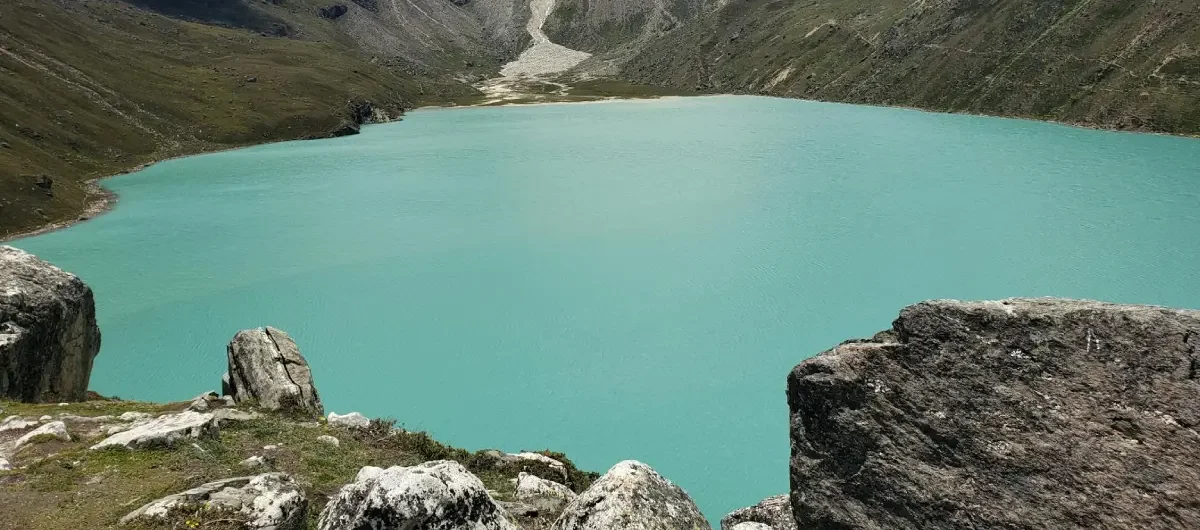
To help our bodies adjust to the high altitude, today is dedicated to acclimatization. In the morning, we take a short hike toward Sabal Tsho Lake and climb to a nearby viewpoint at around 5,271 meters. This acclimatization hike provides breathtaking views of Kusum Kanguru (6,367 m) and other Himalayan peaks. The strategy of climbing higher and sleeping lower helps reduce the risk of altitude sickness while improving your readiness for the summit push. The afternoon is free for rest and preparation.

Hike duration: ~3–4 hours
Meals: Breakfast, Lunch, Dinner

Day 09

Trek from Thangnak to Khare (5,045m)

Leaving Thangnak, the trail climbs gradually through glacial terrain toward Khare, the main base settlement for Mera Peak climbers. The landscape is dominated by snowfields, rocky ridges, and spectacular views of the Mera Glacier. As we approach Khare, the massive pyramid of Mera Peak becomes clearly visible ahead. Upon arrival, our climbing guide will begin basic training on the use of mountaineering equipment such as crampons, ice axes, harnesses, and ropes.

Trek duration: ~4 hours | Distance: ~6 km
Meals: Breakfast, Lunch, Dinner

Day 10

Trek and climb from Khare to high camp (5,780m/18,963ft)

Today we begin the climb toward Mera High Camp. The route crosses the Mera Glacier and gradually ascends across snow and ice slopes. Using crampons and rope techniques, we carefully make our way to the high camp location. The climb offers incredible panoramic views of Everest, Lhotse, Makalu, Cho Oyu, and Kangchenjunga on clear days. Upon arrival, our team sets up tents and prepares for the summit attempt the following morning.

Climb duration: ~6 hours
Meals: Breakfast, Lunch, Dinner

Day 11

Summit Day. Mera High Camp to Summit and return to Khare(6476m/21,246ft)

Today is the most exciting day of the expedition. We begin the summit push before sunrise, climbing gradually along the snow-covered ridge toward the summit of Mera Peak. The ascent is physically demanding but technically straightforward. From the summit, climbers are rewarded with one of the most spectacular panoramic views in the Himalayas, including five of the world’s highest peaks. After celebrating and taking photos, we carefully descend back to Khare for a well-earned rest.

Climb duration: ~8–10 hours
Meals: Breakfast, Lunch, Dinner

Day 12

Contingency / Weather Reserve Day

This day is reserved as a contingency in case of bad weather or delays during the summit attempt. If the summit was successfully achieved on Day 11, the day can be used for rest and recovery at Khare. The flexible schedule helps ensure safety and increases the chances of a successful summit.

Meals: Breakfast, Lunch, Dinner

Day 13

Trek from Khare to Kothe (3,600 m / 11,811 ft)

After the summit adventure, we begin our return journey through the Hinku Valley. The trail descends gradually past Thangnak and along the river valley toward Kothe. The descent allows trekkers to relax and enjoy the dramatic landscapes from a different perspective. After approximately five hours of trekking, we reach Kothe where we spend the night at a comfortable tea house.

Trek duration: ~5 hours | Distance: ~10 km
Meals: Breakfast, Lunch, Dinner

Day 14

Trek from Kothe to Thuli Kharka (3,900 m)

Continuing the return trek, the trail climbs steadily through forested hillsides and alpine meadows back toward Thuli Kharka. The route offers beautiful views of surrounding peaks and valleys while passing through peaceful wilderness areas. After several hours of trekking, we arrive at Thuli Kharka where we stay overnight in a local lodge.

Trek duration: ~5 hours | Distance: ~9 km
Meals: Breakfast, Lunch, Dinner

Day 15

Trek from Thuli Kharka to Lukla via Zatrwa La Pass (4,610 m)

Today we cross Zatrwa La Pass once again while returning to Lukla. The early morning climb rewards trekkers with breathtaking views of Himalayan peaks before descending toward Lukla. Upon arrival in Lukla, the team celebrates the successful completion of the expedition with a farewell dinner together.

Trek duration: ~7–8 hours | Distance: ~12 km
Meals: Breakfast, Lunch, Dinner

Day 16

Flight from Lukla to Kathmandu

After breakfast, we board an early morning flight from Lukla back to Kathmandu. The short flight offers a final glimpse of the Himalayan mountains. Upon arrival, you will be transferred to your hotel where you can relax, enjoy hot showers, and celebrate the completion of your Mera Peak adventure.

Flight: ~30–35 minutes
Meals: Breakfast

Day 17

Leisure Day in Kathmandu

Today is a free day to explore Kathmandu at your own pace. You can shop for souvenirs in Thamel, visit cultural sites, or simply relax at your hotel. In the evening, we host a farewell dinner with a traditional Nepali cultural program to celebrate your successful Himalayan journey.

Meals: Breakfast, Dinner

Day 18

Final Departure

After breakfast, our team will transfer you to Tribhuvan International Airport for your onward flight. Your Mera Peak climbing adventure officially concludes, leaving you with unforgettable memories of Nepal and the Himalayas.

Meals: Breakfast

Includes/Excludes

What is Included?

  • Airport Pick up and drop transfer.
  • Transportation as per above itinerary.
  • All accommodations (Twin Share) ( 3 star Hotel in kathmandu)
  • Meals : 3 times meals Breakfast, Lunch, dinner during the trekking and climbing section. Breakfast while in kathmandu
  • Well Trained Climbing guide for Climbing section
  • All Climbing equipment’s
  • Mera Peak Special Climbing Permit
  • Sagarmatha National park Permit
  • Local Permit
  • Flight ticket to/from Lukla
  • An experience guide and required number of porters (one porter in between two pax), their food, accommodation, transportation, salary, insurance, equipment and so on.
  • Warm sleeping bag, warm down jacket and walking stick, if necessary.
  • Trek bag.
  • All Government Taxes are included.
  • Mera peak climb Certificate from respective body from Nepal Government

Whats not Included

  • Tips to staff or any donations.
  • Single Supplement for single using rooms
  • Your travel insurance, Medical and emergency costs (Just in case).
  • All type of drinks (mineral water, any cold drinks, and alcoholic drinks).
  • Any personal expenses which is not mention into the price inclusion.

Clients Review

Everest Base Camp & Muktinath Trail Helen & Mark Dwyer Australia

We had a dream to reach Mt Everest Base Camp since we heard about this. One of my friends recommended Trexmount so we have decided to use them for arranging our trek to Everest Base Camp. The treks were very well organized and the guides were extremely knowledgeable, and friendly and looked after us at all times.

Nothing was too much trouble for them and there was always a smile on their faces. We stayed...

Everest Gokyo Ri Trekking Bridget and Ron New Zealand

Namaste Hari and all at Trexmount Ventures, We have just completed our third visit and a Fantastic trek in Nepal with a four-day trek in the Annapurna area and an 18-day trek to Everest base camp and Gokyo. Noelene joined us for the Everest trek and it was her 9th visit! We can highly recommend Trexmount Ventures as a great company. The guides we had, Ram and Tilak were very well informed and also both able to pace the trek to ensure we all reached our...

Departure Dates

Start Date End Date Availability Action
10 Mar, 2026 10 Mar, 2026 OPEN Book Now

You can contact our Sales and Support personnel to get a tailored package on your prefered date.

Trip Info

Best time to do Mera Peak Climbing

The best time to do Mera Peak Climbing is during the spring and autumn seasons. At this time of the year, you will have perfect weather and climate for the climb. Similarly, you will find suitable porters and guides as well. At this time of the year, you will get to travel to Mera Himal in clear visibility with a clear view of the surroundings. Mera Peak is a perfect holiday destination for you so you can enjoy your holiday with your friends and family. Similarly, if you come here at this time of the year then it can double your fun with your friends and family. If you want to fully explore and enjoy the beauty of Mera Peak then this time of the year is very suitable.

However, Mera Peak Climbing can also be done in the monsoon season. This time of the year also provides you with the perfect weather and climate. But, many trekkers and climbers prefer to do Mera Peak Climbing in the autumn and spring season because this time of the year is the festive season in Nepal. So, they will get to observe and explore the culture of Nepal at the same time as they climb Mera Peak.

The difficulty of Mera Peak Climbing

Mera Peak is not that difficult to climb; almost anyone over 18 years of age can do it. But, there are some things that you should consider before and while climbing Mera Peak. Similarly, you should book guides and accommodation before your journey. You should console your trekking and climbing company ahead of your journey. So that they can do the preparation accordingly and you will not have any problem booking guides and accommodation on your trip. The other difficulty that you are going to face when you are climbing at the Mera Peak is the lack of proper accommodation and porters facility if you travel here during the on seasons.

Similarly, if you travel here during the on seasons then the weather and temperature can also affect your visit to Mera Peak. But, the most common challenge you are going to face at Mera Peak is altitude sickness. Therefore, to not fall victim to altitude sickness you are required to drink enough water and you should acclimatize yourself properly.

Meals and accommodation at Mera Peak

While climbing to the high altitudes your meals must be at the point. Similarly, your accommodation is equally important as your meals because without proper accommodation you cannot complete your journey. So, we at Peak Climbing In Nepal try to provide the best facility to our visitors. We provide them with the proper hotels, lodges, and tea houses to rest. Similarly, when we reach our climbing period then we provide a suitable camping facility and environment to rest. Likewise, when it comes to meals we provide both Nepali and Western foods. However, western foods are slightly more expensive than Nepali foods. The reason for this is that Nepali foods are produced using local ingredients and spices. Whereas western foods are mostly imported from the cities. Similarly, the higher you go up in altitude the more expensive food and accommodation facilities get.

Climate and weather at Mera peak Climbing

The climate and weather of the Himalayas are very incalculable. It can change without a hint and sign. Therefore, climbers should be very careful during Mera Peak Climbing. So, climbers must be very careful in planning their trip to Mera Peak. Furthermore, this climb is a multi-day trip, so the chances for trekkers to face adverse weather at base camp are always high. Likewise, the temperature in the Himalayan region is mostly below 0. Therefore, make sure you carry warm clothes with you during the trip. Regarding the condition, the ideal season to do Mera Peak Climbing is during the autumn and spring seasons. During this time you will climb in a pleasant climate which can help you climb quickly and effectively.

Safety and security at Mera Peak Climbing

You should not worry about your safety and security when you are with us. We understand that climbing at the high altitudes of Nepal requires more caution due to the harsh climate from time to time and steep roads. Therefore the safety and security of our visitors are always a top priority for us. We fully take care of our consumers and their belongings when they are with us. Similarly, the accommodation facilities we provide are also safe and secure.

Fitness and experience requirements for Mera Peak Climbing

Mera Peak Climbing is one of the physically challenging climbs in Nepal. Even some of the most experienced trekkers and climbers find it hard sometimes to travel through these trials of Mera Peak. So, you have little knowledge of this climb successfully. Similarly, you have to be physically fit for this trek and climb. If you have some health issues, then it will be next to impossible for you to travel or complete this trek. Likewise, make sure that you do a full body checkup before heading toward the trek. In addition, walking and jogging, and running before Mera Peak Climbing are very beneficial.

Questions? Look here.

When is the best time for the Mera Peak Climbing?

Autumn (September, October, November) and spring (March, April, May) are suitable for Mera Peak Climbing. However, it is possible in monsoon seasons too.

How difficult is the Mera Peak Climbing?

How much will it cost to climb Mera Peak Climbing?

Can you climb the Mera Peak Climbing alone?

Do I need a climbing permit for the Mera Peak Climbing?

Can you have altitude sickness on the Mera Peak Climbing?

What is the food price at Mera Peak Climbing?

How many hours do I need to walk per day?

Can I carry children to Mera Peak Climbing?

Is the Mera Peak Climbing trail crowded?

What will happen If I get sick during the Mera Peak Climbing?

Is charging my phones and batteries possible in the route of the Mera Peak Climbing?

Can children do Mera Peak Climbing?