
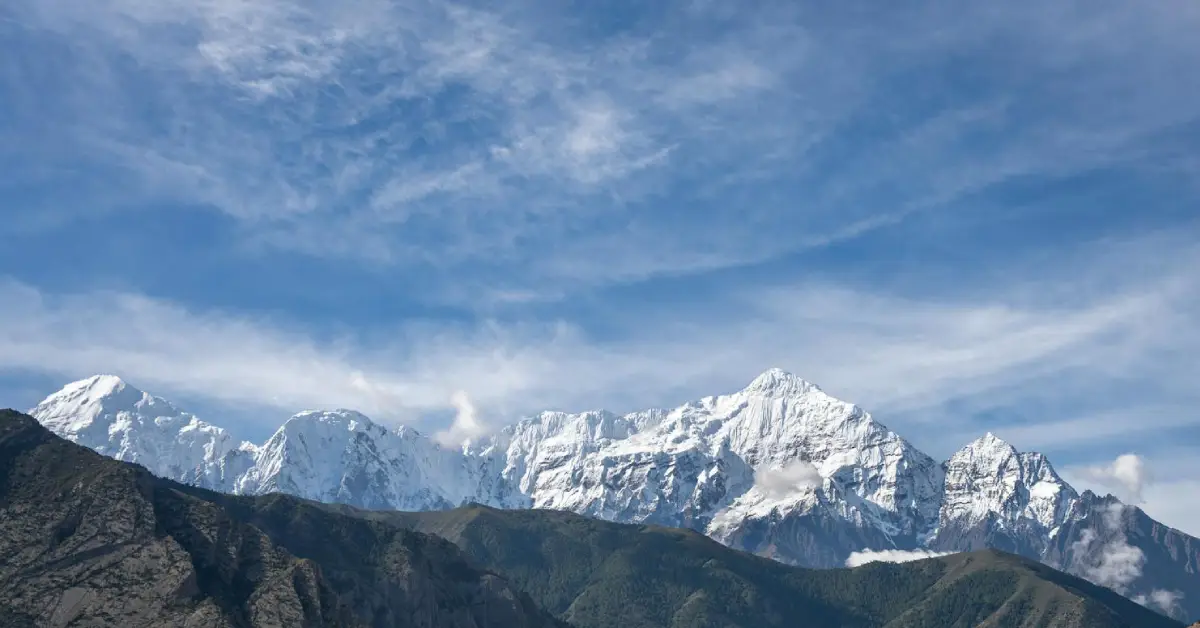
Overview
The Chisapani Nagarkot trek stands as one of the most rewarding short adventures near Kathmandu, offering breathtaking mountain views, cultural experiences, and pristine nature trails. Whether you’re a beginner looking for your first Himalayan adventure or a seasoned trekker seeking a quick escape, this Kathmandu valley short trek delivers unforgettable memories without requiring weeks of planning.
Overview of Chisapani Nagarkot Trek
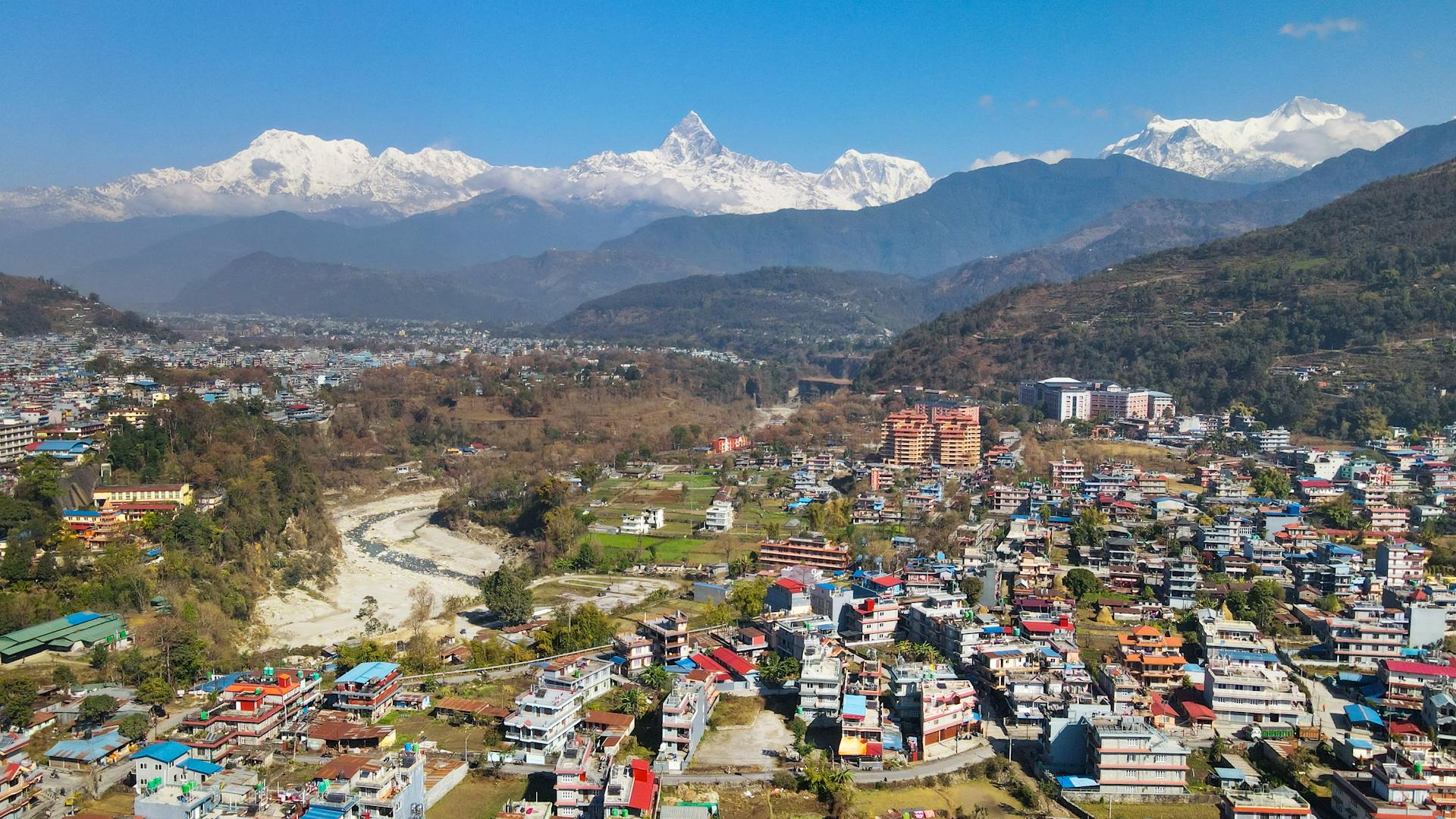
The Chisapani to Nagarkot trek represents an ideal introduction to Himalayan trekking. Moreover, this beginner-friendly trek Nepal requires no technical climbing skills and can be completed comfortably over 2-3 days. Additionally, starting from Sundarijal, just an hour’s drive from Kathmandu, this easy trek in Nepal winds through lush forests, traditional villages, and rolling hills before culminating at the famous Nagarkot hill station.
Why Choose This Trek:
- Perfect for families and beginners
- No high altitude concerns
- Excellent mountain views, including Everest
- Comfortable tea house accommodation
- Rich cultural encounters
- Accessible year-round
| Trek Feature | Details |
|---|---|
| Duration | 2-3 days |
| Maximum Elevation | 2,195 meters (Nagarkot) |
| Starting Point | Sundarijal (1,460m) |
| Ending Point | Nagarkot (2,195m) |
| Daily Walking | 4-6 hours |
| Difficulty | Easy to Moderate |
| Best Seasons | Spring (March-May), Autumn (September-November) |
Furthermore, this family trek near Kathmandu offers flexibility in routing and timing. Consequently, trekkers can customize the journey based on their fitness level, available time, and interests. Therefore, it remains one of the most popular weekend trekking options in Nepal for both locals and visitors.
Trek Highlights and What Makes It Special
Spectacular Mountain Panoramas
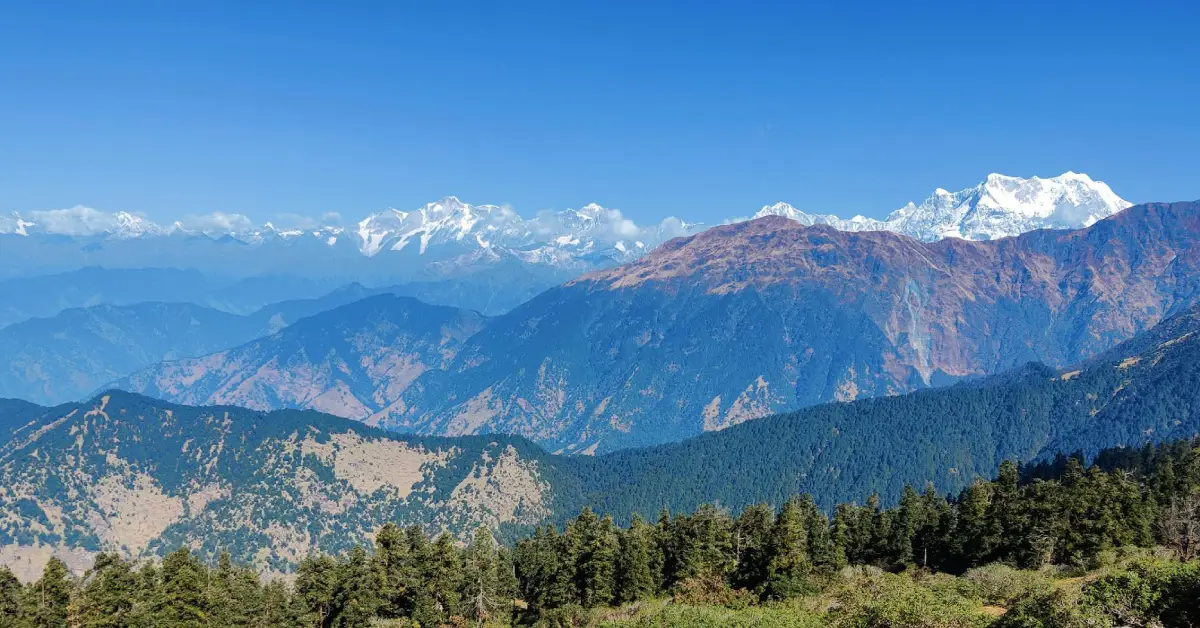
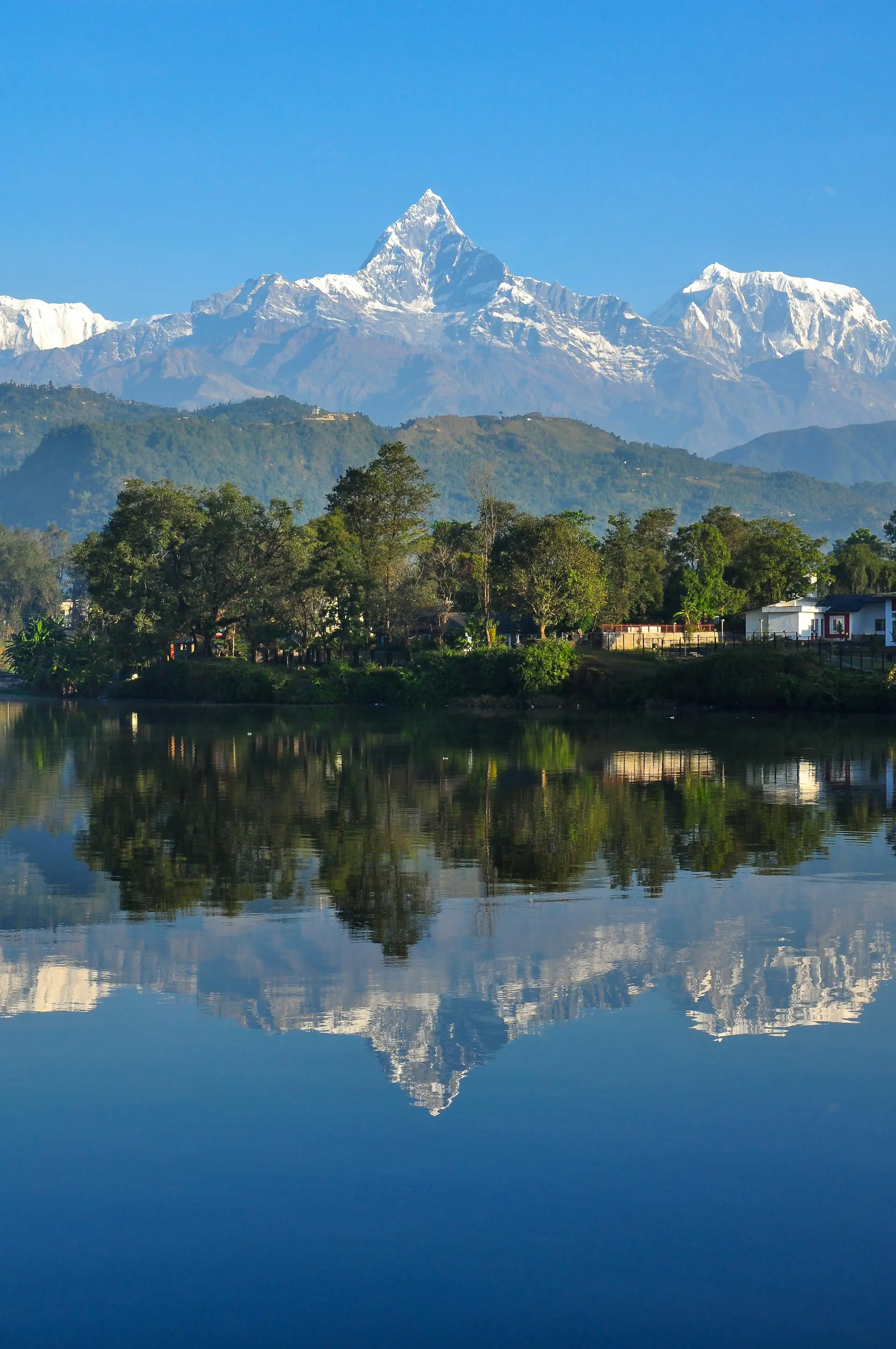
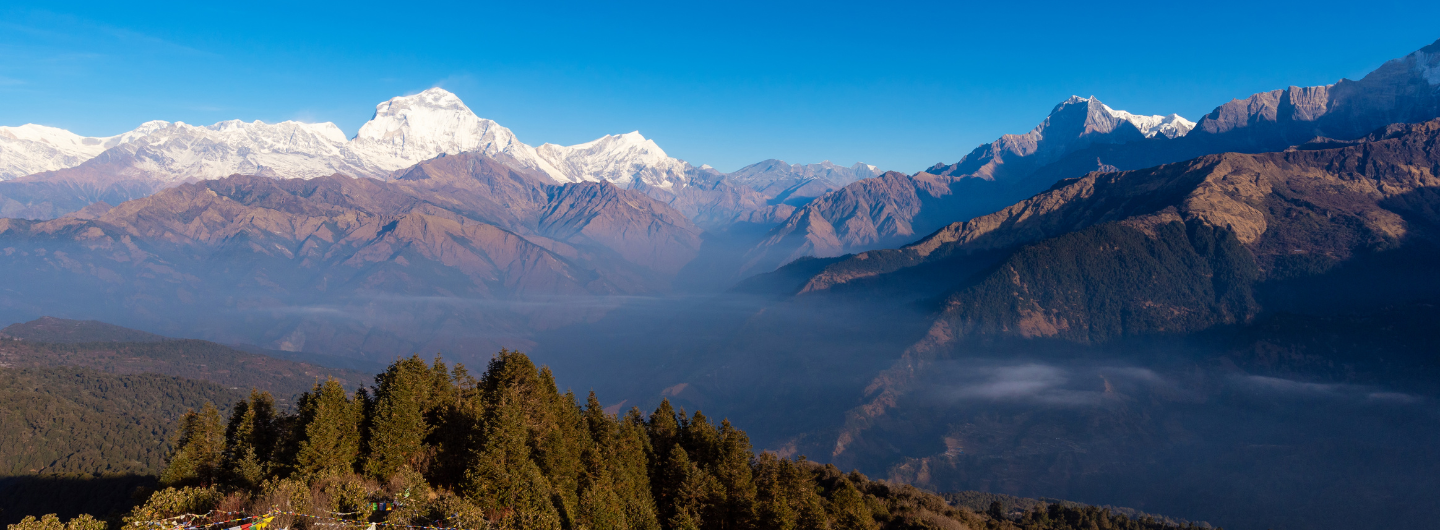
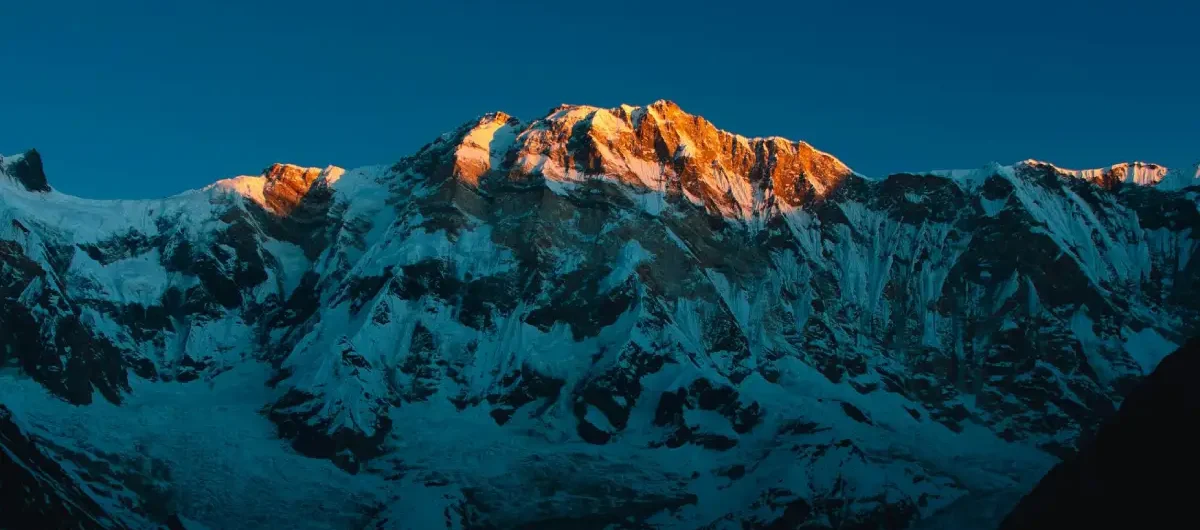
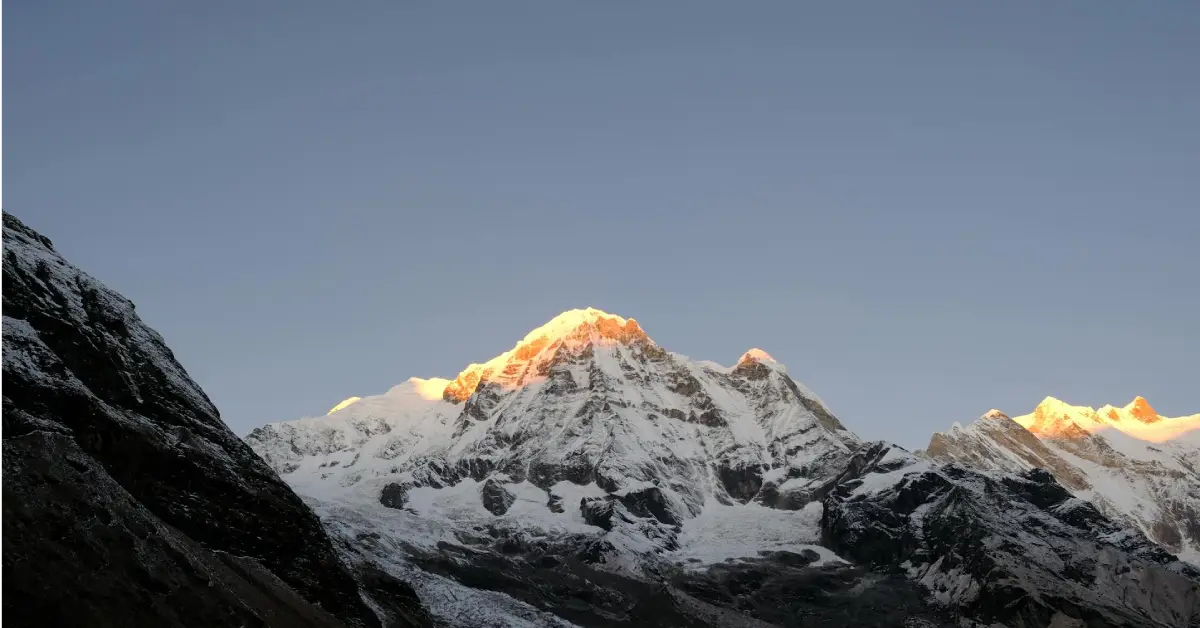
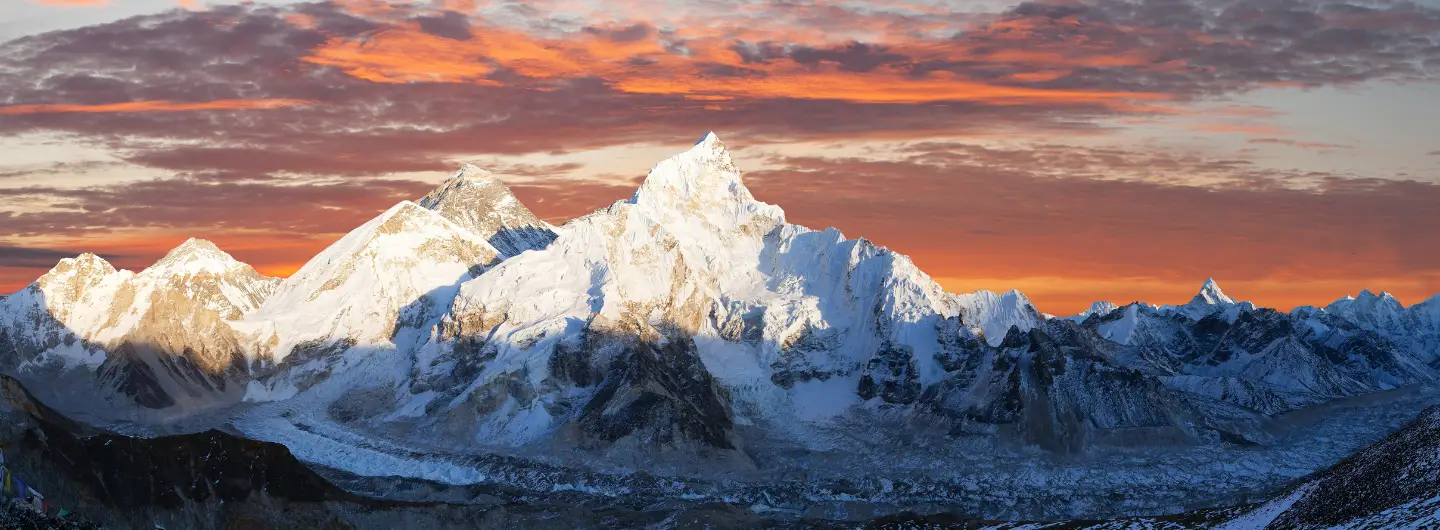
The Chisapani Nagarkot hiking trail rewards trekkers with some of the finest panoramic mountain views Nepal has to offer. Indeed, on clear days, you’ll witness an incredible array of Himalayan giants stretching across the horizon. Similarly, both sunrise and sunset create magical moments when the peaks turn golden pink.
Mountain Ranges Visible:
- Langtang Himal views: Langtang Lirung (7,227m), Gang Chhenpo (6,388m)
- Ganesh Himal views: Multiple peaks above 7,000 meters
- Everest range view from Nagarkot: Including Mt. Everest (8,848m) on exceptionally clear days
- Dorje Lakpa, Gauri Shankar, Manaslu, and more
Natural Beauty and Forest Trails
Meanwhile, the forest trail trekking Nepal experience takes you through Shivapuri Nagarjun National Park. Additionally, the diverse ecosystem includes rhododendron forests, oak trees, and bamboo groves. Furthermore, wildlife such as deer, monkeys, and various bird species inhabit these protected areas.
Natural Highlights:
- Dense pine and rhododendron forests (spectacular in spring)
- Mountain streams and waterfalls
- Terraced farmlands showcase traditional agriculture
- Alpine meadows with seasonal wildflowers
Authentic Cultural Encounters
Moreover, this cultural hiking Nepal journey passes through authentic Tamang and Brahmin villages. Consequently, trekkers experience genuine Nepali hospitality, traditional architecture, and local lifestyles. Therefore, the homestay in Chisapani option provides deeper cultural immersion for interested travelers.
| Cultural Aspect | Experience |
|---|---|
| Villages | Mulkharka, Chisapani, Jhule, Chauki Bhanjyang |
| Communities | Tamang, Brahmin, Chhetri ethnic groups |
| Architecture | Traditional stone houses, Buddhist monasteries |
| Local Life | Farming practices, daily routines, festivals |
| Cuisine | Dal bhat, momos, local vegetables |
What is Chisapani Famous For?
Chisapani, meaning “cold water” in Nepali, has earned fame for several remarkable features. First and foremost, it serves as an exceptional Kathmandu valley viewpoint offering 180-degree Himalayan panoramas. Additionally, its strategic location makes it an ideal stopover for various trekking routes.
Primary Fame Factors:
Mountain Views: Chisapani provides stunning vistas of Langtang, Ganesh, Manaslu, and even the Everest range. Moreover, both sunrise and sunset create spectacular light shows on the peaks. Consequently, photographers and nature lovers flock here throughout the year.
Gateway Location: Furthermore, Chisapani functions as a crucial junction connecting multiple trails. Indeed, routes to Helambu, Gosaikunda, and Nagarkot Chisapani hiking paths all pass through this village. Therefore, it sees steady trekker traffic providing livelihood for locals.
Natural Environment: Meanwhile, surrounded by Shivapuri Nagarjun National Park, Chisapani offers pristine nature experiences. Additionally, diverse flora and fauna inhabit the protected forests. Furthermore, the peaceful atmosphere provides a perfect escape from city chaos.
| Fame Aspect | Description |
|---|---|
| Sunrise Views | Golden light on Himalayan peaks including Everest |
| Accessibility | Just 4-5 hours walk from Sundarijal |
| Accommodation | Multiple tea houses with mountain-view rooms |
| Trekking Hub | Connection point for various routes |
| Nature | Protected forest, wildlife, clean mountain air |
Moreover, Chisapani has gained popularity as a weekend trekking destination in Nepal. Indeed, office workers from Kathmandu often trek here for quick rejuvenation. Similarly, families choose it for introducing children to trekking. Therefore, the village maintains year-round visitors despite its remote location.
How High is Chisapani?
Chisapani sits at an elevation of approximately 2,165 meters (7,100 feet) above sea level. Moreover, this moderate altitude makes it accessible without altitude sickness concerns. Additionally, the elevation provides perfect positioning for mountain viewing while remaining comfortably breathable.
Elevation Comparison:
| Location | Elevation | Altitude Concern |
|---|---|---|
| Kathmandu | 1,400m (4,593 ft) | None |
| Sundarijal | 1,460m (4,790 ft) | None |
| Chisapani | 2,165m (7,100 ft) | None |
| Nagarkot | 2,195m (7,201 ft) | None |
| Everest Base Camp | 5,364m (17,598 ft) | Significant |
Furthermore, the gentle elevation gain from Sundarijal (1,460m) to Chisapani (2,165m) involves only 700 meters ascent. Consequently, most trekkers handle this comfortably over 4-5 hours. Therefore, it qualifies as an easy trek in Nepal suitable for all ages.
Temperature Variations by Altitude:
Additionally, Chisapani’s elevation influences weather conditions significantly. Generally, temperatures run 5-8 degrees Celsius cooler than Kathmandu. Moreover, evenings and mornings feel notably chilly, especially during winter months. Therefore, proper clothing remains essential regardless of season.
- Summer: 15-20°C (daytime), 8-12°C (nighttime)
- Winter: 5-10°C (daytime), -2 to 2°C (nighttime)
- Monsoon: 12-18°C (daytime), 10-14°C (nighttime)
Indeed, the altitude provides escape from Kathmandu’s heat during summer. Similarly, winter brings crisp, clear conditions perfect for mountain viewing. Therefore, understanding Chisapani’s elevation helps trekkers prepare appropriately.
How Long Does it Take to Hike Chisapani?
The hiking duration to Chisapani varies based on the starting point and individual pace. However, the standard Sundarijal to Chisapani trek typically requires 4-5 hours of walking time. Moreover, this timeframe assumes a moderate pace with short breaks for rest and refreshments.
Detailed Time Breakdown:
From Sundarijal to Chisapani:
- Fast Pace (3.5-4 hours): Experienced trekkers, minimal breaks
- Moderate Pace (4-5 hours): Average fitness, regular breaks
- Leisurely Pace (5-6 hours): Beginners, frequent stops, photo opportunities
Additionally, several factors influence hiking duration significantly. First, fitness level determines natural pace and recovery needs. Second, weather conditions affect trail difficulty and visibility. Third, season impacts daylight hours available. Therefore, planning should account for individual circumstances.
Section-by-Section Timing:
| Trail Section | Approximate Time | Notes |
|---|---|---|
| Sundarijal to National Park Gate | 20-30 minutes | Gradual uphill, good path |
| Gate to Mulkharka | 1.5-2 hours | Steeper climb, stone steps |
| Mulkharka to Chisapani | 2-2.5 hours | Forest trail, gradual ascent |
| Total Walking Time | 4-5 hours | Excluding lunch/long breaks |
Furthermore, most trekkers start early in the morning from Kathmandu. Specifically, departing around 7-8 AM allows reaching Chisapani by early afternoon. Consequently, trekkers enjoy sunset views and settle comfortably before dark. Therefore, the Chisapani Nagarkot trekking timeline works perfectly for weekend trips.
Return Journey Considerations:
Meanwhile, the return journey from Chisapani to Sundarijal generally takes less time. Indeed, descending typically requires 3-4 hours due to gravity assistance. However, knee stress increases during descent. Therefore, trekking poles prove beneficial for joint protection.
Best Time to Visit Chisapani and Nagarkot
The best time for Chisapani Nagarkot trek significantly influences the overall experience. Indeed, weather conditions affect trail safety, mountain visibility, and comfort levels. Therefore, understanding seasonal variations helps optimize trip timing.
Autumn Season (September to November)
Autumn trekking Nepal represents the absolute prime season for this trek. First, monsoon rains have cleared the air, creating crystal-clear mountain views. Second, temperatures remain comfortable for walking. Third, stable weather minimizes rain risks. Consequently, this period sees maximum trekker traffic.
Autumn Advantages:
- Excellent visibility with clear skies
- Comfortable temperatures (15-20°C daytime)
- Stable weather patterns
- Rhododendron leaves changing colors
- Festive season with cultural celebrations
However, accommodation books quickly during October-November. Therefore, advance reservations prove wise, especially for Nagarkot hotels' mountain view rooms. Moreover, trails become busier, though never overcrowded on this route.
Spring Season (March to May)
Spring hiking Nepal offers equally spectacular conditions with unique advantages. Particularly, rhododendron forests burst into brilliant red, pink, and white blooms. Additionally, temperatures warm pleasantly after the winter cold. Furthermore, wildlife becomes more active and visible.
Spring Highlights:
- Spectacular rhododendron blooms (March-April)
- Warm, pleasant weather
- Longer daylight hours
- Baby animals and bird nesting
- Generally good mountain visibility
Nevertheless, afternoon clouds sometimes develop by late April-May. Therefore, the morning starts with maximizing mountain viewing opportunities. Similarly, pre-monsoon heat builds gradually toward the end.
Winter Season (December to February)
Winter short treks Nepal appeal to those seeking solitude and crisp conditions. Indeed, clear, cold weather often produces the most spectacular mountain views. Additionally, accommodation prices sometimes drop. Furthermore, trails remain quieter with fewer trekkers.
Winter Considerations:
| Aspect | Details |
|---|---|
| Temperatures | 5-10°C day, -2 to 2°C night |
| Visibility | Often excellent, crystal clear |
| Challenges | Cold mornings/evenings, some snow possible |
| Advantages | Fewer crowds, lower prices, clear skies |
| Preparation | Warm clothing essential |
However, early mornings and evenings feel quite cold. Therefore, appropriate warm clothing becomes necessary. Moreover, some tea houses may close temporarily during deep winter. Therefore, checking accommodation availability beforehand proves prudent.
Monsoon Season (June to August)
Meanwhile, the monsoon represents the challenging season for trekking. Indeed, heavy rains create slippery, muddy trails. Additionally, leeches become problematic in forest sections. Furthermore, mountain views remain obscured by clouds most days. Consequently, few trekkers choose this period.
Monsoon Realities:
- Frequent rainfall, especially in the afternoons
- Limited mountain visibility
- Lush, green landscapes
- Fewer crowds
- Lower accommodation rates
- Leech presence in forests
Nevertheless, determined trekkers can still complete the route. Indeed, mornings sometimes offer clearer conditions. Additionally, the forest looks incredibly vibrant and lush. Therefore, some prefer the monsoon atmosphere despite challenges.
Mountain Views: What You’ll See
The panoramic mountain views Nepal along this trek rank among the finest near Kathmandu. Indeed, both Chisapani and Nagarkot provide exceptional viewing platforms. Moreover, clear weather reveals an astonishing array of Himalayan giants.
From Chisapani Viewpoint
The Langtang Himal views dominate the northern horizon from Chisapani. Specifically, Langtang Lirung (7,227m) rises majestically as the range’s highest peak. Additionally, numerous supporting peaks create a stunning wall of snow and ice.
Visible from Chisapani:
- Langtang Range: Langtang Lirung, Gang Chhenpo, Langtang Ri
- Ganesh Himal views: Ganesh I-IV (7,000m+)
- Jugal Range: Dorje Lakpa (6,966m)
- Gauri Shankar: (7,134m) distant but visible
- Manaslu: (8,163m) on extremely clear days
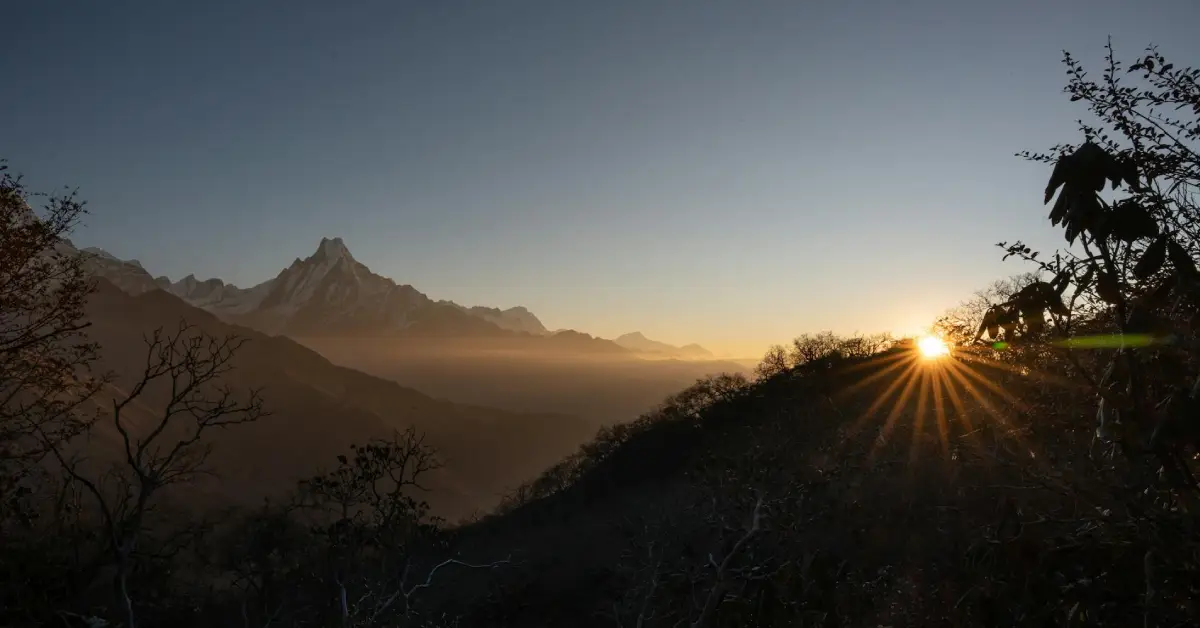
Moreover, the sunrise from Chisapani creates magical moments. Indeed, the first light touches the highest peaks, gradually illuminating lower mountains. Consequently, photographers capture stunning images during golden hour. Therefore, waking early despite the cold proves worthwhile.
From Nagarkot Viewpoint
Meanwhile, Nagarkot hill station Nepal offers even more extensive panoramas. Indeed, its higher elevation and strategic position reveal mountains from Annapurna to Everest. Consequently, Nagarkot has earned fame as one of Nepal’s finest mountain viewing stations.
Complete Nagarkot Vista:
| Mountain/Range | Height | Direction |
|---|---|---|
| Mt. Everest | 8,848m | East (visible in clear conditions) |
| Lhotse | 8,516m | East |
| Makalu | 8,463m | East |
| Manaslu | 8,163m | Northwest |
| Ganesh Himal | 7,422m | Northwest |
| Langtang Range | 7,227m | North |
| Dorje Lakpa | 6,966m | North |
| Gauri Shankar | 7,134m | Northeast |
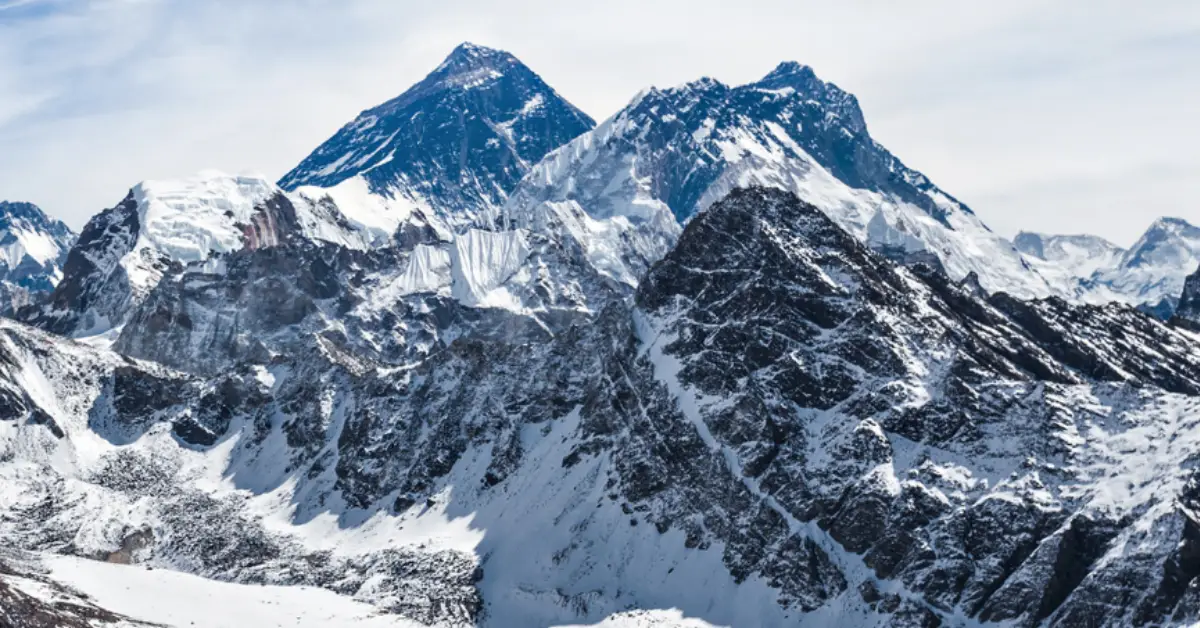
Furthermore, the Everest range view from Nagarkot requires perfectly clear conditions. Specifically, the early morning after cold nights often provides the best visibility. Additionally, autumn and winter seasons increase the chances significantly. Therefore, multiple-night stays improve the odds of seeing Everest.
Optimal Viewing Times
Additionally, timing significantly impacts mountain visibility. Generally, early morning provides the clearest conditions before clouds develop. Similarly, late afternoon sometimes offers good visibility, especially in autumn. Therefore, serious photographers plan around these windows.
Daily Visibility Pattern:
- 5:00-7:00 AM: Best time, clearest conditions
- 7:00-10:00 AM: Still good, warming temperatures
- 10:00 AM-3:00 PM: Clouds develop, reduced visibility
- 3:00-6:00 PM: Sometimes clears, variable conditions
- Night: Stars visible, mountain silhouettes
Consequently, the Himalayan sunrise at Nagarkot remains the trek’s highlight. Indeed, watching the snow peaks illuminate gradually creates unforgettable memories. Therefore, setting alarms for sunrise despite the cold proves absolutely worthwhile.
Trail Conditions and Difficulty Level
The Chisapani Nagarkot hiking trail features well-maintained paths suitable for beginners. Indeed, trail conditions remain generally good throughout the year. Moreover, the difficulty level qualifies firmly as easy to moderate. Therefore, this beginner-friendly trek Nepal welcomes first-time trekkers confidently.
Trail Surface and Path Quality
First, the Sundarijal to Chisapani trek begins with improved trails through the national park. Specifically, stone steps facilitate steep sections near the beginning. Subsequently, forest paths become natural dirt tracks. Eventually, village areas feature wider paths sometimes used by locals for goods transport.
Path Characteristics:
- Stone Steps: Initial climb from Sundarijal, well-constructed
- Forest Trails: Natural paths, tree roots, some rocks
- Ridge Walks: Open sections with spectacular views
- Village Paths: Wider tracks connecting settlements
Moreover, the Chisapani to Nagarkot trek continues with similar conditions. Indeed, paths remain clearly marked throughout. Additionally, locals frequently travel these routes, ensuring maintained conditions. Therefore, getting lost remains highly unlikely.
Physical Demands and Fitness Requirements
Furthermore, this easy trek in Nepal requires only basic fitness levels. Indeed, anyone who regularly walks or exercises can complete it comfortably. However, some uphill sections demand moderate effort. Consequently, pacing yourself prevents exhaustion.
Fitness Recommendations:
| Fitness Level | Experience | Preparation Needed |
|---|---|---|
| Beginner | Can complete comfortably | Walking 30 minutes daily for 2 weeks |
| Moderate | Very comfortable | Regular activity sufficient |
| High | Extremely easy | No special preparation |
Additionally, the family trek near Kathmandu designation means children as young as 8-10 can participate. Indeed, families regularly complete this trek together. However, very young children may struggle with the duration. Therefore, assessing individual capabilities proves important.
Seasonal Trail Variations
Meanwhile, seasons significantly affect trail conditions. Particularly, monsoon creates muddy, slippery sections. Additionally, winter may bring occasional snow at higher elevations. Furthermore, autumn and spring offer optimal trail conditions.
Seasonal Conditions:
- Autumn: Dry, firm, excellent conditions
- Winter: Mostly dry, possible ice early morning
- Spring: Good conditions, some afternoon showers
- Monsoon: Muddy, slippery, leech presence
Therefore, the best time for the Chisapani Nagarkot trek, considering trail conditions, remains autumn. Similarly, spring provides excellent alternatives. Consequently, planning during these seasons maximizes comfort and safety.
Navigation and Wayfinding
Moreover, navigation along the Chisapani Nagarkot route remains straightforward. Indeed, trails are well-worn and obvious. Additionally, signs at major junctions provide direction. Furthermore, frequent tea houses mean help is never far away.
Navigation Tips:
- Follow established paths, avoid shortcuts
- Ask locals when uncertain (very friendly)
- Carry basic maps or a GPS device
- Hire a guide if concerned (enhances experience)
- Join small groups for shared navigation
Therefore, independent trekking proves perfectly feasible. However, guides enhance the experience through local knowledge. Similarly, porters help less-fit trekkers by carrying bags. Consequently, the guided Chisapani Nagarkot trek option appeals to many visitors.
Accommodation Options Along the Route
The tea house trek near Kathmandu provides comfortable accommodation throughout. Indeed, both Chisapani and Nagarkot feature multiple lodging options. Moreover, facilities range from basic to quite comfortable. Therefore, trekkers find suitable accommodation matching their preferences and budgets.
Chisapani Accommodation
Chisapani offers several tea houses and small lodges. Generally, facilities remain basic but clean and adequate. Moreover, the genuine selling point is spectacular mountain views from the rooms. Additionally, friendly hosts create welcoming atmospheres.
Typical Chisapani Lodge Features:
- Simple rooms with basic beds and blankets
- Shared bathroom facilities (usually squat toilets)
- Dining rooms with mountain views
- Basic menus featuring dal bhat and simple dishes
- Charging facilities (sometimes for a fee)
- Hot shower availability (usually bucket or solar)
Furthermore, the homestay in Chisapani option provides deeper cultural experiences. Indeed, staying with local families offers authentic insights. Additionally, home-cooked meals taste delicious and hearty. Therefore, interested trekkers should inquire locally upon arrival.
Chisapani Accommodation Types:
| Type | Features | Best For |
|---|---|---|
| Basic Tea House | Simple room, shared bath, basic food | Budget trekkers |
| Standard Lodge | Private/shared rooms, better food variety | Most trekkers |
| Homestay | Family accommodation, cultural experience | Cultural enthusiasts |
Moreover, booking ahead generally isn’t necessary except during the peak of October-November. Indeed, arriving by early afternoon ensures room availability. However, phoning ahead during busy seasons proves prudent.
Nagarkot Accommodation
Meanwhile, Nagarkot hotels' mountain view offerings span much wider ranges. Indeed, Nagarkot has developed significantly as a tourist destination. Consequently, accommodation options include everything from budget lodges to luxury resorts. Therefore, every comfort level finds suitable choices.
Nagarkot Accommodation Spectrum:
Budget Options: Simple guest houses and lodges similar to Chisapani facilities. Nevertheless, most still offer mountain views. Additionally, prices remain very reasonable.
Mid-Range Hotels: Comfortable rooms with private bathrooms, hot showers, and decent restaurants. Moreover, many feature terraces or balconies for mountain viewing. Furthermore, staff speak English and provide helpful information.
Luxury Resorts: High-end properties with extensive amenities. Indeed, some feature swimming pools, spas, and fine dining. Additionally, premium rooms include large windows or balconies showcasing panoramas. Therefore, these appeal to visitors seeking maximum comfort.
Food and Dining
Additionally, both locations provide adequate dining options. Generally, menus feature Nepali staples plus some tourist-friendly dishes. Moreover, food quality remains good considering remote locations. Therefore, trekkers eat well throughout the journey.
Common Menu Items:
- Dal Bhat: Traditional Nepali meal with unlimited refills
- Momos: Tibetan-style dumplings, very popular
- Noodle Soups: Thukpa, chow mein varieties
- Rice Dishes: Fried rice with vegetables or eggs
- Pancakes: Breakfast option
- Hot Drinks: Tea, coffee, hot lemon
Moreover, dal bhat provides excellent trekking fuel. Indeed, the unlimited refill system ensures adequate calories. Additionally, the meal includes rice, lentil soup, vegetables, and pickle. Therefore, most trekkers order dal bhat frequently.
Cultural Experiences on the Trail
The cultural hiking aspect of Nepal enriches this trek significantly. Indeed, passing through authentic villages provides genuine cultural encounters. Moreover, local communities maintain traditional lifestyles largely unchanged by tourism. Therefore, trekkers experience real Nepali rural life.
Village Communities
The Chisapani Nagarkot route passes through several distinct communities. Specifically, the Tamang, Brahmin, and Chhetri ethnic groups inhabit different villages. Moreover, each community maintains unique cultural practices, languages, and traditions. Consequently, the trek offers diverse cultural exposure.
Major Villages and Their Character:
Mulkharka: Small Tamang settlement early on the trail. Indeed, residents practice traditional agriculture and animal husbandry. Additionally, prayer flags and small shrines indicate Buddhist influence. Therefore, stopping for tea provides interaction opportunities.
Chisapani: Larger village with mixed ethnic composition. Moreover, the settlement caters partially to trekkers while maintaining authentic character. Additionally, locals remain welcoming and friendly. Therefore, conversations easily develop over meals.
Jhule and Pathi Bhanjyang: Traditional Brahmin villages en route to Nagarkot. Indeed, terraced fields demonstrate centuries-old farming techniques. Additionally, traditional stone houses showcase local architecture. Therefore, walking slowly through these villages enhances appreciation.
Traditional Architecture
Furthermore, observing traditional Nepali houses provides architectural insights. Indeed, stone walls, slate roofs, and wooden windows characterize older structures. Additionally, newer buildings sometimes blend traditional and modern elements. Moreover, animal shelters often occupy ground floors with living spaces above.
Architectural Features:
| Element | Purpose | Cultural Significance |
|---|---|---|
| Stone Walls | Durability, insulation | Local materials, traditional building |
| Slate Roofs | Waterproofing | Abundant local stone |
| Small Windows | Heat retention | Suited to cold climate |
| Ground Floor Animals | Extra warmth | Integrated farming lifestyle |
| Wooden Balconies | Drying crops | Agricultural functionality |
Therefore, photographing and observing these structures respectfully educates about local life. However, always ask permission before entering properties or taking photos of people.
Religious Sites
Meanwhile, Buddhist and Hindu religious sites dot the landscape. Indeed, prayer flags flutter from mountain ridges. Additionally, small shrines and chortens mark significant locations. Furthermore, occasional monasteries welcome respectful visitors.
Religious Elements Encountered:
- Prayer Flags: Colorful flags carrying prayers and blessings
- Chortens: Buddhist stupas marking sacred spots
- Hindu Shrines: Small temples dedicated to various deities
- Monasteries: Buddhist worship centers (near Chisapani)
- Prayer Wheels: Spin clockwise while walking past
Moreover, showing respect at religious sites demonstrates cultural sensitivity. Indeed, walking clockwise around Buddhist monuments follows proper protocol. Additionally, removing shoes before entering temples shows appropriate respect. Therefore, understanding basic customs enriches interactions.
Local Interactions
Furthermore, the weekend trekking Nepal routes like this encourages genuine interactions. Indeed, locals often stop to chat with passing trekkers. Additionally, tea house owners share stories about village life. Moreover, children sometimes practice English with foreign visitors.
Respectful Interaction Guidelines:
- Greet with “Namaste” (hands together)
- Accept tea offerings graciously
- Ask permission before photographing people
- Show interest in local life
- Be patient with language barriers
- Purchase small items supporting the local economy
Therefore, approaching interactions with genuine curiosity and respect creates meaningful exchanges. Indeed, many trekkers cite these personal connections as trek highlights. Similarly, locals appreciate respectful interest in their culture and lifestyle.
Essential Packing List
Proper preparation enhances comfort significantly on the Chisapani Nagarkot trekking route. Indeed, packing appropriately ensures readiness for varying conditions. Moreover, the moderate difficulty allows lighter packing than high-altitude treks. Therefore, consider these essentials carefully.
Clothing Essentials
Layering System: Temperature variations between day and night require flexible clothing. Moreover, physical exertion generates heat during climbing. Therefore, layering allows adjustment throughout the day.
Upper Body Layers:
- Moisture-wicking base layer (1-2)
- Warm mid-layer (fleece or light down)
- Waterproof outer shell jacket
- Long-sleeve shirts (2)
- Warm hat and sun hat
- Neck gaiter or scarf
Lower Body:
- Trekking pants (2 pairs, quick-dry material)
- Thermal leggings (for cold evenings)
- Waterproof rain pants
- Underwear (3-4 pairs, quick-dry)
- Wool or synthetic socks (3-4 pairs)
Furthermore, avoid cotton clothing, which retains moisture. Instead, choose synthetic or wool materials that wick sweat and dry quickly. Therefore, comfort remains consistent regardless of perspiration.
Footwear
- Primary Trekking Boots: Ankle-supporting hiking boots with good tread. Moreover, broken-in footwear prevents blisters. Therefore, never trek in new boots.
- Camp Shoes: Lightweight sandals or slip-ons for evenings. Indeed, resting feet after walking feels wonderful. Additionally, these work for quick bathroom trips.
- Sock System: Liner socks plus outer hiking socks prevent blisters. Moreover, carrying extra pairs allows rotation. Therefore, feet stay dry and comfortable.
Gear and Equipment
| Item | Purpose | Priority |
|---|---|---|
| Daypack (25-35L) | Carrying daily essentials | Essential |
| Water Bottles (1-2L) | Hydration | Essential |
| Trekking Poles | Stability, knee protection | Recommended |
| Headlamp | Early mornings, emergencies | Essential |
| Sleeping Bag Liner | Lodge bedding hygiene | Optional |
| First Aid Kit | Minor injuries, medications | Essential |
| Sunglasses | Eye protection | Essential |
| Sunscreen | Skin protection (high SPF) | Essential |
Moreover, trekking poles significantly reduce knee strain during descents. Indeed, many trekkers find them invaluable. Additionally, they provide stability on uneven terrain. Therefore, considering poles proves wise, especially for beginners.
Personal Items
Toiletries: Biodegradable soap, toothbrush/paste, toilet paper, hand sanitizer, and quick-dry towel. Moreover, wet wipes prove useful when showers aren’t available. Additionally, lip balm prevents chapping in dry mountain air.
Technology: Phone, camera, charging cables, and power bank. However, electricity availability varies. Therefore, bringing portable charging capacity ensures device functionality. Moreover, plastic bags protect electronics from rain.
Documents: Passport copy, permits, insurance information, and emergency contacts. Additionally, carrying some extra passport photos proves helpful. Therefore, keeping documents in waterproof pouches protects them.
Medical and First Aid
Furthermore, basic medical supplies handle common trek issues. Indeed, prevention proves easier than treatment. Therefore, pack thoughtfully considering personal needs.
Essential Medical Items:
- Blister treatment and prevention supplies
- Pain relievers (ibuprofen, acetaminophen)
- Anti-diarrheal medication
- Altitude medicine (though not needed at these elevations)
- Personal prescription medications
- Bandages and antiseptic
- Antihistamines for allergies
Moreover, consulting a doctor before trekking proves prudent. Indeed, discussing the itinerary helps identify potential concerns. Additionally, ensuring vaccinations remain current prevents illness. Therefore, medical preparation contributes significantly to successful treks.
Permits and Entry Requirements
The Chisapani Nagarkot trek from Kathmandu requires specific permits. Indeed, understanding entry requirements prevents hassles. Moreover, obtaining necessary documents remains straightforward. Therefore, proper preparation ensures a smooth passage through checkpoints.
Shivapuri Nagarjun National Park Entry
The initial trail passes through Shivapuri Nagarjun National Park. Consequently, entry permits become mandatory. Moreover, the permit desk operates at the Sundarijal entrance. Therefore, arrival during operating hours ensures easy processing.
National Park Permit Details:
| Detail | Information |
|---|---|
| Permit Type | National Park Entry Permit |
| Purchase Location | Sundarijal Checkpoint |
| Operating Hours | Generally 7:00 AM – 5:00 PM |
| Processing Time | 15-20 minutes |
| Validity | Duration of trek |
Additionally, bring passport copies and extra photos though often not required. Moreover, some guides or agencies obtain permits in advance. Therefore, checking with your organizer prevents duplicate efforts.
TIMS Card Requirements
Meanwhile, the TIMS (Trekkers’ Information Management System) card requirements remain somewhat unclear for this route. Indeed, regulations have changed over recent years. Generally, organized group treks through agencies don’t require TIMS. However, independent trekkers should verify current requirements.
TIMS Considerations:
- Group Trekkers: Usually not required if agency-organized
- Independent Trekkers: May require TIMS (verify current rules)
- Obtaining TIMS: Nepal Tourism Board office or trekking agencies
- Validity: Specific to the designated trekking area
Therefore, checking current requirements before departure proves wise. Indeed, regulations sometimes change. Additionally, agencies provide updated information reliably. Consequently, asking your organizer or recent trekkers clarifies requirements.
Document Preparation
Furthermore, carrying proper identification remains essential. Specifically, foreign nationals need passports. Additionally, some permits require passport copies. Therefore, preparing documents in advance streamlines checkpoint processes.
Recommended Documents:
- Valid passport (original)
- Passport copies (2-3 extras)
- Passport-size photos (2-3 extras)
- Visa documentation (if applicable)
- Travel insurance information
- Emergency contact information
Moreover, storing documents in waterproof pouches protects against rain. Indeed, damaged permits create unnecessary complications. Additionally, keeping copies separate from originals provides backup. Therefore, document organization demonstrates good preparation.
Tips for First-Time Trekkers
The beginner-friendly trek Nepal makes this ideal for first experiences. Nevertheless, some preparation and awareness enhance comfort significantly. Moreover, learning from others’ experiences prevents common mistakes. Therefore, consider these valuable tips carefully.
Physical Preparation
Start Training Early: Begin walking regularly at least 2-3 weeks beforehand. Moreover, gradually increase the duration and include hills if possible. Additionally, carrying a weighted backpack simulates trekking conditions. Therefore, legs, lungs, and feet adapt progressively.
Build Endurance: Focus on sustained activity rather than intensity. Indeed, trekking requires steady moderate effort. Moreover, practice walking for similar durations to daily trek hours. Consequently, the body adapts to prolonged movement patterns.
Break In Boots: Never trek in new footwear. Instead, wear boots extensively beforehand. Moreover, walk in them for several weeks if possible. Therefore, blisters from new boots won’t ruin your trek.
Pacing and Energy Management
Furthermore, maintaining a sustainable pace proves crucial. Indeed, rushing causes unnecessary exhaustion. Moreover, steady progress actually reaches destinations faster overall. Therefore, the “slow and steady” approach works best.
Pacing Guidelines:
| Strategy | Benefit | Implementation |
|---|---|---|
| Start Slow | Warm up gradually | First hour at easy pace |
| Regular Breaks | Prevent exhaustion | 5-10 min every hour |
| Hydrate Frequently | Maintain energy | Drink before feeling thirsty |
| Eat Regularly | Sustain energy levels | Small snacks throughout day |
Moreover, listening to your body prevents problems. Indeed, pushing through pain sometimes causes injuries. Additionally, resting when tired proves smart, not weak. Therefore, self-awareness contributes significantly to successful trekking.
Altitude and Acclimatization
Although this short trek near Kathmandu doesn’t reach high altitudes, understanding basic principles helps. Indeed, the 700-meter elevation gain still requires adjustment. Moreover, starting from Kathmandu’s already moderate elevation (1,400m) pre-acclimatizes somewhat.
Basic Altitude Awareness:
- Ascend gradually (this trek does naturally)
- Stay hydrated (crucial regardless of altitude)
- Avoid alcohol until arriving
- Recognize symptoms if feeling unwell
- Descend if serious symptoms develop
However, altitude sickness remains highly unlikely on this trek. Indeed, maximum elevation (2,195m) rarely causes problems. Nevertheless, knowing basic principles demonstrates preparedness.
Cultural Sensitivity
Furthermore, respecting local customs enhances everyone’s experience. Indeed, locals appreciate visitors showing cultural awareness. Moreover, simple courtesies go far in rural communities. Therefore, demonstrating respect creates positive interactions.
Cultural Guidelines:
- Dress modestly (cover shoulders and knees)
- Remove shoes when entering homes or temples
- Ask permission before photographing people
- Accept hospitality graciously
- Learn basic Nepali phrases
- Respect religious sites and practices
Additionally, showing genuine interest in local life creates meaningful connections. Indeed, asking questions (respectfully) about traditions provides learning opportunities. Moreover, locals usually enjoy sharing their culture with interested visitors. Therefore, curiosity combined with respect yields rewarding exchanges.
Environmental Responsibility
Meanwhile, practicing Leave No Trace principles protects pristine environments. Indeed, trekkers bear responsibility for preserving natural beauty. Moreover, simple actions collectively create significant impact. Therefore, environmental consciousness demonstrates responsible trekking.
Environmental Best Practices:
- Carry out all trash (even organic waste)
- Use designated toilet facilities
- Stay on established trails
- Don’t pick plants or flowers
- Support local conservation efforts
- Avoid single-use plastics where possible
Furthermore, purchasing bottled water creates plastic waste problems. Instead, treating water with purification tablets or filters works better. Additionally, many lodges offer boiled water refills. Therefore, carrying reusable bottles proves more sustainable.
Chisapani Nagarkot Trek Summary
The Chisapani Nagarkot trek delivers exceptional Himalayan experiences without requiring extensive time or preparation. Indeed, this perfect weekend trekking Nepal option combines stunning mountain views, cultural encounters, pristine nature, and comfortable accommodation. Moreover, the Kathmandu valley short trek accessibility makes it ideal for busy travelers, families, and first-time trekkers.
From the Sundarijal to Chisapani trek beginning through lush national park forests, continuing along the Chisapani to Nagarkot trek ridgeline with constant mountain vistas, and culminating with the spectacular Himalayan sunrise Nagarkot experience, every moment offers something special. Furthermore, the beginner-friendly trek in Nepal ensures accessibility while still providing a genuine adventure.
The Langtang Himal views, Ganesh Himal views, and potential Everest range view from Nagarkot create lifetime memories. Additionally, walking through authentic villages, experiencing the homestay in Chisapani culture, and staying at Nagarkot hotels' mountain view facilities provide comprehensive trekking experiences. Moreover, the best time for the Chisapani Nagarkot trek flexibility means almost any season works depending on preferences.
Whether you choose autumn trekking in Nepal for crystal-clear visibility, spring hiking in Nepal for rhododendron blooms, or even winter short treks in Nepal for solitude and crisp conditions, the Chisapani Nagarkot hiking trail delivers consistently. Therefore, this easy trek in Nepal and family trek near Kathmandu serve as an ideal introduction to Himalayan trekking while rewarding even experienced hikers with stunning scenery and authentic cultural encounters.
The Chisapani Nagarkot trekking adventure awaits your discovery. Therefore, pack your bags, plan your guided Chisapani Nagarkot trek or independent journey, and prepare for an unforgettable nature walk near Kathmandu that showcases Nepal’s incredible mountain beauty and warm hospitality.
 Review us on Google
 Review us on TripAdvisor