
Overview
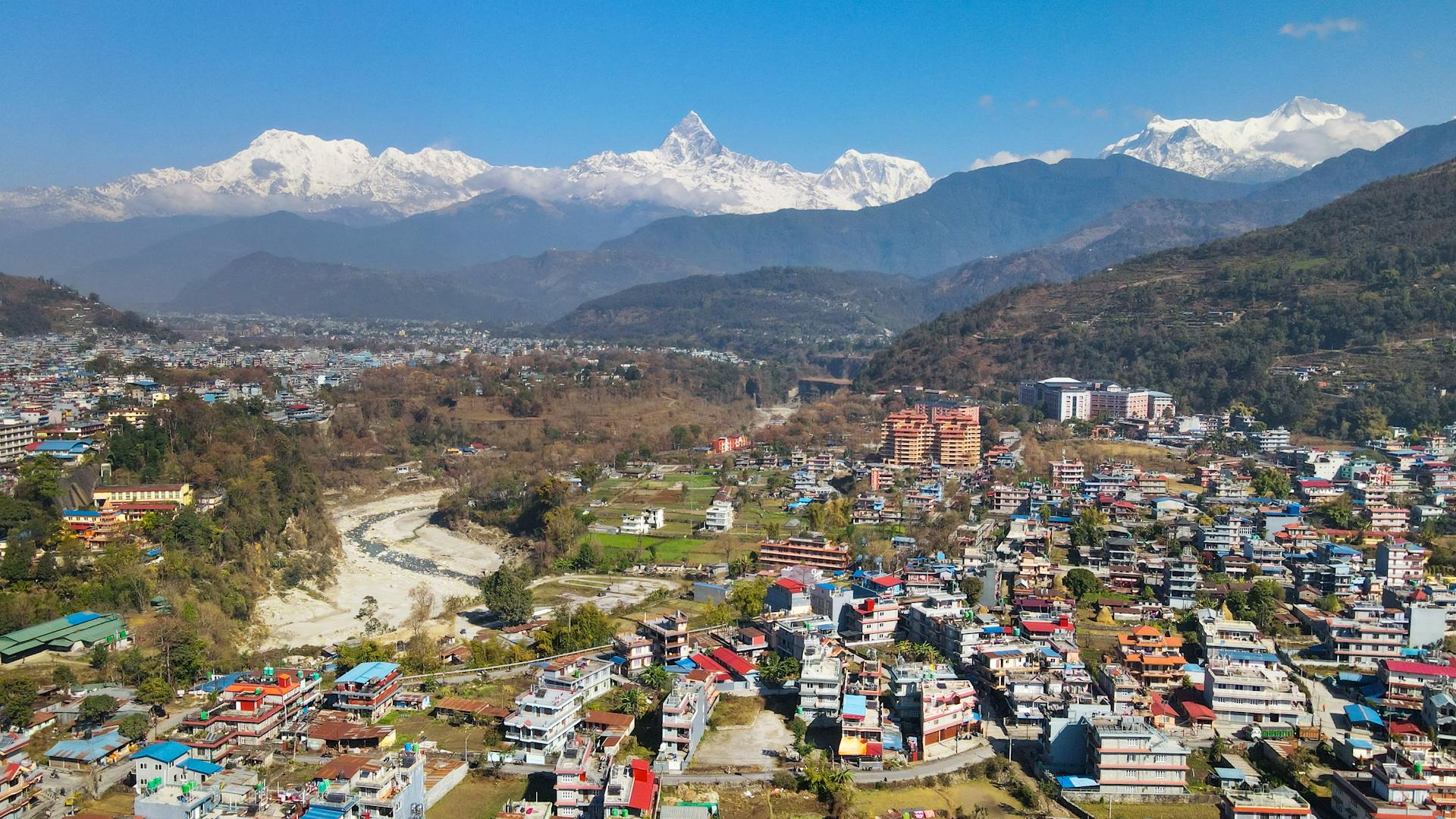
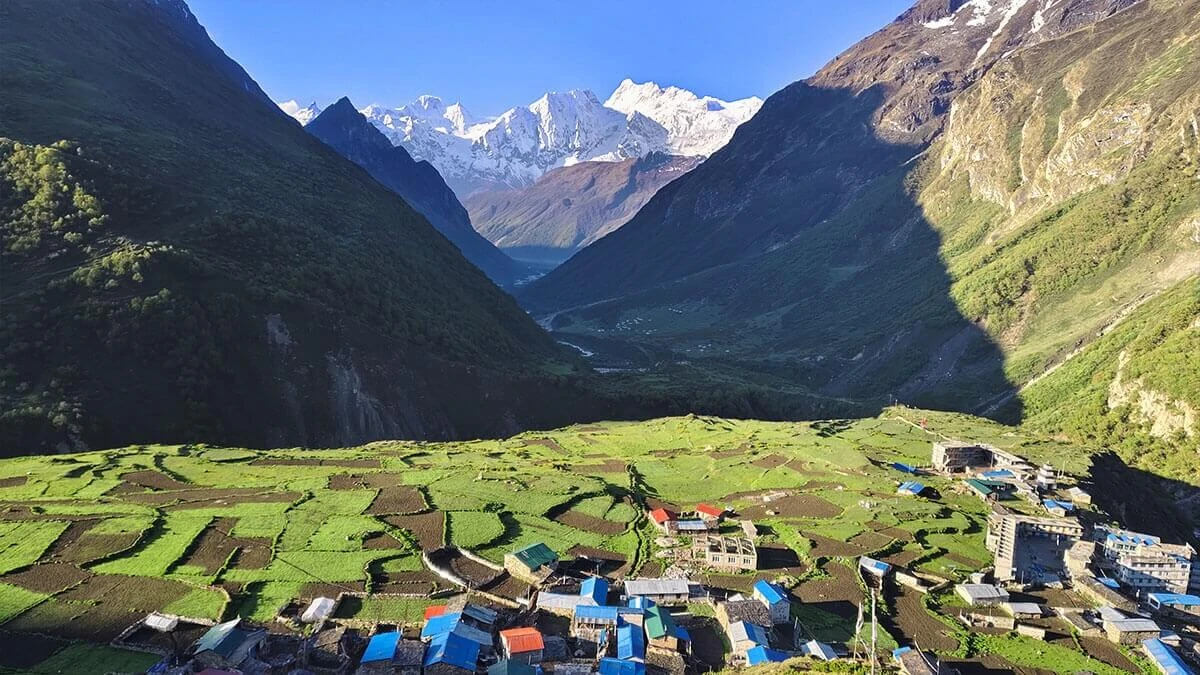
Tsum Valley is one of the most beautiful and peaceful trekking destinations in Nepal. Located in the remote northern region of Gorkha, this hidden valley offers a rare mix of untouched nature, ancient culture, and spiritual calm. Because of its isolation and cultural importance, the valley attracts trekkers who want more than just mountain views.
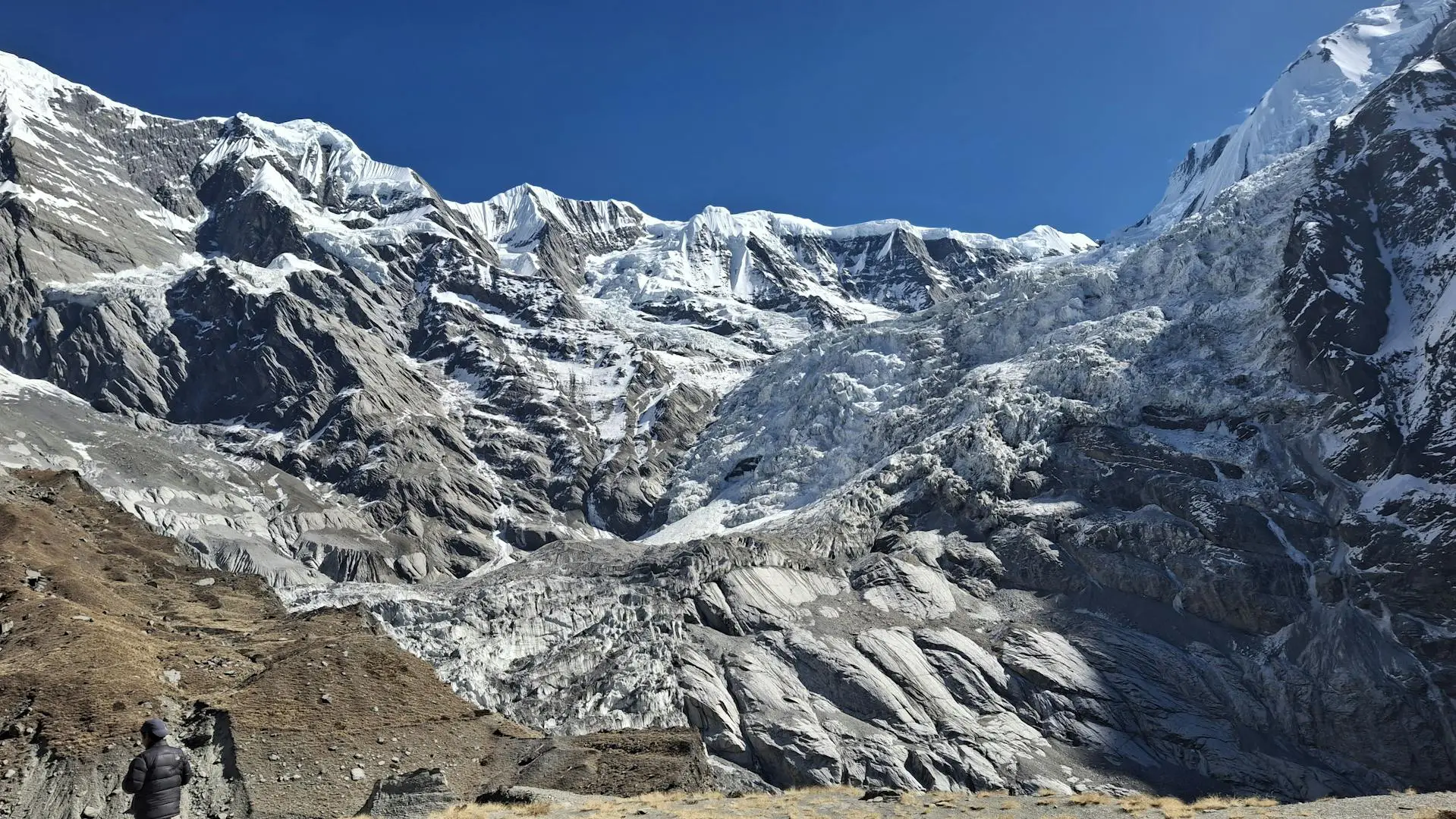
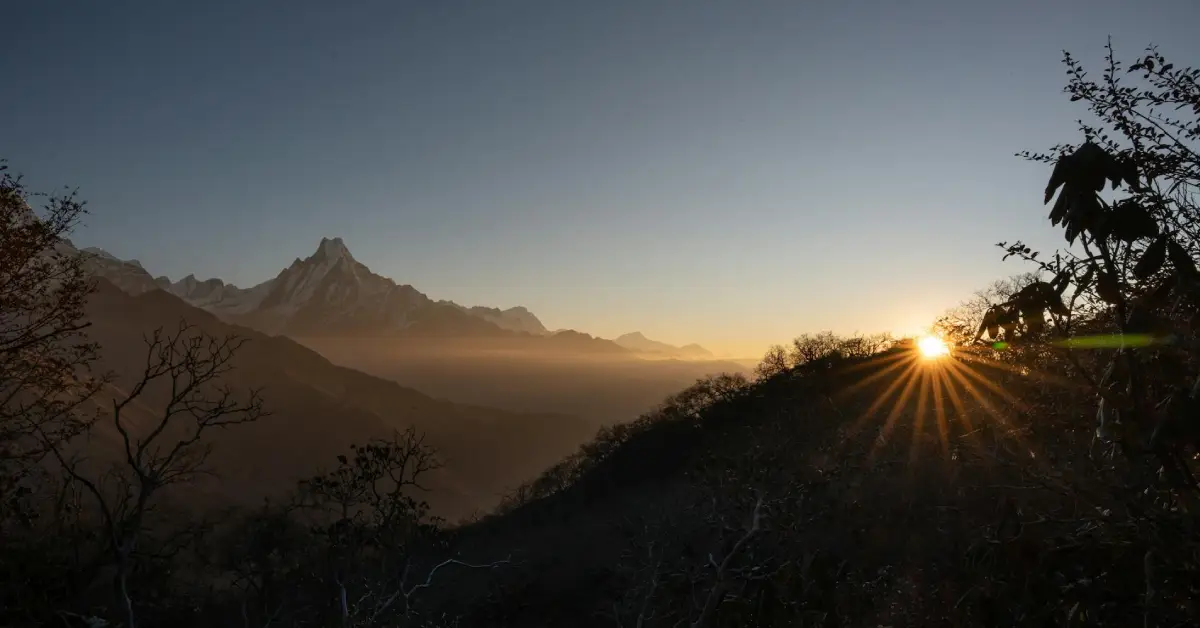
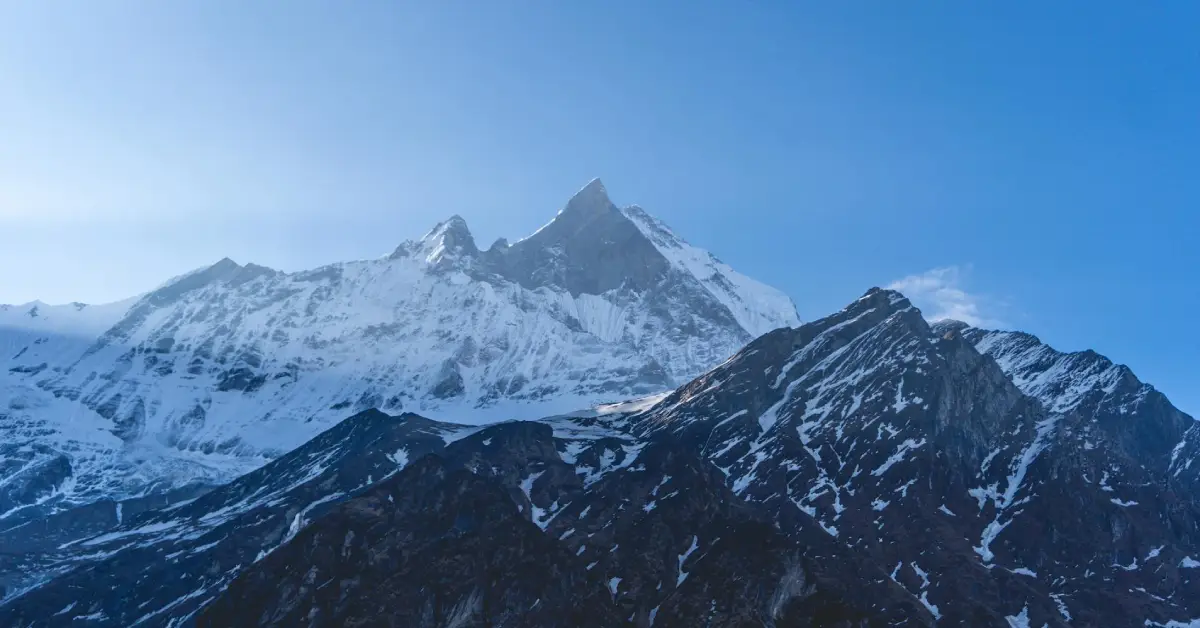
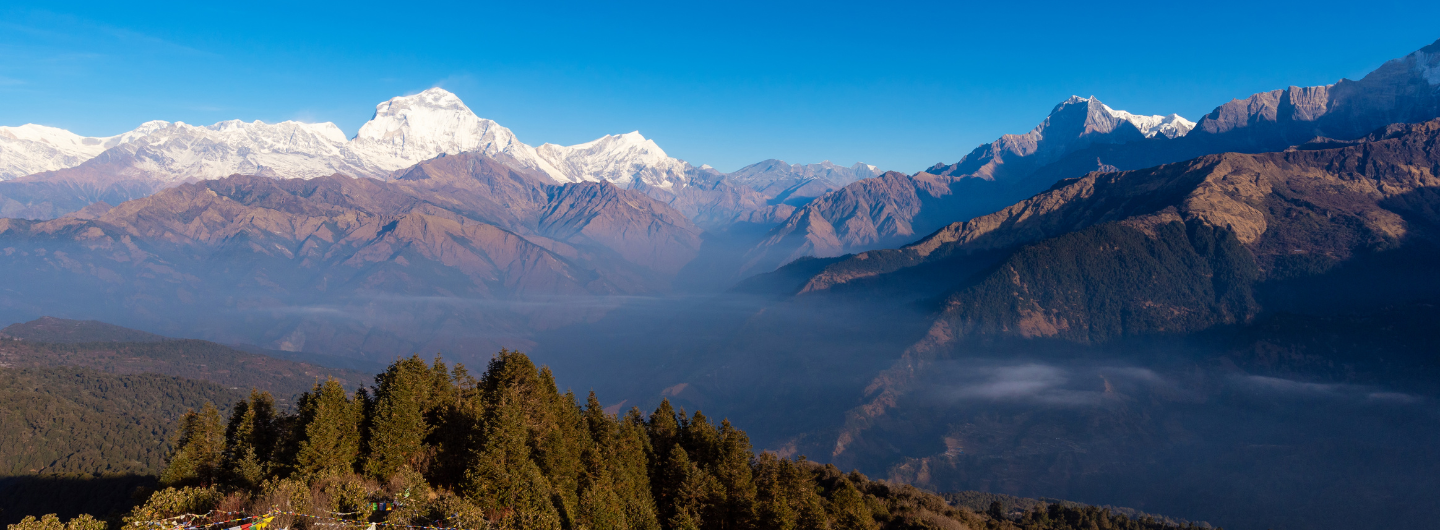
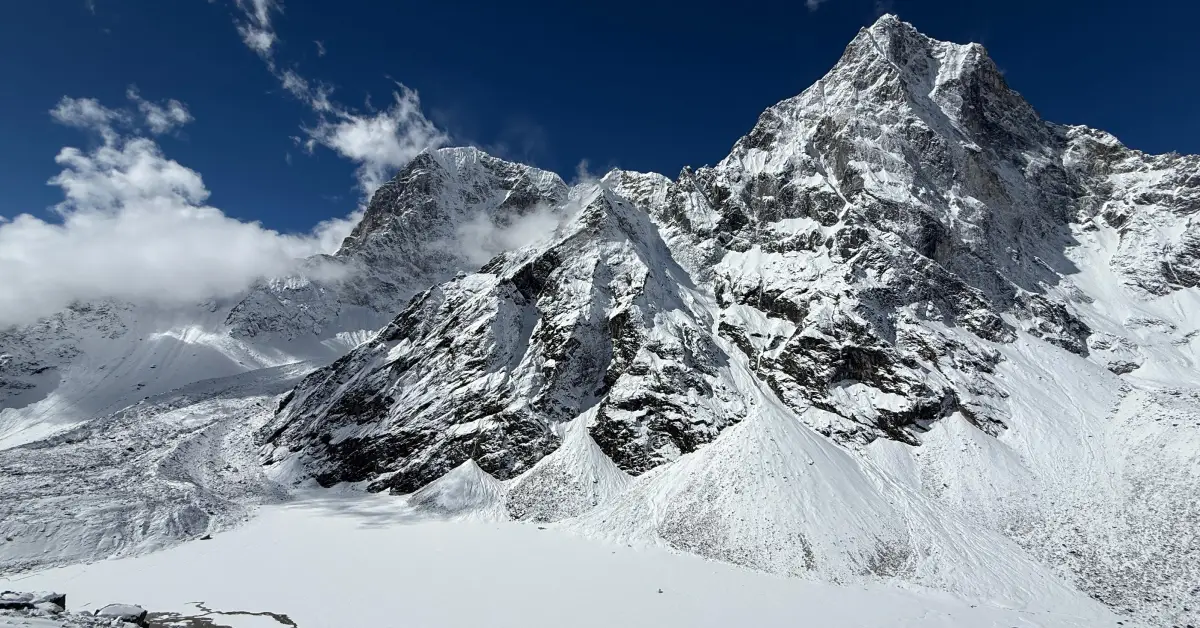
The Tsum Valley trek takes you deep into the Himalayas, where life follows old traditions and nature remains pure. Moreover, the trek allows travelers to walk beneath majestic peaks like Manaslu, Ganesh Himal, and Himalchuli. As a result, the journey feels both adventurous and meaningful.
Unlike crowded trekking routes, Tsum Valley stays quiet and authentic. Therefore, it is perfect for trekkers who want peace, culture, and real Himalayan experiences.
Where Is Tsum Valley Located?
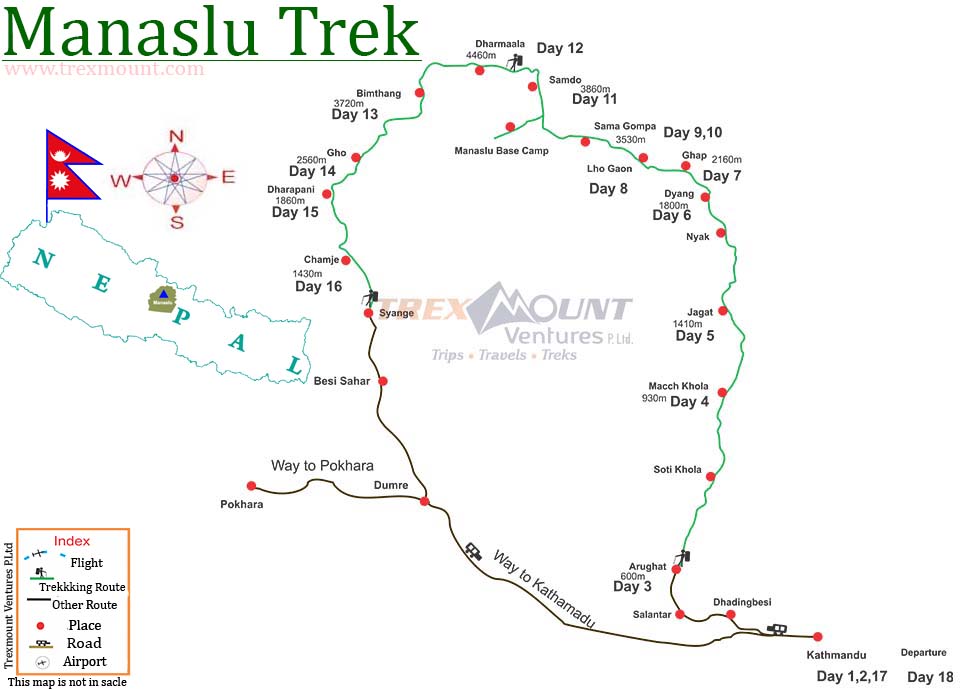
Tsum Valley lies inside the Manaslu Conservation Area, close to the Nepal-Tibet border. It sits north of the Budhi Gandaki River and remains one of Nepal’s least disturbed regions. The trekking route starts from Soti Khola or Machha Khola. From there, the trail follows the Manaslu route for several days. After that, it turns toward the hidden valley of Tsum. Because the area is restricted, trekkers must travel with a registered trekking agency and licensed guide.
History of Tsum Valley
Until 2008, the Tsum Valley remained closed to foreign visitors. Before that, the valley served as a protected cultural region due to its strong Tibetan roots. Many centuries ago, Tibetan families migrated here and settled permanently. Over time, they formed the Tsumbas community. Even today, they preserve their ancient customs, dress, language, and religious beliefs. Therefore, trekking in Tsum Valley feels like stepping back in time.
People and Culture of Tsum Valley
The valley is home to more than 4,000 people, mostly from the Tsumbas ethnic group. These people follow Tibetan Buddhism and live simple, peaceful lives. Moreover, the valley is known as a Shyagya region, which means violence against animals is forbidden. Because of this belief, hunting and animal sacrifice are strictly banned.
During the Tsum Valley trek, you will see:
- Mani walls with prayers carved in stone
- Prayer wheels spinning gently
- Colorful prayer flags across villages and passes
All these elements create a spiritual atmosphere throughout the journey.
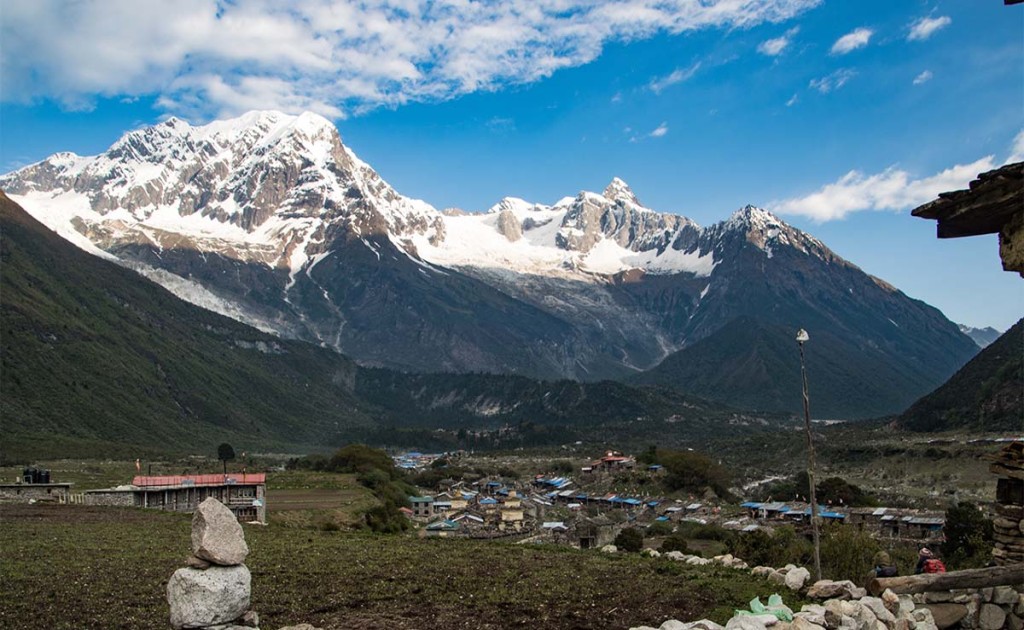
Daily Life in Tsum Valley Villages
Life in Tsum Valley moves slowly and peacefully. Villagers depend on farming, animal herding, and trade. They grow barley, potatoes, and vegetables suited to high altitude.
You will pass through beautiful villages such as:
- Chumling
- Chhokang Paro
- Chhekamparo
- Nile
- Chhule
Furthermore, locals welcome trekkers with warm smiles and kind hospitality. Staying in teahouses allows you to connect closely with their lifestyle.
Major Highlights of the Tsum Valley Trek
Piren Phu Cave (Milarepa Cave)
Piren Phu is one of the most sacred places in the Tsum Valley. According to belief, the great Buddhist saint Milarepa meditated here. Inside the cave, you can see ancient paintings, prayer flags, and meditation spaces. Therefore, many trekkers feel a deep spiritual connection at this site.
Mu Gompa Monastery
Mu Gompa is the largest monastery in the valley. It lies near the Tibetan border and offers stunning mountain views.
Moreover, the monastery provides insight into Buddhist learning, rituals, and daily monastic life.
Rachen Nunnery
Rachen Nunnery plays an important role in preserving Buddhism in Tsum Valley. Hundreds of nuns live and study here.
Visiting the nunnery adds cultural depth to the Tsum Valley trek.
Mountain Views Along the Trail
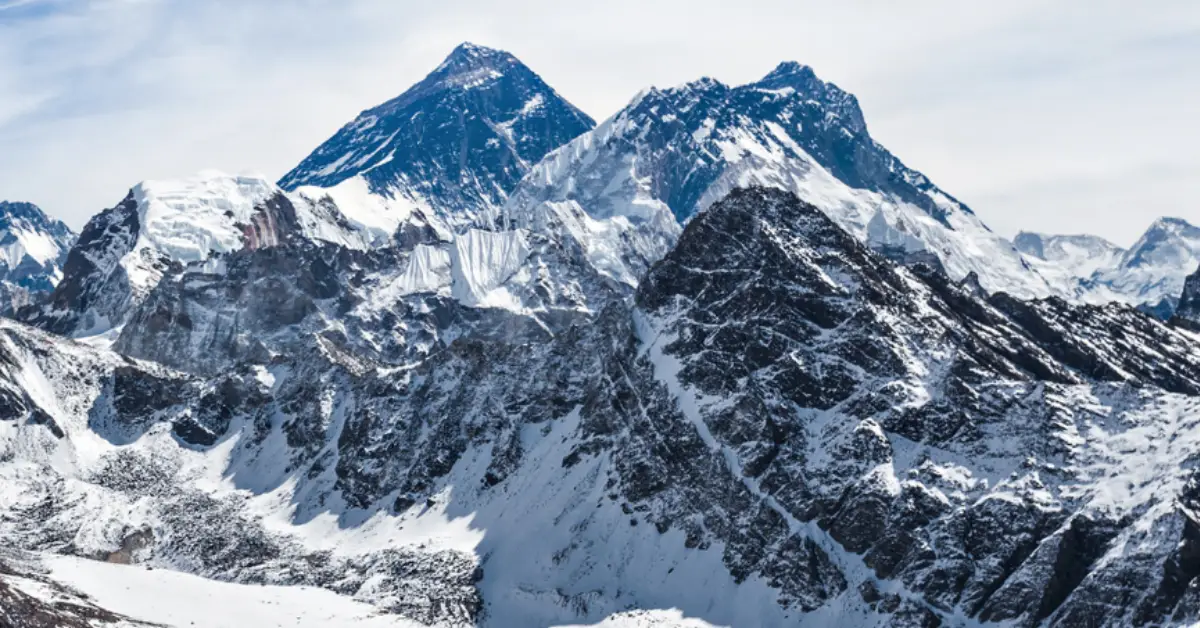
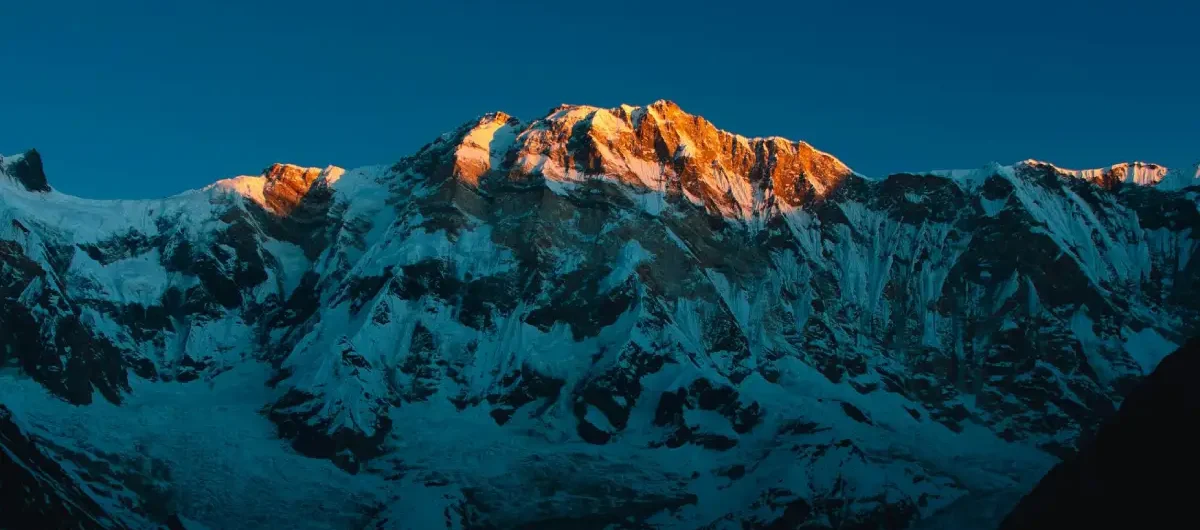
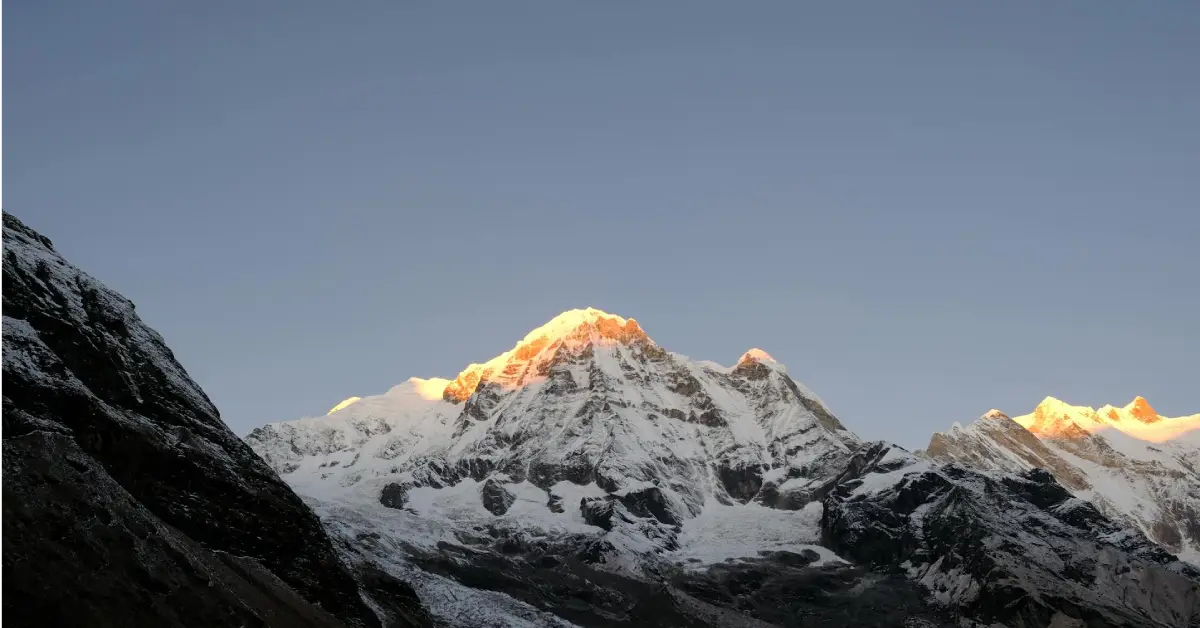
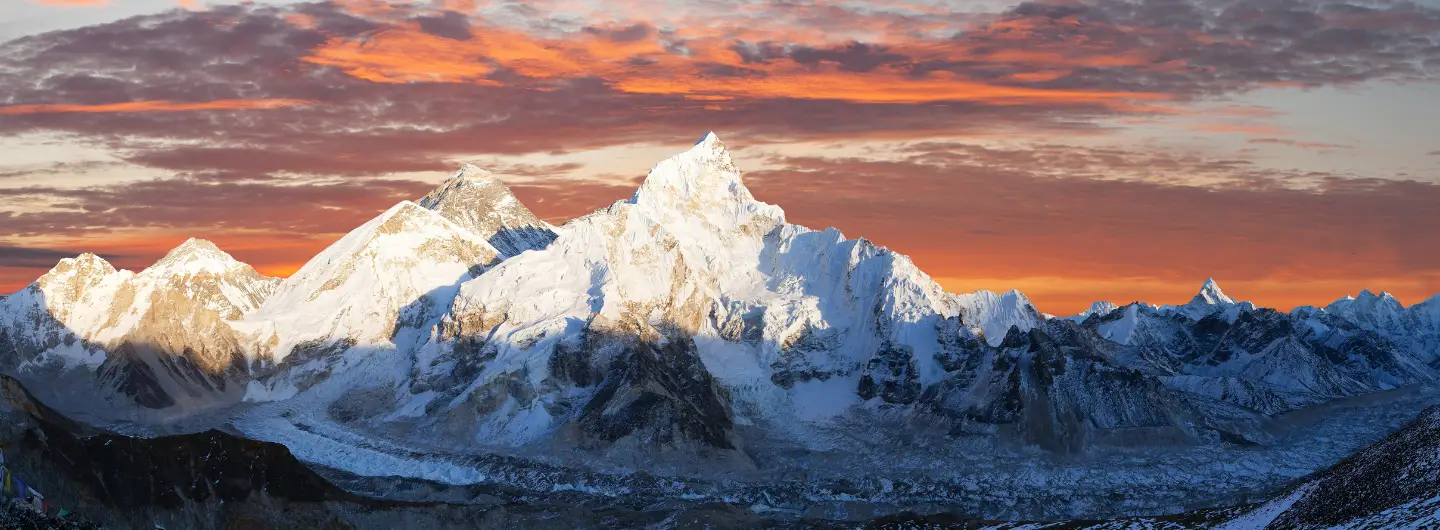
Throughout the trek, you can enjoy breathtaking views of:
- Mount Manaslu (8,163 m)
- Ganesh Himal
- Himalchuli
- Boudha Himal
Therefore, the trek feels visually rewarding every single day.
Why the Tsum Valley Trek Is Special
The Tsum Valley trek stands out because it offers:
- Less crowded trails
- Deep cultural immersion
- Peaceful environment
- Authentic village life
Unlike commercial trekking routes, this journey focuses on culture and connection.
Difficulty Level of Tsum Valley Trek
The Tsum Valley trek is considered moderately difficult.
The trail includes:
- Steady uphill walks
- Suspension bridges
- Narrow mountain paths
However, no technical climbing is required. Therefore, anyone with good fitness and preparation can complete the trek.
Best Time to Visit Tsum Valley
Spring Season (March to May)
Spring brings clear skies and colorful rhododendron forests. Moreover, temperatures remain comfortable for trekking.
Autumn Season (September to December)
Autumn offers stable weather and sharp mountain views. As a result, it is the most popular season for the Tsum Valley trek.
Winter and monsoon seasons are possible but challenging due to snow and rain.
Permits Required for Tsum Valley Trek
Because Tsum Valley lies in a restricted area, trekkers need special permits:
- Restricted Area Permit (RAP)
- Manaslu Conservation Area Permit (MCAP)
- TIMS Card
All permits must be arranged through a registered trekking company.
Accommodation and Meals During the Trek
Accommodation consists of basic but comfortable teahouses. Rooms are clean and warm.
Meals usually include:
- Dal Bhat
- Noodles
- Tibetan bread
- Soup and tea
Therefore, food remains filling and energy-rich.
Responsible Trekking in Tsum Valley
Responsible trekking helps protect Tsum Valley for future generations.
Trekkers should:
- Respect local culture
- Avoid plastic waste
- Dress modestly
- Follow the guide instructions
Because of its fragile environment, mindful travel is essential.
Why Choose Trexmount Ventures?
Trexmount Ventures offers safe, ethical, and well-organized trekking experiences. Our local guides understand the region deeply and ensure smooth journeys.
We focus on:
- Small groups
- Local employment
- Cultural respect
- Sustainable tourism
As a result, your Tsum Valley trek becomes meaningful and safe.
Tsum Valley Trek Summary
The Tsum Valley trek offers a rare chance to explore Nepal’s hidden cultural treasure. With peaceful trails, spiritual monasteries, and welcoming villages, Tsum Valley delivers an unforgettable Himalayan experience. For trekkers who seek beauty, culture, and calm, this valley stands as one of Nepal’s finest journeys.
 Review us on Google
 Review us on TripAdvisor