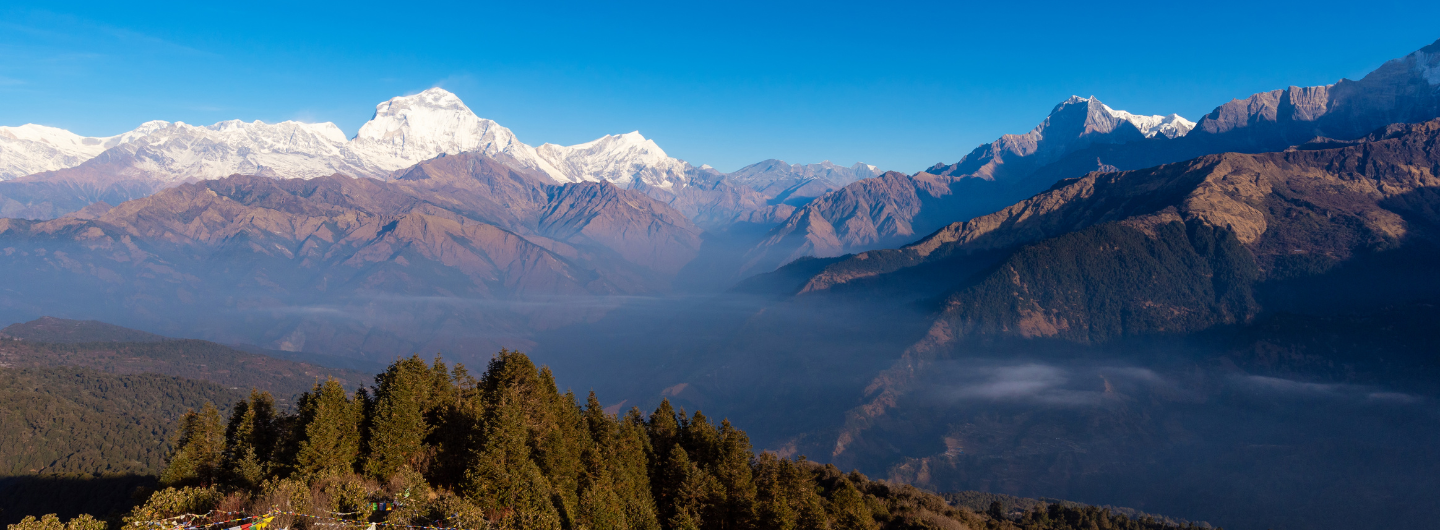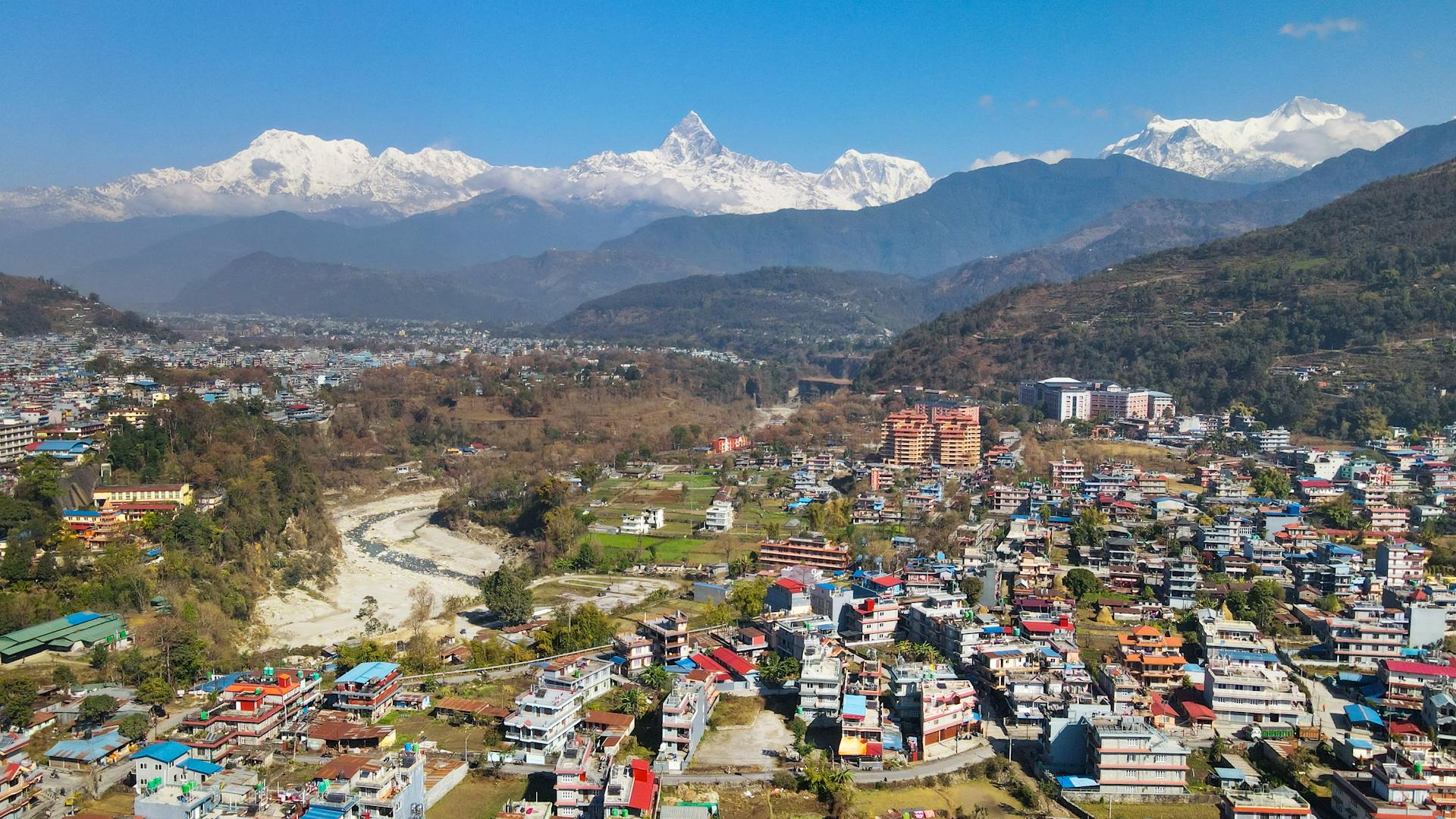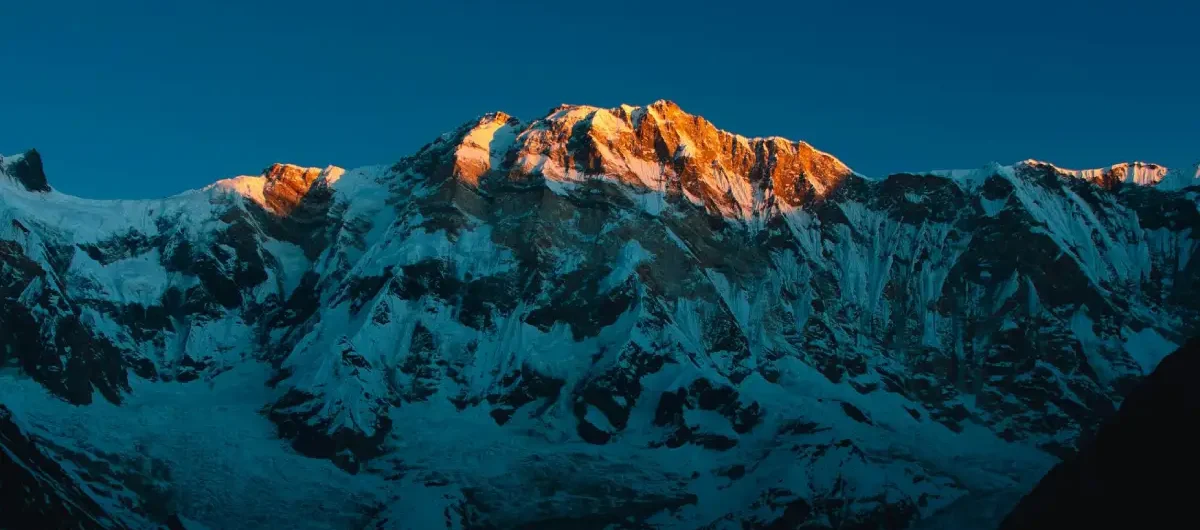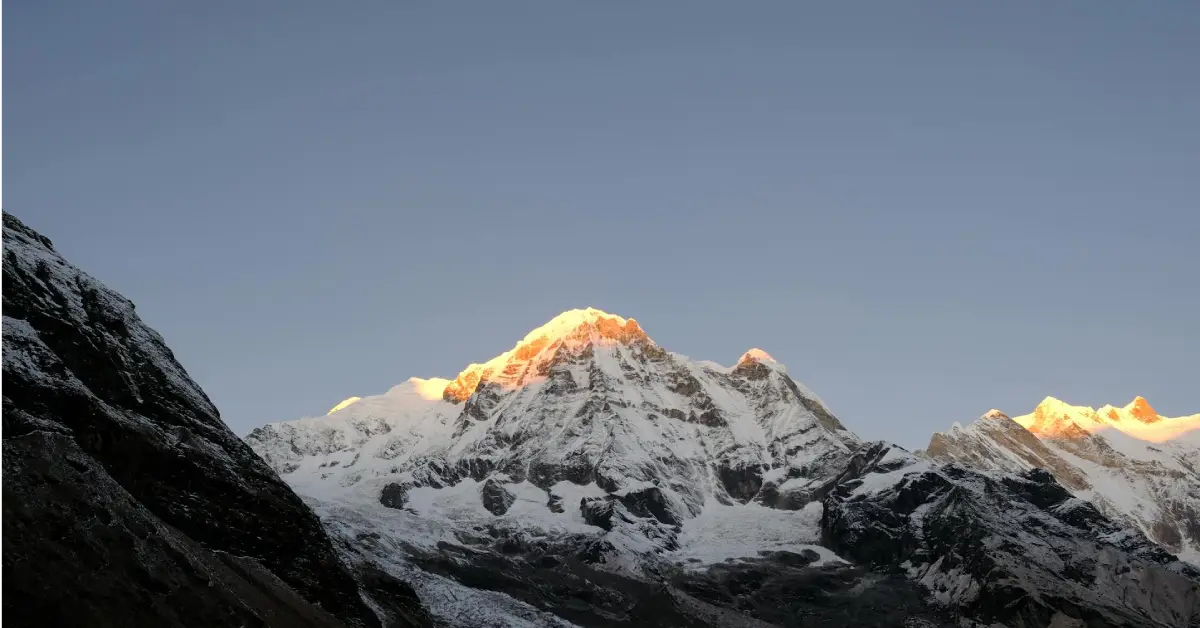

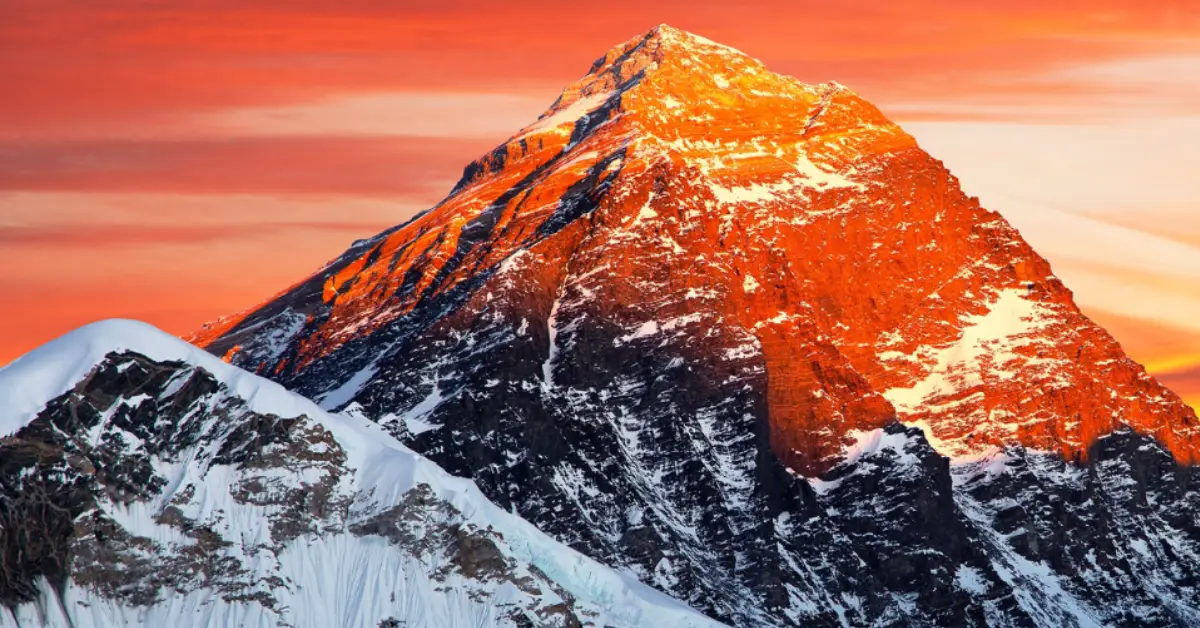
The journey to Base Camp Mount Everest is more than a trek, it is a once-in-a-lifetime expedition through the heart of the Himalayas, where natural beauty, ancient culture, and human endurance come together. Known globally as one of the most iconic trekking routes, this classic trail offers breathtaking mountain scenery, traditional Sherpa villages, spiritual monasteries, and the unmatched thrill of standing at the base of the world’s highest peak.
Trekking to Base Camp Mount Everest is not just about reaching a destination. It is about experiencing Nepal in its purest form, walking through rhododendron forests, crossing roaring glacial rivers, acclimatizing in historic trading towns, and gradually ascending into a dramatic alpine landscape shaped by ice, wind, and time.
This detailed guide explores everything you need to know about Base Camp Mount Everest, including the route, scenery, culture, altitude, acclimatization, and what makes this trek one of the greatest adventures on Earth.
Why Base Camp Mount Everest Is a World-Class Trek
The classic trek to Base Camp Mount Everest is considered one of the most rewarding long-distance hikes in the world. Unlike technical mountaineering climbs, this journey is achievable for fit trekkers with determination, patience, and respect for altitude.
What sets Base Camp Mount Everest apart is the sheer diversity it offers. In just a few weeks, trekkers experience:
- Subtropical forests and alpine meadows
- Traditional Sherpa, Rai, and Solu communities
- Ancient Buddhist monasteries
- Glaciers, moraines, and icefalls
- Close-up views of the world’s tallest peaks
From the first step on the trail to the final moment at base camp, every day brings a new landscape and a deeper connection to the Himalayas.
The Geographic Significance of Base Camp Mount Everest
Base Camp Mount Everest lies in the Khumbu region of northeastern Nepal, inside the protected area of Sagarmatha National Park. This UNESCO World Heritage Site is home to rare wildlife, dramatic terrain, and some of the planet’s most extreme geography.
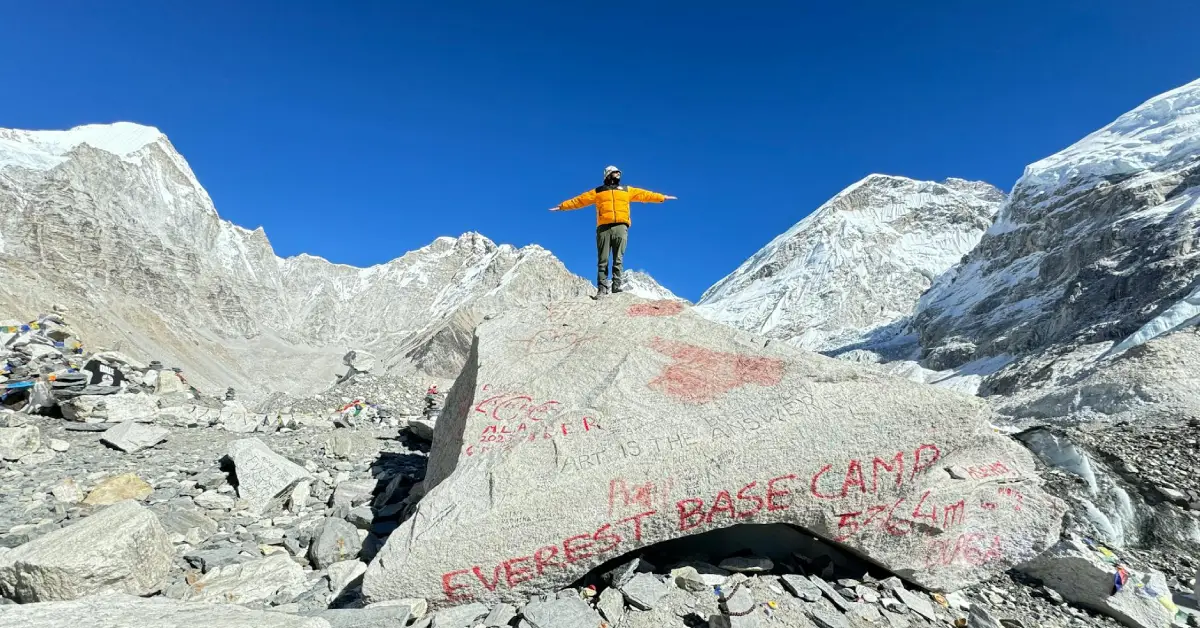
Many trekkers ask about the Everest Base Camp elevation, as altitude plays a crucial role in the journey. The official Everest Base Camp elevation is 5,364 meters (17,598 feet) above sea level. This extreme height places trekkers well into the high-altitude zone, making proper acclimatization essential.
So, how high is Everest Base Camp? While it is far below the summit of Mount Everest itself, the altitude is still high enough to challenge the human body, making this trek both physically and mentally demanding.
Starting the Classic Route to Base Camp Mount Everest
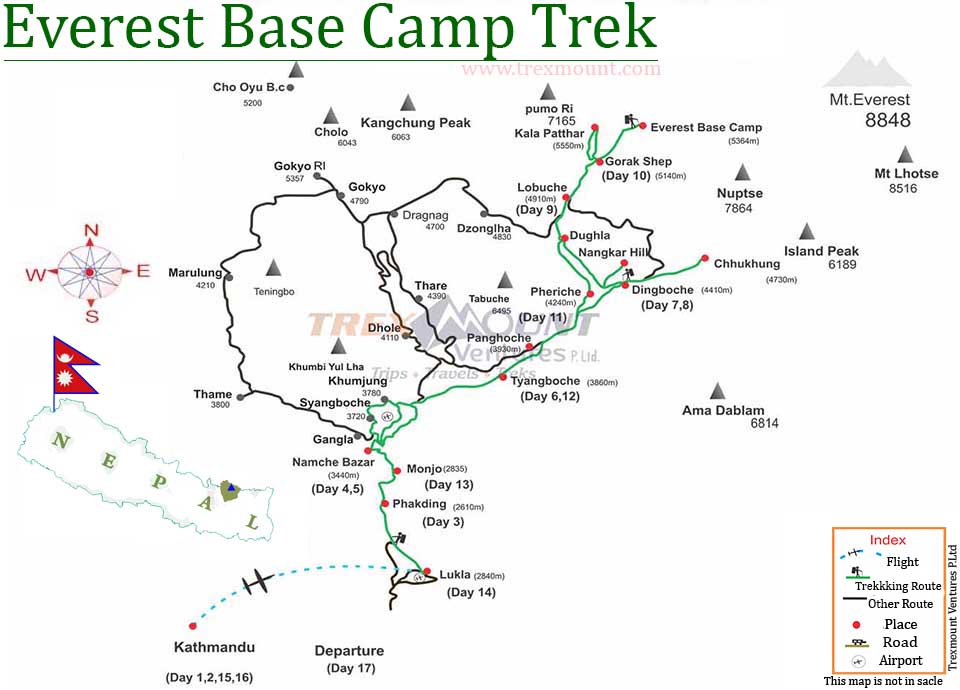
The traditional approach to Base Camp Mount Everest begins with a scenic drive to Jiri, followed by trekking through the lower Solu region. This original route was used by early Everest expeditions before flights to Lukla became common.
Starting from Jiri offers a deeper cultural experience and gradual altitude gain, allowing trekkers to pass through authentic villages such as Bhandara, Sete, Kenja, and Junbesi. These settlements preserve old customs, traditional architecture, and farming lifestyles that remain largely untouched by modern tourism.
As the trail climbs toward Lamjura Pass (3,530 meters), trekkers walk through dense forests of rhododendron, pine, oak, and fir. These forests burst into color during spring, making this section one of the most beautiful parts of the entire Base Camp Mount Everest trek.
Entering the Upper Khumbu Region
After days of trekking through the lower hills, the trail gradually enters the upper Solu-Khumbu region, where the influence of Sherpa culture becomes more prominent. From Nunthala and Kharekhola onward, the landscape changes dramatically, becoming more rugged and mountainous.
Eventually, the route joins the main Lukla trekking corridor, where many trekkers begin their journey by flight. From here, the trail becomes busier, yet the sense of excitement increases as Base Camp Mount Everest draws closer.
The Dudh Koshi River valley guides the path northward, passing through charming villages such as Choplung, Ghat, and Phakding. Suspension bridges decorated with prayer flags sway above glacial rivers, creating unforgettable Himalayan scenes.
Sagarmatha National Park and the Path to Namche Bazaar
Manjo marks the official entry point to Sagarmatha National Park, where trekking permits are checked. This protected area plays a crucial role in preserving the fragile ecosystem surrounding Base Camp Mount Everest.
Beyond Manjo, the trail descends to Jorsalle, the last settlement before the long ascent to Namche Bazaar. The climb to Namche is steep and demanding, but the reward is immense. As the trail rises, the first glimpse of Mount Everest appears on a clear day, creating a powerful emotional moment for trekkers.
Namche Bazaar, located at 3,440 meters, is the largest settlement in the Khumbu region and the economic heart of the Everest area. It is an essential acclimatization stop on the journey to Base Camp Mount Everest.
Acclimatization and Life in Namche Bazaar
Proper acclimatization is critical when trekking to Base Camp Mount Everest, especially given the high everest base camp elevation. Namche Bazaar provides the ideal environment to adjust to altitude while enjoying modern comforts.
This vibrant mountain town features bakeries, cafes, trekking gear shops, internet services, banks, and even museums. A weekly Saturday market brings villagers from surrounding areas to trade goods, maintaining a tradition that has existed for centuries.
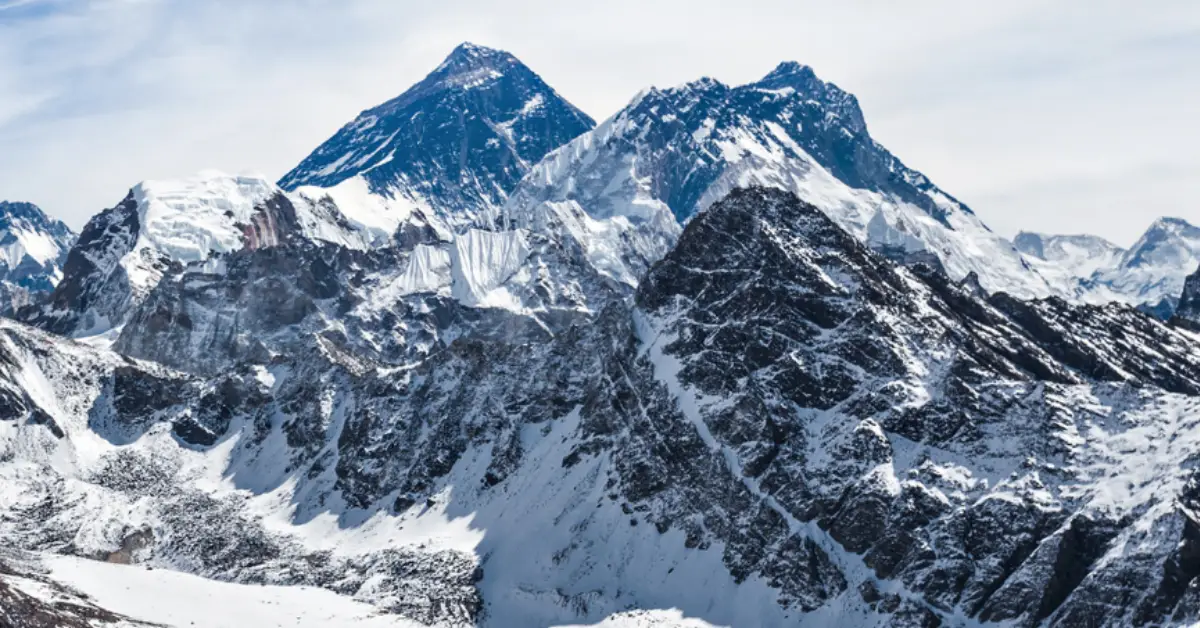
Acclimatization hikes from Namche lead to viewpoints such as the Everest View Hotel and Khumjung village, offering panoramic views of Everest, Lhotse, Nuptse, and Ama Dablam.
From Namche to Tengboche | Spiritual Heart of the Trek
Leaving Namche, the trail contours along the mountainside toward Tengboche, one of the most scenic locations on the Base Camp Mount Everest route. This section provides stunning views of Ama Dablam, often considered the most beautiful mountain in the Himalayas.
Tengboche Monastery, set against a dramatic backdrop of snow-covered peaks, is the spiritual center of the Khumbu region. Trekkers can observe prayer ceremonies performed by monks, adding a deep cultural and spiritual dimension to the journey.
This moment of reflection and calm contrasts beautifully with the physical challenge of trekking at altitude.
Into the Imjatse Valley and High Alpine Terrain
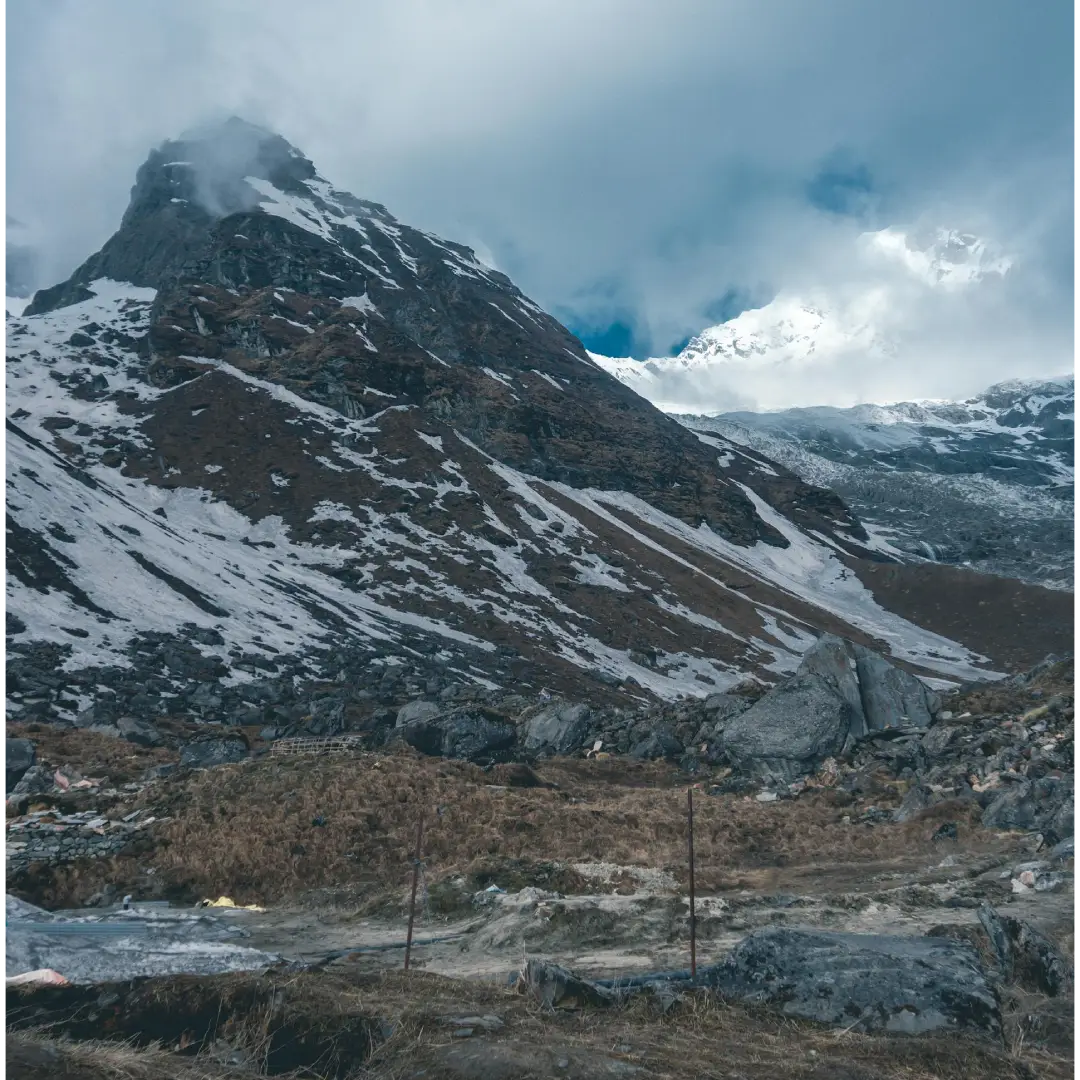
Beyond Tengboche, the trail descends through forest before climbing toward Pangboche and Dingboche. Vegetation becomes sparse as the environment transitions into an arid, high-altitude landscape dominated by rock, ice, and wind.
Dingboche, situated at 4,410 meters, is another key acclimatization stop on the Base Camp Mount Everest trek. Trekkers spend two nights here to allow their bodies to adapt to the increasing altitude.
A short hike to Nagarjun Hill or Nangkartshang Peak offers spectacular views and helps reduce the risk of altitude sickness—an essential step given the extreme everest base camp elevation.
The Final Push Toward Base Camp Mount Everest
From Dingboche, the trail ascends gradually to Lobuche (4,960 meters), passing memorials dedicated to climbers who lost their lives on Everest. These stone monuments serve as a solemn reminder of the mountain’s power and unpredictability.
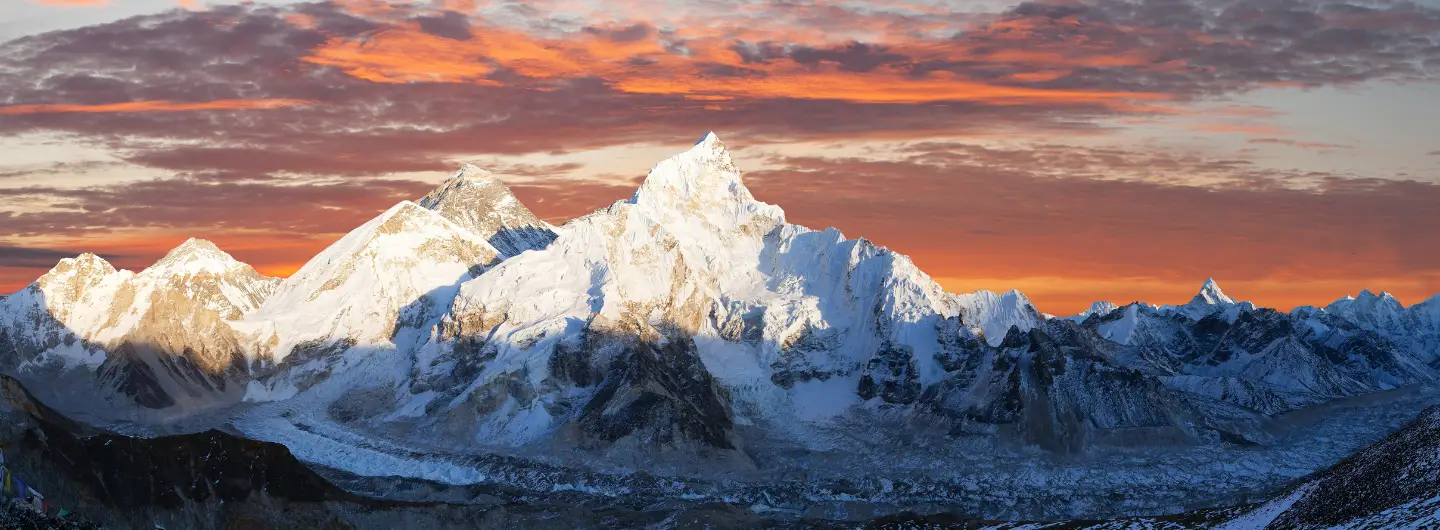
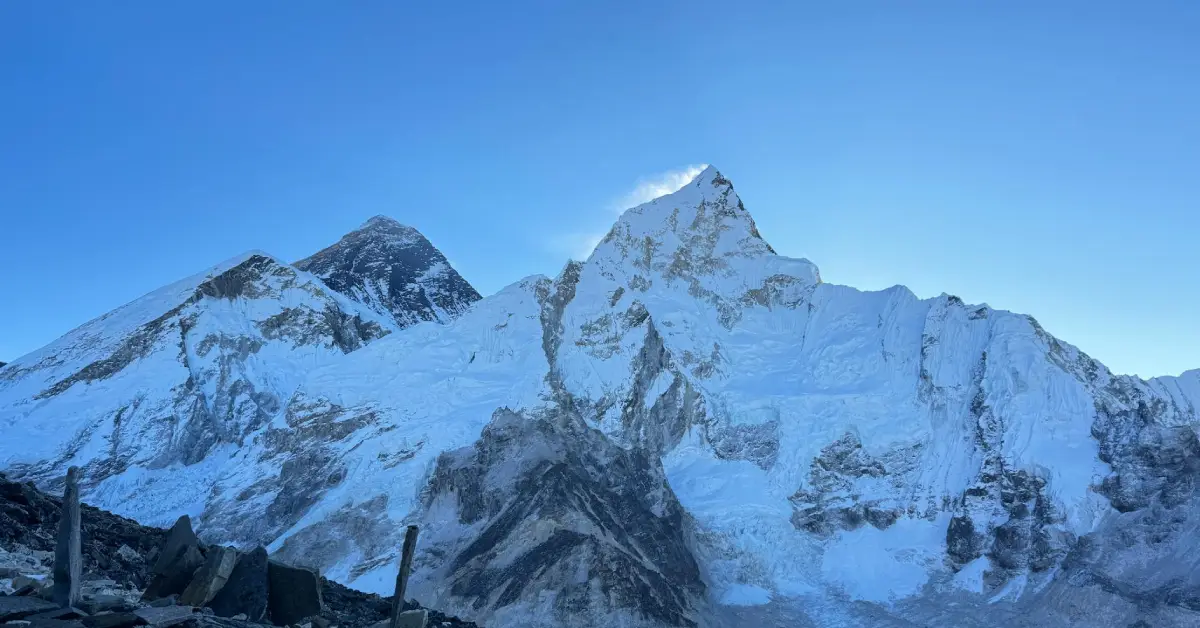
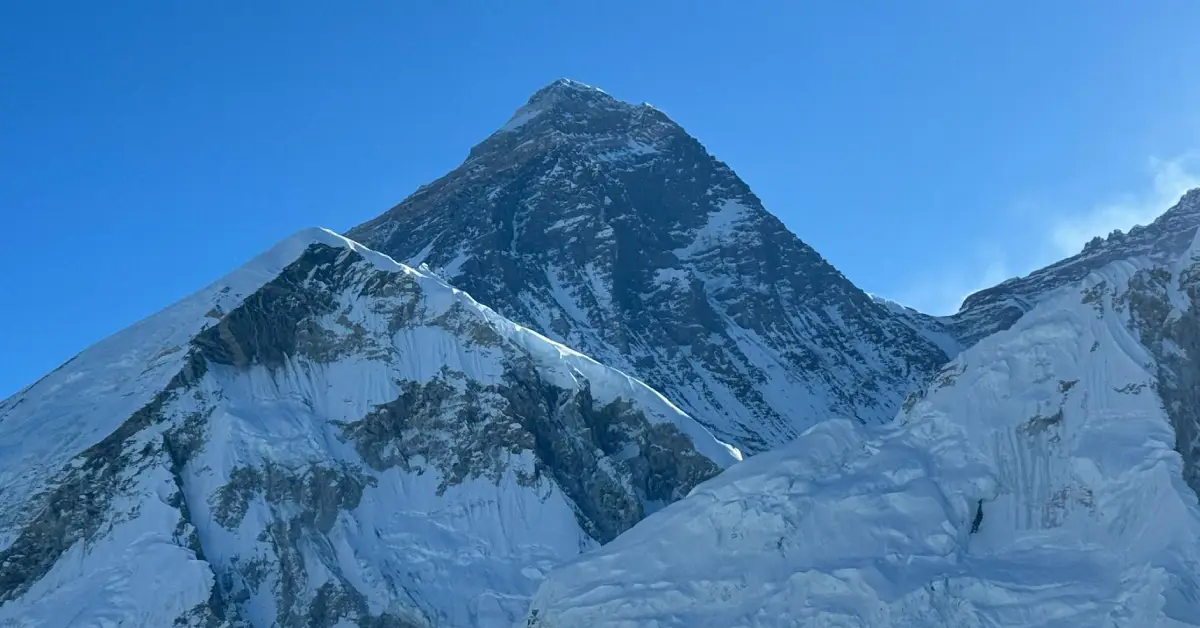
The journey continues to Gorakshep at 5,180 meters, the last settlement before reaching Base Camp Mount Everest. From here, trekkers often hike to Kala Patthar, the best viewpoint for Mount Everest, offering unmatched sunset and sunrise views.
Early the next morning, the final walk to Base Camp Mount Everest begins. The trail follows rocky moraines alongside the Khumbu Glacier, requiring careful footing and patience.
Reaching Base Camp Mount Everest
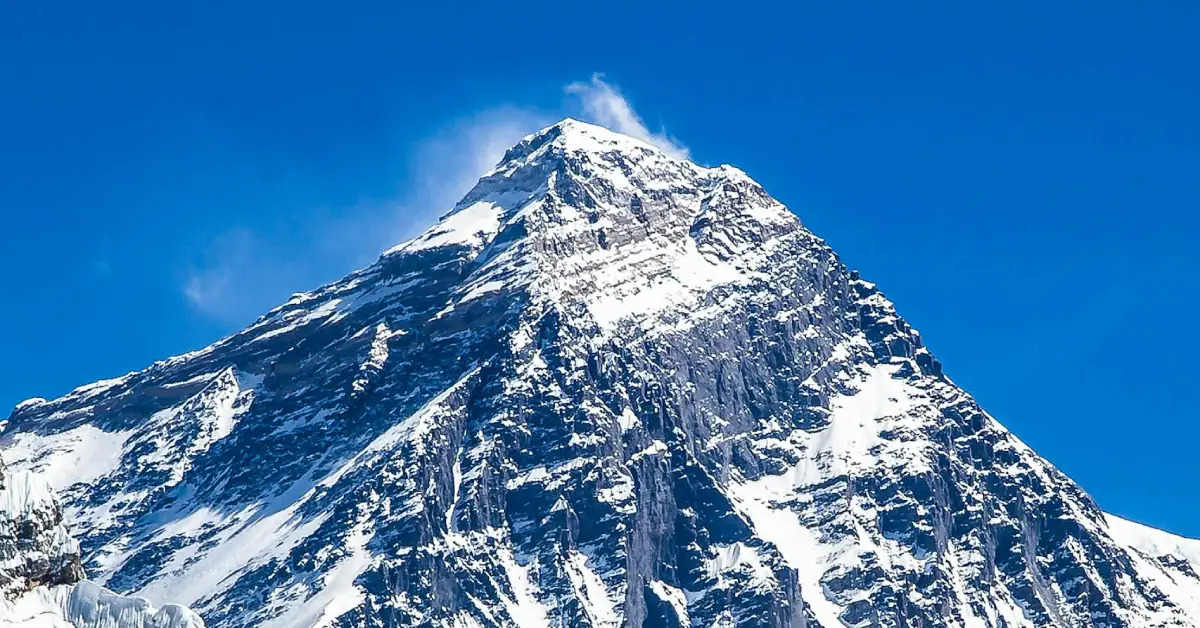
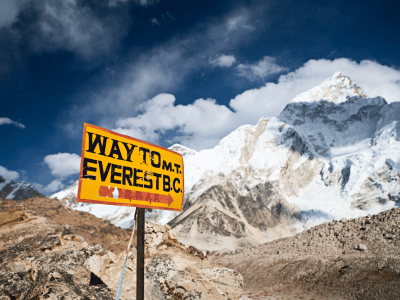
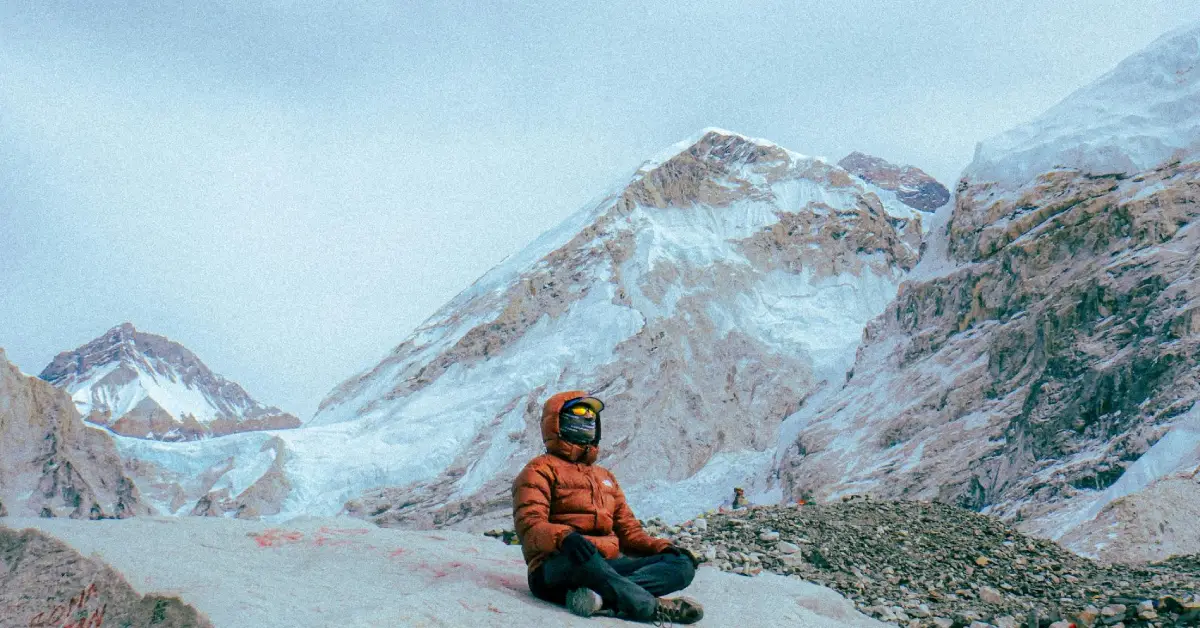
Standing at Base Camp Mount Everest at 5,364 meters is an emotional and unforgettable achievement. Surrounded by towering peaks such as Pumori, Nuptse, Lhotse, and the Khumbu Icefall, trekkers experience the raw scale of the Himalayas.
Many ask, how high is Everest Base Camp, and the answer becomes very real once you are there. Breathing is slower, movements are deliberate, and the environment feels otherworldly.
Although the summit of Everest is not visible from base camp, the sense of proximity to history, adventure, and human ambition is overwhelming.
Return Journey and Lasting Memories
After reaching Base Camp Mount Everest, the return journey follows the same route back through Gorakshep, Pheriche, Namche Bazaar, and Lukla. Descending allows trekkers to fully appreciate the landscapes and cultures once more, often with a renewed sense of accomplishment.
A short flight from Lukla to Kathmandu marks the end of the trek, but the memories of Base Camp Mount Everest last forever.
Base Camp Mount Everest Summary
Trekking to Base Camp Mount Everest is not just a physical journey, it is a deeply personal experience that challenges, inspires, and transforms those who undertake it. From understanding the Everest Base Camp elevation to experiencing firsthand how high Everest Base Camp is, every step offers perspective and humility.
Whether you are drawn by adventure, culture, or the desire to stand beneath the world’s highest mountain, Base Camp Mount Everest delivers an experience unlike any other on Earth. This classic trek remains a testament to Nepal’s natural beauty, cultural richness, and enduring spirit of exploration.
 Review us on Google
 Review us on TripAdvisor