
Overview
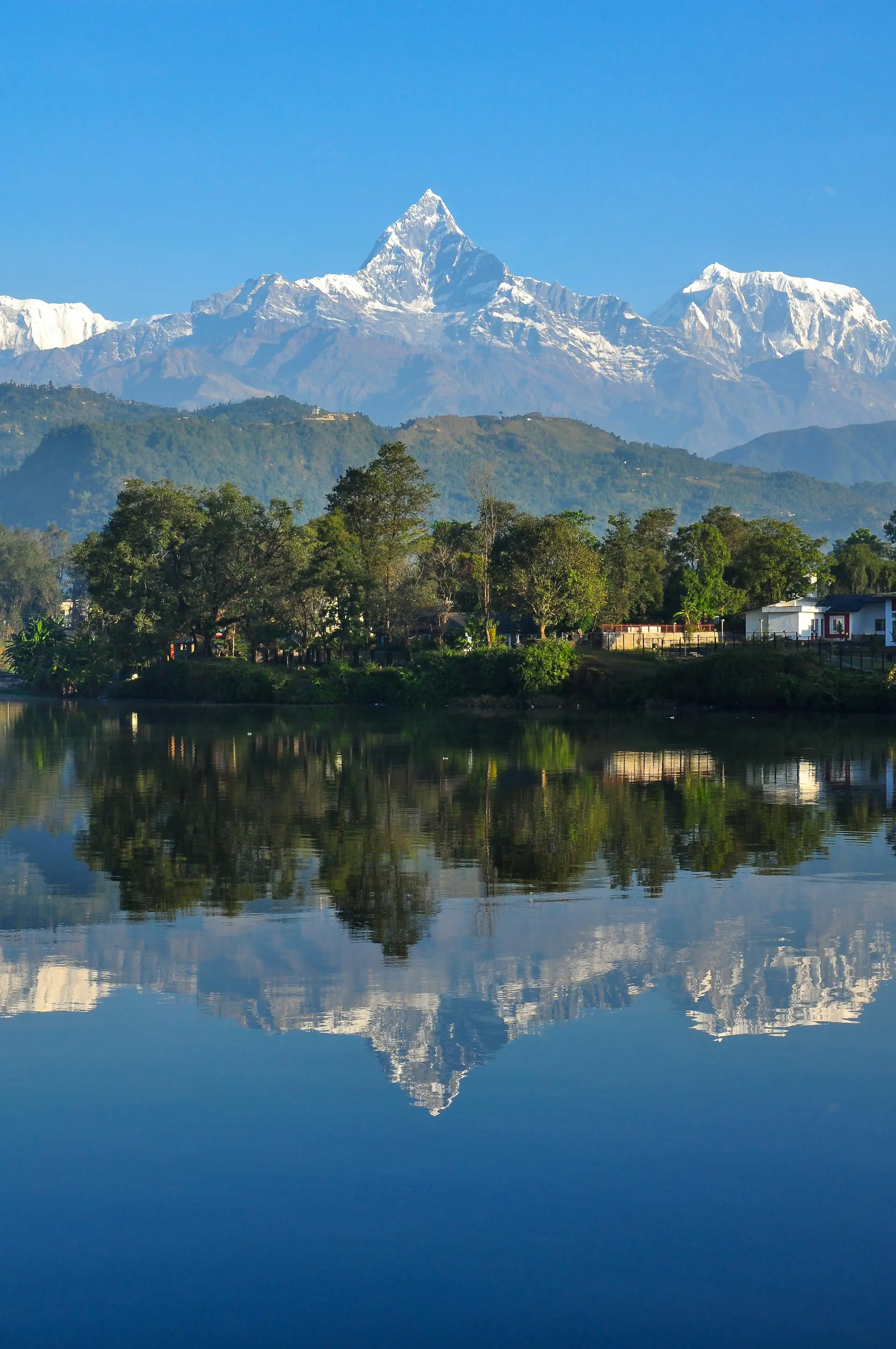
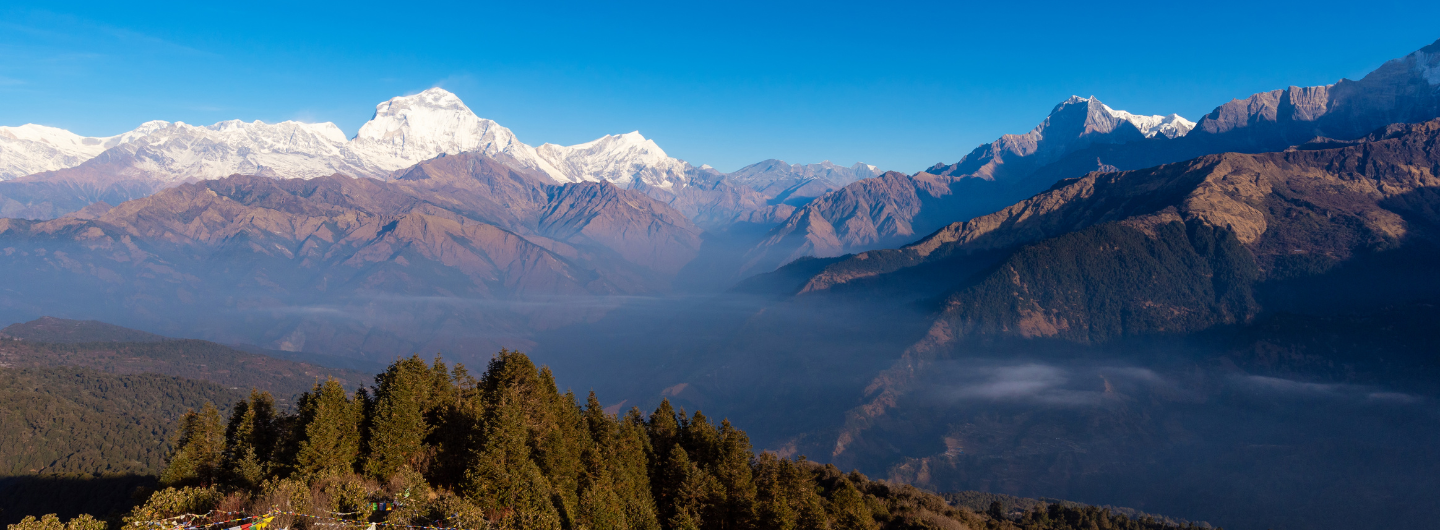
The Gokyo Ri Trek is widely regarded as one of the most scenic and rewarding trekking adventures in the Everest region of Nepal. This trek is not only about reaching high altitudes but also about immersing yourself in pristine Himalayan landscapes, ancient Sherpa culture, sacred monasteries, glacial valleys, and turquoise alpine lakes. Unlike standard trekking routes, the Gokyo Ri route offers a rare combination of wilderness, cultural richness, and panoramic mountain views that rival any journey in the Himalayas.
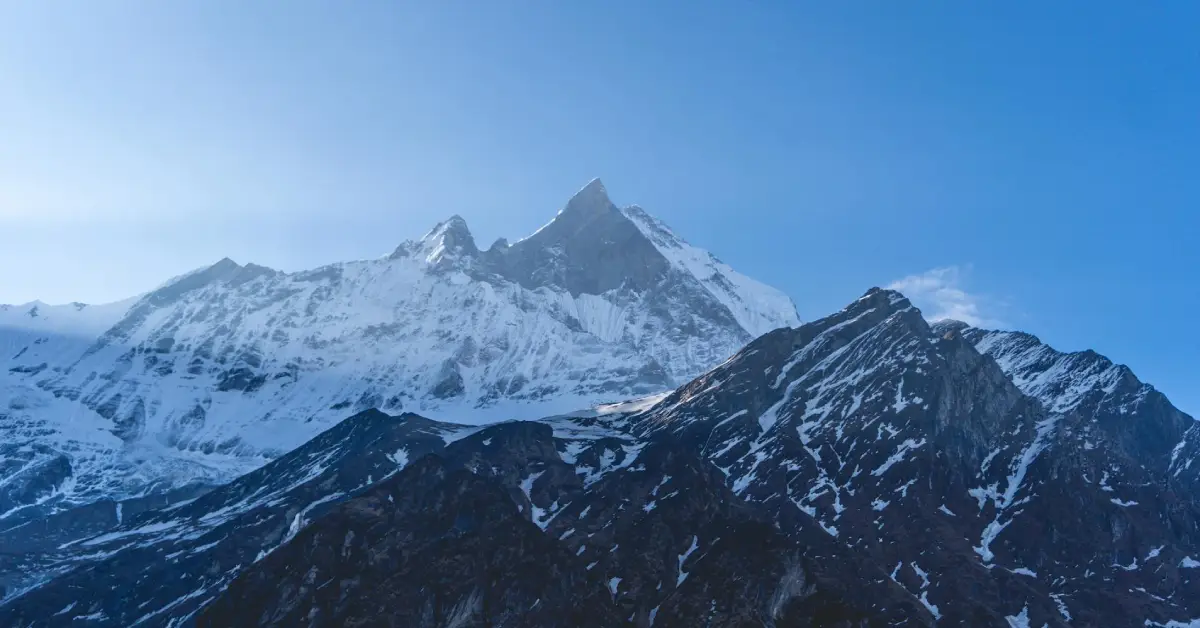
Located in the heart of the Khumbu region, the Gokyo Ri Trek in Nepal provides trekkers with dramatic vistas of Mount Everest, Cho Oyu, Lhotse, Makalu, and countless other snow-covered peaks. The trek is especially famous for the ascent of Gokyo Ri (5,357 meters), a vantage point that delivers one of the finest panoramic views in the entire Everest region.
This trek is ideal for trekkers seeking a challenging yet highly rewarding Himalayan adventure that combines the iconic Everest Base Camp route with the tranquil beauty of the Gokyo Valley.
Why Choose the Gokyo Ri Trek?
The Gokyo Ri Trekking route stands out because it offers experiences that go far beyond a traditional mountain hike. Trekkers encounter fewer crowds than the classic Everest Base Camp trail while still enjoying equally dramatic scenery and cultural depth.
Key reasons to choose the Gokyo Ri Trek include:
- Panoramic Himalayan views from Gokyo Ri and Kalapatthar
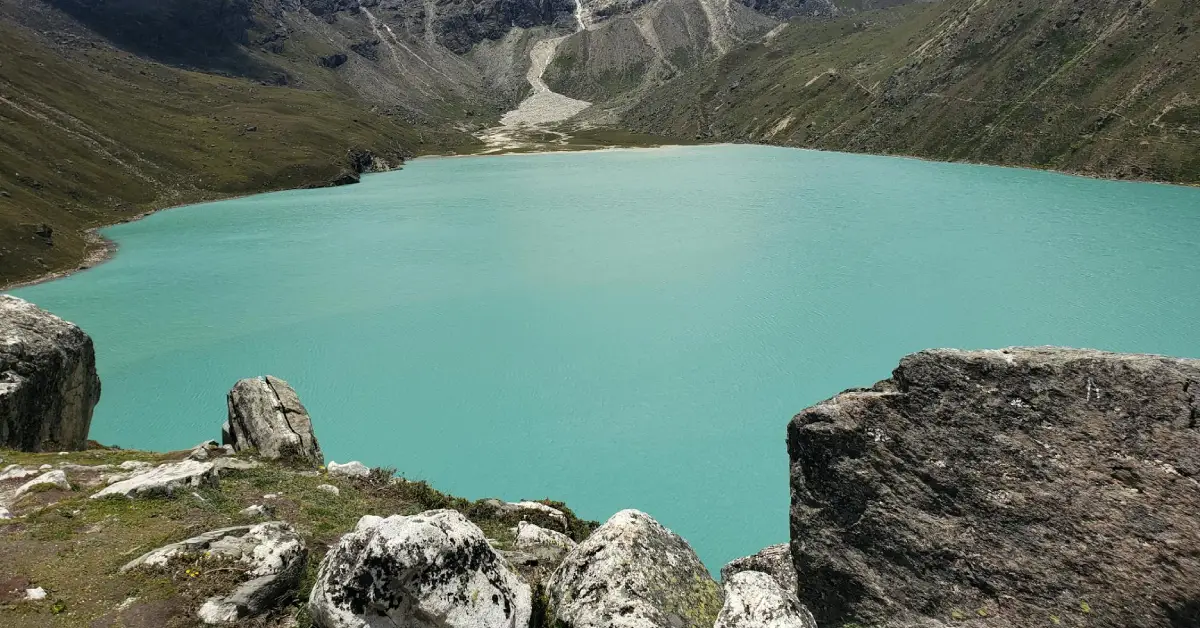
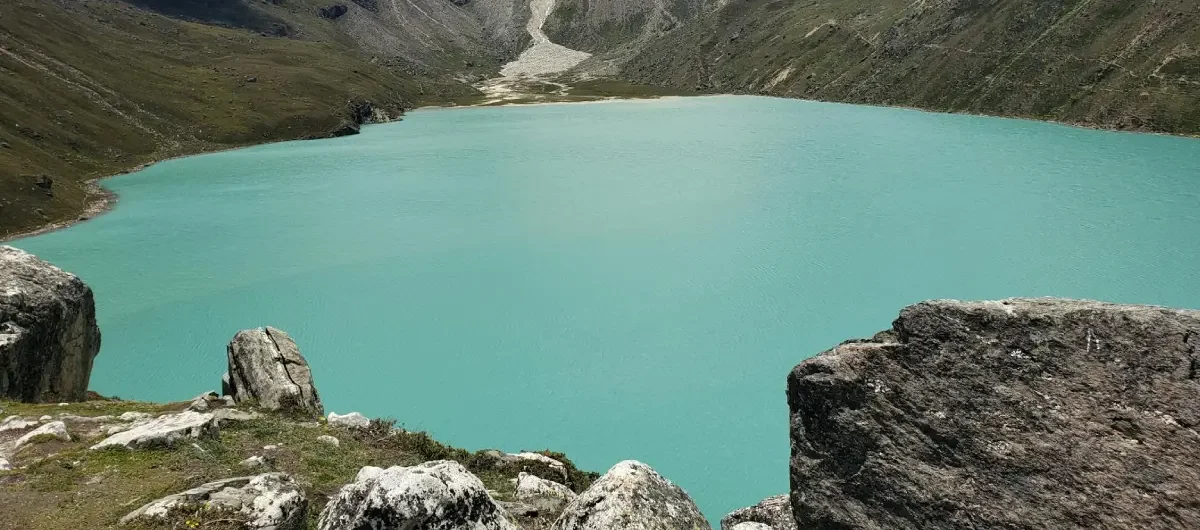
- Exploration of the sacred Gokyo Lakes, the highest freshwater lakes in the world
- Crossing the challenging Cho La Pass (5,420 meters)
- Views of the massive Ngozumpa Glacier, Nepal’s largest glacier
- Deep cultural immersion in traditional Sherpa villages
- A balanced itinerary designed for proper acclimatization
The trek blends adventure, natural beauty, and cultural exploration into a single unforgettable journey.
The Journey Begins: Kathmandu to Lukla
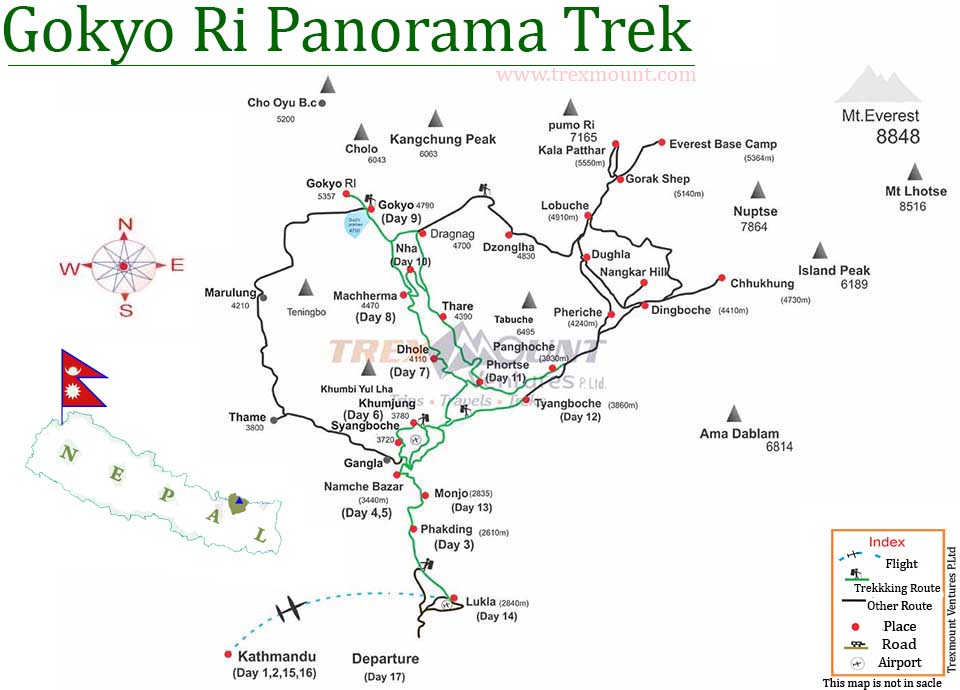
The Gokyo Ri Trek begins with an early morning scenic flight from Kathmandu to Lukla, one of the most thrilling mountain airstrips in the world. As the aircraft approaches Lukla, breathtaking views of snow-capped peaks, terraced hillsides, and deep river valleys unfold beneath you.
Upon landing in Lukla, trekkers meet the professional trekking crew and porters. After final preparations and refreshments, the trek officially begins. The trail descends gently into the Dudh Koshi River valley, passing through picturesque Sherpa villages such as Choplung, Ghat, and Phakding. These settlements offer a glimpse into rural Himalayan life, with prayer wheels, mani walls, and traditional stone houses lining the trail.
Entering Sagarmatha National Park and Reaching Namche Bazaar
As the Gokyo Ri Trek in Nepal continues, the trail gradually ascends through pine forests and crosses several suspension bridges over the roaring Dudh Koshi River. At Manjo, trekkers enter Sagarmatha National Park, a UNESCO World Heritage Site, where trekking permits are checked.
From here, the ascent becomes more demanding. After crossing the famous Hillary Suspension Bridge, the trail climbs steeply toward Namche Bazaar. On a clear day, trekkers may catch their first glimpse of Mount Everest along this route, an emotional and unforgettable moment.
Namche Bazaar sits at an altitude of 3,440 meters and serves as the commercial and cultural hub of the Khumbu region. Surrounded by towering peaks, this vibrant town offers modern amenities such as bakeries, cafés, trekking gear shops, banks, and internet access. Despite its development, Namche retains its strong Sherpa identity and traditional charm.
Acclimatization and Cultural Exploration in Namche
Acclimatization is a crucial part of the Gokyo Ri Trekking itinerary. Trekkers spend an extra day in Namche Bazaar to adapt to the altitude while exploring the surrounding area.
During this acclimatization day, trekkers hike to Syangboche, which offers sweeping 360-degree mountain views, including Mount Everest, Ama Dablam, and Thamserku. The trail continues to Khumjung and Khunde villages, two of the largest Sherpa settlements in the region.
Khumjung is home to an ancient monastery believed to house a preserved Yeti scalp, adding a layer of myth and fascination to the visit. These villages provide valuable insight into Sherpa traditions, agriculture, and spiritual practices that have remained largely unchanged for generations.
Trekking Toward Tyangboche Monastery
Leaving Namche Bazaar, the Gokyo Ri Trek follows the Khumbu Valley toward Tyangboche, one of the most spiritually significant locations in the region. The trail passes through rhododendron forests and open alpine landscapes, offering continuous mountain views.
Tyangboche Monastery is the largest and most important monastery in the Everest region. Set against a dramatic backdrop of Ama Dablam, Everest, and Lhotse, the monastery is a place of peace and reflection. Visitors are welcome to observe prayer ceremonies and experience the serene atmosphere that defines Himalayan spiritual life.
A visit to Tyangboche is often described as a deeply moving experience, offering a sense of calm and clarity amid the rugged mountain environment.
Journey to Dingboche and High-Altitude Acclimatization
From Tyangboche, the Gokyo Ri Trek in Nepal continues toward Dingboche, located at 4,420 meters. The trail ascends gradually, passing yak pastures, glacial rivers, and dramatic alpine scenery.
Dingboche serves as another key acclimatization stop. Trekkers spend an additional night here and hike to Nangkartshang Peak (Nagkar Hill) at 4,850 meters. This acclimatization hike provides panoramic views of Makalu, Lhotse, and Ama Dablam while helping the body adjust to higher elevations.
Trek to Lobuche and Everest Base Camp
After acclimatization, the trail leads toward Lobuche at 4,940 meters. The landscape becomes increasingly rugged and stark, with glaciers, moraine fields, and memorials dedicated to fallen climbers.
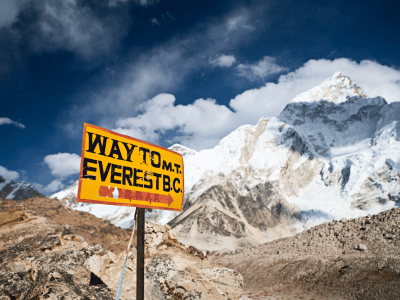
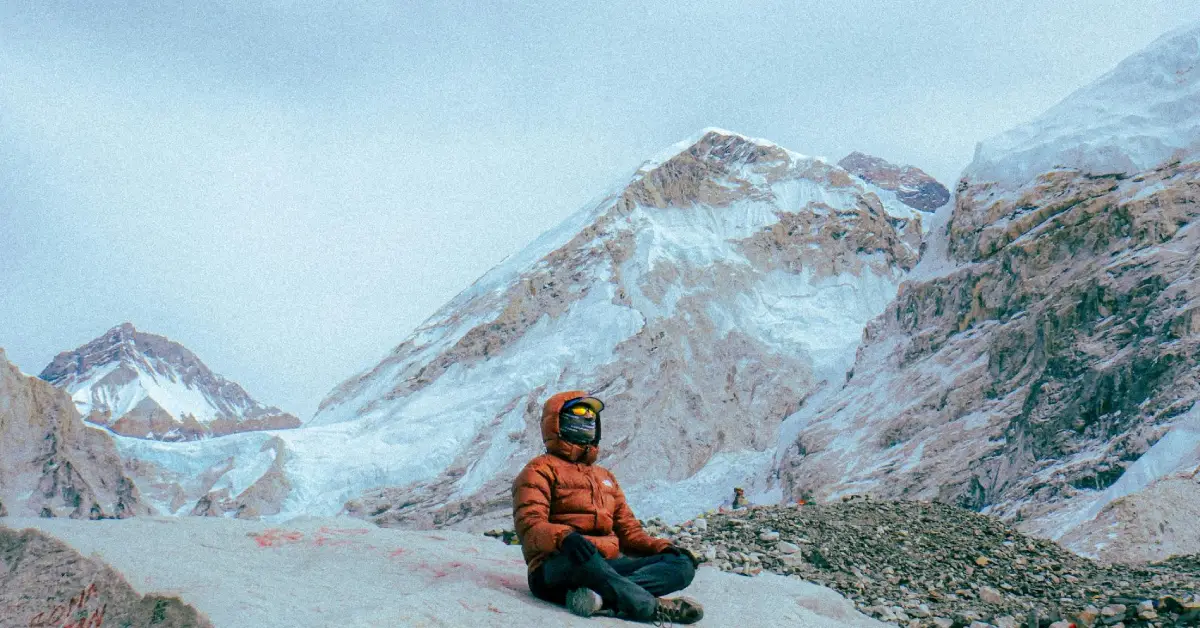
One of the most anticipated days of the Gokyo Ri Trekking journey is the hike to Everest Base Camp. Starting early, trekkers follow the Khumbu Glacier to reach Everest Base Camp at 5,364 meters. Standing at the foot of the world’s highest mountain is an emotional achievement that marks a major milestone in the trek.
After spending time exploring Everest Base Camp, trekkers return to Gorakshep, the highest overnight stop of the journey.
Sunrise at Kalapatthar | The Highest Point of the Trek
Before dawn, trekkers ascend Kalapatthar, reaching an elevation of 5,550 meters. This is the highest point of the entire Gokyo Ri Trek.
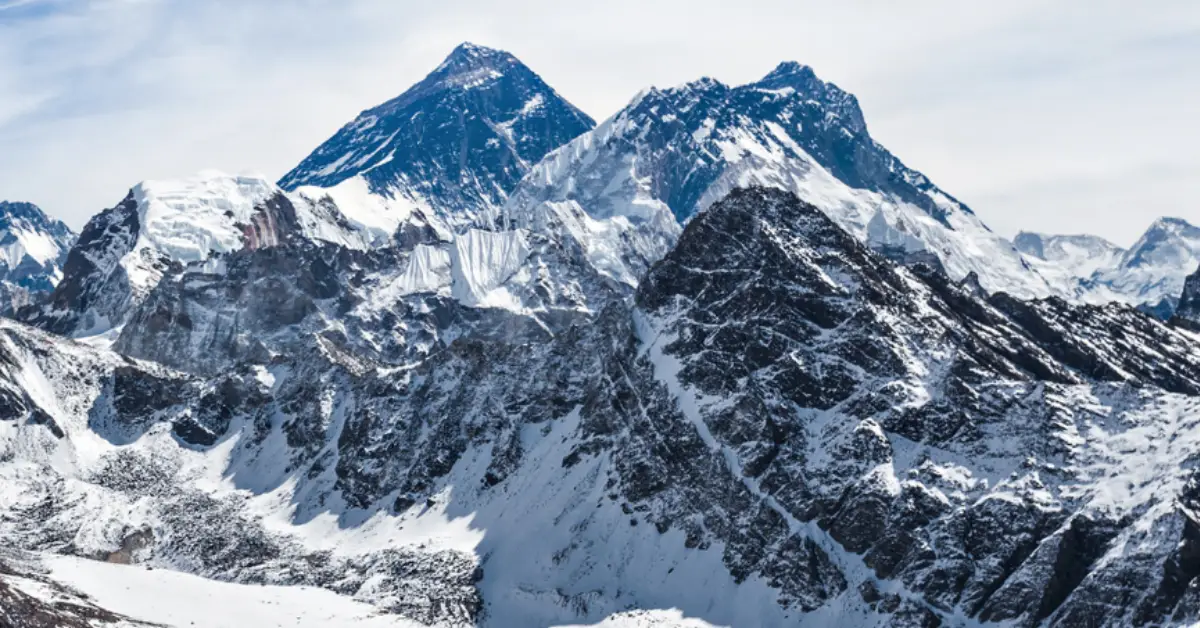
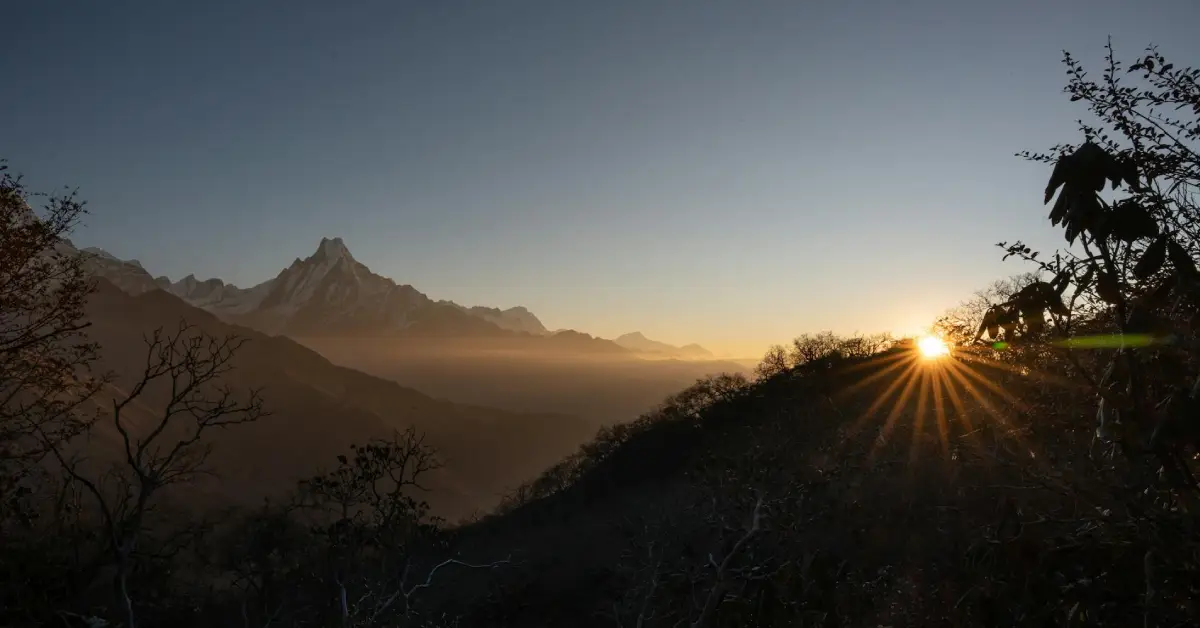
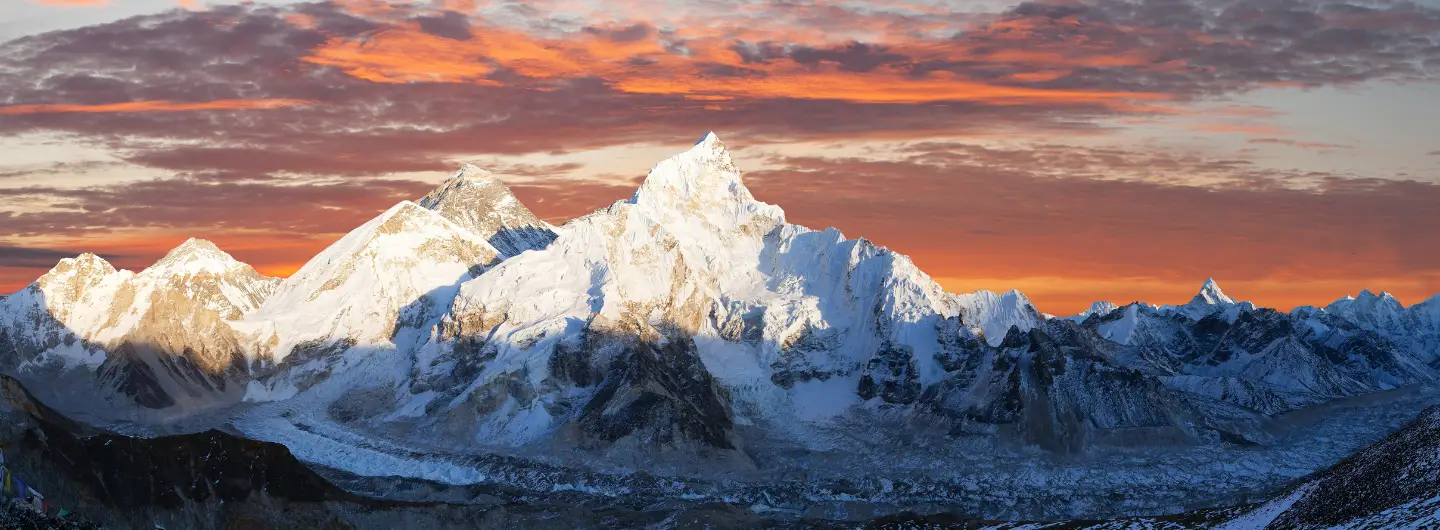
From the summit, trekkers are rewarded with a breathtaking 360-degree panorama of the Himalayas. Mount Everest rises majestically in front, flanked by Lhotse, Nuptse, Pumori, Ama Dablam, Lobuche, and Khumbutse. The sunrise over these peaks is widely considered one of the most spectacular views in Nepal.
Crossing Cho La Pass and Entering the Gokyo Valley
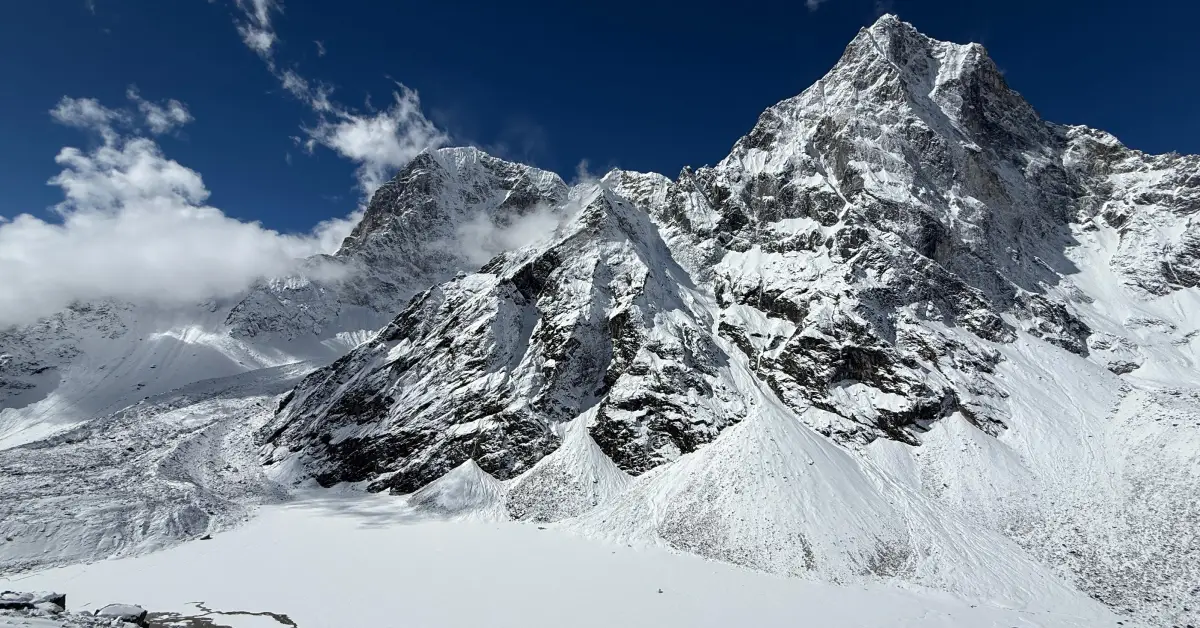
The adventure continues as the trail diverts toward the challenging Cho La Pass at 5,420 meters. Crossing this high mountain pass requires careful footing and physical endurance, but the reward is entry into the remote and stunning Gokyo Valley.
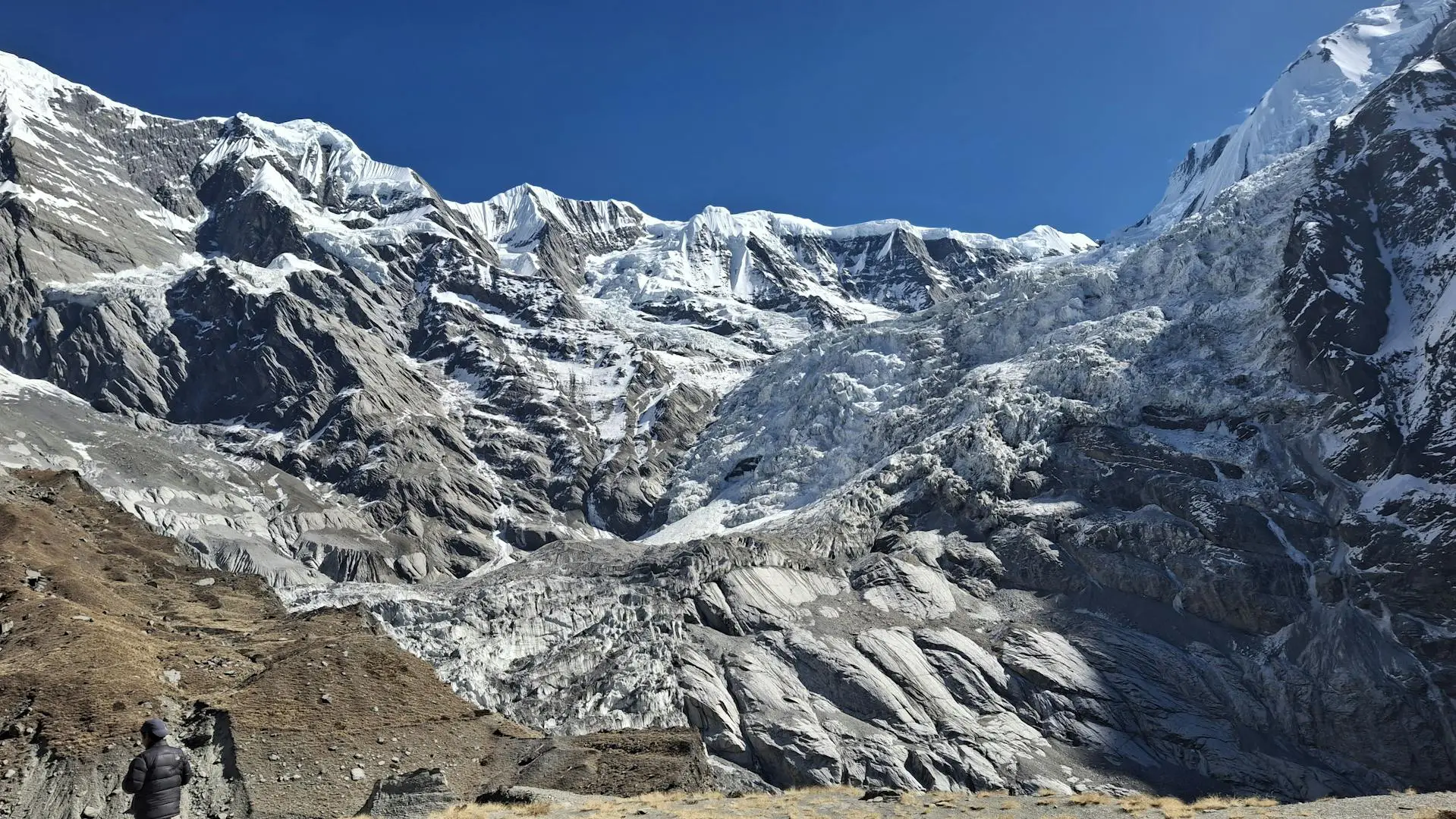
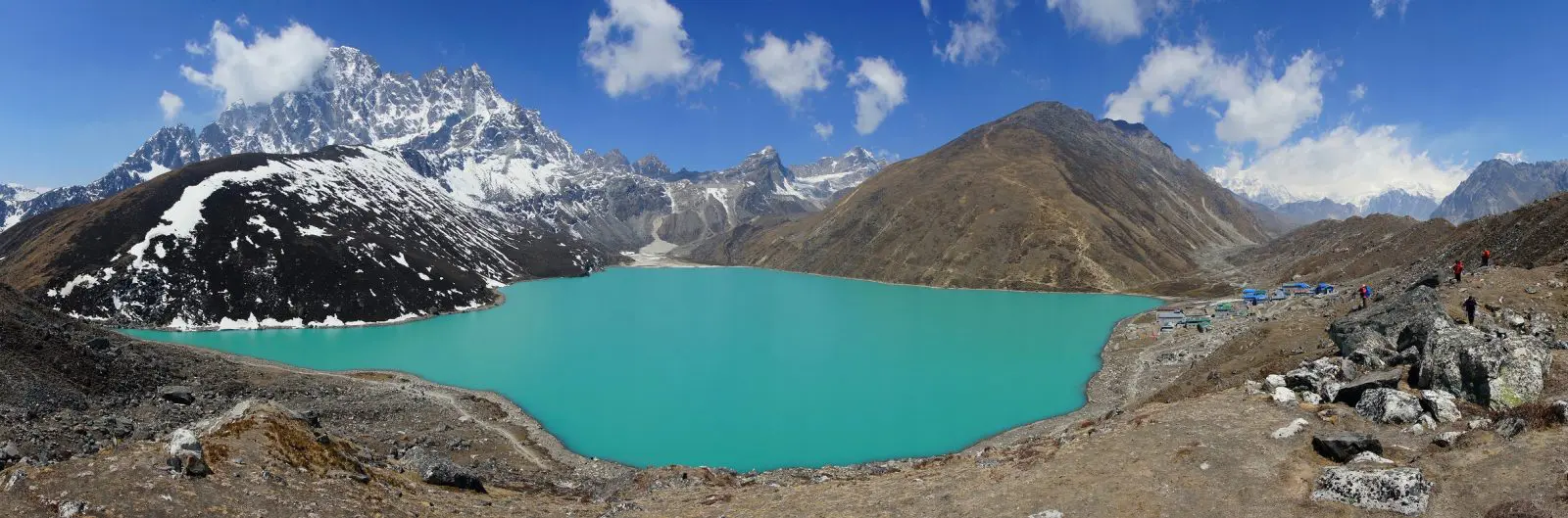
Trekkers traverse the massive Ngozumpa Glacier, the longest glacier in Nepal. The route leads to the serene Gokyo Lakes, a series of turquoise alpine lakes revered as sacred by both Buddhists and Hindus.
Ascending Gokyo Ri | The Ultimate Reward
The highlight of the Gokyo Ri Trek in Nepal is the ascent of Gokyo Ri itself. The climb is steep but manageable, and the summit offers one of the finest panoramic views in the Himalayas.
From Gokyo Ri, trekkers witness Mount Everest, Cho Oyu, Lhotse, Makalu, and the entire chain of Gokyo Lakes below. The scale of the surrounding glaciers and peaks creates a sense of awe that defines the entire journey.
This viewpoint alone makes the Gokyo Ri Trek one of the most visually rewarding treks in the world.
Return Journey to Namche and Lukla
After descending from Gokyo Ri, the trek gradually makes its way back toward Namche Bazaar and eventually Lukla. The return journey allows trekkers to reflect on the experience while enjoying familiar landscapes from a new perspective.
The trek concludes with a flight back to Kathmandu, marking the end of an extraordinary Himalayan adventure.
Best Time for Gokyo Ri Trekking
The best seasons for the Gokyo Ri Trek are spring (March to May) and autumn (September to November). These months offer stable weather, clear mountain views, and comfortable trekking conditions.
Gokyo Ri Trek Summary
The Gokyo Ri Trekking experience is a perfect blend of adventure, natural beauty, cultural depth, and personal achievement. From sacred monasteries and Sherpa villages to glaciers, lakes, and panoramic Himalayan viewpoints, every day of the trek delivers something extraordinary.
For trekkers seeking a truly immersive high-altitude journey, the Gokyo Ri Trek in Nepal stands as one of the finest trekking experiences the Himalayas have to offer.
 Review us on Google
 Review us on TripAdvisor