
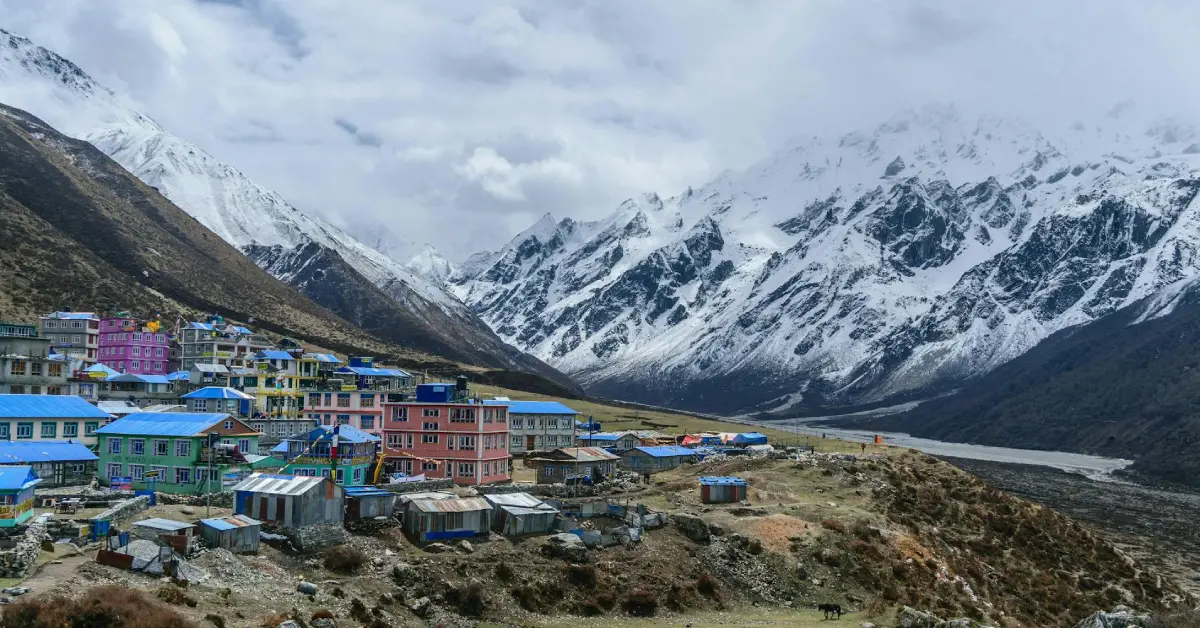
Langtang Gosaikunda Trekking

Langtang Gosaikunda Trekking

Activity
Trekking
Trip Grade
Adventurous

Overview

The Langtang Gosaikunda Trekking stands as one of Nepal’s most captivating and spiritually enriching adventures, combining breathtaking Himalayan landscapes with profound cultural experiences. This remarkable journey takes you through pristine valleys, traditional Tamang villages, and culminates at the sacred Gosaikunda Lake, offering trekkers an unforgettable blend of natural beauty and spiritual significance.

Understanding Langtang Gosaikunda Trekking

The Nepal Gosaikunda trek represents a perfect fusion of adventure and spirituality. Located north of Kathmandu, this trek winds through the spectacular Langtang National Park before ascending to the holy Gosaikunda Lake, a pilgrimage site revered by both Hindus and Buddhists. Moreover, pioneered by the legendary mountaineer Bill Tilman in the early 1950s, this route has become one of Nepal’s most anticipated trekking destinations.

Furthermore, the Langtang Valley and Gosaikunda trek showcases incredible diversity, from subtropical forests teeming with rare wildlife, including the elusive red panda, to high-altitude alpine meadows surrounded by towering snow-capped peaks. Consequently, trekkers experience not only breathtaking scenery but also gain valuable insights into ancient Tibetan Buddhist traditions preserved by the Tamang communities.

Why Choose This Trek?

The Langtang Gosaikunda trek from Kathmandu offers several compelling advantages:

  • Accessibility: Only a 7-8-hour drive from Kathmandu to the trailhead
  • Cultural Immersion: Experience authentic Tamang culture and Buddhist traditions
  • Diverse Landscapes: Trek through varied terrain from lush forests to high passes
  • Sacred Sites: Visit the holy Gosaikunda Lake complex
  • Wildlife Opportunities: Spot rare Himalayan species in Langtang National Park
  • Less Crowded: More peaceful than the Everest and Annapurna regions

Langtang Gosaikunda Trek Duration and Timing

The Langtang Gosaikunda trek duration typically spans 14-16 days, including travel time from Kathmandu. However, several factors influence the total duration:

FactorImpact on Duration
Fitness LevelMore fit trekkers may complete faster
AcclimatizationAdditional rest days may be needed
Weather ConditionsOptional viewpoint hikes extend the duration
Side TripsOptional viewpoint hikes extend duration

Moreover, flexibility in scheduling proves essential, as mountain weather can be unpredictable, particularly when crossing high passes.

Best Time for Langtang Gosaikunda Trek

Choosing the best time for the Langtang Gosaikunda trek significantly impacts your experience:

Spring Season (March-May)

Spring offers spectacular rhododendron blooms and stable weather. Additionally, clear skies provide excellent mountain visibility, making it ideal for photography. Furthermore, moderate temperatures ensure comfortable trekking conditions throughout the Langtang Gosaikunda tea house trek.

Autumn Season (September-November)

Autumn presents crystal-clear skies and the most stable weather conditions. Moreover, the post-monsoon clarity delivers unparalleled mountain views. Consequently, this represents the peak trekking season, though trails become busier.

Winter and Monsoon Considerations

Winter (December-February) offers solitude but extremely cold temperatures, particularly at higher altitudes. The monsoon season (June-August) brings heavy rain and obscured views, though the Janai Purnima festival in August attracts thousands of pilgrims to Gosaikunda, creating a unique cultural experience.

Understanding Langtang Gosaikunda Altitude and Acclimatization

The Langtang Gosaikunda altitude profile requires careful attention to prevent altitude sickness:

LocationAltitudeAcclimatization Notes
Syabrubesi1,550mStarting point
Langtang Village3,430mMonitor for symptoms
Kyanjin Gompa3,870mAcclimatization day essential
Gosaikunda Lake4,381mHigh altitude zone
Laurebina Pass4,610mHighest point

Essential Acclimatization Tips:

  • Ascend gradually and take scheduled rest days
  • Stay hydrated with 3-4 liters daily
  • Recognize early symptoms of altitude sickness
  • Don’t rush the acclimatization day at Kyanjin Gompa
  • Descend immediately if severe symptoms develop

Furthermore, carrying altitude medication like Diamox provides additional safety, though consultation with healthcare professionals beforehand remains crucial.

Langtang Gosaikunda Trekking Permits | What You Need

Obtaining proper Langtang Gosaikunda trekking permits ensures legal compliance and supports conservation:

Required Permits

Langtang National Park Entry Permit:

  • Foreign nationals: NPR 3,000
  • Available in Kathmandu or Dhunche

TIMS Card (Trekkers’ Information Management System):

  • Independent trekkers: NPR 2,000
  • Group trekkers: NPR 1,000

Additionally, these permits fund vital conservation efforts protecting the park’s diverse ecosystems and rare wildlife. Moreover, always carry permits throughout the trek, as checkpoints require verification at multiple locations.

Assessing Langtang Gosaikunda Trek Difficulty

The Langtang Gosaikunda trek difficulty rates as moderate to moderately difficult due to several factors:

Physical Challenges:

  • Daily walking: 5-8 hours
  • Significant elevation gain, especially to Gosaikunda
  • Total distance: approximately 110-120 kilometers
  • Mixed terrain, including rocky paths and potential snow

Technical Considerations:

  • Laurebina Pass crossing (potentially snow-covered)
  • Steep ascents between Sing Gompa and Gosaikunda
  • High-altitude challenges with reduced oxygen
  • Weather variations requiring adaptability

Preparation Recommendations: Starting a fitness regimen 2-3 months before departure significantly enhances your experience. Furthermore, focus on cardiovascular endurance, leg strength, and hill walking with a loaded backpack. Consequently, proper preparation transforms challenging sections into achievable accomplishments.

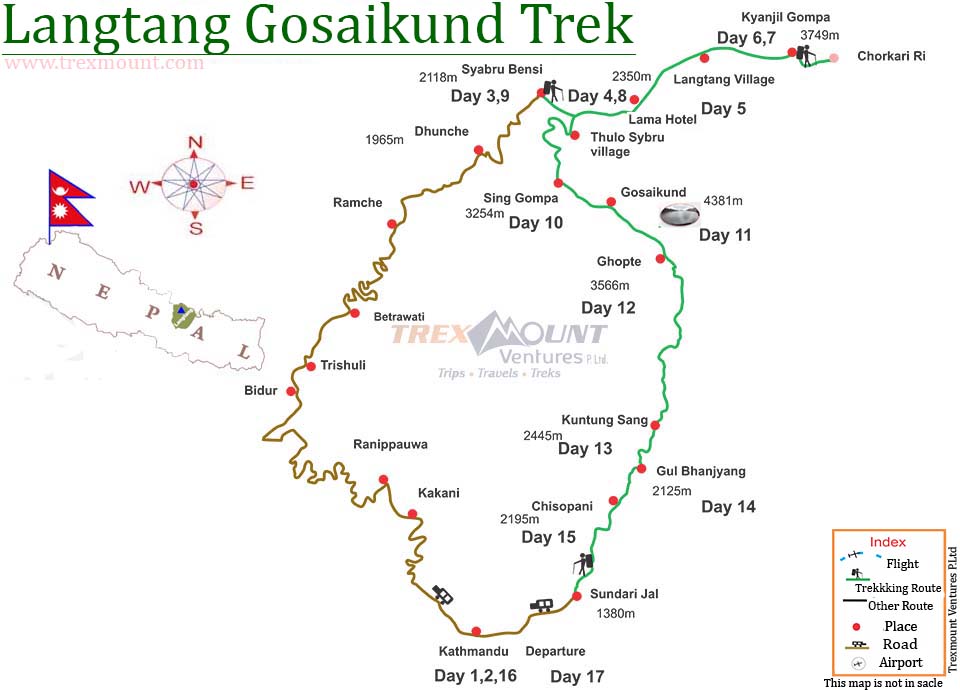
Navigating the Langtang Gosaikunda Trek Map

A detailed Langtang Gosaikunda trek map proves invaluable for understanding the route. Moreover, modern trekkers benefit from both traditional paper maps and digital GPS applications. Additionally, maps should show elevation profiles, village locations, water sources, and emergency evacuation routes.

Recommended Mapping Resources:

  • NP104 Helambu & Langtang by Nepa Maps
  • Maps.me offline mobile application
  • Gaia GPS with topographical data
  • Himalayan Map House publications

Furthermore, while professional guides typically handle navigation, familiarizing yourself with the route enhances appreciation and provides backup navigation capability.

The Sacred Gosaikunda Lake Trekking Experience

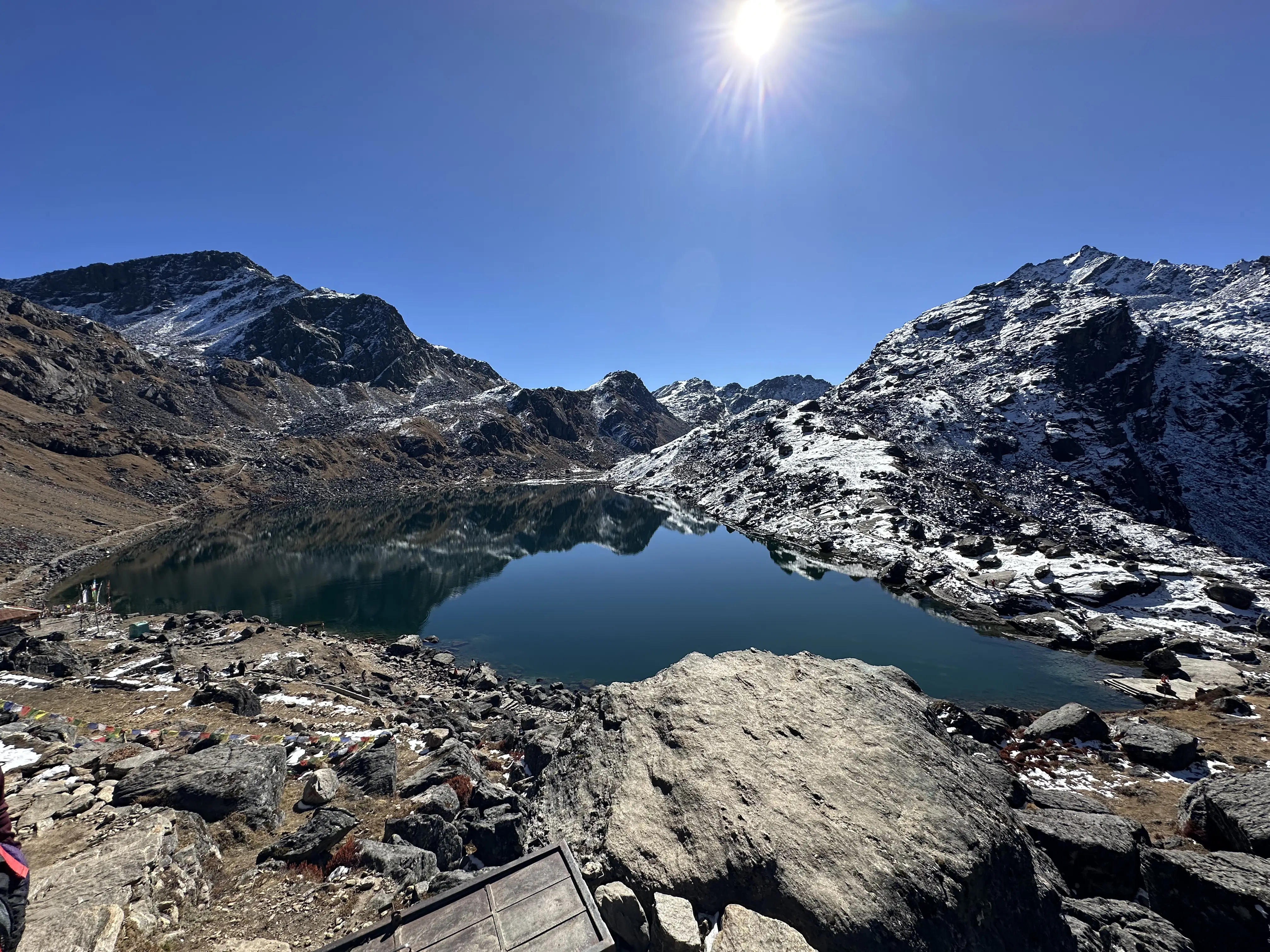
The sacred Gosaikunda Lake trekking component represents the spiritual heart of this journey. According to Hindu mythology, Lord Shiva created Gosaikunda by thrusting his trident into the mountain. Consequently, the lake holds immense religious significance, and pilgrims believe bathing in its waters during Janai Purnima washes away accumulated sins.

Moreover, the lake complex comprises several sacred water bodies:

  • Gosaikunda: The largest and most sacred
  • Bhairabkunda: Named after Lord Bhairab
  • Saraswatikunda: Associated with the goddess of knowledge
  • Nagkunda: Dedicated to serpent deities

Additionally, Buddhist traditions revere this site, associating it with Guru Rinpoche’s meditation practices, creating a fascinating example of religious harmony.

Langtang Gosaikunda Tea House Trek Experience

The Langtang Gosaikunda tea house trek offers authentic cultural immersion while supporting local communities. Furthermore, family-run lodges provide basic but comfortable accommodation, allowing trekkers to travel light and interact meaningfully with local people.

gosaikunda lake trek

Tea House Facilities:

  • Lower elevations: More developed with varied menus
  • Middle elevations: Basic comfort with communal dining
  • Higher elevations: Very basic, sometimes dormitory-style

Typical Menu Options:

  • Dal Bhat (rice, lentils, curry) with unlimited refills
  • Momo (Nepali dumplings)
  • Noodle soups and fried rice
  • Tibetan bread and pancakes
  • Hot milk tea (chiya) and coffee

Moreover, ordering Dal Bhat provides excellent nutrition for trekking while directly supporting local families, as it’s prepared from locally-sourced ingredients.

Essential Packing and Preparation

Proper equipment enhances comfort throughout the Langtang Valley and Gosaikunda trek:

Critical Gear:

  • Well-broken-in waterproof trekking boots
  • Layered clothing system (base, mid, outer layers)
  • Sleeping bag rated to -10°C or -15°C
  • Trekking poles for knee protection
  • Quality sunglasses and sunscreen (SPF 50+)
  • Headlamp with extra batteries
  • Water purification system

Personal Items:

  • First aid kit including altitude medication
  • Personal toiletries and hygiene products
  • Camera with extra batteries
  • Portable power bank
  • Cash in small denominations

Furthermore, packing light while ensuring adequate warmth proves essential, as porter weight limits typically cap at 15kg per person.

Your Langtang Gosaikunda Adventure Awaits

The Langtang Gosaikunda Trekking offers far more than spectacular mountain scenery, it provides profound cultural immersion, spiritual enrichment, and personal challenge. Moreover, from sunrise over glacier-clad peaks to the warm hospitality of Tamang families, every moment creates lasting memories.

Whether drawn by religious pilgrimage, photographic opportunities, or love of mountains, this Gosaikunda Lake trek delivers an authentic Himalayan experience. Furthermore, with proper preparation, appropriate permits, and respect for altitude, trekkers of varying abilities can complete this remarkable journey.

The mountains are calling, will you answer? Your Nepal Gosaikunda trek adventure promises transformation, beauty, and memories that endure long after you’ve returned to the lowlands.
Itinerary

Day 01

Arrival in Kathmandu and transfer to hotel.

Upon landing at Tribhuvan International Airport, our representative warmly welcomes you and facilitates your transfer to a comfortable hotel in Thamel, Kathmandu’s vibrant tourist district. After settling in and refreshing yourself, our experienced trek leader conducts a comprehensive pre-departure briefing either at your hotel or our office. This essential meeting covers the complete Langtang Gosaikunda trekking route, safety protocols, altitude management, what to expect each day, and answers all your questions. You’ll also submit necessary documents including passport copies, two passport-size photographs, and travel insurance for permit processing.

Meals: None | Accommodation: Hotel in Kathmandu

Day 02

Kathmandu: Free day for Trek preparation.

After breakfast, enjoy a full rest day for final trek preparations and optional cultural exploration. Visit Thamel’s outdoor equipment shops for any last-minute gear rentals or purchases. Optionally, explore Kathmandu Valley’s UNESCO World Heritage Sites including Pashupatinath Temple (Nepal’s holiest Hindu shrine), the magnificent Boudhanath Stupa (one of Asia’s largest Buddhist stupas), Swayambhunath “Monkey Temple” with panoramic valley views, and ancient Durbar Squares in Kathmandu, Patan, or Bhaktapur showcasing exquisite Newari architecture. Visit traditional museums, monasteries, and historical palaces. This acclimatization day helps your body adjust before mountain trekking begins.

Meals: Breakfast | Accommodation: Hotel in Kathmandu

Day 03

Drive to Syabrubesi (1,460 m-4,790 ft) – 07 hours.

Early morning departure after breakfast for a scenic drive by private jeep through winding mountain roads toward Syabrubesi. The journey follows the Trishuli River through terraced farmlands, rural towns, and traditional villages. After approximately 4 hours, reach Dhunche (1,965m), Rasuwa district headquarters and Langtang National Park entrance where permits are verified. The landscape transforms from subtropical to temperate zones with increasing mountain views. Continue driving through pine forests, descending slightly to reach Syabrubesi, a small trading village at the confluence of Bhote Koshi and Langtang Khola rivers—the gateway to Langtang Valley. Spend evening exploring and preparing for tomorrow’s trek.

Trek Duration: 7-8 hours drive | Meals: Breakfast, Lunch, Dinner | Accommodation: Tea house

Day 04

Trek to Lama Hotel (2,430 m-7,972 ft)- 06 hours.

The Langtang Gosaikunda trek officially begins today. After breakfast, cross a suspension bridge over the upper Trishuli River and begin ascending gradually through the river valley. The trail follows Langtang Khola upstream through dense subtropical forests rich with rhododendron, oak, pine, and bamboo. After approximately 3 hours, reach Bamboo village (1,960m) for lunch. Continue through cool forest shade, entering a dramatic river gorge where the trail narrows. This Langtang National Park section offers excellent wildlife spotting opportunities including langur monkeys, various bird species, and possibly the elusive red panda. Arrive at Lama Hotel nestled in pristine forest with the river’s soothing sounds.

Trek Duration: ~6 hours | Distance: ~11 km | Altitude Gain: 970m | Meals: B,L,D | Accommodation: Tea house

Day 05

Trek to Langtang village (3,430 m-11,253 ft) – 06 hours.

Continue ascending through increasingly spectacular mountain scenery following the river valley. Dense forest gradually opens revealing magnificent snow-capped peaks including glimpses of Langtang Lirung (7,234m). Pass through Ghoretabela (2,970m), meaning “Horse Stable”—historically a breeding area for sturdy Tibetan ponies. After lunch enjoying mountain panoramas, continue through yak pastures and traditional stone houses adorned with prayer flags. The landscape becomes more alpine with juniper and rhododendron shrubs. Reach Langtang Village, inhabited by Bhotia and Tamang people for centuries. Tragically devastated by a 2015 earthquake avalanche claiming 300+ lives, the resilient community has rebuilt slightly further along the valley, demonstrating remarkable courage.

Trek Duration: ~6 hours | Distance: ~10 km | Altitude Gain: 1,000m | Meals: B,L,D | Accommodation: Tea house

Day 06

Trek to Kyanjin Gompa (3, 749 m-12,300 ft) – 03 hours.

Today’s short trek allows gradual high-altitude acclimatization. After breakfast, begin gentle uphill walking through expansive yak pastures dotted with traditional stone houses and Buddhist chortens. The valley dramatically opens revealing spectacular 360-degree mountain panoramas including Langtang Lirung (7,234m), Langtang Ri, Dorje Lakpa (6,990m), Tsego Ri, Langshisha Ri, and Naya Kanga (5,846m). Prayer flags flutter while yak herds graze peacefully in alpine meadows. Arrive at Kyanjin Gompa by early afternoon—named after a centuries-old Buddhist monastery representing one of the trek’s spiritual highlights. Afternoon exploration includes visiting the ancient gompa, touring the Swiss-assisted Yak Cheese Factory established 30 years ago, and hiking nearby hills for sunset views.

Trek Duration: ~3-4 hours | Distance: ~6.5 km | Altitude Gain: 440m | Meals: B,L,D | Accommodation: Tea house

Day 07

Kyanjin Gompa, Day Excursion to Tsergo Ri (5,007 m-16,422 ft) – 08 hours.

Today’s challenging acclimatization excursion proves crucial for upcoming high-altitude sections. Begin very early (4-5 AM) with headlamps, trekking in darkness to reach Tsergo Ri (5,007m) for spectacular sunrise. The steep trail climbs 1,140 meters through rocky terrain and alpine slopes. As dawn breaks, witness surrounding peaks gradually illuminated in golden hues. From the summit, enjoy breathtaking 360-degree panoramas including Chimsedang Lekh, Kangjal Himal ridge, Naya Kanga (5,844m), Ganchenpo (6,387m), Dorje Lakpa (6,990m), Pemthang Karpo Ri (6,830m), and magnificent Langtang Lirung (7,245m). Looking northward across Tibet, spot massive Shishapangma (8,046m), the world’s 14th highest peak. This “climb high, sleep low” principle significantly aids acclimatization for Laurebina Pass ahead.

Trek Duration: ~8 hours round trip | Distance: ~12 km | Altitude Gain: 1,137m | Meals: B,L,D | Accommodation: Tea house

Day 08

Trek to Lama Hotel – 06 hrs.

After an extraordinary time in high Langtang Valley, begin the return journey toward Gosaikunda. Following breakfast, retrace steps downward through Kyanjin’s alpine meadows past yak herders. Descent continues through Langtang Village observing ongoing reconstruction efforts and community resilience. Pass through Ghoretabela’s horse pastures before re-entering dense rhododendron and oak forests. Reduced altitude makes breathing progressively easier and walking more comfortable. The familiar rushing Langtang Khola river accompanies you through the forested gorge section. Arrive back at Lama Hotel nestled in forest canopy for well-deserved rest. This significant descent helps your body recover before the upcoming climb toward sacred Gosaikunda Lake.

Trek Duration: ~6-7 hours | Distance: ~14 km | Altitude Loss: 1,440m | Meals: B,L,D | Accommodation: Tea house

Day 09

Lama Hotel to Thulo Syabru Village (2210m7248ft) – 04 hrs.

Depart from main Langtang Valley route, branching toward sacred Gosaikunda. After breakfast, trail initially descends through forest to Paira Lodge and river crossing. Cross a suspension bridge over Langtang Khola before beginning steady ascent through mixed oak, rhododendron, and pine forests. Trail climbs switchbacks up hillsides with occasional clearings offering views back toward Langtang peaks. After approximately 3 hours climbing, reach Thulo Syabru (meaning “Big Syabru”), a traditional Tamang village dramatically situated on hillside terraces. This picturesque village offers stunning panoramic views of Ganesh Himal range, Langtang peaks, and verdant valleys below. Features traditional stone houses, small gompas, and schools where children greet trekkers enthusiastically. Enjoy spectacular sunset painting distant mountains.

Trek Duration: ~4-5 hours | Distance: ~8 km | Altitude Loss/Gain: Net loss 220m | Meals: B,L,D | Accommodation: Tea house

Day 10

Syabru Village to Sing Gompa (3210m/10528ft) – 05 hrs.

Continue ascending toward higher elevations. Trail climbs steadily through beautiful forests passing small schools and Buddhist gompas serving local communities. Trek through dense hemlock, oak, and rhododendron forests—during spring (March-May), hillsides explode in spectacular red, pink, and white rhododendron blooms creating photographer’s paradise. Continue upward through Dursagang (2,660m), a small settlement perfect for midday break. As altitude increases, forest gradually thins becoming increasingly alpine terrain. Reach Sing Gompa (also called Chandanbari), famous for two features: a traditional Buddhist monastery maintained by local monks, and a Swiss-assisted Yak Cheese Factory producing delicious varieties using traditional methods. Visit monastery for late afternoon prayer ceremonies. Sample fresh yak cheese products enjoying peaceful mountain atmosphere.

Trek Duration: ~5-6 hours | Distance: ~9 km | Altitude Gain: 1,120m | Meals: B,L,D | Accommodation: Tea house

Day 11

Sing Gompa to Gosaikunda (4380m14366ft) – 04 hrs.

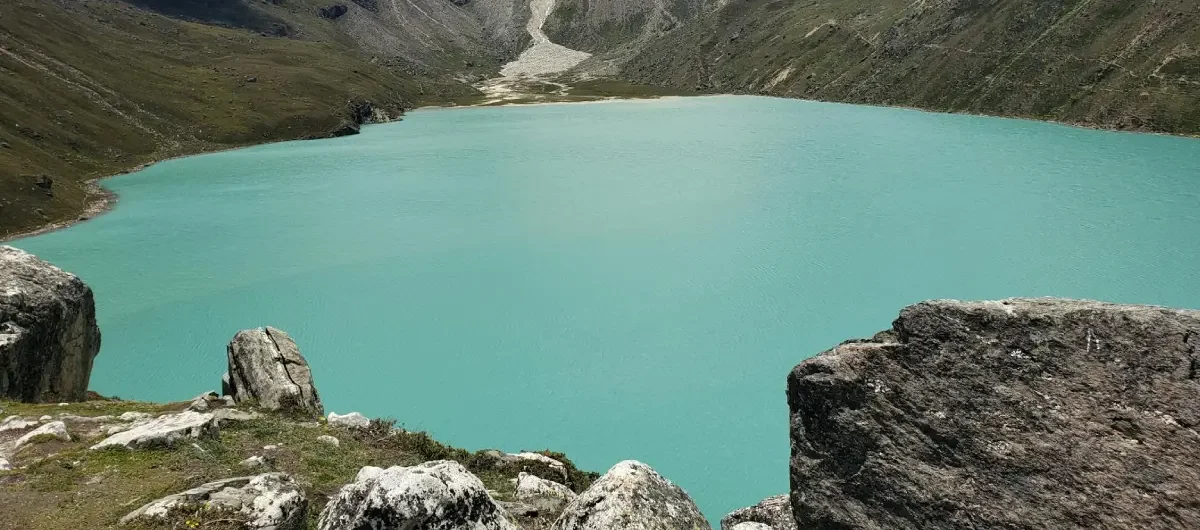
Today presents one of the most challenging yet spiritually rewarding days. After early breakfast, begin steep ascent leaving treeline behind. Trail climbs continuously through alpine shrubland and increasingly barren rocky terrain. After 2-3 hours, reach Laurebina Yak (3,920m), a small herder’s settlement offering spectacular panoramic views of Nepalese and Tibetan Himalayan ranges—ideal rest stop before final steep push. Continuing upward, landscape becomes stark and dramatic with rocky outcrops, sparse vegetation, and thin air. Pass Saraswati Kunda and Bhairav Kunda, smaller sacred lakes with mythological significance. Finally crest ridge beholding magnificent Gosaikunda Lake (4,380m)—crystalline turquoise waters surrounded by snow-capped peaks. According to Hindu mythology, Lord Shiva created this lake. Explore lake complex including stone shrines and colorful prayer flags.

Trek Duration: ~6-7 hours | Distance: ~10 km | Altitude Gain: 1,050m | Meals: B,L,D | Accommodation: Tea house

Day 12

Gosaikund to Gopte (3440m/11283f) – 06 hrs.

Today presents the trek’s most technically challenging and highest section. Begin very early (5-6 AM) to cross Laurebina Pass before afternoon weather deterioration. Initial climb from Gosaikunda’s northern shore involves steep rocky sections and potentially snow-covered terrain. Pass three additional small sacred lakes surrounded by stone shrines and prayer flags. After 2-3 hours challenging climbing, reach Laurebina Pass (4,610m/15,121ft)—the trek’s absolute highest point marked with numerous prayer flags strung between rocky cairns. The pass offers breathtaking panoramic views spanning Langtang ranges to Ganesh Himal, Manaslu, and Annapurna glimpses. Trail drops steeply to Phedi (3,740m), requiring careful footing on loose rocky terrain. Continue with undulating trail through increasingly vegetated terrain entering Helambu region. Arrive at Ghopte village tired but accomplished.

Trek Duration: ~7-8 hours | Distance: ~12 km | Altitude Gain: 230m, Loss: 1,170m | Meals: B,L,D | Accommodation: Tea house

Day 13

Ghopte to Kutung sang(2621m/8596ft) – 06 hrs.

After yesterday’s demanding pass crossing, today offers more moderate terrain through beautiful Helambu region. Following breakfast, trail initially climbs to Tharepati (3,640m), an important junction where trails converge from various directions. Tharepati offers spectacular sunrise views of Dorje Lakpa range—considered one of trek’s hidden gems for mountain photography. From Tharepati, descend through magnificent fir and rhododendron forests alive with bird songs. Trail continues with gentle ups and downs through Magen Goth, passing yak herders’ seasonal camps. Landscape gradually transforms from alpine to temperate zones with increasingly lush vegetation. Terraced agricultural fields begin appearing indicating proximity to permanent settlements. Observe beautiful Dorje Lakpa mountain range throughout creating stunning backdrop. Arrive at Kutumsang (2,470m), comfortable ridge-top village.

Trek Duration: ~6-7 hours | Distance: ~13 km | Altitude Loss: 970m | Meals: B,L,D | Accommodation: Tea house

Day 14

Kutung sang to Chisopani (2194m/7196ft) – 06 hrs.

Continue through scenic Helambu region passing numerous traditional villages showcasing diverse ethnic communities. After breakfast, descend to charming Gul Bhanjyang village, inhabited primarily by Sherpa and Tamang families. Trail then climbs to Thodang Betini before descending again—this section involves continuous ups and downs characteristic of ridge walking. Reach Pati Bhanjyang (1,860m), a fascinating village predominantly inhabited by Brahman and Chhetri communities representing Nepal’s hill Hindu culture—stark cultural contrast from earlier Buddhist villages. Observe different architectural styles, agricultural practices, and social customs. Trail continues through mixed oak and rhododendron forests with occasional terraced fields growing rice, millet, and vegetables. Children from local schools greet trekkers warmly. Arrive at Chisapani perched on scenic ridge offering magnificent Himalayan panoramas.

Trek Duration: ~6-7 hours | Distance: ~14 km | Altitude Loss: 305m | Meals: B,L,D | Accommodation: Tea house

Day 15

Chisopani to Kathmandu via Sundari jal. – 06 hrs.

Final trekking day begins with optional early morning sunrise viewing—Chisapani’s ridge location provides spectacular dawn Himalayan views glowing golden. After breakfast, descend through beautiful oak and rhododendron forests toward civilization. Well-maintained trail passes through Borlang Bhanjyang (2,440m), gradually leaving pristine forest environments. Reach Mulkharka (1,800m) where first panoramic views of sprawling Kathmandu Valley appear—providing perspective on your journey from valley floor to over 4,600 meters altitude. Continue steady descent through increasingly populated areas. Pine forests give way to terraced agricultural fields and traditional settlements. Mountain silence gradually replaces with daily life sounds signaling return to developed world. After 4-5 hours, reach Sundarijal. Meet vehicle for comfortable one-hour drive back to Kathmandu. Enjoy hot shower, celebratory dinner reflecting on incredible adventure.

Trek Duration: ~4-5 hours + ~1 hour drive | Distance: ~10 km | Meals: B,L | Accommodation: Hotel in Kathmandu

Day 16

Departure

Your memorable Langtang Gosaikunda trek concludes today with airport transfer for international departure. Depending on flight schedule, morning may offer time for last-minute souvenir shopping in Thamel’s bustling streets—popular items include Tibetan singing bowls, pashmina shawls, handmade lokta paper products, traditional thangka paintings, and trekking gear. If time permits, visit nearby UNESCO World Heritage Sites missed earlier. Our representative transfers you to Tribhuvan International Airport approximately 3 hours before scheduled international departure. Depart Nepal carrying unforgettable memories of sacred lakes, towering Himalayan peaks, warm local hospitality, spiritual Buddhist monasteries, and personal achievement completing one of Nepal’s most spectacular treks. Many trekkers find themselves already planning return adventures to Nepal’s magnificent mountains.

Meals: Breakfast | Accommodation: None

Clients Review

Everest Base Camp & Muktinath Trail Helen & Mark Dwyer Australia

We had a dream to reach Mt Everest Base Camp since we heard about this. One of my friends recommended Trexmount so we have decided to use them for arranging our trek to Everest Base Camp. The treks were very well organized and the guides were extremely knowledgeable, and friendly and looked after us at all times.

Nothing was too much trouble for them and there was always a smile on their faces. We stayed...

Everest Gokyo Ri Trekking Bridget and Ron New Zealand

Namaste Hari and all at Trexmount Ventures, We have just completed our third visit and a Fantastic trek in Nepal with a four-day trek in the Annapurna area and an 18-day trek to Everest base camp and Gokyo. Noelene joined us for the Everest trek and it was her 9th visit! We can highly recommend Trexmount Ventures as a great company. The guides we had, Ram and Tilak were very well informed and also both able to pace the trek to ensure we all reached our...