
Overview
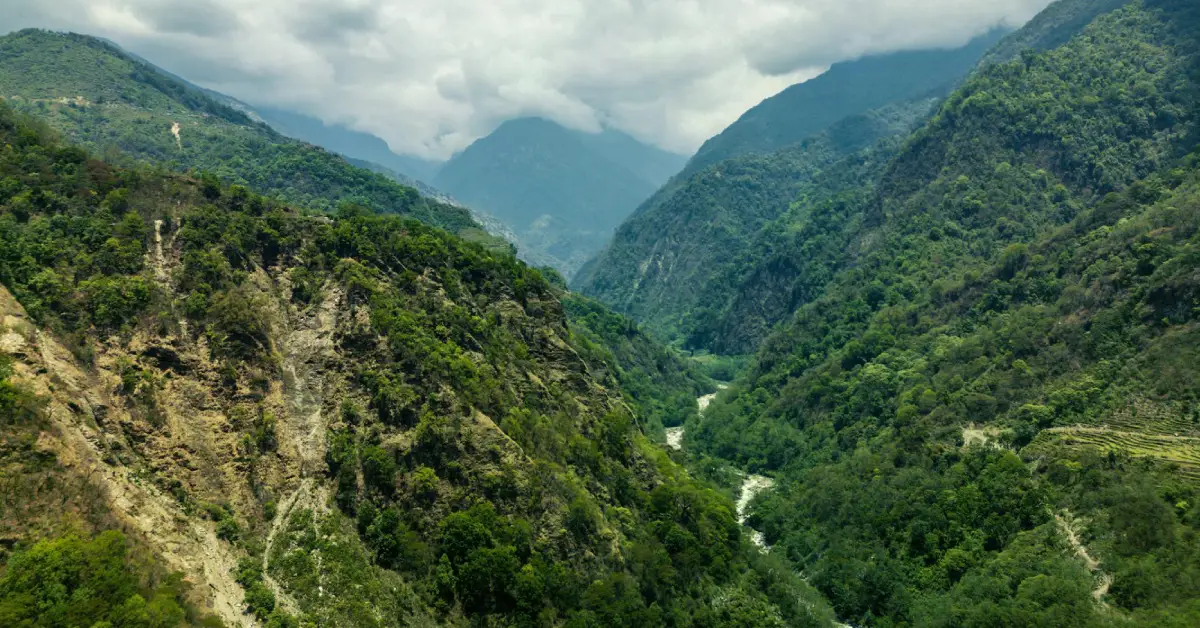
The Arun Valley Nepal trek is one of the most remote and rewarding long-distance treks in the eastern Himalayas. Nestled between Makalu Barun National Park and Sagarmatha National Park, this trail takes you through subtropical forests, deep river gorges, high alpine passes, and traditional Sherpa and Rai villages, all without the crowds that flood popular routes like the Everest Base Camp Trek or the Annapurna Base Camp Trek. If you are looking for a raw, authentic, and deeply immersive trekking experience in Nepal, Arun Valley delivers exactly that.
What Is Arun Valley Famous For?
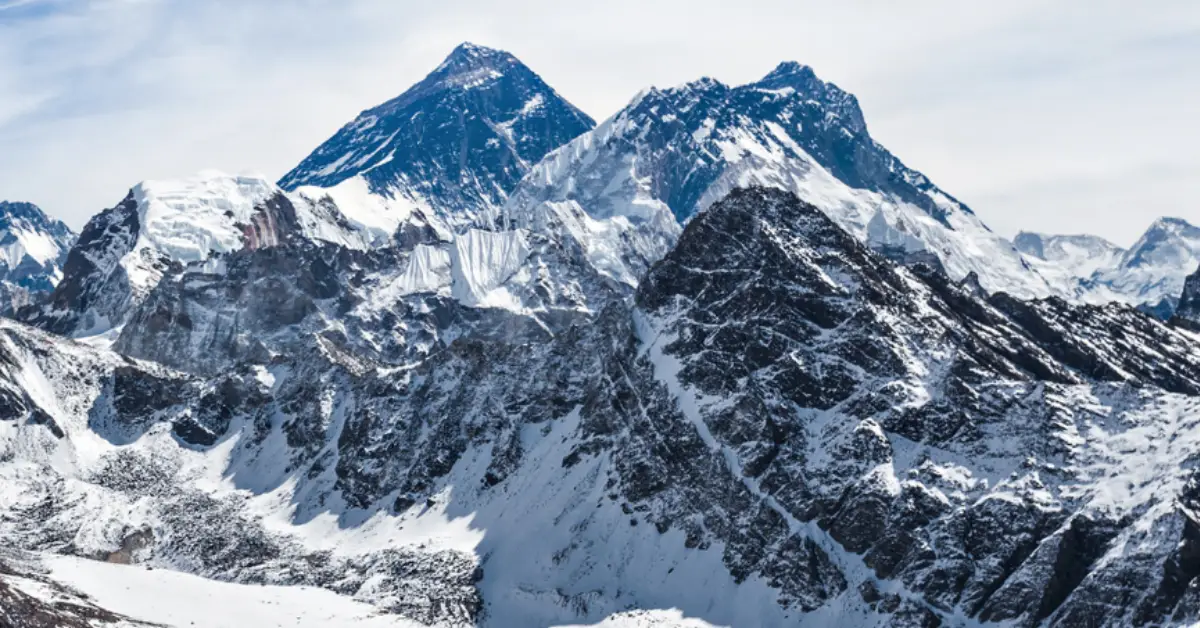
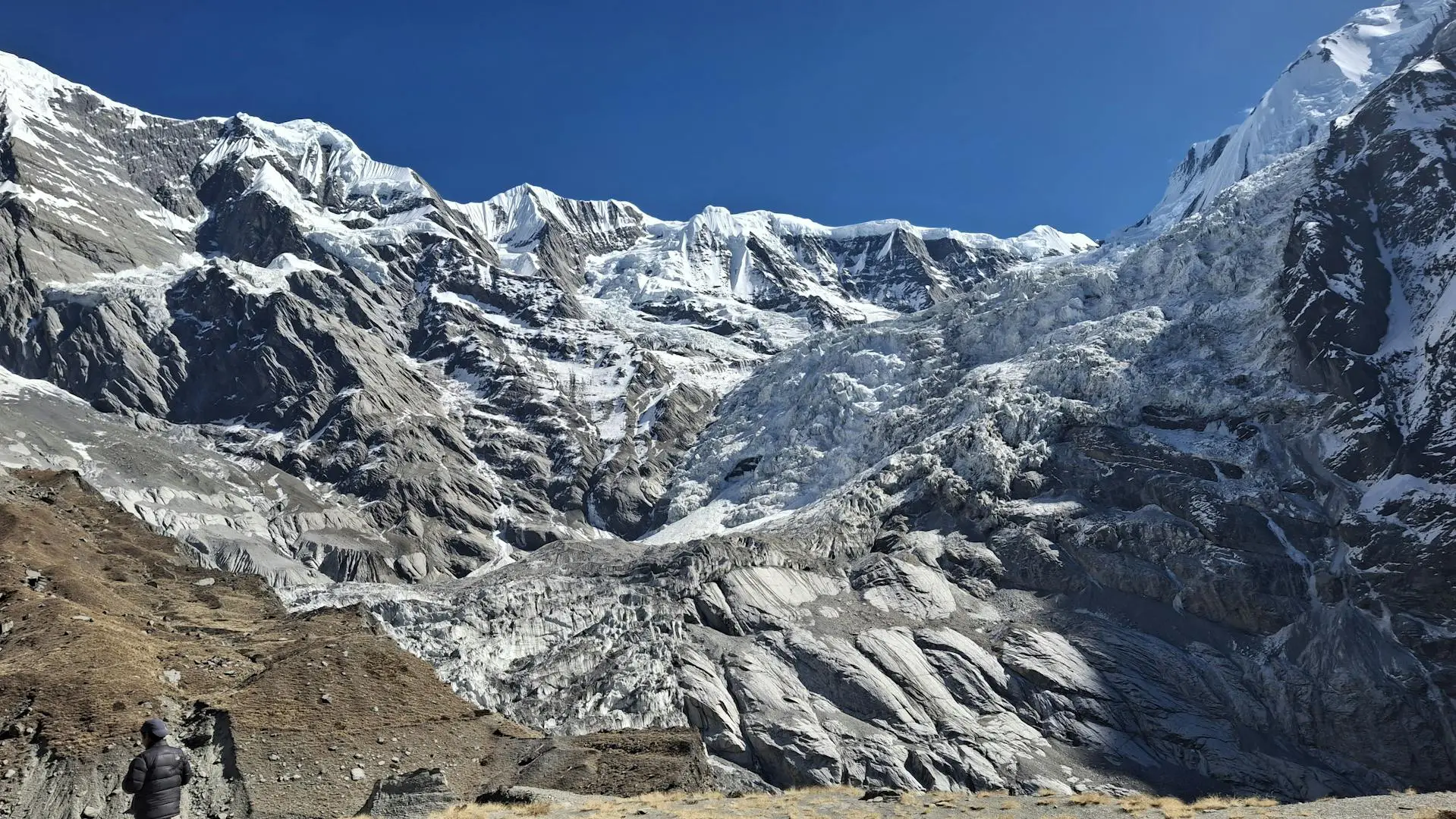
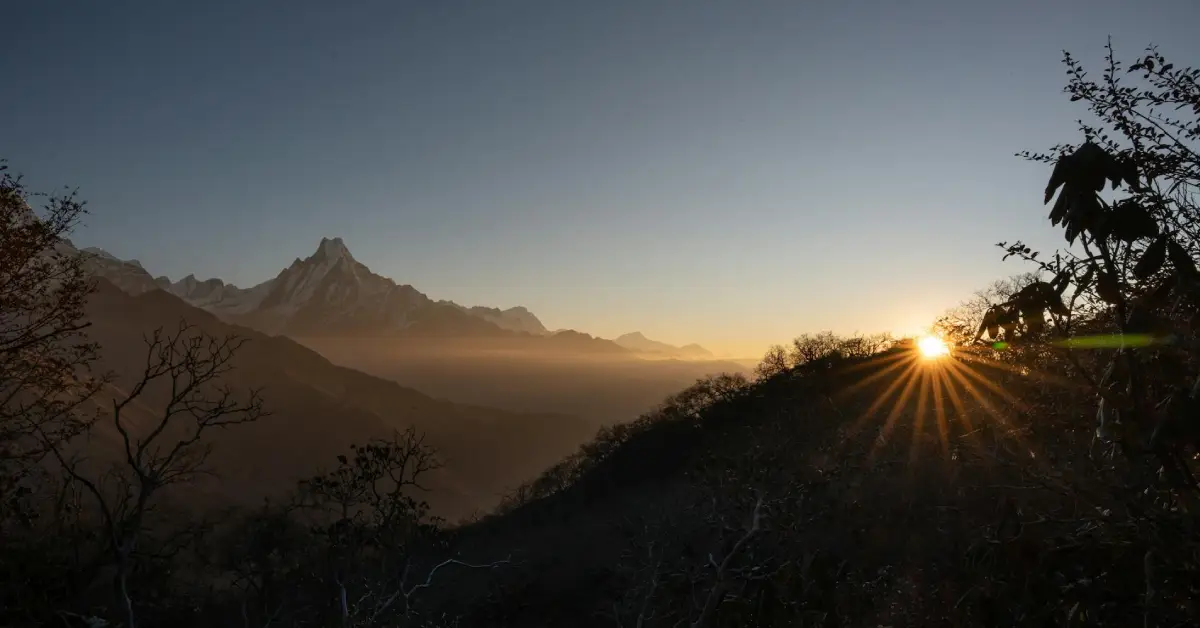
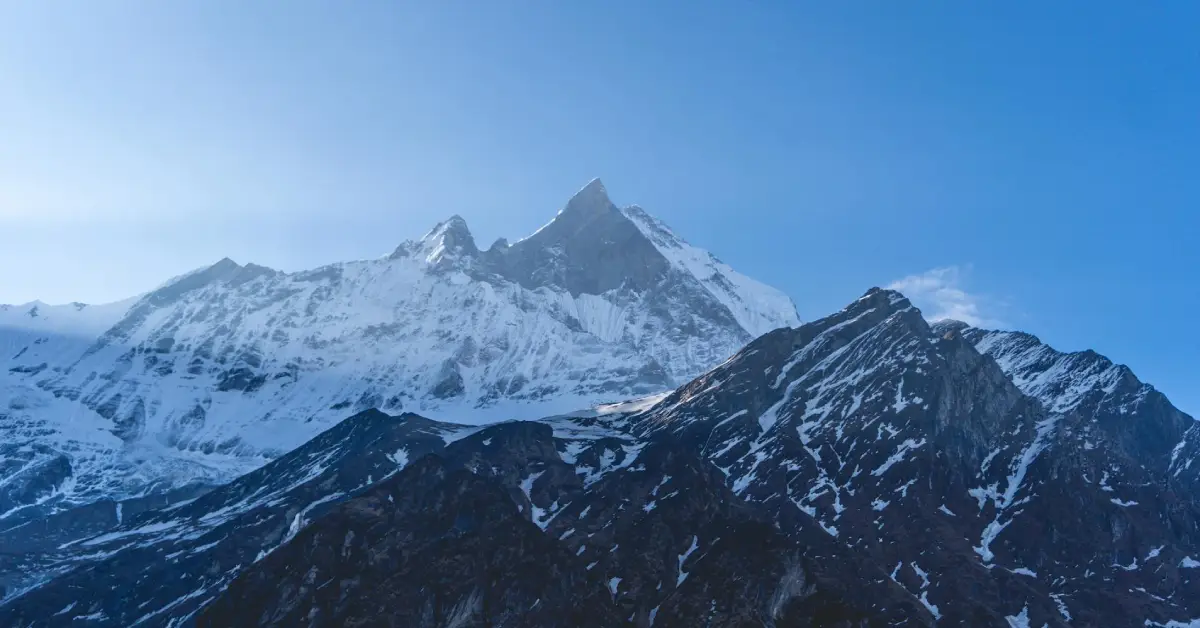
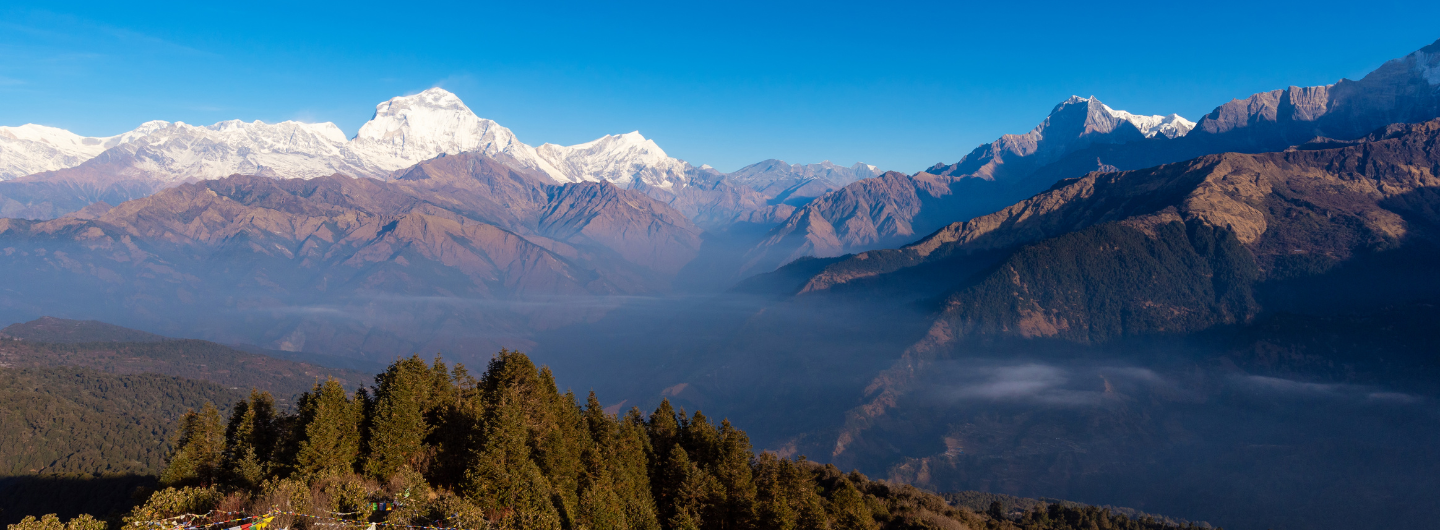
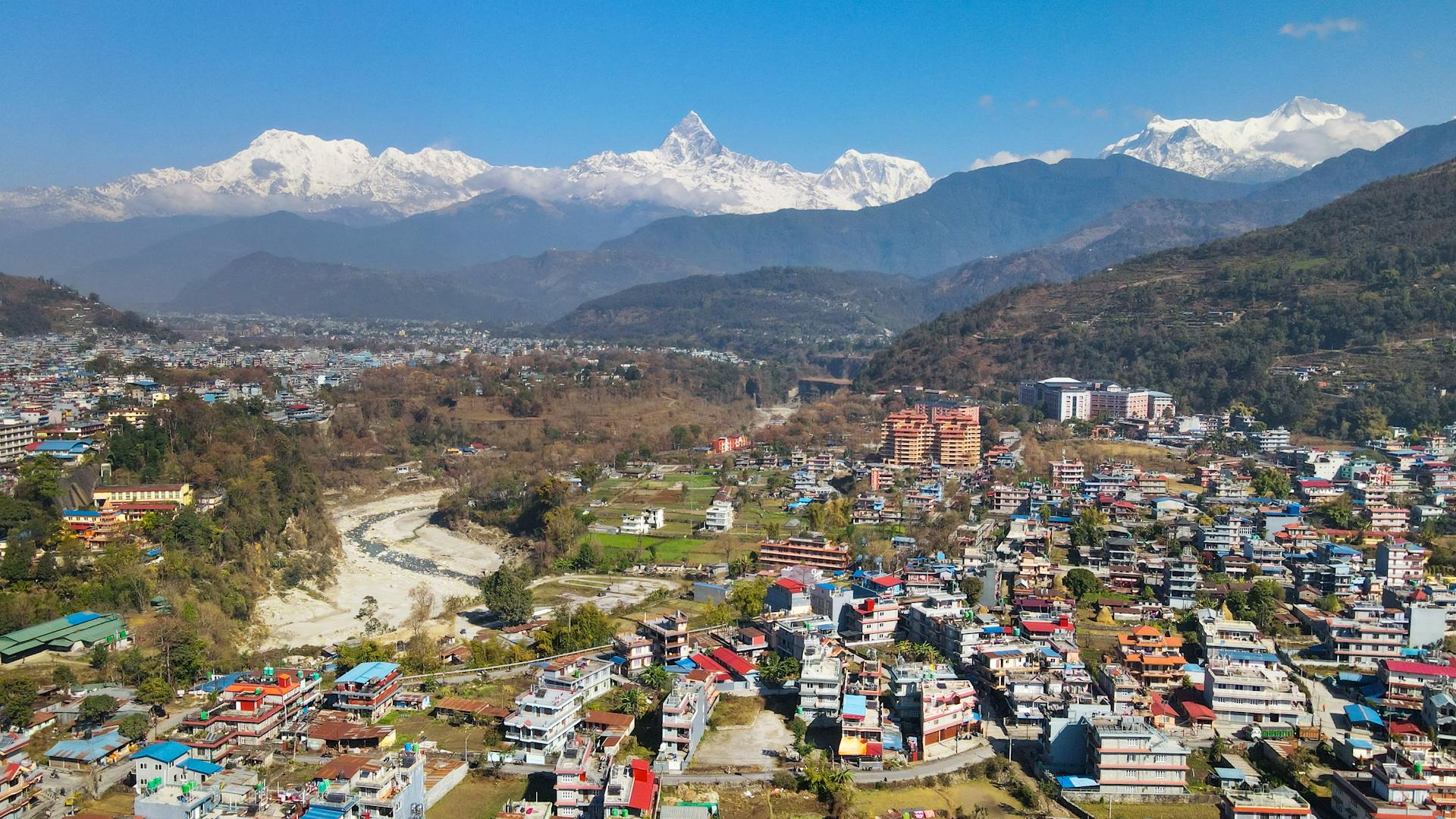
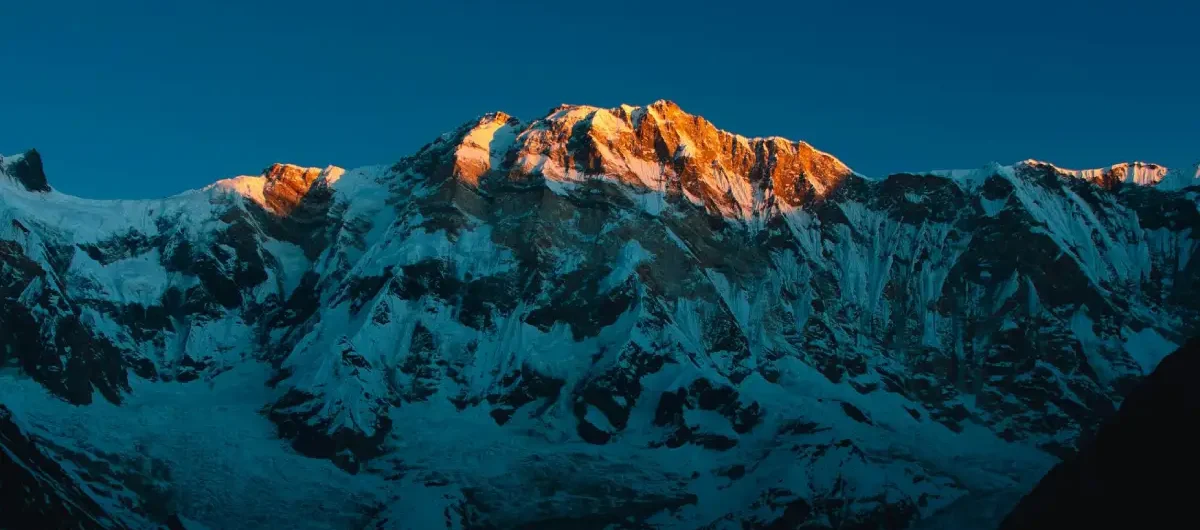
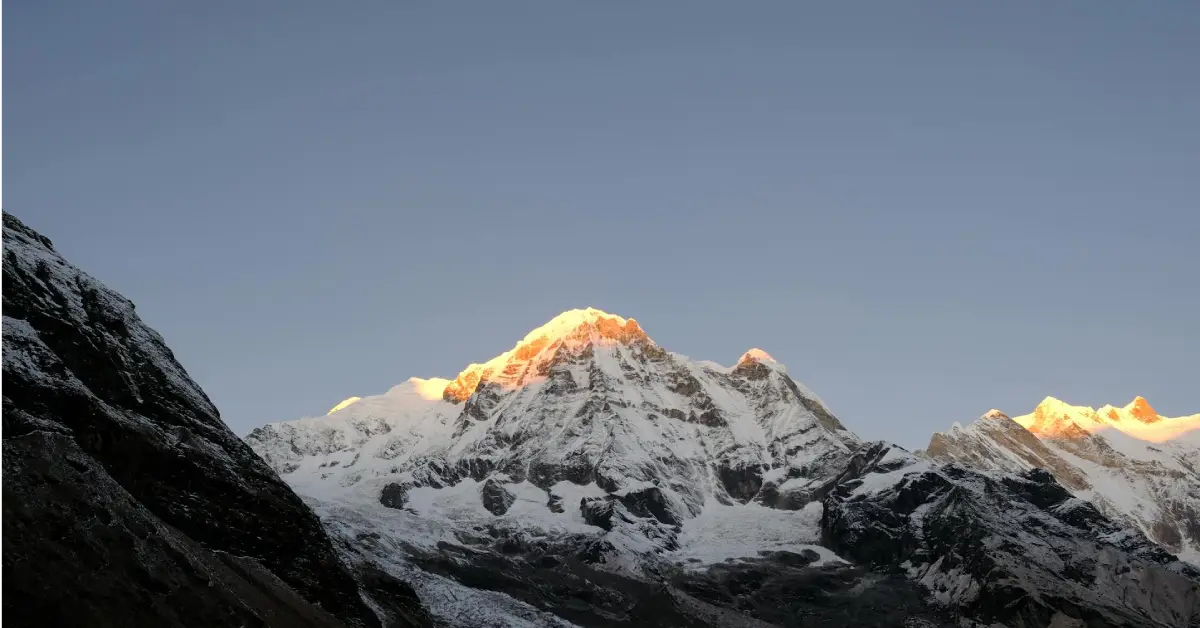
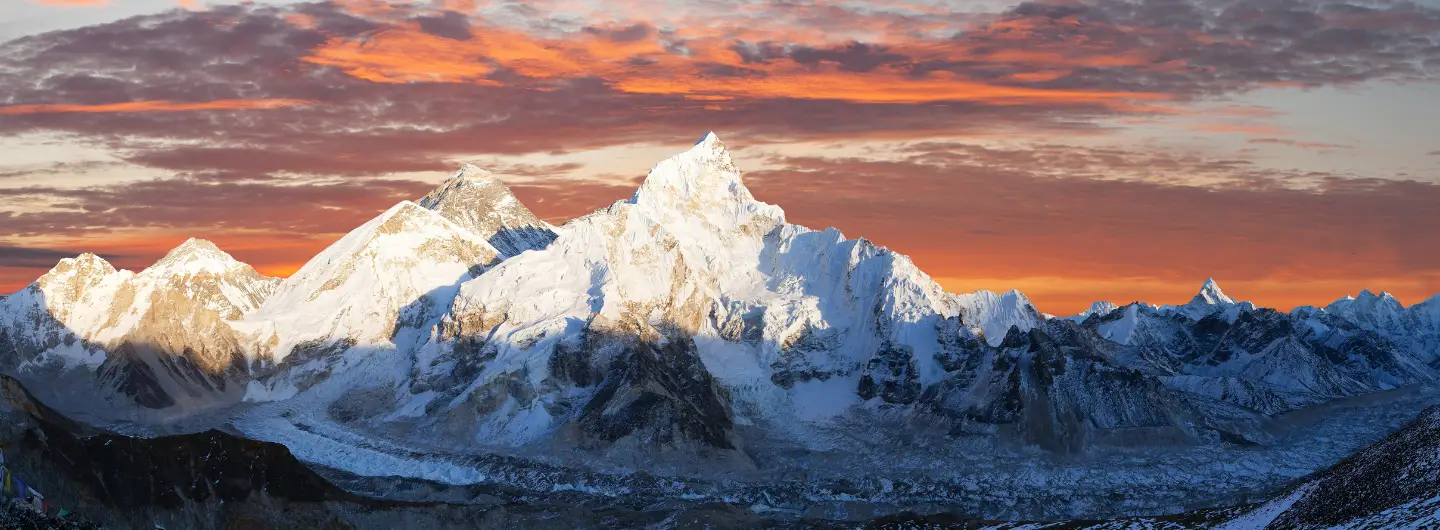
Arun Valley Nepal, is famous for its extraordinary biodiversity, untouched wilderness, deep river gorges, and panoramic views of five of the world’s fourteen 8,000-meter peaks. Unlike the heavily commercialized Everest Base Camp Trek, Arun Valley remains one of the least visited trekking corridors in Nepal, making it a true hidden gem for serious trekkers and nature lovers alike.
The valley is also closely tied to the sacred Rudraksha tree. Arun Valley Nepal Rudraksha beads, harvested from trees growing wild in this region, are considered among the most spiritually potent in the world. Pilgrims and traders have long traveled through these forests to collect them, adding a unique cultural and religious dimension to the trek.
Beyond its natural beauty, Arun Valley of Nepal is home to communities of Sherpa, Rai, Limbu, and Tibetan-influenced peoples whose traditions, farming practices, and festivals remain largely untouched by modern tourism.
| Highlight | Detail |
|---|---|
| Mountain Views | Everest, Makalu, Lhotse, Chamlang, Kanchenjunga |
| Biodiversity | Arun Valley Nepal, Rudraksha (wild-harvested) |
| Cultural Groups | Sherpa, Rai, Limbu, Tibetan communities |
| Sacred Products | Arun Valley Nepal Rudraksha (wild-harvested) |
| Trekking Type | Remote, camping-based, point-to-point |
Where Is the Arun Valley Nepal Location?
Arun Valley Nepal is located in the eastern part of the country, within Sankhuwasabha District of Koshi Province. It stretches southward from the Tibetan plateau, carved out over millions of years by the Arun River. The valley sits geographically between two of Nepal’s most significant protected areas, Makalu Barun National Park to the west and Sagarmatha National Park to the northwest.
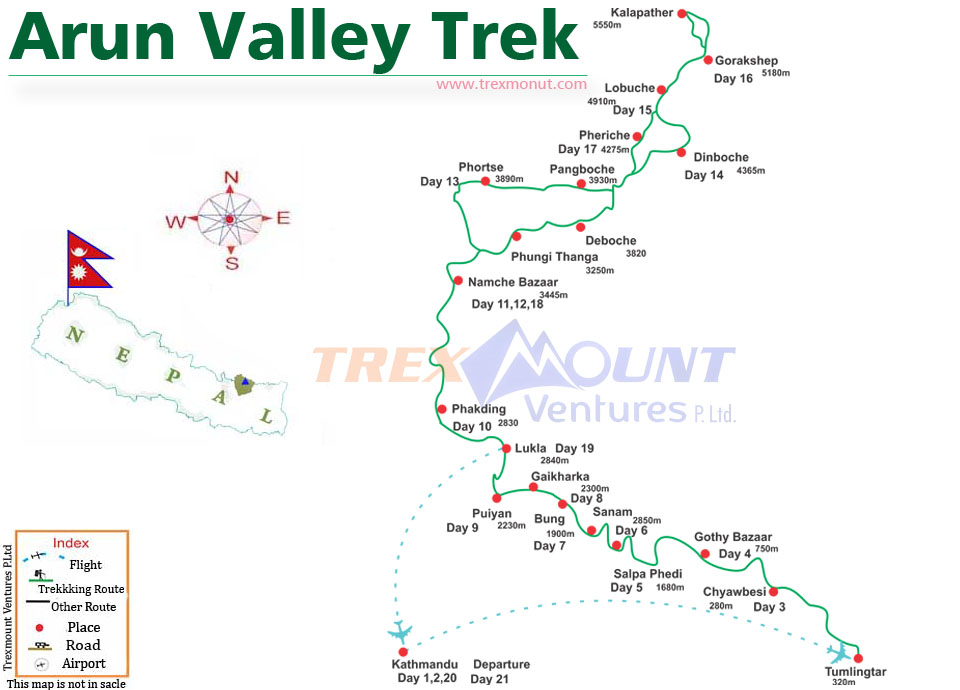
On the Arun Valley Nepal map, the trekking corridor runs roughly from Tumlingtar in the south to Lukla in the northwest, connecting the Makalu region with the Khumbu region of Everest. This placement makes Arun Valley trek Nepal a natural bridge between two legendary trekking destinations.
For reference on any trekking map of Nepal, Arun Valley sits east of the Dudh Koshi River system and north of the Terai lowlands, occupying a dramatic elevation range that shifts from roughly 300 meters near Tumlingtar to over 5,500 meters at Kala Patthar.
| Location Detail | Information |
|---|---|
| District | Sankhuwasabha, Koshi Province |
| Bordering Parks | Makalu Barun NP, Sagarmatha NP |
| Start Point | Tumlingtar (518 m) |
| End Point | Lukla (2,860 m) |
| Elevation Range | 300 m to 5,550 m |
Where Is the River Arun Located?
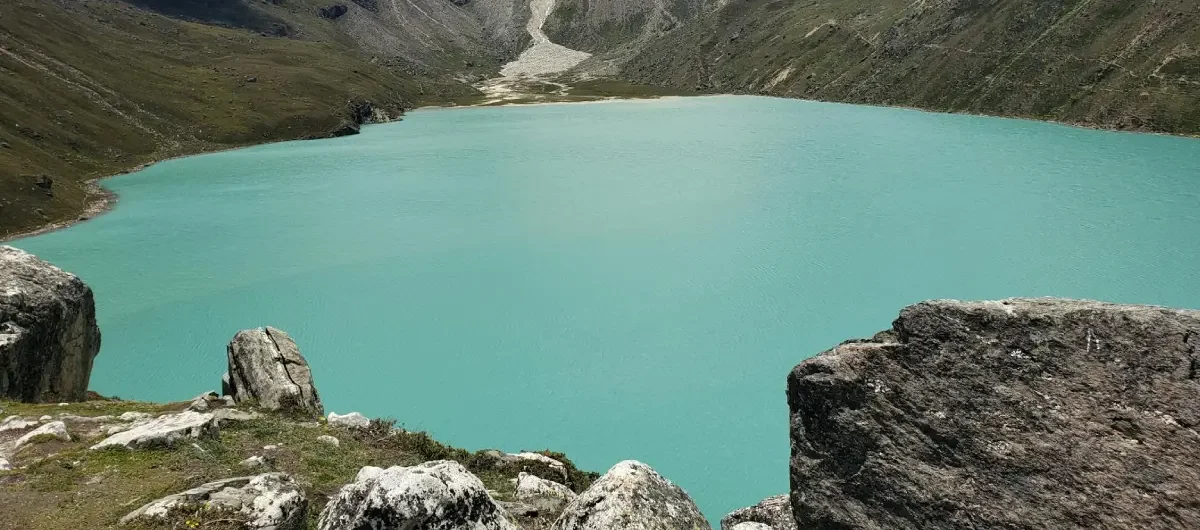
The Arun River originates beyond Nepal’s northern border, rising from the Tibetan Plateau at an elevation of over 5,000 meters. It flows southward through one of the deepest gorges on Earth before joining the Koshi River system in the Terai lowlands of eastern Nepal. According to geographical records and sources referenced on Arun Valley Nepal Wikipedia entries, the river is considered a trans-Himalayan river, one of the few major rivers that predate the formation of the Himalayas themselves.
The Arun River cuts directly through the trekking region, and trekkers cross and follow its tributaries at multiple points during the Arun Valley Nepal Trekking route. The roar of the river in the lower sections and the glacial calm of its upper reaches offer two entirely different atmospheres within the same journey.
| River Detail | Data |
|---|---|
| Origin | Tibetan Plateau (above 5,000 m) |
| Length in Nepal | Approximately 195 km |
| Joins | Saptakoshi (Koshi) River |
| River Type | Trans-Himalayan, antecedent river |
| Significance | One of the world’s deepest river valleys |
Is the Arun Valley in Nepal the Deepest Valley in the World?
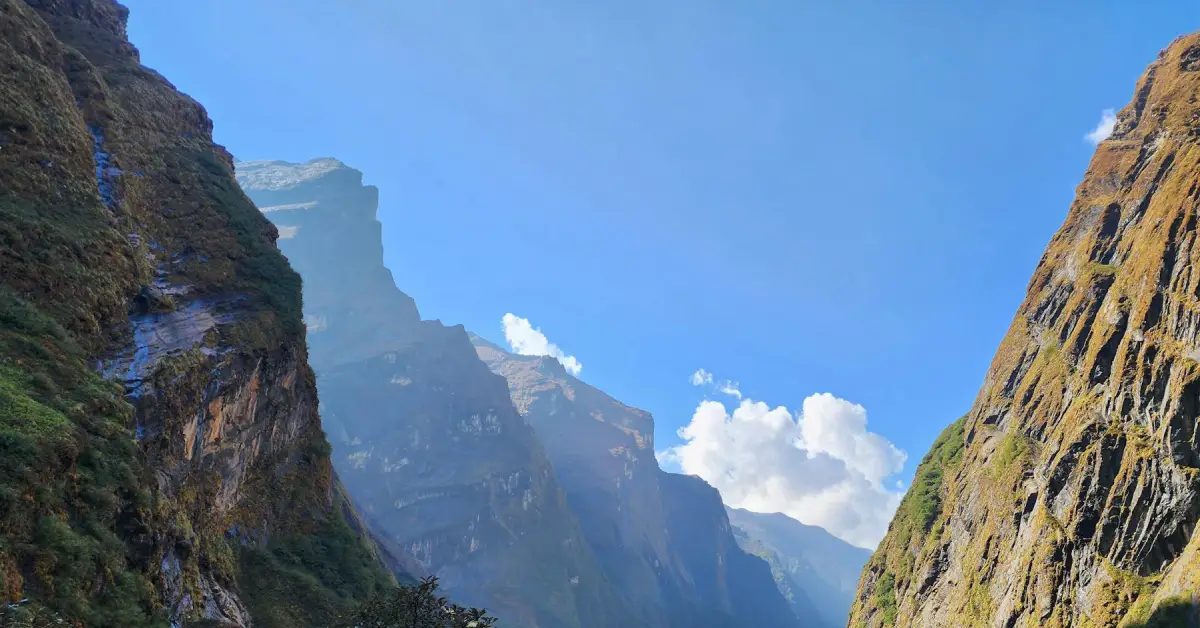
The Arun Valley of Nepal is widely cited as one of the deepest valleys on Earth. While Kali Gandaki Gorge in western Nepal is often quoted as the world’s deepest gorge by vertical relief, the Arun Valley makes a strong competing claim based on the sheer depth of the river’s cut relative to the surrounding peaks. The vertical relief between the Arun riverbed and the summit of nearby Makalu (8,463 m) exceeds 7,000 meters across a horizontal distance of fewer than 50 kilometers.
According to geographical literature referenced in Arun Valley Nepal wiki sources, the combination of tectonic history and river erosion makes Arun Valley geologically unique. The river is older than the mountains it passes through, which is a rare phenomenon found in only a handful of places on the planet.
For trekkers, what this means in practice is staggering landscape contrast, from humid subtropical forests at 300 meters to glaciated alpine terrain above 5,000 meters, all within a single trek.
How to Reach Arun Valley, Nepal?
The most practical and common way to reach Arun Valley Nepal is by taking a domestic flight from Kathmandu to Tumlingtar. Tumlingtar is the main gateway to the Arun Valley trek Nepal and sits at an elevation of approximately 518 meters in Sankhuwasabha District. Flights operate regularly and take around 40 minutes.
Alternatively, a rough overland route exists from Kathmandu via Hile or Khandbari, but road conditions are difficult, and the journey takes 12 to 18 hours depending on the season. Most trekkers working with the best trekking agency in Nepal will be advised to fly, as it saves time and begins the trekking experience far more comfortably.
From Tumlingtar, the actual trek begins immediately, heading north into the Arun Valley.
| Access Option | Route | Approx. Time | Recommended |
|---|---|---|---|
| Domestic Flight | Kathmandu to Tumlingtar | ~40 minutes | Yes |
| Overland Bus + Jeep | Kathmandu to Hile/Khandbari | 12–18 hours | Not ideal |
| Helicopter Charter | Kathmandu to Tumlingtar or Num | ~45 minutes | For emergencies |
Arun Valley Nepal Trekking Difficulty
Arun Valley Nepal Trekking is rated strenuous and is best suited for trekkers who have prior multi-day high-altitude experience. The difficulty comes not from any single day but from the cumulative demands of the route.
- Daily walking hours range from 4 to 8 hours
- Terrain shifts rapidly from jungle trails to rocky alpine paths
- Three high passes exceed 4,100 meters, with the Mera La reaching 5,415 meters
- Tea house infrastructure is limited in the lower Arun sections, requiring camping
Physically, trekkers should be able to walk 10 to 18 kilometers daily with a daypack at varying elevations. Prior experience on trails like the Everest Base Camp Trek or Annapurna Base Camp Trek is helpful but not mandatory if fitness levels are strong and preparation is thorough.
| Difficulty Factor | Rating |
|---|---|
| Overall Grade | Strenuous |
| Daily Walking Time | 4–8 hours |
| Highest Point | 5,550 m (Kala Patthar) |
| Highest Pass | Mera La Pass (5,415 m) |
| Prior Experience Needed | Recommended |
| Infrastructure Level | Basic to remote |
Best Season for Arun Valley Nepal Trekking
The two best windows for trekking in Nepal’s Arun Valley are spring and autumn. Both seasons offer stable weather, clear skies, and manageable trail conditions.
- Spring (March to May): Rhododendron forests bloom in vivid red and pink. Mountain views are clear before the pre-monsoon haze builds in late May. Temperatures are moderate.
- Autumn (September to November): This is the most popular window for trekking in Nepal overall. Post-monsoon skies are exceptionally clear. Views of Everest, Makalu, and the surrounding peaks are at their sharpest.
Winter trekking is possible for experienced trekkers but brings heavy snowfall on the high passes. Monsoon season (June to August) is not recommended due to leeches, slippery trails, and frequent landslides in the lower Arun sections.
| Season | Months | Conditions | Recommended |
|---|---|---|---|
| Spring | March–May | Clear, blooming, warm | Yes |
| Autumn | September–November | Crystal clear, stable | Yes (peak season) |
| Winter | December–February | Cold, snowy passes | Experienced only |
| Monsoon | June–August | Wet, leeches, landslides | No |
Permits Required for Arun Valley Trek Nepal
Like all restricted and protected area treks in Nepal, Arun Valley trek requires a set of official permits. These are non-negotiable and must be arranged before entering the national park boundaries.
- Makalu Barun National Park Permit: Required for entry into the park covering the lower Arun section
- Sagarmatha National Park Permit: Required once the route enters the Khumbu region
- TIMS Card (Trekkers Information Management System): Required for all trekkers in Nepal
Working with a registered and best trekking agency in Nepal, like Trexmount Ventures, ensures all permits are arranged correctly and on time, avoiding complications on the trail.
What to Pack for Trekking in Nepal | Arun Valley Edition
Packing right is critical for a trek this remote. Because Arun Valley Nepal Trekking involves camping sections and limited resupply points, your kit must be self-sufficient without being excessively heavy.
Essential Gear
- Layered clothing system: base layer, fleece mid-layer, waterproof outer shell
- Warm down jacket (provided by Trexmount if needed)
- Sleeping bag rated to -15 degrees Celsius (provided if needed)
- Sturdy trekking boots, broken in before departure
- Trekking poles (provided if needed)
- Headlamp with spare batteries
- Personal first-aid kit and altitude medication (consult your doctor)
- Sun protection: sunscreen SPF 50+, sunglasses, hat
Optional but Useful
- Camera and extra batteries
- Power bank
- Water purification tablets or a filter bottle
- Light camp shoes or sandals
Book Your Arun Valley Nepal Trek with Trexmount Ventures
Trexmount Ventures is a government-registered trekking company based in Thamel, Kathmandu, with years of experience guiding trekkers across Nepal, Tibet, Bhutan, and beyond. Our Arun Valley Trek package is designed to give you a fully supported, deeply immersive, and safe Himalayan adventure from the first day to the last. From permit handling and domestic flight bookings to expert guides and reliable camping logistics, we manage every detail so you can focus entirely on the journey.
 Review us on Google
 Review us on TripAdvisor