
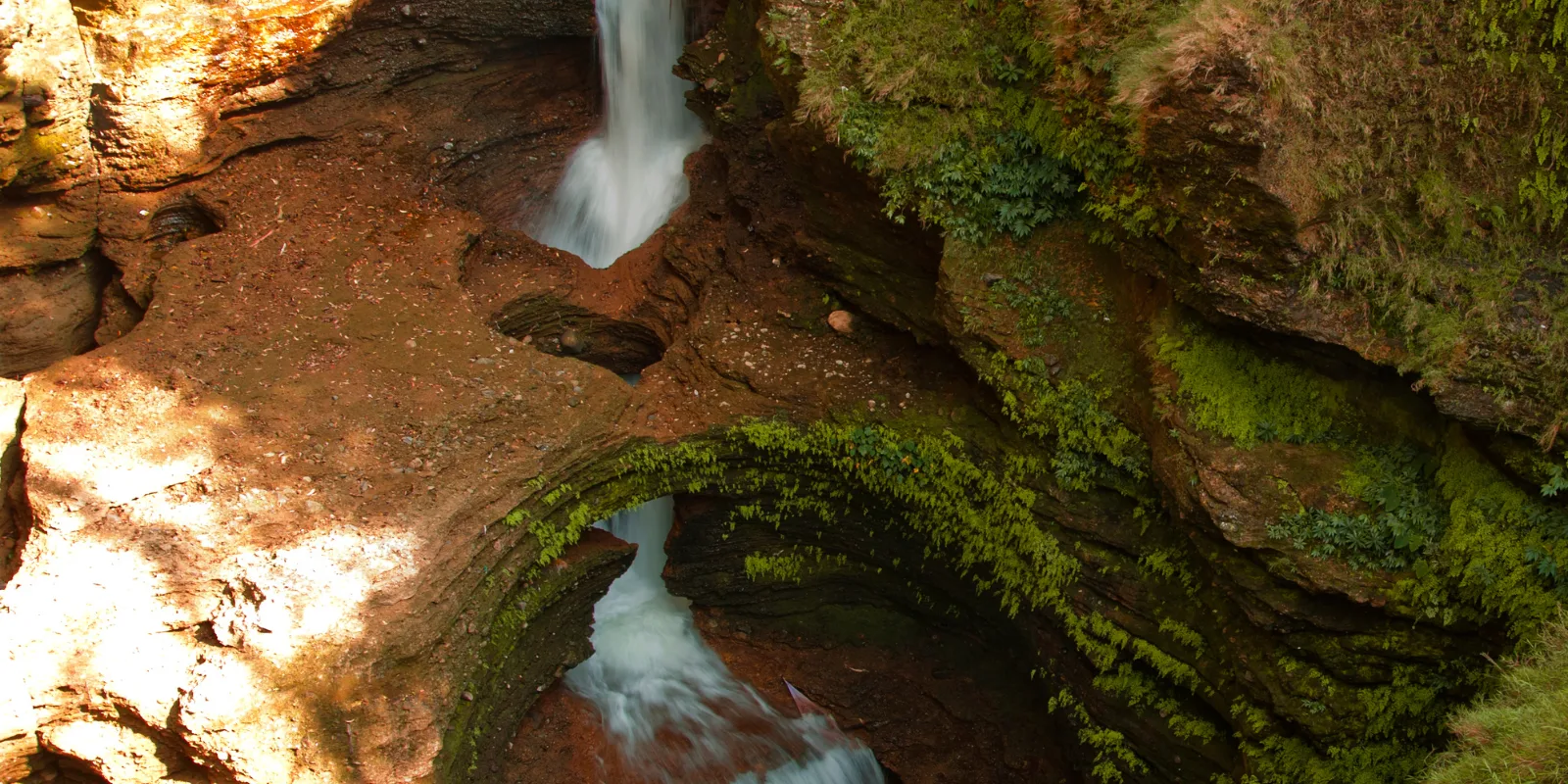
Nepal is much more than a destination for Himalayan adventures. It is a country where centuries-old traditions, ancient architecture, sacred temples, colorful festivals, and diverse cultures continue to shape everyday life. A Nepal Heritage Tour offers an opportunity to experience this remarkable combination of history, spirituality, architecture, and nature in one memorable journey.
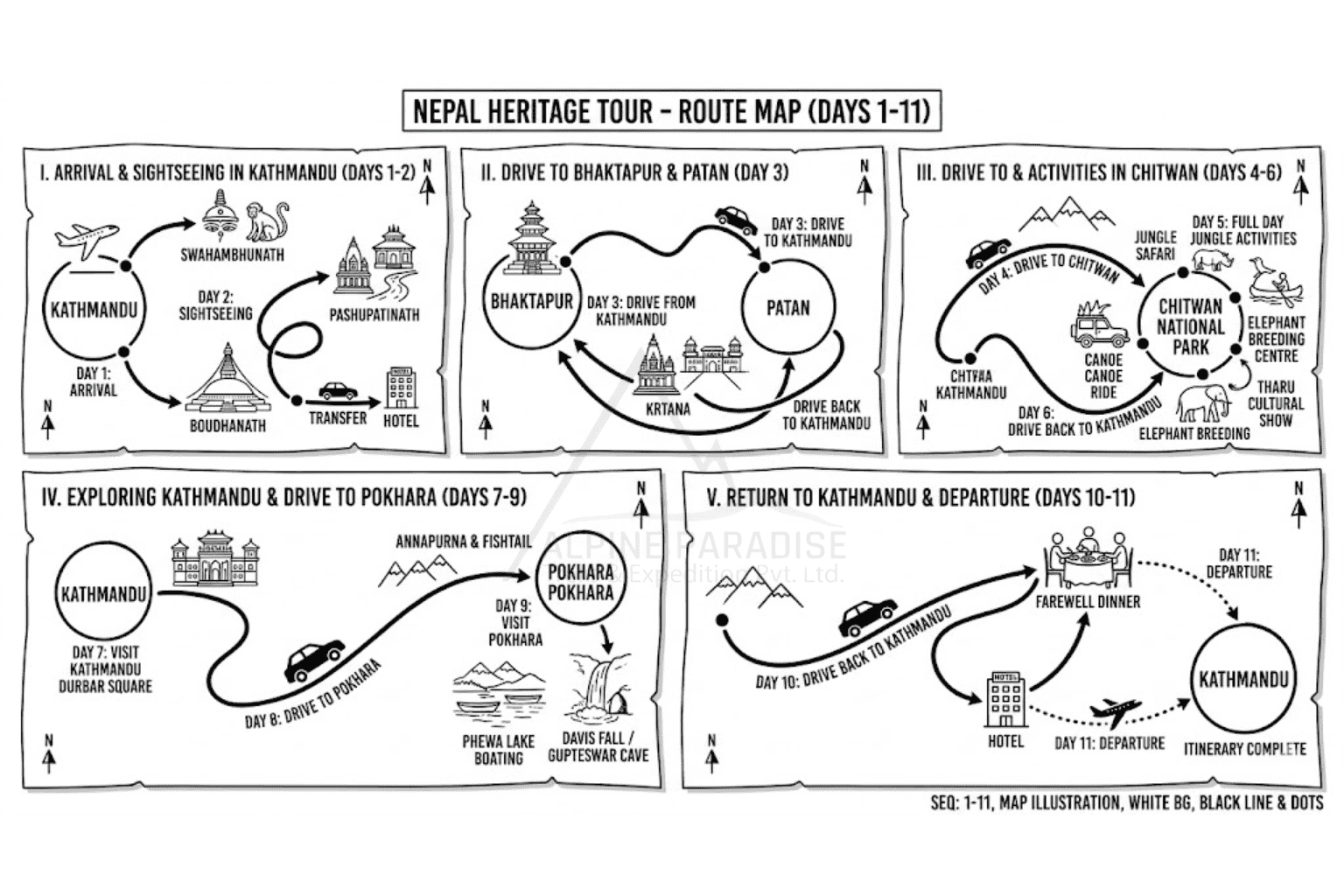
Designed to take you through some of Nepal's most significant cultural landmarks, this 10-day experience combines the historic cities of Kathmandu, Bhaktapur, and Patan with sacred sites such as Swayambhunath, Pashupatinath, Boudhanath, and Changunarayan. The journey then moves beyond the Kathmandu Valley toward the lush landscapes of Chitwan, offering a completely different side of Nepal.
From ancient royal courtyards and intricately carved wooden windows to enormous Buddhist stupas and peaceful monasteries, every destination reveals another chapter of Nepal's history. The tour is particularly suitable for travelers who want to understand the country's cultural identity while also experiencing its natural beauty.
Unlike a traditional Trek in Nepal, which generally focuses on mountain trails and high-altitude landscapes, a heritage tour allows you to explore Nepal at a slower pace while connecting with its history, religion, art, architecture, and communities.
Why Choose a Nepal Heritage Tour?
Nepal's cultural heritage has developed over thousands of years through the influence of Hinduism, Buddhism, and numerous ethnic communities. The Kathmandu Valley alone contains an extraordinary concentration of temples, shrines, courtyards, stupas, and historic settlements.
A Nepal Heritage Tour gives you the chance to explore these places with enough time to appreciate their significance rather than simply passing through them.
You can walk through ancient royal squares, observe religious ceremonies, discover traditional Newari architecture, visit Buddhist monasteries, and learn about the customs that remain an important part of daily life.
The journey also provides an interesting contrast between culture and wilderness. After exploring the historic Kathmandu Valley, you travel toward Chitwan, where dense forests, rivers, grasslands, and wildlife replace temples and palaces.
This combination makes the tour particularly appealing to travelers who want both cultural exploration and a nature experience in Nepal.
Explore the UNESCO Sites of Nepal
One of the biggest highlights of this journey is the opportunity to visit some of the most important UNESCO sites Nepal is known for.
Nepal has several UNESCO World Heritage properties, with many of its most famous cultural landmarks located in and around Kathmandu Valley. These sites reflect the country's remarkable artistic, religious, and architectural traditions.
Kathmandu Durbar Square
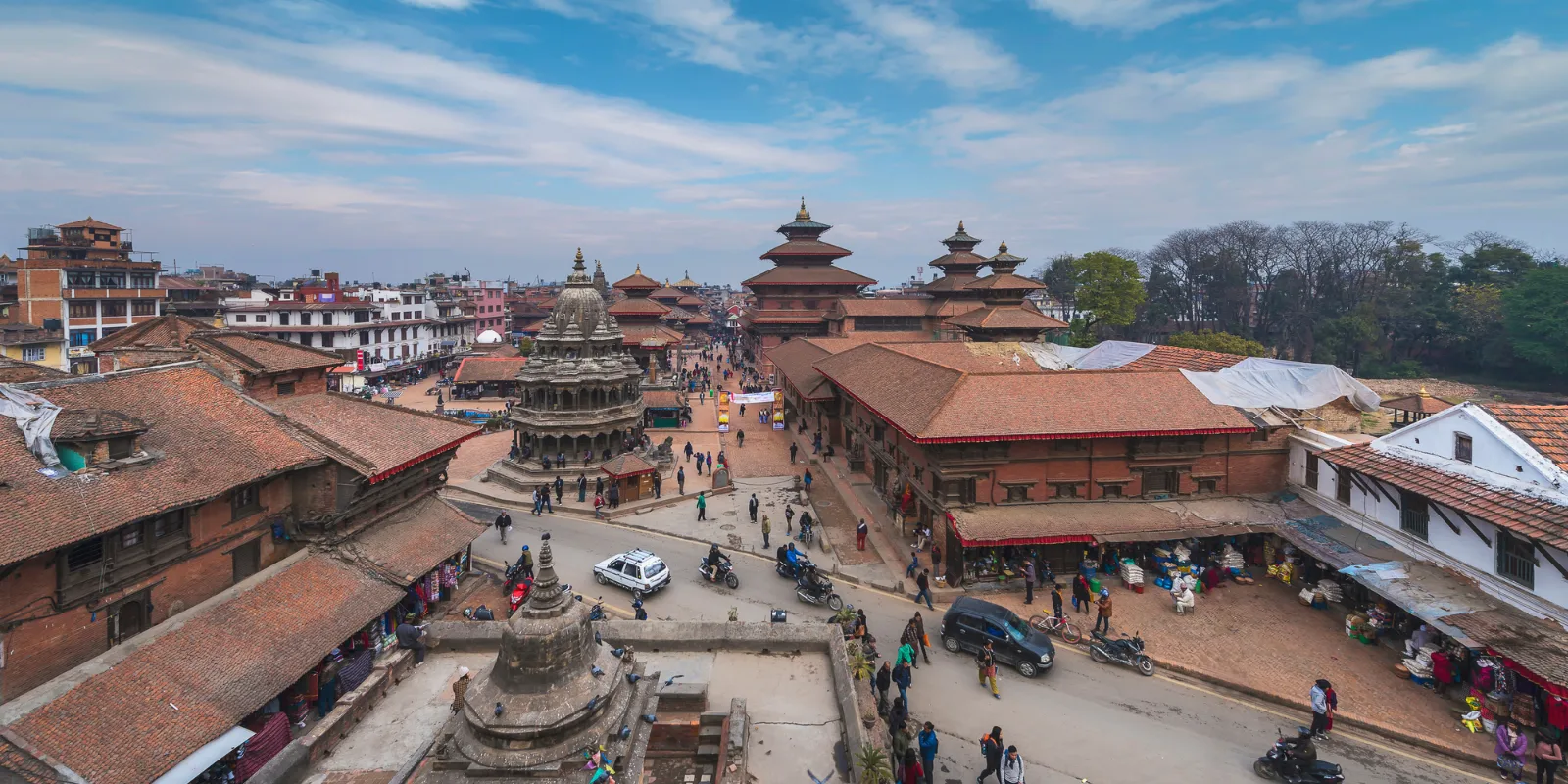
Located in the historic heart of Kathmandu, Kathmandu Durbar Square was once the royal palace complex of the city's former rulers. The square is surrounded by temples, courtyards, statues, and traditional buildings displaying intricate Newari craftsmanship.
The area provides an excellent introduction to Nepal's history and architecture. Visitors can explore ancient palace courtyards and temples while observing the busy rhythm of modern Kathmandu around them.
One of the notable attractions is the Kumari Ghar, home of the Kumari, Nepal's living goddess. The square demonstrates how Nepal's historical traditions continue to exist alongside modern urban life.
Swayambhunath
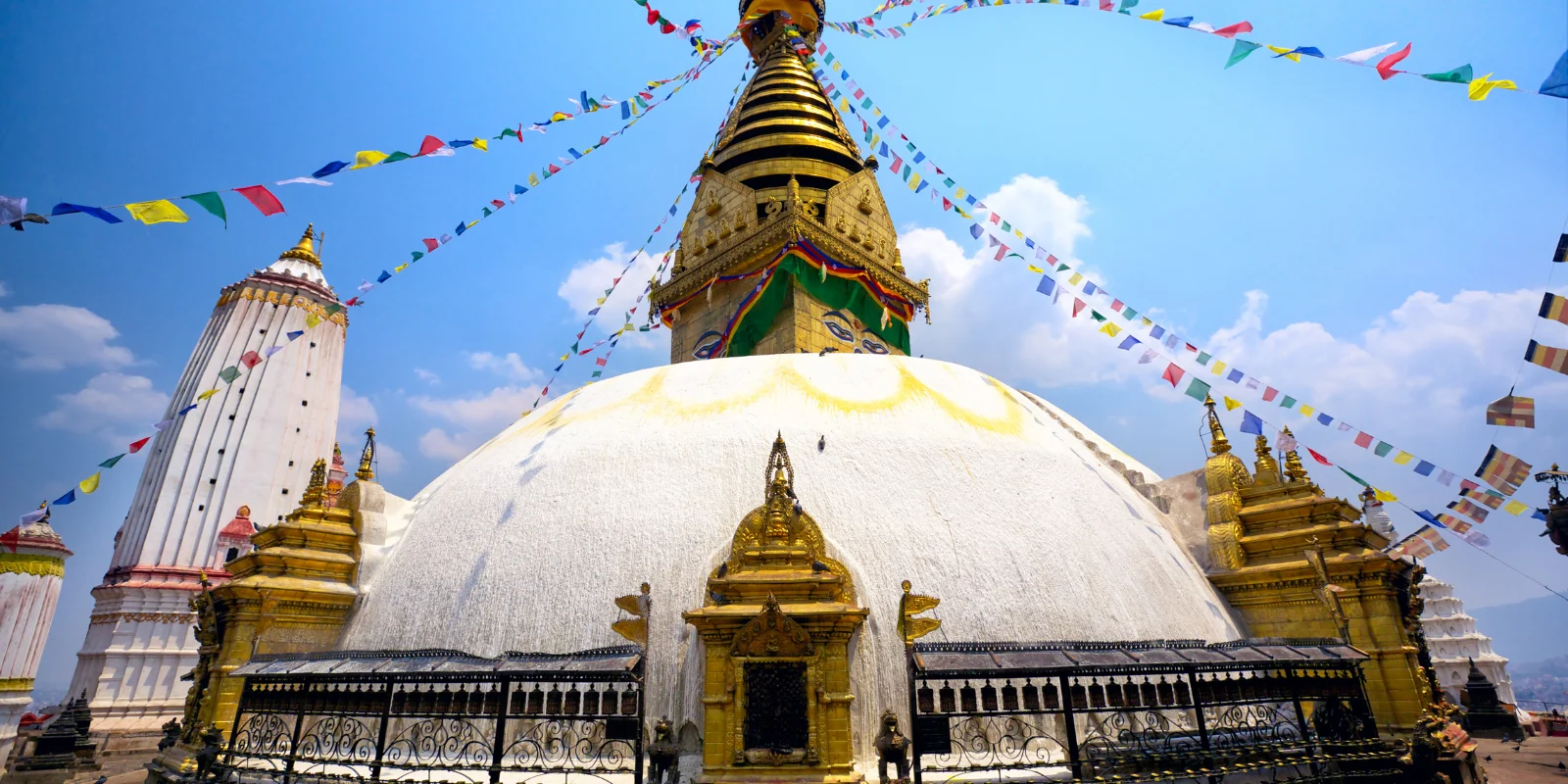
Perched on a hill overlooking Kathmandu, Swayambhunath is one of Nepal's most recognizable Buddhist landmarks.
Often called the Monkey Temple, the site consists of a large stupa surrounded by shrines, prayer wheels, monasteries, and smaller religious monuments. Colorful prayer flags flutter in the wind while devotees and visitors move around the stupa.
The hilltop location also provides impressive views across Kathmandu Valley when weather conditions are clear.
Boudhanath Stupa
Boudhanath is one of the largest Buddhist stupas in the world and one of the most important Tibetan Buddhist centers in Nepal.
The enormous white dome and distinctive Buddha eyes make the stupa instantly recognizable. Surrounding the main structure are monasteries, prayer wheels, traditional shops, restaurants, and residences.
Walking around the stupa while listening to the sound of prayer wheels and observing devotees performing their ritual circumambulation offers a peaceful cultural experience.
Pashupatinath Temple
Situated on the banks of the sacred Bagmati River, Pashupatinath is one of the most important Hindu pilgrimage sites in Nepal.
The temple complex contains numerous shrines and monuments and attracts Hindu pilgrims from Nepal and other parts of South Asia.
The Bagmati River also plays an important role in Hindu religious traditions. Visitors can observe the spiritual activities taking place along its banks and gain a deeper understanding of Nepal's religious culture.
Patan Durbar Square
Patan, also known as Lalitpur, is famous for its artistic traditions, temples, courtyards, and metal and wood craftsmanship.
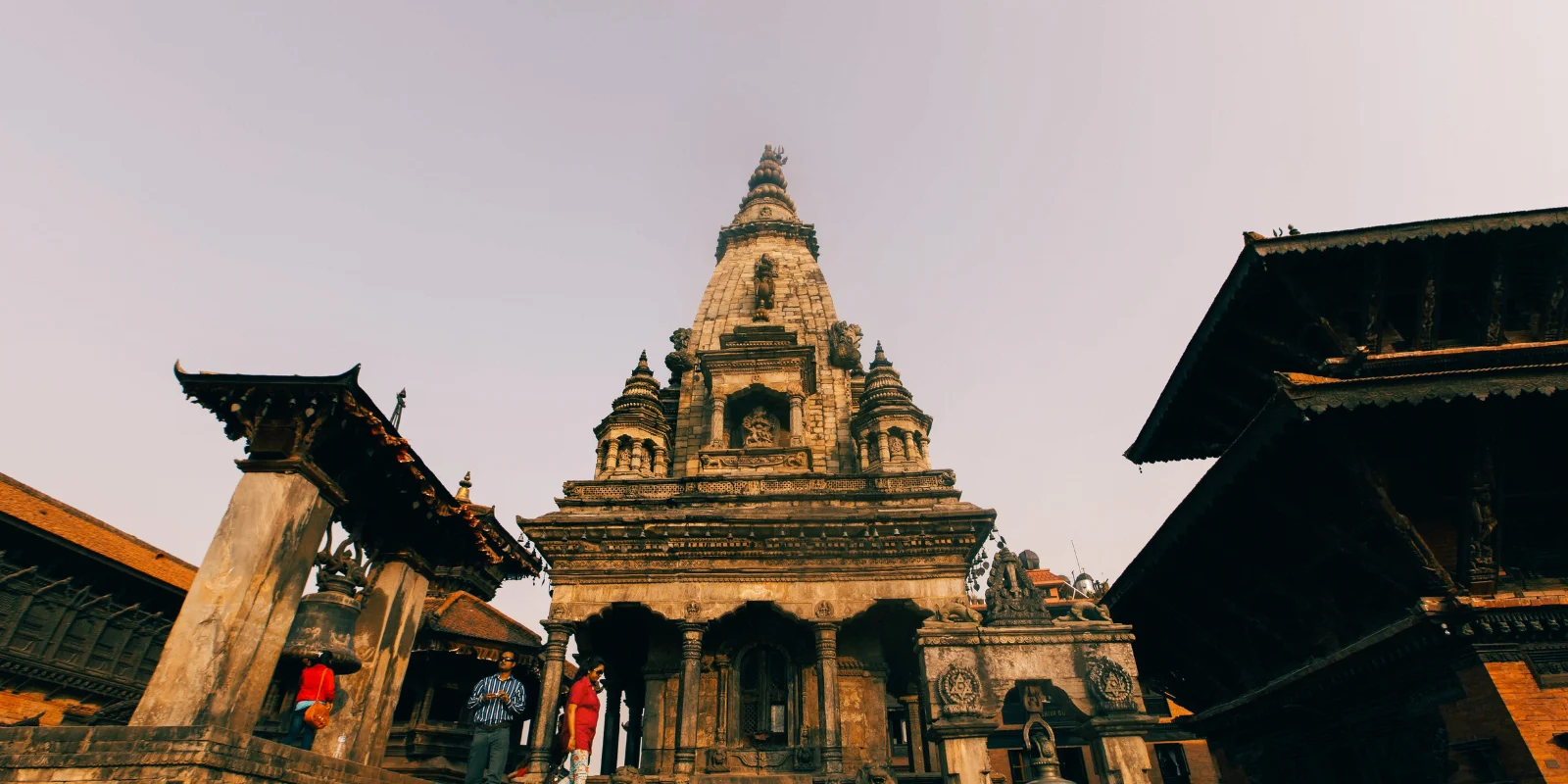
Patan Durbar Square contains numerous historic monuments and temples, making it one of the most fascinating destinations for architecture enthusiasts.
The city's traditional craftsmanship is particularly notable. Local artisans have preserved techniques used to create sculptures, religious objects, architectural details, and traditional artwork for generations.
Exploring Patan provides an opportunity to see how art and religion are deeply connected within Nepalese culture.
Bhaktapur Durbar Square
Bhaktapur is one of the best places to experience the atmosphere of a traditional Newari city.
Bhaktapur Durbar Square features historic palaces, temples, courtyards, stone sculptures, and beautifully preserved traditional buildings. The city's narrow streets and pedestrian-friendly areas make walking through Bhaktapur an enjoyable experience.
Visitors can also discover traditional Newari foods and observe local artisans working in pottery and other crafts.
The combination of architecture, history, food, and living culture makes Bhaktapur an essential stop on a Nepal Heritage Tour.
Changunarayan Temple
Located on a hilltop near Bhaktapur, Changunarayan is dedicated to Lord Vishnu and is considered one of the oldest temples in the Kathmandu Valley.
The temple is surrounded by traditional architecture and ancient stone and wood carvings. Its location also offers a quieter experience compared with some of the busier attractions in central Kathmandu.
A visit to Changunarayan provides an opportunity to combine cultural exploration with a short walk through the surrounding countryside.
Experience Nepal's Living Culture
Nepal's heritage is not limited to monuments and historic buildings. It is also found in the country's people, traditions, festivals, food, music, art, and religious practices.
During your journey, you may see devotees lighting butter lamps, turning prayer wheels, offering flowers at temples, participating in religious ceremonies, or gathering around sacred sites.
The Kathmandu Valley is particularly rich in Newari culture. Traditional courtyards, brick houses, carved windows, local festivals, and distinctive cuisine remain an important part of the region's identity.
Trying local dishes can also become an important part of the cultural experience. Depending on your itinerary and interests, you may encounter traditional foods such as momo, Newari khaja, bara, chatamari, yomari, and dal bhat.
These experiences allow travelers to understand Nepal beyond the famous photographs and tourist attractions.
From Heritage Sites to Chitwan National Park
The cultural portion of the journey eventually gives way to the natural landscapes of southern Nepal.
After exploring Kathmandu Valley, the tour heads toward Chitwan, home to one of Nepal's most famous national parks.
Chitwan National Park is a UNESCO World Heritage property recognized for its biodiversity and important wildlife habitats. The landscape includes forests, grasslands, wetlands, and rivers that support a wide variety of wildlife.
The change in scenery can be dramatic. Ancient temples and densely populated historic cities are replaced by forests, rivers, and open grasslands.
Wildlife Experiences in Chitwan
Chitwan provides numerous opportunities to experience Nepal's natural environment.
Depending on the itinerary and local conditions, activities may include jeep safaris, canoeing, kayaking, bird watching, and nature walks.
A jeep safari can take you deeper into the national park in search of wildlife. Chitwan is particularly well known for the greater one-horned rhinoceros and is also home to deer, wild boar, crocodiles, monkeys, and numerous species of birds.
Bird watching is another rewarding activity because the park and surrounding wetlands support a diverse bird population.
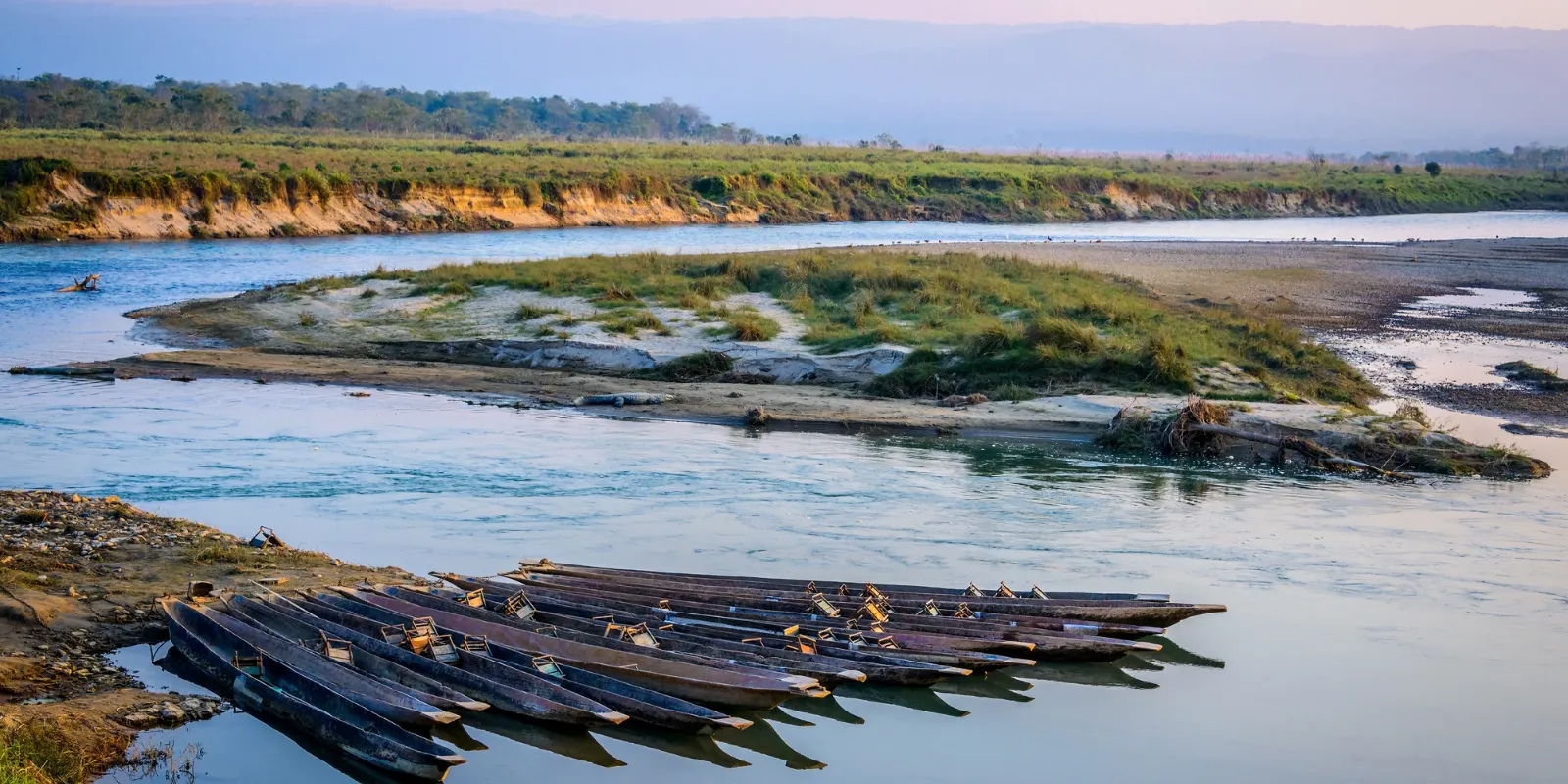
Canoeing along the rivers can provide a quieter way to experience the landscape while giving you opportunities to observe crocodiles and birds along the riverbanks.
The experience in Chitwan adds an entirely different dimension to the tour, showing that Nepal's heritage extends beyond architecture and religion to include its natural environment.
Nepal Heritage Tour and Trekking
Travelers often associate Nepal exclusively with trekking because of the country's famous Himalayan trails.
A Trek in Nepal can take you through mountain villages, forests, alpine landscapes, and high-altitude terrain. However, trekking is not the only way to experience the country.
A Nepal Heritage Tour is ideal for travelers who want cultural discovery without committing to a demanding high-altitude trek.
That said, the tour can complement a trekking holiday perfectly. Travelers who have completed an Everest Base Camp Trek, Annapurna Base Camp Trek, Langtang Valley Trek, or another Himalayan adventure can extend their trip with a heritage and wildlife experience.
This allows visitors to experience several sides of Nepal in a single journey: Himalayan landscapes, ancient civilization, religious traditions, wildlife, and contemporary Nepalese life.
Essential Items for the Nepal Heritage Tour
Although this is primarily a cultural and sightseeing journey rather than a high-altitude trek, packing appropriately will make your experience more comfortable.
Comfortable Walking Shoes
Many heritage sites involve walking across stone-paved courtyards, narrow streets, stairs, and uneven surfaces. Comfortable walking shoes are therefore essential.
Sun Protection
Bring a hat, sunglasses, and sunscreen. Nepal can have strong sunlight, particularly during outdoor sightseeing and wildlife activities.
Lightweight Clothing
Pack comfortable clothing suitable for walking and sightseeing. A light sweater or jacket is useful for cooler mornings and evenings.
When visiting temples and religious sites, modest clothing is recommended. Some religious sites may have specific dress requirements.
Rain Gear
Weather can change quickly, particularly during Nepal's rainy season. A lightweight waterproof jacket and rain trousers can be useful.
First Aid Kit and Personal Medication
Carry basic first-aid supplies and enough of any personal medication you require throughout the journey.
Reusable Water Bottle
A reusable water bottle is useful throughout the tour. Water purification tablets or a suitable water filter can provide an additional option when traveling away from major tourist areas.
Cash
Although ATMs and digital payment facilities are available in Kathmandu and other major tourist destinations, carrying some Nepalese rupees is recommended.
Cash can be particularly useful for small purchases, local snacks, entrance fees, tips, and travel in less developed areas.
Travel Documents
Keep your passport, Nepal visa, travel insurance documents, permits where applicable, flight information, and other important travel documents safely accessible.
It is also advisable to keep digital copies of important documents.
Best Time for a Nepal Heritage Tour
Nepal can be visited throughout the year, but the best time for comfortable sightseeing is generally during the spring and autumn seasons.
Spring brings pleasant temperatures and colorful vegetation, while autumn is known for clearer skies and excellent visibility.
Winter can also be a good time for cultural sightseeing because Kathmandu and Chitwan generally remain accessible, although mornings and evenings can be cold.
The monsoon season brings rainfall, but it can also create lush green landscapes. Travelers visiting during this period should prepare for occasional rain and potentially slower road journeys.
Your preferred travel season ultimately depends on whether you want clear mountain views, comfortable temperatures, lush landscapes, or fewer visitors.
Why This Journey Is Worth Experiencing
A Nepal Heritage Tour is more than a collection of sightseeing stops. It is an opportunity to understand the layers of history and culture that have shaped Nepal.
You can begin your journey by walking through centuries-old royal squares, continue to sacred Hindu and Buddhist landmarks, explore traditional Newari communities, and finish among the forests and wildlife of Chitwan.
The contrast is what makes the journey especially memorable.
Within a single trip, you can experience ancient architecture, living religious traditions, traditional cuisine, local craftsmanship, UNESCO World Heritage landmarks, and Nepal's remarkable biodiversity.
For travelers looking beyond conventional sightseeing, this combination creates a deeper connection with the country.
Experience the Cultural and Natural Side of Nepal
From the ancient courtyards of Kathmandu Valley to the peaceful forests of Chitwan, this Nepal Heritage Tour brings together some of the country's most remarkable cultural and natural experiences.
Explore historic palaces and temples, admire intricate Newari craftsmanship, visit sacred Buddhist and Hindu sites, discover the country's UNESCO heritage, and experience wildlife in one of Nepal's most famous national parks.
Whether you are visiting Nepal for the first time or returning after completing a Trek in Nepal, this journey provides a different perspective on the country.
Nepal's true character can be found not only in its mountains but also in its people, traditions, architecture, spirituality, and natural landscapes. A heritage journey allows you to experience all of these elements together—and take home a deeper understanding of what makes Nepal so unique.
If you're ready to discover Nepal beyond the mountains, the Nepal Heritage Tour offers a rewarding journey through history, culture, spirituality, architecture, and wilderness.
 Review us on Google
 Review us on TripAdvisor