
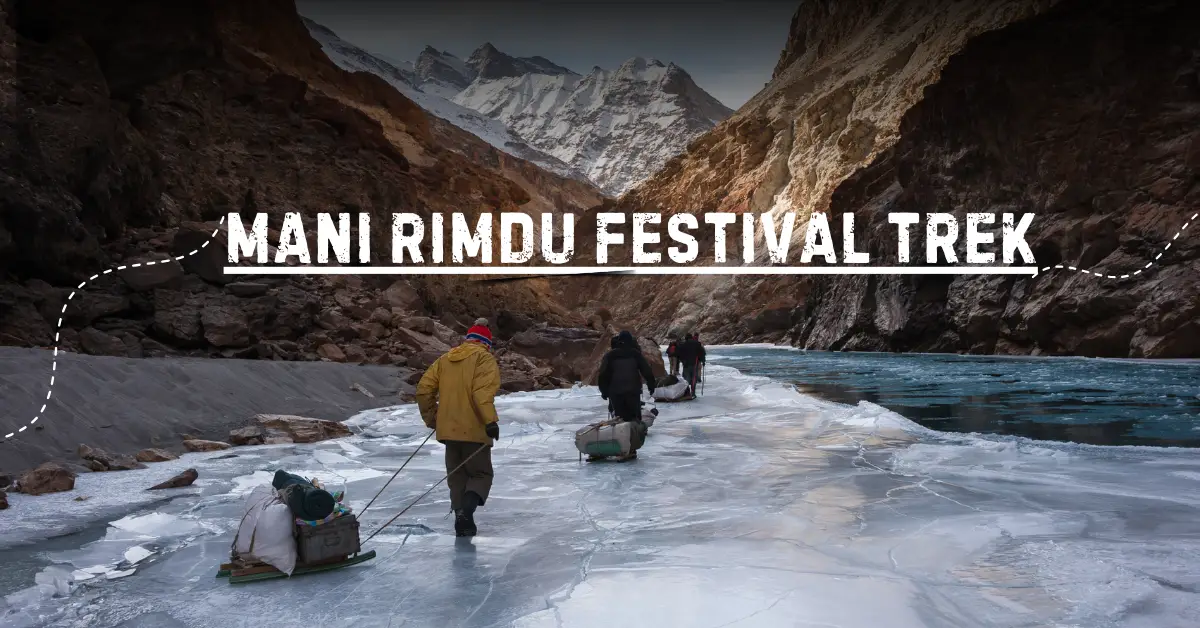
Mani Rimdu Festival | A Sacred Himalayan Celebration in the Heart of Everest Region

Mani Rimdu Festival | A Sacred Himalayan Celebration in the Heart of Everest Region

Activity
Trekking
Trip Grade
Moderate
Max. Altitude
3860m

Overview

The Mani Rimdu Festival is one of the most spiritually significant and visually captivating Buddhist festivals celebrated in the high Himalayas of Nepal. Held at the iconic Tyangboche Monastery in the Everest region, this sacred event is deeply rooted in Tibetan Buddhism and Sherpa traditions. Taking place during the 10th lunar month of the Tibetan calendar, usually falling in October or November, the Mani Rimdu Festival represents peace, compassion, and the triumph of good over evil.

everest mani rimdu festival trek

Among all religious celebrations in the Everest region, the Mani Rimdu Festival stands out as the greatest and most revered festival of the Sherpa community. For centuries, it has drawn devotees, monks, and cultural enthusiasts to witness sacred rituals, symbolic mask dances, and ancient ceremonies performed by high-ranking Lamas. More than just a festival, Mani Rimdu is a powerful spiritual experience set against the dramatic backdrop of Mount Everest, Ama Dablam, and the surrounding Himalayan giants.

This detailed guide explores the cultural meaning, rituals, trekking journey, landscapes, monasteries, and villages associated with the mani rimdu festival trek, offering an immersive understanding of why this event holds such global significance.

Spiritual Meaning of the Mani Rimdu Festival

The Mani Rimdu Festival is rooted in Vajrayana Buddhism and centers on the teachings of Guru Rinpoche (Padmasambhava), who introduced Buddhism to Tibet and the Himalayan regions. The festival symbolizes the destruction of negative forces and the establishment of harmony, prosperity, and peace.

The term “Mani” refers to a sacred chant associated with Chenrezig (Avalokiteshvara), the Bodhisattva of Compassion. “Rimdu” means small red pills that are ritually prepared, empowered through prayers, and distributed at the end of the festival. These blessed pills are believed to protect individuals from illness, misfortune, and negative energy.

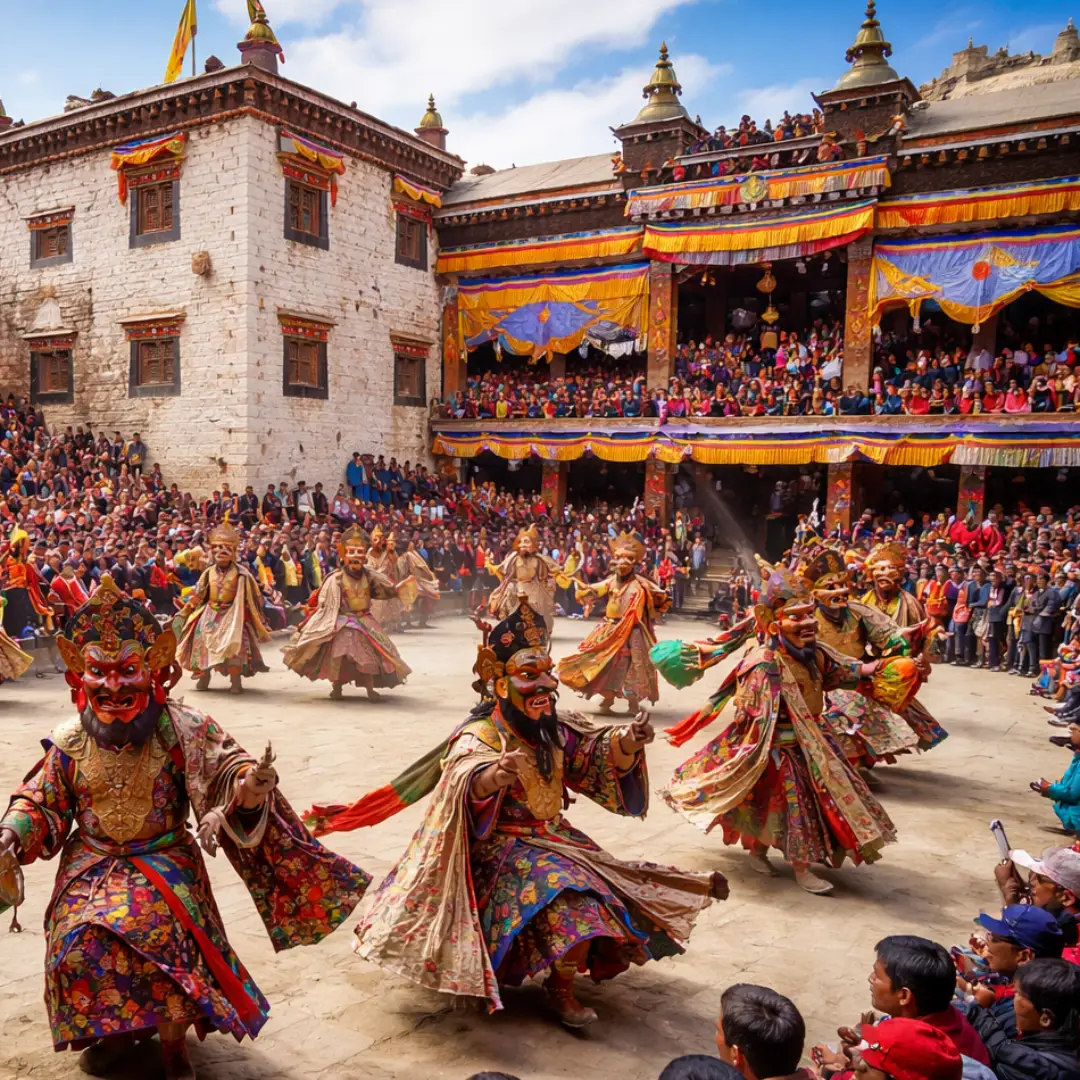
During the Mani Rimdu Festival, monks perform complex rituals over several days, involving prayer ceremonies, mandala construction, fire puja, and dramatic mask dances. These dances are not merely performances, they are sacred enactments representing Buddhist deities and spiritual stories meant to cleanse the environment of harmful influences.

Tyangboche Monastery | The Spiritual Heart of Everest

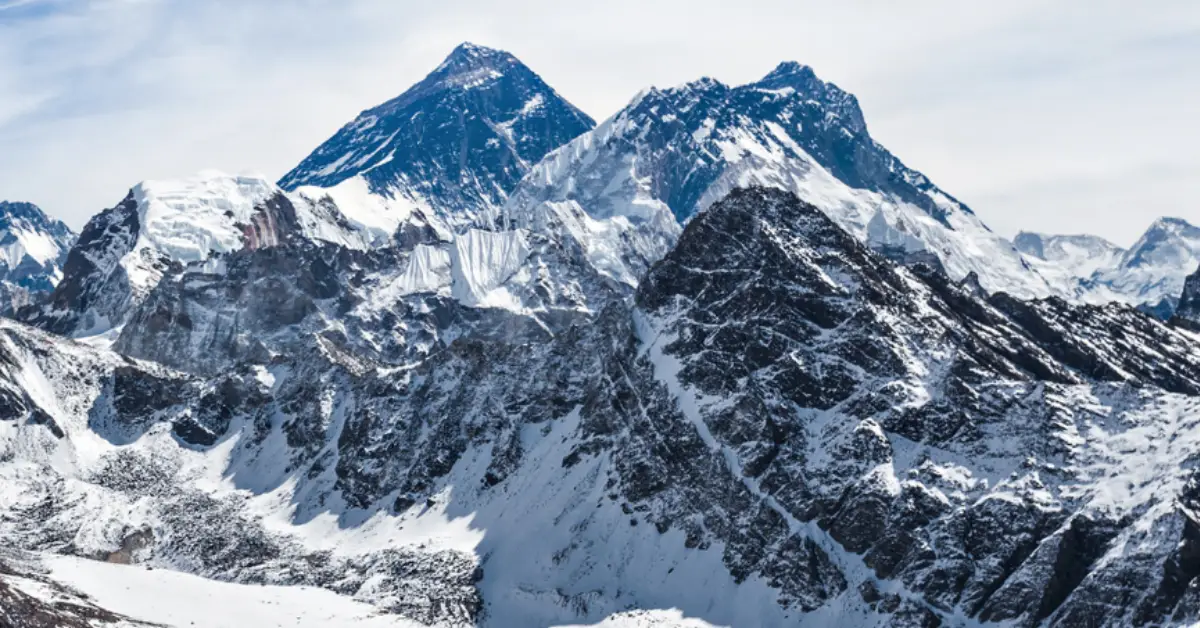
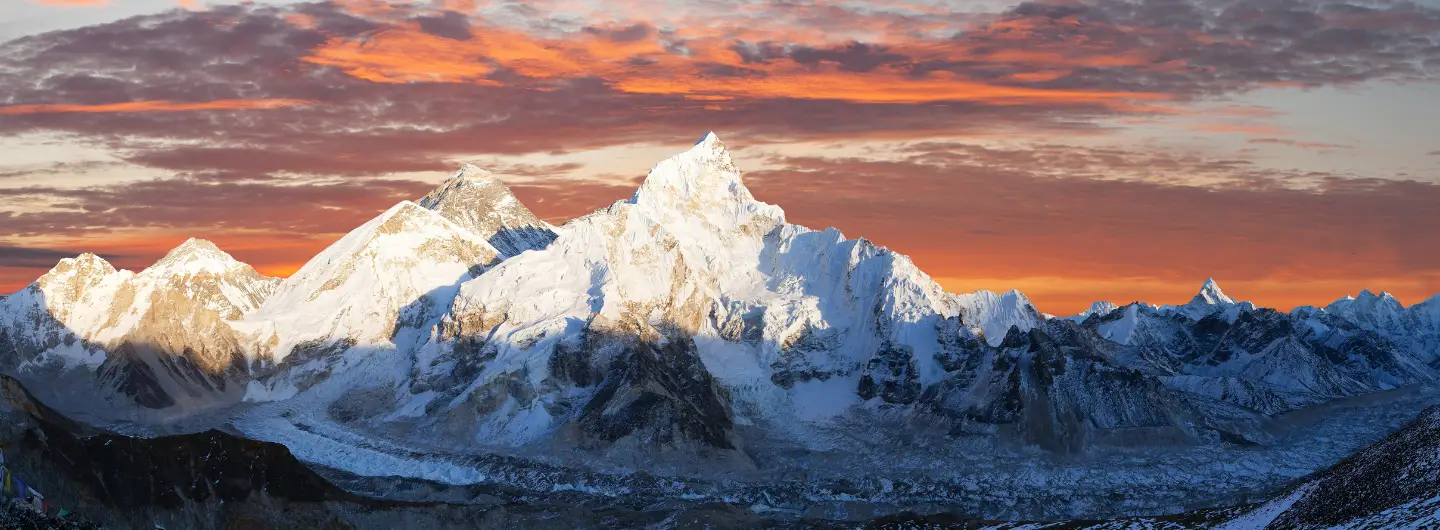
The festival is held at Tyangboche Monastery, the largest and most important monastery in the Khumbu region. Perched on a ridge at an altitude of 3,867 meters, the monastery offers breathtaking views of Mount Everest, Lhotse, Nuptse, and the stunning Ama Dablam.

During the Mani Rimdu Festival, Tyangboche becomes a gathering place for thousands of devotees from surrounding villages such as Pangboche, Khumjung, Khunde, and Namche Bazaar. The monastery courtyard transforms into a sacred stage where monks, dressed in elaborate silk robes and symbolic masks, perform ritual dances accompanied by horns, cymbals, and drums.

The serene yet powerful atmosphere of Tyangboche during the festival creates a deeply moving experience, blending spirituality with Himalayan grandeur.

Journey Begins | Scenic Flight to Lukla

The mani rimdu festival trek typically begins with a thrilling scenic flight from Kathmandu to Lukla, one of the world’s most famous mountain airstrips. This short flight offers stunning aerial views of terraced hills, winding rivers, and snow-covered peaks.

mani rimdu festival trek

Upon landing in Lukla, the trail follows the Dudh Kosi River valley, passing through charming Sherpa villages such as Choplung, Ghat, Phakding, and onward toward Namche Bazaar. The sound of prayer wheels, fluttering prayer flags, and rushing rivers accompanies trekkers throughout the journey.

Trekking Through Sherpa Villages and Himalayan Landscapes

The route to Tyangboche during the Everest Mani Rimdu festival trek is both culturally enriching and visually spectacular. Traditional stone houses, ancient mani walls, suspension bridges, and alpine forests create a constantly changing landscape.

Namche Bazaar | Gateway to Everest

Reaching Namche Bazaar, the largest settlement in the Everest region, is a highlight of the trek. Nestled in a natural amphitheater, Namche is a vibrant hub with bakeries, museums, monasteries, cafés, and local markets.

Spending two nights in Namche Bazaar is essential for acclimatization. The lively atmosphere, combined with panoramic views of Everest and surrounding peaks, makes this stop both practical and memorable.

Acclimatization Hike to Syangboche

An acclimatization hike to Syangboche allows the body to adjust to altitude while offering breathtaking views of Mount Everest, Lhotse, and Ama Dablam. The surrounding landscape feels almost sacred, with snow-capped peaks rising dramatically above the valleys.

Syangboche also has several small lodges and viewpoints where travelers can relax and absorb the Himalayan silence.

Walking to Tyangboche for the Mani Rimdu Festival

Leaving Namche Bazaar, the trail gently descends through rhododendron forests before crossing the river and ascending toward Tyangboche. The path offers stunning views of river valleys, waterfalls, and distant snow peaks.

As you approach Tyangboche, the spiritual energy becomes palpable. Pilgrims, monks, and local families gather in large numbers to attend the Mani Rimdu Festival, creating an atmosphere of devotion and celebration.

Witnessing the festival in this setting, under the shadow of Mount Everest and the elegant Ama Dablam, is a rare and unforgettable experience.

Mask Dances and Sacred Rituals

One of the most captivating aspects of the Mani Rimdu Festival is the Cham Mask Dance, performed by monks wearing intricately designed masks representing protective deities, demons, and symbolic characters.

These dances narrate spiritual stories, illustrating the victory of wisdom over ignorance and compassion over hatred. Each movement, gesture, and costume carries profound meaning passed down through generations.

The rituals culminate in the distribution of the Rimdu pills, which devotees receive with deep reverence. This moment marks the spiritual conclusion of the festival.

Exploring the Glacial Valley: Khumjung and Khunde

After the festival, the journey continues into the scenic glacial valley beneath Khumbi-La (5,761 m / 19,012 ft). Here lie the picturesque villages of Khumjung and Khunde, among the largest Sherpa settlements in the region.

These villages offer insight into traditional Himalayan life, with stone houses, yak pastures, ancient monasteries, and warm community interactions. Visiting local monasteries and observing daily routines provides a deeper understanding of Sherpa culture beyond the festival.

Return Journey to Lukla

Following exploration of the valley, the route gradually descends back toward Namche Bazaar and onward to Lukla. The return journey offers a chance to reflect on the spiritual richness, cultural depth, and natural beauty experienced during the mani rimdu festival trek.

The final flight from Lukla back to Kathmandu marks the end of a journey that combines faith, culture, and Himalayan adventure in a truly meaningful way.

Why the Mani Rimdu Festival Trek Is Unique

The Everest Mani Rimdu festival trek is not just about reaching a destination, it is about witnessing a living spiritual tradition in its authentic setting. The combination of sacred ceremonies, Himalayan landscapes, and Sherpa hospitality makes this journey one of the most enriching experiences in Nepal.

Unlike regular trekking routes, this journey aligns with a once-a-year festival, making timing crucial and the experience exceptionally special.

Best Time to Experience the Mani Rimdu Festival

The Mani Rimdu Festival is celebrated in October or November, depending on the Tibetan lunar calendar. This period also coincides with one of the best trekking seasons in Nepal, offering stable weather, clear skies, and excellent mountain visibility.

Frequently Asked Questions (FAQs)

1. What is the Mani Rimdu Festival?

The Mani Rimdu Festival is a sacred Buddhist celebration held at Tyangboche Monastery, symbolizing peace, compassion, and the victory of good over evil through rituals and mask dances.

2. Where is the Mani Rimdu Festival celebrated?

It is primarily celebrated at Tyangboche Monastery in the Everest region, with smaller observances in other monasteries like Chiwong and Thame.

3. How long does the Mani Rimdu Festival last?

The festival lasts for three days, featuring prayer ceremonies, ritual dances, and the blessing of sacred Rimdu pills.

4. What is included in the mani rimdu festival trek?

The trek includes scenic flights, cultural village walks, acclimatization days, festival participation, monastery visits, and exploration of Sherpa settlements.

5. Is the Everest Mani Rimdu festival trek suitable for beginners?

Yes, with proper acclimatization and moderate fitness, the trek is suitable for those with basic trekking experience and good health.

The Mani Rimdu Festival is more than a religious event, it is a profound cultural journey into the spiritual heart of the Himalayas. Combining sacred rituals, dramatic landscapes, and centuries-old traditions, the mani rimdu festival trek offers an experience that resonates long after the journey ends.

For those seeking meaningful Himalayan travel blended with spiritual depth, the Everest Mani Rimdu Festival trek stands as one of Nepal’s most rewarding experiences.
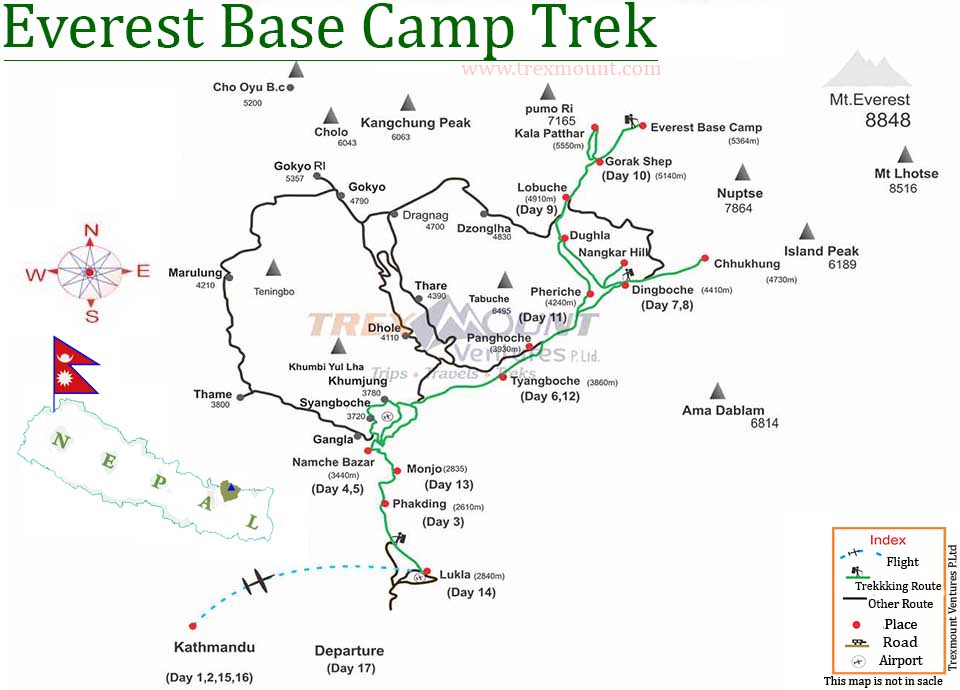
 

Itinerary

01Day

Arrival in Kathmandu and transfer to hotel.

Upon arrival, our representative will greet you at the airport and transfer you to your hotel. After time to rest and refresh, our tour leader will hold a pre-departure briefing at the hotel or our office. This session provides clear information about the Mani Rimdu Festival, the Mani Rimdu Festival trek, and the Everest Mani Rimdu Festival trek, including daily plans, cultural highlights, and safety guidelines. During the meeting, we will also collect essential documents such as a copy of your passport, two passport-sized photographs, and valid travel insurance to ensure smooth trip arrangements.

02Day

Kathmandu: Free day or City Sightseeing (pay Locally for sightseeing).

After breakfast, the day is free for trek preparation or optional sightseeing in Kathmandu Valley. Travelers may explore UNESCO World Heritage Sites and cultural landmarks, including the sacred Pashupatinath Temple, Bouddhanath Stupa, and Swayambhunath (Monkey Temple). Other worthwhile visits include Kathmandu, Patan, or Bhaktapur Durbar Square, along with museums, monasteries, historic palaces, and traditional gardens. This optional tour allows flexibility to choose sites of personal interest and is paid locally.

Meals included: Breakfast (B).

03Day

Fly to Lukla (2,886 m-9,468 ft) & trek to Phakding (2,640 m-8,661 ft )- 04 hrs.

Early in the morning, depart from the hotel for a domestic flight to Lukla from Kathmandu. The short flight aboard a Dornier or Twin Otter offers spectacular views of snow-capped Himalayan peaks, including Mount Everest. After approximately 30 minutes, the aircraft lands at Lukla’s unique uphill airstrip, officially known as Tenzing–Hillary Airport, named after the legendary climbers. After a short break in Lukla, the trek begins toward Phakding. The trail passes through traditional villages and farmlands, offering scenic views of green hills and river valleys before reaching Phakding village, located along the Dudh Kosi River.

Meals included: Breakfast, Lunch, and Dinner (B, L, D).

04Day

Trek to Namche Bazaar (3,440 m-11,286 ft) - 06 hrs.

After the first day of walking, today’s trek is longer and more challenging as the trail climbs toward Namche Bazaar at 3,440 meters. The morning walk begins with several crossings over the Dudh Koshi River, followed by arrival at Monjo, the entrance to Sagarmatha National Park. After completing permit and ticket checks, the trail continues along the riverbank. Crossing the final high suspension bridge, the route then ascends steeply for several hours to reach Namche Bazaar. We spend two nights in this lively and prosperous trading town, the main hub of the Khumbu region, offering facilities such as ATMs, internet cafes, shops, restaurants, banks, fresh bakeries, and the famous colorful Saturday market.

Meals included: Breakfast, Lunch, and Dinner (B, L, D).

05Day

Rest day at Namche Bazaar for acclimatization.

Namche Bazaar is an ideal place for a rest and acclimatization day, allowing the body to adjust to higher altitude. A short hike leads to the Sagarmatha National Park Museum, which offers valuable information on Himalayan mountaineering history, local flora and fauna, and Sherpa culture and religion. From this viewpoint, trekkers can enjoy sweeping panoramas of snow-capped peaks, including Mount Everest and the striking Ama Dablam. Another popular option is a hike to the Everest View Hotel above the old Syangboche airstrip, famous for its outstanding mountain views. For more energetic walkers, a longer hike visits the quiet villages of Khumjung and Khunde, set in a glacial valley below the sacred peak of Khumbila, the guardian deity of the Khumbu region.

Meals included: Breakfast, Lunch, and Dinner (B, L, D).

06Day

Trek to Tengboche (3,867 m-12,687 ft) - 05 hrs.

After proper rest and acclimatization, the trek continues along a wide, gently winding trail maintained for decades by a local Sherpa elder through voluntary effort and small donations from trekkers. The path passes through peaceful conifer and rhododendron forests, offering close-up views of the striking Ama Dablam. Along the way, trekkers enjoy impressive panoramas of Mount Everest, Nuptse, Lhotse, Thamserku, and Kwangde Peak. The trail then descends to the Imja Khola at Phunge Tenga, where a short rest is taken before beginning a steady uphill climb through serene woodland. The walk concludes at Tengboche Monastery, a sacred and scenic location with breathtaking views of Ama Dablam, Kangtenga, Thamserku, Kwangde, and Mount Everest. As the spiritual center of the region, Tengboche Monastery is home to the head lama (Rinpoche), where mountaineers and trekkers traditionally receive blessings for safety and success.

Meals included: Breakfast, Lunch, and Dinner (B, L, D).

07Day

Observe and join in the Mani Rimdu Festival.

We spend three full days at Tengboche to observe and participate in the sacred Mani Rimdu Festival, one of the most important Buddhist celebrations in the Everest region. This festival, which originated from the Rongbuk Monastery in Tibet, begins with the careful creation of a sand Mandala using colored sand collected from specific Himalayan locations. The Mandala takes four days to complete and becomes the spiritual center of the festival, which continues for nearly ten days. During the Mani Rimdu Festival trek, monks perform a series of 16 ritual masked dances, symbolizing the victory of Buddhism over evil forces, with occasional light-hearted performances for balance and teaching. At the end of the festival, monks conduct a powerful fire ceremony to remove negative energies from the world, after which the sand Mandala is ceremonially dismantled with prayers for all living beings. The head lama of Tengboche Monastery, known as the Rinpoche, then blesses devotees and visitors before the final mask dances begin. These sacred dances represent protective deities and Guru Rinpoche, the founder of Tibetan Buddhism. Due to its deep spiritual value, Tengboche Monastery and the Everest Mani Rimdu Festival trek attract thousands of visitors each year, making this experience a major highlight of the Mani Rimdu Festival trek.

Meals included: Breakfast, Lunch, and Dinner (B, L, D).

08Day

Trek to Khumjung village (3,680 m-12,073 ft) - 05 hrs.

In the morning, wake up to a magnificent panorama of the surrounding Himalayan peaks. After breakfast, the trek descends before climbing gently toward Sanasa village, a key junction where the trails to Gokyo, Namche Bazaar, and Khumjung meet. From here, the route continues to the traditional Sherpa villages of Khumjung and Khunde, located in a glacial valley beneath the sacred Mount Khumbila (5,761 m / 19,012 ft), regarded as the guardian deity of the Khumbu region. In the afternoon, there is time to visit the historic Khumjung Monastery, famous for preserving what is believed to be a Yeti scalp. Khumjung is also home to the only high school in the Khumbu area, established with support from the Sir Edmund Hillary Foundation. Nearby, in the neighboring village of Khunde, a one-hour walk away, lies the Khunde Hospital, another important community project founded to serve local residents.

Meals included: Breakfast, Lunch, and Dinner (B, L, D).

09Day

Trek to Monjo (2,880 m-9,448 ft) through Namche Bazaar (3,440 m-11,286 ft) - 06 hrs.

After breakfast in Khumjung, the morning walk begins with a long descent toward Namche Bazaar, passing through Syangboche and its old, small airstrip. The trail offers impressive aerial views of Namche Bazaar as it winds downhill. After several hours of walking, arrive in Namche for a short rest and refreshment break. The trek then continues downhill into the Dudh Kosi River valley, followed by a gentle climb to the Sagarmatha National Park entrance. After completing the formal exit procedures, the walk continues to Monjo village for an overnight stay in this quiet and charming settlement.

Meals included: Breakfast, Lunch, and Dinner (B, L, D).

10Day

Trek to Lukla (2,886 m-9,468 ft) - 05 hrs.

Today marks the final walk of this rewarding cultural and scenic journey as the trek concludes in Lukla. The morning walk follows a gentle, winding trail with a final uphill climb of about 45 minutes before reaching Lukla. Upon arrival, enjoy lunch and a free afternoon to relax or explore the village. In the evening, a gratitude and farewell dinner is arranged with trekking staff and porters to celebrate the successful completion of the journey. Overnight stay in Lukla.

Meals included: Breakfast, Lunch, and Dinner (B, L, D).

11Day

Fly to Kathmandu and transfer to hotel.

Early in the morning, take a domestic flight from Lukla to Kathmandu. Flights usually operate early, but delays may occur due to changing mountain weather conditions. According to the scheduled time, board a Dornier or Twin Otter aircraft for a scenic return flight to Kathmandu. Upon arrival at the Kathmandu domestic terminal, Trexmount Ventures staff will receive you and transfer you to your respective hotel in the Thamel area.

Meals included: Breakfast (B).

12Day

Free day in Kathmandu.

Today is a free day in Kathmandu, allowing time to rest after the trek or explore the city at your own pace. You may choose to revisit cultural sites, shop for souvenirs in Thamel, enjoy local cuisine, or simply relax at the hotel. This day also provides flexibility for optional activities or personal plans.

Meals included: Breakfast (B).

13Day

Departure for home ward bound.

Today marks your final day in Nepal, concluding the journey with unforgettable memories and enriching experiences. As per your flight schedule, you will be transferred to Tribhuvan International Airport for your onward departure, either returning home or continuing to your next destination.

Includes/Excludes

What is Included?

  • Airport Pick up and drops Transfer.
  • Private Ground transportation as per itinerary.
  • Return Flight Kathmandu|Lukla|Kathmandu.
  • All accommodations (Twin Share)
  • Meals: 12 Breakfasts, 11 Lunches, 11 Dinners with cup of Tea, coffee in each meals
  • National Park entry permits.
  • TIMS Permit.
  • An experience guide and required porters to carry your belongings (one porter in between two pax), their food, accommodation, transportation, salary, insurance, and equipments.
  • Warm sleeping bag, warm down jacket and walking stick, if necessary.
  • Trek bag.
  • Award Certificate of Trip Completion

Whats not Included

  • Meals as Mention in the inclusive list.
  • Single Supplement for single using rooms
  • Tips to staff or any donations.
  • Temple and monastery entry fee, & entry fees if sightseeing in kathmandu.
  • Your travel insurance, Medical and emergency evacuation (Just in case).
  • All types of drinks (such as Hot & cold drinks, Mineral water and alcoholic drinks).
  • All personal expenses which is not mention into the price inclusion.

Clients Review

Everest Base Camp & Muktinath Trail Helen & Mark Dwyer Australia

We had a dream to reach Mt Everest Base Camp since we heard about this. One of my friends recommended Trexmount so we have decided to use them for arranging our trek to Everest Base Camp. The treks were very well organized and the guides were extremely knowledgeable, and friendly and looked after us at all times.

Nothing was too much trouble for them and there was always a smile on their faces. We stayed...

Everest Gokyo Ri Trekking Bridget and Ron New Zealand

Namaste Hari and all at Trexmount Ventures, We have just completed our third visit and a Fantastic trek in Nepal with a four-day trek in the Annapurna area and an 18-day trek to Everest base camp and Gokyo. Noelene joined us for the Everest trek and it was her 9th visit! We can highly recommend Trexmount Ventures as a great company. The guides we had, Ram and Tilak were very well informed and also both able to pace the trek to ensure we all reached our...

Trip Info

“full of culture and scenic walk throughout this trip, from traditional villages, green hills, pristine forest, amazing landscapes and high mountains,
outstanding views of world’s highest Mt. Everest at 8,848 m, visiting villages and monasteries enrich with old culture, customs and witnessing the colorful Mani Rimdu festival are the main attraction and highlights of this trek and the warm hospitality of the highlanders The Sherpa of Himalaya”