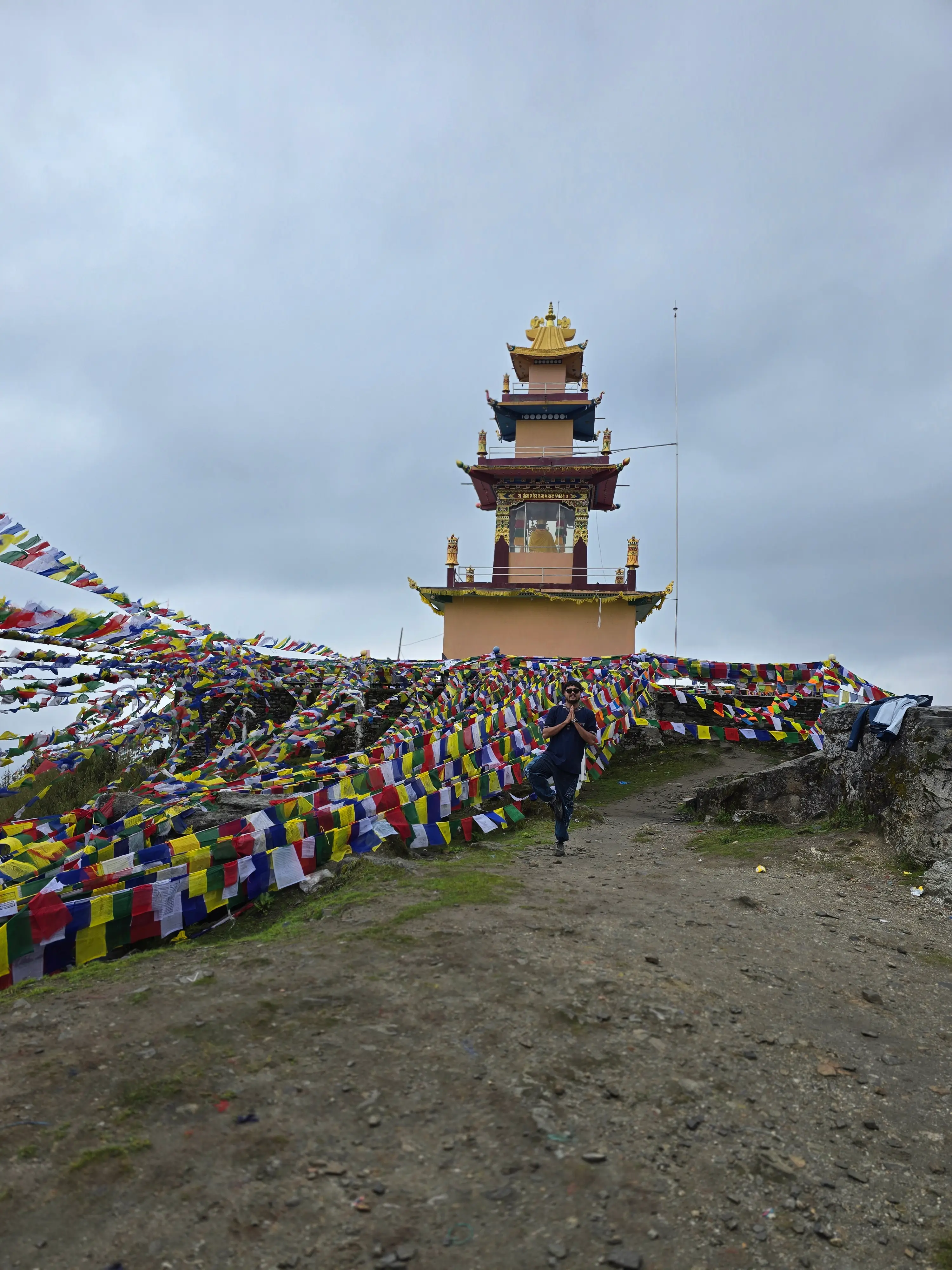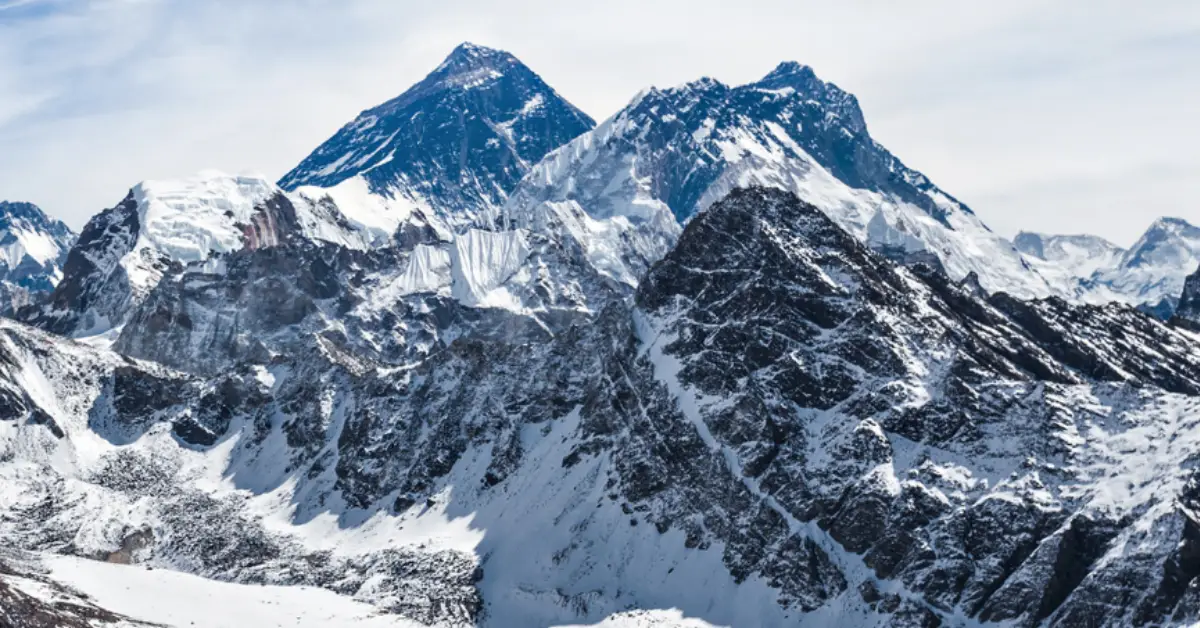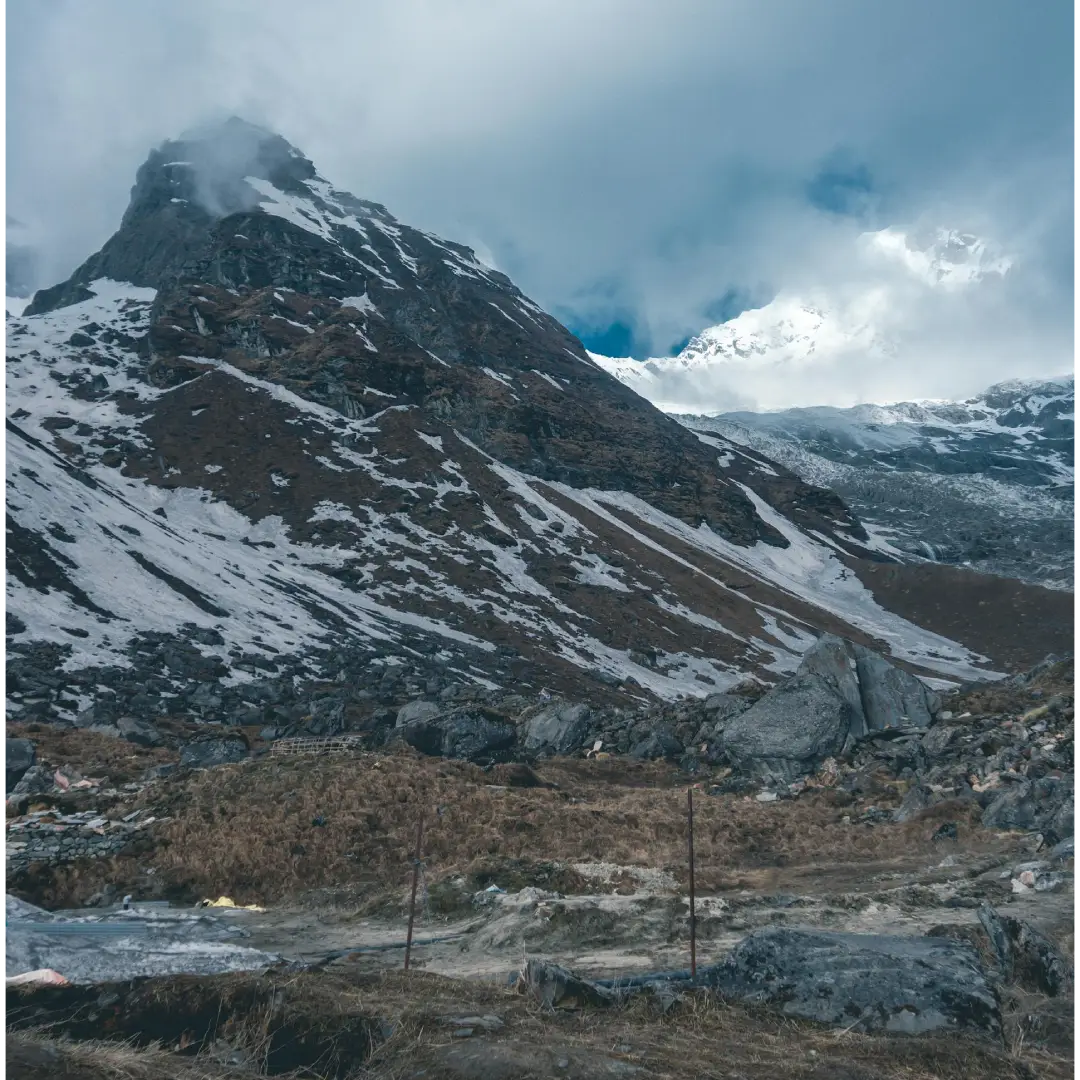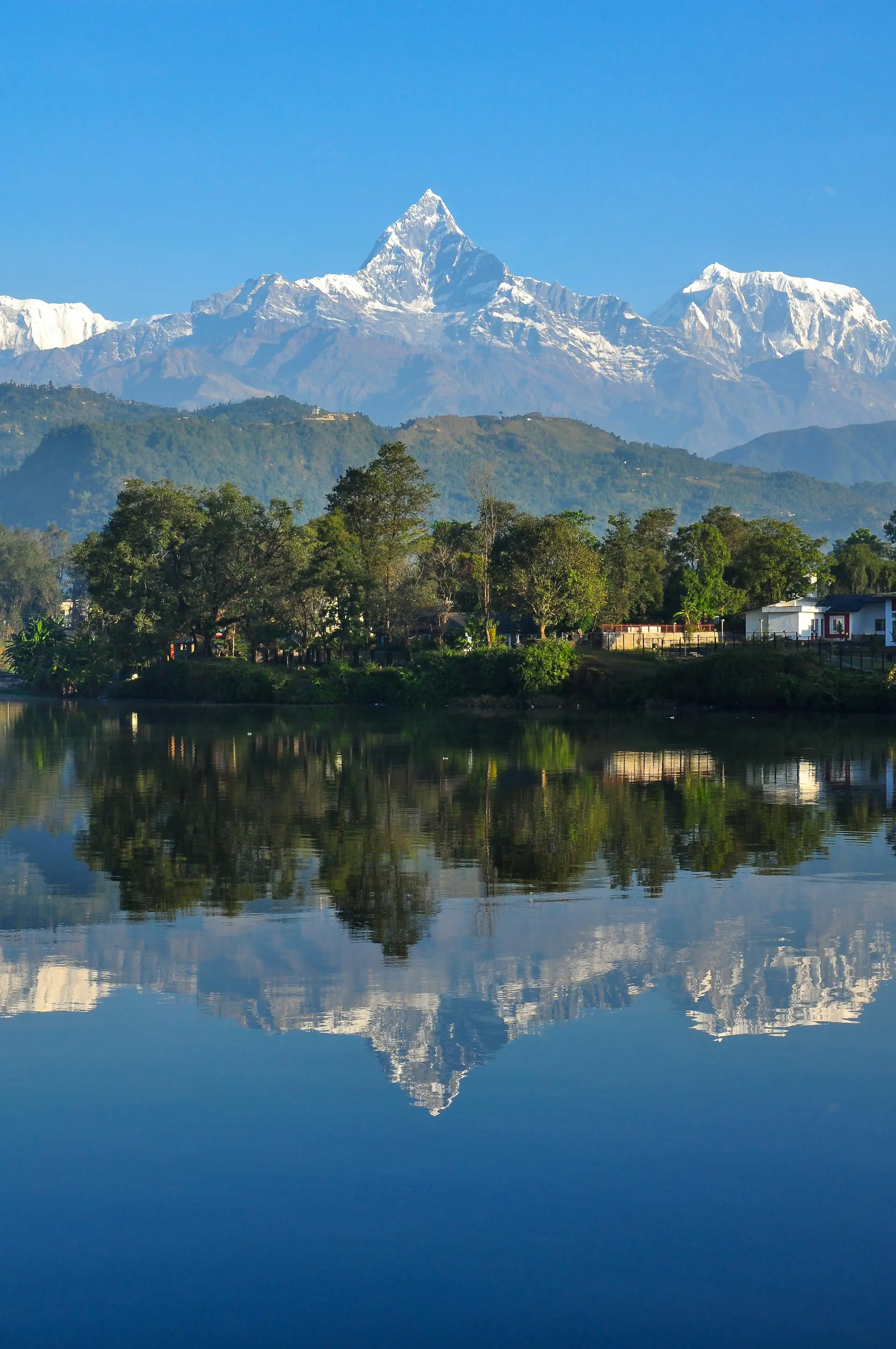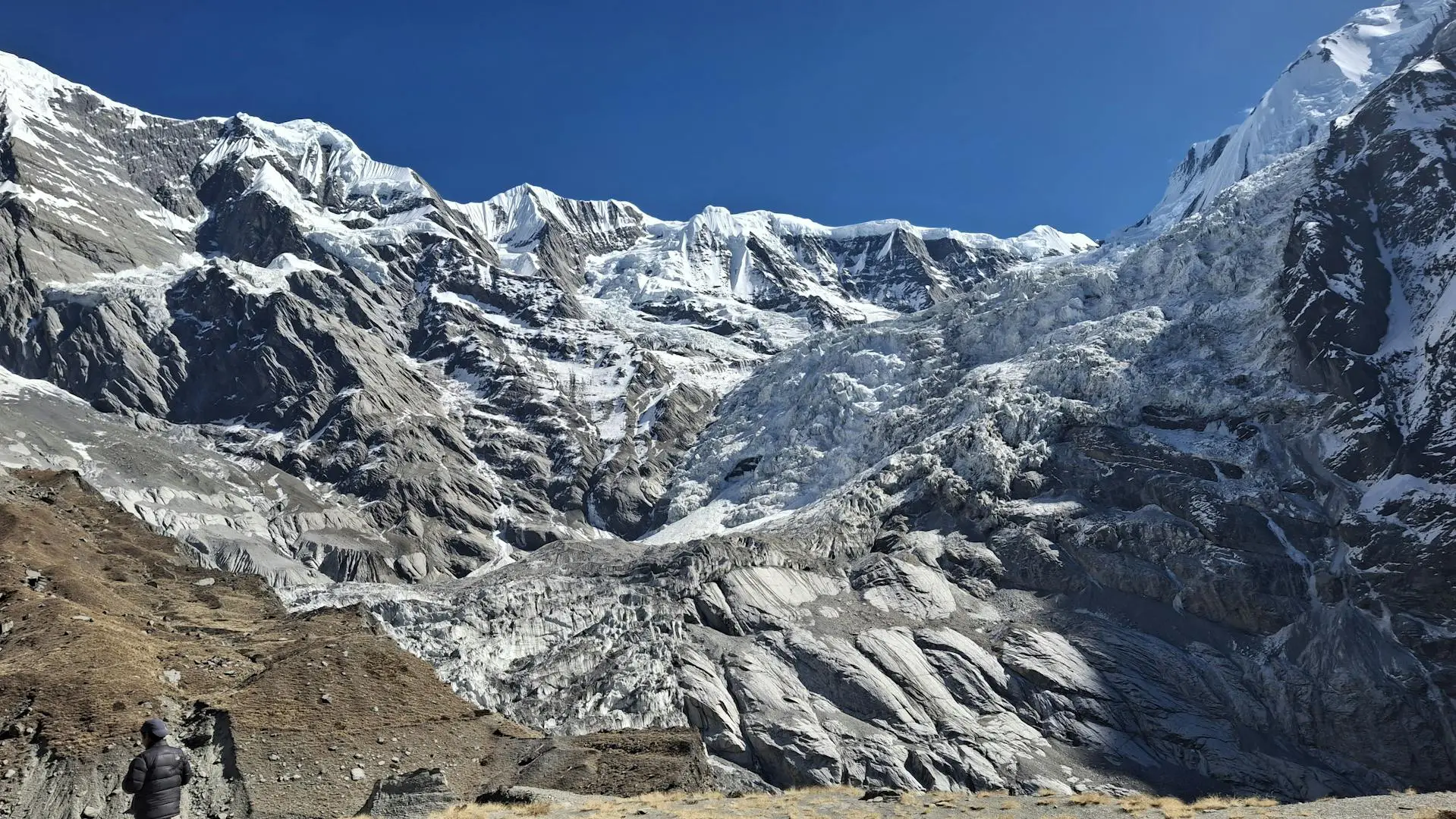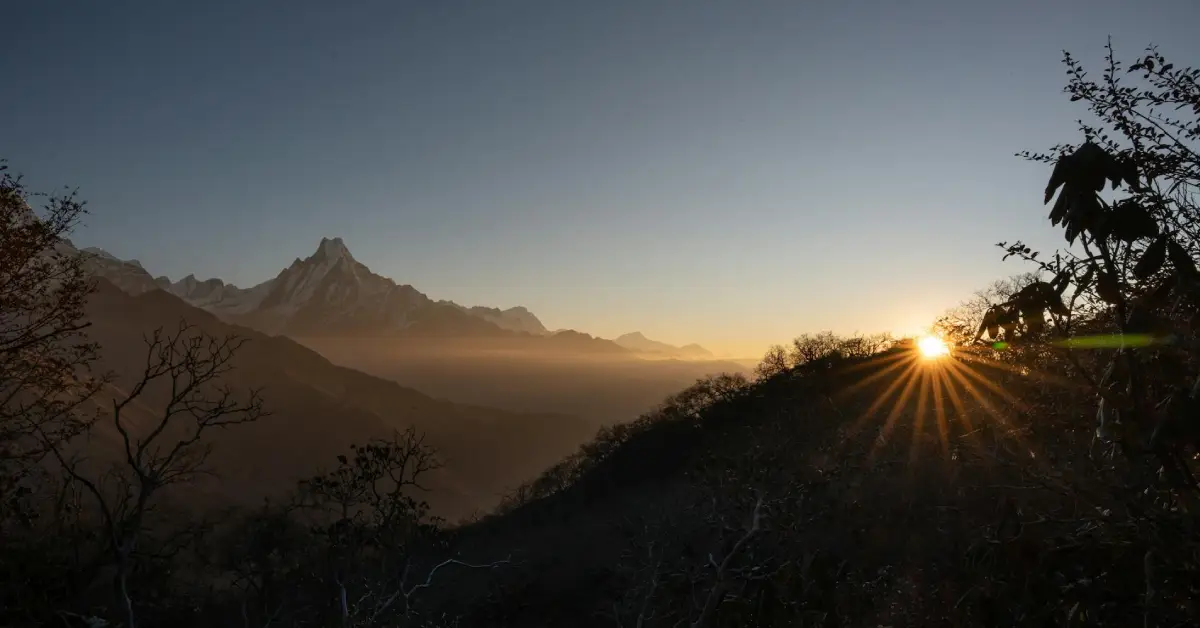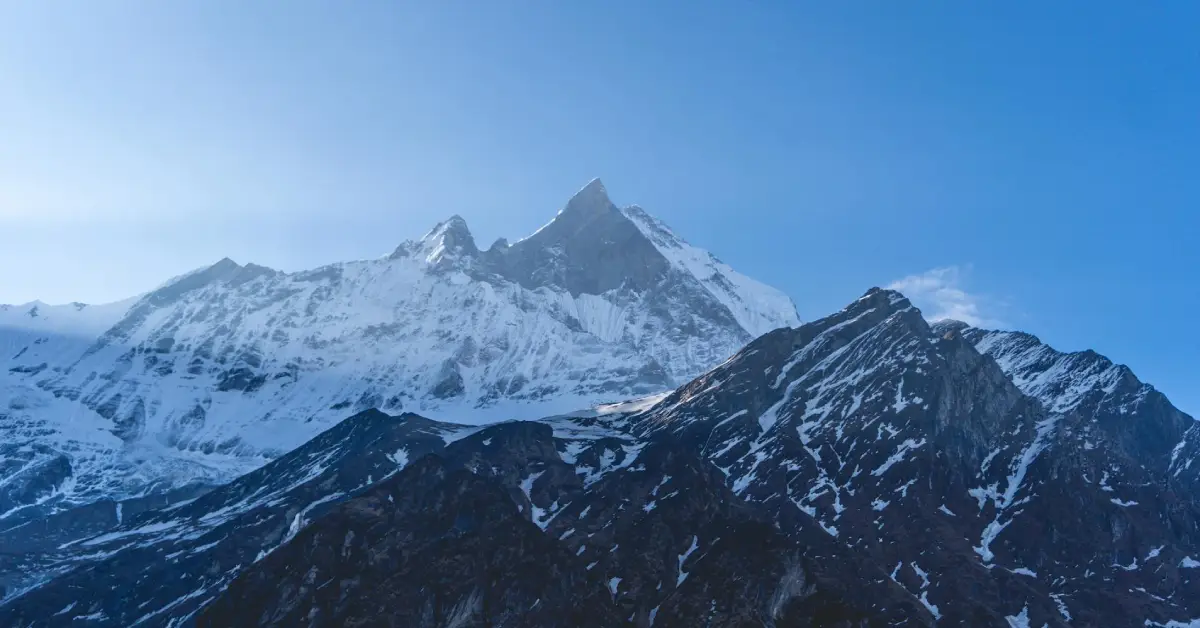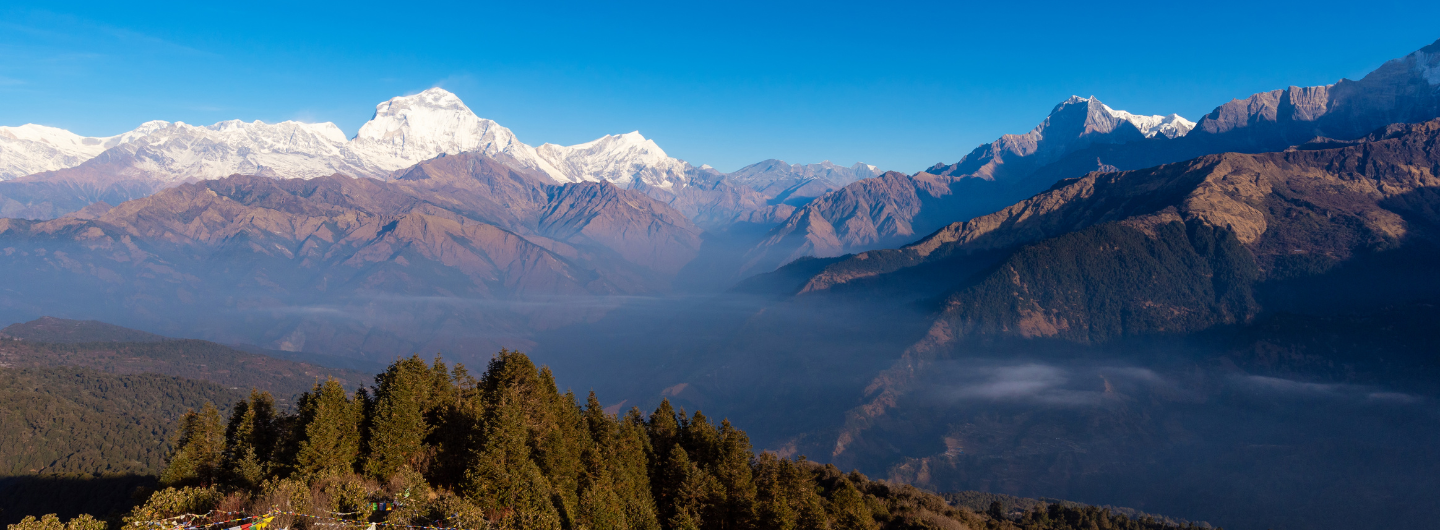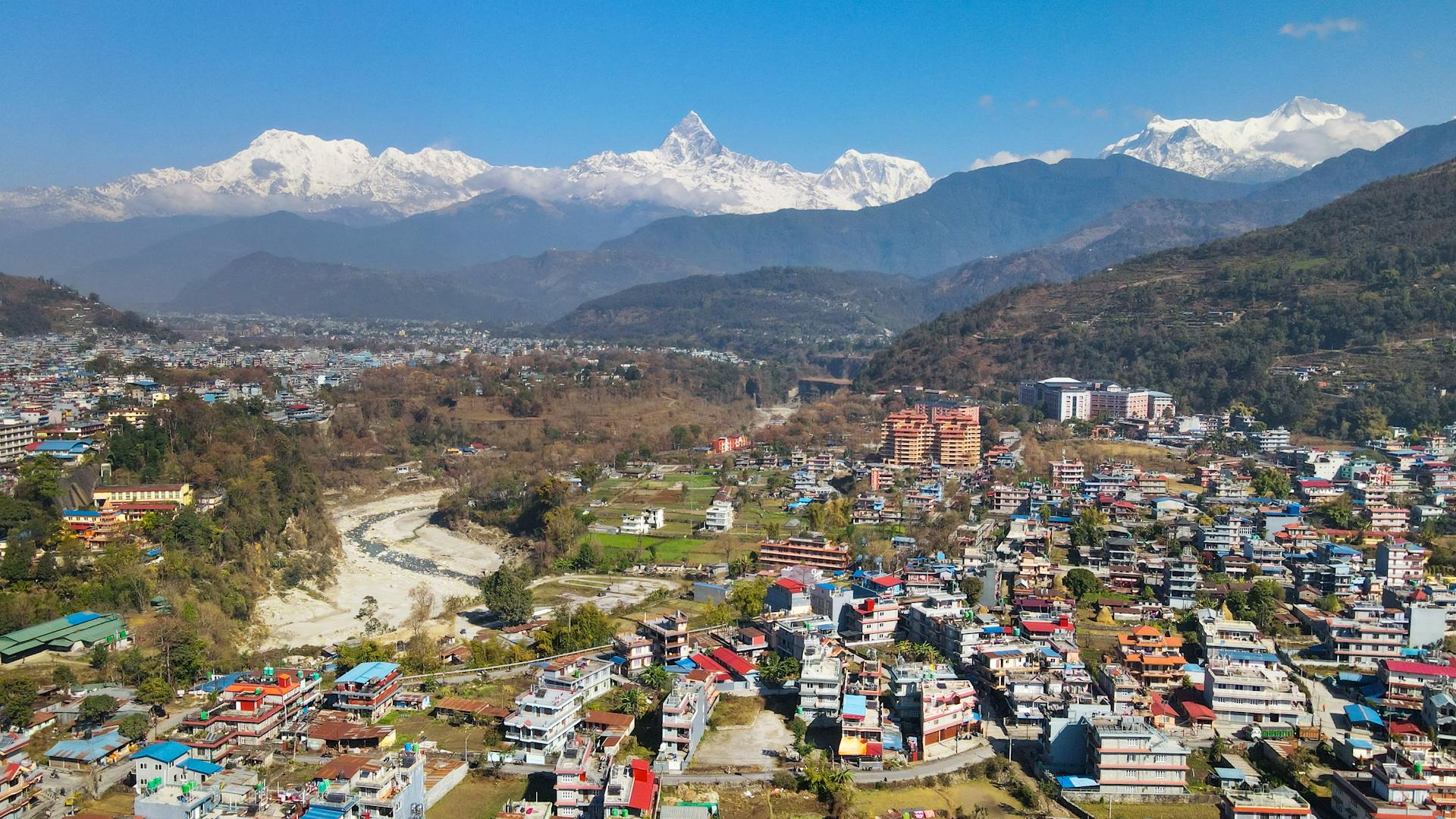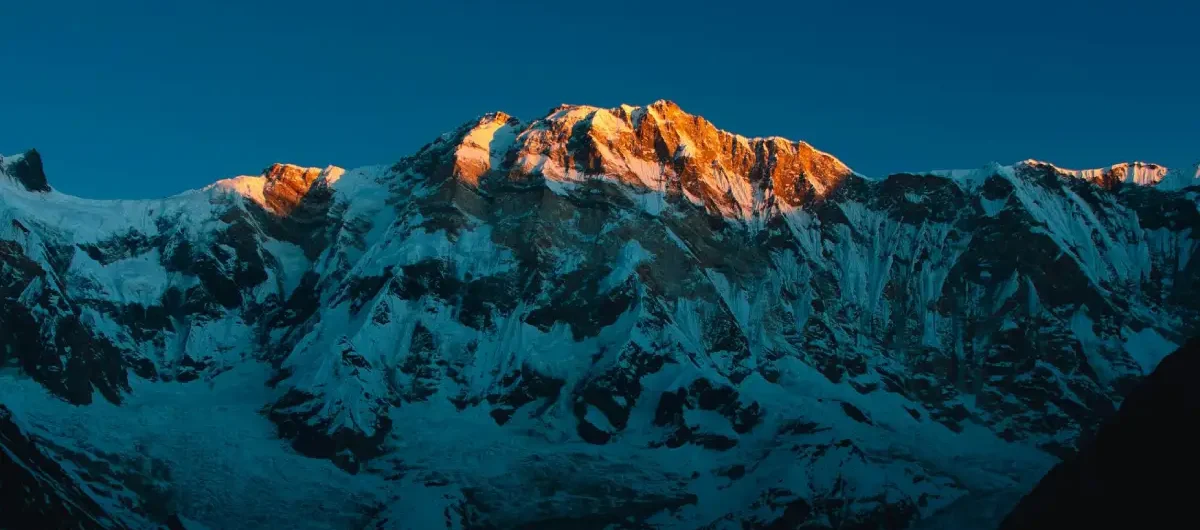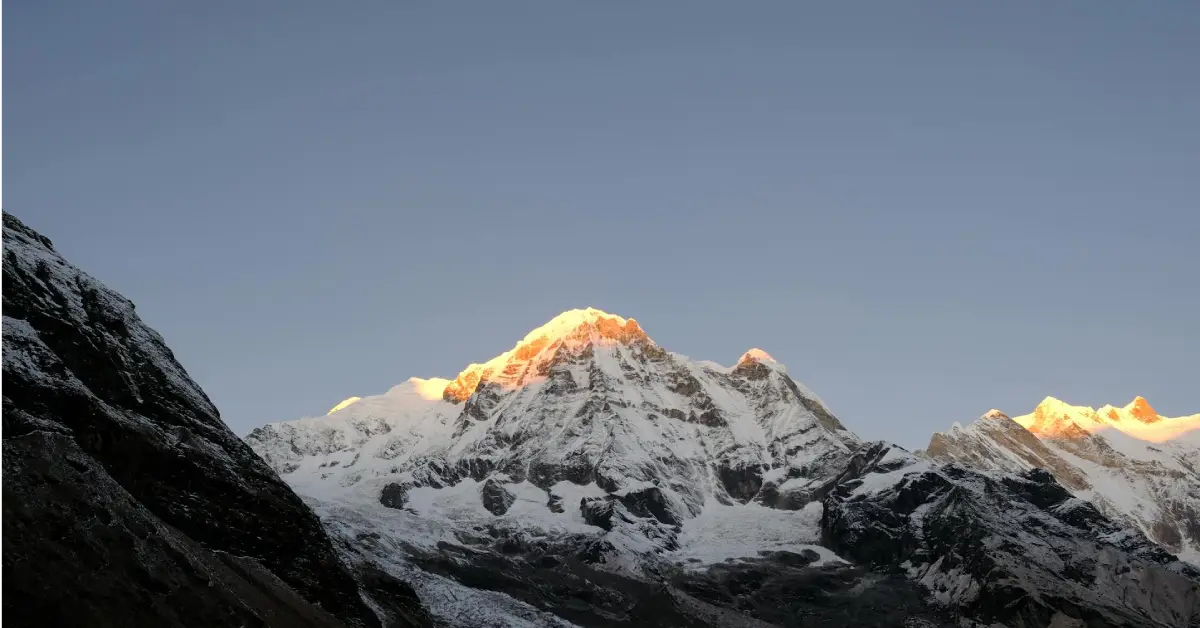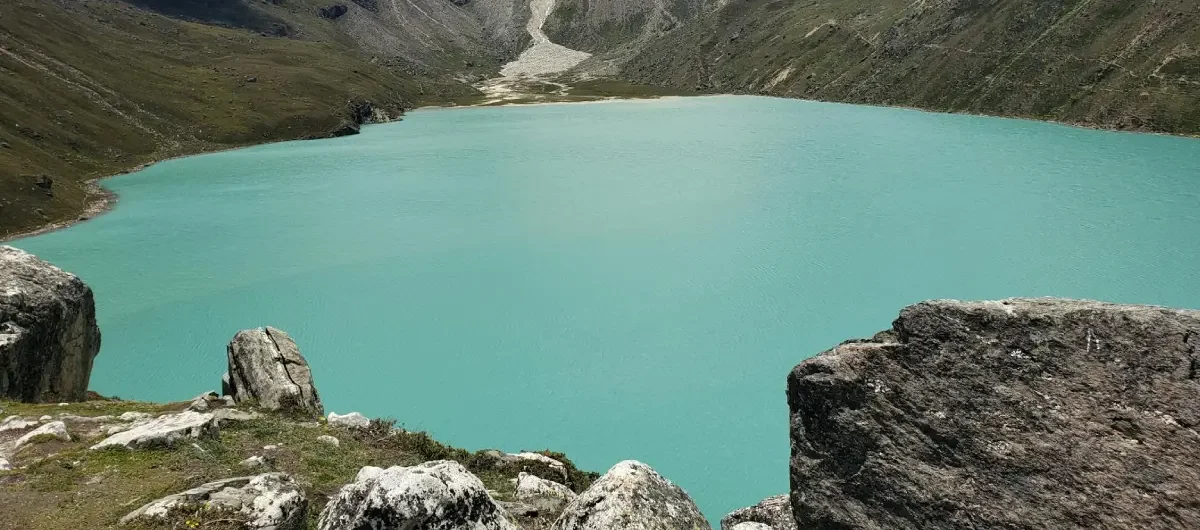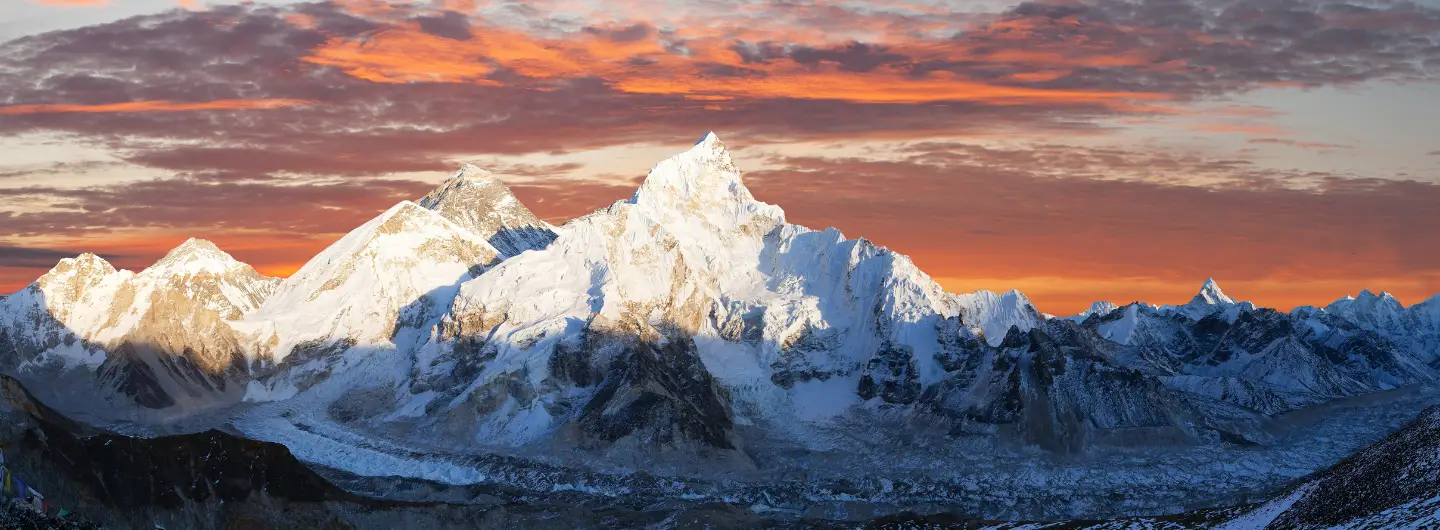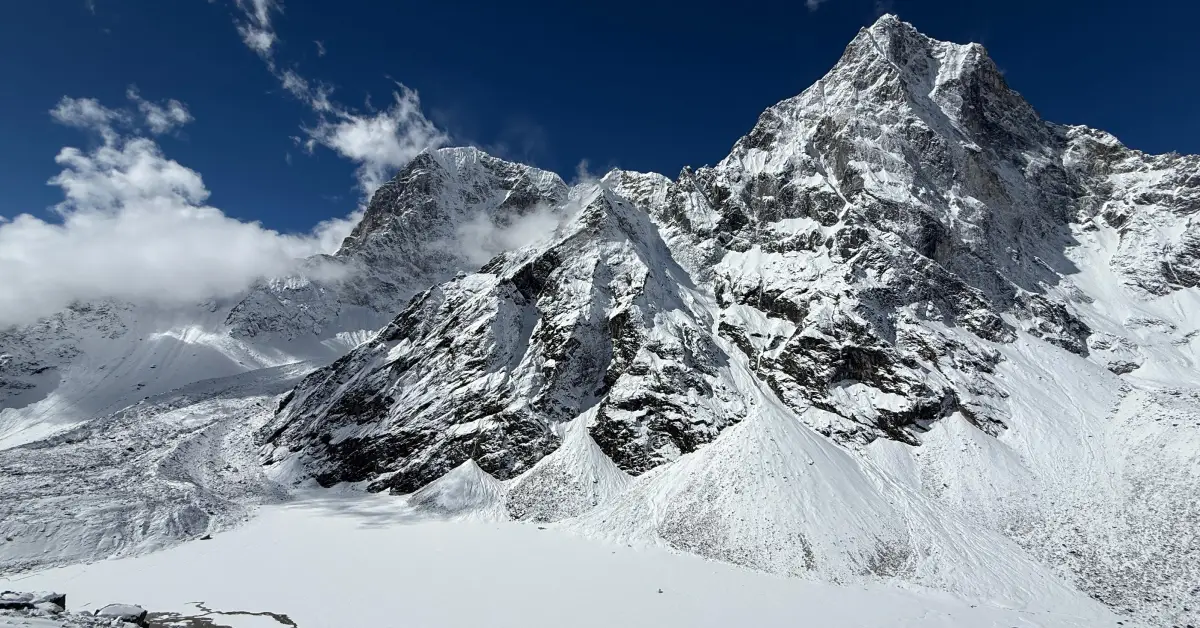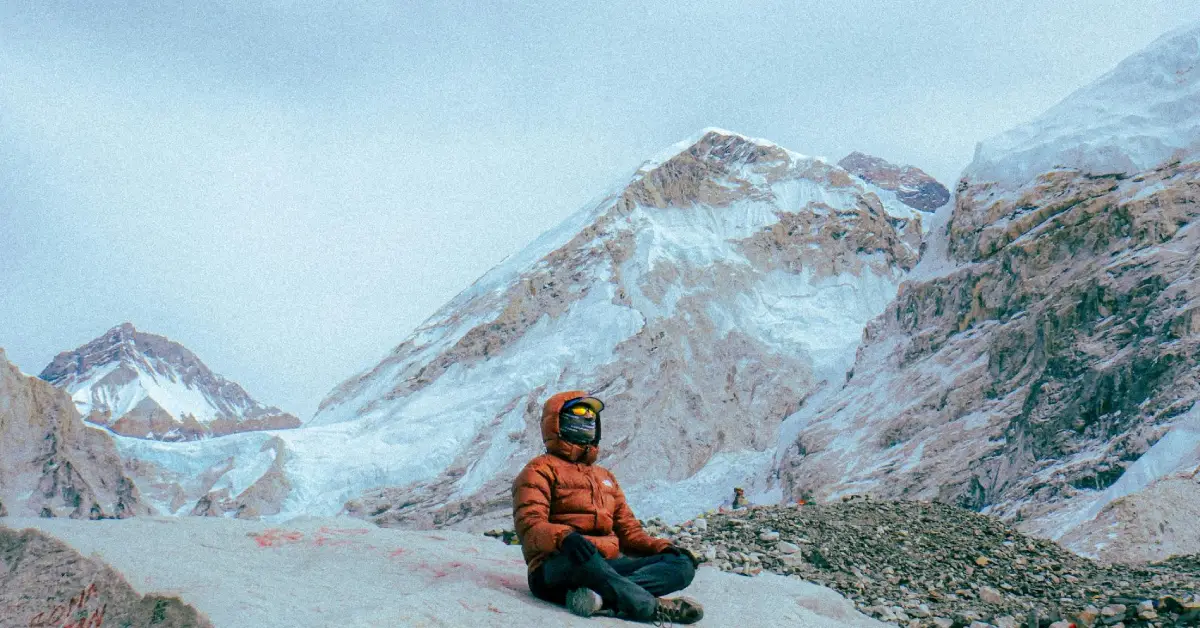

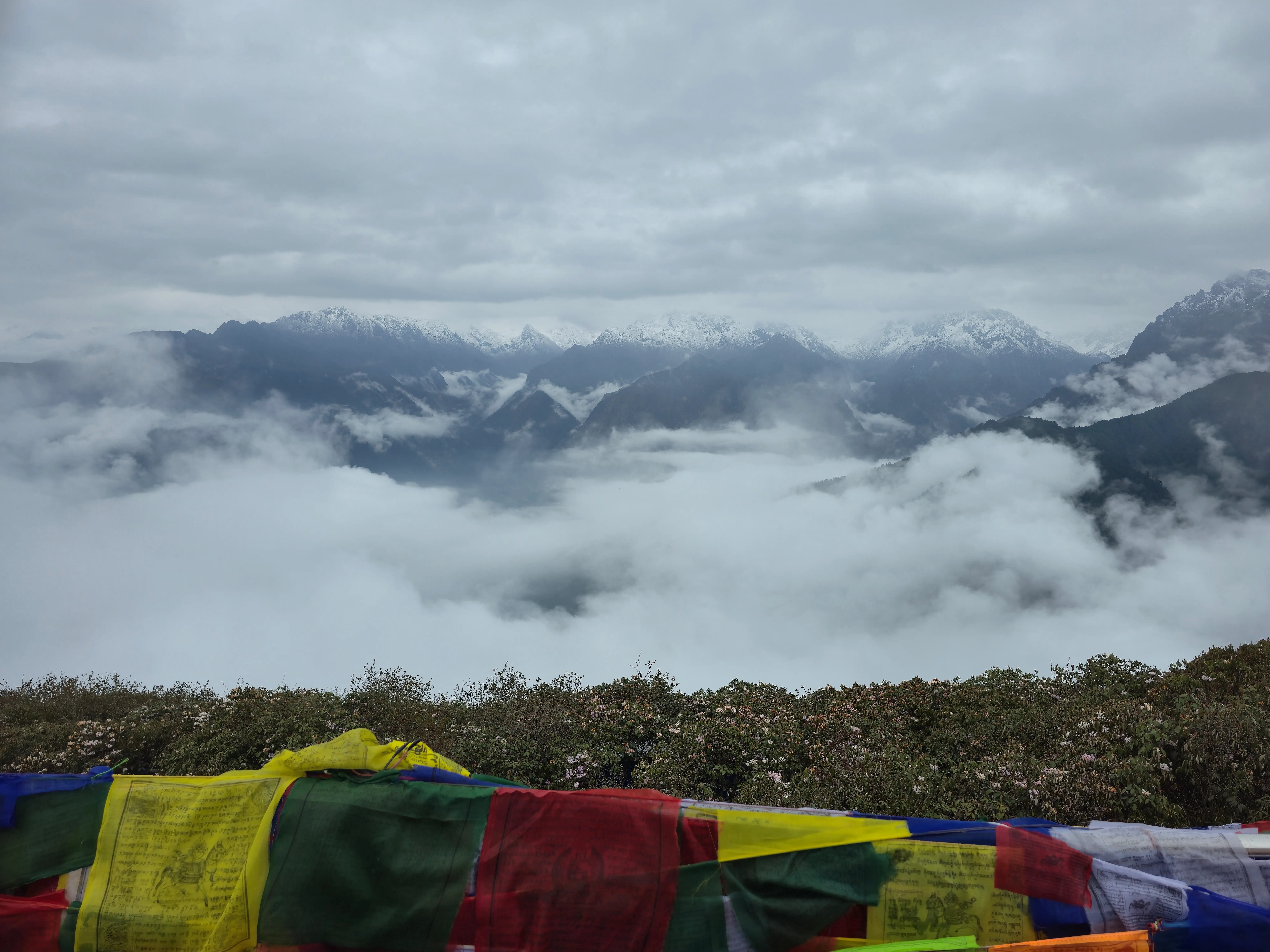
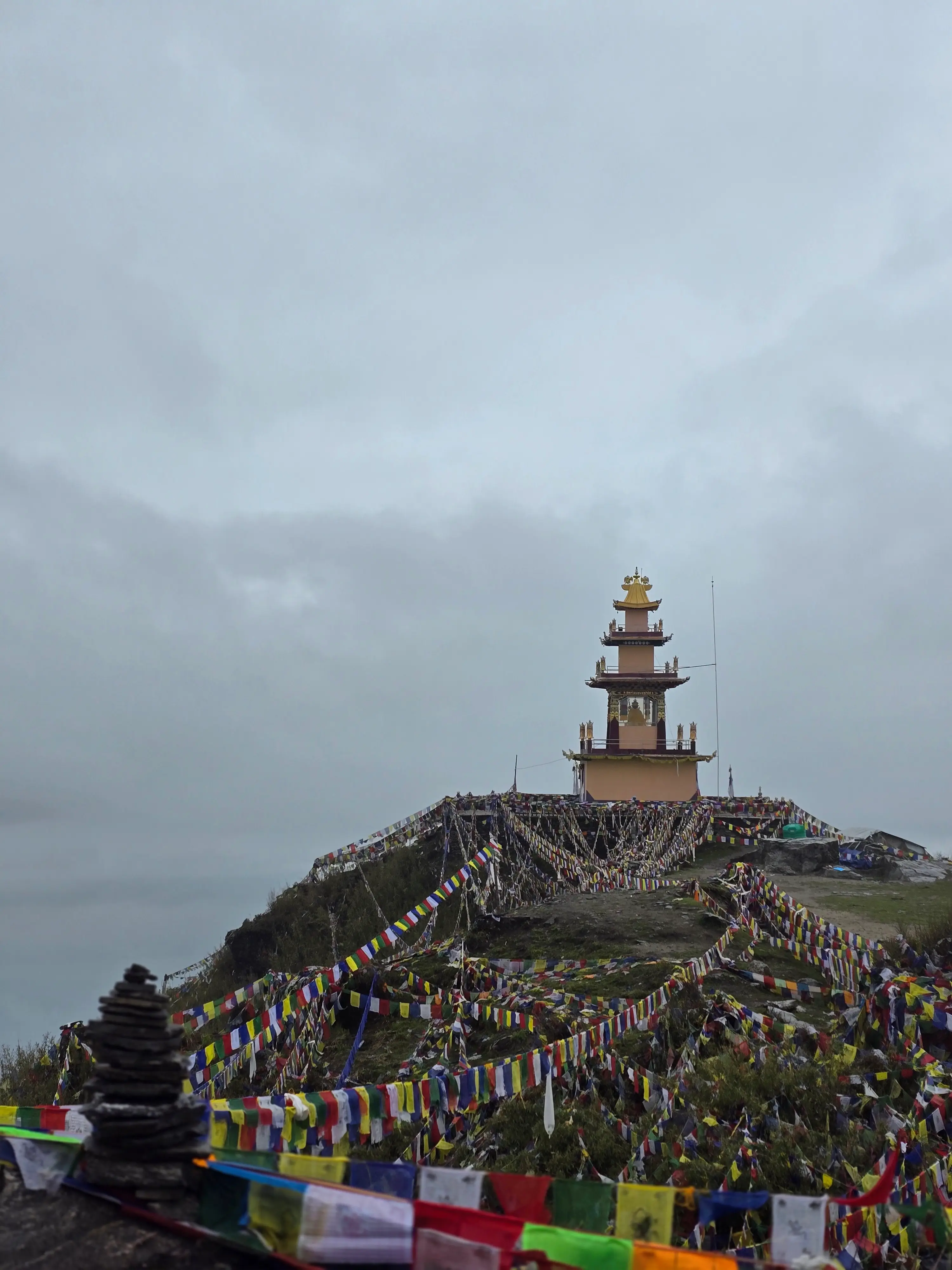
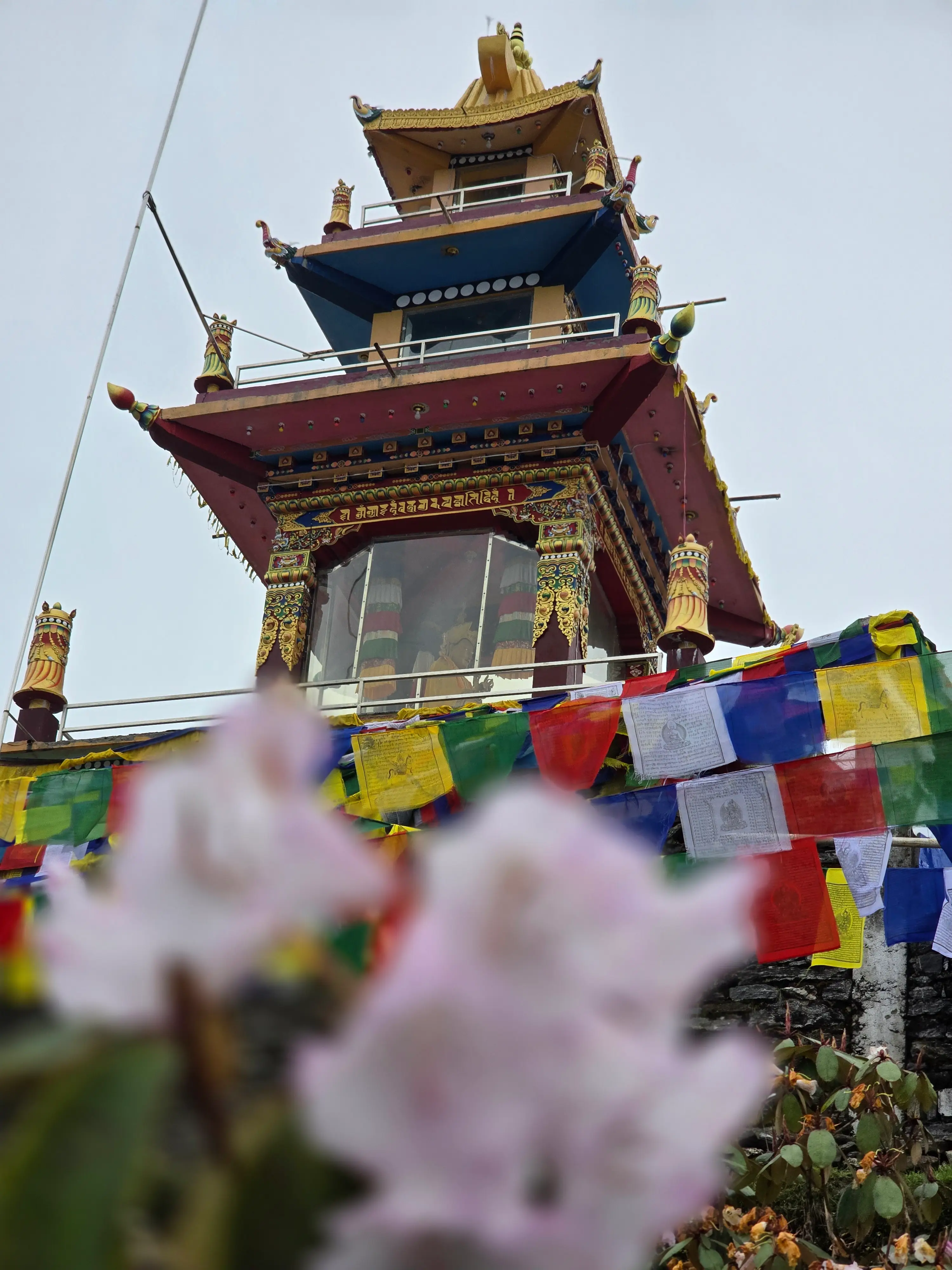
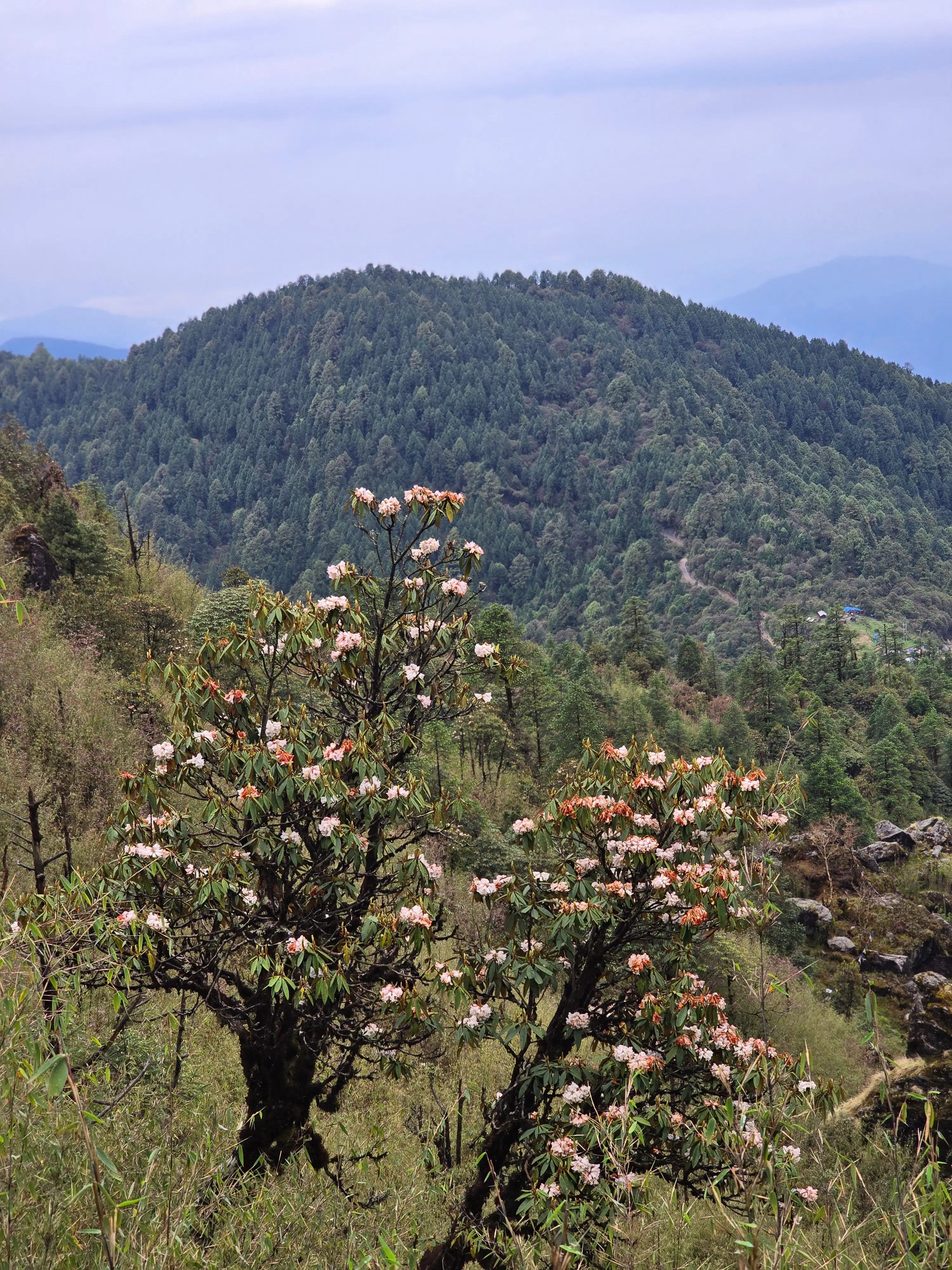
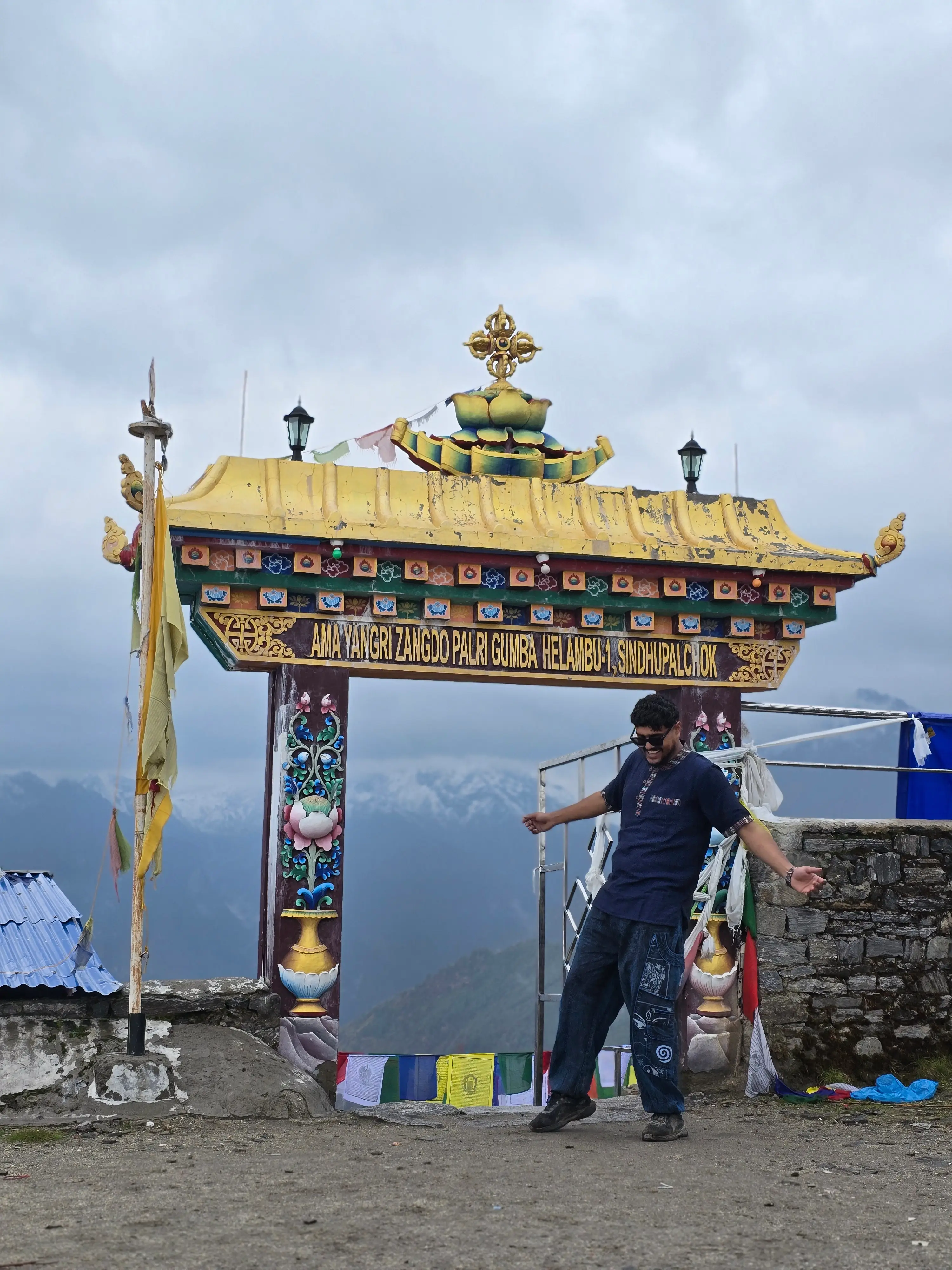
Overview Nestled in the beautiful Helambu region of Nepal, the Ama Yangri trek offers adventurers a perfect blend of natural beauty, cultural richness, and accessible mountain experiences. This short trek near Kathmandu provides stunning panoramic views of the Himalayas, including Langtang, Ganesh Himal, and even distant glimpses of Mount Everest. Whether you’re looking for a weekend trek in Nepal or an introduction to the country’s incredible trekking culture, Ama Yangri stands as an ideal choice. Moreover, this less crowded trek allows you to experience authentic Hyolmo culture while enjoying breathtaking sunrise views from one of the region’s most spectacular Himalayan viewpoints. Table of Contents What is Ama Yangri? Why Choose Ama Yangri Peak Trek Nepal Ama Yangri Trek Distance and Duration How Long is Ama Yangri Trek? Ama Yangri Trek Height and Altitude How Tall is Ama Yangri from Sea Level? Ama Yangri Trek Difficulty Level Ama Yangri Trek Best Time to Visit What is the Weather Like in the Ama Yangri Trek? Ama Yangri Trek Route Map and Itinerary Ama Yangri Trek from Kathmandu: Getting There Ama Yangri Trek Permit Requirements Ama Yangri Sunrise View Experience Cultural Highlights: Hyolmo Culture Trek Accommodation and Food Along the Trail What to Pack for Ama Yangri Trek Safety and Health Considerations Why Ama Yangri is Among the Best Offbeat Treks in Nepal Frequently Asked Questions What is Ama Yangri? Ama Yangri is a sacred mountain peak located in the Helambu region of Nepal, approximately 60 kilometers northeast of Kathmandu. The name “Ama Yangri” translates to “grandmother’s shoulder” in the local Hyolmo language, reflecting the mountain’s cultural significance to the indigenous communities. Additionally, this peak serves as an important pilgrimage site for both Buddhist and Hindu devotees who believe the mountain holds spiritual powers. Key Features of Ama Yangri: Sacred pilgrimage destination with religious importance Stunning 360-degree Himalayan viewpoint Home to diverse flora and fauna Traditional Hyolmo and Tamang settlements Less commercialized compared to other Nepal treks The mountain stands as a relatively easy accessible peak that doesn’t require technical climbing skills. Furthermore, its proximity to Kathmandu makes it one of the most convenient easy treks near Kathmandu for both local and international trekkers. The trail passes through rhododendron forests, terraced farmlands, and charming villages where time seems to have stood still. Consequently, trekkers get an authentic taste of rural Nepali life while enjoying spectacular mountain views. Religious and Cultural Significance The local Hyolmo people consider Ama Yangri Nepal a sacred mountain where they conduct annual festivals and religious ceremonies. Throughout the year, pilgrims visit the summit to offer prayers and seek blessings. The mountain also features several Buddhist stupas and prayer flags that add to its spiritual atmosphere. Therefore, visitors should respect local customs and religious practices while trekking in this region. Why Choose Ama Yangri Peak Trek Nepal Choosing the Ama Yangri short trek Nepal offers numerous advantages for trekkers of all experience levels. First and foremost, this trek provides an excellent introduction to Himalayan trekking without the commitment of longer expeditions. Unlike popular trails that can feel overcrowded, Ama Yangri remains one of the less crowded treks in Nepal, allowing for peaceful mountain experiences. Top Reasons to Trek Ama Yangri: Accessibility: Quick and easy access from Kathmandu Time-efficient: Perfect weekend trek in Nepal option Spectacular views: Panoramic Himalayan vistas including Langtang, Ganesh Himal, Dorje Lakpa, and Gaurishankar Cultural immersion: Experience authentic Hyolmo culture trek Biodiversity: Rich variety of plants and wildlife Budget-friendly: Among the most affordable Nepal treks The Ama Yangri Himalayan viewpoint offers one of the best sunrise and sunset experiences in the region. Moreover, the trek doesn’t require extensive preparation or advanced mountaineering skills, making it suitable for beginners. The well-marked trails and availability of teahouses along the route ensure comfortable trekking conditions. As a result, families, solo travelers, and groups can all enjoy this remarkable adventure. Comparison with Other Short Treks FeatureAma YangriNagarkotChisapaniDuration2-3 days1-2 days2-3 daysMax Altitude3,771m2,175m2,300mMountain ViewsExcellentGoodModerateCrowd LevelLowHighModerateCultural ExperienceRichLimitedModerate Ama Yangri Trek Distance and Duration Understanding the Ama Yangri trek distance helps in proper planning and preparation. The total trekking distance varies depending on your chosen route and starting point. Generally, the trek covers approximately 25-30 kilometers from the starting point to the summit and back. However, this can vary based on whether you choose the direct route or explore additional villages. Distance Breakdown: Timbu to Tarkeghyang: 12 kilometers (approximately 5-6 hours) Tarkeghyang to Ama Yangri Base: 6 kilometers (approximately 3-4 hours) Base to Summit: 2 kilometers (approximately 2-3 hours) Return Journey: Same routes or alternative paths Most trekkers complete the Ama Yangri day hike option by starting very early from Tarkeghyang village. Nevertheless, the standard itinerary spans 2-3 days, allowing for proper acclimatization and cultural exploration. The moderate daily walking distance makes this trek manageable even for those with average fitness levels. Furthermore, you can customize the trek duration based on your available time and interests. Flexible Itinerary Options The beauty of this scenic viewpoint trek Nepal lies in its flexibility. Some adventurous trekkers complete it as an intensive single-day challenge, while others prefer a leisurely three-day journey with overnight stays in traditional villages. Additionally, you can extend the trek by combining it with other Helambu region trekking routes for a more comprehensive experience. How Long is Ama Yangri Trek? The typical Ama Yangri trek takes 2 to 3 days to complete, though variations exist based on your starting point and pace. For those wondering specifically about the duration, the most common itinerary follows a three-day schedule that balances trekking time with cultural exploration and rest. However, experienced trekkers sometimes compress this into a challenging two-day adventure or even attempt it as a long day hike. Standard 3-Day Itinerary: Day 1: Drive from Kathmandu to Timbu, trek to Tarkeghyang (6-7 hours total) Day 2: Trek from Tarkeghyang to Ama Yangri summit and return (7-8 hours) Day 3: Trek back to Timbu and drive to Kathmandu (5-6 hours total) The Ama Yangri trekking package typically includes transportation, accommodation, meals, and guide services. Meanwhile, the actual trekking time each day ranges from 4 to 8 hours, depending on your fitness level and how frequently you stop for photographs and rest. Importantly, starting early allows you to witness the magnificent Ama Yangri sunrise view from the summit. Time Management Tips ActivityRecommended TimeNotesSummit Push3:00 AM – 7:00 AMBest for sunrise viewsVillage ExplorationAfternoonVisit monasteries and interact with localsPhotographyMorning/EveningGolden hour lightingRest and AcclimatizationAs neededListen to your body Ama Yangri Trek Height and Altitude The Ama Yangri trek altitude profile is relatively moderate compared to other high-altitude treks in Nepal. The summit stands at an impressive elevation that offers spectacular views without the extreme altitude challenges of peaks above 4,000 meters. Understanding the altitude gain helps trekkers prepare physically and mentally for the journey ahead. Altitude Progression: Kathmandu (Starting Point): 1,400 meters Timbu Village: 2,200 meters Tarkeghyang Village: 2,600 meters Ama Yangri Base: 3,200 meters Ama Yangri Summit: 3,771 meters Total Altitude Gain: Approximately 2,371 meters from Kathmandu The gradual altitude increase allows most trekkers to acclimatize naturally without experiencing severe altitude sickness symptoms. Nevertheless, it’s essential to stay hydrated and maintain a steady pace throughout the trek. The highest point you’ll reach is the summit, which provides breathtaking 360-degree views of the Himalayan range. Altitude Acclimatization Strategy Since the Ama Yangri trek difficulty includes moderate altitude challenges, proper acclimatization becomes crucial. Spending a night at Tarkeghyang before the summit push helps your body adjust to the thinner air. Additionally, drinking plenty of water, avoiding alcohol, and eating nutritious meals support better acclimatization. Remember, ascending slowly and listening to your body prevents altitude-related health issues. How Tall is Ama Yangri from Sea Level? Ama Yangri stands at 3,771 meters (12,372 feet) above sea level, making it one of the accessible viewpoint peaks in the Helambu region. This elevation places it in the moderate altitude category, where most healthy individuals can trek without requiring extensive high-altitude experience. Specifically, the height provides an ideal vantage point for observing the surrounding Himalayan giants. Comparative Heights: Ama Yangri: 3,771 meters Mount Everest (visible from summit): 8,849 meters Langtang Lirung (nearby): 7,234 meters Dorje Lakpa: 6,966 meters Ganesh Himal: 7,422 meters From this impressive altitude, trekkers can observe numerous peaks that tower even higher. Furthermore, the elevation is significant enough to experience the mountain environment while remaining relatively safe for most trekkers. The height difference between Kathmandu and the summit represents a considerable climb, yet it’s achievable within a short timeframe. What You Can See from This Height DirectionVisible PeaksDistanceNorthLangtang Range30-50 kmNortheastDorje Lakpa, Gaurishankar40-60 kmWestGanesh Himal50-70 kmEastNumbur, Karyolung60-80 kmFar EastMount Everest (on clear days)150+ km Ama Yangri Trek Difficulty Level The Ama Yangri trek difficulty is generally classified as easy to moderate, making it accessible to trekkers with basic fitness levels. Unlike technical climbs that require special equipment or mountaineering skills, this trek involves straightforward hiking on well-established trails. However, certain sections present challenges that require preparation and determination. Difficulty Factors: Physical Demand: Moderate – requires good basic fitness Technical Skills: None required – simple hiking Trail Conditions: Well-marked but occasionally steep Altitude Challenge: Moderate – reaches above 3,700 meters Duration: Short – 2-3 days total Weather Dependency: Moderate – conditions can change quickly The steepest sections occur during the final approach to the summit, where the trail becomes more demanding. Nevertheless, most people with regular exercise routines can complete the trek successfully. The key factors affecting difficulty include your fitness level, previous trekking experience, and acclimatization to altitude. Preparing for the Challenge To ensure a successful Ama Yangri short trek Nepal experience, begin physical preparation at least 4-6 weeks before departure. Regular cardiovascular exercises like jogging, cycling, or swimming build endurance. Additionally, practice hiking with a daypack on inclined terrain to simulate trekking conditions. Strengthening your leg muscles through squats and lunges also helps tackle steep ascents and descents more comfortably. Who Can Do This Trek? Trekker ProfileSuitabilityRecommendationsBeginnersHighTake it slow, hire a guideFamilies with teenagersHighGreat introductory trekSenior citizens (healthy)ModerateConsult doctor, slower paceChildren under 12Low to ModerateDepends on fitness and experienceExperienced trekkersVery HighCan complete faster Ama Yangri Trek Best Time to Visit Choosing the Ama Yangri trek best time significantly impacts your overall experience, affecting everything from weather conditions to trail accessibility and mountain visibility. Nepal’s distinct seasons each offer unique advantages and challenges for trekkers. Understanding these seasonal variations helps you plan the perfect trip aligned with your preferences and expectations. Optimal Trekking Seasons: Spring (March to May): Clear mountain views with excellent visibility Blooming rhododendrons create colorful landscapes Moderate temperatures, comfortable for trekking Increasing tourist activity but still less crowded Autumn (September to November): Crystal-clear skies and stunning mountain panoramas Stable weather with minimal rainfall Pleasant temperatures during the day Most popular season for all Nepal treks Winter and monsoon seasons are generally less favorable. Winter (December to February) brings cold temperatures and occasional snowfall, though brave trekkers enjoy solitude and pristine snow-covered landscapes. Meanwhile, monsoon season (June to August) presents heavy rainfall, leeches, and obscured mountain views, making trekking challenging and less enjoyable. Monthly Weather Guide MonthTemperature RangeConditionsRecommendationMarch-April5°C to 15°CClear, flowers bloomingExcellentMay8°C to 18°CWarmer, pre-monsoon cloudsGoodSeptember6°C to 16°CPost-monsoon clarityExcellentOctober-November3°C to 12°CCrystal clear, cold nightsBestDecember-February-5°C to 8°CCold, possible snowChallengingJune-August10°C to 20°CRainy, leeches, cloudsNot recommended What is the Weather Like in the Ama Yangri Trek? The weather in the Ama Yangri trek varies considerably depending on the season and altitude. Generally, the climate remains pleasant during peak trekking seasons, though temperatures drop significantly at higher elevations and during nighttime. Understanding weather patterns helps you pack appropriately and set realistic expectations for your journey. Typical Weather Patterns: Morning: Cool to cold, especially at higher altitudes Midday: Comfortable and often sunny during dry seasons Evening/Night: Cold, temperatures can drop below freezing at the summit Precipitation: Minimal in autumn and spring, heavy in monsoon Wind: Moderate to strong at exposed ridges and summit During autumn and spring, daytime temperatures at lower elevations remain comfortable (10-20°C), while summit temperatures range from -5°C to 10°C. Consequently, layered clothing becomes essential for adapting to changing conditions throughout the day. Moreover, weather can change rapidly in mountain environments, so always prepare for unexpected conditions. Seasonal Weather Characteristics Spring Weather: This season brings gradually warming temperatures with occasional afternoon clouds. The Ama Yangri sunrise view is typically spectacular, with clear morning skies giving way to afternoon cloudiness. Rain showers become more frequent in late May as the monsoon approaches. Nevertheless, mornings generally offer the best visibility for mountain views. Autumn Weather: Considered the most stable season, autumn provides consistently clear skies and excellent visibility. The post-monsoon atmosphere is crisp and clean, creating perfect conditions for photography and mountain viewing. However, temperatures are cooler than spring, especially in November. Therefore, warm clothing becomes increasingly important as the season progresses. Ama Yangri Trek Route Map and Itinerary Understanding the Ama Yangri trek route map helps you visualize the journey and prepare mentally for each day’s challenges. The standard route begins with a drive from Kathmandu to the trailhead, followed by trekking through traditional villages and forests before reaching the summit. Several route variations exist, allowing flexibility based on time and preferences. Standard Route Overview: Day 1: Kathmandu to Tarkeghyang Drive from Kathmandu to Timbu (4-5 hours) Begin trekking to Tarkeghyang village (2-3 hours) Elevation gain: 400 meters Overnight at teahouse in Tarkeghyang Day 2: Tarkeghyang to Ama Yangri Summit and Return Early morning start (3-4 AM for sunrise) Trek to summit via Yangrima village (4-5 hours ascent) Enjoy Ama Yangri Himalayan viewpoint and sunrise Descend back to Tarkeghyang (3-4 hours) Overnight at Tarkeghyang Day 3: Tarkeghyang to Timbu and Return to Kathmandu Trek down to Timbu (2-3 hours) Drive back to Kathmandu (4-5 hours) Alternative Routes and Extensions Flexible trekkers can modify the standard itinerary to include additional villages and cultural sites. Some variations include starting from Sermathang or combining the trek with other Helambu region trekking destinations. Furthermore, you can extend the journey to explore Melamchi, Kakani, or connect with the Langtang valley circuit for a more comprehensive adventure. Key Landmarks Along the Route LocationAltitudeFeaturesApproximate TimeTimbu2,200mTrailhead villageStart pointTarkeghyang2,600mMajor village, monastery2-3 hours from TimbuYangrima3,000mSmall settlement2 hours from TarkeghyangAma Yangri Base3,200mRest point1 hour from YangrimaAma Yangri Summit3,771m360° viewpoint2-3 hours from base Ama Yangri Trek from Kathmandu: Getting There The Ama Yangri trek from Kathmandu begins with a scenic drive through the beautiful countryside of Nepal. The journey itself offers glimpses of traditional villages, terraced farmlands, and gradually changing landscapes as you move from the valley to the hills. Multiple transportation options exist, each with its own advantages regarding comfort, speed, and adventure. Transportation Options: By Private Vehicle: Most comfortable and flexible option Direct route to Timbu or Sermathang Duration: 4-5 hours depending on road conditions Can stop for photos and breaks as desired Suitable for groups and families By Public Bus: Most economical option Regular buses from Kathmandu to nearby towns May require changing buses Less comfortable but authentic local experience Duration: 5-6 hours with possible waiting times The road journey takes you through several interesting towns including Sankhu, an ancient Newari settlement. Additionally, the route passes through beautiful sal forests and offers occasional mountain views. Road conditions can vary, especially during monsoon season when landslides occasionally affect travel times. Therefore, building some flexibility into your schedule is advisable. Detailed Driving Route SectionDistanceRoad ConditionHighlightsKathmandu to Sankhu17 kmPaved roadAncient Newari townSankhu to Melamchi Pul Bazaar30 kmMixed conditionRiverside viewsMelamchi to Timbu15 kmRough roadMountain scenery beginsTotal~62 kmVariable4-5 hours journey Ama Yangri Trek Permit Requirements The Ama Yangri trek permit requirements are relatively simple compared to restricted area treks in Nepal. However, obtaining the necessary permits beforehand ensures a smooth trekking experience without complications. The permit process involves minimal paperwork and reasonable fees, making this trek accessible to independent travelers and organized groups alike. Required Permits: Langtang National Park Entry Permit: Required for all trekkers entering the park boundary Covers the Helambu region including Ama Yangri Nepal Valid for the duration of your trek Available at park entry checkpoints or in Kathmandu TIMS Card (Trekkers’ Information Management System): Helps track trekker movements for safety Two types: Independent and Organized trekking Required documentation: passport, photos, itinerary Issued by Nepal Tourism Board or trekking agencies You can obtain these permits through registered trekking agencies in Kathmandu, which often include permit costs in their Ama Yangri trekking package. Alternatively, independent trekkers can visit the Nepal Tourism Board office in Kathmandu to arrange permits themselves. The process typically takes a few hours, so plan accordingly before starting your journey. Permit Application Process Step-by-Step Guide: Gather required documents (passport copies, photos) Visit Nepal Tourism Board office or authorized agent Fill out application forms with trek details Submit documents and pay applicable fees Collect permits (usually same-day processing) Carry permits throughout your trek for checkpoints Important Permit Information Permit TypePurposeWhere to ObtainProcessing TimeNational Park PermitPark entry authorizationTourism Board/Entry gateSame dayTIMS CardTrekker tracking/safetyTourism Board/AgencySame dayLocal Area FeeVillage developmentEntry checkpointsImmediate Ama Yangri Sunrise View Experience The Ama Yangri sunrise view stands as the highlight of the entire trekking experience, offering one of the most spectacular dawn displays in the Helambu region. Trekkers who make the pre-dawn push to the summit are rewarded with unforgettable moments as the first rays of sunlight illuminate the Himalayan giants. This magical experience makes the early wake-up call and dark ascent absolutely worthwhile. What Makes the Sunrise Special: First light touching snow-capped peaks creates golden illumination Temperature gradient creates atmospheric color changes 360-degree panoramic views of multiple mountain ranges Prayer flags flutter in the morning breeze Peaceful atmosphere with minimal crowds Perfect photography conditions with dramatic lighting Starting the summit push around 3-4 AM ensures you reach the top before sunrise. Although the climb in darkness requires headlamps and careful footing, the anticipation builds with every step. Meanwhile, the temperature remains quite cold during pre-dawn hours, so warm layers become essential. As dawn approaches, the eastern horizon begins to glow, creating excitement among waiting trekkers. Sunrise Viewing Tips Photography Preparation: Bring extra batteries (cold drains them quickly) Use tripod for stable shots in low light Set up position 20-30 minutes before sunrise Shoot in RAW format for better editing Include prayer flags for cultural context Comfort and Safety: Wear all warm layers including down jacket Bring hot tea in a thermos Find sheltered spots to block wind Stay together with your group Be mindful of cliff edges in low light Mountain Visibility from Summit Peak NameAltitudeDirectionDistanceBest Viewing SeasonLangtang Lirung7,234mNorth40 kmOct-Nov, Mar-AprGanesh Himal7,422mNorthwest65 kmOct-NovDorje Lakpa6,966mNortheast45 kmAll dry seasonsGaurishankar7,134mEast55 kmOct-Nov, Mar-AprJugal Himal RangeVariousNorth-Northeast30-50 kmAll dry seasons Cultural Highlights: Hyolmo Culture Trek The Hyolmo culture trek aspect of Ama Yangri provides rich cultural immersion beyond the natural beauty. The Helambu region is predominantly inhabited by Hyolmo people (also called Yolmo), a Tibetan Buddhist ethnic group with distinct traditions, language, and customs. Interacting with local communities and experiencing their way of life adds profound depth to your trekking adventure. Cultural Experiences: Traditional Villages: Ancient stone houses with slate roofs Narrow cobbled pathways between buildings Community water sources and gathering places Traditional agricultural practices on terraced fields Handwoven textiles and local crafts Religious Sites: Historic Buddhist monasteries (gompas) with prayer wheels Chortens (stupas) marking sacred spaces Mani walls with carved Buddhist prayers Colorful prayer flags connecting earth and sky Active religious ceremonies and rituals The main village of Tarkeghyang houses an important monastery dating back over 700 years. Additionally, the village serves as the cultural heart of the Hyolmo community, where traditional practices remain strong. Visitors can observe or participate in daily religious activities, witness traditional dances during festivals, and learn about Buddhist philosophy from local monks. Traditional Lifestyle and Customs Daily Life Observations: Traditional farming methods using terraced fields Yak and cattle herding in highland pastures Production of local cheese (chhurpi) and butter Weaving and textile work using traditional looms Preparation of traditional foods like thukpa and momo Cultural Etiquette: Remove shoes before entering monasteries and homes Walk clockwise around religious structures Ask permission before photographing people Dress modestly, especially near religious sites Accept hospitality graciously but don’t waste food Hyolmo Cultural Calendar FestivalSeasonSignificanceActivitiesLosarFebruary/MarchTibetan New YearDancing, feasting, prayersBuddha JayantiMayBuddha’s birthdayMonastery ceremoniesDumjeJulyMonsoon blessingTraditional dances, ritualsMani RimduOctober/NovemberSpiritual protectionMasked dances, dramas Accommodation and Food Along the Trail Accommodation options along the Ama Yangri trek route provide basic but comfortable facilities suitable for mountain trekking. The well-established teahouse network in the Helambu region ensures trekkers have reliable shelter and meals throughout their journey. While facilities remain simple compared to hotels in Kathmandu, they offer genuine hospitality and authentic mountain experiences. Teahouse Accommodation Features: Simple rooms with twin beds and mattresses Shared bathroom facilities (squat or western toilets) Common dining areas with seating Solar-powered lighting in most teahouses Blankets provided (sleeping bags recommended) Basic but clean and adequate for trekkers The accommodation quality improves in larger villages like Tarkeghyang, where some lodges offer hot showers and more comfortable rooms. However, facilities become more basic as you approach higher elevations and smaller settlements. Consequently, managing expectations helps ensure satisfaction with the available amenities. Dining and Food Options Typical Menu Items: Dal Bhat (rice with lentil soup) – the trekker’s staple Noodle soups (thukpa, chowmein) Momos (Tibetan dumplings) Fried rice and vegetables Tibetan bread with jam or cheese Hot drinks (tea, coffee, hot chocolate) Seasonal vegetables and potatoes The food is generally fresh, nutritious, and suited to trekking energy needs. Moreover, dal bhat meals typically come with unlimited refills, providing excellent value and sustained energy. Most teahouses can accommodate vegetarian preferences easily, though vegan and specific dietary requirements may require advance communication. Accommodation and Meal Planning LocationTeahouse AvailabilityMeal VarietyHot ShowerCharging FacilitiesTarkeghyangMultiple optionsExtensive menuAvailable (fee)Yes (fee)YangrimaLimited (2-3)Basic menuLimitedSolar power onlySmaller villagesVery limitedSimple optionsRarelyLimited/none What to Pack for Ama Yangri Trek Packing appropriately for your Ama Yangri short trek Nepal ensures comfort, safety, and enjoyment throughout the journey. Since this trek spans only 2-3 days, you can travel relatively light while still carrying all essential items. Creating a systematic packing list helps avoid forgetting important gear while preventing overpacking. Essential Clothing: Upper Body: Moisture-wicking base layer shirts (2-3) Insulating mid-layer (fleece or down jacket) Waterproof and windproof outer shell Warm hat and sun hat Gloves (warm and waterproof) Lower Body: Trekking pants (quick-dry material) Base layer leggings for cold weather Waterproof pants or rain gear Comfortable trekking socks (3-4 pairs) Sturdy, broken-in trekking boots Essential Equipment: Comfortable daypack (25-35 liters) Sleeping bag (rated to -10°C for winter) Headlamp with extra batteries Trekking poles for stability Water bottles or hydration system (2 liters capacity) Sunglasses with UV protection Sun protection cream and lip balm Additional Important Items Documents and Money: Passport and permits Travel insurance documents Emergency contact information Sufficient Nepali rupees (cash) Photocopies of important documents Personal Care and First Aid: Personal medications Altitude sickness medication (Diamox) Basic first aid supplies Toiletries and hand sanitizer Quick-dry towel Toilet paper and wet wipes Technology and Entertainment: Camera with extra memory cards Portable charger/power bank Universal adapter for Nepal Book or e-reader for evenings Season-Specific Packing Guide SeasonAdditional ItemsPriority LevelSpring/AutumnLight rain jacket, sunscreenMediumWinterHeavy down jacket, warm sleeping bag, thermal layersHighMonsoonQuality rain gear, waterproof bag covers, extra socksVery High Safety and Health Considerations Maintaining safety and health awareness during the Ama Yangri trek ensures a successful and enjoyable experience. While this trek presents fewer risks than high-altitude expeditions, understanding potential hazards and taking appropriate precautions remains essential. Being prepared helps you respond effectively to any challenges that arise. Common Health Concerns: Altitude Sickness: Symptoms include headache, nausea, dizziness Prevention through gradual ascent and hydration Descend immediately if symptoms worsen Carry altitude medication as precaution Physical Injuries: Blisters from ill-fitting boots Muscle strains from inadequate preparation Twisted ankles on uneven terrain Cuts and scrapes from falls Prevention through proper equipment and careful walking Environmental Hazards: Dehydration from dry mountain air Sunburn at higher elevations Hypothermia in cold, wet conditions Contaminated water sources Wildlife encounters (rare but possible) Safety Best Practices General Safety Guidelines: Trek with a buddy or guide, especially if inexperienced Inform someone of your itinerary Stay on marked trails Check weather forecasts regularly Carry emergency contact numbers Know locations of nearest medical facilities Purchase comprehensive travel insurance Water and Food Safety: Drink only purified or boiled water Use water purification tablets or filters Eat at established teahouses Avoid raw vegetables at higher altitudes Maintain hand hygiene before meals Emergency Preparedness Emergency TypeImmediate ActionResources AvailableSevere altitude sicknessDescend immediately, seek medical helpTeahouses can arrange evacuationInjuryFirst aid, assess severityGuide assistance, possible helicopter rescueLost/disorientedStay put, contact guide/groupMobile network in some areasSevere weatherSeek shelter, wait for conditions to improveTeahouses provide refuge Why Ama Yangri is Among the Best Offbeat Treks in Nepal Ama Yangri ranks among the best offbeat treks in Nepal for numerous compelling reasons that set it apart from overcrowded popular routes. While thousands of trekkers flock to Everest Base Camp and Annapurna Circuit annually, this hidden gem offers equally spectacular experiences without the crowds. The combination of accessibility, authentic culture, and stunning scenery creates an ideal alternative for adventurous travelers. Unique Advantages: Authenticity Over Tourism: Less commercialized than mainstream trekking routes Genuine cultural interactions with local communities Traditional villages maintain authentic lifestyles Fewer teahouses mean more personal service Support local economy directly Scenic Viewpoint Treks Nepal: Panoramic views rivaling famous treks Multiple Himalayan ranges visible from one summit Diverse landscapes from forests to alpine zones Spectacular sunrise and sunset photography opportunities Less atmospheric pollution for clearer views Accessibility and Convenience: Close proximity to Kathmandu saves time and money Perfect for travelers with limited vacation time Excellent introduction to Nepal treks for beginners Suitable as weekend trek in Nepal option Easy to arrange independently or through agencies Comparing Offbeat vs Popular Treks The contrast between Ama Yangri and popular routes becomes apparent immediately. On crowded trails, trekkers often queue for photographs at viewpoints and compete for accommodation during peak season. Conversely, the Ama Yangri Himalayan viewpoint might host only a handful of trekkers, allowing peaceful contemplation and unobstructed photography. This solitude enhances the spiritual and reflective aspects of mountain trekking. Why Choose Less Crowded Treks in Nepal Environmental Benefits: Reduced trail erosion and degradation Less waste and pollution Supporting sustainable tourism development Preserving fragile mountain ecosystems Lower carbon footprint from shorter travel Personal Experience Benefits: More interaction with guides and locals Flexibility in pace and schedule Greater sense of adventure and discovery Opportunities for spontaneous experiences Reduced stress and competition for resources Trek Comparison Overview FeatureAma YangriPopular Treks (EBC, ABC)Daily trekkers10-30200-500Booking advance timeDays/WeeksMonthsTeahouse availabilityAlways availableOften fully bookedTrail atmospherePeaceful, quietBusy, socialCultural authenticityVery highModerateInfrastructure developmentBasic, traditionalHighly developed Frequently Asked Questions 1. How long is Ama Yangri trek? The Ama Yangri trek typically takes 2-3 days to complete, depending on your chosen itinerary and pace. The standard route includes a drive from Kathmandu to the trailhead, trekking to Tarkeghyang village, summiting Ama Yangri peak, and returning. Most trekkers follow a three-day schedule allowing proper acclimatization and cultural exploration, though experienced hikers sometimes complete it in two days. Additionally, the actual trekking distance covers approximately 25-30 kilometers total, with daily walking times ranging from 4-8 hours. The summit day requires an early start, typically around 3-4 AM, to reach the top for sunrise views before descending. 2. What is Ama Yangri? Ama Yangri is a sacred mountain peak located in the Helambu region of Nepal, standing at 3,771 meters above sea level. The name translates to “grandmother’s shoulder” in the local Hyolmo language, reflecting its cultural significance to indigenous communities. This peak serves as both a pilgrimage destination and a spectacular viewpoint offering 360-degree panoramas of major Himalayan ranges including Langtang, Ganesh Himal, and distant views of Mount Everest. Furthermore, the mountain holds religious importance for Buddhist and Hindu devotees who conduct ceremonies at the summit, where prayer flags and small shrines mark the sacred space. Consequently, it represents both natural beauty and spiritual significance. 3. What is the weather like in the Ama Yangri trek? Weather conditions on the Ama Yangri trek vary significantly by season and altitude, with the best conditions occurring during spring and autumn. During these peak seasons, daytime temperatures range from 10-20°C at lower elevations and drop to -5°C to 10°C at the summit, especially during early morning hours. Mornings typically offer clear skies perfect for mountain viewing, while afternoon clouds may develop, particularly in spring. Winter brings colder temperatures with possible snowfall, requiring additional warm clothing and preparation. Conversely, monsoon season features heavy rainfall, leeches, and obscured mountain views, making trekking uncomfortable and less rewarding. Therefore, planning your trek during September-November or March-May ensures the most favorable weather conditions. 4. How tall is Ama Yangri from sea level? Ama Yangri stands at 3,771 meters (12,372 feet) above sea level, making it an ideal moderate-altitude viewpoint in the Helambu region. This elevation places it well below the extreme altitude threshold of 5,000 meters, where altitude sickness becomes more common and severe. The height provides spectacular vantage points for observing surrounding peaks without requiring technical climbing skills or extensive high-altitude experience. From this elevation, trekkers gain approximately 2,371 meters of altitude from Kathmandu’s 1,400 meters elevation. Additionally, the summit height allows clear views of numerous higher peaks including Langtang Lirung at 7,234 meters and Ganesh Himal at 7,422 meters, creating impressive photographic opportunities and memorable mountain experiences. 5. Is a guide necessary for Ama Yangri trek? While hiring a guide for the Ama Yangri trek is not mandatory, it offers significant advantages, especially for first-time trekkers in Nepal. A qualified guide provides navigation assistance, cultural insights, language translation, and emergency support throughout your journey. The trail is generally well-marked through major villages, making independent trekking possible for experienced hikers with good navigation skills. However, guides enhance safety, enrich cultural understanding, and support local employment within trekking communities. Furthermore, guides can arrange accommodation, manage permits, and adapt itineraries based on weather or personal conditions. Therefore, consider your experience level, language skills, and comfort with independent travel when deciding whether to hire a guide for this adventure. 6. What permits are needed for Ama Yangri trek? The Ama Yangri trek requires two main permits: the Langtang National Park Entry Permit and the TIMS Card (Trekkers’ Information Management System). The national park permit grants access to the protected area encompassing the Helambu region where Ama Yangri is located. Meanwhile, the TIMS Card helps authorities track trekker movements for safety and management purposes, with different cards for independent and organized trekkers. You can obtain these permits through registered trekking agencies in Kathmandu, which often include them in package prices, or independently at the Nepal Tourism Board office. Additionally, bring passport copies, passport-sized photos, and your detailed itinerary when applying. The entire permit process typically completes within a few hours on the same day. 7. Can Ama Yangri be done as a day hike? Yes, experienced and fit trekkers can complete Ama Yangri as a challenging day hike, though it requires very early departure and sustained effort. The Ama Yangri day hike typically starts from Tarkeghyang village with a 3-4 AM departure to reach the summit for sunrise, followed by descent back to the village and return to Kathmandu the same day. This intensive option demands excellent physical fitness, proper acclimatization from previous altitude exposure, and favorable weather conditions. However, most trekkers prefer the standard 2-3 day itinerary allowing gradual altitude gain, cultural exploration, and more enjoyable pacing. Additionally, the day hike option misses opportunities to experience local culture and rest properly before the challenging summit push. Therefore, evaluate your fitness and priorities carefully when considering this compressed alternative. 8. What makes Ama Yangri different from other viewpoint treks? Ama Yangri distinguishes itself from other scenic viewpoint treks Nepal through its unique combination of accessibility, cultural richness, and relatively undiscovered status. Unlike popular viewpoints that attract hundreds of daily visitors, this peak maintains a peaceful, uncrowded atmosphere allowing personal connections with the landscape. The trek provides equally spectacular Himalayan panoramas while remaining one of the less crowded treks in Nepal, preserving authentic cultural experiences. Furthermore, its proximity to Kathmandu enables weekend trek completion without extended time commitments required for distant destinations. The strong Hyolmo cultural presence adds depth beyond mere mountain viewing, incorporating religious significance and traditional lifestyles. Consequently, Ama Yangri delivers a complete package of natural beauty, cultural immersion, convenience, and solitude unavailable on commercial trekking routes. 9. What physical fitness level is required? The Ama Yangri trek requires moderate physical fitness suitable for multi-day hiking with elevation gain but no technical climbing skills. Ideal preparation includes regular cardiovascular exercise building endurance for 4-8 hours of daily walking on inclined terrain while carrying a light daypack. Most people who engage in regular physical activity like jogging, cycling, swimming, or gym workouts can complete this trek successfully with proper preparation. However, the summit day presents the greatest challenge with steep ascents, higher altitude, and early morning cold requiring determination and stamina. Additionally, previous trekking experience helps but is not essential if you prepare adequately and maintain realistic pace expectations. Therefore, begin fitness training 4-6 weeks before departure, focusing on cardiovascular endurance and leg strength for optimal trek enjoyment. 10. Are there ATMs or money exchange facilities on the trek? No, there are no ATMs, banks, or money exchange facilities available along the Ama Yangri trek route once you leave Kathmandu. All teahouses, lodges, and shops operate on a cash-only basis accepting Nepali rupees exclusively for accommodation, meals, and services. Consequently, you must carry sufficient cash from Kathmandu to cover your entire trek expenses including contingencies for extra nights or emergencies. Most trekkers budget for daily teahouse costs, hot showers, battery charging fees, snacks, and tips for guides or porters. Additionally, bring smaller denomination notes as teahouses in remote villages may struggle providing change for large bills. Therefore, withdraw adequate Nepali rupees before departing Kathmandu and keep money secure in waterproof pouches or money belts throughout your journey to avoid any financial complications.