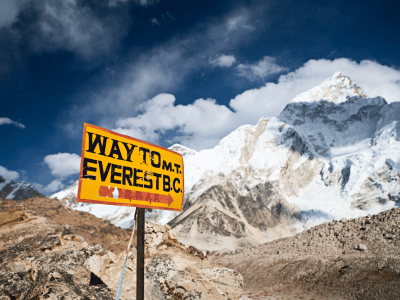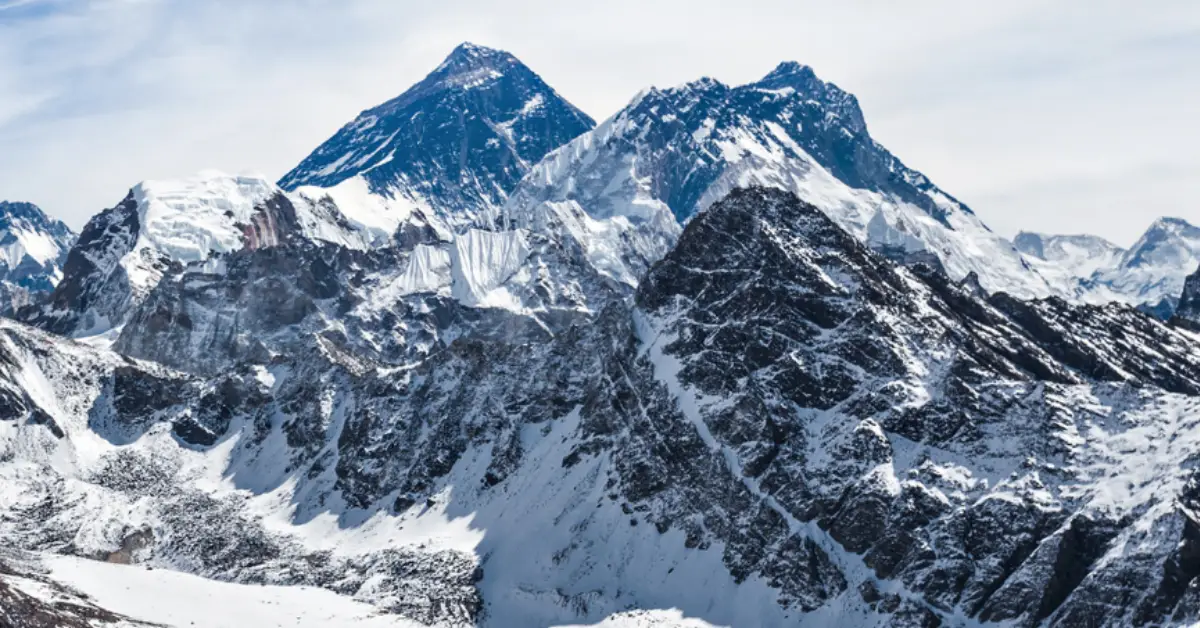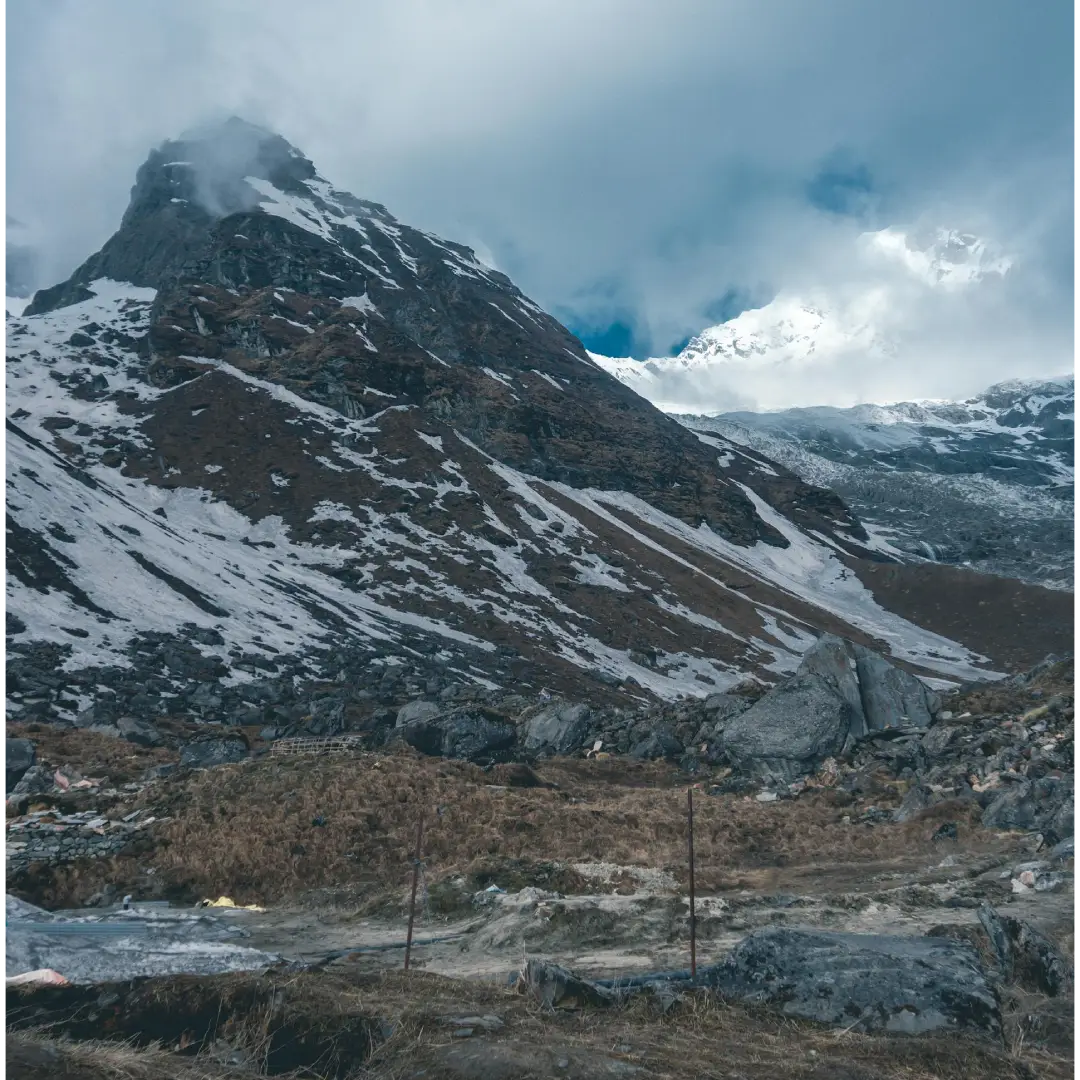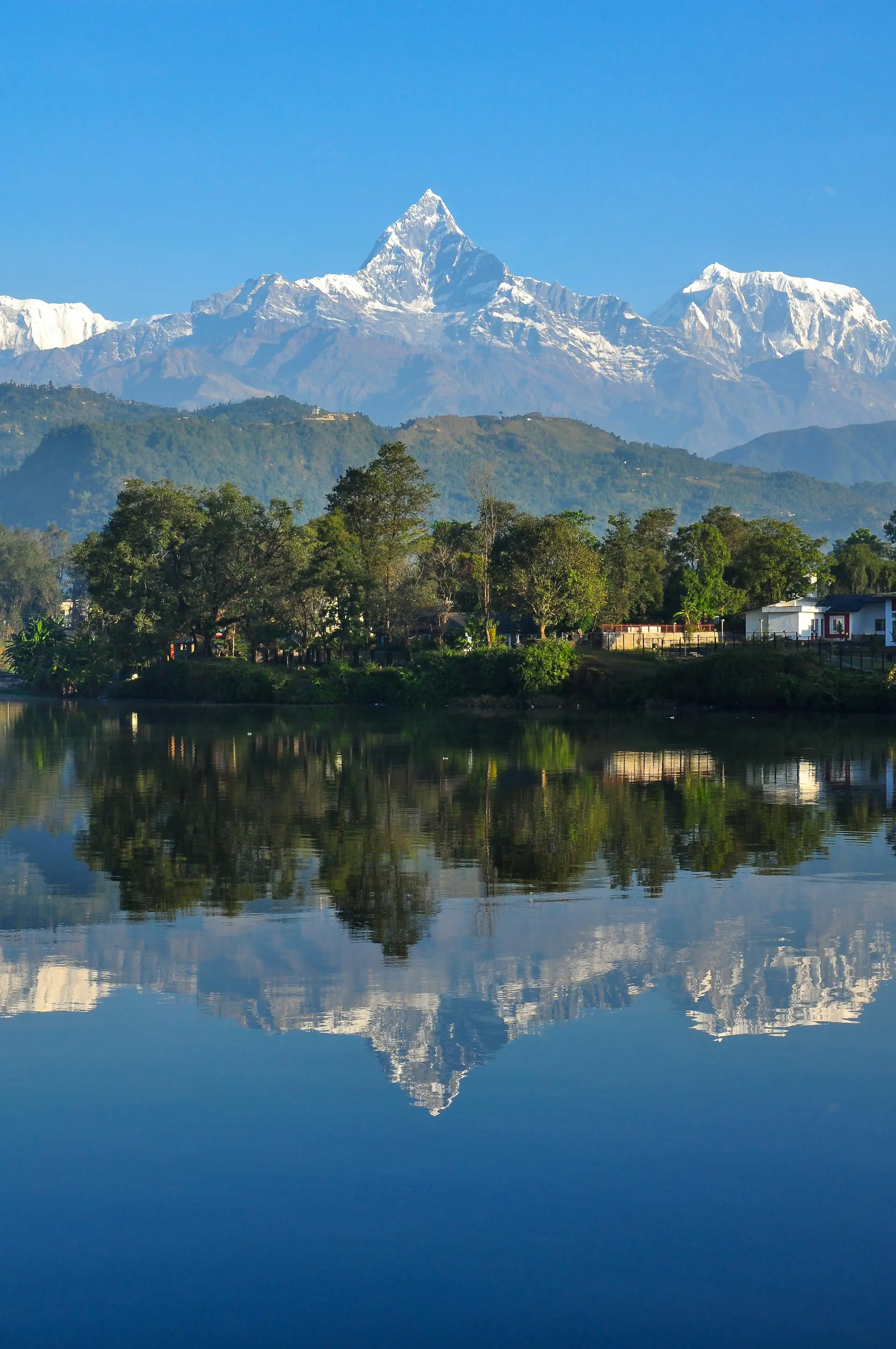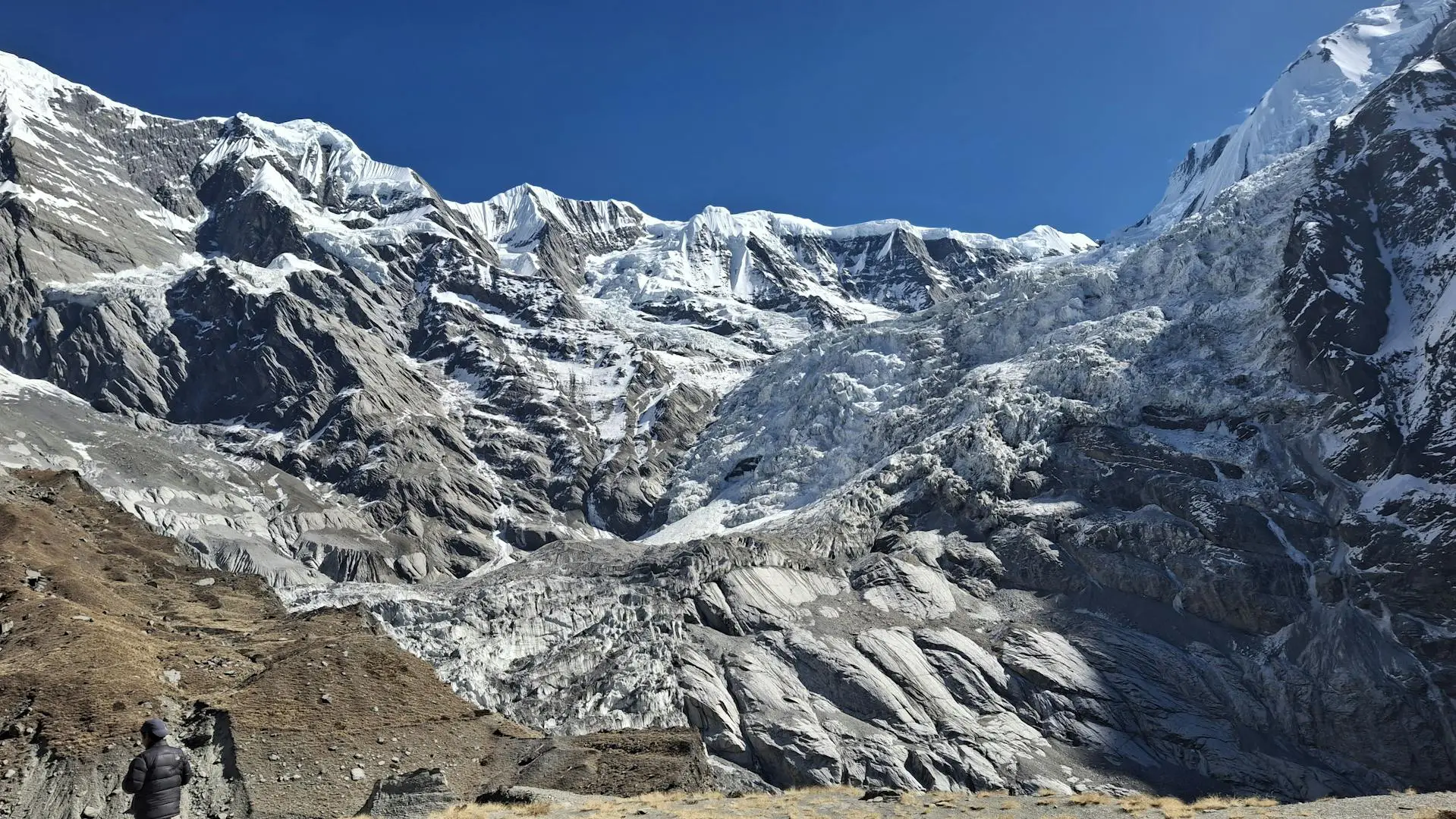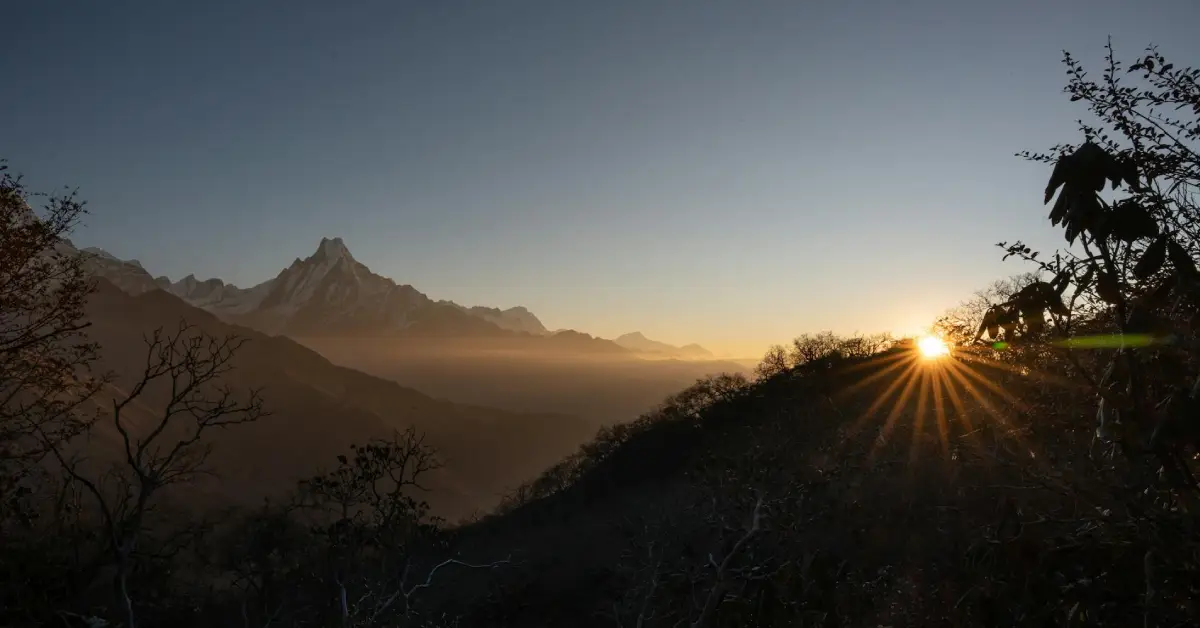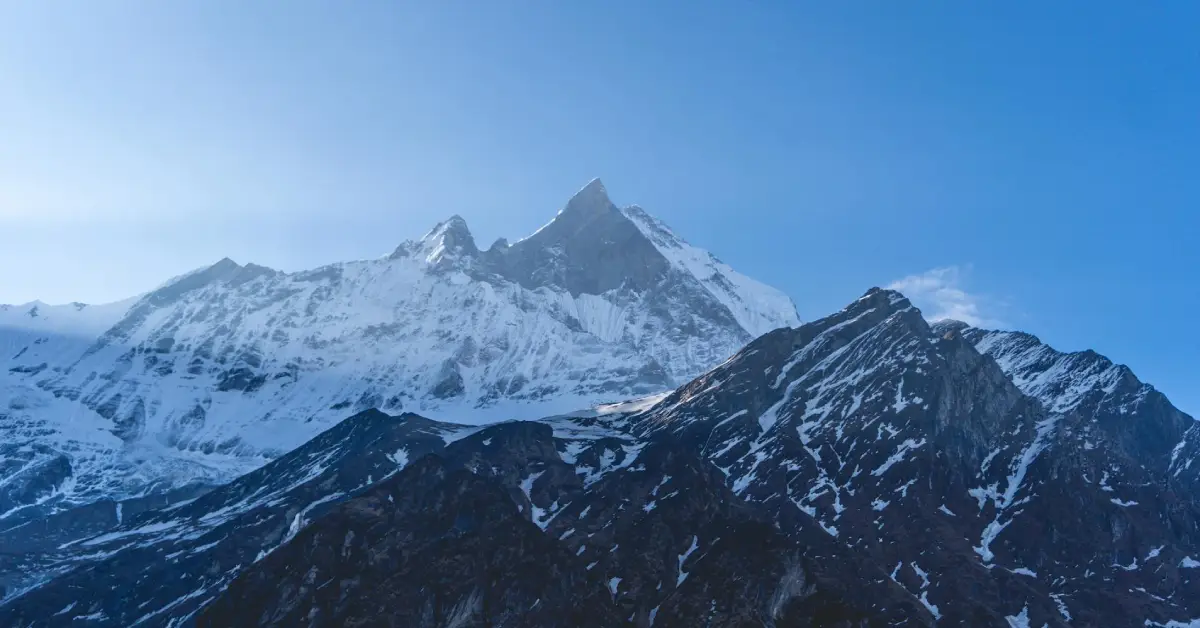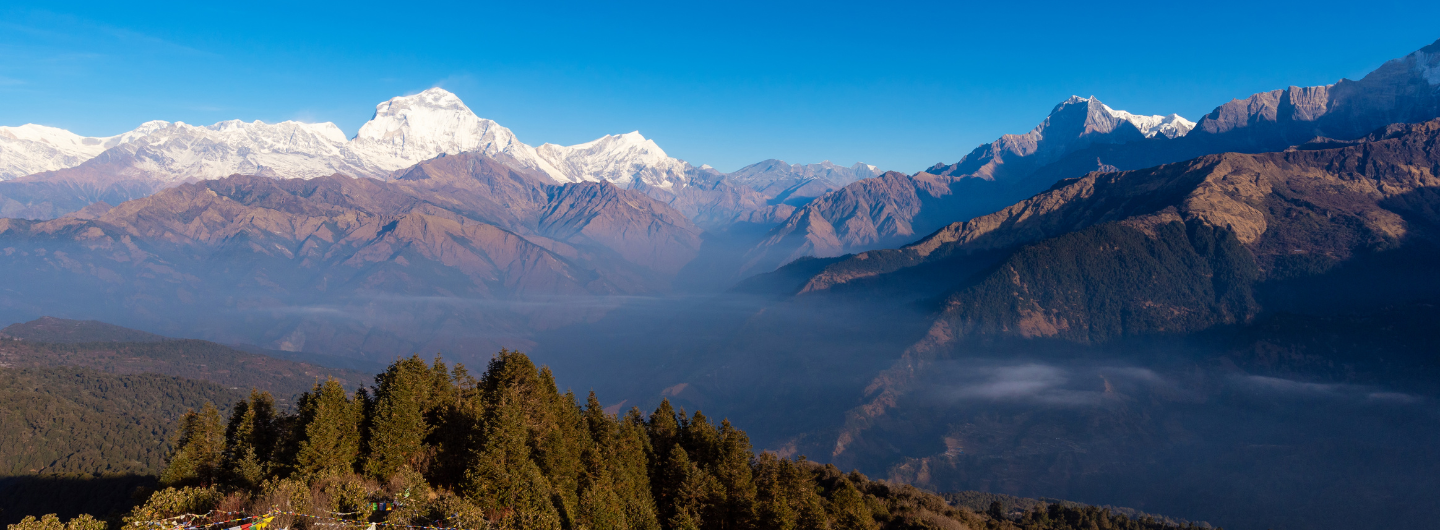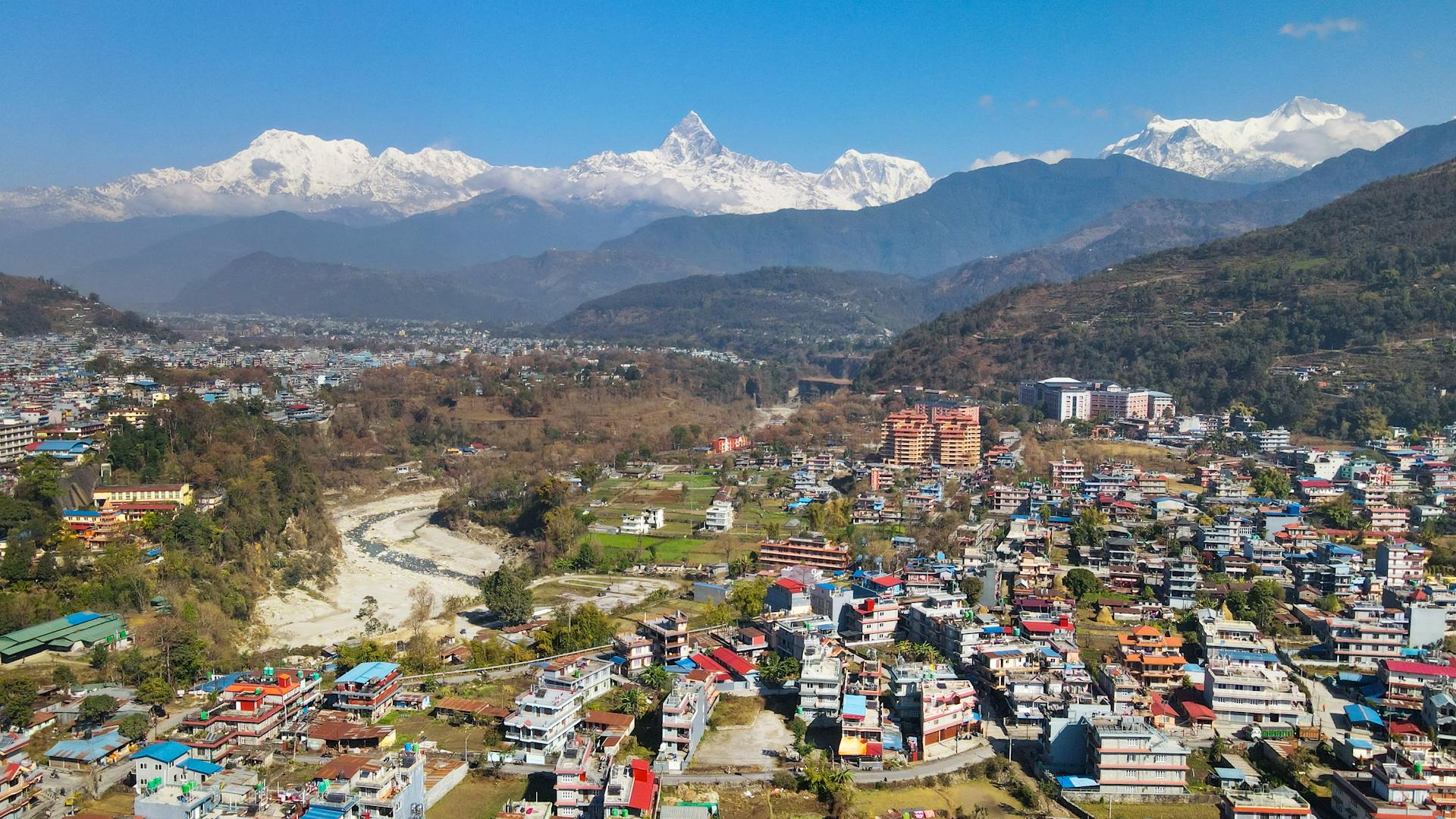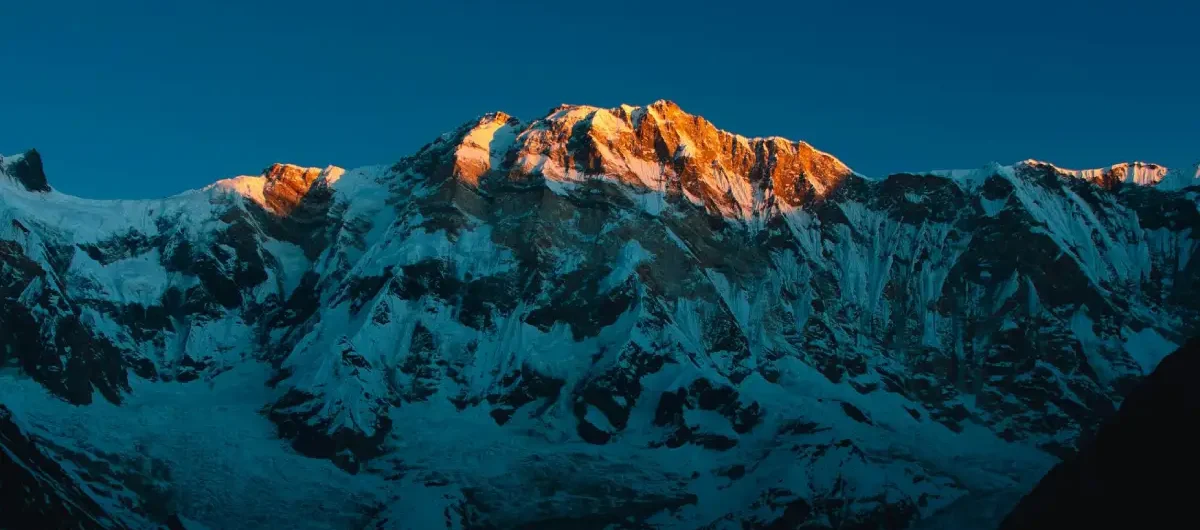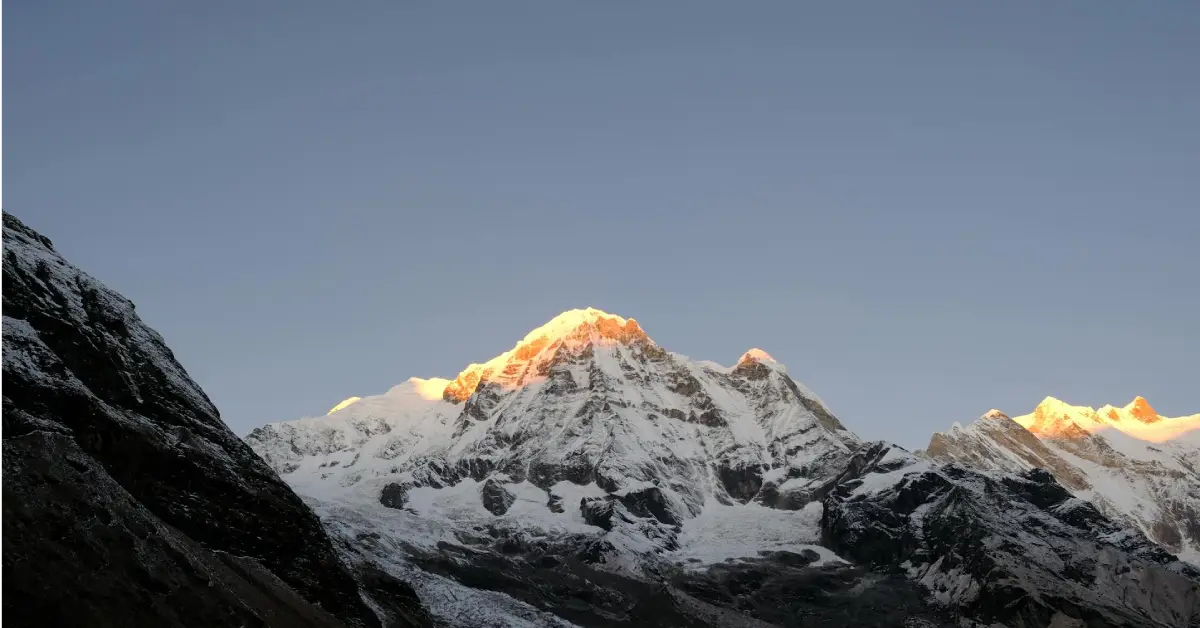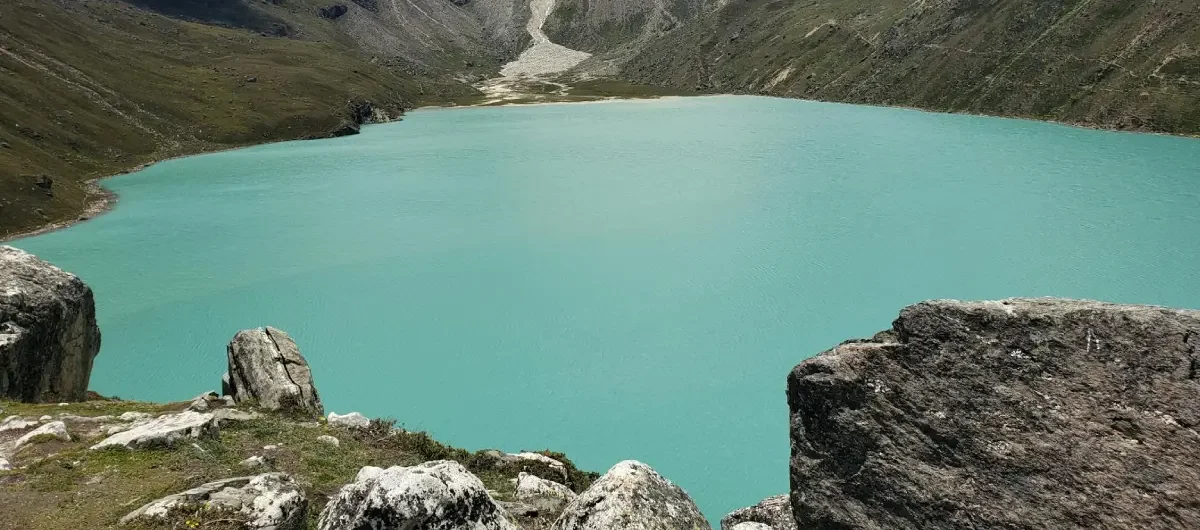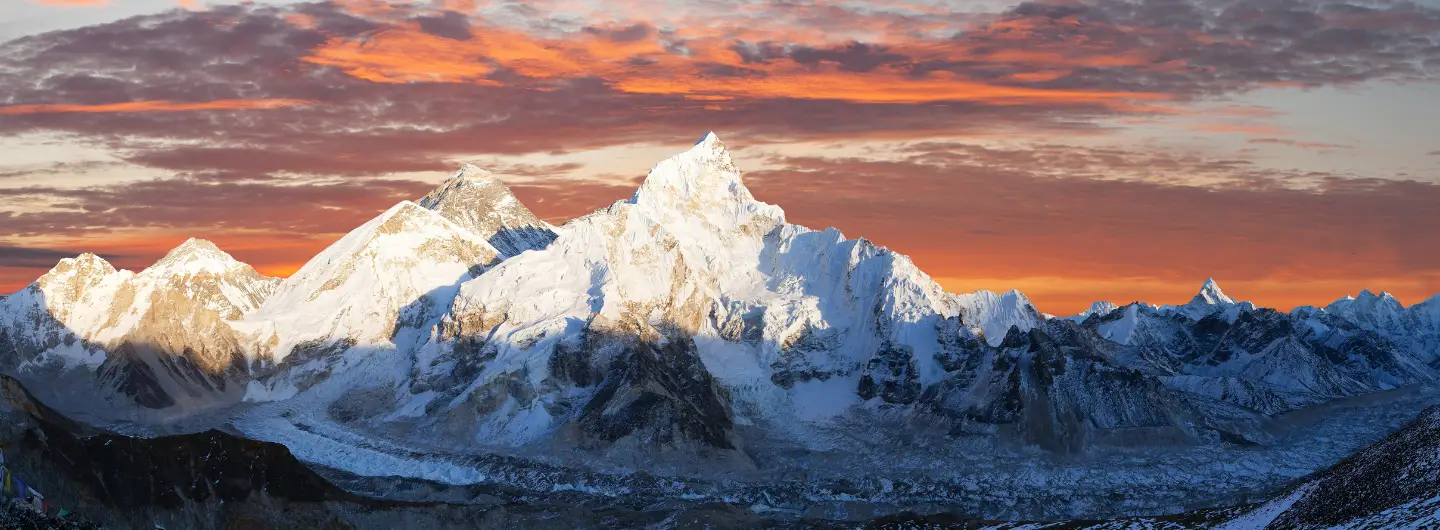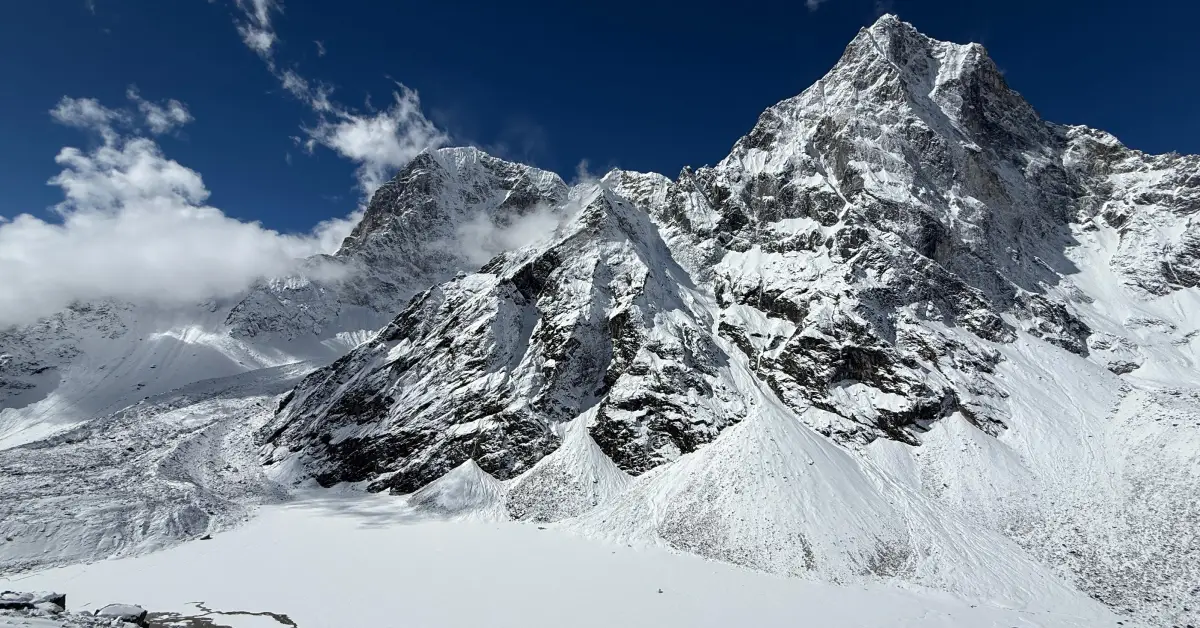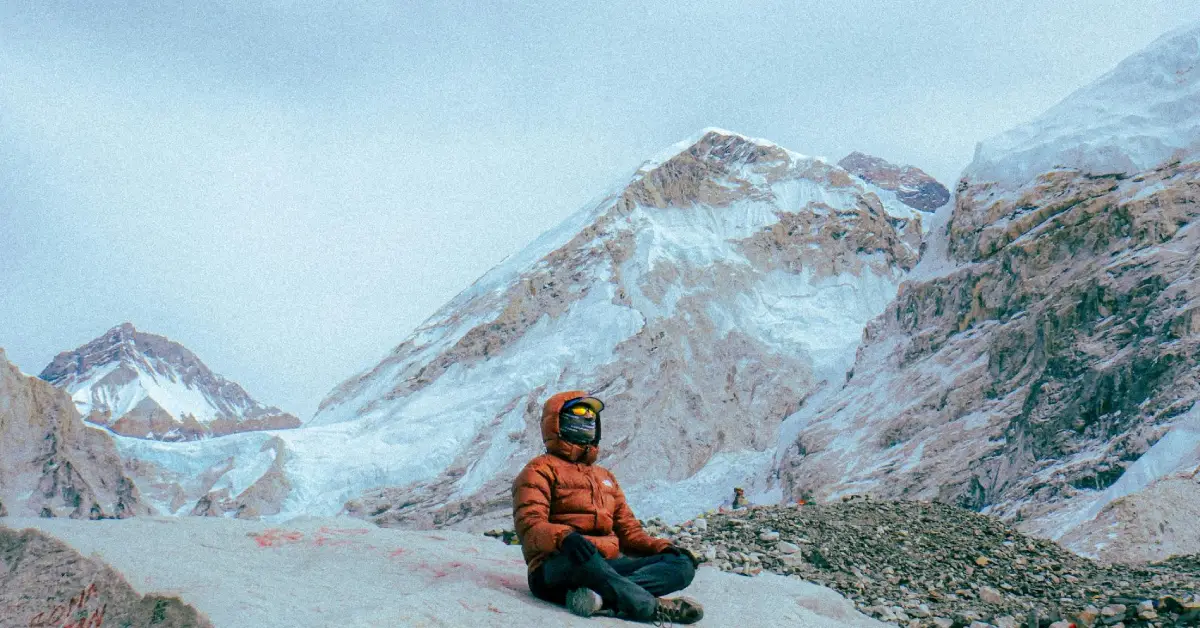

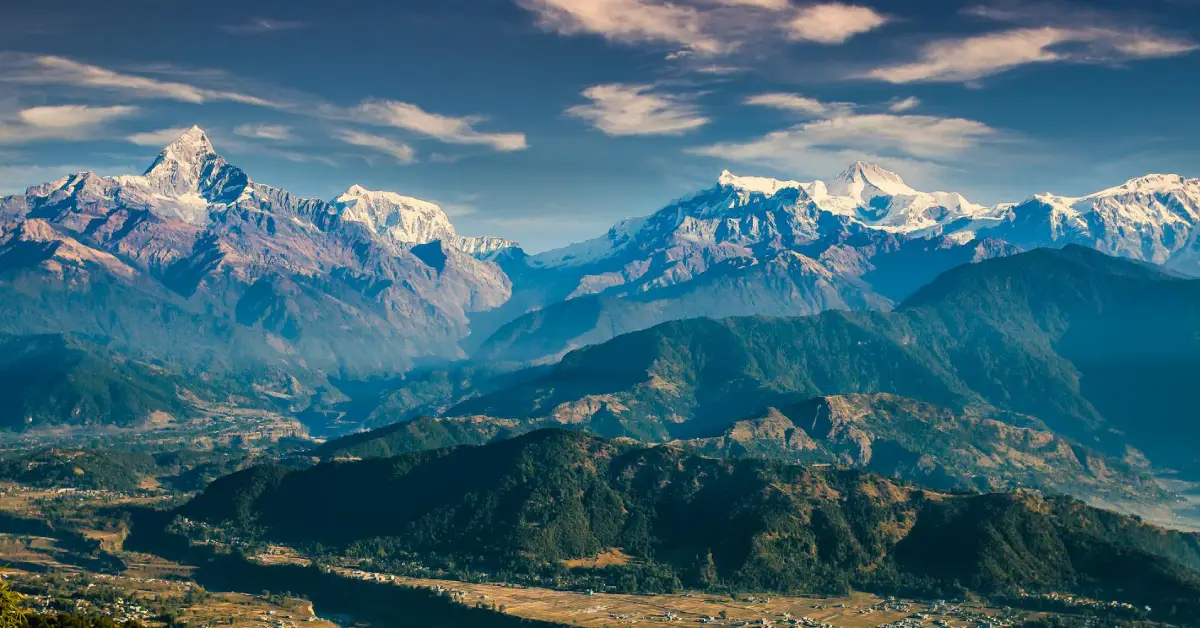
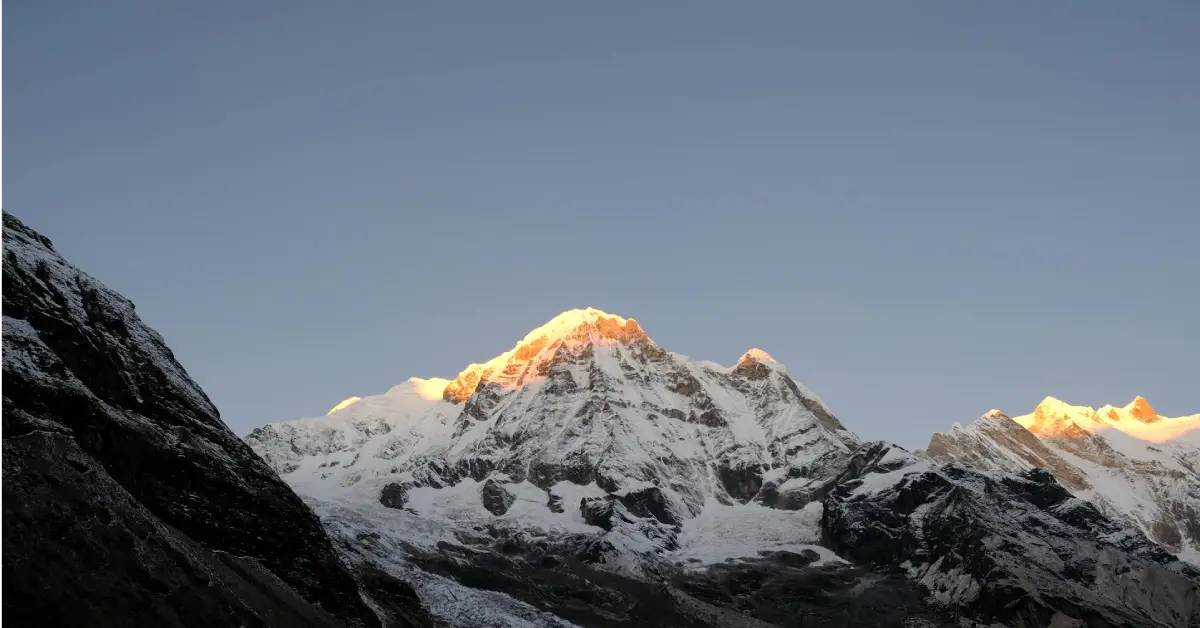
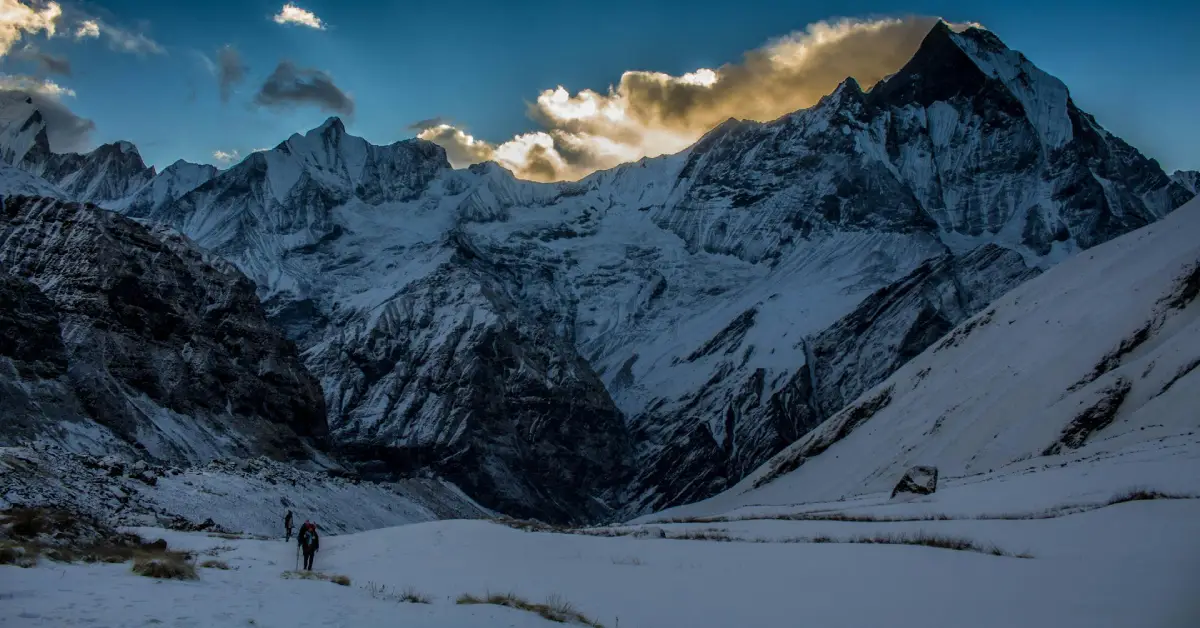
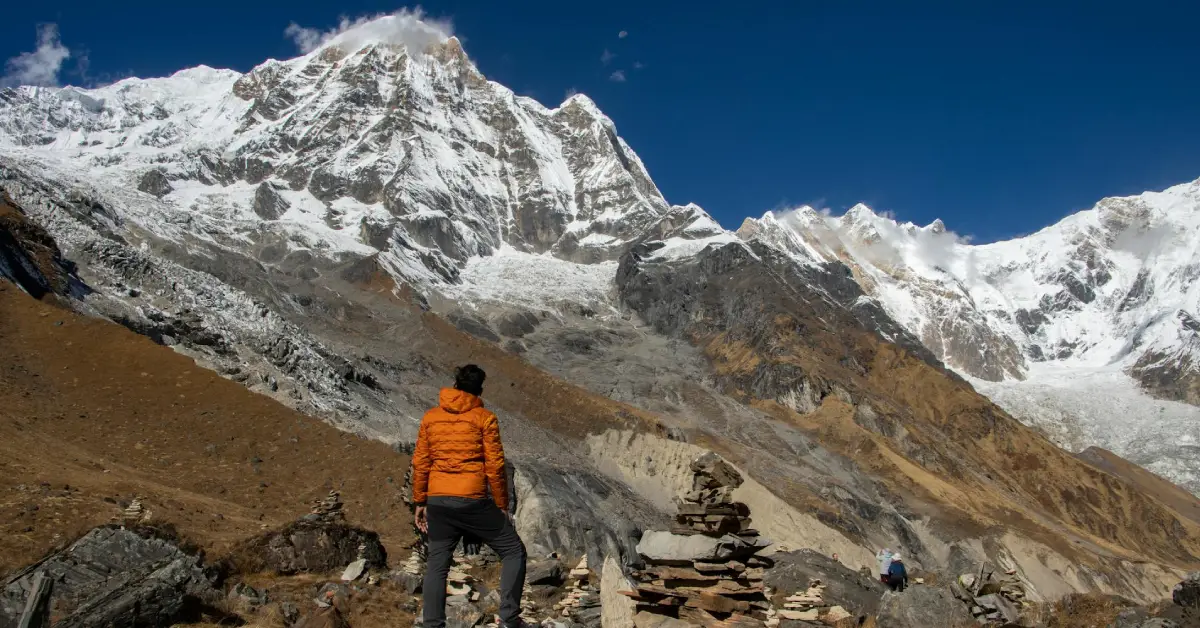
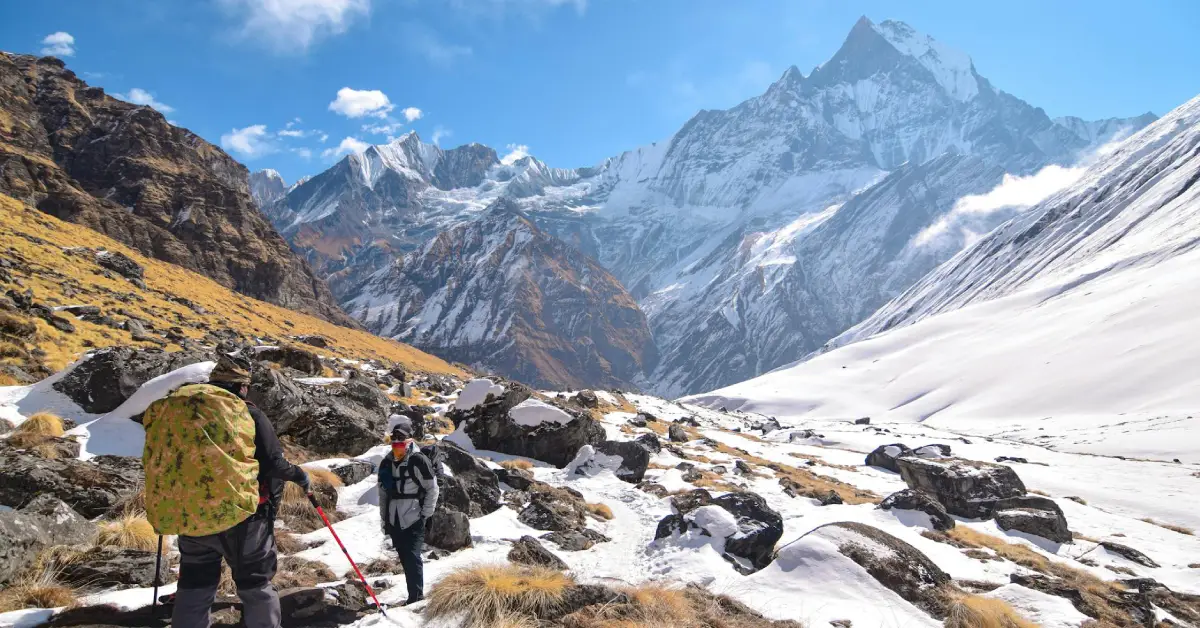
The Annapurna High Pass Trek is a 14-day high-altitude trekking route in the Annapurna region of Nepal that crosses three dramatic mountain passes, Thorong La (5,416 m), Mesokanto La (5,099 m), and Tilicho Lake (4,919 m), offering one of the most diverse and rewarding trekking experiences in the Himalayas. This route combines the classic Annapurna Circuit with high-pass crossings, remote valleys, and stunning views of Annapurna I (8,091 m), Dhaulagiri (8,167 m), and Gangapurna (7,455 m).
Whether you are a seasoned trekker or someone stepping up to a more challenging Annapurna region trek, this guide covers everything you need, from a day-by-day itinerary and accurate cost breakdown to difficulty level, best season, and permit requirements.
Table of Contents
- What Is the Annapurna High Pass Trek?
- How Difficult Is the Annapurna High Pass Trek?
- What Is the Cost of the Annapurna High Pass Trek in Nepal?
- What Is the Best Time to Do the Annapurna High Pass Trek?
- Do I Need a Guide for the Annapurna High Pass Trek?
- How Many Days Are Required for the Annapurna High Pass Trek?
- Permits Required for the Annapurna High Pass Trek\
- Book Your Trek With Trexmount Ventures
What Is the Annapurna High Pass Trek?
The Annapurna High Pass Trek is an extended, multi-pass trekking route that circles the Annapurna massif while incorporating high-altitude pass crossings that go well beyond the standard Annapurna Circuit. It passes through diverse landscapes, subtropical forests, arid Mustang-like terrain, alpine meadows, and glaciated valleys, all within the Annapurna Conservation Area in central Nepal.
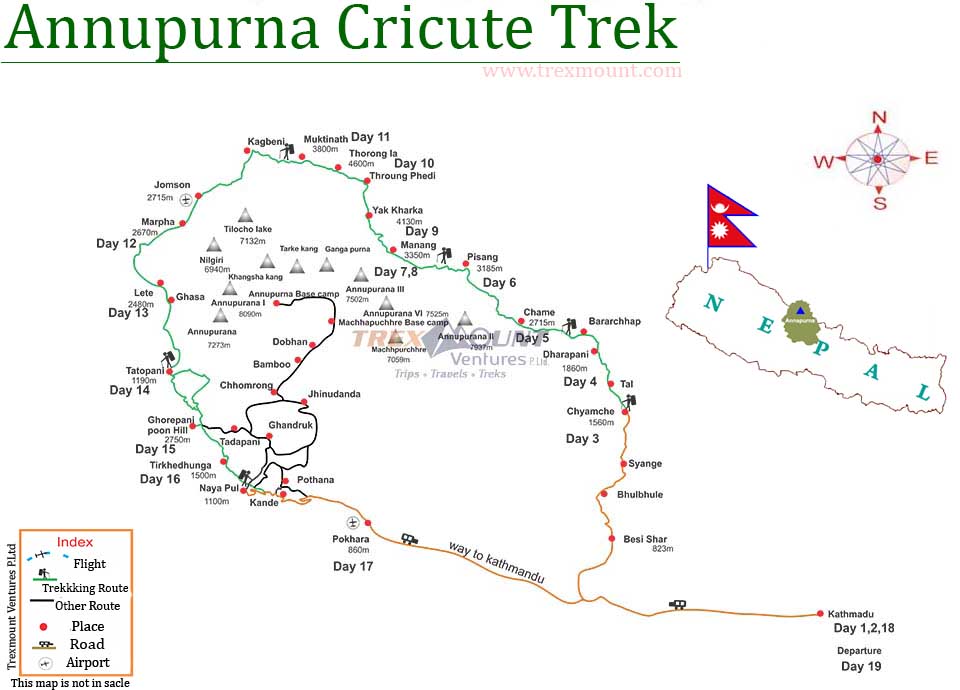
This is not simply a variation of the Annapurna Circuit. The addition of passes like Mesokanto La and the detour to Tilicho Lake adds significant elevation gain and a sense of true wilderness. The Annapurna region map clearly shows how this route encircles the entire Annapurna massif, making it one of the most geographically complete mountain treks in the world.
| Feature | Detail |
|---|---|
| Trek Duration | 14 Days |
| Maximum Elevation | 5,416 m (Thorong La Pass) |
| Total Distance | Approx. 160–180 km |
| Trek Type | Multi-pass, circuit |
| Start / End Point | Besisahar / Pokhara |
| Difficulty | Strenuous |
| Accommodation | Teahouses / Guesthouses |
How Difficult Is the Annapurna High Pass Trek?
The Annapurna High Pass Trek difficulty level is rated as strenuous to highly challenging. This trek is significantly harder than the standard Annapurna Circuit because it adds two additional high passes, Mesokanto La and the Tilicho Lake trail, to the already demanding Thorong La crossing.
What Makes This Trek Challenging?
- Maximum altitude of 5,416 m at Thorong La Pass
Crossing Mesokanto La (5,099 m) involves steep, loose scree and limited trail infrastructure
Long walking days of 7–9 hours, especially during pass-crossing days
High risk of Acute Mountain Sickness (AMS) above 3,500 m
The weather can change quickly, especially at altitude
Difficulty Comparison Table
| Trek | Max Altitude | Duration | Difficulty |
|---|---|---|---|
| Annapurna Base Camp Trek | 4,130 m | 7–10 days | Moderate |
| Annapurna Circuit Trek | 5,416 m | 12–16 days | Moderate–Strenuous |
| Annapurna High Pass Trek | 5,416 m | 14 days | Strenuous |
| Manaslu Circuit Trek | 5,160 m | 14–16 days | Strenuous |
| Three Passes Trek (Everest) | 5,545 m | 18–21 days | Highly Strenuous |
In terms of the Annapurna High Pass trek difficulty level, prior high-altitude trekking experience is strongly recommended. Trekkers should be physically fit, able to walk 6–9 hours a day on consecutive days, and familiar with the symptoms of altitude sickness.
What Is the Cost of the Annapurna High Pass Trek in Nepal?
The Annapurna High Pass trek cost in Nepal typically ranges from USD 1,280 to USD 2,500 per person for a 14-day guided package, depending on group size, services included, and the agency you book with. Budget trekkers who arrange permits and logistics themselves can complete the trek for around USD 900–1,100.
Cost Breakdown: What Is Included?
| Expense Category | Estimated Cost (USD) |
|---|---|
| ACAP Permit | $30 |
| TIMS Card | $20 |
| Guide (per day) | $25–35 |
| Porter (per day) | $18–25 |
| Teahouse accommodation | $5–15 per night |
| Meals (3x per day) | $15–25 per day |
| Kathmandu–Besisahar transport | $15–20 |
| Jomsom–Pokhara flight | $130–160 |
| Travel insurance (recommended) | $80–150 |
Annapurna High Pass Trekking Package 14 Days | What Trexmount Ventures Includes
Our Annapurna High Pass trekking package, 14 days, includes the following:
- Airport pick-up and drop-off
All required permits (ACAP + TIMS)
Licensed, English-speaking guide throughout
Porter service (1 porter per 2 trekkers)
Teahouse accommodation on a twin-sharing basis
All meals during the trek (breakfast, lunch, dinner)
Emergency evacuation coordination and first-aid kit
Pre-trek briefing and route planning
Flights, travel insurance, personal gear, and tips are typically not included in the package price. Always confirm with your trekking agency what is covered.
What Is the Best Time to Do the Annapurna High Pass Trek?
The best time for the Annapurna High Pass trek is during the pre-monsoon season (March to May) and the post-monsoon season (September to November). These months offer stable weather, clear skies, and safe trail conditions across all three high passes.
Season-by-Season Breakdown
| Season | Months | Trail Conditions | Crowd Level |
|---|---|---|---|
| Spring (Best) | March – May | Clear skies, rhododendrons blooming | Moderate–High |
| Summer / Monsoon | June – August | Wet trails, landslide risk | Low |
| Autumn (Best) | September – November | Clearest skies, dry trails | High |
| Winter | December – February | Snow on passes, extreme cold | Very Low |
- October and November are the most popular months due to long, clear days and excellent mountain visibility.
March and April offer lush greenery and flowering trails, ideal for photographers and nature lovers.
Crossing Mesokanto La in winter is not advisable due to heavy snow and avalanche risk.
Monsoon trekking is possible in the Mustang rain shadow zone, but it is still not ideal for pass crossings.
Do I Need a Guide for the Annapurna High Pass Trek?
Yes, hiring a licensed guide is strongly recommended, and in many parts of this route, practically essential. While the standard Annapurna Circuit has well-marked trails and frequent teahouses, sections like the Mesokanto La crossing are remote, poorly marked, and require navigation experience in high-altitude terrain.
Guide vs. No Guide | Comparison
| Factor | With Guide | Without Guide |
|---|---|---|
| Trail navigation | Safe and confident | High risk on remote passes |
| Emergency support | Immediate assistance | Self-reliant |
| Cultural experience | Richer, guided context | Limited |
| Cost | Higher | Lower |
| Safety at altitude | High | Moderate to Low |
Beyond safety, a local guide significantly enhances the cultural dimension of the Annapurna region trek. Guides help you interact with local Gurung and Manangi communities, navigate teahouse bookings during peak season, and make informed decisions if the weather changes suddenly. Trexmount Ventures provides government-licensed, experienced guides who know every section of this route.
How Many Days Are Required for the Annapurna High Pass Trek?
The recommended duration for the Annapurna High Pass Trek is 14 days. This timeframe allows for proper acclimatisation at Manang (Day 7), a full side trip to Tilicho Lake, the Mesokanto La crossing, and a safe descent after Thorong La, without rushing any section of the route.
Can You Do It in Fewer Days?
| Duration | Feasibility | Risk |
|---|---|---|
| 10–11 days | Possible but rushed | High AMS risk |
| 12–13 days | Manageable | Moderate risk |
| 14 days (Recommended) | Ideal pace | Low risk |
| 16+ days | Leisurely | Minimal risk |
Skipping the acclimatisation day at Manang or rushing the Tilicho Lake detour significantly increases the risk of altitude sickness. For the safest and most enjoyable experience, 14 days is the standard used by most professional Annapurna High Pass trekking package operators, including Trexmount Ventures.
Permits Required for the Annapurna High Pass Trek
Every trekker on this Annapurna region trek must carry two mandatory permits before entering the trail.
| Permit | Issuing Authority | Cost (Foreign National) |
|---|---|---|
| ACAP (Annapurna Conservation Area Permit) | Nepal Tourism Board | NPR 3,000 (~USD 30) |
| TIMS Card (Trekkers’ Information Management System) | TAAN / NTB | USD 20 |
Both permits are obtainable in Kathmandu (Nepal Tourism Board office, Bhrikutimandap) or in Pokhara. Trexmount Ventures arranges both permits on your behalf as part of our trekking packages.
Book Your Annapurna High Pass Trek With Trexmount Ventures
At Trexmount Ventures, we specialise in crafting safe, well-organised, and memorable trekking experiences across Nepal. Our Annapurna High Pass trekking package, 14 days, is designed for trekkers who want to go beyond the ordinary, crossing three high passes, visiting Tilicho Lake, and experiencing the full depth of the Annapurna region in one complete journey.
Our team includes licensed guides with years of high-altitude experience, and every package comes with full permit processing, transportation, accommodation, meals, and 24/7 support throughout your trek. We keep group sizes small for a more personal and safe experience.
 Review us on Google