
Mardi Himal Climbing

Mardi Himal Climbing

Trip Grade
Strenuous
Max. Altitude
5587m

Overview

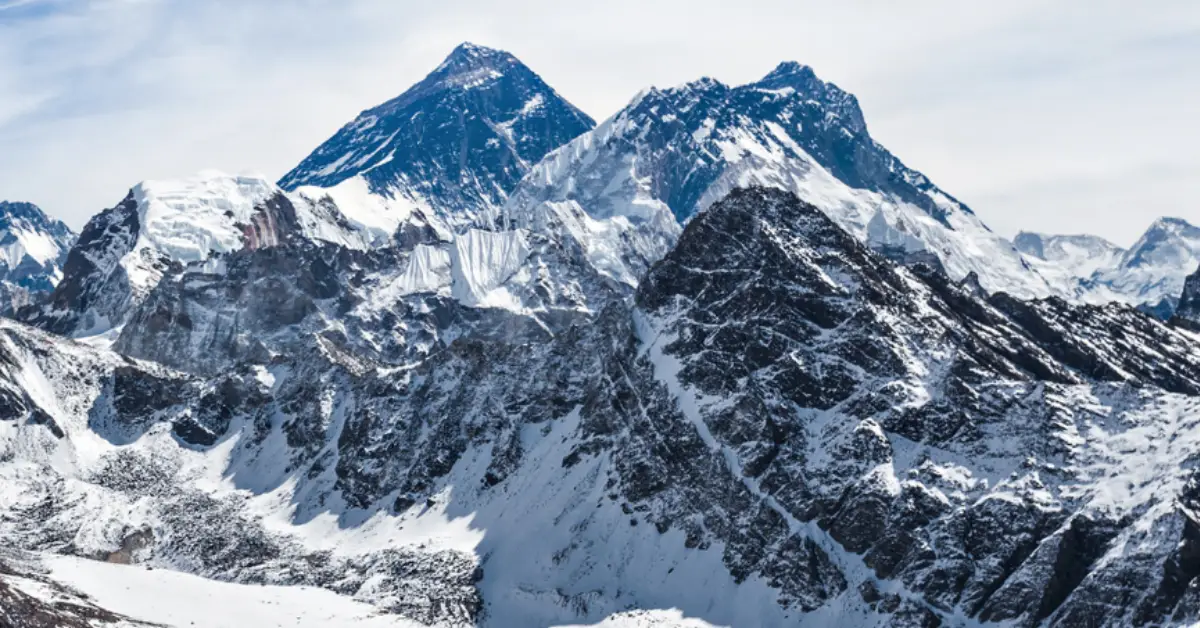
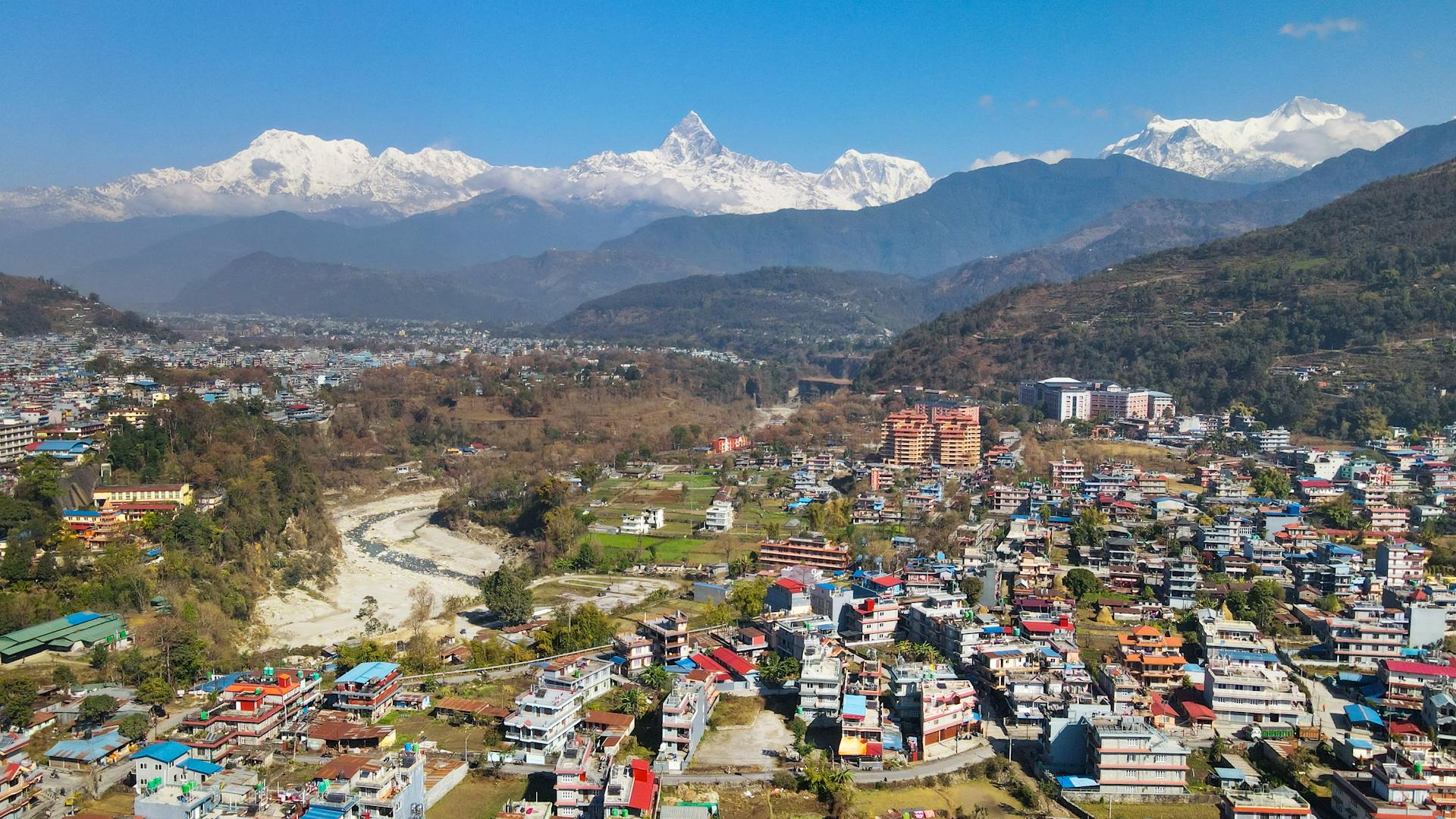
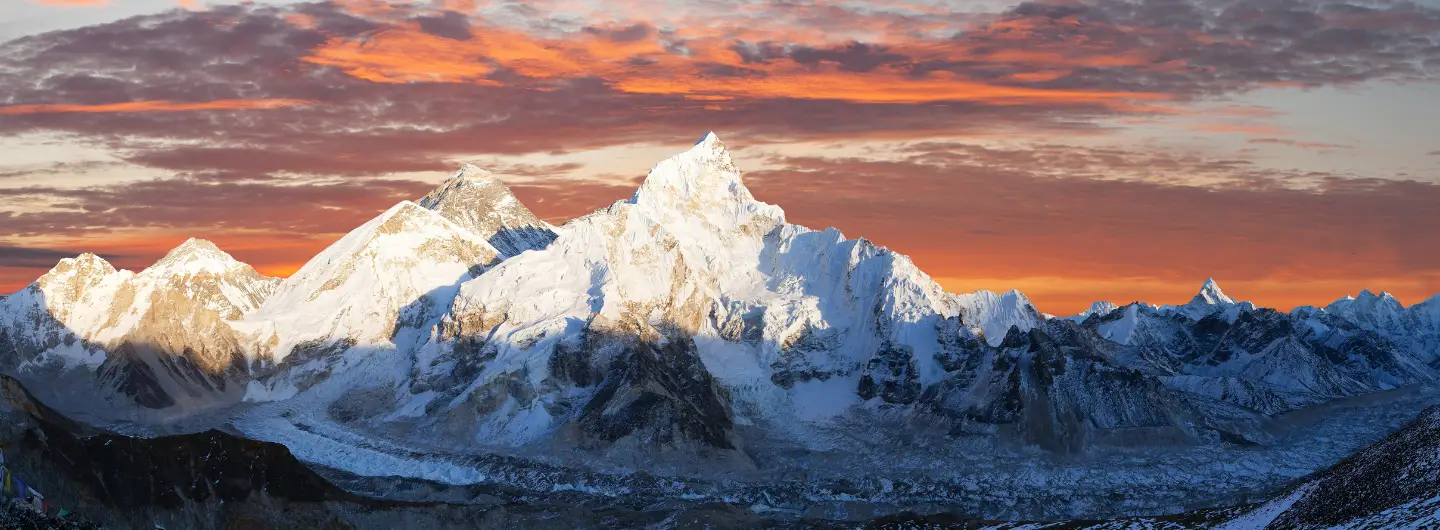
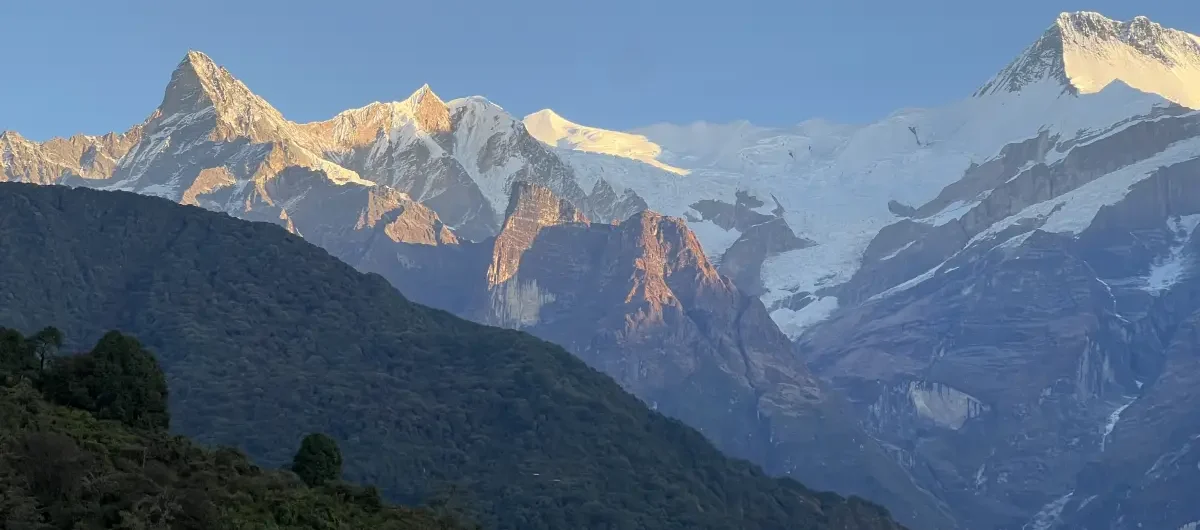
If you are looking for a short yet breathtaking adventure in the heart of the Himalayas with the Best Trekking Company in Nepal, the Mardi Himal trek is your answer. Tucked away in the Annapurna region trekking zone of Nepal, this hidden gem offers jaw-dropping views of Mardi Himal, Machhapuchhre (Fishtail), Annapurna South, and Dhaulagiri, all without the heavy crowds of more popular trails. Whether you are a first-time trekker or a seasoned hiker looking for a refreshing experience, this trail has something truly special to offer.

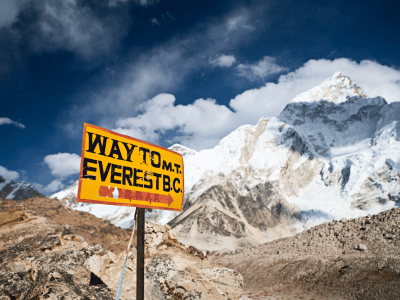
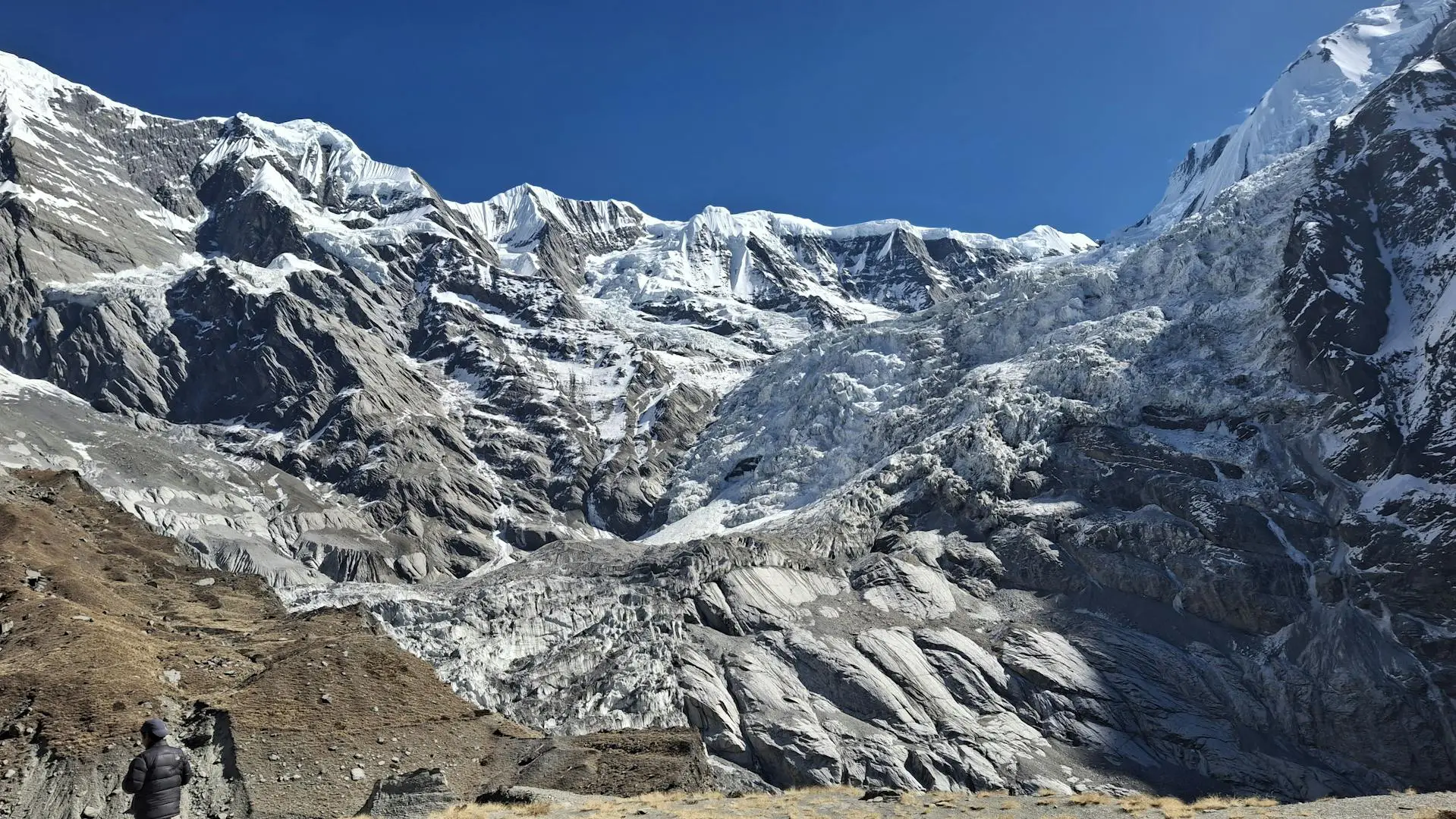
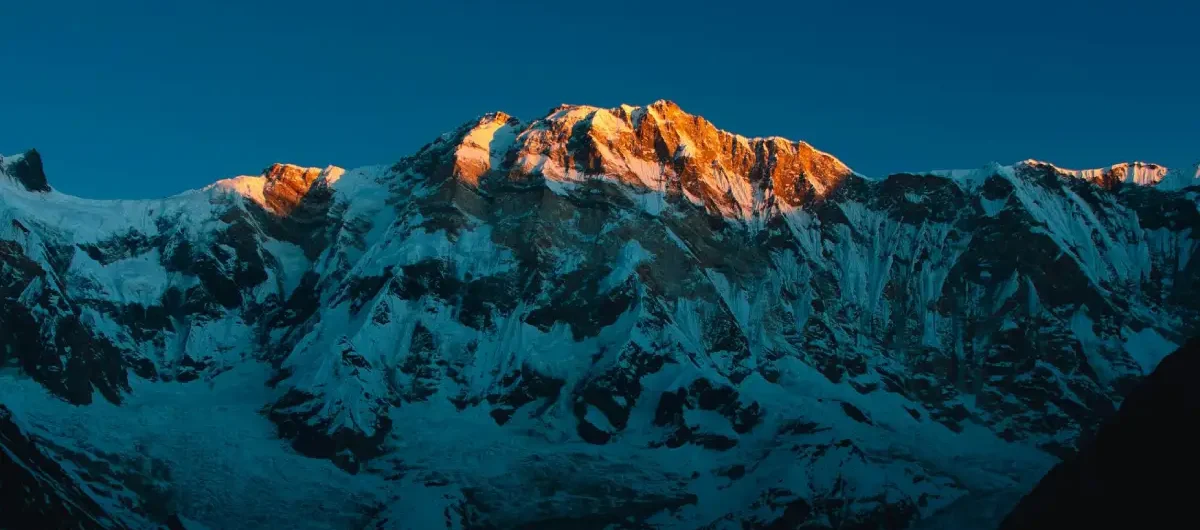
mardi himal base camp

Operated by Trexmount Ventures, this guide takes you deep into everything you need to know, especially the 2 camps you absolutely must know before you set foot on this magical route.

Table of Contents

  1. What Is the Mardi Himal Trek?
  2. Mardi Himal Trek Route Overview
  3. How Long Is the Mardi Himal Trek?
  4. Mardi Himal Trekking Camps: The 2 You Must Know
  5. Low Camp Mardi Himal
  6. Mardi Himal High Camp
  7. Mardi Himal Base Camp
  8. Mardi Himal Trek Itinerary (Day by Day)
  9. How Difficult Is the Mardi Himal Trek?
  10. Can Beginners Do the Mardi Himal Trek?
  11. Best Time for the Mardi Himal Trek
  12. Mardi Himal Trek from Pokhara
  13. Mardi Himal Trek Map and Distance
  14. What Is the Hardest Trek in Nepal?
  15. Mardi Himal Trekking Package with Trexmount Ventures
  16. FAQs

1. What Is the Mardi Himal Trek?

The Mardi Himal trek is one of the most rewarding short treks in Nepal, located in the Annapurna Conservation Area. It sits on a less-traveled ridge east of the popular Annapurna Base Camp trail. This makes it feel wild, peaceful, and incredibly personal.

  • Officially opened to trekkers in 2012
  • Located in the Kaski District of Gandaki Province
  • Reaches a maximum elevation of approximately 4,500 meters at Mardi Himal Base Camp
  • Part of the greater Annapurna region trekking circuit

Furthermore, the trail winds through lush rhododendron forests, alpine meadows, and dramatic ridgelines. As a result, every single day on the trail brings something new and unforgettable. The Mardi Himal trek is truly one of Nepal’s best-kept secrets, and Trexmount Ventures is proud to bring it to you with care and expertise.

FeatureDetails
LocationAnnapurna Conservation Area, Nepal
Max Elevation~4,500 m (Mardi Himal Base Camp)
Trek TypeOut and back / Loop
RegionAnnapurna, Kaski District
Opened2012 (officially)

2. Mardi Himal Trek Route Overview

The Mardi Himal trek route follows a beautiful ridge that climbs steadily from the town of Kande (or Phedi) near Pokhara, passing through forests, clearings, and open ridges before reaching the high mountain camps and finally the base camp.

2.1 Key Stops Along the Mardi Himal Trek Route

Here is a simple breakdown of the main stops along the Mardi Himal trek route:

  • Pokhara → Starting point and gateway city
  • Kande / Phedi → Trek begins here after a short drive
  • Australian Camp → First rest stop with wide valley views
  • Forest Camp → Enters thick rhododendron forest
  • Low Camp → Open meadows begin here
  • High Camp → Most dramatic viewpoint on the ridge
  • Mardi Himal Base Camp → Final destination, close to the glacier

Additionally, the trail is well-marked with signboards along most sections, making navigation relatively straightforward. Nevertheless, a Mardi Himal trek guide from Trexmount Ventures is always recommended for safety and a richer cultural experience.

StopElevationTerrain Type
Kande / Phedi~1,770 mRoad end, trail start
Australian Camp~2,060 mOpen meadow
Forest Camp~2,600 mDense forest
Low Camp~3,150 mMixed forest and meadow
High Camp~3,580 mOpen ridge, rocky
Mardi Himal Base Camp~4,500 mAlpine, rocky, glacial

3. How Long Is the Mardi Himal Trek?

This is one of the most common questions people ask, and the good news is that the Mardi Himal trek is perfectly designed for those with limited time. Most trekkers complete it in 5 to 7 days, depending on their pace, acclimatization needs, and chosen Mardi Himal trek itinerary.

3.1 Typical Duration Breakdown

  • 5 Days — Fast-paced, suited for fit and experienced trekkers
  • 6 Days — Most popular and well-balanced option
  • 7 Days — Relaxed pace, best for beginners or those who want to soak it all in

Moreover, the Mardi Himal trek distance covers approximately 50 to 55 kilometers in total (round trip), depending on the exact route and side trips taken. This makes it one of the most manageable yet rewarding short treks in Nepal.

DurationRecommended ForDaily Distance
5 DaysFit, experienced trekkers10–12 km/day
6 DaysMost trekkers8–10 km/day
7 DaysBeginners, leisure trekkers6–8 km/day

4. Mardi Himal Trekking Camps: The 2 You Must Know

When people talk about the Mardi Himal Nepal, two camps always stand out above the rest, Mardi Himal High Camp and Mardi Himal Base Camp. These two stops are not just sleeping spots. They are the heart and soul of the entire experience. Understanding them will completely change how you plan your journey.

4.1 Why These 2 Camps Are Special

  • Both camps sit above 3,500 meters, offering unobstructed Himalayan panoramas
  • They mark the two most exciting and physically demanding sections of the Mardi Himal trekking route
  • Staying overnight at either camp gives you golden-hour and sunrise views that are simply unmatched
  • These camps are central to every Mardi Himal trekking package offered by Trexmount Ventures

In addition to that, these two camps each have a very different character and feel. Consequently, trekkers who experience both walk away with a far more complete understanding of what makes this trail so extraordinary.

CampElevationKey Experience
High Camp~3,580 mPanoramic ridge views, dramatic skies
Mardi Himal Base Camp~4,500 mClose-up glacier and peak view

5. Low Camp Mardi Himal

Before reaching the two main camps, trekkers pass through Low Camp Mardi Himal, which serves as an important stepping stone on the route. It typically takes 4 to 5 hours of hiking from Forest Camp to reach here, and by the time you arrive, the landscape has shifted beautifully from thick forest to open alpine meadows.

5.1 What to Expect at Low Camp

  • Elevation: Approximately 3,150 meters
  • Accommodation: Basic teahouses with simple but warm rooms
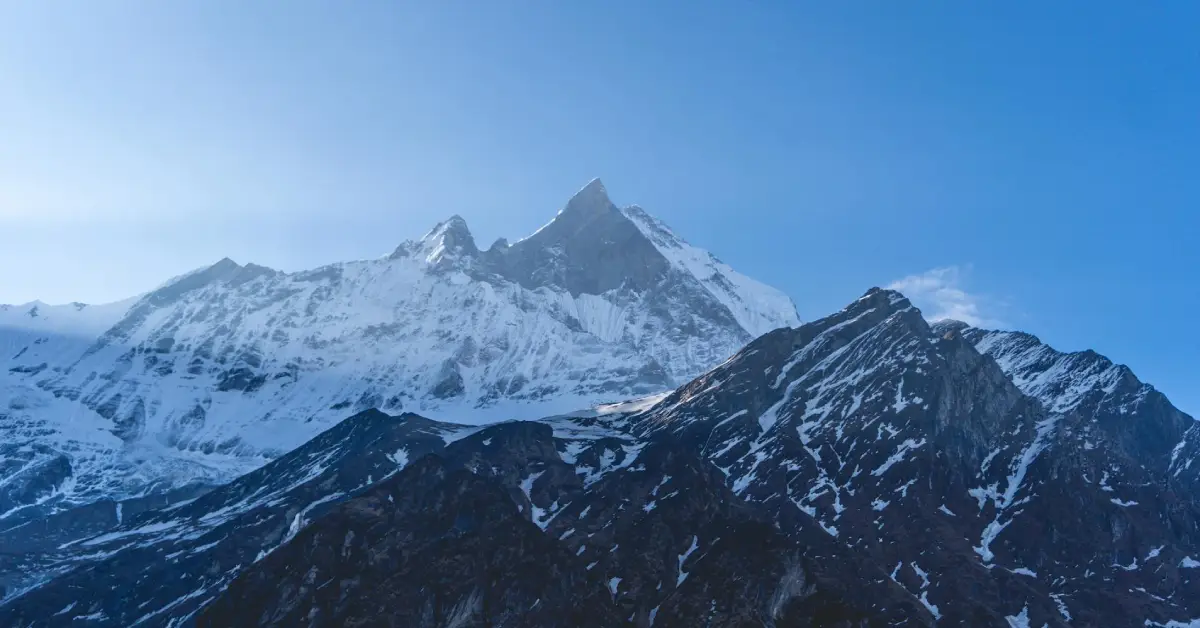
  • Views: First clear views of Machhapuchhre (Fishtail Peak)
  • Walking Time from Forest Camp: About 3 to 4 hours
  • Facilities: Meals available; limited electricity; no hot shower in most teahouses

Furthermore, Low Camp Mardi Himal is where the trail opens up significantly, and for the first time, trekkers get a real taste of the alpine world above. The air becomes crisper, the vegetation thins out, and suddenly, the Himalayas begin to dominate the horizon.

DetailInfo
Elevation~3,150 m
FacilitiesTeahouses, basic meals
Views AvailableMachhapuchhre, Annapurna South
Time from Forest Camp3–4 hours
Trek Difficulty HereModerate

6. Mardi Himal High Camp

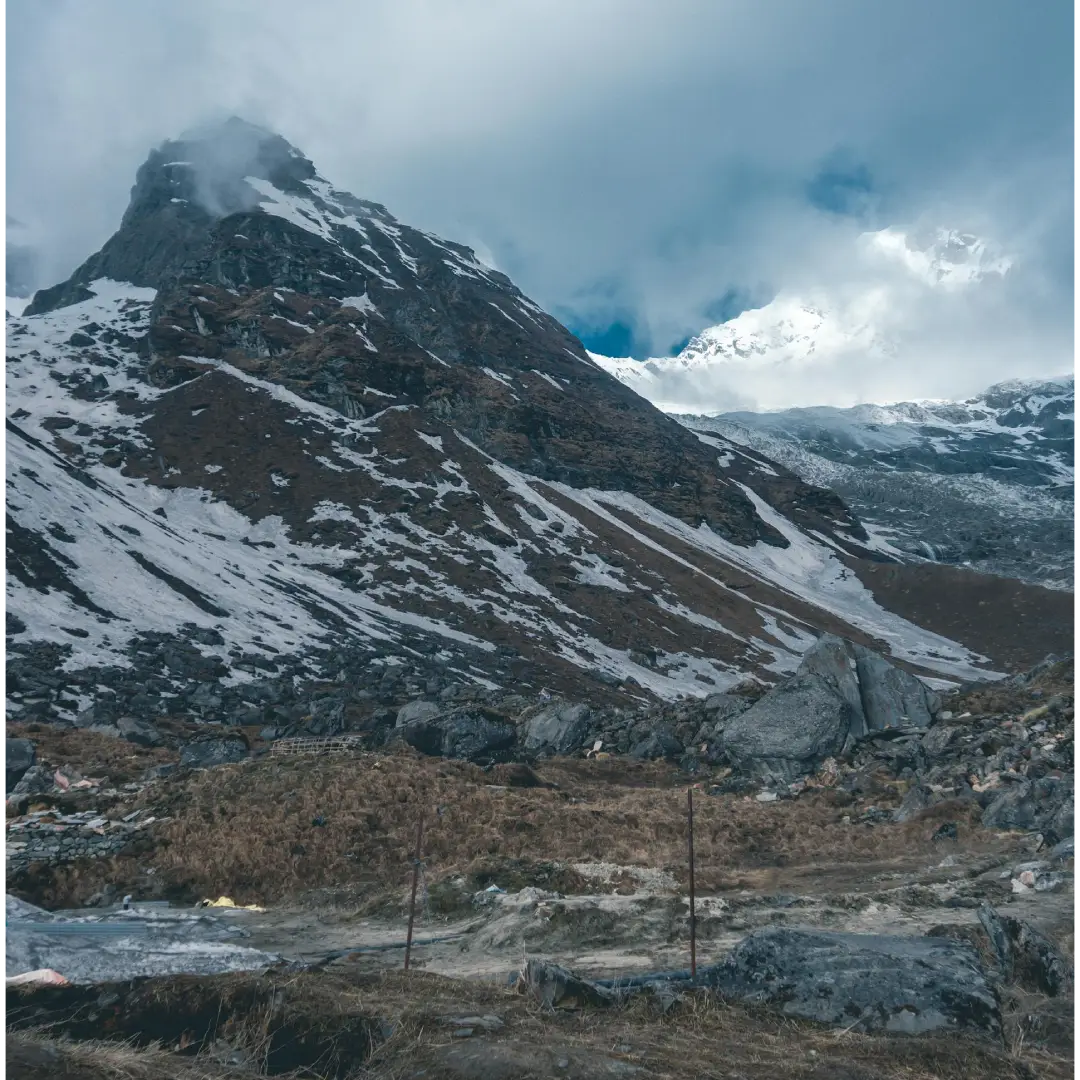
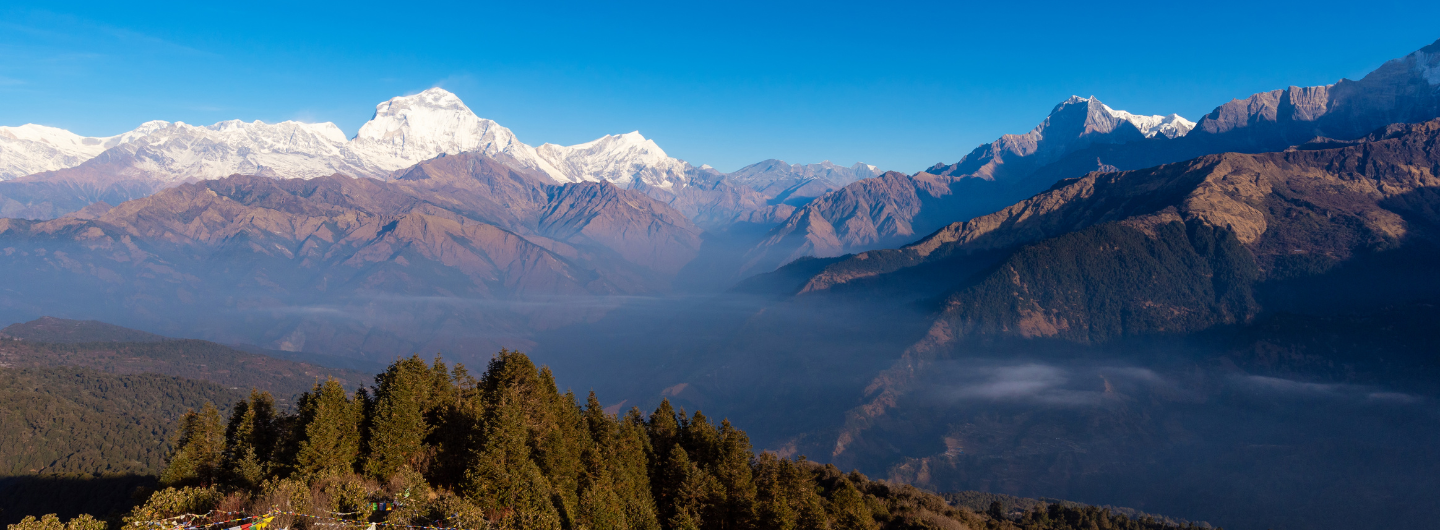
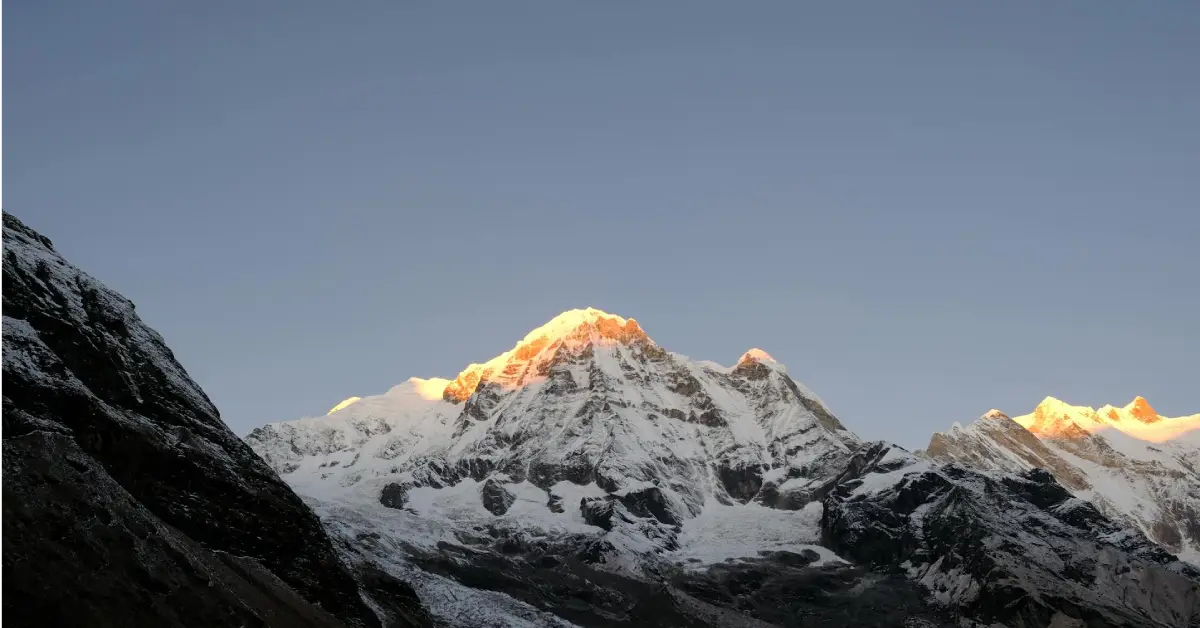
If there is one place on the Mardi Himal trekking that will take your breath away more than anywhere else, it is Mardi Himal High Camp. Sitting at approximately 3,580 meters, this camp perches on a dramatic open ridge with almost 360-degree views of the surrounding Himalayan giants.

6.1 Why High Camp Is a Must-Stay

  • Location: Exposed ridge above the treeline
  • Views: Annapurna South, Hiunchuli, Machhapuchhre, Mardi Himal, Dhaulagiri
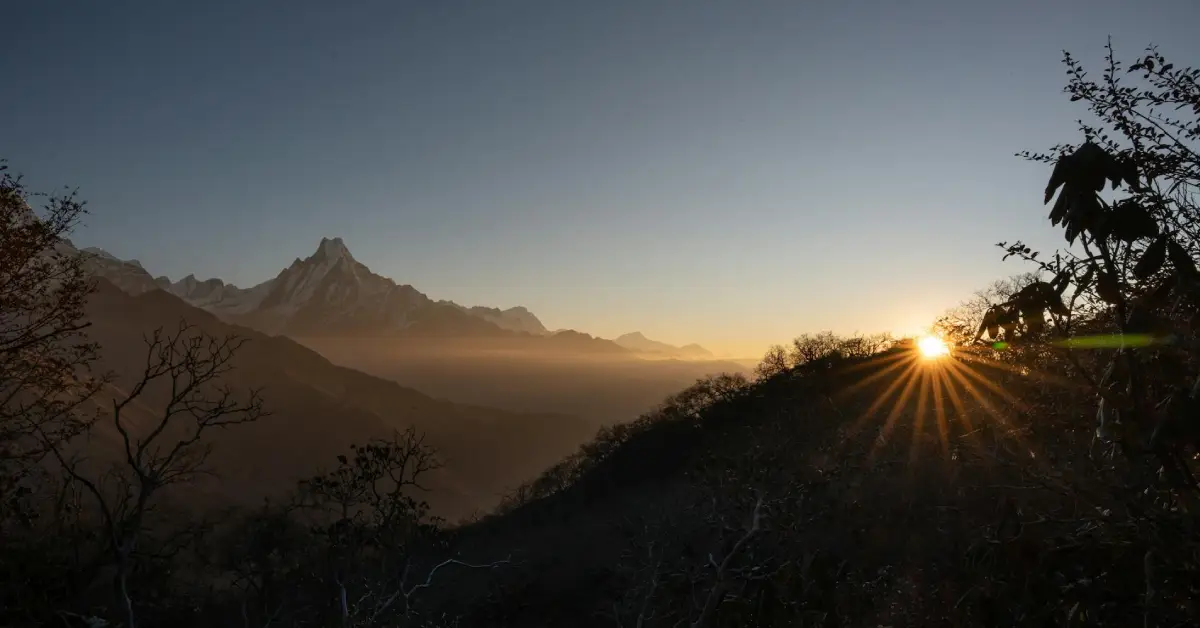
  • Sunrise: Absolutely legendary, one of the best in the Annapurna region
  • Accommodation: Teahouses with basic dormitory and private rooms
  • Wind: Can be very strong, bring a good windproof jacket

6.2 What Makes High Camp Mardi Himal Unique

The Mardi Himal High Camp is uniquely special because of its exposed ridge location. Unlike many mountain camps hidden in valleys, this one sits right on top of the world, literally. As a result, the sunsets and sunrises here are legendary among trekkers.

  • Most trekkers spend one night here before pushing to Base Camp the next morning
  • The trail from Low Camp Mardi Himal to High Camp takes about 3 to 4 hours
  • At this elevation, altitude awareness is important, walk slowly and drink plenty of water
FeatureDetails
Elevation~3,580 m
Views270°–360° Himalayan panorama
Best ForSunrise views, photography
Time from Low Camp3–4 hours
AccommodationTeahouses (basic)

7. Mardi Himal Base Camp

The crown of the entire journey is, without question, the Mardi Himal Base Camp. Sitting at approximately 4,500 meters, this is as high as the trail officially goes, and the views from here are nothing short of extraordinary. You stand face-to-face with the raw, untamed beauty of the Himalayas.

7.1 The Trek from High Camp to Base Camp

The section from Mardi Himal High Camp to Mardi Himal Base Camp is the most thrilling and demanding part of the entire trek. Here is what to expect:

  • Distance: Approximately 4 to 5 kilometers (one way)
  • Elevation Gain: About 900 meters
  • Time Required: 3 to 4 hours (one way)
  • Terrain: Rocky, steep in places, with some scrambling required
  • Weather: Can change rapidly, always start early in the morning

7.2 What You Will See at Mardi Himal Base Camp

At Mardi Himal Base Camp, the mountains feel impossibly close. Furthermore, the silence up here is profound, broken only by the wind and the occasional crack of distant ice.

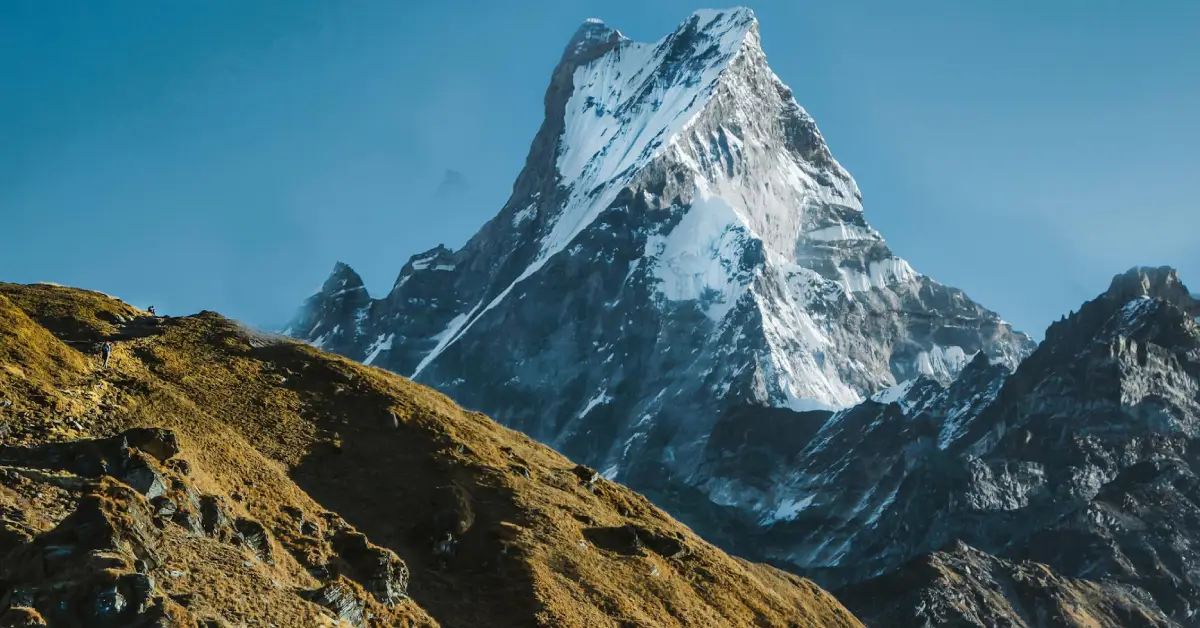
  • Direct views of Mardi Himal Peak (5,587 m)
  • Close-up panorama of Machhapuchhre (6,993 m)
  • Annapurna South (7,219 m) filling the horizon
  • Hiunchuli and Gangapurna visible on clear days
  • Glacial moraines and snowfields surround the camp area
DetailInfo
Elevation~4,500 m
Peak ViewMardi Himal (5,587 m)
Time from High Camp3–4 hours
TerrainRocky, alpine, glacial
Best SeasonMarch–May, Oct–Nov

8. Mardi Himal Trek Itinerary (Day by Day)

A well-planned Mardi Himal trekking itinerary makes all the difference between an exhausting trip and a life-changing one. Below is Trexmount Ventures’ recommended 14-day plan, which is the most popular choice among our trekkers.

8.1 Standard 14-Day Mardi Himal Trek Itinerary

DayRouteElevationTime
Day 1Arrive Kathmandu~1,400 m
Day 2Kathmandu → Pokhara (Flight or Drive)~820 m25 min / 6–7 hrs
Day 3Pokhara → Kande → Australian Camp~2,060 m3–4 hrs
Day 4Australian Camp → Forest Camp~2,600 m4–5 hrs
Day 5Forest Camp → Low Camp~3,150 m3–4 hrs
Day 6Low Camp → High Camp~3,580 m3–4 hrs
Day 7High Camp → Mardi Himal Base Camp → High Camp~4,500 m6–7 hrs
Day 8High Camp → Low Camp (Rest & Acclimatization)~3,150 m2–3 hrs
Day 9Low Camp → Forest Camp → Sidhing Village~1,700 m5–6 hrs
Day 10Sidhing Village → Lwang Ghalel (Cultural Visit)~1,540 m3–4 hrs
Day 11Lwang Ghalel → Australian Camp → Kande~1,770 m4–5 hrs
Day 12Kande → Pokhara (Rest & Leisure Day)~820 m1 hr drive
Day 13Pokhara → Kathmandu (Flight or Drive)~1,400 m25 min / 6–7 hrs
Day 14Final Departure from Kathmandu

8.2 Key Tips for Following This Itinerary

  • Always start Day 5 (Base Camp day) before 6:00 AM for the best weather and views
  • Carry snacks, water, and a warm layer even on shorter days
  • Rest well on Day 3 at Low Camp if you feel any signs of altitude sickness
  • The descent on Day 6 via Siding Village adds variety to the Mardi Himal trekking route

9. How Difficult Is the Mardi Himal Trek?

The Mardi Himal trekking difficulty is rated as moderate, making it one of the most accessible high-altitude treks in Nepal. However, “moderate” does not mean easy, there are some genuinely steep and demanding sections, especially near High Camp Mardi Himal and on the way to Mardi Himal Base Camp.

9.1 Mardi Himal Trek Difficulty Breakdown

SectionDifficulty LevelWhy
Kande to Forest CampEasyGentle forest trail
Forest Camp to Low CampEasy–ModerateSteeper forest paths
Low Camp to High CampModerateExposed ridge, altitude gain
High Camp to Base CampModerate–HardRocky, steep, high altitude

9.2 Physical Preparation Tips

  • Train with daily walks or hikes for at least 4 weeks before the trek
  • Focus on cardiovascular fitness, cycling, swimming, and stair climbing, all of which help
  • The Mardi Himal trekking difficulty is manageable if you are in good general health
  • Altitude is the biggest challenge above 3,500 meters, acclimate properly

Furthermore, the Mardi Himal trekking guide provided by Trexmount Ventures will always monitor your condition and adjust the pace as needed. Therefore, even if you struggle a little, you will never be alone on the trail.

10. Can Beginners Do the Mardi Himal Trek?

Absolutely yes, and this is one of the most exciting things about the Mardi Himal trek. It is genuinely one of the most beginner-friendly high-altitude treks in the entire Annapurna region trekking area. As long as you are reasonably fit and well-prepared, you can complete this trek without prior trekking experience.

10.1 Why It’s Great for Beginners

  • The Mardi Himal trekking distance is short enough to be manageable over 6–7 days
  • The trail is well-marked and not technically difficult (no ropes or ice axes needed)
  • Teahouses along the entire route provide meals, accommodation, and warm company
  • A Mardi Himal trekking guide from Trexmount Ventures ensures you are never lost or unsafe

10.2 What Beginners Should Prepare

Preparation AreaRecommendation
FitnessWalk 1–2 hours daily for 4 weeks
GearGood hiking boots, warm layers, rain cover
Altitude AwarenessLearn AMS symptoms before you go
HydrationDrink 3–4 liters of water per day on trail
Mental ReadinessExpect slow, steady days, enjoy the process

Moreover, the Mardi Himal trek itinerary offered by Trexmount Ventures is specifically designed with rest days and shorter stages to support first-time trekkers. Consequently, beginners often find that the Mardi Himal trek is one of the most memorable and confidence-building experiences of their lives.

11. Best Time for the Mardi Himal Trek

Choosing the best time for the Mardi Himal Nepal is crucial for getting the most out of your experience. Nepal has distinct seasons, and each one affects the trail, views, and overall trekking conditions quite differently.

11.1 Season-by-Season Breakdown

SeasonMonthsConditionsRecommended?
SpringMarch–MayClear skies, blooming rhododendronsBest
Summer/MonsoonJune–AugustHeavy rain, leeches, poor visibilityNot ideal
AutumnSeptember–NovemberCrystal clear skies, stable weatherBest
WinterDecember–FebruaryCold, snow above High CampPossible but cold

11.2 Why Spring and Autumn Are the Best Times

  • Spring (March–May): The trail is covered in blooming pink and red rhododendrons, making it one of the most visually stunning periods. Moreover, temperatures are mild, and the skies are reliably clear.
  • Autumn (September–November): Considered the golden season for trekking in Nepal. After the monsoon washes the air clean, mountain views become razor-sharp. This is the best time for the Mardi Himal trekking if you want the clearest possible conditions at Mardi Himal Base Camp and Mardi Himal High Camp.

12. Mardi Himal Trek from Pokhara

One of the biggest advantages of the Mardi Himal is how conveniently it starts. The Mardi Himal trek from Pokhara requires only a short drive to the trailhead, meaning you can literally start your Himalayan adventure the very morning after landing in this beautiful lakeside city.

mardi himal high camp

12.1 Getting from Pokhara to the Trailhead

  • Drive from Pokhara to Kande: Approximately 45 minutes to 1 hour by private jeep or local bus
  • Kande elevation: Around 1,770 meters
  • Alternative start: Some trekkers begin from Phedi, which adds a short extra walking section
  • The Mardi Himal trekking from Pokhara is perfectly suited for a standalone trip or as part of a longer Nepal travel itinerary
Route DetailInfo
Starting CityPokhara
TrailheadKande (~1,770 m)
Drive Time45–60 minutes
Transport OptionPrivate jeep, local bus
Trek Start Elevation1,770 m

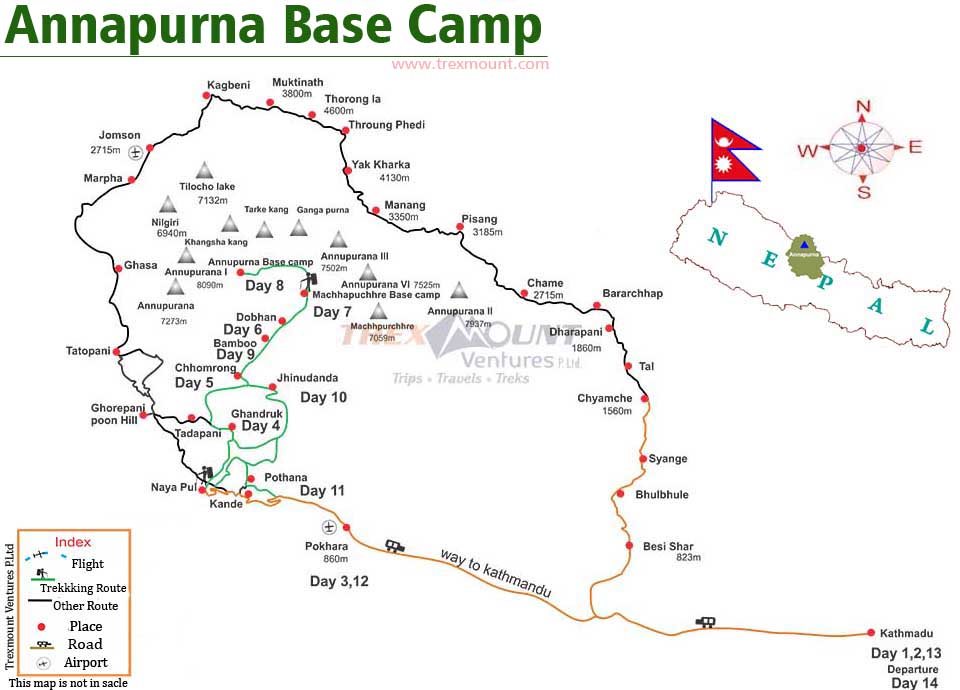
13. Mardi Himal Trek Map and Distance

Understanding the Mardi Himal trekking map helps you visualize the journey and plan more effectively. The trail follows a relatively straightforward north-south ridgeline, climbing steadily from lower subtropical zones to the high alpine world.

13.1 Mardi Himal Trek Distance Summary

  • Total round-trip distance: ~50 to 55 kilometers
  • Daily average distance: 7 to 12 kilometers, depending on stage
  • Highest point: Mardi Himal Base Camp at ~4,500 m
  • Lowest point: Kande at ~1,770 m
  • Total elevation gain: Approximately 2,730 meters from start to finish
SegmentDistanceElevation Change
Kande to Australian Camp~4 km+290 m
Australian Camp to Forest Camp~6 km+540 m
Forest Camp to Low Camp~5 km+550 m
Low Camp to High Camp~4 km+430 m
High Camp to Base Camp~5 km+920 m

A good Mardi Himal trek map is available through Trexmount Ventures and can also be found at the Annapurna Conservation Area Project (ACAP) checkpoints at the start of the trail. Additionally, GPS maps on apps like Maps.me and Gaia GPS cover this route well.

14. What Is the Hardest Trek in Nepal?

Many people ask this question when comparing different Himalayan trails. While the Mardi Himal trekking is rated moderate, Nepal is home to some of the most demanding treks on Earth. Understanding the spectrum helps you appreciate where the Mardi Himal sits.

14.1 Nepal’s Trekking Difficulty Scale

TrekMax ElevationDifficultyDuration
Mardi Himal Trek~4,500 mModerate5–7 days
Annapurna Base Camp~4,130 mModerate7–10 days
Everest Base Camp~5,364 mModerate–Hard12–14 days
Manaslu Circuit~5,160 mHard14–16 days
Three Passes Trek~5,535 mVery Hard16–20 days
Upper Mustang~3,840 mModerate12–14 days

14.2 Where Mardi Himal Sits in the Difficulty Spectrum

The Mardi Himal trekking difficulty is genuinely moderate, challenging enough to feel like a real achievement, but approachable enough for fit beginners. In contrast, the hardest treks in Nepal, such as the Three Passes Trek or Kangchenjunga Base Camp, require prior high-altitude experience, technical skills, and extended preparation.

Therefore, if you are new to Himalayan trekking, the Mardi Himal Nepal is one of the very best places to start your journey. It will build your confidence, test your limits, and reward you with views that rival anything the harder routes have to offer.

15. Mardi Himal Trekking Package with Trexmount Ventures

At Trexmount Ventures, we believe every trekker deserves a safe, well-organized, and deeply enriching experience on the Mardi Himal trekking. Our Mardi Himal trekking package is designed to cover every detail so you can focus entirely on the beauty around you.

15.1 What Our Mardi Himal Trekking Package Includes

  • Licensed, experienced Mardi Himal trek guide fluent in English
  • All permits, ACAP permit, and TIMS card
  • Teahouse accommodation throughout the trek
  • All meals on the trail (breakfast, lunch, and dinner)
  • Transportation from Pokhara to trailhead and back
  • Detailed Mardi Himal trek map and pre-trek briefing
  • Emergency communication equipment and first aid kit
  • 24/7 support from the Trexmount Ventures team

15.2 Why Choose Trexmount Ventures

ReasonWhat It Means for You
Expert Local GuidesSafe, informed, culturally rich experience
Small Group SizesMore personalized attention on trail
Flexible ItinerariesWe adapt to your pace and fitness
Responsible TrekkingWe respect local communities and nature
End-to-End SupportFrom booking to safe return, we handle it all

Furthermore, our team at Trexmount Ventures has years of hands-on experience leading groups on the Mardi Himal trek from Pokhara, through all seasons and conditions. Consequently, when you trek with us, you are not just buying a package, you are gaining a team that genuinely cares about your safety and experience.
FAQs About the Mardi Himal Trek

1. How long is the Mardi Himal trek?

The Mardi Himal trek typically takes 5 to 7 days to complete, depending on your pace and chosen itinerary. The standard 6-day plan from Trexmount Ventures is the most popular. The total Mardi Himal trek distance is approximately 50 to 55 kilometers round trip. Each day covers between 6 and 12 kilometers of walking. The trek starts and ends near Pokhara, making it one of the most convenient short treks in Nepal for travelers with limited time.

2. How difficult is the Mardi Himal trek?

The Mardi Himal trek difficulty is rated as moderate. It is not a technical trek, meaning no ropes, crampons, or climbing experience is required. However, the sections between Mardi Himal High Camp and Mardi Himal Base Camp involve steep, rocky terrain at high altitude, which can be tiring. With proper fitness preparation, good gear, and a reliable Mardi Himal trek guide, most healthy adults can complete this trail successfully and safely.

3. Can beginners do the Mardi Himal trek?

Yes, absolutely. The Mardi Himal trek is one of the most beginner-friendly high-altitude treks in the Annapurna region trekking zone. As long as you are in reasonable physical health and have prepared with some regular walking or hiking beforehand, you can do this trek. A good Mardi Himal trek guide from Trexmount Ventures will ensure your safety and help you manage the altitude. The trail is well-marked, teahouses provide food and shelter, and the daily stages are manageable.

4. What is the best time for the Mardi Himal trek?

The best time for the Mardi Himal trek is during spring (March to May) and autumn (September to November). In spring, rhododendrons bloom spectacularly along the trail and skies are generally clear. In autumn, the monsoon has cleared the air, offering the sharpest mountain views of the year at both Mardi Himal High Camp and Mardi Himal Base Camp. Both seasons offer comfortable temperatures and stable weather patterns, making them the safest and most enjoyable times to trek.

5. What are the 2 most important camps on the Mardi Himal trek?

The two most critical camps on the Mardi Himal trek are Mardi Himal High Camp (at ~3,580 m) and Mardi Himal Base Camp (at ~4,500 m). High Camp offers an unbelievable panoramic ridge view and a legendary sunrise, while Base Camp puts you face-to-face with the towering peaks of Mardi Himal, Machhapuchhre, and Annapurna South. Both are central stops in every Mardi Himal trekking package by Trexmount Ventures.

6. Do I need a permit for the Mardi Himal trek?

Yes. You need two permits for the Mardi Himal trek: the ACAP (Annapurna Conservation Area Permit) and the TIMS (Trekkers’ Information Management System) card. Both are obtainable in Pokhara or Kathmandu. When you book a Mardi Himal trekking package with Trexmount Ventures, all permit arrangements are handled for you, so you do not need to worry about the paperwork.

7. How high does the Mardi Himal trek go?

The highest point on the Mardi Himal trek is Mardi Himal Base Camp, which sits at approximately 4,500 meters above sea level. Before reaching it, trekkers pass through Low Camp Mardi Himal (~3,150 m) and Mardi Himal High Camp (~3,580 m). The elevation gain from the trailhead at Kande (~1,770 m) to Base Camp is approximately 2,730 meters in total.

8. Is altitude sickness a risk on the Mardi Himal trek?

Yes, altitude sickness (AMS) is a potential risk on the Mardi Himal trek, especially above 3,500 meters near Mardi Himal High Camp and Mardi Himal Base Camp. Symptoms include headache, nausea, dizziness, and fatigue. To reduce risk: ascend slowly, drink plenty of water, eat well, sleep at lower elevations if possible, and never ignore symptoms. Trexmount Ventures’ guides are trained in wilderness first aid and altitude sickness recognition.

9. What should I pack for the Mardi Himal trek?

Essential items for the Mardi Himal trek include: sturdy waterproof hiking boots, warm down jacket, wind and rain jacket, thermal base layers, trekking poles, sunscreen and sunglasses, a reusable water bottle and purification tablets, a headlamp, a basic first aid kit, and a good daypack. A full packing list is provided by Trexmount Ventures when you book a Mardi Himal trekking package with us.

10. What is the hardest trek in Nepal?

The hardest treks in Nepal include the Three Passes Trek in the Everest region (crossing passes above 5,000 m), the Kangchenjunga Circuit, and the Tsum Valley trek. In comparison, the Mardi Himal trek difficulty is rated moderate, significantly less demanding than these extreme routes. However, it still offers incredible Himalayan views and a genuine sense of achievement, making it the perfect starting point for trekkers who want to experience Nepal’s mountains without taking on an extreme challenge.

Itinerary

Day 01

Arrival in Kathmandu and transfer to hotel.

Upon arrival at Tribhuvan International Airport in Kathmandu, our representative will warmly welcome you and transfer you to your hotel in a private vehicle. After check-in and some time to refresh, you will meet your trekking guide or tour leader for a pre-departure briefing. During this meeting, we review the entire trekking and climbing plan, safety guidelines, equipment checklist, and necessary logistics.

You will also submit essential documents such as passport copies, passport-size photographs, and travel insurance details required for permits and climbing registration.

Meals: Welcome Dinner

Day 02

Kathmandu: Free day or City Sightseeing (pay Locally for sightseeing)

After breakfast, the day is reserved for trek preparation and relaxation. You may explore local markets to purchase or rent any missing trekking equipment.

Alternatively, you can join an optional guided sightseeing tour around Kathmandu Valley. The city is rich in culture and history, with several UNESCO World Heritage Sites. Popular attractions include Pashupatinath Temple, the sacred Hindu pilgrimage site; Boudhanath Stupa, one of the largest Buddhist stupas in the world; and Swayambhunath Stupa, also known as the Monkey Temple. Visitors may also explore the historic Durbar Squares of Kathmandu, Patan, or Bhaktapur, which showcase ancient palaces, temples, museums, and traditional architecture.

Meals: Breakfast

Day 03

Drive to Pokhara 950m-3,116 ft - 06 hrs journey distance 220 k.m.

After breakfast, we begin a scenic drive to Pokhara, one of Nepal’s most beautiful cities. The journey follows winding highways along rivers, terraced farmlands, and traditional villages. As the road climbs through green hills and valleys, you will enjoy occasional views of the Himalayan foothills.

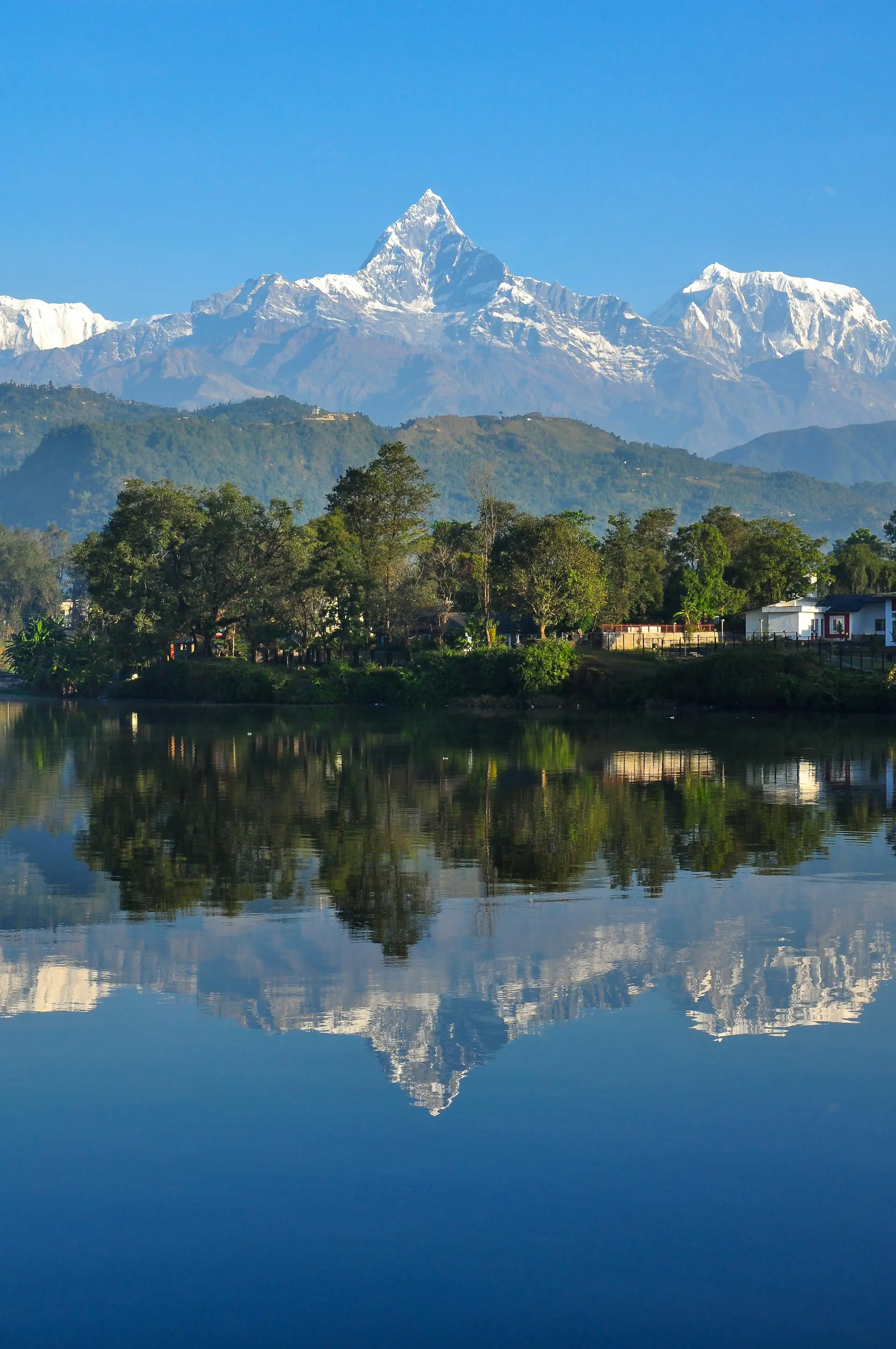
After approximately six hours, we arrive in Pokhara, a peaceful lakeside city famous for its stunning views of Machhapuchhre (Fishtail Mountain) and the Annapurna range. In the evening, you may stroll along Lakeside beside Phewa Lake, where restaurants, cafes, and shops create a lively atmosphere.

Optional: Instead of driving, travelers can take a 30-minute scenic flight from Kathmandu to Pokhara.

Travel duration: ~6 hours | Distance: 220 km
Meals: Breakfast

Day 04

Drive and trek to Dhiprung 1,675m-5,495 ft via Mardipul - 05 hrs.

After breakfast, we drive from Pokhara toward the Pokhara–Beni highway, reaching the starting point of our trek near Mardi Bridge (Mardipul). From here, we begin walking through terraced farmland and traditional villages.

The trail crosses the Mardi River and gradually climbs through cultivated fields and Gurung settlements. As we ascend higher, the views of surrounding hills and forests become more impressive. Our destination today is Dhiprang, a charming Gurung village surrounded by greenery.

If time permits, trekkers may visit a nearby natural hot spring, a relaxing spot enjoyed by locals.

Trek duration: ~5 hours
Meals: Breakfast, Lunch, Dinner

Day 05

Trek to Simre Kharka 2,400 m-7,874 ft - 06 hrs.

Leaving the village behind, the trail climbs toward a forested ridgeline. The route winds through dense forests and mountain paths where trekkers begin to feel the cooler alpine climate compared to the subtropical valleys below.

Along the way, we enjoy magnificent views of Machhapuchhre (6,997 m), as well as peaks from the Annapurna range including Annapurna South, Hiunchuli, Annapurna IV, Annapurna II, and Lamjung Himal. The trail continues past small settlements like Khumai, eventually reaching Simre Kharka, a scenic meadow used for seasonal grazing.

Trek duration: ~6 hours
Meals: Breakfast, Lunch, Dinner

Day 06

Trek to Khorchon 3,682 m-12,080 ft - 05 hrs.

Today’s trail follows a ridge route connecting the Mardi Himal region with Machhapuchhre. While the path itself is not technically difficult, the increasing altitude requires a steady pace.

As we climb higher, the vegetation gradually changes from dense forest to alpine landscapes. Eventually we reach Khorchon, a wide grazing meadow surrounded by dramatic Himalayan scenery. During summer months, local villagers bring their livestock here for seasonal grazing.

Trek duration: ~5 hours
Meals: Breakfast, Lunch, Dinner

Day 07

Rest day at Khorchon for hike and acclimatization.

Since we are now approaching higher elevations, today is dedicated to rest and acclimatization. Spending an extra day at this altitude helps the body adapt to reduced oxygen levels and reduces the risk of altitude sickness.

Trekkers can take short hikes around the surrounding ridges, enjoy spectacular views of the Annapurna massif, and relax in the peaceful alpine environment while preparing for the upcoming climb.

Meals: Breakfast, Lunch, Dinner

Day 08

Rest day at Khorchon for hike and acclimatization.

After breakfast, we continue toward Mardi Himal Base Camp, climbing steadily along a high ridgeline. The trail gradually reveals the spectacular southern face of Mardi Himal and nearby Machhapuchhre.

This area is sometimes referred to as the “Other Sanctuary”, a name given by early British mountaineer Jimmy Roberts when exploring this region in the 1970s. The area served as a base for early expeditions attempting Machhapuchhre, which remains an unclimbed sacred peak.

We establish camp at a scenic plateau beneath towering Himalayan walls.

Trek duration: ~5 hours
Meals: Breakfast, Lunch, Dinner

Day 09

Trek and climb to High Camp at 4,650m -15,256ft - 03 hrs.

Today is a shorter but more demanding day due to altitude. The route follows rugged terrain consisting of rocks, gravel, and sometimes snow patches.

Our destination is High Camp, located on the south-west ridge of Mardi Himal. Upon arrival, the climbing guide inspects the route conditions and prepares the necessary safety equipment. Climbers will also organize gear for the summit attempt scheduled for early the next morning.

Trek duration: ~3 hours
Meals: Breakfast, Lunch, Dinner

Day 10

Summit day and return to Base Camp.

Today is the most important day of the expedition. We start the climb before dawn, following a steep route across glacial moraine and snow slopes. Some sections reach angles of around 45 degrees, and fixed ropes may be used for safety.

With the support of experienced climbing guides, we gradually reach the summit of Mardi Himal (5,587 m). From the top, climbers enjoy breathtaking panoramic views of the Annapurna range, Machhapuchhre, Lamjung Himal, and Manaslu in the distance.

After celebrating the achievement, we descend carefully along the same route back to Base Camp.

Climb duration: ~7–9 hours round trip
Meals: Breakfast, Lunch, Dinner

Day 11

Trek from Base Camp to Kumai

After completing the summit climb, we begin a long descent following the same ridgeline trail back toward the forest zone. As we descend, the landscape gradually changes from alpine terrain to dense forests and rural villages.

Our overnight stop will be Kumai, a small mountain settlement surrounded by terraced fields and forested hills.

Trek duration: ~6–7 hours
Meals: Breakfast, Lunch, Dinner

Day 12

Trek all the way to Lwang village 1,230 m-4,035 ft - 05 hrs.

Today marks the final trekking day of the journey. The trail continues downhill through traditional villages, farmland, and forest paths until we reach Lwang, a beautiful village known for its tea gardens and traditional Gurung culture.

Tonight we stay in a community-run homestay, where visitors experience local hospitality, traditional food, and authentic village life.

Trek duration: ~5 hours
Meals: Breakfast, Lunch, Dinner

Day 13

Drive to Pokhara with afternoon flight back to Kathmandu.

In the morning, we drive from Lwang back to Pokhara Airport. From here, we take a short scenic flight to Kathmandu, offering one last aerial view of the Himalayas.

Upon arrival in Kathmandu, the rest of the day is free for relaxation, shopping, or exploring the city.

Flight duration: ~30 minutes
Meals: Breakfast

Day 14

Departure :

After breakfast, our team will transfer you to Tribhuvan International Airport for your departure flight. Your unforgettable journey to Mardi Himal concludes with wonderful memories of Nepal’s mountains, culture, and adventure.

Meals: Breakfast

Clients Review

Everest Base Camp & Muktinath Trail Helen & Mark Dwyer Australia

We had a dream to reach Mt Everest Base Camp since we heard about this. One of my friends recommended Trexmount so we have decided to use them for arranging our trek to Everest Base Camp. The treks were very well organized and the guides were extremely knowledgeable, and friendly and looked after us at all times.

Nothing was too much trouble for them and there was always a smile on their faces. We stayed...

Everest Gokyo Ri Trekking Bridget and Ron New Zealand

Namaste Hari and all at Trexmount Ventures, We have just completed our third visit and a Fantastic trek in Nepal with a four-day trek in the Annapurna area and an 18-day trek to Everest base camp and Gokyo. Noelene joined us for the Everest trek and it was her 9th visit! We can highly recommend Trexmount Ventures as a great company. The guides we had, Ram and Tilak were very well informed and also both able to pace the trek to ensure we all reached our...

Trip Info

A great trip around traditional villages, green hills, forests, landscapes, mountains, and Mardi Himal climb beneath the towering unclimbed Mt. Machhapuchhre the Fish Tail, these are the main attraction and highlights of this trip, however to trek and climb around the world’s 10th highest Mt. Annapurna at 8,091 m is quite something, out of this world feeling, trekking in the heart of other Annapurna sanctuary massive mountain ranges, dramatic variation from sub-tropic – Mediterranean to arctic climate temperature and landscapes, daily amazing panorama views with views of world’s 3highest mountains Annapurna-Dhaulagiri & Manaslu, fascinating traditional mid hills Gurung tribe villages.