 Trexmount Ventures
Trexmount Ventures
Trexmount Ventures

Popular Searches
Ready to plan your next getaway? Let’s connect and create something incredible together.
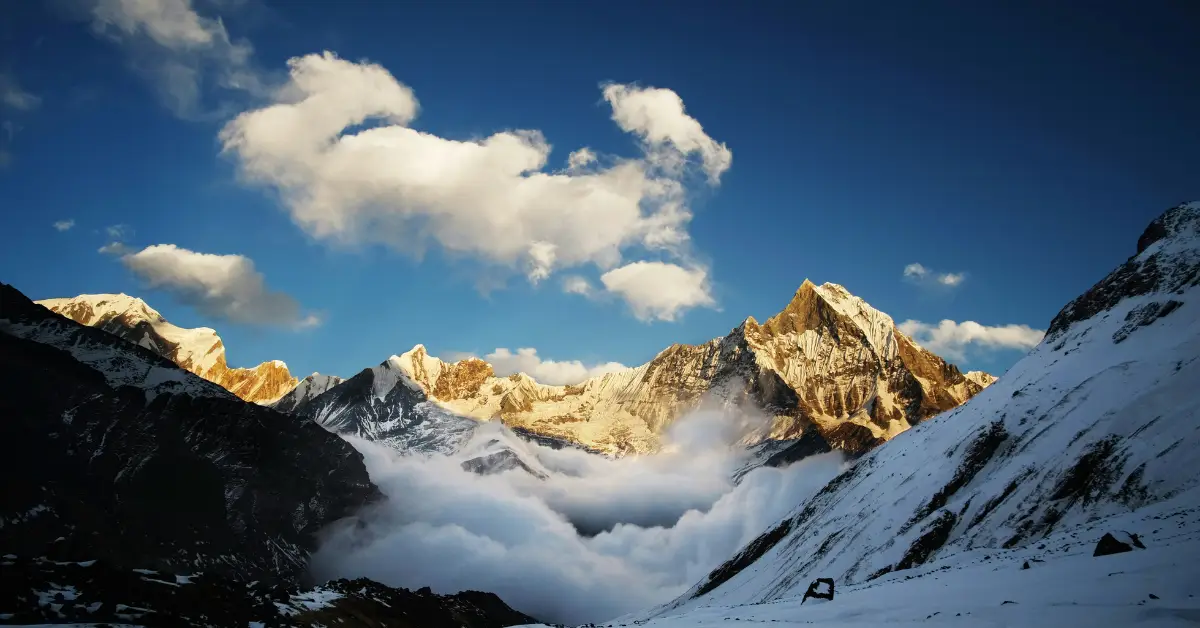
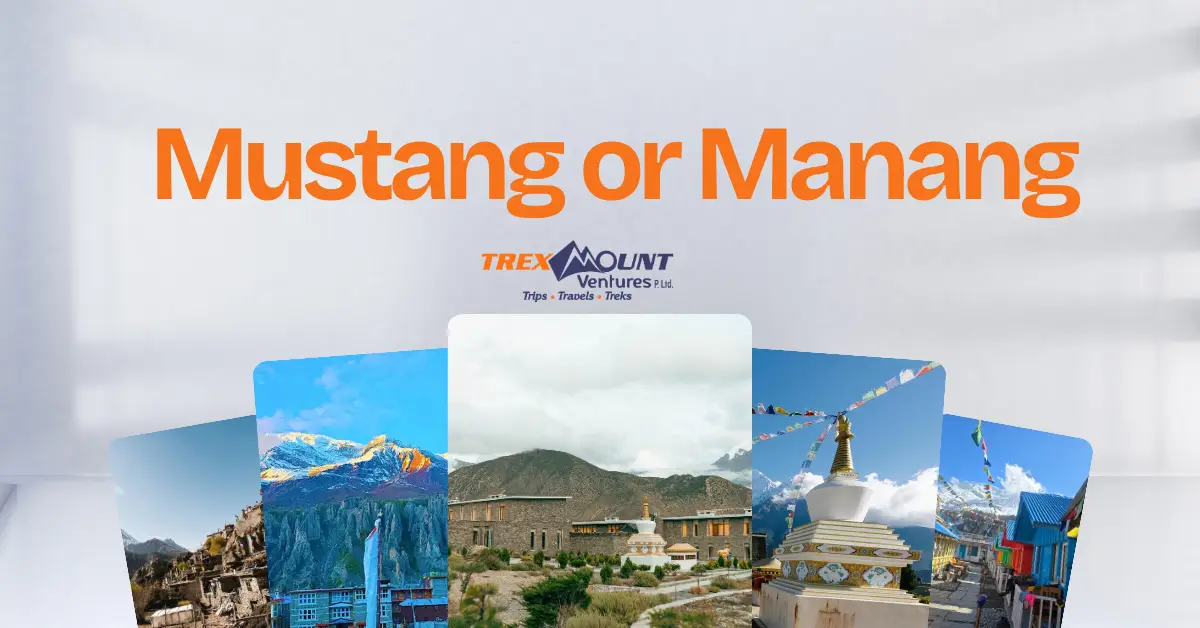
If you are comparing Mustang or Manang, there is no single destination that is better for every traveler. The right choice depends on whether you want high-altitude trekking, dramatic alpine scenery, Tibetan-influenced culture, dry landscapes, pilgrimage sites, or a destination that works well during Nepal's monsoon.
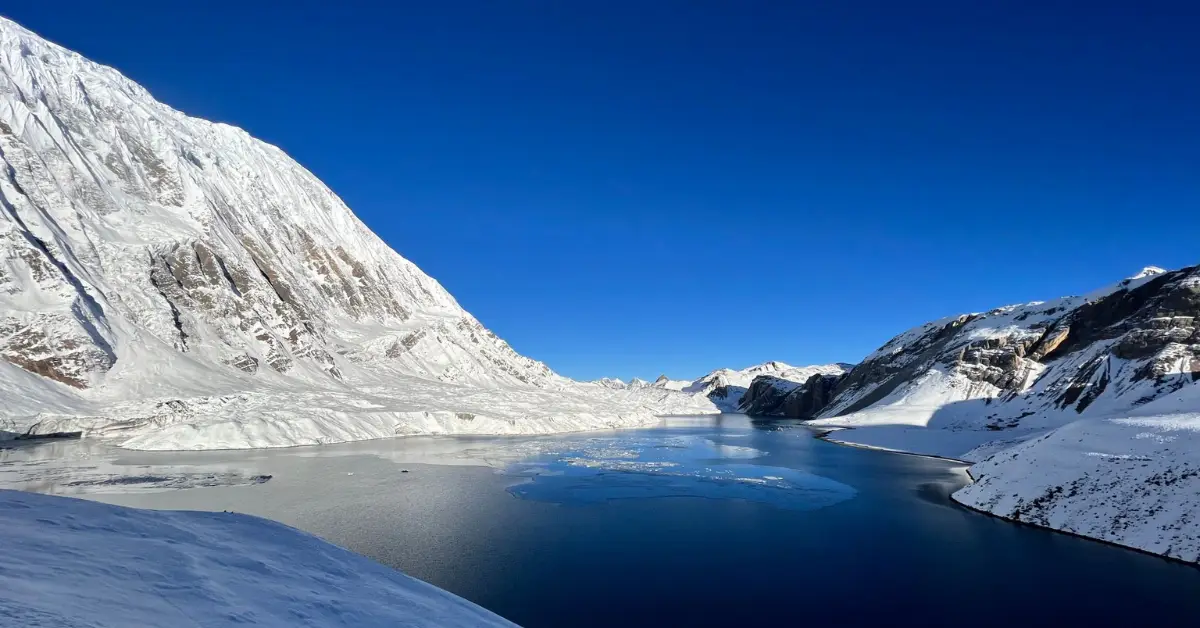
Manang is particularly suited to travelers looking for the classic Himalayan trekking experience. It sits along the Annapurna Circuit and offers high mountain landscapes, traditional villages, dramatic valleys, and access to destinations such as Tilicho Lake and Thorong La. The Annapurna region reaches its highest point at Thorong La at 5,416 meters.
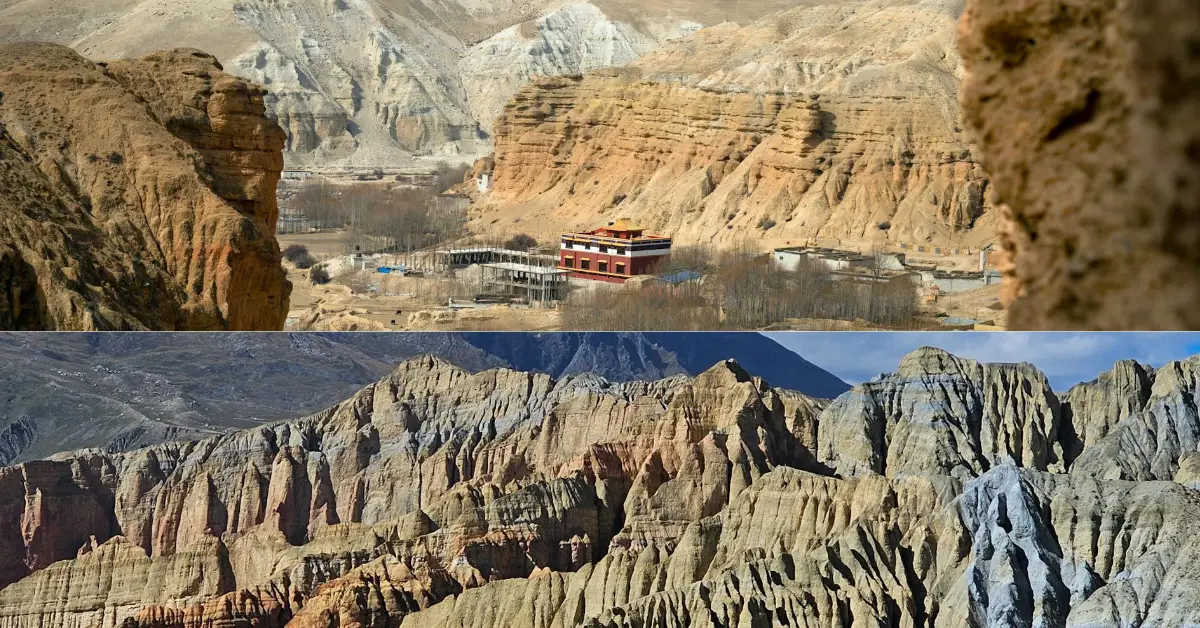
Mustang, meanwhile, is known for its trans-Himalayan landscape, arid valleys, ancient settlements, Buddhist culture, and the historic walled city of Lo Manthang. Upper Mustang is also unusual because its rain-shadow location makes it one of Nepal's trekking regions that can be visited during the monsoon.
So, in simple terms:
The better question is not simply “Which is better?” but “Which destination matches the experience I want from a Trek in Nepal?”
Mustang and Manang are both in north-central Nepal and are strongly influenced by the Himalayan rain shadow, but they do not offer the same travel experience.
Manang is located on the eastern side of the Annapurna region. The Annapurna Circuit follows the Marsyangdi River toward Manang, passing through a succession of mountain villages before continuing toward the high Thorong La pass.
Mustang lies farther west, around the Kali Gandaki valley. The landscape becomes noticeably drier and more desert-like as you move north. Upper Mustang in particular has strong Tibetan cultural influences and contains ancient settlements, monasteries, caves and the historic walled city of Lo Manthang.
The biggest differences include:
Manang is one of Nepal's major high-altitude trekking destinations because it combines mountain scenery, traditional villages and access to some of the most important trails in the Annapurna region.
The journey toward Manang follows the Marsyangdi River and gradually enters a much more alpine environment. The landscape changes as altitude increases, making the journey itself an important part of the experience.
For trekkers, Manang is particularly interesting because it can be used as part of several different itineraries.
You can experience:
The region is also useful for acclimatization on longer high-altitude itineraries. However, altitude should never be treated casually. Trekking above 3,000 meters requires appropriate pacing, hydration and attention to symptoms of altitude sickness.
Nepal Tourism Board identifies Manang as part of the Annapurna trekking region and notes that the area contains stark, rocky terrain resembling the Tibetan plateau. It also highlights Tilicho Lake at 4,919 meters.
Mustang feels different almost immediately.
Instead of dense forests dominating the landscape, northern Mustang becomes increasingly dry, rocky and open. The Kali Gandaki valley, cliffs, caves, monasteries and traditional settlements create a landscape that looks distinctly different from many other parts of Nepal.
Upper Mustang is particularly known for its cultural and historical character.
The region was once a separate kingdom within Nepal, and Lo Manthang served as its historic capital. Nepal Tourism Board describes Upper Mustang as geographically part of the Tibetan plateau and highlights its preserved mountain culture.
Mustang is a strong choice if you want:
Upper Mustang also has a distinct permit requirement. It is a restricted area, so travelers should arrange the required permits and follow current regulations rather than assuming that a standard Annapurna trekking permit is sufficient.
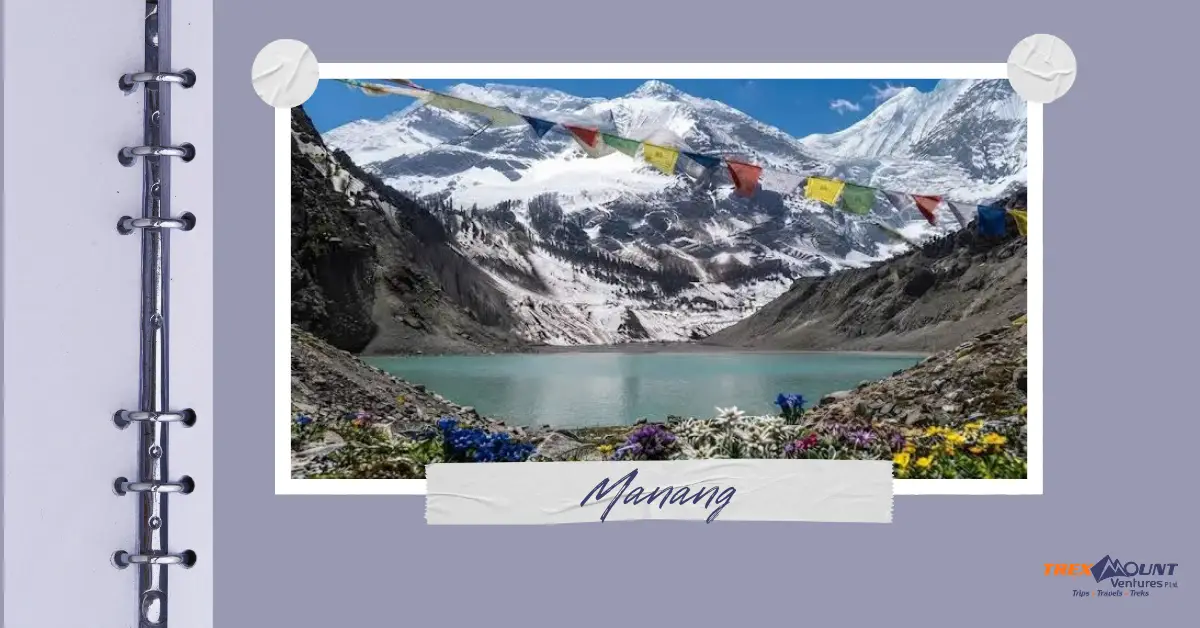
Manang is famous for its location along the Annapurna Circuit, high-altitude Himalayan scenery, traditional mountain villages and access to major destinations such as Tilicho Lake and Thorong La.
The settlement and surrounding valley sit in a dramatic mountain environment where the landscape becomes increasingly dry and rocky with elevation.
Manang is also important because trekkers often spend time there while acclimatizing before continuing toward higher sections of the Annapurna Circuit.
Some of the major attractions associated with the Manang region include:
For travelers searching Mustang or Manang, this is one of the clearest reasons to consider Manang: it is deeply integrated into one of Nepal's most established trekking routes.
For most trekkers, October and November are among the strongest months for Manang because post-monsoon conditions generally provide clearer mountain views and stable trekking weather.
March to May is another favorable period. Nepal Tourism Board identifies March–May and September–November as the main trekking periods for the Annapurna region.
A simple seasonal breakdown:
Nepal Tourism Board generally identifies September–November and February–May as favorable trekking periods in Nepal, while its Annapurna information specifically highlights March–May and September–November.
Plan winter carefully because temperatures drop substantially at higher elevations. Nepal Tourism Board notes that Manang is a high-altitude region where winters can be extreme and higher areas can receive snowfall.
Manang can be reached by road and trekking routes, depending on your itinerary and current road conditions.
A common approach is to travel from Kathmandu or Pokhara toward the Annapurna region and continue through the Marsyangdi Valley toward Manang.
The exact starting point can vary because transportation and road access change over time.
For a trekking itinerary, travelers commonly use road transportation to reach lower sections of the Annapurna Circuit and then continue on foot.
Nepal Tourism Board identifies the Annapurna Circuit as beginning around Besi Sahar and following the Marsyangdi River toward Manang before continuing toward the high pass. It also notes Chame as an access point with an airport.
Depending on your itinerary, you can consider:
Road conditions in the Himalayas can change because of rainfall, landslides, construction and seasonal conditions. Therefore, confirm transportation shortly before departure.
This depends heavily on what you mean by “scenery.”
If you imagine snow-covered peaks, alpine valleys, glaciers, high passes and traditional Himalayan villages, Manang may fit that image more closely.
If you imagine red and brown cliffs, barren mountains, ancient settlements, monasteries and a landscape resembling the Tibetan Plateau, Mustang offers that experience.
Mustang's rain-shadow environment is one of its defining characteristics. Nepal Tourism Board notes that Mustang receives less than 300 mm of annual rainfall in its climate information, compared with much wetter parts of Nepal.
This creates the distinctive dry appearance that attracts many travelers.
Manang also lies in a rain-shadow environment, but its trekking experience is more closely associated with the Annapurna Circuit and the transition from lower valleys to high alpine terrain.
Both regions have strong Himalayan cultural identities.
However, Mustang is particularly notable for its Tibetan cultural influence.
Upper Mustang's historical isolation helped preserve cultural traditions, architecture and religious sites. Lo Manthang, ancient monasteries and nearby caves contribute to the region's historical importance. Nepal Tourism Board notes that caves around Lo Manthang contain ancient murals and chortens dating back centuries.
Manang also offers strong mountain culture, with villages and communities along the Annapurna Circuit reflecting the region's Himalayan heritage.
So:
This is where Mustang has a particularly important advantage.
Much of Nepal receives substantial rainfall during the monsoon, which generally lasts from June to September. However, the Himalayan rain shadow protects areas such as Mustang from much of that rainfall. Nepal Tourism Board specifically identifies Upper Mustang as a destination suitable for trekking during the rainy season.
This does not mean every journey to Mustang is automatically easy during monsoon. Roads, flights and local conditions can still be affected by weather.
But if your travel dates are fixed during the monsoon and you want to Trek in Nepal, Mustang deserves serious consideration.
Manang can still be visited during different seasons, but monsoon conditions require more careful route planning.
Difficulty depends on the exact itinerary rather than simply the destination name.
A short Lower Mustang trip can be very different from a demanding Upper Mustang trekking itinerary. Likewise, a lower Manang journey is different from completing the Annapurna Circuit and crossing Thorong La.
Altitude is an important factor in both.
For example, Thorong La reaches 5,416 meters, while Nepal Tourism Board states that the highest point reached on the Upper Mustang trek is around 3,800 meters.
Therefore:
Your fitness, itinerary, acclimatization schedule, weather and transportation arrangements all affect the actual difficulty.
The answer becomes straightforward when you match the destination to your travel purpose.
Choose Manang if you want:
Choose Mustang if you want:
For someone asking “Mustang or Manang?” purely for a classic high-altitude trekking experience, Manang is closely tied to the Annapurna Circuit and its high mountain passes. For someone primarily interested in dry landscapes, cultural heritage and monsoon travel, Mustang provides a distinctly different experience.
At Trexmount Ventures, the important point is not simply choosing a famous destination. A good itinerary should match your available days, preferred trekking intensity, season, altitude experience and interests.
If you are comparing routes before booking, discuss the complete itinerary, transportation, permits, accommodation, acclimatization and guide arrangements with a qualified trekking operator. Trekkers should also check current permit and access requirements because these can change.
Manang can be a strong option for first-time trekkers when the itinerary is appropriately paced, especially on established Annapurna routes. Mustang can also suit beginners on shorter itineraries, but Upper Mustang has specific permit and guide requirements.
Both can become very cold because of their altitude. Temperature varies by elevation and season. Winter conditions are particularly severe in higher Himalayan areas, so the specific itinerary matters more than simply comparing Mustang and Manang.
Beauty is subjective. Manang is known for alpine valleys, high mountains and the Annapurna Circuit, while Mustang is known for dry cliffs, barren landscapes, ancient settlements and Tibetan-influenced scenery.
Yes. Both belong to the wider Annapurna region, and longer itineraries can incorporate destinations from both areas. The exact route depends on transportation, trekking days, permits and the chosen itinerary.
There is no fixed answer. Cost depends on transportation, number of trekking days, accommodation, guide and porter services, permits and whether you travel independently or through an organized trekking package.
Upper Mustang is generally more suitable during the monsoon because it lies in the Himalayan rain shadow. Nepal Tourism Board specifically identifies Upper Mustang as a monsoon trekking destination.
Road access reaches significant parts of the Annapurna region, and transportation options can change with road conditions and seasonal factors. Many travelers combine road transportation with trekking rather than relying entirely on walking from the lowest point.
Not necessarily. Upper Mustang reaches a lower maximum trekking elevation than Thorong La, but difficulty varies according to distance, terrain, itinerary, weather and acclimatization. Thorong La reaches 5,416 meters.
Both have distinctive Himalayan cultures. Mustang is particularly recognized for its Tibetan-influenced traditions, ancient settlements and monasteries, while Manang offers traditional mountain communities along the Annapurna trekking corridor.
Choose based on the experience you want. Manang suits high-altitude Annapurna trekking and alpine scenery, while Mustang suits dry landscapes, Tibetan-influenced culture, historic settlements and monsoon travel.

Welcome to Trexmount Ventures !