 Trexmount Ventures
Trexmount Ventures
Trexmount Ventures

Popular Searches
Ready to plan your next getaway? Let’s connect and create something incredible together.
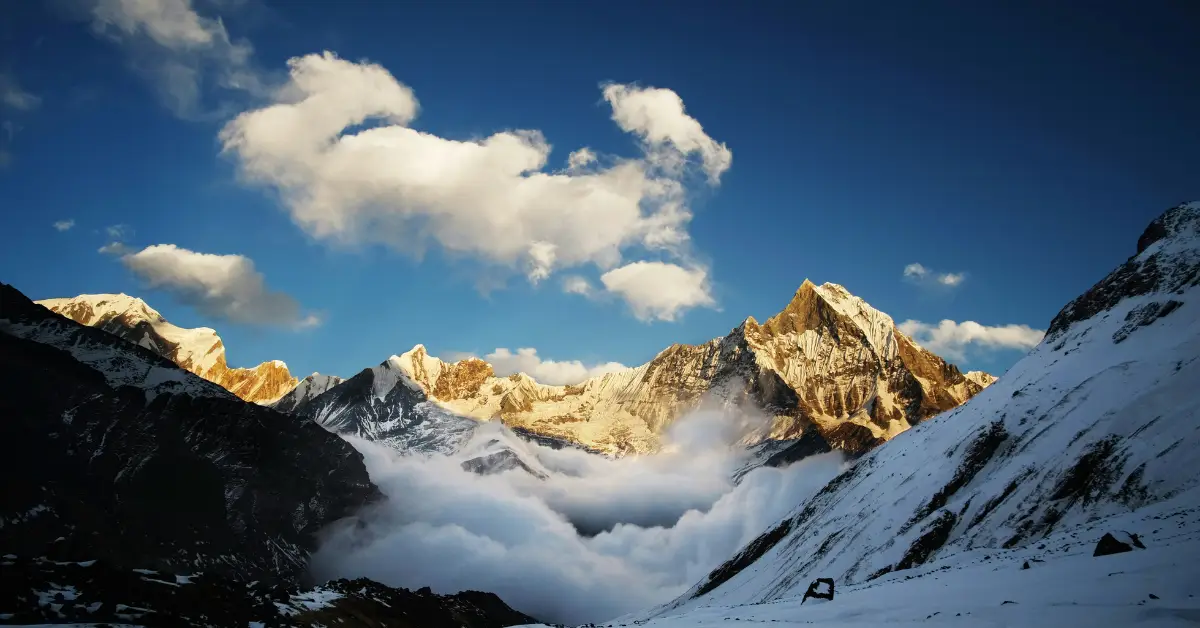

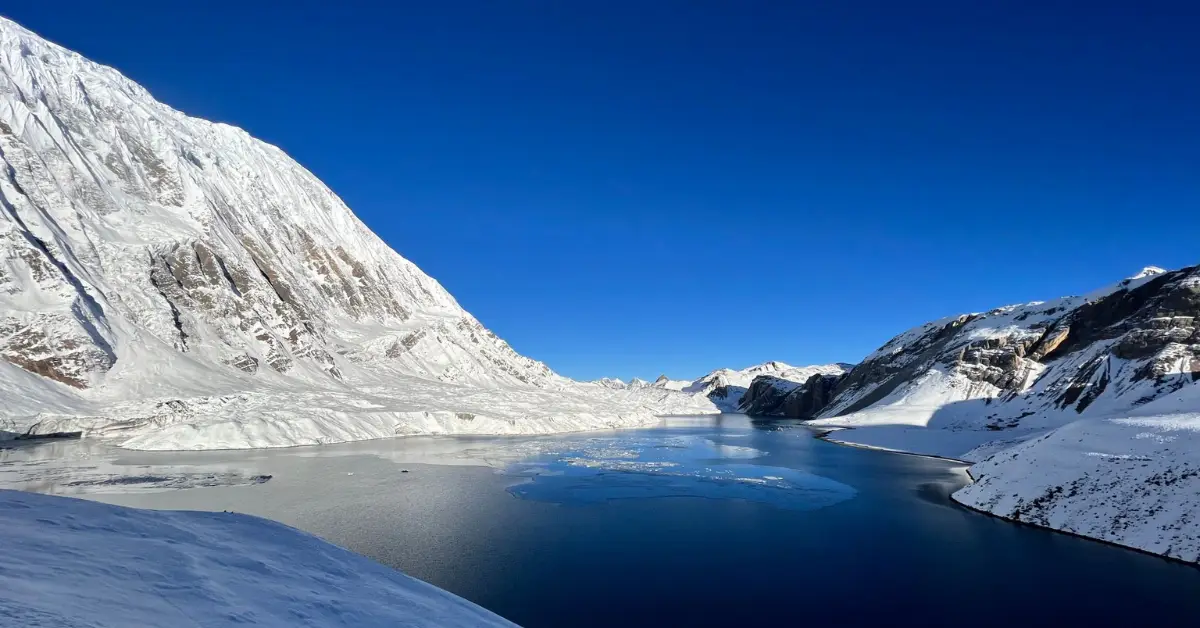
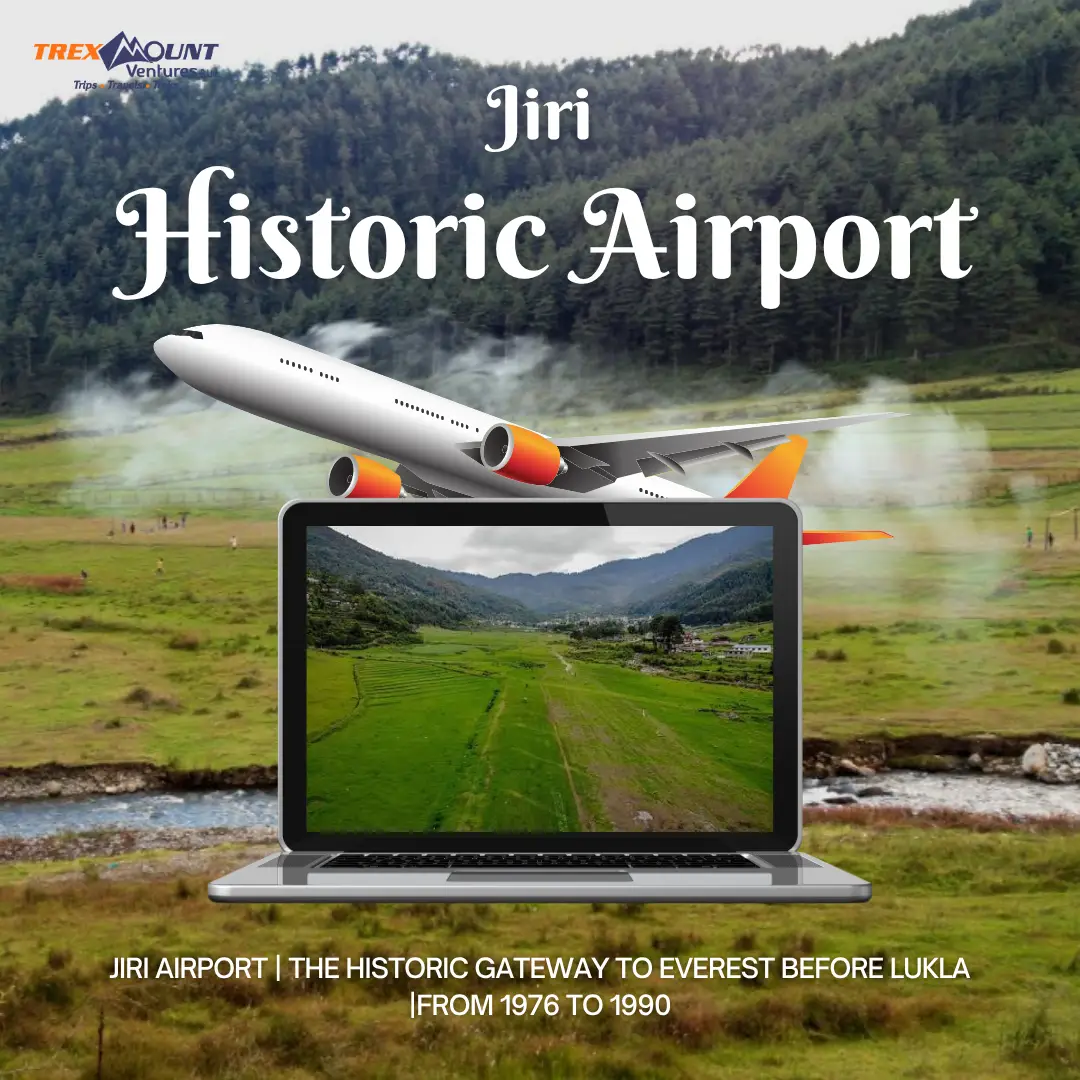
There is a particular kind of pride that belongs to small Nepali towns that once mattered enormously to the outside world before the world moved on to faster routes. Jiri, tucked into the hills of Dolakha District, is one of those places. Long before Lukla's airstrip became the default entry point to the Everest region, Jiri was where the journey to the world's highest mountain truly began, not by plane, but on foot, through terraced hills, pine forests, and Sherpa and Rai villages that most modern trekkers never see anymore.
For a tourist today, Jiri might look like a quiet stopover town on the road east of Kathmandu. For a Nepali from Dolakha, it's a place woven into national memory, the town that helped carry Everest's first successful expedition toward history, and later became one of Nepal's earliest experiments in connecting remote hill regions by air. For Nepal as a country, Jiri represents something larger: the story of how a nation with almost no infrastructure in the 1950s slowly built the roads, airstrips, and trails that would eventually make it one of the world's great trekking and mountaineering destinations.
This blog walks through that story, the myths worth correcting, the real history of Jiri Airport, and why the Jiri Everest route still matters to trekkers who want something more than a quick flight to Lukla.
Jiri Airport (IATA: JIR, ICAO: VNJI) is a small STOL (Short Take-Off and Landing) airstrip located in Jiri, Dolakha District, Bagmati Province, at an elevation of roughly 1,900 metres. It was built as part of Nepal's broader mid-20th-century effort to connect remote hill districts to Kathmandu by air, using small aircraft like the Pilatus Porter that could operate from short, unpaved runways.
Historical aviation records show that Nepal's development plans in the 1960s and 70s specifically targeted places like Jumla, Jiri, and Baglung for new STOL airstrips, as part of a broader national strategy to reduce the isolation of hill communities. Jiri's airstrip functioned as a domestic airfield connecting Dolakha to Kathmandu, and by most accounts it saw meaningful use from roughly the mid-1970s into 1990, after which improved road access from Kathmandu and the rising dominance of Lukla as the Everest air gateway made regular flights to Jiri commercially unnecessary.
It's worth being straightforward here: Jiri Airport is not a major historical landmark in the same way Lukla's Tenzing-Hillary Airport is. It was a modest, practical airstrip, important locally, but never central to Everest mountaineering the way it's sometimes described online.
No, and this is one of the most common misconceptions repeated across travel blogs and social media. In 1953, when Edmund Hillary and Tenzing Norgay made their historic ascent of Everest, there was no airstrip at Jiri. There was no airstrip anywhere near the Khumbu.
The 1953 British Everest expedition left Kathmandu on foot on 10 March 1953. The team, along with hundreds of porters and Sherpa personnel carrying roughly 10,000 pounds of equipment, trekked approximately 170 miles overland, reaching Namche Bazaar on 25 March. Hillary and Tenzing reached the summit on 29 May 1953, a journey that began and continued entirely on foot, with Jiri later becoming associated with the route not because anyone flew from there, but because it became the recognized overland roadhead for the approach in the years that followed.
The more accurate way to describe this connection is:
For a Nepali audience especially, getting this right matters. It preserves the accuracy of a story that Nepal has every right to be proud of, without needing exaggeration.
Even though Jiri Airport wasn't part of the Everest mountaineering story, its roughly fourteen-year operational window says something important about Nepal's own development story.
This is a very Nepali kind of infrastructure story, small, practical, easily overshadowed by a more famous neighbor, but genuinely useful in its time.
Long before anyone talked about an airstrip, Jiri's real importance was as the overland gateway to the Everest approach. This is the Jiri Everest route that trekking history remembers.
Before Lukla existed as an option, the journey looked like this:
Kathmandu → overland travel → Jiri/Solu → Khumbu → Namche Bazaar → Everest Base Camp
Expeditions and porters moved progressively through Nepal's middle hills, crossing ridge after ridge, valley after valley. The classic route passed through:
This wasn't simply a longer walk, it was a completely different way of experiencing the approach to Everest. Trekkers and expedition members crossed passes like Deurali, Lamjura La, and Taksindu La, gradually gaining altitude over many days instead of arriving at nearly 2,900 metres within minutes of a Lukla flight.
For Nepal as a country, this route also tells an economic story. The 1953 expedition alone required 362 porters and 20 Sherpa guides to move roughly 10,000 pounds of supplies, food, tents, oxygen equipment, climbing gear, fuel, medical supplies, and communications equipment. That kind of logistical demand created early employment and trade opportunities in villages along the corridor, long before organized trekking tourism existed.
For a tourist deciding between flying to Lukla or walking from Jiri, the honest comparison looks like this:
The Jiri route and Lukla route offer two very different ways to reach Everest Base Camp. While the Jiri route follows the historic overland approach to Everest, the Lukla route provides a shorter and more direct entry into the Khumbu region. The main differences include:
In short, the Jiri route is ideal for trekkers who want a longer, quieter, and more historically connected journey, while the Lukla route is better suited to those looking for a shorter and more time-efficient way to reach Everest
Base Camp.
Practical points for anyone considering the Jiri to Everest Base Camp trek:
For Nepal, the story of Jiri, first as a walking roadhead, later briefly as a small airstrip between 1976 and 1990, and today as an alternative trekking start point, reflects the country's own evolution. It shows a nation building infrastructure piece by piece: foot trails before roads, roads before airstrips, small STOL airfields before international terminals. Jiri never became the famous name that Lukla did, but it played its part quietly and honestly, first carrying porters and expedition loads on human shoulders, and later, for a decade and a half, carrying passengers by air before handing that role over to its more famous neighbor.
For trekkers, choosing the Jiri route today isn't about nostalgia for an airport that no longer flies. It's about choosing to walk the same corridor that shaped Everest's earliest human history, a slower, quieter version of Nepal that Lukla's short flight simply skips over.
No, Jiri Airport does not currently operate regular commercial flights. Most travelers now reach Jiri by road from Kathmandu, and Lukla's Tenzing-Hillary Airport serves as the main air gateway to the Khumbu.
It's situated in Jiri, Dolakha District, Bagmati Province, Nepal, at an elevation of roughly 1,900 metres (about 190 km from Kathmandu).
No. There was no airstrip at Jiri in 1953. The entire expedition, including Hillary and Tenzing, approached Everest on foot from Kathmandu — the airstrip came decades later and was never part of that journey.
Available records point to Jiri's STOL airstrip being active from roughly the mid-1970s through 1990, after which road improvements and Lukla's growing dominance made regular service there impractical.
As road access from Kathmandu to Jiri improved and Lukla became the established, closer air gateway to the Khumbu, demand for flights to Jiri declined sharply.
The Jiri route is a longer overland approach through lower Solu villages and passes, taking 18–22 days to Everest Base Camp. The Lukla route starts with a short flight and typically takes 12–14 days.
It's longer and more physically demanding overall, but the gradual elevation gain can make acclimatization more comfortable than the sudden altitude jump at Lukla.
Not reliably, there's no consistent scheduled airline service to Jiri currently. Road travel from Kathmandu is the standard way to reach it now.
Because Jiri's real historical role was as the overland roadhead where the walking trail to the Khumbu began, its brief life as an airstrip (1976–1990) is a separate, later chapter in its history.
For travelers who want a quieter, more culturally immersive route with a stronger historical connection to Everest's early expeditions, many trekkers and guides consider it worth the extra time compared to the faster, busier Lukla route.

Welcome to Trexmount Ventures !